
2027 Are There Any One-Year Online Leadership Degree Programs Worth Considering?

Co-Founder and Chief Data Scientist
A one-year online leadership degree can be a practical route if you already have college credit, professional experience, or the discipline to handle an accelerated graduate program. The key is understanding what “one year” really means: some programs are designed for 12-month completion, while others only become one-year options if you transfer credits, take a full-time course load, or move quickly through competency-based coursework.
This guide explains when a one-year leadership degree is realistic, which online options are commonly available, what to compare before enrolling, and how to weigh cost, flexibility, workload, accreditation, and career value. It is written for working adults, managers, military learners, and career changers who want leadership training without spending several years in school.
Key Points About One-Year Online Leadership Degree Programs
- One-year online leadership degrees emphasize practical skills and strategic decision-making, differing from traditional programs that often involve broader theoretical foundations over longer periods.
- Students should expect accelerated coursework, with a focus on real-world leadership challenges and industry-specific case studies tailored to current market demands.
- Enrollment trends show growing interest from mid-career professionals seeking fast, flexible options to advance leadership roles without pausing employment.
Is It Feasible to Finish a Leadership Degree in One Year?
Yes, finishing an online leadership degree in one year is feasible, but it depends heavily on the degree level, program design, transfer credit, and how much time you can commit each week. The most realistic one-year path is usually a master’s degree in leadership, management, or organizational leadership built around accelerated, self-paced, or competency-based coursework.
Schools such as Western Governors University and Liberty University offer flexible online formats that may help students move faster than a traditional semester schedule. These programs often allow eligible transfer credits, shorter academic terms, or competency-based progression, where students advance after demonstrating mastery rather than waiting for a fixed class calendar to end.
A one-year bachelor’s degree in leadership is much less common. Most bachelor’s programs require substantial general education, major, and elective credits. Completing one in twelve months usually requires significant prior college credit, military credit, professional training, or enrollment in a highly accelerated degree-completion program.
The timeline can also stretch beyond one year if the program includes a capstone, practicum, research project, cohort schedule, or required sequence of courses that cannot be compressed. Leadership degrees generally do not involve licensure requirements in the way teaching, counseling, or nursing programs might, but individual programs may still require applied projects that take time to complete well.
In practical terms, a one-year leadership degree is most achievable for students who:
- already have a bachelor’s degree and are entering an accelerated master’s program;
- can study consistently while managing work and personal responsibilities;
- choose a program with flexible pacing or short terms;
- have relevant professional experience that helps them move through applied leadership coursework faster; and
- understand that “can be completed in one year” is not the same as “easy to complete in one year.”
Are There Available One-year Online Leadership Degree Programs?
Yes, but the number of truly one-year online leadership degree programs is limited, especially at the undergraduate level. Most available options are graduate degrees in management and leadership, organizational leadership, or closely related fields. These programs are often marketed as accelerated, self-paced, or competency-based because their structure allows motivated students to finish faster than in a traditional format.
For students looking for an accelerated leadership master’s degree online, the best-fit programs are usually designed for working professionals who already have a bachelor’s degree and some workplace experience. For undergraduate students, a full leadership bachelor’s degree in one year is uncommon unless they bring a large amount of transfer credit. Students who want a shorter credential may also consider an accelerated online associate degree or a leadership certificate as a stepping stone.
- Western Governors University (WGU) offers a Master of Science in Management and Leadership (MSML) designed to be completed in as little as 12 months. The competency-based model covers organizational leadership, change management, strategic management, and ethical leadership. Students progress by demonstrating mastery of each topic, which can benefit learners who already understand parts of the curriculum through work experience.
- UMass Global provides an MA in Organizational Leadership with a self-paced format that enables highly motivated students to finish in less than a year. The program requires mastery-based completion of 36 credits and includes leadership foundations, leadership practices, and individualized electives.
- Columbia College offers a fully online Master's in Organizational Leadership that can be completed in under 12 months by full-time, motivated students. The curriculum emphasizes advanced leadership skills, strategic planning, and organizational communication for students preparing for upper management responsibilities.
When reviewing these and similar programs, verify the exact completion rules with the school. Ask whether the one-year timeline assumes full-time enrollment, continuous terms, no breaks, specific transfer credits, or a certain number of courses completed per term. These details matter because they determine whether the advertised pace is realistic for your schedule.
Why Consider Taking Up One-year Online Leadership Programs?
A one-year online leadership program is worth considering if you need a recognized graduate credential quickly and can handle an intensive academic pace. These programs are most useful for professionals who already supervise teams, manage projects, coordinate departments, or want to move into higher-responsibility roles where leadership, communication, and strategic decision-making matter.
The main advantage is speed, but speed should not be the only reason to enroll. A good accelerated program should also help you build practical leadership judgment: how to manage conflict, guide change, motivate teams, communicate across departments, and make decisions under uncertainty.
- Cost-effective learning: WGU's one-year Master of Science in Management and Leadership costs just $9,510 total, which can reduce the financial burden compared with longer programs.
- Accelerated progress: Programs such as UMass Global's self-paced MA in Organizational Leadership let students pay one fee for six months regardless of completion speed, which may help highly organized learners save time and money.
- Designed for experienced professionals: These programs often work best for people already in supervisory, administrative, military, nonprofit, business, healthcare, education, or public-sector roles who can connect coursework to real workplace problems.
- Self-motivated study: Competency-based and asynchronous formats can suit learners who prefer independent study and do not need frequent live class meetings to stay on track.
- Minimized income disruption: Because coursework is online, many students can continue full-time employment while earning the credential.
Common coursework includes organizational behavior, change management, conflict resolution, team dynamics, ethics, strategic planning, and leadership communication. Military learners may also be able to apply relevant service experience for credit, which can shorten the time to completion when the institution permits it.
One-year options are not the only flexible leadership pathway. Some programs take longer but may provide a more manageable pace. Brown University's 16-month online leadership degree, for example, specifically supports working professionals who need flexibility.
Students comparing later-career or continuing education options can also review college courses for seniors online, which may include leadership-related online courses.
Overall, a one year masters in leadership online can be a practical choice for career-driven students who want an efficient credential, but it is best for learners who are ready for a demanding schedule and clear about how the degree supports their next career step.
What Are the Drawbacks of Pursuing One-year Online Leadership Programs?
The biggest drawback of a one-year online leadership program is that the same feature that makes it attractive—speed—also creates pressure. Accelerated programs compress reading, writing, projects, discussions, and assessments into a shorter period, which can affect depth of learning if students are not prepared.
- Intensive workload: Students may need to master complex topics such as organizational change, ethics, leadership theory, and strategic management quickly. This can lead to stress or burnout, especially for learners balancing full-time work, caregiving, military duties, or frequent travel.
- Limited networking: Online programs may offer fewer informal connections than campus-based programs. Students who do not actively participate in discussions, group work, virtual events, or alumni networks may miss one of the major benefits of graduate education.
- Challenges maintaining employment: Although online study is flexible, accelerated deadlines can still interfere with work responsibilities. Some students may need to reduce overtime, protect study hours, or negotiate temporary schedule flexibility with an employer.
There are also decision risks. A fast program may not be the best choice if you want extensive faculty mentoring, a slower research experience, in-person networking, or time to explore a new field. Leadership is highly applied, and many students benefit from reflection, feedback, and practice; a compressed format leaves less room for that unless the program is well designed.
Before enrolling, ask yourself whether you can realistically study every week without long gaps. If you are already stretched thin, a slightly longer program may produce better learning and less financial risk than enrolling in a one-year format and falling behind.
What Are the Eligibility Requirements for One-year Online Leadership Programs?
Eligibility requirements vary by school and degree level, but accelerated leadership programs generally expect applicants to show that they are academically prepared and capable of managing a condensed schedule. Graduate-level programs usually place the most emphasis on prior education, professional experience, leadership potential, and fit with the program.
For master’s programs, applicants generally need a bachelor's degree from a regionally accredited institution. Minimum undergraduate GPA expectations are typically between 2.0 and 3.0, although some schools may review applicants with lower GPAs if they have strong professional experience, compelling recommendations, or evidence of readiness for graduate study.
Professional experience is often important. Some accelerated programs are designed for applicants with two to three years in managerial or leadership roles because the coursework asks students to analyze real workplace challenges. Even when experience is not formally required, it can make the program more useful and may strengthen the application.
- Official transcripts: Schools use transcripts from all previously attended institutions to verify degree completion, prior coursework, transfer eligibility, and GPA.
- Current resume or CV: A resume helps admissions teams understand your work history, leadership responsibilities, promotions, certifications, military service, and professional achievements.
- Letters of recommendation: Recommendations often come from supervisors, colleagues, faculty members, or professional mentors who can speak to leadership ability, communication skills, and readiness for rigorous study.
- Personal statement or essay: This is where applicants explain career goals, leadership experience, motivation for the degree, and why the specific program fits their plans.
- Placement exams: GRE or GMAT requirements are increasingly waived for leadership degrees, but applicants should confirm the current policy with each school.
- Interviews: Some competitive programs, especially doctoral programs, may require a video interview to assess goals, communication skills, and program fit.
- Proof of English proficiency: International applicants may need to submit standardized test results or other documentation accepted by the institution.
Bachelor’s, master’s, and doctoral programs weigh these requirements differently. Undergraduate degree-completion programs may focus more on transfer credits and prior coursework, while graduate and doctoral programs may give more weight to leadership experience, recommendations, and written goals. Because one-year programs move quickly, meeting the minimum requirements is not always enough; applicants should also be confident they can manage the pace.
What Should I Look for in One-year Online Leadership Degree Programs?
The best one-year online leadership degree is not simply the fastest one. It should be accredited, affordable, relevant to your career goals, and realistic for your weekly schedule. Because accelerated programs leave little room for trial and error, compare schools carefully before applying.
- Accreditation: Confirm that the institution is accredited by a recognized regional agency such as the Higher Learning Commission (HLC). Accreditation affects academic credibility, credit transfer, graduate school eligibility, and access to federal financial aid.
- Faculty Expertise: Look for instructors with strong academic backgrounds and real leadership or management experience. Programs are stronger when faculty can connect theory to workplace decisions, not just assign readings.
- Curriculum Quality: Review the course list before enrolling. A strong program should cover strategic planning, ethical decision-making, organizational behavior, communication, change management, team leadership, and applied problem-solving. If concentrations are available, choose one that matches your sector or career target.
- Course Delivery Format: Decide whether asynchronous coursework, live online meetings, residencies, or cohort-based learning fits your life. Asynchronous formats offer flexibility, while live formats may provide more structure and peer interaction.
- Credit Transfer Policies: Ask admissions staff how prior graduate credits, undergraduate credits, military training, professional certifications, or workplace learning are evaluated. Transfer policies can affect both cost and completion time.
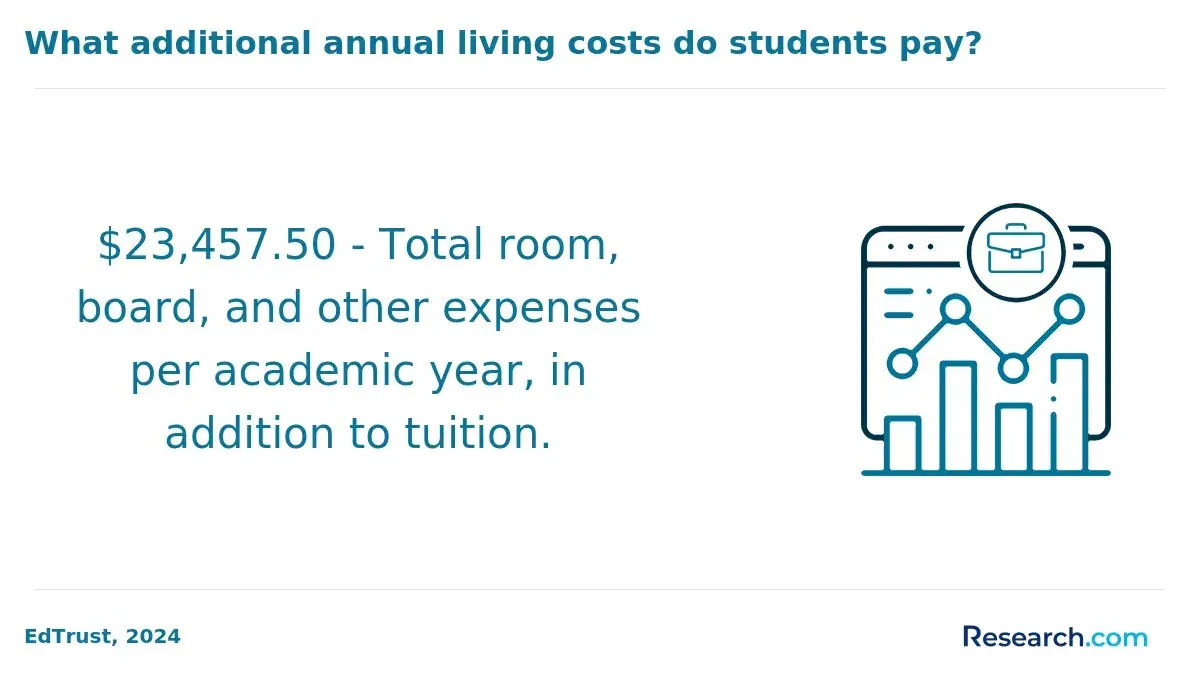
- Tuition Cost: Compare the full cost, not just the per-credit price. Include fees, books, technology charges, residency costs if applicable, and the cost of taking extra terms if you do not finish in one year. Many reputable online schools that accept FAFSA can also help eligible students access financial aid.
- Student Support Services: Accelerated students need responsive advising, career counseling, technical support, online library access, tutoring, and clear communication from faculty. Weak support can turn a flexible program into a frustrating one.
Also check whether the program is a true leadership degree or a business, management, public administration, education, or organizational development degree with leadership coursework. Either can be valuable, but the right choice depends on your goals. A broad management program may fit business roles, while organizational leadership may be better for students focused on people, culture, change, and cross-functional leadership.
How Much Do One-year Online Leadership Degree Programs Typically Cost?
The cost of a one-year online leadership degree varies by institution, degree level, program format, and how quickly you finish. Accelerated online programs can be less expensive than longer programs when students complete all requirements within the intended timeline, but the total price can rise if you need extra terms, repeat courses, or pay additional fees.
Tuition may be charged per credit, per course, per term, or through a subscription-style model. Competency-based programs can be cost-effective for students who move quickly, because faster completion may reduce the number of terms paid. However, that model is less beneficial if a student needs more time than expected.
When comparing costs, look beyond tuition. Ask each school for a complete estimate that includes:
- tuition for the full program;
- mandatory student, technology, or distance learning fees;
- books, software, and digital materials;
- graduation or assessment fees;
- travel costs if any residency or in-person requirement exists; and
- the cost of extending into another term if you do not finish in one year.
Compared with traditional four-year leadership degrees, one-year online options generally require less time and may be more affordable overall. However, many universities do not offer stand-alone one-year leadership bachelor’s degrees. Leadership coursework is often embedded in broader business, management, organizational development, public administration, or human resources programs.
If your main goal is fast skill development rather than a full degree, compare leadership certificates or graduate certificates as well. They may be shorter, more accessible, and less expensive than a full bachelor’s or master’s program, though they do not carry the same academic weight as a degree.
What Can I Expect From One-year Online Leadership Degree Programs?
In a one-year online leadership degree program, expect a fast, applied, and writing-intensive learning experience. Programs such as Western Governors University's MS in Management and Leadership and UMass Global's MA in Organizational Leadership typically use accelerated or competency-based formats that allow students to complete their studies in as little as 12 months.
Most programs are built for working adults, so coursework is often fully online and may be asynchronous. This can make it easier to balance study with employment and personal responsibilities, but it also means you must manage your own schedule. Weekly progress matters in an accelerated format; falling behind early can make it difficult to recover.
Assignments commonly include case analyses, leadership reflections, strategic plans, organizational assessments, presentations, discussion posts, and applied projects tied to workplace scenarios. The goal is not only to learn leadership theory but to practice using it in real decisions involving teams, communication, conflict, ethics, and change.
You can also expect some level of peer interaction through virtual meetings, discussion boards, group projects, or online collaboration tools. These experiences can help build a professional network, but online networking usually requires intentional effort. Students who participate actively tend to gain more than those who complete only the minimum requirements.
Typical outcomes include stronger strategic thinking, team management, decision-making, communication, and change leadership skills. Graduates may apply these skills in management, consulting, HR, operations, nonprofit leadership, public administration, education administration, and executive leadership contexts. Students exploring additional career-focused credentials can also review online certifications that pay well.
The main challenge is pace. A one-year program leaves less time for slow reflection, extended research, or gradual skill-building. To succeed, students should enter with a clear calendar, reliable technology, strong writing habits, and a plan for handling busy weeks at work.
Are There Financial Aid Options for One-year Online Leadership Degree Programs?
Yes, financial aid may be available for one-year online leadership degree programs, but eligibility depends on the school, accreditation status, program type, enrollment level, and student circumstances. The most important first step is confirming that the institution and program qualify for the type of aid you plan to use.
- Federal and State Aid: Eligible students can submit the Free Application for Federal Student Aid (FAFSA) to be considered for federal grants and loans. Aid amounts vary based on financial need, enrollment status, and other eligibility rules. Some states may provide additional support for online learners.
- Scholarships: Colleges and universities may offer scholarships for leadership, business, management, public service, military-affiliated, or adult learners. Awards may be merit-based, need-based, or tied to professional background. Each school sets its own criteria and award amounts.
- Employer Tuition Assistance: Some employers provide tuition reimbursement or direct tuition assistance for employees pursuing leadership-related education. These benefits may require preapproval, proof of enrollment, minimum grades, or an agreement to remain with the employer for a certain period.
Accelerated programs can have different billing cycles and aid disbursement schedules than traditional semester programs. Before enrolling, ask the financial aid office when charges are posted, when aid is released, whether you must maintain a specific course load, and what happens financially if you slow down or take longer than one year.
If a full one-year leadership degree is not available or not affordable, consider related options such as accelerated leadership certificates, graduate certificates, or broader management programs with leadership coursework. These alternatives may provide useful career development with a lower upfront commitment.
What Leadership Graduates Say About Their Online Degree
- : "Completing my one-year online Leadership degree was a game changer for my career. The accelerated format allowed me to balance work and study efficiently, and I was able to apply what I learned almost immediately in my management role. Considering the average cost of attendance, it was a worthwhile investment. Cade"
- : "The competency-based approach of the Leadership program truly suited my learning style. I could move quickly through material I already knew, which helped me finish the degree faster without compromising on understanding key leadership principles. This program not only deepened my skills but also gave me confidence to lead diverse teams. Mohamed"
- : "I appreciated the flexibility and rigor of the online Leadership degree. Although the pace was intense, the well-structured curriculum ensured I gained practical leadership strategies that have already impacted my organization positively. The affordable tuition made pursuing this degree a practical choice for advancing my executive career. Axel"
Other Things You Should Know About Pursuing One-Year Leadership Degrees
In 2027, many one-year online Leadership degree programs utilize digital platforms like Zoom and Microsoft Teams for group projects, enabling real-time collaboration. Some also incorporate virtual workspaces and project management tools like Trello or Slack to facilitate efficient teamwork and ensure a collaborative learning experience.
In 2027, the recognition of one-year online Leadership degrees by employers largely depends on the institution's accreditation and reputation. Programs from accredited institutions with strong industry connections are generally regarded more favorably by employers, offering graduates better career advancement opportunities.
References
- Most Affordable Online Master's in Leadership https://www.bestcollegesonline.org/most-affordable/masters-leadership-online/
- Online Leadership Degrees - Top University Programs https://progress.futurelearn.com/degrees/subject/leadership
- 2025 Best Organizational Leadership Degrees Online https://www.onlineu.com/degrees/organizational-leadership
- Pros & Cons of Online Degree Courses in 2025 https://amityonline.com/blog/pros-and-cons-of-online-degree-courses
- Online Masters in Leadership and HR https://online.lsu.edu/online-degree-programs/graduate/leadership-human-resource-development/
- Payment and Financial Aid https://online.hbs.edu/more-info/payment-financial-aid/
- The Value of Open Leadership Training Programs https://www.ccl.org/articles/leading-effectively-articles/hr-pipeline-the-value-of-open-enrollment-learning/
- Admissions and Application Requirements https://online.unc.edu/online-doctoral-programs/online-edd-organizational-learning-and-leadership/admissions/
- 5 Key Benefits of Leadership Programs for Your Career https://northwest.education/insights/careers/5-benefits-of-leadership-programs/


