
2027 Is Demand for Care Coordination Degree Graduates Growing or Declining?

Co-Founder and Chief Data Scientist
Healthcare facilities increasingly struggle to manage patient needs across multiple providers, leading to fragmented care and rising costs. Graduates with a care coordination degree are pivotal in addressing this challenge by streamlining communication and treatment plans. Employment in care coordination roles is projected to grow 17% from 2022 to 2032, much faster than the average for all occupations.
This article explores whether the demand for care coordination degree graduates is rising or falling, analyzing labor market data and industry trends to help prospective students and professionals make informed career decisions.
Key Things to Know About the Demand for Care Coordination Degree Graduates
- Employment for care coordination degree graduates is increasing, with healthcare demand driving growth in patient management and integrated care roles.
- Job growth in care coordination is projected at 15% over the next decade, faster than average for most professions.
- Specializing in chronic disease management or technology integration enhances career prospects as healthcare shifts toward value-based care models.
What Factors Are Driving Demand for Care Coordination Degree Professionals?
Knowing what drives demand for care coordination degree professionals helps prospective students evaluate the long-term value and stability of this career path. Several key factors shape hiring trends and influence job outlooks in this evolving healthcare field.
- Aging Population: As the U.S. population ages, especially with baby boomers growing older, there is increased need for professionals who can manage complex healthcare needs and coordinate care across multiple providers and settings.
- Technological Advancements: The growing use of electronic health records (EHRs) and telehealth requires care coordinators to be proficient with these digital tools, enhancing communication and patient outcomes. Employers prioritize candidates skilled in these technologies.
- Regulatory Changes: Value-based care models and new policies aim to reduce hospital readmissions and improve quality, increasing the importance of care coordination roles to meet these updated standards and compliance goals.
- Industry Growth: Expansion in home health and outpatient services creates more job opportunities for care coordinators supporting patients beyond hospital settings, reflecting broader healthcare sector growth.
- Skill Requirements: Employers increasingly seek professionals with multidisciplinary knowledge and strong interpersonal skills to navigate diverse teams and patient needs effectively.
Care coordination degree program accreditation standards significantly impact employment opportunities by assuring educational quality and employer confidence in graduates. For those interested in advancing in this field, exploring rn to bsn online programs without clinicals can provide flexible education pathways aligned with industry demands.
Which Care Coordination Occupations Are Seeing the Highest Growth Rates?
Growth rates serve as a vital indicator for students evaluating career paths in care coordination, signaling stability and opportunity in a fluctuating job market. The U.S. Bureau of Labor Statistics projects an 8% increase in healthcare employment through 2031, highlighting strong demand; below are some of the highest demand care coordination roles in healthcare.
- Nurse Care Coordinators: Expected to grow about 15% over the next decade, driven by expansion in outpatient services and chronic disease management. These roles typically require a nursing degree with specialized training in care coordination.
- Medical and Health Services Managers: Projected growth near 28%, reflecting complex healthcare regulations and advancing technologies. A bachelor's or master's degree in health administration or a related field is commonly required.
- Healthcare Social Workers: Experiencing steady growth around 13%, especially those with bachelor's or master's degrees. They help patients access community resources and manage care plans effectively.
- Patient Advocates: Benefit from increased focus on patient-centered care and usually hold associate or bachelor's degrees. Their demand is rising as healthcare systems emphasize advocacy and quality outcomes.
- Health Information Specialists: Growth driven by technology adoption and evolving data management needs. Typically require associate or bachelor's degrees in health information or related fields.
For prospective students seeking entry into this dynamic field, finding accessible training options is important; some choose to begin with accelerated pathways such as the fastest medical assistant program to gain foundational experience before advancing toward specialized care coordination roles.
Which Industries Hire the Most Care Coordination Degree Graduates?
Knowing which industries employ the most care coordination graduates can help students identify promising career paths and gauge potential job security. Several sectors consistently recruit these professionals due to their expertise in managing patient care and streamlining communication among healthcare teams.
- Healthcare Services: This sector, including hospitals, outpatient centers, and long-term care facilities, is the leading employer. Care coordination graduates contribute by developing patient care plans, ensuring smooth provider communication, and addressing chronic disease management needs driven by the aging population.
- Health Insurance: Insurers depend on care coordination specialists to handle case management, verify treatment authorizations, and promote efficient care delivery. Graduates' understanding of healthcare systems supports insurers' goals of cost containment and improved patient outcomes.
- Public Health Agencies: These organizations employ care coordination professionals to facilitate community health programs, disease prevention efforts, and social service integration. Their role is pivotal in combining medical care with social resources to enhance public well-being.
- Home Healthcare Services: Care coordinators organize in-home care arrangements, ensuring patients receive personalized support outside traditional clinical settings, which is essential for patients needing ongoing assistance at home.
- Behavioral Health Organizations: Focused on mental health and substance use disorder treatment, these employers require care coordination to structure treatment plans and link patients with appropriate behavioral health resources.
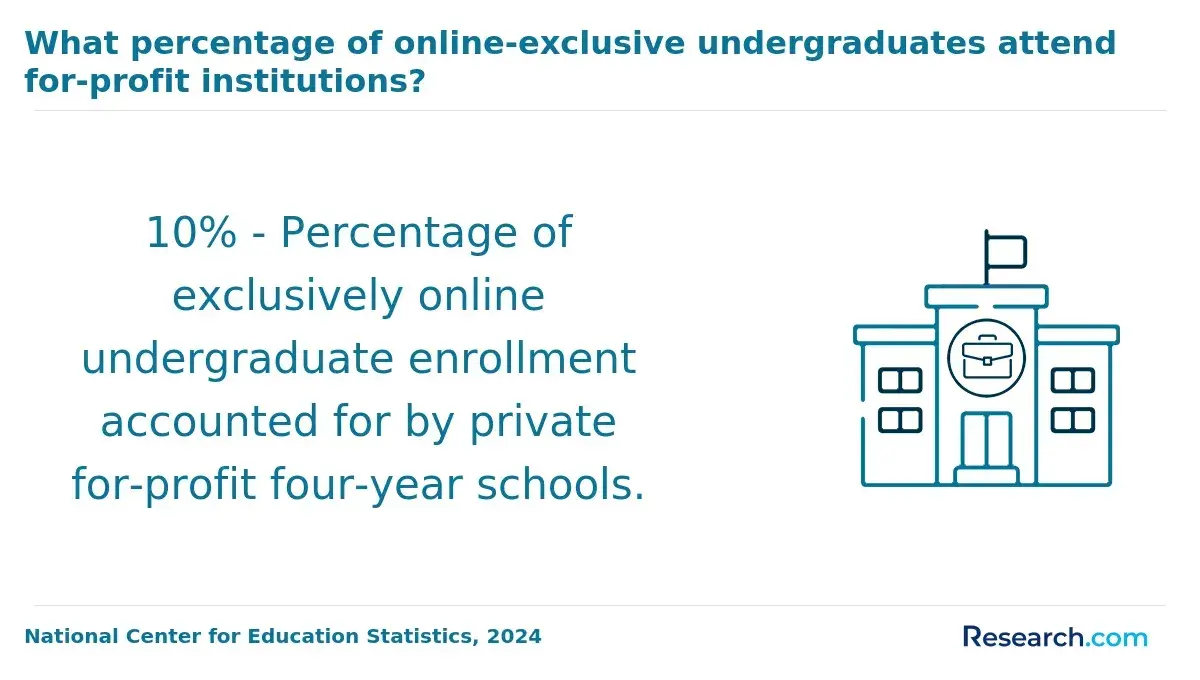
Breakdown of Private Fully Online Nonprofit Schools

Job prospects for care coordination graduates differ widely depending on the state or region due to varying healthcare needs and economic conditions. These geographic factors shape where openings are most prevalent and influence salary levels and career advancement. Below are key regional influences on demand for care coordination professionals:
- High-Demand States: States with large senior populations or growing healthcare networks, such as California, Texas, and Florida, tend to offer more employment opportunities due to elevated care needs.
- Industry Clusters: Regions with a dense presence of hospitals, outpatient clinics, and insurance providers often present increased job availability, creating hubs of healthcare employment.
- Urban Versus Rural: Urban areas generally have a greater number of care coordination roles but face heightened competition, whereas rural locations might have fewer openings but sometimes less applicant saturation and unique service demands.
- Cost of Living Impact: Variations in regional living expenses affect the real value of wages, meaning higher salaries in some locations may not stretch as far compared to lower-cost areas with more modest pay.
- Remote and Hybrid Work: The growth of telehealth has broadened options for remote care coordination, allowing professionals to work beyond traditional geographic boundaries and access new markets.
Deciding where to pursue employment or whether to embrace remote roles requires weighing local demand trends alongside expenses to optimize career outcomes in care coordination.
The level of education, such as bachelor's, master's, or doctorate degrees, plays a crucial role in shaping job opportunities, career advancement, and competitiveness in care coordination careers. The differences in degree levels often determine the types of positions accessible and the potential for professional growth within the field.
- Associate Degree: This level typically prepares individuals for entry-level roles like care coordinators or patient navigators. These positions emphasize foundational skills but generally offer lower pay and limited chances for upward mobility, reflecting care coordination job opportunities by degree type in the US.
- Bachelor's Degree: Holding a bachelor's opens doors to specialized roles such as case managers or care management analysts. Employers usually seek candidates with at least this degree for enhanced responsibilities and stronger employability in the care coordination job market.
- Master's Degree: Advanced degrees provide expertise in healthcare leadership, systems, or policy, qualifying graduates for management and administrative roles. These positions involve strategic decision-making and often come with increased salary prospects.
- Doctorate Degree: Though less common, a doctorate suits those targeting research, policy development, or high-level academic positions. This highest degree level offers unique opportunities beyond typical care coordination roles.
According to recent labor projections, individuals with at least a bachelor's degree enjoy significantly better job prospects and median incomes. Prospective students may consider complementary training, such as medical billing and coding classes online, to enhance their qualifications and employability in this evolving field.
Recognizing the skills employers value in care coordination graduates is vital for standing out in this competitive healthcare sector and ensuring effective patient management. Below are key abilities that enhance a graduate's readiness and appeal to hiring managers.
- Effective Communication: Proficiency in conveying information clearly and compassionately to patients, families, and healthcare professionals is essential for aligning care plans and fostering understanding.
- Analytical Thinking: The ability to assess complex patient details critically supports creating tailored care approaches that address unique health needs.
- Healthcare System Knowledge: Understanding medical language, insurance protocols, and regulatory guidelines allows smooth navigation of the healthcare infrastructure, promoting efficient service delivery.
- Relationship Building: Strong interpersonal skills enable trust development with patients and teamwork among staff, which is crucial for coordinated efforts and successful treatment adherence.
- Technological Skills: Familiarity with electronic health records and care management tools helps streamline documentation, communication, and care tracking activities.
When I asked a graduate of a care coordination degree program about the skills employers look for, he reflected on his early career challenges. "One of the hardest parts was adapting quickly to the tech tools since every facility uses different systems," he shared. "But more than anything, employers really appreciated my ability to stay calm under pressure and keep patients reassured when plans changed unexpectedly." He recounted occasions where unexpected patient needs required fast problem-solving and clear communication with multiple providers, underscoring that beyond technical knowledge, employers prioritize adaptability and empathy in this role.
Fluctuations in job demand significantly impact starting salaries, wage growth, and long-term earning potential for care coordination graduates. For instance, the U.S. Bureau of Labor Statistics projects a 14% employment growth rate for healthcare social workers, a related profession, from 2022 to 2032, highlighting expanding opportunities that may influence wages positively. These shifts create varying conditions that shape salary trends. Below are key ways demand affects earnings for graduates:
- Starting Salaries: When demand rises, employers often offer higher initial pay to secure skilled care coordination professionals amid competition. Conversely, an oversupply of graduates can cause starting wages to stall or decrease.
- Wage Growth: Sustained demand encourages faster salary increases and promotions as organizations seek to retain qualified talent. This dynamic helps graduates benefit from accelerated income progression.
- Long-Term Earning Potential: Graduates with in-demand skills gain stronger negotiating power and greater job mobility. Persistent labor shortages enable professionals to leverage market conditions for better compensation throughout their careers.
- Employment Stability: Higher job demand often translates to more secure and plentiful employment opportunities, reducing periods of underemployment and supporting continuous income.
Advances in artificial intelligence are transforming workforce demands in care coordination, with about 30% of healthcare organizations already implementing AI tools to assist this field. These technologies are reshaping job roles and required skills among care coordination professionals. Below are key ways AI impacts the profession and its future prospects.
- Task Automation: AI automates many administrative duties, reducing time spent on paperwork. This shift allows care coordinators to dedicate more attention to patient care and complex decisions, enhancing their value in healthcare teams.
- Specialized Roles: New positions are emerging that require blending clinical knowledge with the ability to interpret AI-generated insights. Care coordinators must now integrate data-driven recommendations into personalized care plans, broadening career options.
- Skill Evolution: Employers increasingly value candidates with strong digital literacy, data interpretation, and adaptive communication skills. Developing AI competencies improves job stability and aligns with long-term career growth.
- Hiring Trends: The industry favors professionals who can navigate clinical workflows alongside AI systems. This trend encourages continuous learning and adaptability among care coordination graduates entering the workforce.
When I asked a recent graduate of a care coordination degree program about her experience with AI's impact, she reflected on how the learning curve was challenging but rewarding. "Adapting to AI tools was intimidating at first," she said, "especially balancing new technology with patient-centered communication." She described spending extra hours mastering software that analyzes patient data, realizing it ultimately improved efficiency and care quality. Her perspective highlights that while AI introduces complexity, it also opens doors for those willing to embrace new skills and change.
Long-term career stability is an important consideration for students and professionals evaluating care coordination degree job stability in the United States because it affects ongoing employment opportunities and future growth. Several key factors influence the resilience and sustainability of a career in care coordination.
- Long-Term Employment Trends: The demand for care coordinators remains strong due to an aging population and the complexity of healthcare delivery. Consistent employment trends indicate ongoing opportunities for graduates, supporting long-term career prospects for care coordination graduates.
- Industry Reliance: Healthcare systems increasingly prioritize care coordination to improve patient outcomes and control costs, especially as value-based care models expand. This reliance ensures sustained demand for trained professionals who can effectively manage integrated care services.
- Adaptability to Change: Care coordinators work with evolving technologies such as electronic health records and telehealth platforms. The need for continuous learning and adaptation helps maintain their relevance amid economic and technological shifts.
- Advancement and Reskilling: Opportunities for career growth through certifications and leadership roles provide a pathway for individuals to remain competitive and secure in their careers, enhancing long-term stability.
For those considering how to enter this stable field, pursuing a nursing degree online can be an accessible way to build foundational skills that support care coordination roles. The combination of emerging job market demands and flexible educational pathways makes care coordination a promising choice for individuals seeking career security and growth in healthcare.
The demand for graduates with a care coordination degree is increasing in line with overall healthcare sector growth and the emphasis on integrated patient care. Employment growth for care coordination graduates by region is particularly strong in urban areas and communities with aging populations, where healthcare support roles expand rapidly. Labor market data indicates that healthcare management and coordination jobs are expected to grow faster than average due to the shift toward value-based care models. This trend positions the degree as valuable for meeting the rising need for professionals who can improve healthcare outcomes and communication.
However, the degree's value depends on factors such as the level of education attained, relevant certifications, and alignment of skills with employer demands. Graduates with associate or bachelor's degrees, supplemented by certifications in health information management or case management, tend to have improved job prospects. Skills in electronic health records, data analysis, and patient advocacy increase attractiveness to employers.
Those considering whether a care coordination degree is worth it should also explore affordable options to reduce educational costs, such as the cheapest dnp programs online that support advanced qualifications and career growth.
What Graduates Say About the Demand for Their Care Coordination Degree
- Gus: "Pursuing a Care coordination degree was one of the best decisions I've ever made. The knowledge I gained not only increased my confidence but also significantly boosted my earning potential. It truly opened doors for me in the healthcare field that I never expected-I'm grateful for the investment."
- Irene: "Reflecting on my journey, earning a care coordination degree gave me a fresh perspective on patient management and efficiency. The ROI goes beyond monetary gains; it enhanced my problem-solving skills and allowed me to contribute effectively to my team. This degree was a crucial step in my professional growth."
- Tara: "From a professional standpoint, obtaining my care coordination degree was a strategic move that enhanced my career trajectory. The practical skills and theoretical knowledge I acquired have made me a more valuable asset in healthcare administration. It's been rewarding to see the tangible impact it has on my work. "
Other Things You Should Know About Care Coordination Degrees
Care coordination roles are shaped by the Centers for Medicare & Medicaid Services, state departments of health, and employer compliance policies. For Medicare-funded settings, documentation and transition-of-care standards must meet CMS rules, while nursing-led care coordination may also follow state board of nursing scope-of-practice requirements.
Yes, care coordinators must comply with healthcare privacy laws such as HIPAA, which govern patient information confidentiality. Additionally, state-specific licensure or certification may be required depending on the job setting, particularly in clinical environments. Staying current with regulatory changes is essential for maintaining employment and professional credibility.
To enter the field of care coordination in 2027, aspiring professionals typically need a bachelor's degree in fields such as nursing, social work, or healthcare administration. Some employers may prefer candidates with additional certifications or specialized training in care coordination, highlighting the growing complexity of the role.
Experience is highly valued in care coordination, often complementing formal education. Hands-on work in patient care or healthcare administration provides practical knowledge that enhances job performance. Many employers seek candidates who balance educational credentials with relevant clinical or administrative experience.
- Top Skills Healthcare Employers Look for in Candidates - Lucam Consultancy https://lucamconsultancy.com/top-skills-healthcare-employers-look-for-in-candidates/
- Top 10 in-demand healthcare jobs in BC for 2025 and beyond https://www.bcit.ca/news/stories/in-demand-healthcare-jobs-2025/
- NHS England » Care co-ordinators https://www.england.nhs.uk/personalisedcare/workforce-and-training/care-co-ordinators/
- The Most In-Demand Healthcare Roles Right Now | INNOVA People https://www.innovapeople.com/2025/11/12/the-most-in-demand-healthcare-roles-right-now/
- Impact of AI on the healthcare workforce - Synplan https://www.synplan.ai/impact-of-ai-on-the-healthcare-workforce/
- Health and Social Care Industry Demand: Is It Still a Good Career in 2025? https://uk.hfonline.org/health-and-social-care-industry-demand-is-it-still-a-good-career-in-2025/
- Careers - Patient Care Coordination https://patientcarecoordination.com/careers/
- The 5 Most In-Demand Healthcare Specialties 2024 https://radiusstaffingsolutions.com/the-5-most-in-demand-healthcare-specialties-2024/
- How to Achieve Career Growth as a Health Care Coordinator https://sunriseservicesinc.com/health-care-coordinator-career-growth/
- How AI is Transforming Care Coordination https://www.aidoc.com/learn/blog/ai-care-coordination-platform/


