2027 Hardest and Easiest Courses in a Care Coordination Degree Program

Co-Founder and Chief Data Scientist
Many students pursuing a care coordination degree struggle to balance challenging coursework with practical training demands. This difficulty contributes to a 27% dropout rate within the first two years of enrollment in related health services programs nationwide. The complexity of integrating clinical knowledge with administrative skills often overwhelms learners unprepared for the dual focus.
Understanding which courses typically pose the greatest challenges and which offer more manageable content enables students to strategize their study plans effectively. This article examines the hardest and easiest courses in care coordination degree programs, helping students navigate their academic journey with informed expectations.
Key Things to Know About the Hardest and Easiest Courses in a Care Coordination Degree Program
- Courses with complex clinical terminology and patient management protocols tend to be hardest, requiring extensive memorization and critical thinking.
- Workload-heavy courses involving large case studies and multiple assessments challenge students, especially those balancing work or family commitments.
- Introductory subjects like healthcare ethics and communication are generally easier, benefiting students with prior healthcare experience or who engage in interactive learning formats.
What are the hardest core courses in a care coordination degree program?
Some core courses in care coordination degree programs are notably more challenging due to their technical complexity, heavy workload, and the need to meet strict accreditation standards. These difficulties often stem from the advanced theory, practical application, or quantitative rigor involved. Below is a list of common difficult core courses students encounter in these programs.
- Healthcare Informatics: This course requires mastering complex software systems used for managing patient data, demanding strong computer skills and meticulous attention to detail.
- Clinical Case Management: Students must apply theoretical knowledge to real-world healthcare scenarios, which often includes intensive clinical hours and comprehensive case evaluations.
- Health Policy and Ethics: Covering complicated legal regulations and ethical issues, this course challenges students to critically analyze and apply abstract ethical concepts to healthcare delivery dilemmas.
- Data Analysis for Healthcare: Emphasizing quantitative skills, this course involves interpreting health statistics, making it particularly difficult for students less comfortable with math or statistical methods.
- Care Coordination Practicum: Integrating all prior learning into hands-on clinical experience, this practicum requires a substantial time commitment and high responsibility, making it one of the most demanding courses.
These are among the hardest core courses in care coordination degree programs, and knowing them can help manage expectations and improve academic planning. For students interested in extending their healthcare education, especially those considering advanced degrees like a PharmD degree, understanding the intensity of these courses is essential for success.
What are the easiest required courses in a care coordination degree program?
The term "easiest" in care coordination degree programs typically refers to courses that students find more approachable due to their applied content, assessment style, or alignment with prior experience. This does not lessen their academic value but reflects their relative manageability based on student feedback.
In fact, a recent survey showed nearly 65% of students in care coordination programs experience higher pass rates and lower stress in courses with project-based grading and practical applications. This helps highlight some of the top easiest core classes in care coordination programs.
- Introduction to Health Care Systems: This course focuses on foundational concepts and the basic structures of health care, using straightforward readings and class discussions. Its emphasis on core knowledge rather than complex theory makes it more accessible to many students.
- Communication in Health Care: Emphasizing interpersonal skills through practical exercises, this course aligns well with many students' existing abilities, making it easier to engage with and succeed in.
- Medical Terminology: Although involving considerable memorization and repetition, this course is often perceived as easier than those requiring intricate analysis or technical problem-solving.
- Ethics in Health Care: Centered on case studies and debates, this class allows students to apply subjective interpretation rather than mastering technical content, increasing its relative approachability.
These easier required courses in a care coordination degree tend to be preferred because they balance academic value with practical relevance and reduced technical complexity. For students exploring online DNP programs without dissertation, understanding these course difficulties can help better plan their curriculum and academic strategies.

What are the hardest elective courses in a care coordination degree?
The term "hardest" in care coordination electives refers to courses frequently viewed as more demanding due to their advanced technical material, substantial workload, or comprehensive evaluations. These classes often require a high level of analytical thinking and sustained effort. Below are some electives commonly regarded as the most challenging in care coordination programs.
- Health Informatics and Data Management: This course involves mastering complex health information systems and electronic medical records, requiring strong technical skills and the ability to analyze diverse data sets effectively.
- Advanced Case Management: Students must combine clinical expertise with legal and ethical considerations, often working on detailed case studies and designing individualized care strategies, which demand critical thinking and multidisciplinary knowledge.
- Healthcare Policy and Law: Heavy reading assignments and the need to comprehend complicated healthcare regulations make this course intense, especially when applying theoretical concepts to real-world policy scenarios.
- Population Health and Epidemiology: The course emphasizes statistical analysis of health trends and disease patterns, blending mathematical proficiency with practical applications in public health and care coordination.
- Research Methods in Healthcare: High standards for independent research require students to critically evaluate existing studies and produce well-structured scientific writing, including designing and presenting original research projects.
These electives combine theoretical understanding with applied skills, presenting significant obstacles for students aiming to advance their expertise and succeed in care coordination careers.
In care coordination degree programs, electives labeled as "easiest" usually have lighter workloads, familiar subject matter, or flexible evaluation methods, making them more approachable for many students. Below are some courses frequently seen as less demanding and better suited for balancing with other academic priorities.
- Introduction to Health Communication: This course primarily involves discussions and presentations focused on effective communication within healthcare environments, avoiding heavy testing and emphasizing practical skills.
- Medical Terminology: Centered on memorizing and applying healthcare-related vocabulary, this course is straightforward as it relies more on recall than complex problem-solving.
- Community Health Basics: With its project-based format, the class encourages real-world engagement and assessment through interactive assignments rather than exams.
- Ethics in Healthcare: Students analyze case studies and compose reflective essays, suitable for those who prefer critical thinking over technical content.
- Health Informatics Fundamentals: Although it introduces technology, the course focuses on conceptual understanding and remains accessible without requiring advanced technical skills.
After discussing these electives with a graduate of a care coordination degree program, he shared that while these classes felt more manageable, the challenge was often maintaining consistent effort throughout. He recalled, "The assignments weren't overwhelming, but staying engaged took discipline, especially balancing work and study."
He also noted that group projects helped build practical teamwork skills, though coordinating schedules could be tricky. Overall, these courses provided a welcome balance, allowing him to reinforce foundational knowledge without the pressure of intense exams.
Approximately 45% of students in care coordination programs report the need for advanced proficiency in healthcare software and data analytics to succeed. Such skills are crucial because managing diverse patient data and navigating complex healthcare systems require significant technical ability. This trend highlights the growing technical skill requirements in care coordination coursework.
Several classes stand out for their particularly demanding technical skill requirements, including:
- Healthcare Data Management: This course focuses heavily on using specialized software to handle patient records and analyze health data. Students develop competencies in database management, data integrity, and compliance with healthcare privacy regulations.
- Clinical Decision Support Systems: Students work with healthcare informatics tools and simulations aimed at improving clinical workflows and patient outcomes. Mastery of decision-making algorithms and various software platforms is a key component of this class.
- Applied Health Informatics: Emphasizing hands-on data analysis, this class involves software like Excel, SPSS, or custom informatics applications to interpret clinical data. Assignments often include real-world problem-solving using statistical techniques.
These courses are frequently recognized as the most technically challenging care coordination classes due to their integration of software skills, quantitative analysis, and healthcare-specific problem-solving. Students looking for the most challenging care coordination courses should consider how these technical skill requirements align with their strengths. Those seeking pathways with varying levels of difficulty might explore programs such as the easiest BSN program for comparison.
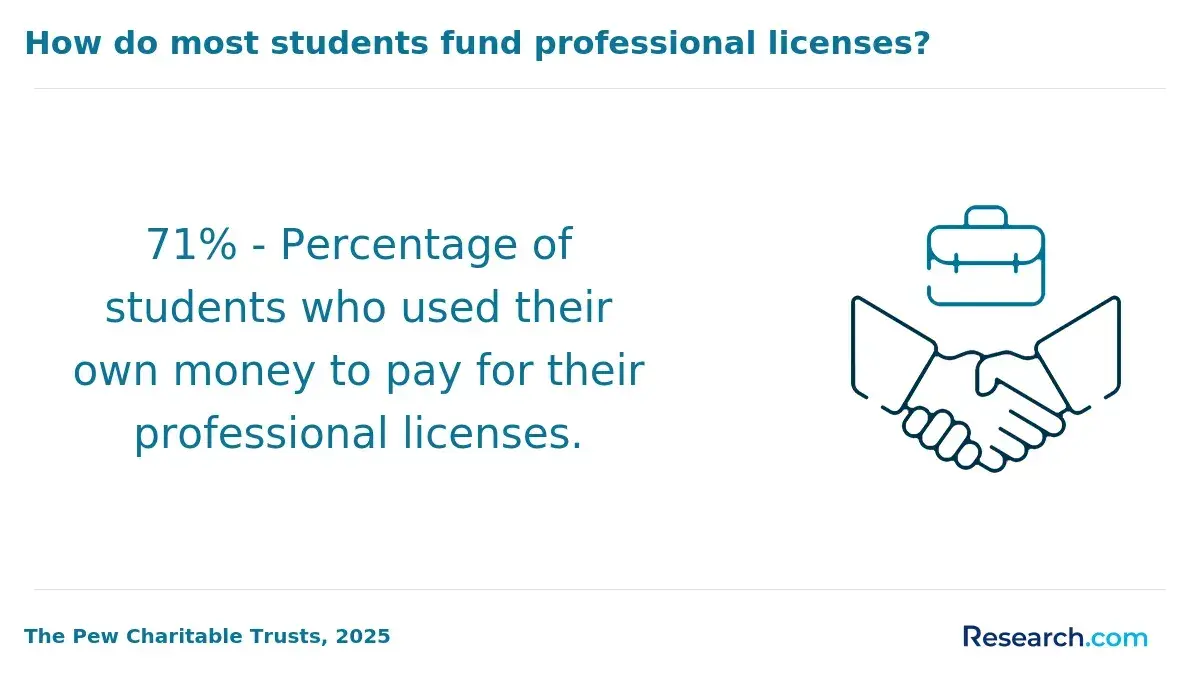
Writing-intensive care coordination courses often present a unique set of challenges, with about 62% of health profession students reporting that writing assignments take significantly more time than other coursework. This increased workload can shape students' perceptions of difficulty and affect their academic success.
Several factors contribute to the academic challenges in care coordination writing classes. Consider the following key points:
- Time Management: Writing-intensive courses demand careful scheduling as assignments usually involve multiple drafts and extensive research. Students balancing clinical hours or part-time jobs may find it harder to allocate adequate time compared to exam-focused courses.
- Integration of Skills: These courses require combining technical knowledge of healthcare systems with clear, effective communication. This dual demand challenges students to articulate complex patient care plans and interdisciplinary strategies precisely.
- Assessment Style: The preference for essays or papers over timed tests can influence perceived difficulty. Some students find essay-based assessments more flexible, while others struggle with the constant drafting process.
- Prior Writing Experience: Students with stronger academic writing backgrounds or experience in healthcare documentation tend to adapt more easily, whereas those new to formal writing may find these courses overwhelming.
- Research Requirements: Writing-intensive care coordination courses typically require thorough research, increasing workload and demanding critical thinking, which can impact student performance and stress levels.
For students exploring their options in healthcare education, understanding the difficulty of writing-intensive care coordination courses can help in planning effectively. Those interested in programs with balanced coursework and budget considerations might explore the cheapest FNP programs online, which sometimes offer varied course structures to suit different learning styles.
Course format can significantly shape how students perceive the difficulty of care coordination classes, with online course completion rates generally 10-20% lower than those of in-person classes. This gap hints at unique challenges faced by online learners in these programs. Several factors contribute to this variation in experience.
Consider these key points affecting the relative difficulty of online care coordination courses:
- Self-Discipline Demands: Without fixed class times, students must manage their own schedules, requiring strong motivation to keep up with coursework.
- Instructor Interaction: Reduced face-to-face time means less immediate feedback, which can make resolving questions slower and complicate learning.
- Resource Accessibility: Online students depend mostly on digital materials and virtual databases, which might not fully replicate the breadth of resources available on campus.
- Learning Flexibility: The ability to progress at one's own pace can alleviate stress but also risks procrastination and uneven study habits.
- Assessment Formats: Online courses often utilize timed digital quizzes or open-book tests, which require different test-taking strategies and may elevate pressure for some students.
When I spoke with a graduate of an online care coordination program about her experience, she highlighted how juggling coursework with full-time work stressed her time management skills. She shared, "It wasn't the material itself that felt overwhelming, but staying disciplined without a routine was tough."
She also valued the flexibility, noting it allowed her to learn when she was most alert. Yet, she admitted, "Sometimes I'd delay assignments longer than I should have because there wasn't a strict schedule forcing me to be consistent." This experience illustrates that online care coordination courses can indeed be challenging, but understanding and adapting to these unique demands can lead to success.
Weekly time commitment plays a vital role in academic planning for students in care coordination programs, with research indicating that college students generally devote two to three hours of study outside of class for each credit hour. This guideline helps balance coursework with other obligations. Several key factors affect how much time students spend on their care coordination studies each week.
- Course Level: Higher-level classes typically involve more detailed analysis and challenging assignments, leading to increased study hours to fully understand the material.
- Technical Intensity: Subjects that cover complex content like medical terminology, healthcare regulations, or information technology systems often require extra effort to master, thus extending study time.
- Writing Requirements: Courses demanding lengthy papers, care plan submissions, or reflective journals add to the out-of-class workload, increasing the hours needed for research and composition.
- Learning Format: Online courses often call for greater self-management and discipline, which can result in a higher time investment compared to traditional classroom settings.
- Student Background: Individuals with previous experience in healthcare may find it easier to grasp concepts quickly, reducing their necessary study time in comparison to those new to the field.
Awareness of these influences enables students to allocate their time effectively, preventing burnout and supporting consistent advancement throughout their care coordination education.
Course difficulty and GPA are closely linked concerns for students, especially in care coordination programs where higher-level courses often reflect greater academic challenges. Research indicates students experience an average GPA drop of 0.3 to 0.5 points when moving into more difficult care coordination classes, highlighting the effect of challenging care coordination classes on academic performance.
Understanding these dynamics is vital for effective academic planning and success. Several factors contribute to why harder care coordination courses may lead to lower GPAs:
- Grading Rigor: Advanced care coordination courses apply stricter grading standards, demanding critical thinking and precise application of concepts, which can result in lower average grades compared to introductory classes.
- Assessment Structure: These classes often include diverse and comprehensive evaluation methods, such as case studies and projects, which test practical skills more thoroughly than simple memorization.
- Course Sequencing: Later courses build heavily on foundational knowledge; gaps in preparation can negatively impact performance, contributing to GPA declines.
- Student Preparedness: Effective time management and study habits become more crucial as course difficulty rises; students lacking these strategies may struggle more in advanced care coordination classes and see their GPA affected.
- GPA Weighting Policies: Some programs assign greater weight to upper-level courses, so any difficulty in these classes can disproportionately influence overall GPA.
To mitigate the impact of harder care coordination courses on academic success, students should adopt tailored study strategies and consider program options carefully. For those seeking flexible and affordable pathways amid these challenges, exploring the cheapest DNP online program can provide valuable alternatives in their academic journey.
Students often associate taking more challenging courses in care coordination programs with improved job prospects because employers tend to favor candidates who demonstrate advanced knowledge and commitment.
For instance, a recent survey revealed that 68% of healthcare recruiters appreciate applicants who have completed rigorous coursework, linking this to greater job success. Several key reasons explain how tougher courses can impact employment opportunities.
- Skill Development: More demanding courses expose students to complex concepts and problem-solving tasks, enhancing practical skills essential for effective care coordination. This deeper understanding prepares graduates to handle real-world challenges more confidently.
- Employer Perception: Successfully completing difficult coursework signals perseverance and professionalism to hiring managers, qualities that often differentiate candidates in competitive healthcare job markets.
- Internships and Project Exposure: Advanced classes frequently incorporate hands-on experiences such as projects or internships, allowing students to build networks and gain practical insights that make their resumes more attractive.
- Specialization Signaling: Choosing challenging electives or focus areas highlights a student's dedication to particular aspects of care coordination, helping them stand out for niche roles or specialized positions.
- Long-Term Career Growth: Mastering complex material lays a foundation for leadership and advancement opportunities within the healthcare field, supporting sustained professional development.
Although tougher courses don't guarantee employment, the skills and qualities developed often contribute to stronger resumes and enhanced readiness for roles in care coordination.
What Graduates Say About the Hardest and Easiest Courses in a Care Coordination Degree Program
- Elva: "Balancing the easier courses with the more challenging ones in my online care coordination degree really taught me time management. Some courses were straightforward, which gave me a breather before tackling the tougher classes. Considering the average cost of attendance was quite reasonable, I feel the investment has paid off tremendously as it opened doors to new leadership roles in healthcare. "
- Aline: "Reflecting on my journey through the care coordination program, I found that the foundational courses were surprisingly accessible while the advanced topics demanded a lot more effort. The overall cost was manageable, making it a smart choice financially. This degree has equipped me with invaluable skills that directly enhanced my ability to coordinate patient care efficiently in my current role. "
- Willis: "The mix of hard and easy courses in the care coordination degree program was well-balanced, pushing me to grow without overwhelm. Considering the tuition fees alongside the career benefits, it was a worthwhile commitment. Since graduating, the knowledge gained from those demanding courses has been instrumental in advancing my professional expertise and credibility. "
Other Things You Should Know About Care Coordination Degrees
Students often tackle challenging courses by forming study groups, attending tutoring sessions, and utilizing online resources. Time management skills are crucial, allowing students to balance coursework with practical experience. Professors may also recommend specific strategies tailored to each course's unique demands.
In 2027, prerequisites for care coordination courses provide foundational knowledge crucial for tackling complex topics. Without them, students may struggle with advanced subjects like healthcare systems navigation. Prerequisites ensure a progressive learning curve, enabling smoother transitions between courses and better comprehension of challenging core concepts.
Many students tackle difficult care coordination courses by forming study groups, seeking help from instructors, and utilizing campus tutoring resources. Prioritizing coursework and breaking down assignments into manageable parts can reduce overwhelm. Additionally, applying real-world scenarios to theoretical content helps solidify understanding.
Case management and care planning courses usually require the most clinical paperwork. Students often complete care plans, referral logs, chart reviews, and interdisciplinary notes in a 2- to 4-credit course, with grading tied to accuracy, documentation standards, and compliance with HIPAA and program policy.
- Care Coordination - Community Health Navigation https://www.monroecc.edu/academics/majors-programs/health-sciences/care-coordination-community-health-navigation/
- How to Become a Patient Care Coordinator https://nurse.org/healthcare/how-to-become-a-patient-care-coordinator/
- Career opportunities amidst the social care workforce crisis https://carelinelive.com/career-opportunities-health-social-care-2/
- Care co-ordinator training | PCI Accredited provider | HCA https://health-coachingacademy.com/care-co-ordinator-training/
- PCI Accredited 2-day Care Coordinator Training https://dnainsight.co.uk/care-coordination/
- Career Progression https://www.staffsstokecareacademy.co.uk/Careers/Career-Progression.aspx
- Why trust GlobalHealth Education? https://globalhealtheducation.com/au/resources/online-vs-on-campus-courses
- Adult Critical Care Foundation Course https://www.southaccnetworks.nhs.uk/tvw/foundation-course
- Course rigor vs GPA in college -- effects on employment / grad school https://talk.collegeconfidential.com/t/course-rigor-vs-gpa-in-college-effects-on-employment-grad-school/1679785
- Care Coordination Certificate Course | Illinois Critical Access Hospital Network https://icahn.org/12900-2/