Is an Online MBA in Real Estate Worth It for International Applicants?

Co-Founder and Chief Data Scientist
A U.S. online MBA can help an international real estate professional develop finance and management skills without relocating. But its value depends on where you intend to work, whether you can use the program's network, and whether the cost advances a realistic career goal. Studying online from abroad also does not, by itself, create a path to U.S. employment.
This guide explains how to weigh the curriculum, recognition, total expense, and career options so you can decide whether the MBA or a more targeted qualification is the better investment.
Key Things You Should Know
- An online real estate MBA is most likely to pay off when you can apply its management and investment skills in an existing property career or a defined promotion path; it is a less direct route into a new U.S. job market.
- Enrollment from abroad does not itself provide a U.S. student visa or work authorization. Confirm overseas enrollment eligibility and any immigration plans separately before paying a deposit.
- The U.S. median annual wage for management occupations was $126,520 in May 2025, according to the Bureau of Labor Statistics (BLS), but that broad figure is not an expected salary for real estate MBA graduates.
What is an online MBA in real estate?
An online MBA in real estate combines a general Master of Business Administration curriculum with property-focused study. The MBA core typically addresses finance, accounting, strategy, operations, and leadership.
Real estate coursework may examine development, investment analysis, property markets, or asset management. The aim is to prepare students to make business decisions involving property, not to qualify them automatically to sell real estate or practice law or architecture.
Program labels matter. A school may offer a formal real estate concentration, a few related electives within a general MBA, or a separate real estate certificate.
Check the degree requirements and transcript designation rather than assuming these options provide the same depth. An MBA also differs from a specialized master's in real estate, which may devote more of its curriculum to property-specific analysis and less to general management.
Is an online real estate MBA worth it for international applicants?
It can be worthwhile for an international applicant who already works in development, investment, banking, construction, or property operations and needs broader management skills for an identifiable next role. Its value is less certain if the principal goal is to enter the U.S. labor market without existing U.S. work authorization or relevant experience. A U.S. degree may strengthen an application, but it does not resolve either constraint.
The comparison below shows how the best educational choice changes with your goal. It also helps separate the value of the coursework from the value of location-specific recruiting access.
| Career goal | Potentially stronger choice | Principal trade-off |
| Lead larger investments or teams in an existing real estate career | Online real estate MBA | Broad management training may justify the expense if you can use it at work. |
| Gain deep property valuation or development expertise | Specialized real estate master's or targeted coursework | More focused study may offer less general leadership training. |
| Change careers through U.S. internships and employer recruiting | Campus-based program with verified recruiting access | Relocation and foregone income can substantially raise the cost; immigration eligibility still requires separate review. |
| Improve one technical skill for a current role | Short course, employer training, or relevant certification | A narrower credential may be cheaper but will not replace an MBA's management breadth. |
Estimate value using your total outlay, including tuition, fees, financing costs, required travel, and income you would give up, against a plausible change in earnings or business results. Base the comparison on roles you can realistically pursue, not published salaries for all MBA holders.
If your employer will fund the degree or give you responsibility to apply what you learn, the case improves. If you must borrow heavily for an uncertain cross-border career change, it weakens.
Is an online MBA in real estate recognized and accredited?
A legitimate U.S. online MBA is awarded by a university, not by the delivery platform. Verify the university's institutional accreditation through the accreditor or a U.S. Department of Education recognition resource. Then check separately whether its business school holds specialized accreditation, such as AACSB accreditation. Institutional and business-school accreditation are different claims; neither confirms that a particular real estate concentration exists.
For an applicant planning to work outside the United States, local recognition is a separate test. An employer, professional body, or credential authority in your intended country may evaluate the degree according to its own rules.
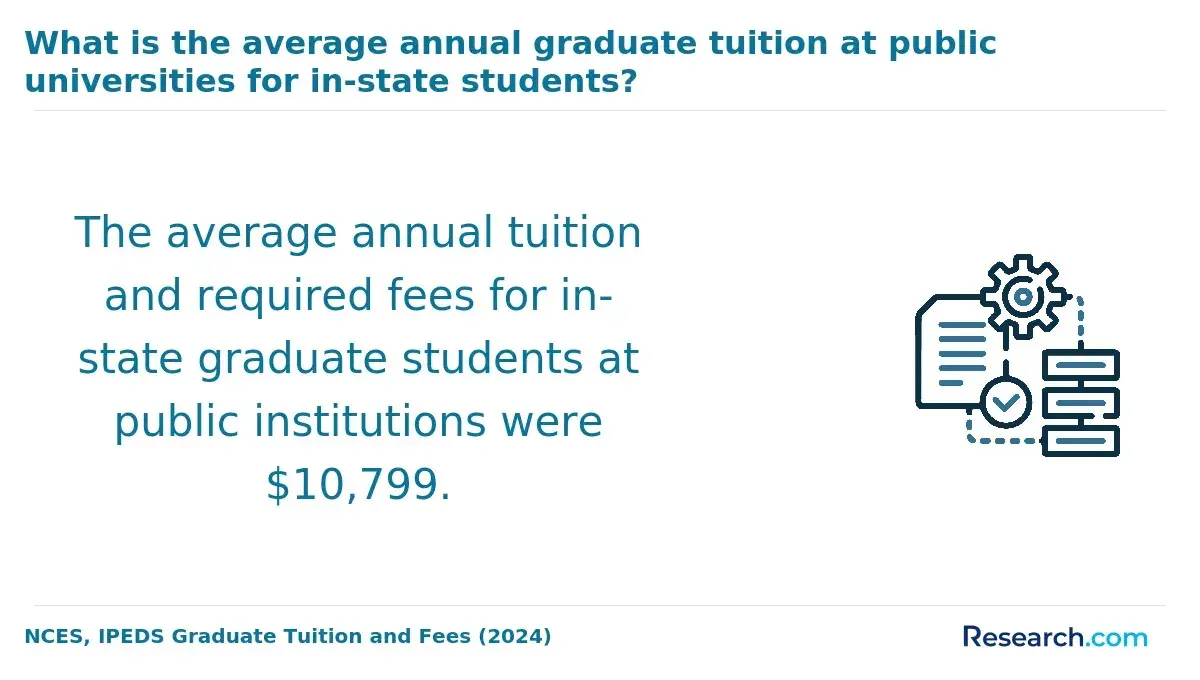
Ask that organization whether it recognizes the awarding institution and online study before enrolling. If AACSB recognition is a priority, comparisons of affordable graduate business education programs can provide a starting point; verify each school's current accreditation and real estate offerings directly.
The most useful combination is a management core that helps you allocate capital and lead people, plus real estate courses tied to your target work. Depending on the school, specialized topics can include property cash-flow analysis, real estate finance, development feasibility, market research, and the management of income-producing assets. A project analyzing a property or investment decision can be especially valuable if it produces work you can discuss with an employer.
Look beyond course titles. Ask whether students build financial models, analyze local regulations and market assumptions, work with actual industry cases, or complete projects with external organizations.
Property law, taxation, lending practices, and market data are jurisdiction-specific. U.S.-centered casework may transfer conceptually to another country without teaching its legal rules. An MBA teaches managerial judgment around these issues; it is not a substitute for local legal advice or specialized professional training.
Requirements vary by university. Applicants commonly need a recognized bachelor's degree, academic transcripts, a résumé, and application materials explaining their goals.
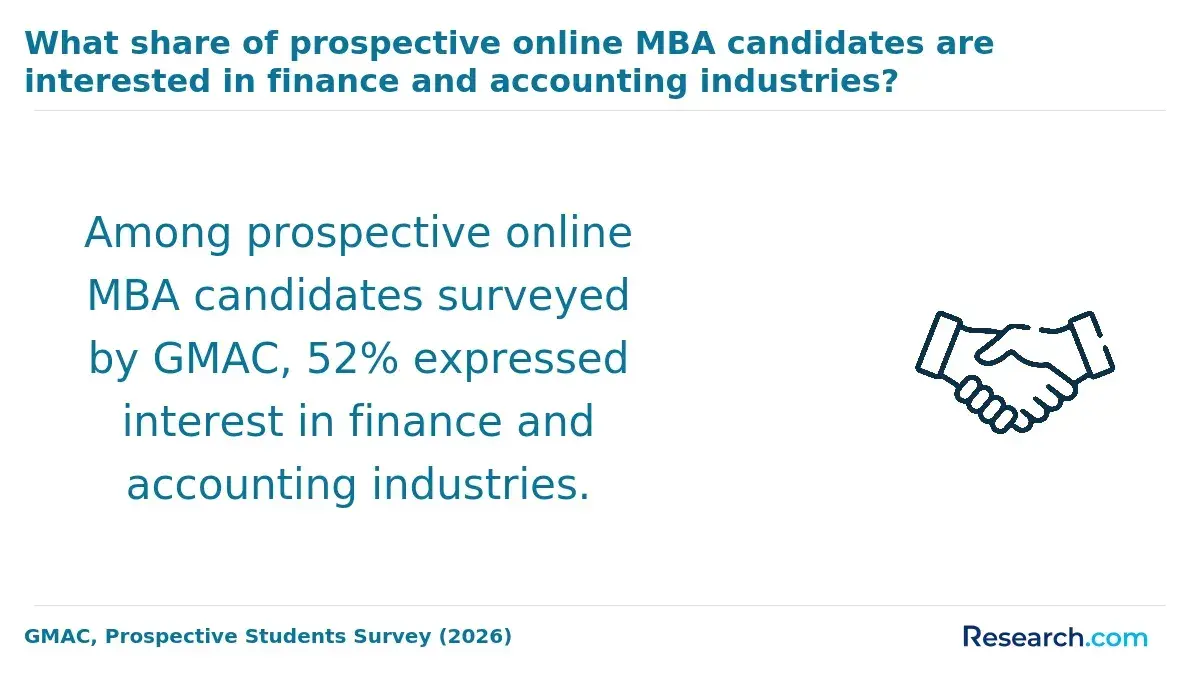
Schools may request recommendations, an interview, or GMAT/GRE results. There are also many MBA programs with no GMAT requirement. An undergraduate business major is not universally required, although preparation in quantitative work and finance can make the curriculum easier to enter.
International applicants should check whether transcripts need an independent credential evaluation or certified translation and whether the school requires English-proficiency evidence or grants exemptions.
Before applying, confirm that the university accepts students residing in your country, permits access to required learning tools there, and can accommodate your payment method. Ask for written confirmation of any required live sessions, residencies, and location restrictions; admission to an online degree does not establish eligibility for a U.S. visa.
Completion time depends on the program's credit requirements, course sequence, and whether you enroll part time or full time. A flexible course schedule may still have fixed deadlines, group meetings, or a required campus visit. Ask for the published completion range and a sample schedule based on the number of courses you can actually manage across time zones.
Compare a school's full program cost, not its advertised per-credit price. Include mandatory fees, books and software, currency-conversion or international payment charges, required travel, and borrowing costs. If you keep working, account for study time; if you leave work to study, include lost income.
For a cross-specialization price check, budget-conscious MBA program lists may help illustrate how online MBA prices vary, but they are not evidence that those schools offer real estate study.
Financing may be a decisive limitation. U.S. federal student aid generally requires U.S. citizenship or eligible noncitizen status; living abroad or gaining admission to a U.S. university does not independently establish eligibility. Check scholarships, employer reimbursement, payment plans, and any private loan's residency or cosigner conditions before relying on them.
Online study can let you retain your job, remain in your home market, and apply assignments to current deals. A campus program may provide more direct access to local events, internships, and employers, but those opportunities differ by school and are not guaranteed. Compare the actual online and campus career services, alumni access, project work, and recruiting eligibility rather than assuming they are identical.
Location also changes the immigration analysis. Completing a U.S. online MBA while abroad does not itself confer F-1 student status or eligibility for Optional Practical Training (OPT). A campus-based program is not an automatic route to U.S. employment either; visa status, program rules, authorization requirements, and employer hiring decisions still matter.
If U.S. employment is central to your plan, discuss the specific program and your circumstances with the school's international student office and a qualified immigration adviser before choosing a format.
Speed should not decide the format on its own. Lists of online MBA programs in healthcare management illustrate that accelerated options exist in other fields, not that a comparable real estate concentration is available or manageable alongside your job.
The most realistic opportunities build on experience you already have. A property operations professional might seek portfolio or regional management responsibilities; an analyst in lending or acquisitions might progress toward investment or asset-management decisions; and a development professional might move into project leadership. Employers commonly assess deal experience, market knowledge, financial analysis, and relationships alongside the degree.
A move from an unrelated occupation into acquisitions or development is harder. Relevant projects, modeling skills, local-market exposure, and professional contacts can help close the gap, but an MBA does not replace a record of transactions. For someone seeking U.S. employment, authorization to work is an additional, separate condition.
The BLS projects about 1.1 million U.S. openings per year across all management occupations from 2025 to 2035, including openings to replace departing workers; that broad figure does not measure demand for real estate MBAs or for internationally based applicants.
If your objective is a specific city or region, assess employers and programs there rather than relying on national MBA comparisons. For example, an MBA tuition comparison MBA NC can inform a North Carolina price search, but you would still need to verify real estate coursework and relevant employer connections.
There is no dependable single U.S. salary for "real estate MBA graduates." Pay varies by occupation, experience, location, employer, and, in some jobs, transaction-based compensation.
As a broad reference point, the BLS reports a $126,520 median annual wage for management occupations in May 2025. That figure covers managers across industries and education levels; it is neither a real estate-specific salary nor an estimate of the earnings increase caused by an MBA.
For a useful personal forecast, compare pay for the specific role you could pursue before and after the degree, in the location where you are authorized to work. Consider whether your target employer rewards the MBA with greater responsibility. Do not use a U.S. management median to forecast earnings in another country or assume a promotion will follow graduation.
Do international graduates need real estate licenses or certifications?
It depends on the work, not on the MBA. U.S. real estate brokerage and sales are regulated primarily by states. Someone performing activities that require a state license must meet that state's rules.
An MBA does not grant a broker or salesperson license. Asset management, corporate real estate, lending, and development roles have different duties, and their employers may value industry credentials or technical experience without requiring a sales license.
Check the regulator and employer requirements for the exact role and jurisdiction you intend to enter. International graduates should also keep professional licensing separate from immigration authorization. Meeting one set of requirements does not satisfy the other.
Other Things You Should Know About MBA Programs
Possibly. Ask whether instructors accept international markets for projects and what data, currency, and legal-context assumptions they require. That flexibility can make assignments more useful to your current employer.
Diploma and transcript wording varies by university. Request a sample or written explanation from the registrar if the distinction matters to an employer or credential evaluator.
Policies on leave, course availability, and maximum time to complete the degree vary. Check them before enrolling, particularly if travel or unpredictable deal schedules could interrupt study.
Access depends on the university's subscriptions, licensing terms, and your location. Ask which databases and software online students can use abroad and whether assignments require tools you must purchase separately.
- Estimate your college cost | usa.gov https://www.usa.gov/estimate-college-cost
- Recognition of Foreign Qualifications | ed.gov http://www.ed.gov/about/initiatives/international-affairs/recognition-of-foreign-qualifications
- Employment | ice.gov https://www.ice.gov/sevis/employment
- International Application Documents - Utah Admissions https://admissions.utah.edu/information-resources/international-application-documents/
- Student Engagement - Lied Center for Real Estate UNLV https://liedcenter.unlv.edu/student-engagement/
- International Application Requirements - MBA@Rice https://onlinebusiness.rice.edu/admissions/application-requirements/international-requirements/
- Real Estate Development (Adv Cert) | Fordham University https://bulletin.fordham.edu/pcs-grad/cert-real-estate-development/
- Online MBA Real Estate | Property Development | Longwood Online https://online.longwood.edu/business/mba/real-estate/
- AACSB Initial Business Accreditation Process https://www.aacsb.edu/educators/accreditation/accreditation-process/initial-accreditation
- Real Estate - NYU SPS - New York University https://www.sps.nyu.edu/explore/degrees-and-programs/area-of-study/real-estate.html