Is an online MBA in Hospitality Management worth it for career changers?

Co-Founder and Chief Data Scientist
If you want to move into hospitality, an online MBA may build your management skills—but it may not solve the harder problem of getting relevant industry experience. The decision depends on what you already do, whether you want to run an operation or move into a corporate role, and what you would pay for the degree.
This guide explains where a hospitality-focused MBA can help, where it cannot, and how to compare it with more direct routes into the field.
Key Things You Should Know
- An online hospitality MBA is most compelling when you can pair transferable management skills with hospitality projects, employer contacts, or hands-on experience; the degree alone is unlikely to secure a senior hotel role.
- Compare the full cost and time commitment with a realistic target job, not a broad MBA salary figure. The $126,520 median for US management occupations in May 2025 is not a hospitality MBA graduate salary.
- For a substantial switch into property operations, relevant work experience may be more valuable initially than a second degree; an MBA becomes easier to justify when it supports a defined management path.
Is an Online MBA in Hospitality Management Worth It for Career Changers?
It can be worth it if you have a credible route into your target role and need broader business training to advance. An online hospitality MBA combines an MBA's general management core with hospitality-focused study. Its value is strongest when you can apply both parts: for example, a retail manager moving into hotel operations or a finance professional seeking a role with a hotel company.
The size of your career change matters. A restaurant operations manager moving into hotels may need to learn property-specific systems and service standards. A professional with no customer-facing or operating experience faces a larger gap, even with an MBA. Employers hiring property leaders generally need evidence that candidates can manage staff, service failures, budgets, and day-to-day operations—not just discuss strategy.
Before enrolling, name the job you want, review actual postings in your market, and identify which requirements you already meet. If the missing piece is business-wide leadership, an MBA may help. If it is a hotel experience, test the field through a relevant job, project, or employer-sponsored assignment first. For someone with transferable operations leadership, including a service member moving into civilian work, online MBA programs and veterans may also be worth comparing for scheduling and support—but civilian hospitality employers will still assess industry fit.
What Careers Can an Online Hospitality MBA Prepare You For?
The MBA can support several paths, but the plausible entry point depends on your prior work. These examples distinguish a skill transfer from a transition that requires substantial new operating experience:
| Target path | Useful prior experience | Likely gap to address |
| Hotel or resort operations | Retail, restaurant, facilities, or other service-team management | Property systems, guest-service standards, and hands-on hotel operations |
| Revenue or commercial management | Pricing, analytics, sales, or marketing | Hospitality demand patterns, distribution channels, and property-level decisions |
| Events or convention services | Project management, client service, or event delivery | Venue operations, vendor coordination, and live-event execution |
| Hospitality corporate functions | Finance, human resources, technology, or supply chain work | Industry contacts and knowledge of how hospitality businesses operate |
Corporate functions may offer the most direct switch for someone who already has a strong functional specialty. Property general management is usually a longer progression through operational responsibility. If your real goal is patient-experience leadership in a healthcare setting rather than a hotel or resort, compare healthcare-oriented education instead; for a nurse, an online MSN and MBA dual-degree programs degree guide may be more relevant than a hospitality concentration.
How Much Does an Online Hospitality MBA Cost and How Long Does It Take?
There is no single price or completion timeline for an online hospitality MBA. Schools may charge by credit, course, or term; the total depends on required credits, fees, enrollment pace, and any travel obligations. Compare published MBA program prices and tuition options only after confirming that a program actually offers the hospitality coursework you want.
Request a written estimate covering tuition, mandatory fees, materials, and any residency or travel costs. Ask how many courses you can take while working, when required courses are offered, and whether slowing your pace creates additional charges. A lower tuition figure may not mean a lower total cost if the program requires travel or takes longer than you can sustain.
For a personal break-even check, compare the total amount you would pay—including borrowing costs where applicable—with a conservative estimate of additional earnings from a job you could realistically obtain. Factor in employer tuition assistance and any income you would give up. If the projected role is uncertain, treat the financial return as uncertain too; networking, confidence, and broader management skills may still have value, but they should not be disguised as a guaranteed salary gain.
The MBA core typically develops management-level skills in accounting, finance, marketing, operations, and leadership. Hospitality-focused courses may apply those skills to service design, revenue decisions, events, tourism, or hotel and restaurant operations. Course titles and depth vary: a hospitality elective does not necessarily mean the school awards a formally designated hospitality concentration.
For career changers, the most valuable work often produces evidence they can show employers: a market analysis, a service-improvement proposal, or a financial plan for a hospitality business. Check whether projects use real organizations and whether online students can participate. Coursework can teach you to evaluate occupancy or customer-service problems; it does not replicate managing a property during a busy shift.
An online MBA can let you keep earning while studying and apply coursework at work. A campus-based program may make in-person recruiting, employer visits, and informal networking easier to access. Neither format is inherently better for a career change: the decisive issue is whether its opportunities help you gain hospitality contacts and experience.
Ask how live classes, group projects, career events, and any required visits are scheduled. "Online" does not necessarily mean self-paced, and career services available to campus MBA students may differ from those available online. If your work schedule is unpredictable, compare online MBA learning formats and options online MBA programs with asynchronous classes, then verify the schedule of the specific hospitality courses—not just the MBA core.
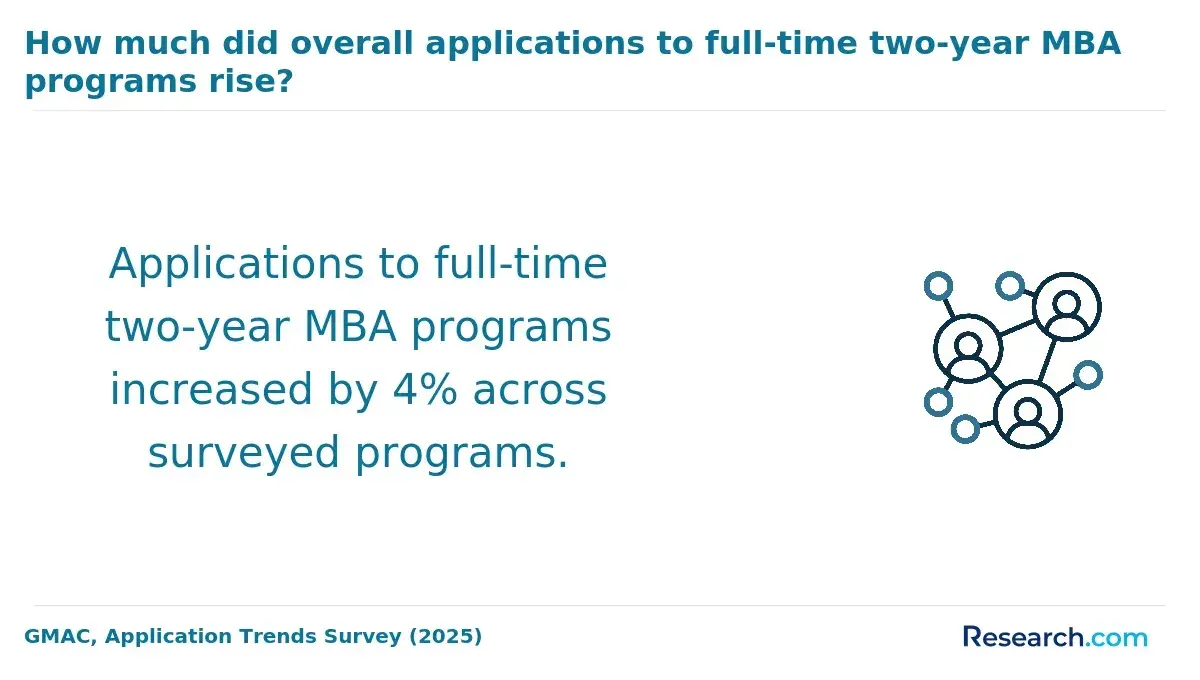
Requirements are set by each school. Applicants commonly need a bachelor's degree and may be asked for a résumé, transcripts, recommendations, and a statement of purpose. Test policies, interviews, minimum grades, and prerequisite courses differ; do not assume a GMAT waiver or a required hospitality background applies everywhere.
Use your application to connect your past work to a specific hospitality goal. A career changer can explain the teams, budgets, customers, or projects they have managed and identify the industry knowledge they intend to gain. If you have previous graduate study, check MBA options for applicants with prior credits against each school's transfer policy; acceptance and the number of applicable credits are program-specific.
Not universally. Some MBA programs expect professional experience, while others admit applicants earlier in their careers. A hospitality bachelor's degree is not a universal prerequisite. A nonbusiness graduate may, however, need introductory preparation in accounting, finance, or quantitative work, depending on the curriculum and school policy.
Admission is only part of the decision. A candidate with years of people-management experience may be ready for MBA coursework yet still need hospitality-specific exposure to compete for property roles. Conversely, someone already working in a hotel may benefit from the MBA's finance and strategy training without having previously studied business. Ask admissions about formal prerequisites, then ask career services what experience employers seek for your target position.
Start by verifying the institution's accreditation through the school and its recognized accreditor. Then check whether the business school holds specialized business accreditation, if that matters to you or a prospective employer. Institutional and business-school accreditation are different; neither confirms that a hospitality concentration exists or that its courses are available online.
For a career change, inspect the actual online curriculum and ask whether hospitality courses appear on a predictable schedule. Request evidence of relevant career support: access to hospitality employers, alumni contacts, applied projects, and internship assistance for online students. Compare those answers with your target job postings and total cost. A well-known MBA with little hospitality exposure may be a poorer fit than a less familiar program with useful industry access—or than no MBA at all.
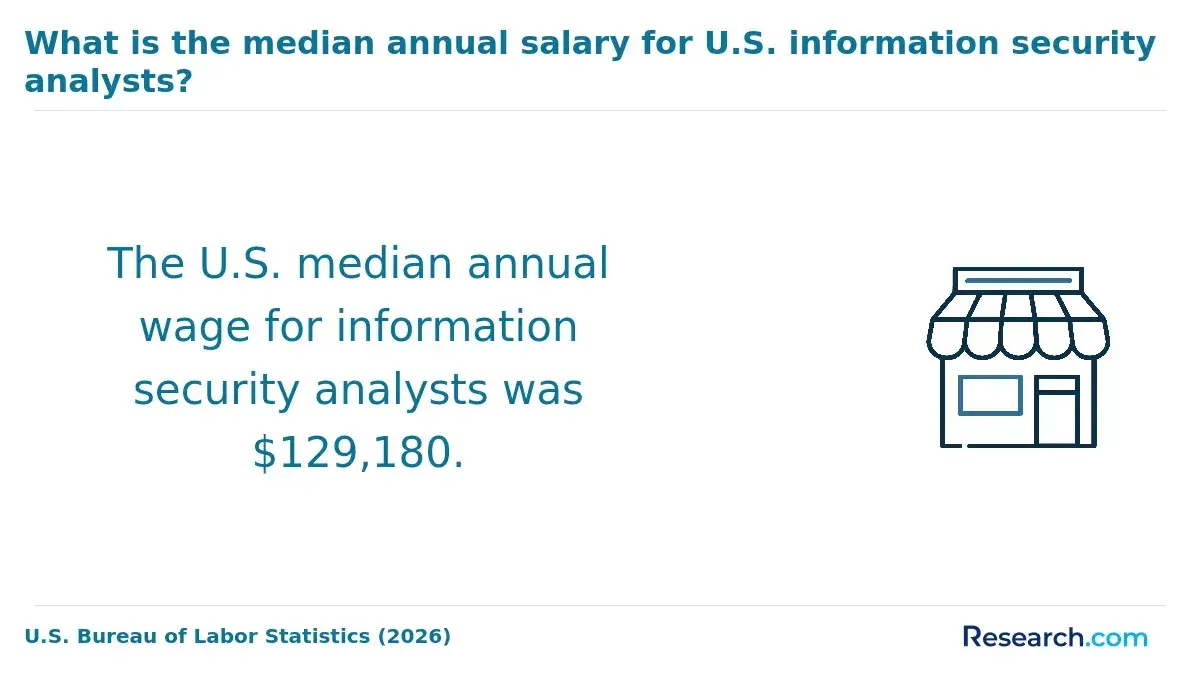
There is no reliable salary that applies to all online hospitality MBA graduates. Pay depends on the occupation, location, employer, responsibility level, and experience you bring into the role. The US Bureau of Labor Statistics reports a $126,520 median annual wage for management occupations in May 2025. That figure covers management jobs across industries and career stages; it is not an expected starting salary for a career changer entering hospitality.
Use compensation information for the specific role and location you are considering, and compare it with what you earn now. For a substantial industry switch, you may initially enter below the level you hold in your current field. An MBA can improve your preparation for later advancement, but a post-MBA salary difference cannot automatically be attributed to the degree.
What Certifications or Licenses Are Required for Hospitality Management Careers?
A general hotel management role does not have a universal MBA, certification, or professional license requirement. Employers may value training related to food safety, alcohol service, events, or property systems, depending on the job. Legal requirements for activities such as serving alcohol or handling food vary by jurisdiction and position.
Choose a credential only after examining your target job postings and the applicable state or local rules. A role-specific qualification can address an immediate hiring gap, but it is not interchangeable with the MBA's broader management education. If your main obstacle is a narrow operational requirement, meeting that requirement may be a faster first step than enrolling in graduate school.
Other Things You Should Know About MBA
Yes. Look for an employer project involving travel, events, customer experience, or a hospitality client. Informational interviews can also help you test whether the daily work matches your expectations before you pay for a degree.
Possibly, especially if you lack direct hospitality exposure. Ask whether the internship gives you responsibilities relevant to your target role and whether the program helps online students obtain one.
Ownership is a different decision. A franchise agreement does not remove the need for capital, operating capability, or due diligence. An MBA may help with business planning, but it does not replace advice on financing, contracts, and the property itself.
Your existing technology, sales, analytics, or product experience may provide a more direct route. Check the roles you want before choosing a hospitality-focused MBA; a general MBA, targeted courses, or a direct job move may fit better.
- How Much Does an Online MBA Cost? | University of Bridgeport https://www.bridgeport.edu/news/cost-of-online-mba/
- MBA vs. Master in Management (MiM): What's The Difference? | gwu.edu https://business.gwu.edu/articles/mba-vs-ms-management
- How to Network as an Online MBA Student | Tulane University Freeman School of Business https://online-business.tulane.edu/online-mba/articles/how-to-network-as-an-online-mba-student/
- Business Strategy or Hospitality Leadership: MBA vs. HRTM | NMSU Global Campus https://global.nmsu.edu/blog/business-and-marketing/masters-in-hrtm-vs-mba/
- Part-time MBA Tuition & Fees | NYU Stern https://www.stern.nyu.edu/programs-admissions/mba-programs/part-time-mba-manhattan/financial-aid-tuition/tuition-fees
- Professional MBA Career Management | uga.edu https://www.terry.uga.edu/mba/professional/careers/
- Full-Time MBA and MBAxMS | Costs | Financial Aid at CBS https://business.columbia.edu/financial-aid/costs/full-time
- Online MBA in Hospitality and Tourism Leadership at UWF https://getonline.uwf.edu/business-programs/mba/hospitality-tourism-leadership/
- Careers in Hospitality & Tourism Industry | ehl.edu https://www.ehl.edu/en/careers-in-hospitality
- General MBA vs. Specialized MBA: Which Is Right for You? | Northern Kentucky University Online https://onlinedegrees.nku.edu/programs/business/mba/general-vs-specialized/