Is an online MBA in Accounting worth it for public sector professionals?

Co-Founder and Chief Data Scientist
A public-sector accountant may know agency finances well but still need broader leadership skills to move into budget or financial management. An online MBA in accounting could help - but its value depends on the jobs available, the program's cost, and whether its courses address government work rather than only corporate accounting. This guide is for government and other public-institution professionals weighing that investment. It explains where the degree may help, where a more specialized credential may work better, and what to verify before enrolling.
Key Things You Should Know
- An online accounting MBA is most compelling when you already have public-sector experience and need management skills for a plausible advancement opportunity - not when you need only technical accounting coursework.
- The Bureau of Labor Statistics reports a $126,520 median annual wage for U.S. management occupations in May 2025; that figure is not a government accounting MBA salary or a forecast of your pay.
- Check the target job's hiring criteria, your employer's education assistance, total program cost, and state CPA rules before treating the degree as an investment in promotion or licensure.
Is an online MBA in accounting worth it for public sector professionals?
It can be worth it if the degree closes a specific gap between your current work and a realistic leadership role. An MBA combines a broad management core with accounting-focused courses. For a government accountant or budget analyst, its strongest potential return may be the ability to lead teams, explain financial decisions to nonaccountants, and manage resources under public scrutiny - not simply knowing more accounting rules.
Value is less certain if advancement depends chiefly on civil-service grade, a competitive vacancy, years of specialized experience, or a required credential the MBA does not provide. Private-sector post-MBA pay claims are a poor proxy for an agency's published salary schedule. The degree may still have nonfinancial value, such as stronger leadership preparation or more options outside government, but those benefits should be weighed against tuition and time.
Your immediate goal points toward different educational choices. This comparison separates management development from technical preparation so you do not pay for a broader degree than you need.
| Primary goal | Option to examine first | Key limitation |
| Lead a finance team or pursue agency-wide management | MBA with relevant accounting and public-sector applications | A degree does not replace supervisory experience or an available position. |
| Qualify for accounting work or meet CPA coursework rules | Targeted accounting courses or a specialized accounting master's | Requirements depend on the job and state board. |
| Deepen public budgeting and policy expertise | Public administration coursework or an MPA | It may offer less business-wide management training. |
| Improve one skill in a current role | Employer training, a graduate course, or a certificate | It may not carry the same breadth as a graduate degree. |
What careers can an online accounting MBA prepare you for in government?
The most credible path is usually advancement from work you already do. An accountant might pursue financial-management or controller-type responsibilities; a budget analyst might seek budget leadership; an auditor might move toward audit management. These roles can involve supervising staff, assessing controls, explaining spending decisions, and coordinating with program leaders. Titles and qualifications differ across federal, state, local, and public-institution employers.
Accounting MBA coursework can also support work involving grants oversight, procurement finance, or organizational change. But a move from accounting into procurement leadership, for example, may require contracting experience and knowledge of applicable rules. Senior finance posts typically require a record of managing people and complex operations; the MBA alone does not establish that record.
Before applying, compare several actual vacancy announcements with your résumé. Separate requirements you already meet from gaps in supervision, government-specific knowledge, and credentials. That exercise is more useful than assuming an advertised job title is a predictable post-MBA outcome.
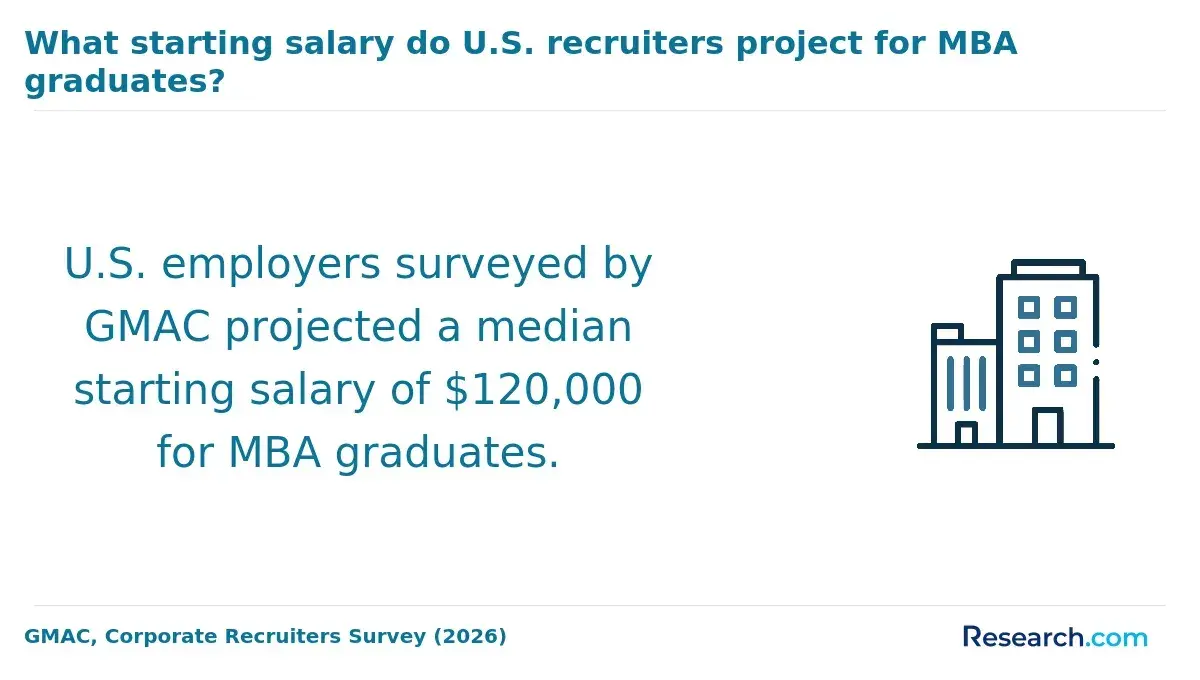
How much can public sector professionals earn with an accounting MBA?
There is no single reliable salary for public-sector professionals with an accounting MBA. Pay depends on the position's classification, employer, location, experience, and - where applicable - grade and step. A promotion may increase pay, but earning the degree does not itself change a salary schedule.
For context, the Bureau of Labor Statistics reports that U.S. management occupations had a $126,520 median annual wage in May 2025. That broad occupational figure includes jobs outside government and does not isolate accounting MBA holders. Use the posted pay range for your target agency role, not the management median, to assess your likely financial upside. BLS also projects management occupations as a group to grow faster than average from 2025 to 2035; that outlook does not predict openings in a particular agency.
For a practical payback check, compare your expected after-tax increase from a plausible promotion with what you would personally pay for the degree, including financing costs. If the promotion is uncertain, model the degree as an expense you must be comfortable carrying even without a raise.
Most accounting-focused MBAs pair general management study - such as leadership, operations, strategy, and managerial finance - with a concentration or set of accounting electives. Depending on the school, those courses may address financial reporting, controls, taxation, auditing, or accounting analytics. A program with one accounting elective is not necessarily a formally designated accounting concentration.
For public service, course application matters as much as course title. Corporate reporting and profitability exercises can build useful judgment, but they are not substitutes for governmental accounting, fund reporting, grants compliance, appropriations, or public procurement rules. Ask whether assignments or a capstone can address agency budgeting, internal controls, or accountability to oversight bodies. An MBA generally develops management-level use of accounting information; it should not be mistaken for comprehensive technical training in every public-finance standard.
An online format may let an employee continue working and apply coursework immediately. That advantage matters when leaving a public-sector position would mean giving up income, benefits, or a place on an internal advancement path. Campus study may be preferable if face-to-face recruiting, frequent in-person collaboration, or a concentrated period away from work is central to your goal.
Neither format is automatically more flexible or better connected. Ask about live attendance, group-meeting hours, examinations, residencies, access to career services, and the makeup of the cohort. For an internal promotion, scheduling fit and opportunities to work on agency-relevant projects may matter more than campus recruiting. If you are comparing online MBA programs, check these features at the individual program level rather than inferring them from a ranking.
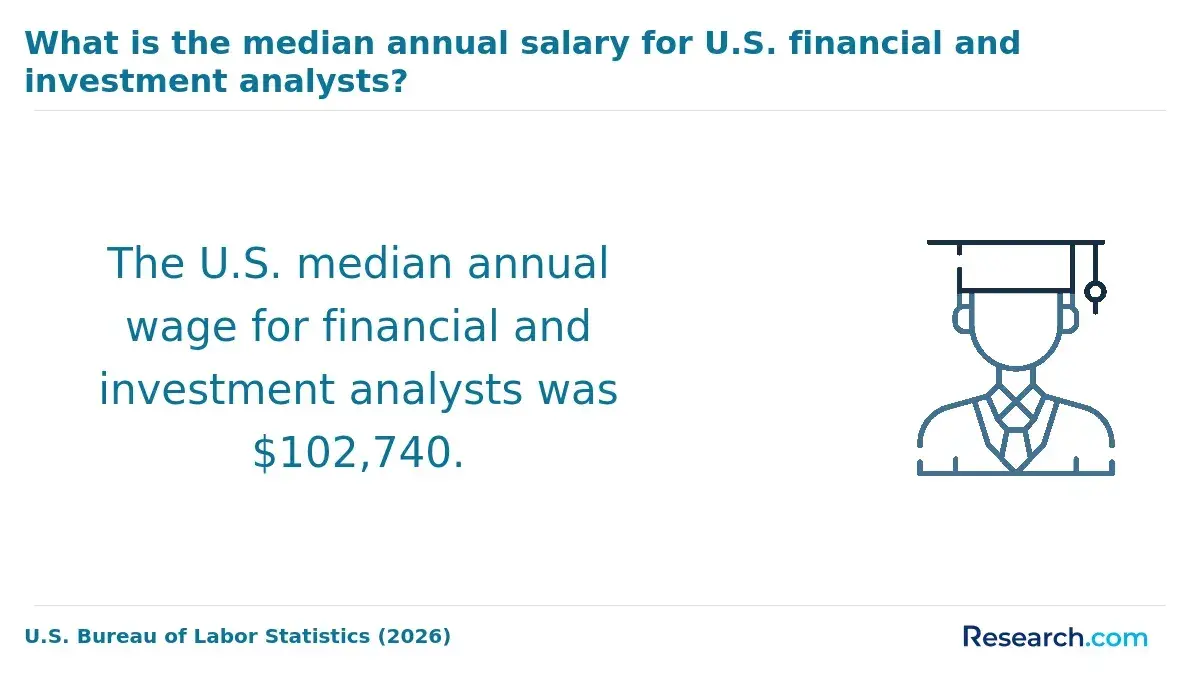
Requirements vary by school. Applicants commonly submit evidence of a bachelor's degree, academic records, a résumé, and written materials explaining their goals; some programs request recommendations, interviews, or GMAT/GRE scores, while others waive or do not require tests. Work-experience expectations and accounting prerequisites also differ. A public-sector background can strengthen an application even if your undergraduate degree was not in business.
To prepare, identify examples of budget responsibility, process improvement, cross-agency collaboration, or leadership that show why you need the degree now. If your accounting foundation is thin, ask whether the school requires introductory coursework and whether it adds time or cost. A guide to online MBA programs with accessible admissions can help start a search, but confirm each program's current requirements directly before applying.
Completion time depends on required credits, course sequencing, enrollment pace, and whether accounting prerequisites are needed. A faster schedule may reduce time to completion but make it harder to manage agency deadlines; a slower one may better preserve work performance. Ask for a term-by-term plan based on the number of courses you can actually take.
Published tuition is only the starting point. Calculate required credits multiplied by the applicable tuition rate, then add mandatory fees, materials, any travel, and borrowing costs. Check whether tuition is charged per credit or term, whether rates can change, and whether employer reimbursement is paid before or after successful course completion. An online MBA cost guide can provide comparison leads, but use each school's current charges to build your own total.
For ROI, subtract confirmed employer support from that total and account for the work and personal time you will give up. Do not count a prospective promotion as certain income. If the degree only pays off under an immediate promotion, its financial case is fragile.
Not automatically. CPA eligibility is determined by the state accountancy board where you seek licensure. Boards assess matters such as total education, specific accounting and business coursework, examinations, and experience; rules and available pathways vary. Online delivery by itself is not the deciding factor, but an MBA's managerial accounting courses may not supply the particular technical credits a board requires.
Before enrolling for CPA purposes, send the board or its designated evaluator your transcripts and the proposed MBA course descriptions. Ask the school for a written breakdown of accounting credits and whether transferred coursework will appear and count as expected. If you plan to compare MBA transfer policies, verify both the school's degree rules and the board's separate treatment of those credits. Do not rely on an admissions representative's general assurance of CPA eligibility.
Accreditation is an essential screening step, not proof that a program fits a government career. Confirm that the university holds recognized institutional accreditation. Separately, check whether its business school holds specialized business accreditation, such as AACSB, ACBSP, or IACBE, if that distinction matters to you or your employer. These are different forms of review; none establishes that an accounting concentration meets a state's CPA course requirements.
For public-sector advancement, check the actual vacancy announcement and your employer's education-assistance policy for any degree or accreditation conditions. Then examine the courses. A properly accredited MBA focused almost entirely on corporate applications could still be a weaker fit than a program with credible public-finance work.
How can you choose a reputable online accounting MBA for public service?
Begin with the role, not a school list. Collect target job descriptions and identify whether they reward management education, require particular accounting credits, or place more weight on experience. Then use the following checks to narrow programs before committing money:
- Confirm the online MBA actually offers a formal accounting concentration, and inspect its required courses rather than relying on the program label.
- Request the full cost, a realistic part-time schedule, and details of live sessions, group work, and any campus visits.
- Ask whether projects can address public budgets, controls, grants, or governance, and whether career support serves working government employees.
- Verify institutional accreditation, any relevant business-school accreditation, employer reimbursement terms, and CPA coursework directly with the appropriate authorities.
Finally, check that any comparison page covers the credential you intend to study. For example, a listing encountered under online MBA financial planning degree programs points to MSN/MBA dual-degree programs, not an accounting MBA shortlist. Confirm degree titles and curricula on school websites before treating a listing as relevant. If no program clears your job, cost, and curriculum checks, targeted coursework or employer training may be the better decision.
Other Things You Should Know About MBA
No. Federal vacancy announcements specify the education, specialized experience, and other qualifications for each role. Check the announcement rather than assuming an MBA changes your grade.
Possibly. Obtain agency approval before using nonpublic information or committing colleagues' time, and ask the program whether an anonymized project meets its requirements.
The degree format does not determine eligibility. Loan type, qualifying employment, repayment, and program rules matter; confirm current requirements with Federal Student Aid before borrowing on that assumption.
Yes. Some employers attach continued-service or repayment conditions to education assistance. Read the written policy before enrolling or accepting reimbursement.
- Your Guide to the new CPA Licensure Requirements | ca.gov https://www.dca.ca.gov/cba/outreach/guide-to-the-new-cpa-licensure-requirements.shtml
- Education Requirements | texas.gov https://www.tsbpa.texas.gov/applicants/education/
- General Schedule Qualification Standards | U.S. Office of Personnel Management https://www.opm.gov/policy-data-oversight/classification-qualifications/general-schedule-qualification-standards/
- Navigating MBA Programs While Juggling Work | Northeastern Online https://online.northeastern.edu/resources/how-long-does-it-take-to-do-an-mba-while-working/
- Financial Aid & Fees | MBA Programs | School of Business | University of Connecticut https://mba.business.uconn.edu/financial-aid-fees/
- Master's in Accounting vs. MBA: 5 Big Differences to Know | Franklin University https://www.franklin.edu/blog/accounting-mvp/masters-in-accounting-vs-mba
- Accreditation for MBA Programs - ACBSP, AACSB or IACBE? | Northwest Missouri State University https://online.nwmissouri.edu/programs/business/mba/acbsp-aacsb-iacbe-accreditation/
- MBA Accreditation Types and Benefits | Freeman News https://freemannews.tulane.edu/2026/08/06/mba-accreditation-types-and-benefits
- AACSB Accreditation in Graduate Business: Why It Matters | News at Poole College https://poole.ncsu.edu/news/2026/06/19/aacsb-accreditation-in-graduate-business-why-it-matters/
- Tuition and Financial Aid | Online MBA Program | Tulane University Freeman School of Business https://online-business.tulane.edu/online-mba/tuition-financial-aid/