2027 Is an Online Criminal Justice Bachelor's Degree Worth It?

Co-Founder and Chief Data Scientist
Facing a career transition with limited flexibility for on-campus learning, many professionals wonder if an online criminal justice bachelor's degree can open doors in law enforcement, corrections, or legal support. With a 16% projected job growth for criminal justice-related roles over the next decade, online degrees offer a practical route to meet industry demand while balancing work and life commitments. This article explores the value of earning a criminal justice degree online, examining program credibility, career outcomes, and cost efficiency to help prospective students determine if this pathway aligns with their goals.
Key Things to Know About the Value of an Online Criminal Justice Bachelor's Degree
- Online Criminal Justice degrees offer flexible scheduling and military-friendly credit transfers-supporting life goals for working parents, veterans, and career changers needing adaptable learning paths.
- Accredited programs demonstrate strong return on investment by balancing affordable tuition with rising employment rates; graduates see average salary increases around 15% within five years.
- Employers value online Criminal Justice degrees from reputable schools, enhancing job prospects in law enforcement, corrections, and federal agencies while improving qualification for advanced study.
What Are the Real Costs of Earning an Online Criminal Justice Bachelor's Degree, and How Do They Compare to On-Campus Programs?
Online criminal justice bachelor's degree programs often provide a more affordable alternative to traditional on-campus study, supported by data from IPEDS and the College Board's Trends in College Pricing report. Students typically pay between $250 and $400 per credit hour online, compared to $400 to $600 per credit at many public universities on campus.
- Tuition Per Credit Hour: Online rates are generally lower, making the overall cost more manageable for many prospective students.
- Mandatory Fees: Expect technology and activity fees averaging $100 to $300 per semester, which usually undercut on-campus charges for facilities and transportation.
- Required Technology: Investment in a reliable laptop and internet is necessary, with upfront costs typically between $500 and $1,200.
- Indirect Costs: Savings come from eliminating commuting, housing, and meal plans, though home utilities, study space, and childcare should be considered.
Four reputable accredited online criminal justice programs priced below the $35,000 national average for a bachelor's degree include Southern New Hampshire University, University of Central Florida, Oregon State University Ecampus, and Liberty University. These programs balance affordability with quality and accreditation standards, offering a cost-effective pathway for working parents, veterans, and mid-career professionals.
When assessing expenses, distinguishing between sticker price and net price is crucial. Net price reflects actual out-of-pocket costs after financial aid such as scholarships, grants, and employer tuition reimbursement. Prospective students should use net price calculators and consult financial aid resources to get accurate cost estimates.
For those exploring comparable options, researching the most affordable online MSW programs can provide insight into cost structures across different disciplines.
Understanding the full cost comparison of online versus on-campus criminal justice bachelor's degrees and the average tuition and fees for online criminal justice bachelor's programs is essential for making an informed enrollment decision.
What Is the Return on Investment (ROI) of an Online Criminal Justice Bachelor's Degree Over a Career Lifetime?
Return on investment (ROI) in higher education evaluates the financial gain a graduate can expect relative to the total costs of earning their degree. For an online criminal justice bachelor's degree, this involves comparing total degree expenses-including tuition, fees, and materials-against projected lifetime earnings in criminal justice-related careers. Credible benchmarks from the Georgetown University Center on Education and the Workforce and the PayScale College ROI Report help anchor this discipline-specific analysis, providing valuable insights into earnings potential versus cost.
When calculating ROI, consider all expenses over the program's duration alongside average salary increases for degree holders in criminal justice fields. For instance, many low-cost online criminal justice programs range between $15,000 and $30,000-significantly lower than traditional on-campus options. Mid-career salaries commonly fall between $50,000 and $70,000, depending on role, location, and experience, which influences the long-term return on investment for an online criminal justice bachelor's degree.
- 10-Year ROI: Many online criminal justice degrees recoup their costs within 10 years due to affordable tuition and lower living expenses compared to other bachelor's degrees nationwide.
- 20-Year ROI: Earnings growth over two decades generally aligns with or exceeds national averages for bachelor's degrees, ensuring satisfactory financial returns.
- Cost Efficiency: Accreditation and affordability minimize debt burden while preserving educational quality.
- Earnings Potential: Sustained demand for criminal justice professionals supports steady salary progression and career growth.
Beyond financial measures, non-monetary returns substantially enhance degree value:
- Job Satisfaction: Graduates frequently report meaningful and fulfilling careers within the criminal justice sector.
- Career Mobility: A bachelor's degree grants access to supervisory and specialized roles not otherwise available.
- Professional Credibility: Accredited program completion increases trust from employers and improves advancement opportunities.
Prospective students-such as working parents, veterans converting service credits, or mid-career professionals-should weigh these factors alongside financial aid availability and transfer credit policies. Additionally, for those considering further education, options like the cheapest online master's in psychology demonstrate how degree planning can extend ROI and career earnings potential with an online criminal justice bachelor's degree.
How Do the Salary Outcomes for Online Criminal Justice Bachelor's Graduates Compare to Those With Traditional Degrees?
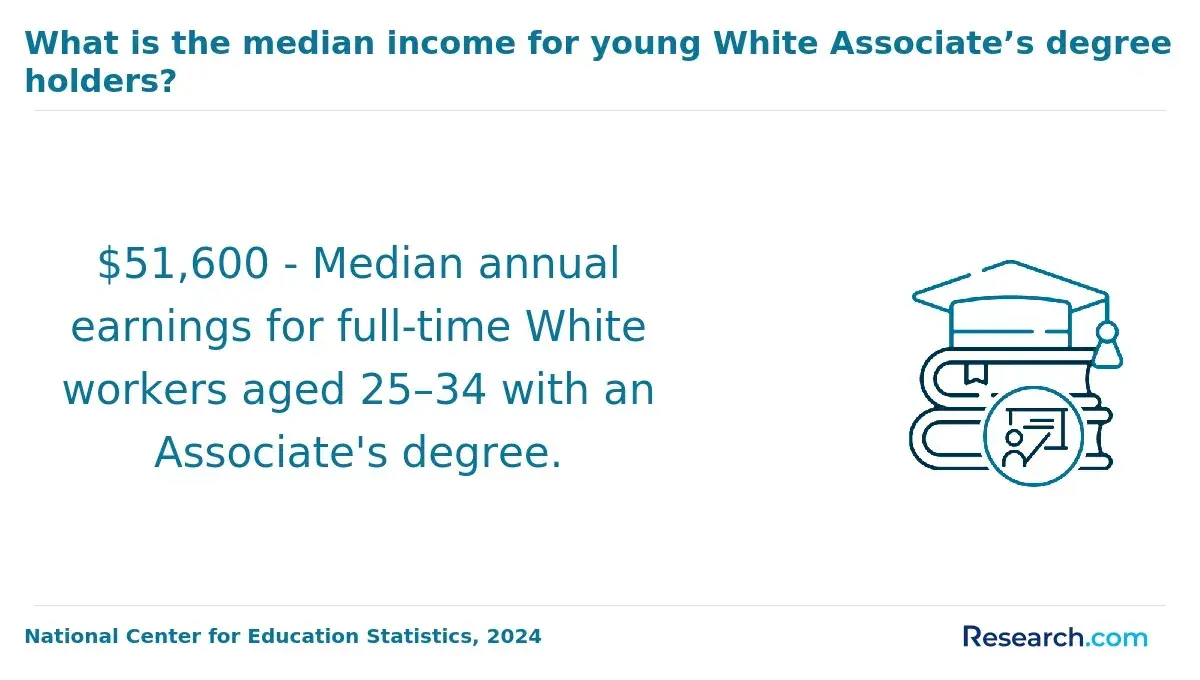
Salary data from the Bureau of Labor Statistics, PayScale, and LinkedIn Salary Insights show that median starting pay for graduates with online criminal justice bachelor's degrees aligns closely with those earning traditional degrees. Entry-level roles such as law enforcement assistants or probation officers typically offer annual salaries between $38,000 and $45,000. With five to ten years of experience, professionals often see earnings climb to around $60,000 to $75,000, especially when advancement or specialization in areas like cybercrime or legal investigations occurs.
- Median Starting Salary: Online graduates generally start within a range of $38,000 to $45,000, comparable to on-campus counterparts entering similar positions.
- Mid-Career Earnings: Salaries tend to rise to $60,000-$75,000 after several years, reflecting promotions and niche expertise development.
- Salary Influencers:
- The regional job market and cost of living often determine pay scale variations across locations.
- Specializations, such as homeland security or forensic science, frequently yield higher compensation.
- Graduate Outcomes: IPEDS reports from certain programs indicate about 60% of online criminal justice bachelor's graduates find employment within six months, with earnings depending on role and region.
A professional who completed an online criminal justice bachelor's degree shared that balancing coursework with family and work demands required persistence and effective time management. He noted, "Navigating the program online gave me flexibility, but I had to stay disciplined to meet deadlines." He emphasized that the degree was respected by employers in his region and that as he gained experience, his earning potential improved steadily. His perspective highlights that while mode of study matters less for pay, reputation and personal effort play pivotal roles in achieving career and salary goals.
Graduates with an online criminal justice bachelor's degree can pursue diverse career opportunities in law enforcement and public safety jobs for criminal justice degree holders. Common fields include:
- Law Enforcement: Positions such as police officers, detectives, and federal agents typically require a bachelor's degree, though some roles demand additional training or academy completion. The U.S. Bureau of Labor Statistics (BLS) anticipates a steady 5% growth for police and detectives through 2032, indicating consistent demand.
- Corrections and Rehabilitation: Roles like correctional and probation officers often require a bachelor's degree plus state-specific licensing or certification. The BLS projects an 11% increase in probation officers and correctional treatment specialists, outpacing average occupational growth.
- Forensic Science and Crime Analysis: While forensic scientists usually need graduate education, crime analysts often enter the field with a bachelor's degree supplemented by specialized training. Demand grows as agencies adopt data-driven crime prevention strategies.
- Legal and Compliance Roles: Paralegals, compliance officers, and legal assistants may access these careers with a criminal justice degree alongside relevant certifications, offering options in both public and private sectors.
- Private Security and Investigation: Private investigators and security managers value the foundation a criminal justice degree provides, though certifications or licenses may be required depending on jurisdiction.
Specializing in areas such as homeland security, cybersecurity, or juvenile justice within an online criminal justice program can refine career prospects. Selecting a concentration aligned with current job market needs enhances opportunities for advancement and eligibility for targeted certifications. Prospective students should examine the best online degree programs to find options that suit their career goals and educational requirements.
- Academic Advising: Students benefit from dedicated advisors who assist with course selection, degree planning, and understanding transfer credit policies. This personalized support helps learners navigate program requirements while accommodating life's changes.
- Tutoring and Writing Labs: Online centers provide targeted tutoring in criminal justice subjects and support for developing research papers, enhancing essential communication skills for professional success.
- Mental Health Support: Accessible telehealth counseling addresses stress, anxiety, and other challenges that may affect academic progress, fostering well-being and persistence throughout the program.
Career Services: Quality programs offer coordinated internships, job placement assistance, and active alumni mentorship, supported by employer partnerships focused on criminal justice careers.
Research from the National Survey of Student Engagement and institutional data highlights that strong student support correlates with higher retention and graduation rates-key indicators of timely degree completion for online learners.
A professional who forged a career after completing an online criminal justice bachelor's reflected on her experience: "Balancing work and school was overwhelming at times, but my advisor's guidance made mapping out semesters manageable. Whenever I struggled with writing assignments, the tutors were just a message away-offering clear feedback that boosted my confidence. The mental health check-ins felt like a safety net during high-pressure periods. Most importantly, the career services helped me secure internships and connect with mentors who opened doors I didn't know existed. Those resources turned what felt like an uphill battle into a journey I could actually finish."
A 2023 Society for Human Resource Management (SHRM) survey reveals that over 70% of employers now regard online criminal justice degrees with proper regional accreditation as equivalent to traditional on-campus degrees. This acceptance is particularly evident in sectors such as law enforcement, corrections, and security management, where practical skills and verified accreditation play a crucial role. Major federal agencies like the FBI and the Department of Homeland Security, along with many state police departments, actively recruit graduates from reputable online criminal justice programs, demonstrating increased confidence in these curriculums and their readiness for the workforce.
However, certain specialized areas within criminal justice-such as forensic science or specific legal roles-may still favor on-campus training due to the hands-on laboratory work and internship opportunities that these programs typically provide. Prospective students should carefully evaluate how employers in their target field perceive online credentials, considering whether practical experience requirements might affect hiring decisions.
Veterans converting military service credits and mid-career professionals seeking advancement often find online programs align well with their need for flexibility without sacrificing employer recognition. Ensuring the program holds accreditation from recognized regional bodies like the Higher Learning Commission is essential, as this remains a key factor in employer trust. Additionally, reviewing reported job placement rates and employer connections offers valuable insights into real-world acceptance beyond survey data.
- Accreditation Matters: Programs accredited by respected bodies are widely accepted by employers, validating online criminal justice degrees as equivalent to traditional ones in core fields.
- Industry Differences: While many law enforcement careers embrace online credentials, roles requiring intensive practical skills-such as forensic analysis-may prefer candidates with campus-based education.
- Recruiter Confidence: Leading agencies actively hire online program graduates, reflecting growing confidence in their training quality and graduate preparedness.
- Flexible Learning Benefits: Online degrees offer significant advantages for veterans and working adults, blending flexible schedules with recognized credentials.
- Informed Decisions: Prospective students should investigate employer surveys, graduate employment outcomes, and accreditation status to align program choice with career goals.
Accreditation profoundly influences the value and recognition of an online criminal justice bachelor's degree. Regional accreditation carries significantly greater weight for transferring credits, employer acceptance, and eligibility for graduate school than national accreditation, which is more common among vocational or career-focused institutions.
- HLC: Higher Learning Commission, serving the North Central region
- SACSCOC: Southern Association of Colleges and Schools Commission on Colleges
- NECHE: New England Commission of Higher Education
- MSCHE: Middle States Commission on Higher Education
- NWCCU: Northwest Commission on Colleges and Universities
- WSCUC: Western Senior College and University Commission
Students should verify accreditation status through the Council for Higher Education Accreditation (CHEA) or the U.S. Department of Education's (ED) Accreditation Database to avoid unaccredited or diploma mill programs. Specialized accreditation for criminal justice programs is offered by the Academy of Criminal Justice Sciences (ACJS), signaling adherence to high academic and professional standards, which can enhance career and graduate school opportunities.
Attending a program lacking current accreditation risks ineligibility for federal financial aid, non-transferable credits, and degrees unrecognized by employers or academic institutions. According to the National Center for Education Statistics, about 85% of online students enroll in regionally accredited institutions, reflecting a strong preference for widely accepted accreditation in online education. This trend underscores the importance of choosing a criminal justice program with solid accreditation credentials to maximize long-term return on investment.
Completing an online criminal justice bachelor's degree typically involves earning about 120 semester credits, with the standard timeline being roughly four years for full-time students. However, the time to complete an online criminal justice bachelor's degree can vary significantly due to factors affecting duration of criminal justice degree online, including course format, enrollment intensity, and transfer credit policies. Many programs now offer accelerated formats such as eight-week courses rather than traditional 16-week semesters, enabling students to progress more swiftly.
Competency-based education (CBE) pathways allow students to advance by demonstrating mastery of skills rather than time in class. This approach benefits those with prior experience, like military veterans or working professionals, who can leverage existing knowledge for faster completion. Additionally, year-round enrollment options help reduce the overall timeline by eliminating long breaks, allowing motivated learners to finish in two to three years.
For instance, Western Governors University offers a well-known online CBE criminal justice degree with an average completion time of approximately 2.5 years. Southern New Hampshire University also reports many accelerated online criminal justice students finishing in about three years. Faster degree completion helps reduce tuition costs and the opportunity cost related to delayed entry into full-time employment or career advancement.
Working parents, veterans, and mid-career professionals often benefit from these accelerated, flexible programs, especially when balancing education with other life commitments. For readers exploring options, comparing program structures alongside financial aid and employer perceptions is crucial for maximizing return on investment.
Those interested in similar accelerated programs outside this field may find value in researching the accelerated hospitality degree online.
- Standard Credit Requirements: Most criminal justice bachelor's degrees require about 120 credits, typically finished in four years of full-time study.
- Accelerated Course Formats: Many schools offer eight-week courses instead of traditional semesters, allowing more classes per year and faster completion.
- Competency-Based Education: Programs like Western Governors University let students advance by demonstrating skills, benefiting those with prior credits or work experience.
- Year-Round Enrollment: Continuous terms help motivated students graduate in two to three years by avoiding lengthy breaks.
- Cost and Opportunity Savings: Shortened timelines lower tuition and reduce time away from full-time work, improving return on investment.
- Federal Pell Grants: Pell Grants are need-based awards that do not require repayment. Amounts vary according to financial need, enrollment status, and cost of attendance. These grants commonly form the foundation of federal aid for undergraduates pursuing an online criminal justice bachelor's degree.
- Direct Subsidized and Unsubsidized Loans: Subsidized loans are need-based, with the government paying interest during enrollment. Unsubsidized loans accrue interest immediately upon disbursement. Both require repayment after graduation or if attendance drops below half-time status.
- Institution-Specific Scholarships: Many colleges grant scholarships targeting criminal justice students based on merit, need, or career focus. Examples include the American Society of Criminology Scholarships, which offer $1,000 to $5,000 for academic excellence and dedication in the field.
- State Grant Programs: States provide grants to residents attending in-state eligible institutions. Notable programs include the Florida Bright Futures Scholarship and the California College Promise Grant, which can significantly lower tuition costs for qualifying students.
The Free Application for Federal Student Aid (FAFSA) is essential for accessing most federal and state aid-applying early after October 1 improves chances since many awards operate on a first-come, first-served basis. FAFSA collects financial data to calculate expected family contribution and aid eligibility.
Specific scholarships for online criminal justice students include the Justice Scholarship Fund, offering $2,500 annually to students with leadership and academic achievements; the National Black Police Association Scholarship, encouraging diversity with funds for minority students; and the Women in Criminal Justice Scholarship, which awards up to $3,000 to female students promoting gender equity.
To reduce out-of-pocket costs under $10,000, students should combine multiple financial aid sources. Layering grants, scholarships, employer tuition reimbursement, and Federal Work-Study jobs related to criminal justice can make education affordable. Employer tuition assistance especially benefits working adults in public safety or government sectors. Additionally, exploring certificate programs that pay well may supplement career advancement opportunities alongside the criminal justice degree.
- High School Diploma or GED: Almost all online criminal justice bachelor's programs require applicants to hold a high school diploma or equivalent GED as a baseline admission credential.
- Minimum GPA: More selective programs often expect a GPA between 2.5 and 3.0 on a 4.0 scale, demonstrating steady academic performance. Conversely, open-enrollment institutions typically have more flexible or no minimum GPA requirements.
- Standardized Tests: Many programs now adopt test-optional policies, especially following changes after 2020, making SAT or ACT scores optional. However, top-tier schools might still request standardized test results during the application process.
- Prerequisite Coursework: Competitive institutions might require completion of foundational subjects like English composition, basic math, or social sciences, either from high school or community college settings.
- Admissions Process: Rolling or continuous admissions are frequent in online criminal justice degrees, eliminating rigid deadlines and providing greater flexibility for working adults, military veterans, and those shifting careers.
Enhancing Applications with Below-Minimum Credentials: Applicants with less than ideal qualifications can improve their applications by completing community college courses, earning relevant professional certifications in areas such as law enforcement or security, or submitting recommendation letters that highlight work ethic and potential.
- Accreditation: Verify that the college or university is regionally or nationally accredited by agencies recognized by the U.S. Department of Education. Proper accreditation ensures the program meets quality standards and affects eligibility for federal financial aid and postgraduate opportunities.
- Cost and ROI: Evaluate tuition alongside additional expenses, including technology fees, proctored exam charges, textbooks, and any on-campus requirements. Use net price calculators and weigh these costs against expected earning potential in criminal justice careers to determine value.
- Program Format and Flexibility: Assess whether class schedules and delivery methods-such as asynchronous or synchronous learning-fit your personal commitments, especially if balancing work, family, or military duties.
- Career Outcomes Data: Investigate graduate employment rates, alumni achievements, and employer connections. Programs that offer internships or partnerships with criminal justice organizations can enhance job prospects.
- Student Support Services: Confirm availability of academic advising, tutoring, career counseling, and technical assistance, which are crucial for success in an online learning environment.
- Transfer Credit Policies: Understand how prior college credits, military training, or professional experience may be accepted to reduce time and costs before degree completion.
Use trusted resources such as the U.S. Department of Education's College Scorecard, the IPEDS Data Center, and each institution's net price calculator to compare programs side by side and clarify true costs.
What Graduates Say About the Value of Their Online Criminal Justice Bachelor's Degree
- Paxton: "Choosing the online criminal justice bachelor's degree program was a strategic move for me because it offered flexibility alongside a rigorous curriculum. The affordability made it accessible without sacrificing quality, and I quickly realized the ROI was excellent as I earned a promotion within six months of graduating. This program truly equipped me with the skills needed to advance confidently in my career."
- Ameer: "I approached this program with a lot of reflection-I wanted an education that fit my busy schedule and didn't drain my finances. The cost was reasonable compared to traditional options, and the knowledge I gained immediately impacted the way I handle cases at work. Pursuing the online criminal justice degree has been transformative, fostering both professional growth and a deeper understanding of the field."
- Nathan: "From a professional perspective, the online criminal justice bachelor's degree expanded my expertise in ways I hadn't anticipated. I valued the program's comprehensive curriculum and how it connected theory with real-world applications. The decision to study online was driven by convenience, but the career advancements and salary increases that followed made it a truly worthwhile investment."
Other Things You Should Know About Criminal Justice Degrees
Online criminal justice bachelor's programs typically use learning management systems where students access lectures, readings, assignments, and discussions. Many courses combine asynchronous content with optional or scheduled live sessions, allowing flexibility for working adults and other nontraditional students. The experience often emphasizes active participation through discussion boards, case studies, and simulations to help students apply theory to real-world scenarios.
Students can often choose from concentrations such as forensic science, homeland security, corrections, juvenile justice, or law enforcement within online criminal justice programs. These specializations tailor coursework to specific career paths, helping students develop expertise relevant to their goals. Not all programs offer every concentration, so it is important for students to verify options before enrolling.
Most programs require a laptop or desktop, stable broadband, a current web browser, and software such as Microsoft Office. Some also require a webcam and microphone for proctored exams, plus access to a PDF reader and learning platform like Canvas or Blackboard.
Graduates with an online criminal justice bachelor's degree generally remain eligible for master's and doctoral programs, provided the degree is earned from an accredited institution. Admissions committees typically assess accreditation status and academic performance rather than delivery format. However, some advanced programs may prefer or require in-person experience; prospective students should review graduate school criteria early on.
- Is a Criminal Justice Degree Worth It? ROI Analysis for 2026 https://policeofficer.org/is-a-criminal-justice-degree-worth-it/
- Financial Aid And Scholarships For Criminal Justice Degrees https://www.accreditedschoolsonline.org/criminal-justice-degree/financial-aid-scholarships/
- Top Reasons to Get an Online Bachelor’s in Criminal Justice https://www.criminaljustice.com/resources/why-get-an-online-bachelors-in-criminal-justice/
- Fastest Way to Finish a Criminal Justice Degree Online https://www.collegetransitions.com/blog/fastest-way-to-finish-a-criminal-justice-degree-online/
- Is College Worth it? | Return on Investment Analysis of College Degree https://educationdata.org/college-degree-roi
- How Long Does it Take to Complete a Degree in Criminal Justice? - Top Criminal Justice Degrees https://www.topcriminaljusticedegrees.org/faq/how-long-does-it-take-to-complete-a-degree-in-criminal-justice/
- Financial Aid Tips for Criminal Justice Students https://www.criminaljusticeprograms.com/financial-aid/
- Online Degree in Criminal Justice: A Comprehensive Overview for Aspiring Professionals in the USA https://www.ozolabs.com/blog/online_degree_criminal_justice.html
- AU – Careers Available to Graduates with A BA in Criminal Justice https://online.aurora.edu/program-resources/careers-for-a-bachelors-in-criminal-justice/
- The Value of a Criminal Justice Degree: Skills, Evolution, and Degree Pathways | University of Arkansas Grantham https://www.uagrantham.edu/blog/the-value-of-a-criminal-justice-degree/