2027 Is an Esports Business Online Degree Worth It?

Co-Founder and Chief Data Scientist
Choosing an online esports business degree is a bet on a young, fast-changing market. Online degree enrollment is growing by 15% annually, and esports has reached an estimated $1.3 billion in global revenue, but a growing industry does not automatically make every degree a strong investment.
This guide is for students, working adults, gamers, sports professionals, marketers, and career changers who want to know whether an online esports business program can lead to useful skills, credible credentials, and realistic job opportunities. It explains who benefits most from this degree, what to watch for in program quality, how online and AI-supported classrooms work, what technology you need, how long programs take, whether full-time work is manageable, how internships are handled, what tuition may cost, and what salary and hiring outcomes may look like.
The central question is not simply whether esports is popular. The better question is whether a specific online program gives you transferable business skills, industry exposure, career support, and a cost structure that makes sense for your goals.
Key Benefits of Online Esports Business Degree
- Online esports business degrees offer flexible scheduling, enabling working professionals and full-time students to balance education with other commitments effectively.
- Programs often emphasize practical skills like event management, marketing, and analytics, directly aligning with growing career opportunities in the $1.38 billion esports industry.
- Graduates benefit from networking and internship options that enhance job prospects in esports teams, media, and sponsorship sectors, supporting long-term career growth.
Who Should Choose an Online Esports Business Degree Program?
An online esports business degree is best suited for students who want to work on the business side of competitive gaming rather than become professional players. These programs typically focus on management, marketing, sponsorship, event operations, audience engagement, analytics, media, and organizational strategy. The online format is especially useful for learners who need flexibility but still want a structured path into the esports economy.
The strongest candidates usually fall into one or more of the following groups:
- Career changers: Adults who already work in another field can use an online program to build esports-specific knowledge without leaving their current job. This path works best for students who can connect prior experience in sales, marketing, operations, finance, communications, or project management to esports roles.
- Gamers and esports enthusiasts: Students who understand gaming culture may be able to turn that familiarity into career value, but passion alone is not enough. A degree is more useful when it adds business fundamentals, portfolio projects, event planning experience, and professional communication skills.
- Professionals in sports, media, entertainment, or business: People already working in adjacent industries may benefit from learning how esports organizations monetize audiences, manage teams, run events, build partnerships, and use digital platforms. For these learners, the degree can function as specialization rather than a complete career reset.
- International students: Learners outside the U.S. may use an online program to access American esports business education without relocation costs. They should still confirm whether the curriculum, internship options, time zones, and employer networks align with the country or region where they plan to work.
- Students seeking a niche business pathway: Esports business can appeal to students who want a business degree with a more defined industry focus. However, they should look for programs that teach broadly applicable skills so they are not limited to one sector if hiring conditions change.
This degree is usually not the best fit for students who want a highly regulated career path, a guaranteed job outcome, or a program centered mainly on gameplay. It is also a risky choice if the school lacks recognized accreditation, career support, industry-connected faculty, or meaningful applied projects.
What Are the Pros and Cons of an Online Esports Business Degree?
An online esports business degree can be worthwhile when it combines credible business training with practical esports experience. It becomes less valuable when the program is too narrow, too expensive, poorly connected to employers, or marketed more on gaming excitement than career preparation.
Pros of an Online Esports Business Degree
- Flexible access to a specialized field: Online delivery lets students study from home, keep working, and avoid relocation. This matters in a field where relevant programs may not be available locally. Over 70% of U.S. college students take at least one online course, showing how common flexible learning has become.
- Industry-focused coursework: Strong programs cover esports management, marketing, event planning, sponsorship, audience analytics, content strategy, and business operations. For example, the University of New Haven's online Esports and Gaming degree includes business analytics and sports marketing, which are directly relevant to commercial roles in esports.
- Transferable business skills: The best esports business programs do not teach only esports. They also build skills in communication, budgeting, data interpretation, project management, brand strategy, and leadership, which can apply across sports, media, entertainment, technology, and digital marketing.
- Potential networking beyond geography: Online programs can connect students with classmates, instructors, guest speakers, and esports professionals in different markets. Virtual projects, internships, and industry panels can be valuable when the school actively facilitates them.
- Lower indirect costs: Online students often avoid campus housing, commuting, and relocation expenses. Tuition may still be substantial, so students should compare the full cost of attendance rather than assuming online always means inexpensive.
Cons of an Online Esports Business Degree
- Less in-person event experience: Esports business careers often involve live events, production schedules, sponsor activations, team logistics, and audience management. Online students may need to seek local tournaments, volunteer roles, or remote internships to build hands-on evidence of ability.
- Program quality varies widely: Esports is a newer academic niche, so curricula can differ significantly. Students should verify accreditation, faculty experience, employer partnerships, career outcomes, and how often coursework is updated.
- Self-management is essential: Online programs require consistent time management. Students who need frequent in-person accountability may struggle unless the program offers live sessions, advisor check-ins, cohort structures, or strong instructor engagement.
- Networking takes more effort: Online discussion boards do not automatically create professional relationships. Students should plan to attend virtual industry events, connect with alumni, participate in projects, and build a portfolio that makes outreach easier.
- The job market is competitive: Esports attracts many applicants who are passionate about gaming. Graduates need more than enthusiasm; employers look for measurable skills, internships, project results, writing samples, analytics work, and evidence of reliability.
Students comparing this path with broader degree options may want to review the most valuable college majors to understand how a niche esports business credential fits into a wider education and career strategy.
How Do AI-Enhanced Virtual Classrooms Work in Online Esports Business Programs?
AI-enhanced virtual classrooms use software tools to personalize instruction, support collaboration, and simulate business decisions that students may face in esports organizations. These tools do not replace faculty judgment or practical experience, but they can make online learning more responsive and interactive when used well.
In an online esports business program, AI may support learning in several ways:
- Adaptive learning tools: Platforms can adjust practice activities or recommended resources based on a student's progress. For example, a student who struggles with digital marketing concepts may receive extra modules, quizzes, or case materials on campaign strategy and audience targeting.
- Real-time feedback: Some systems can flag errors in assignments, participation patterns, or comprehension checks quickly. This can help students correct misunderstandings before they fall behind in topics such as sponsorship valuation, analytics interpretation, or event budgeting.
- Collaborative simulations: AI-supported scenarios can let students practice running tournaments, managing teams, allocating marketing budgets, responding to operational problems, or analyzing audience data. These simulations are useful because they require decisions rather than passive reading.
- Smart peer matching: AI tools may help group students with complementary skills for projects, such as pairing a student strong in analytics with another strong in content strategy or event coordination.
- Automated student support: Chatbots and help tools can answer common questions, direct students to resources, and provide assistance outside normal office hours. They are most helpful for routine support, not for replacing academic advising or career counseling.
Students should ask how a program uses AI before enrolling. Useful questions include whether AI tools are required, how student data is protected, whether faculty review AI-generated feedback, and whether simulations produce portfolio-ready work. The value of AI in an esports business degree depends on whether it improves learning outcomes, not simply whether the program advertises new technology.
For students comparing graduate-level online options more broadly, resources explaining what's the easiest masters degree to get can help frame how workload, format, and academic expectations differ across programs.
What Technology Do You Need for an Online Esports Business Degree?
An online esports business degree requires a dependable technology setup because coursework may include live video sessions, collaborative projects, analytics tools, digital presentations, virtual simulations, and event-planning software. A weak setup can make participation harder even if the student is academically prepared.
Before enrolling, students should confirm the program's official hardware and software requirements. At minimum, most learners should be prepared with the following:
- Reliable computer: A modern laptop or desktop with at least 8GB of RAM is essential for learning platforms, video meetings, spreadsheets, presentation tools, and virtual simulations. Students planning to use analytics or production-related tools should consider whether the program recommends higher specifications.
- High-speed internet: A stable broadband connection with at least 25 Mbps download speed helps prevent interruptions during live classes, group work, screen sharing, and real-time collaboration.
- Webcam, microphone, and headset: Clear audio and video matter in online programs because students may need to present projects, meet with instructors, interview professionals, or work with classmates. A headset can reduce background noise during live sessions.
- Video conferencing and communication tools: Platforms such as Zoom or Microsoft Teams are commonly used for lectures, advising, group meetings, and guest speaker events. Students should be comfortable joining meetings, sharing screens, recording presentations when allowed, and managing chat-based collaboration.
- Productivity and analytics software: Coursework may require spreadsheets, slide decks, project management tools, survey platforms, social media analytics, or virtual environments that simulate esports operations. Familiarity with these tools can make assignments more efficient.
- Secondary device: A smartphone or tablet can help students check announcements, participate in discussions, review readings, and stay connected when away from a computer, but it should not be the primary device for completing major assignments.
- Backup and storage plan: Cloud storage or an external hard drive protects coursework, presentations, reports, and portfolio materials. This is especially important for semester-long projects.
Students who plan to continue into doctoral or advanced online study can also compare broader affordability options, including cheapest phd online programs, to understand how technology and tuition planning may differ at higher degree levels.
How Long Does It Take to Finish an Online Esports Business in 2027?
The time needed to finish an online esports business degree depends on degree level, transfer credits, enrollment status, course length, and whether the school uses a traditional semester calendar or shorter terms. Students should pay close attention to pacing because it affects cost, workload, financial aid eligibility, and how quickly they can pursue internships or full-time roles.
Common completion timelines include:
- Full-time online track: A bachelor's program is typically designed to be completed in about four years, similar to a traditional on-campus degree. This pace usually requires a steady course load across multiple terms.
- Part-time enrollment: Students who work full-time or have family responsibilities often take fewer courses per term. This can extend completion beyond four years but may reduce stress and improve academic performance.
- Accelerated programs: Some universities offer fast-track options that can be completed in 12 to 29 months. These pathways may require prior credits, heavier course loads, year-round enrollment, or compressed terms.
- Flexible pacing models: Some programs use shorter sessions, such as 8-week courses, or allow students to adjust course loads by term. This can help students move faster during lighter work periods and slow down when professional or personal demands increase.
When comparing timelines, students should not focus only on the shortest option. An accelerated plan can be efficient, but it may leave less time for internships, portfolio development, networking, or part-time work in the industry. A slightly slower path may produce a stronger career launch if it includes applied experience.
Can You Work Full-Time While Completing an Online Esports Business Degree?
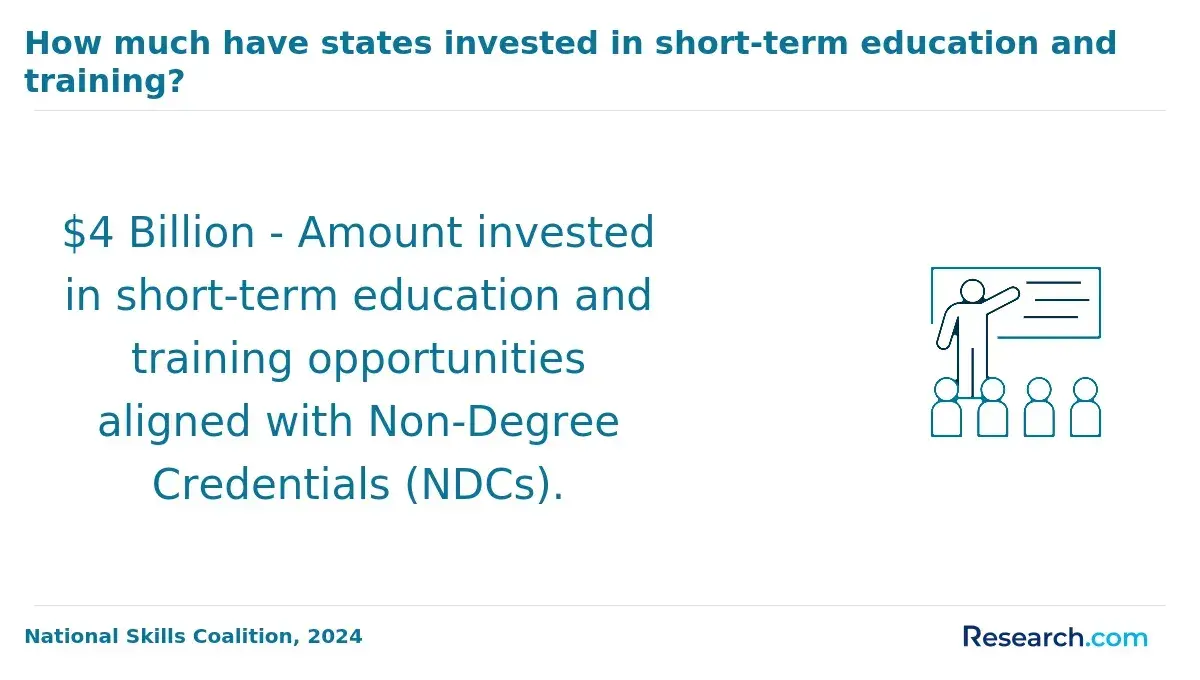
Yes, many students can work full-time while completing an online esports business degree, but success depends on course format, workload, employer flexibility, and the student's ability to plan consistently. The degree may be online, but it still requires regular reading, assignments, projects, meetings, and deadlines.
Students who plan to keep a full-time job should evaluate these factors before enrolling:
- Asynchronous versus synchronous classes: Asynchronous courses are easier to fit around work because students can watch lectures and complete assignments on their own schedule. Synchronous sessions require live attendance, which may conflict with work shifts, travel, or family obligations.
- Course load and credit requirements: Many degrees require around 120 credits. Working students often benefit from taking fewer courses per term, even if it extends graduation, because burnout can lead to withdrawals or poor performance.
- Weekly time commitment: Students should create a realistic weekly calendar before the term starts. Online learning works best when study blocks are scheduled like work meetings rather than left for leftover time.
- Project-heavy coursework: Esports business classes may include group projects, marketing plans, event proposals, analytics reports, and presentations. These assignments can require coordination with classmates across time zones.
- Employer support: A flexible supervisor, tuition assistance policy, predictable shifts, or permission to adjust hours during exams can make a major difference.
- Personal support system: Family responsibilities, caregiving, commuting, and health needs can affect available study time. Students should plan for peak workload weeks, not just average weeks.
One graduate who worked full-time while completing the program described the experience as demanding but manageable. She said that strict routines, early communication with her employer, and careful pacing helped her stay on track.
She also noted that asynchronous learning reduced scheduling pressure, but it did not eliminate fatigue. Her main advice was to avoid overloading the first term and to build a weekly routine before major deadlines arrive.
Reflecting on the experience, she said, "It was tough balancing deadlines and work shifts, but the flexibility and support made it doable. Staying disciplined was key, and in the end, it felt like a true accomplishment."
Breakdown of All 4-Year Online Title IV Institutions

How Do Online Esports Business Degree Programs Help with Internships?
Internships are especially important in esports business because employers often want proof that students can operate in real environments, communicate with teams, understand audiences, and manage deadlines. A strong online program should help students find, prepare for, and document internship or practicum experiences, even if those experiences are remote.
Online esports business programs may support internships in the following ways:
- Career services support: Advisors can help students identify internship openings, improve resumes, prepare for interviews, and tailor applications for roles in events, marketing, operations, analytics, partnerships, or community management.
- Virtual placement coordination: Programs like Sports Management Worldwide offer fully online internships with flexible schedules, including interactive sessions with industry experts and tailored projects that build practical experience.
- Employer and alumni networks: Schools with active industry relationships can connect students to informational interviews, job shadowing, project-based opportunities, and referrals. Students should ask how often internship partners hire online students.
- Mentorship: Faculty members, alumni, and industry mentors can help students understand role expectations, workplace communication, portfolio quality, and how to navigate a competitive field.
- Portfolio development: Many programs encourage students to produce work samples such as analytics reports, sponsorship proposals, scouting documents, event plans, social media calendars, and post-event evaluations. These materials can help students demonstrate ability even when they have limited formal experience.
- Credit-bearing experiential learning: Some programs may allow internships, practicums, capstones, or consulting projects to count toward degree requirements. Students should confirm eligibility rules, supervision requirements, and whether remote internships qualify.
The best internship support is specific, not generic. Before enrolling, ask whether the program publishes internship examples, provides dedicated esports career advising, supports students outside the school's local region, and helps convert projects into resume-ready achievements.
What Is the Average Tuition Cost of an Online Esports Business Program?
The cost of an online esports business program can vary widely by institution type, credit requirements, residency status, and fees. Students should calculate the total cost of the degree, not just the advertised tuition rate, because technology fees, books, course materials, and transfer-credit policies can significantly affect affordability.
Key cost factors include:
- Average tuition per credit: The cost per credit hour varies but typically falls around $588.63 at schools like Rowan University. Because many degree programs charge by credit, even small differences in per-credit cost can add up over a full program.
- Annual tuition range: Undergraduate online esports business programs at private institutions generally charge between $18,000 and $24,000 yearly. Some programs, like Full Sail University's bachelor's degree, reach total costs over $70,000.
- Public versus private institutions: Public universities may be more affordable, especially for in-state students. Out-of-state students can face higher rates, so online learners should confirm whether the school offers separate online tuition or residency-based pricing.
- Additional fees: Students should budget for technology fees from $75 to $200 per semester, resource fees linked to credit hours, and book expenses averaging $150 per course.
- Transfer credits: Prior college credits, military training, professional certifications, or articulation agreements may reduce time to graduation and total cost if the school accepts them.
- Financial aid and payment plans: Students should confirm institutional accreditation, FAFSA eligibility where applicable, scholarship options, employer tuition assistance, and installment plans before committing.
Students comparing esports business programs with broader business options should also examine online business degree cost to see how niche esports pricing compares with more general business pathways.
One student enrolled in an online esports business program said financial planning was central to his decision. He "spent considerable time evaluating scholarships and payment plans" before enrolling because the upfront costs required careful preparation.
Rather than treating budgeting as an obstacle, he used it to clarify his goals. As he put it, "Knowing the costs helped me focus on what I truly wanted from the program and how to fund it smartly."
His experience highlights a practical rule: a program is not affordable simply because it is online. It is affordable when the total cost, financing plan, expected workload, and likely career benefits make sense together.
What Is the Average Salary for Someone with an Online Esports Business Degree in 2027?
Salary outcomes for online esports business graduates depend on role, location, experience, employer type, portfolio strength, and the graduate's broader business skills. The degree may help students enter the field, but compensation is usually tied to demonstrated ability in areas such as marketing, partnerships, analytics, operations, event management, and leadership.
Current salary signals include:
- Average entry-level salary: Graduates starting in esports management typically earn between $40,000 and $60,000 annually. Common entry-level roles include esports event coordinators, marketing assistants, and team managers.
- Mid-career salary range: As professionals gain experience, the esports management salary with online degree in 2025 generally rises to between $58,000 and $79,000. Mid-level roles may involve management, marketing, partnerships, operations, or analytics responsibilities.
- Geographical salary differences: Location can strongly affect pay. Esports professionals in California cities such as San Francisco or Sunnyvale frequently report salaries averaging over $72,000, reflecting the concentration of gaming companies and higher regional wage standards.
- Specialized roles and top earners: Esports analysts average around $73,000 per year, while esports marketing managers with some experience can see salaries up to $87,000. Experienced esports business leaders may earn more than $100,000, with the top 10% making as much as $125,000 annually.
- Return on investment: Salary potential should be compared with tuition, fees, lost work time, debt, and alternative degree options. Students seeking reputable online institutions can start with a list of top online colleges when evaluating program quality and fit.
Students should be cautious about assuming that an esports-focused degree alone will produce higher earnings. A stronger strategy is to graduate with a credible credential, internship experience, a portfolio of business work, and skills that transfer to sports, entertainment, media, technology, or digital marketing if esports hiring is limited.
Which Industries Hire Graduates From Online Esports Business Programs?
Graduates of online esports business programs may work in esports directly, but the strongest career paths often extend into related industries that value digital audience strategy, live event operations, brand partnerships, analytics, and community engagement. This flexibility matters because esports hiring can be competitive and uneven across regions.
Industries that may hire graduates include:
- Gaming and esports companies: Publishers and esports organizations, including major publishers like Riot Games and Blizzard Entertainment, may hire for roles connected to business development, legal, finance, product management, partnerships, and operations. In early 2025, the esports sector employed around 12,500 professionals globally.
- Sports management and entertainment: Traditional sports organizations, entertainment companies, and event producers increasingly use esports and gaming to reach younger digital audiences. The demand for esports marketing jobs in North America has risen as teams seek social media managers, community managers, and PR specialists who understand gaming culture.
- Technology and media sectors: Digital platforms, software companies, streaming services, content networks, and media firms may value graduates who understand competitive gaming communities, creator ecosystems, and online audience behavior.
- Corporate gaming divisions: Many gaming companies have corporate teams that handle finance, operations, analytics, human resources, product strategy, marketing, and partnerships. Entry-level positions typically offer $20 to $30 per hour.
- Agencies and brand partnerships: Marketing agencies, sponsorship firms, and brand strategy teams may hire graduates who can help companies reach gaming audiences authentically through campaigns, events, influencer partnerships, and community programs.
- Education and collegiate esports: Colleges, schools, and student organizations may need staff who can support esports programs, tournaments, recruitment events, student engagement, and program administration.
For students who need to keep working while pursuing this path, cheap online schools for job holders can help frame affordability and flexibility when comparing online degree options.
What Graduates of Online Esports Business Programs Say About Their Degree
- Zachary: "Pursuing an online esports business degree was a game-changer for me because the flexible pace allowed me to balance work and study effectively. The curriculum offered deep insights into the industry without the need to relocate, and the average cost was surprisingly reasonable compared to traditional programs. This degree truly opened doors to new career opportunities."
- Ahmed: "The decision to enroll in an online esports business program was thoughtful, especially considering the financial investment. At approximately the average tuition cost, it provided a comprehensive learning experience that enhanced my strategic understanding of esports markets. Reflecting on it now, the knowledge gained has been instrumental in advancing my career in a competitive field."
- Olivia: "From a professional standpoint, the online esports business degree offered essential skills with the convenience of remote learning, which suited my demanding schedule perfectly. Although the cost was modest, the value I received in terms of industry connections and practical knowledge was substantial. I highly recommend this path to anyone serious about making an impact in esports management."
Graduate feedback is useful, but students should treat testimonials as one input rather than proof of a guaranteed outcome. When evaluating a program, look for evidence that supports these experiences: internship access, responsive faculty, transparent tuition, alumni outcomes, employer connections, accreditation, and portfolio-based coursework.
Other Things You Should Know About Esports Business Degrees
In 2027, graduates with an esports business online degree can pursue careers in esports team management, marketing, event coordination, and content creation. The expanding industry offers roles in industry analysis, esports coaching, and sponsorship management, leveraging skills acquired through specialized courses tailored to the dynamic esports landscape.
An online esports business degree in 2027 equips graduates with skills in digital marketing, team management, event planning, and industry analytics, preparing them for roles in the rapidly evolving esports sector.
It should come from a regionally accredited institution, and the business school or program should be accredited by AACSB, ACBSP, or IACBE when available. Accreditation affects transfer credit, employer recognition, and eligibility for federal financial aid under U.S. Department of Education rules.
References
- Bachelor's in Esports Degree Online & On Campus https://und.edu/programs/esports-bs/index.html
- Admissions : Campus Tuition | Full Sail University https://www.fullsail.edu/admissions/tuition
- Online BBA in eSports and Gaming Management https://www.walsh.edu/bba/esports-gaming-management.html
- Hitmarker is the largest gaming and esports jobs platform in the world https://hitmarker.net/
- Explore Career Pathways in Esports https://britishesports.org/esports-and-education/career-pathways/
- Esports Business Management https://www.keele.ac.uk/study/undergraduate/undergraduatecourses/esportsbusinessmanagement/
- BSc (Hons) E-Sports Digital Technologies | Bournemouth University https://www.bournemouth.ac.uk/study/courses/bsc-hons-e-sports-digital-technologies
- Esports degree: 'I won't spend three years playing games' https://www.bbc.com/news/uk-england-stoke-staffordshire-45328940
- Epic Games Internship | Push The Limits of Gaming & Interactive - Unreal Engine https://www.epicgames.com/site/en-US/earlycareers
- Esports & Livestreaming BA(Hons) https://www.falmouth.ac.uk/study/undergraduate/esports