2027 Is an Education Leadership Doctorate Hard? Coursework, Research, Time Commitment, and Completion Tips

Co-Founder and Chief Data Scientist
An Education Leadership doctorate is manageable for prepared students, but it is not easy: the challenge is sustaining doctoral-level reading, research, writing, and leadership work for several years. The decision matters because many candidates are already working educators, and the U. S. Bureau of Labor Statistics reported a May 2024 median pay of $104,070 for elementary, middle, and high school principals. This guide is for prospective doctoral students weighing the workload, research expectations, dissertation demands, and schedule fit before committing.
Key Things You Should Know
- An Education Leadership doctorate is usually hardest because of sustained independent research, dissertation or capstone expectations, and long-term time management rather than because every course is mathematically or technically difficult.
- Most working students should plan for about 10 to 20 hours per week during coursework and more during dissertation, comprehensive exam, proposal, or data-analysis periods.
- Typical completion time is often about 3 to 5 years for many EdD-style education leadership programs, but timelines vary widely by enrollment pace, transfer credits, dissertation design, advisor feedback, and life responsibilities.
Is a Education Leadership Doctorate Hard to Complete?
Yes, an Education Leadership doctorate can be hard to complete, but the difficulty is usually different from what students expect. It is less about memorizing facts and more about producing original, defensible, doctoral-level work while balancing employment, family responsibilities, school leadership duties, and long timelines.
Most Education Leadership doctorates are EdD programs, although some schools offer PhD pathways in educational leadership, policy, administration, or organizational leadership. An EdD usually emphasizes applied leadership, organizational improvement, equity, data-informed decision-making, and practice-based research. A PhD generally places more emphasis on theory, research design, scholarly publication, and preparing for faculty or research roles. Both can be rigorous, but they may feel hard for different reasons.
The degree is most realistic for students who can treat it as a multi-year professional project rather than a set of isolated courses. The hardest adjustment is moving from being a strong graduate student to becoming an independent scholar-practitioner who can identify a problem, review evidence, design a study, interpret findings, and defend recommendations.
This table summarizes where the difficulty usually comes from so you can compare the demands before applying. It is especially useful if you are deciding whether your current schedule and skill set fit doctoral study.
| Area of difficulty | What makes it hard | Who may struggle most |
| Coursework | Heavy reading, theory-to-practice analysis, leadership case work, and academic writing | Students returning after many years away from graduate study |
| Research methods | Learning qualitative, quantitative, or mixed-methods design well enough to conduct a defensible study | Students with limited statistics, assessment, or data-analysis experience |
| Dissertation or capstone | Sustained independent writing, committee feedback, revisions, data collection, and defense | Students who need frequent external structure to stay on track |
| Time management | Balancing work, family, coursework, research, and leadership responsibilities over several years | Full-time educators in demanding school or district roles |
| Persistence | Maintaining motivation after coursework when progress becomes less visible | Students without advisor access, peer support, or a realistic writing routine |
The degree may feel more manageable if you already write well, use workplace data, lead improvement initiatives, and can protect weekly study time. It may feel especially difficult if you enroll only because you want the credential, underestimate the research requirement, or choose a dissertation topic that is too broad to finish.
How Difficult Is the Coursework in a Education Leadership Doctorate?
Coursework in an Education Leadership doctorate is usually challenging but structured. Compared with a master's program, doctoral courses require more independent reading, stronger writing, deeper critique of evidence, and the ability to connect theory to real leadership problems in schools, districts, colleges, nonprofits, or education agencies.
Common courses include leadership theory, educational policy, organizational change, finance, ethics, equity and access, curriculum leadership, supervision, assessment, program evaluation, and research methods. The workload can feel intense because assignments often require synthesis rather than summary. A strong paper is not just a reflection on experience; it must use peer-reviewed research, cite evidence, make an argument, and address limitations.
For students whose main interest is curriculum, learning design, or workforce training rather than school administration, comparing doctoral coursework with the best online instructional design master's programs can help clarify whether a doctorate is necessary or whether a specialized master's degree better fits their goals.
The difficulty of coursework also depends on program format. Online and hybrid EdD programs often appeal to working adults, but flexibility does not mean lower expectations. Asynchronous courses may require more self-direction because no one is physically reminding you to read, post, draft, revise, and prepare for major milestones.
Here is how doctoral coursework typically differs from earlier graduate study. The comparison can help you identify the academic skills to strengthen before enrolling.
| Academic task | Master's-level expectation | Doctoral-level expectation |
| Reading | Understand assigned articles and apply concepts | Critique evidence, compare frameworks, and identify gaps in the literature |
| Writing | Explain practice and connect it to course concepts | Build an evidence-based argument with scholarly sources and clear methodology awareness |
| Discussion | Share professional experience and respond to peers | Analyze assumptions, challenge claims respectfully, and connect practice to research |
| Projects | Design practical solutions for a class assignment | Develop leadership or research products that may support future dissertation work |
| Feedback | Revise for clarity and completeness | Revise for rigor, evidence, logic, alignment, and scholarly contribution |
A common mistake is assuming that strong professional experience will automatically make coursework easy. Experience helps, but doctoral faculty will expect you to move beyond "what works in my school" and explain why a practice is supported, where it may fail, and how it connects to broader research.
What Are the Hardest Milestones in a Education Leadership Doctorate?
The hardest milestones are usually the points where students move from structured coursework into independent scholarly production. Programs vary, but most include a sequence of coursework, comprehensive or qualifying assessments, a dissertation or doctoral project proposal, institutional review board approval if human participants are involved, data collection, final writing, and defense.
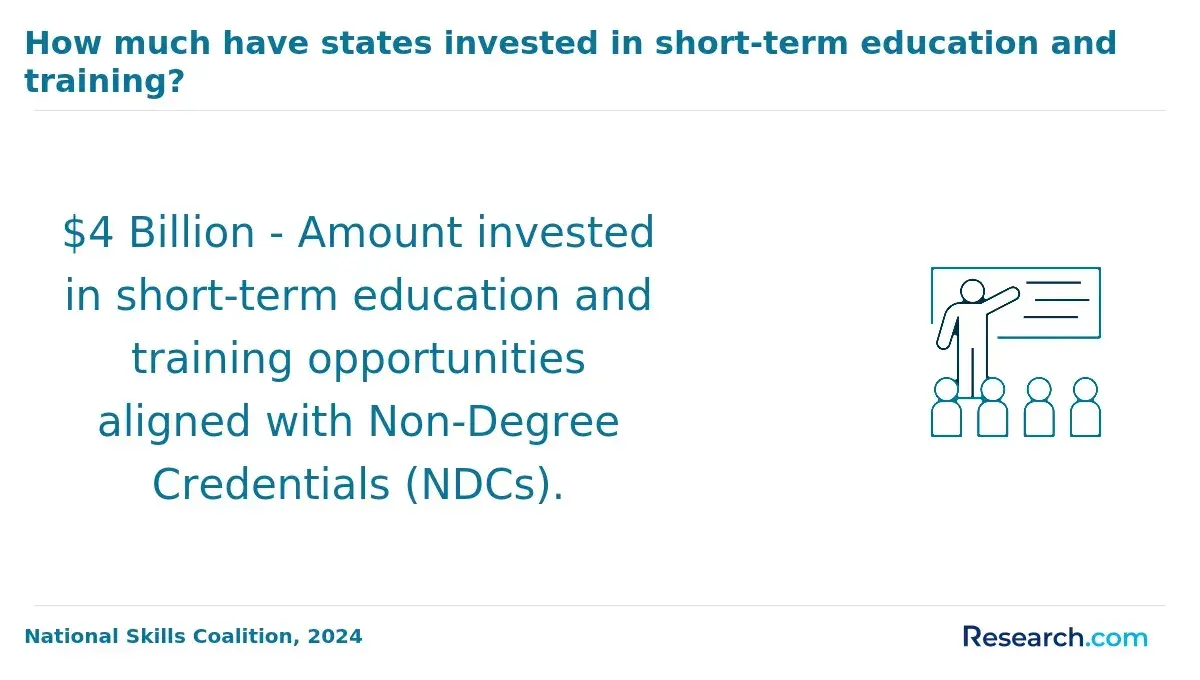
The U.S. Department of Education's Federal Student Aid rules allow many graduate students to borrow up to $20,500 per academic year in Direct Unsubsidized Loans, which is a useful planning number but not a recommendation to borrow. The financial point is simple: delays can increase total cost, so understanding milestones before enrollment matters.
These milestones are where students most often lose momentum. The list below explains what each step requires and why it can become difficult.
- Doctoral seminars: Students must adjust to dense reading, intensive writing, and feedback that focuses on scholarly precision rather than general professional insight.
- Research methods sequence: Students must learn how to select a method, justify it, protect participants, analyze evidence, and avoid unsupported claims.
- Comprehensive or qualifying exam: Some programs require students to demonstrate mastery of leadership theory, policy, research, and practice before advancing to candidacy.
- Dissertation or capstone proposal: Students must narrow a problem, align research questions with methods, and show that the study is feasible.
- IRB approval: Studies involving students, educators, or school data often require careful attention to consent, confidentiality, and institutional permissions.
- Data collection and analysis: This stage can be delayed by access issues, weak survey response, scheduling interviews, or discovering that the original plan needs revision.
- Final defense: Students must explain what they did, why it was appropriate, what they found, and what the findings do and do not mean.
The most successful students treat these milestones as connected steps, not separate hurdles. For example, a course paper on school climate, principal retention, teacher coaching, or district equity can become the foundation for a future literature review if it is written carefully and stored in an organized research system.
How Difficult Is the Research Portion of a Education Leadership Doctorate?
The research portion is often the part that makes an Education Leadership doctorate feel truly doctoral. Students must learn to ask answerable questions, distinguish opinion from evidence, review scholarly literature, choose an appropriate method, collect data ethically, and explain findings without overstating them.
Education leadership research can be qualitative, quantitative, or mixed methods. Qualitative studies may use interviews, focus groups, document analysis, observations, or case studies. Quantitative studies may use surveys, achievement data, attendance data, discipline records, or statistical models. Mixed-methods studies combine both, which can be powerful but may increase workload.
One reason this stage is demanding is that education settings are complex. A leadership intervention rarely happens in a controlled environment. Student outcomes, teacher morale, family engagement, staffing, funding, policy changes, and community context can all affect what the evidence means.
Students can make the research stage more manageable by building skills before the dissertation begins. The most useful preparation includes both technical habits and judgment about feasibility.
- Learn one citation manager early: Use a tool consistently so sources, annotations, and PDFs do not become scattered across devices.
- Practice reading methods sections: Before focusing on findings, study how researchers framed questions, selected participants, measured variables, and handled limitations.
- Keep a research alignment document: Track the problem statement, purpose, research questions, framework, method, data source, and analysis plan in one place.
- Choose accessible data: A realistic study using obtainable data is usually better than an impressive idea that depends on permissions you may not receive.
- Use faculty feedback quickly: Long delays between feedback and revision often make students forget the logic behind earlier decisions.
Artificial intelligence is also changing how students approach research, but it does not remove the need for scholarly judgment. AI tools may help brainstorm search terms, summarize notes, or identify unclear writing, but students still need to verify sources, follow university policies, protect confidential data, and ensure that the final work represents their own analysis.
How Hard Is the Dissertation for a Education Leadership Doctorate?
The dissertation or doctoral project is usually the hardest part of an Education Leadership doctorate because it requires sustained independence. Coursework gives deadlines, readings, and weekly structure. Dissertation work often gives broad milestones, and the student must create the daily system that turns an idea into an approved study and a defended final product.
Not every program uses the same final requirement. Some require a traditional five-chapter dissertation. Others use a dissertation-in-practice, capstone, improvement project, policy analysis, or applied research study. Students comparing formats may want to review online EdD programs no dissertation, but they should read requirements carefully because "no dissertation" often still means a major doctoral research or applied project.
A dissertation becomes hard when the problem is too broad, the sample is hard to access, the research questions do not align with the method, or the student waits until the end of coursework to start thinking like a researcher. The writing itself is also iterative. Multiple rounds of revisions are normal and should not be interpreted as failure.
The table below compares common final doctoral project models. This matters because the type of final requirement can affect how the program feels, how long it takes, and what kind of support you need.
| Final requirement | Typical focus | Why it can be difficult |
| Traditional dissertation | Original research grounded in theory and literature | Requires strong methodology, extensive literature review, formal analysis, and defense |
| Dissertation-in-practice | Applied investigation of a real education problem | Requires practical relevance while still meeting doctoral research standards |
| Capstone or improvement project | Designing, evaluating, or improving a leadership practice | Requires clear evidence that the problem, intervention, and evaluation are aligned |
| Policy or program evaluation | Analyzing an initiative, policy, or institutional process | Requires data access, stakeholder context, and careful interpretation of outcomes |
The best dissertation topic is narrow, researchable, meaningful to your professional goals, and feasible within your access limits. A focused study on one district process, one leadership practice, or one stakeholder group is often stronger than a sweeping topic that tries to solve every problem in education leadership.
How Long Does a Education Leadership Doctorate Take to Complete?
Many Education Leadership doctorates are designed to take about 3 to 5 years, especially for working professionals enrolled part time. Some accelerated programs advertise shorter timelines, while research-heavy or part-time pathways may take longer. The real timeline depends on transfer credits, course load, dissertation progress, committee responsiveness, data access, and whether the student stops out.
Students looking for the fastest possible option often compare 1 year EdD programs online, but speed should be evaluated carefully. A shorter timeline may require a heavier weekly workload, fewer breaks, a highly structured capstone, or prior graduate credits that reduce the remaining requirements.
Program length is not just an academic issue; it affects cost, energy, family planning, and career timing. A student who can finish in 3 years may benefit from momentum, while a student who needs 5 years may be more likely to maintain job performance and personal stability.
This table compares common enrollment patterns. It is not a promise of completion time, but it shows how pacing changes the experience.
| Enrollment pattern | Common timeline | Best fit | Main trade-off |
| Full-time or accelerated | About 2 to 3 years in some programs | Students with flexible work, strong writing skills, and protected study time | Higher weekly workload and less room for delays |
| Part-time working-professional model | About 3 to 5 years | Educators balancing employment, family, and doctoral study | Longer persistence challenge and more risk of losing momentum |
| Transfer-credit or advanced-standing pathway | Varies by school policy | Students with an EdS, post-master's credits, or prior doctoral coursework | May still require full dissertation, residency, or research sequence |
| Interrupted or stop-out path | Can extend beyond planned timeline | Students facing job changes, family emergencies, funding gaps, or dissertation delays | Higher risk of policy changes, extra fees, and reduced motivation |
A practical way to evaluate timeline claims is to ask programs for recent cohort completion patterns, not just advertised program length. Ask how many students finish on time, how long dissertation typically takes after coursework, and what happens if a student needs an extension.
How Many Hours per Week Does a Education Leadership Doctorate Require?
A realistic estimate is about 10 to 20 hours per week for many working students during coursework, with heavier weeks during major papers, research methods assignments, comprehensive exams, proposal development, data analysis, and final dissertation writing. Some accelerated formats may require more.
The weekly workload is difficult because it is uneven. One week may involve reading and discussion posts; another may require a literature review draft, statistical analysis, a leadership case study, and a group project. Dissertation weeks can also vary depending on whether you are waiting for feedback, collecting data, transcribing interviews, revising chapters, or preparing for defense.
Here is a practical way to think about the time commitment by stage. The point is not to create a perfect schedule, but to help you see when the program may conflict with work and family obligations.
| Program stage | Typical weekly demand | What the time is spent on |
| Early coursework | About 10 to 15 hours | Reading, discussion, short papers, leadership reflections, and source review |
| Research methods and major papers | About 15 to 20 hours | Methodology assignments, literature review work, data exercises, and longer writing projects |
| Comprehensive exam or proposal | Often 15 to 25 hours during peak weeks | Synthesis, outlining, faculty feedback, revisions, and formal proposal preparation |
| Dissertation or capstone | Highly variable | Data collection, analysis, chapter writing, revisions, formatting, and defense preparation |
The biggest mistake is counting only class meeting time. Doctoral work happens in reading blocks, writing blocks, advisor meetings, revision cycles, and quiet thinking time. If your calendar has no consistent space for those tasks, the program will feel harder than the syllabus suggests.
Can You Earn a Education Leadership Doctorate While Working Full Time?
Yes, many students earn an Education Leadership doctorate while working full time, especially in EdD programs built for practicing educators. However, "possible" does not mean effortless. Full-time workers need a realistic weekly schedule, a supportive program structure, and clear boundaries around work, family, and study time.
Students who already hold an Education Specialist degree may also explore EDS to EdD programs, since some pathways may recognize advanced graduate preparation. Policies vary, so students should confirm transfer credit, residency, dissertation, and time-to-completion rules before assuming the path will be shorter.
Working full time can actually help in some ways. Education leadership students often have access to real organizational problems, policy questions, staff development needs, and improvement initiatives. That professional context can make coursework more meaningful and help students identify researchable problems.
The risk is overload. School and district leaders often face evening meetings, urgent personnel issues, parent concerns, accreditation tasks, testing cycles, budget deadlines, and unexpected crises. A doctoral program adds work that is intellectually demanding and rarely urgent to anyone except you.
Before enrolling while working full time, use the following checklist to test whether the workload is realistic.
- Identify protected study blocks: Choose specific weekly times for reading, writing, and research rather than hoping to study when work slows down.
- Discuss support at home: Make sure family or household members understand that doctoral study will affect evenings, weekends, travel, and availability.
- Tell your supervisor strategically: If appropriate, explain how the program connects to leadership growth, but avoid committing to extra work because you are "studying leadership."
- Reduce optional obligations: Step back from committees, consulting, side projects, or volunteer roles that are not essential during peak doctoral periods.
- Plan for heavy seasons: Map dissertation deadlines around testing periods, school openings, budget season, accreditation reviews, or major district initiatives.
A full-time worker is most likely to succeed when the doctoral program is designed around adult learners and when the student treats study time as a fixed obligation, not a flexible hobby.
Why Do Students Struggle to Finish a Education Leadership Doctorate?
Students usually struggle to finish not because they are incapable, but because doctoral completion depends on persistence, structure, advisor alignment, feasible research, and life stability. The hardest phase often begins after coursework, when external deadlines become less frequent and progress depends on self-management.
Current online and hybrid doctoral formats have expanded access for working educators, but they also place more responsibility on students to create community, seek feedback, and maintain momentum. Flexibility can become a disadvantage if it turns into isolation.
The most common completion problems are predictable. Understanding them early helps students avoid turning manageable issues into long delays.
- Underestimating the workload: Students may plan for class attendance but not for reading, revising, research design, data collection, and advisor feedback cycles.
- Choosing an unfocused topic: A broad topic such as "improving teacher retention" must become a narrow, researchable problem with a defined setting, population, and method.
- Delaying dissertation thinking: Waiting until coursework is over can make the dissertation feel like a second degree instead of the next step in a continuous process.
- Poor advisor communication: Students can lose months if expectations for drafts, timelines, methods, or committee roles are unclear.
- Weak research alignment: A study becomes difficult to approve when the problem, purpose, research questions, framework, and method do not fit together.
- Life and career overload: Job changes, promotions, family needs, health concerns, and financial pressure can interrupt progress even for strong students.
- Burnout and perfectionism: Some students stop because they are exhausted; others stop because they keep revising without submitting work for feedback.
Red flags include missing multiple writing deadlines, avoiding advisor meetings, changing topics repeatedly, collecting data without an approved plan, or feeling unable to explain the study in plain language. These are signals to seek support early, not reasons to disappear from the program.
What Are the Best Strategies for Successfully Completing a Education Leadership Doctorate?
The best completion strategies focus on structure, feasibility, feedback, and steady writing. Talent helps, but habits finish doctorates. Students who succeed usually build routines that make progress possible even during busy professional seasons.
The following steps are practical because they address the most common sources of delay: unclear topics, weak time management, inconsistent writing, and poor communication.
- Choose a problem you can access: Select a topic connected to data, participants, or documents you can realistically obtain with permission.
- Start a literature matrix in the first term: Track each source's purpose, method, sample, findings, limitations, and relevance to your possible study.
- Write every week: Even 500 to 1,000 words of rough drafting keeps your thinking active and reduces the fear of the blank page.
- Use coursework strategically: Whenever possible, turn course papers into pieces of your literature review, framework, problem statement, or methods thinking.
- Schedule advisor contact before you need rescue: Regular check-ins can prevent topic drift, research misalignment, and long revision cycles.
- Build a doctoral support system: A small peer group can help with accountability, source sharing, practice presentations, and emotional stamina.
- Protect recovery time: Sustainable progress requires sleep, exercise, family time, and breaks; burnout is a completion risk, not a badge of seriousness.
- Submit imperfect drafts: Doctoral writing improves through feedback. Waiting until a chapter feels perfect often delays progress more than submitting a workable draft.
Before choosing a program, ask direct questions about completion support. Important questions include how dissertation chairs are assigned, how often students meet with advisors, whether writing support is available, how long proposal approval usually takes, and whether students receive examples of successful dissertations or capstones.
Ultimately, an Education Leadership doctorate is hard in a manageable way for students who understand the commitment before enrolling. It is a poor fit for someone who wants a quick credential with minimal research, but it can be a strong fit for educators who want advanced leadership preparation, can sustain disciplined study, and are ready to investigate real problems in education practice.
Other Things You Should Know About Education Leadership
No. An EdD usually focuses on applied leadership, organizational improvement, and practice-based research, while a PhD usually emphasizes theory development, advanced research methods, and preparation for academic or research careers. Requirements vary by university, so compare curriculum and final project expectations carefully.
Not always. Principal and superintendent requirements vary by state and employer and often involve a master's degree, administrator licensure, leadership experience, and exams or internships. A doctorate may support advancement, credibility, or district-level opportunities, but it is not a universal licensure requirement.
They can be respected if the institution is properly accredited, the curriculum is rigorous, faculty are qualified, and the program provides strong dissertation or capstone support. Employers typically care more about institutional credibility, licensure relevance, leadership experience, and demonstrated skills than whether every course met on campus.
Check accreditation, faculty expertise, dissertation or capstone format, cohort support, transfer-credit policy, tuition and fees, residency requirements, licensure alignment, advisor availability, and recent student completion patterns. These factors often affect the experience more than the program title alone.
References
- All Ed.D. Programs in 2026: Directory, Rankings, & Expert Insights https://www.eddprograms.org/schools/
- Examining EdD Dissertations in Practice: The Carnegie Project on the Education Doctorate https://www.hetl.org/examining-edd-dissertations-in-practice-the-carnegie-project-on-the-education-doctorate/
- Careers with a Doctorate in Educational Leadership | Neumann https://learn.neumann.edu/neuperspectives/careers-with-a-doctorate-in-educational-leadership
- Presence | Blog | 10 Top Tips for Juggling Doctoral Study with Full-Time Student Affairs Work https://sapro.moderncampus.com/blog/10-top-tips-for-juggling-doctoral-study-with-full-time-student-affairs-work
- Common PhD Challenges Faced by Doctoral Students https://academicsupervision.com/phd-challenges-faced-by-students/
- What to Expect from Ed.D. Programs - Graduate Programs for Educators https://www.graduateprogram.org/blog/what-to-expect-from-ed-d-programs/
- Challenges to Successful Thesis Completion among ... https://sej.so/
- Educational Leadership Degree Program: A Comprehensive Guide https://www.educationalleadershipdegree.com/blog/comprehensive-guide-to-pursuing-an-education-leadership-degree/
- Cohort Based Learning Vs. Self Paced Learning: Key Differences in 2026 https://www.quyl.online/articles/cohort-based-learning-vs-self-paced-learning
- Frequently Asked Questions https://ed.mnsu.edu/academic-programs/educational-leadership/educational-leadership-edd/frequently-asked-questions/