2027 Is a Gifted Education Online Degree Worth It?

Co-Founder and Chief Data Scientist
The surge in online education has opened doors for many to pursue specialized degrees from anywhere. Nearly 40% of graduate students now enroll in at least one online course, making an online gifted education degree an appealing option for educators seeking flexibility. This growth reflects a broader acceptance of online learning in specialized fields like gifted education.
Students considering this path often wonder if the investment matches the benefits. This article examines key factors such as cost, program accreditation, job-market demand, and how employers perceive online degrees, helping prospective students make an informed decision about whether an online gifted education degree is truly worth it.
Key Benefits of Online Gifted Education Degree
- Flexible online formats accommodate working educators and parents, allowing students to balance professional duties with coursework efficiently.
- Programs often align with state certification standards, enhancing career prospects in specialized teaching and educational leadership roles.
- Graduates report improved instructional strategies, benefiting gifted learners' outcomes and supporting long-term student achievement in diverse settings.
Who Should Choose an Online Gifted Education Degree Program?
Online learning has become an increasingly convenient option for many students, offering the ability to pursue advanced education without sacrificing work or family responsibilities. Its adaptable nature makes it ideal for individuals juggling various personal and professional demands. Below are the key groups who find an online gifted education degree particularly advantageous.
- Current Teachers: These educators seek to enhance their knowledge about gifted learners and improve teaching strategies tailored to advanced students. Online programs allow them to build expertise while continuing their classroom roles.
- School Leaders and Coordinators: Professionals managing or developing gifted programs benefit from the comprehensive training online courses provide. This learning supports their capacity to create inclusive environments that meet diverse student needs effectively.
- Advocates for Advanced Learners: Individuals passionate about implementing evidence-based programs for gifted children use online study to deepen their understanding of research-driven practices. The flexible format helps them apply data-informed strategies in various educational settings.
What Are the Pros and Cons of an Online Gifted Education Degree?
Online gifted education programs have surged in popularity as they offer flexible pathways for students and professionals to gain specialized expertise and advance their careers without interrupting their current employment or relocating. This flexibility is a key factor driving interest in the benefits of online gifted education programs.
Pros of an Online Gifted Education Degree
- Flexibility for Working Professionals: Online formats enable teachers, counselors, and administrators to complete coursework on their own schedules, often through asynchronous learning. This makes it feasible to upskill while balancing jobs or family commitments.
- Immediate Application of Skills: Many programs emphasize practical learning, such as fieldwork or capstone projects, allowing educators to apply evidence-based strategies and data-driven decision-making directly in their classrooms.
- Growing Demand for Specialists: With about 6% of public school students identified as gifted and a shortage of specialists, a master's in gifted education can fill critical roles in schools, expanding career opportunities for graduates.
- Access to Diverse Programs Nationwide: Online delivery lets students choose from top programs across the country, aligning coursework with the latest National Association for Gifted Children (NAGC) standards and increasing options beyond local availability.
Cons of an Online Gifted Education Degree
- Variable Program Quality: Not all online programs uphold the same rigor or curriculum alignment, particularly in key areas like identification and curriculum differentiation, so careful program research is essential.
- Limited In-Person Networking: Virtual learning may reduce chances for real-time collaboration, mentoring, and networking, which are often important for professional growth and job placement.
- Self-Discipline Required: The flexible format demands strong time management and self-motivation; students less comfortable with self-directed study may struggle to keep pace with requirements.
- Licensure and Certification Gaps: Some online degrees do not automatically grant state licensure or endorsements, so verifying program alignment with certification requirements is critical for intended career paths.
For those weighing options among most popular college majors, understanding the pros and cons of an online gifted education degree can help in making an informed decision about this specialized field.
How Do AI-Enhanced Virtual Classrooms Work in Online Gifted Education Programs?
AI technologies have become central to modern online education by enhancing how instruction is tailored and delivered, especially for gifted education students. These innovations improve engagement and understanding by responding in real time to individual learner needs. Below are key features of AI-powered virtual learning environments that illustrate how adaptive curriculum and real-time feedback in virtual gifted education work.
- Curriculum adaptation: AI systems generate customized assessments, rubrics, and projects that align with each student's unique abilities, ensuring a personalized learning path that challenges and supports gifted learners effectively.
- Differentiated resources: Virtual classrooms use AI to create multi-level questions and choice boards that address various learning styles within the same setting, boosting inclusivity and deeper comprehension.
- Data-driven insights: AI analyzes extensive student data to identify cognitive strengths and weaknesses, enabling targeted interventions that promote accelerated academic growth through personalized learning with AI for gifted students.
- Collaborative enhancement: Advanced algorithms facilitate connections between like-minded peers globally, supporting both asynchronous and synchronous collaboration to enrich social learning experiences.
Students interested in exploring these innovations further may consider programs offering online college enrollment that incorporate AI-enhanced personalized curricula.
Breakdown of Public Fully Online Title IV Institutions

Having the right technology setup is essential for success in modern online gifted education programs because the entire learning experience relies on reliable, accessible digital tools. Proper equipment and stable connectivity enable students to engage fully and meet program requirements without disruption. Below is a list of specific technology requirements for online gifted education programs that students should prepare before enrolling.
- Reliable computer (laptop or desktop): A modern computer serves as the primary device for accessing course materials, attending virtual classes, and completing assignments. Students are advised to use a laptop or desktop with at least 8GB of RAM and an updated operating system to ensure smooth multitasking and compatibility with educational software.
- High-speed internet connection: A fast and stable broadband connection, ideally with speeds of at least 10 Mbps, is critical for streaming lectures, participating in live discussions, and uploading assignments. Even brief connectivity issues can disrupt exams or group projects, so consistent internet quality is vital.
- Webcam and microphone: Many online gifted education programs emphasize real-time video participation for presentations and peer collaboration. Using a quality webcam and noise-cancelling microphone enhances communication clarity and creates a professional virtual classroom experience.
- Productivity software (e.g., Microsoft Office, Google Workspace): Students need reliable software to create documents, spreadsheets, and presentations. Microsoft Office or Google Workspace suite is commonly required for submitting assignments and collaborating effectively on group tasks.
- Learning Management System (LMS) access: Familiarity with platforms such as Canvas or Blackboard is essential for tracking progress, submitting assignments, and engaging in discussion forums, all central components of online gifted education coursework.
- Specialized educational technology tools: Programs often integrate tools for lesson planning, assessment, and data analysis, like educational research software or instructional design platforms. These resources support hands-on learning and application-based projects.
Many universities offer IT support and student discounts on essential software to help meet these technology standards. For students exploring fast, efficient options, short online master's programs can also guide technology preparation choices. With the best devices and software for virtual gifted education, learners gain a smoother, more effective learning experience that mirrors digital tools used in K-12 gifted classrooms.
Program length is a key consideration for prospective students balancing work and study commitments. Completion times for online gifted education degrees vary widely depending on the credential level and course format. Below is a breakdown of typical timelines for finishing these programs online.
- Master's Degree Programs: Generally take 2 to 3 years when students enroll part-time, typically completing one or two courses each semester. Some universities, like Cleveland State, structure their programs over 3 to 5 semesters, offering paced progression.
- Accelerated Master's Options: Programs such as Liberty University's 36-credit plan use accelerated 8-week courses, allowing motivated students to finish faster. These programs often permit transfer of up to 50% of credits, reducing overall time.
- Graduate Certificates: These shorter credentials generally take less time, often about six months. For example, Ball State and George Mason University offer 12-credit certificates with accelerated 8-week courses suited for working educators.
- Flexible Scheduling: Asynchronous coursework with optional synchronous meetings supports working professionals, letting them adjust pace according to personal and professional demands. Completion time can extend with practicum or teaching obligations.
Balancing full-time work with online study is a key concern for many prospective students pursuing gifted education degrees. Managing classroom duties, family life, and coursework requires thoughtful planning. The factors influencing this balance include program design, workload, and personal scheduling strategies.
Key considerations for working full-time while enrolled in an online gifted education program include:
- Flexible Scheduling: Asynchronous courses let students complete assignments anytime, helping to avoid conflicts with work hours. Programs that offer self-paced progress allow adjusting study intensity during busy periods.
- Workload Expectations: Expect to spend several hours per credit hour weekly. Certificates with fewer credits can ease time commitments, whereas master's degrees need longer-term dedication.
- Employer Support: Having a workplace that accommodates study needs-such as flexible shifts or deadline adjustments-can reduce stress and improve success.
- Time Management Skills: Effective prioritization and establishing routines are vital. Utilizing university support services like success coaches can provide guidance and motivation.
When asked about balancing full-time work with her online gifted education degree, one graduate shared, "It was overwhelming at times, especially juggling my teaching job and family responsibilities. But knowing I could complete assignments after work and on weekends made it doable. I relied heavily on calendars and reminders to stay on track. The practicum was the toughest part because it needed coordination with my school schedule, but planning ahead helped a lot." She reflected that persistence and a strong support network were essential to her positive outcome.
Internships provide crucial practical experience for those pursuing careers in gifted education, allowing students to apply their knowledge in real classrooms. These placements are essential for developing skills in identifying and supporting gifted learners. Online gifted education programs have developed effective methods to help students secure and successfully complete internships. Below are key ways these programs facilitate hands-on training:
- Flexible Placement Options: Students can arrange internships within their local schools or districts, enabling them to balance work and study while gaining relevant classroom experience.
- Mentorship Support: Programs connect students with seasoned educators who offer guidance, oversee practicum activities, and provide constructive feedback throughout the internship.
- Virtual Supervision: Faculty use video observations and remote check-ins to monitor student progress and offer timely advice without requiring travel.
- Structured Integration: Coursework aligns with practicum tasks, and instructors remain accessible to troubleshoot challenges and support professional growth during the internship.
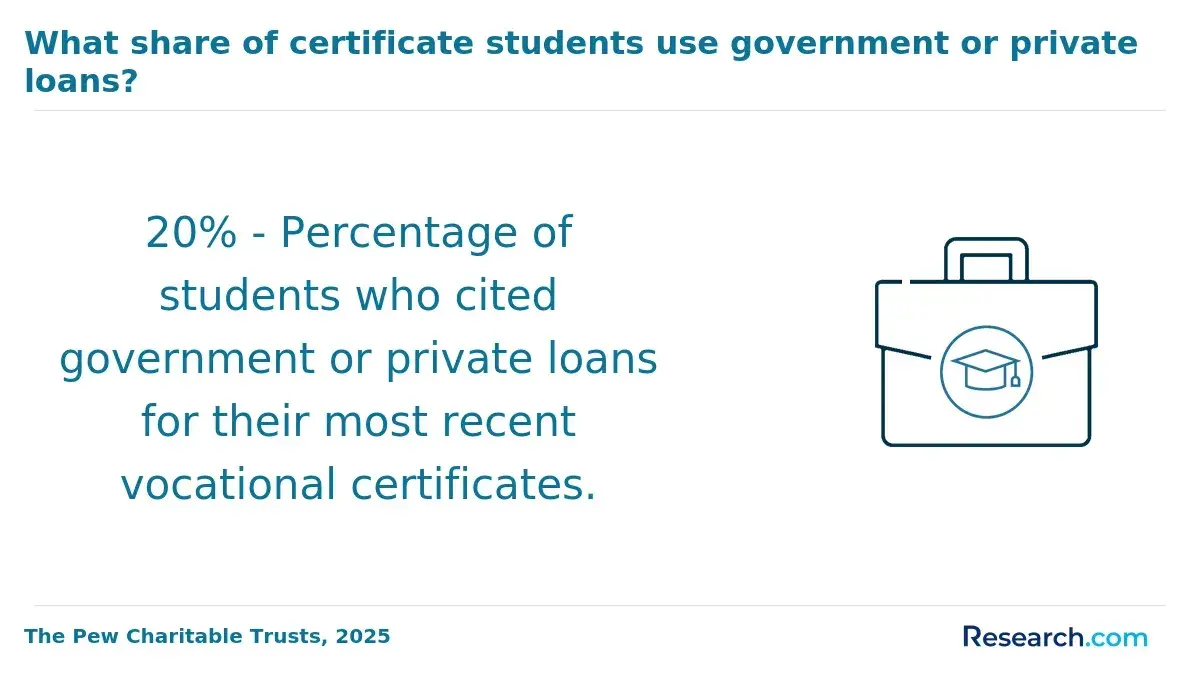
Understanding the tuition costs of an online gifted education program is essential for students preparing financially and evaluating the program's worth. Knowing these expenses upfront can guide your decisions and ensure you select a degree that aligns with your career ambitions and budget. Below is a summary of key tuition-related factors to consider.
- Average Tuition Range: The total cost for completing a master's in gifted education online typically falls between $10,700 and $20,300, varying by institution and residency status.
- Public vs. Private Institutions: Public schools generally offer lower rates, with in-state students paying approximately $337 to $415 per credit hour. Private universities charge more, averaging about $516 per credit, though some may reduce rates for online learners.
- In-State vs. Out-of-State Tuition: Out-of-state students at public universities can face higher charges, sometimes reaching $668 per credit hour, impacting the overall cost significantly.
- Credit Hour Requirements: Online gifted education programs often require between 30 and 36 credit hours to finish, so understanding tuition per credit helps estimate the total investment.
- Additional Fees: While tuition constitutes the bulk of expenses, students should anticipate minor extra fees for technology usage or course materials, which are usually manageable.
A student who recently embarked on an online gifted education program reflected on navigating these costs: "Budgeting was a challenge at first, especially balancing tuition with personal expenses. I carefully researched scholarships and payment plans, which eased the financial strain. The flexibility of online courses allowed me to work part-time and pace my studies, making the investment feel more achievable." This approach gave the student confidence to pursue the degree despite initial financial concerns, illustrating that understanding and planning for tuition can make the process smoother and more rewarding.
Understanding the average gifted education teacher salary in the United States 2025 is crucial for anyone considering an online gifted education degree. Knowing the potential earnings helps in evaluating whether the program is a worthwhile investment. Below are key salary insights to consider when assessing online gifted education degree salary potential 2025.
- Average Entry-Level Salary: Newly graduated gifted education teachers typically start near the bottom 10th percentile, earning about $36,900 annually. Entry-level roles generally fall around the 25th percentile, with salaries close to $50,000 per year, reflecting the initial stages of teaching careers.
- Mid-Career Earnings: Professionals advancing to roles such as gifted program coordinators or curriculum specialists see substantial increases, with average salaries of $78,000 and $76,000 respectively. These mid-career positions benefit from specialized expertise and greater responsibilities.
- Administrative Salaries: District-level administrators and similar leadership roles in gifted education can exceed $90,000 annually, highlighting significant salary growth opportunities driven by experience and administrative duties.
- Regional Variations: Salaries differ widely across the country. For example, teachers in California cities like Redwood City and San Francisco earn between $69,000 and $72,000, above the national average. Other regions offer salaries closer to or slightly below the average depending on local demand and funding.
- Hourly Compensation: The overall hourly wage for someone with an online gifted education degree averages $28.29, aligning with the yearly income figures and reflecting balanced compensation over diverse job roles.
Prospective students should weigh these figures carefully alongside tuition and career goals. For those looking for affordable programs, exploring cheapest online schools that accept fafsa can help manage education costs while maximizing salary potential in this growing field.
An online gifted education degree offers remarkable versatility, equipping graduates for a range of professional fields beyond traditional classroom roles. This degree prepares holders to adapt their skills to various industries, reflecting the growing demand for specialized knowledge in talent development. Below is an overview of the main industries hiring graduates with an online gifted education degree.
- Education: The largest sector employing gifted education graduates includes public and private K-12 schools, virtual academies, and supplemental education companies offering tutoring, test prep, or enrichment programs. Roles vary from online teachers and curriculum specialists to program coordinators and instructional coaches, supporting advanced learners in diverse settings.
- Education Technology: Edtech companies increasingly value gifted education graduates for developing digital learning tools and providing professional services that train educators in innovative instructional strategies. This expanding sector reflects labor trends emphasizing remote work and technological integration in education.
- Nonprofit and Community Education: Nonprofit organizations and community programs seek specialists to design outreach initiatives, manage curriculum, and lead afterschool or summer enrichment activities, focusing on underserved or gifted populations. These roles emphasize program development influenced by research and best practices in gifted education.
- Homeschool Support Services: Graduates often find flexible, remote positions working as tutors or consultants for families educating gifted children at home. Their expertise in differentiation and talent development supports personalized learning in home environments.
- Educational Publishing and Administration: Some professionals transition into educational publishing, curriculum design, or administrative roles within school districts, applying gifted education skills to broader content development or leadership tasks.
Salaries in these fields demonstrate significant variability, ranging from $33,000 to $175,000 annually, highlighting diverse career opportunities for online gifted education degree holders. For those exploring pathways that combine multidisciplinary expertise, reviewing best dual degree programs can provide valuable insight into complementary qualifications enhancing employability.
What Graduates of Online Gifted Education Programs Say About Their Degree
- Cooper: "Pursuing an online gifted education degree allowed me to balance work and study without sacrificing quality. The flexible pace made it easy to absorb advanced teaching methodologies while managing my classroom responsibilities. Considering the average cost was reasonable, it truly felt like an investment that accelerated my career growth. "
- Lorie: "Enrolling in an online gifted education program was a thoughtful decision that reshaped my approach to teaching. The comprehensive curriculum delivered digitally helped me understand gifted learners deeply, and the cost savings compared to traditional programs were significant. This journey has enhanced both my professional skills and personal confidence."
- Nicka: "The structured yet adaptable pace of the online gifted education degree suited my busy schedule perfectly. Beyond the accessible cost, the experience enriched my instructional strategies with current research and practical tools, ultimately opening doors to new roles in specialized education. It was a wise and rewarding choice for my career advancement."
Other Things You Should Know About Gifted Education Degrees
Yes, online gifted education degrees from accredited institutions are generally recognized by employers, especially school districts and educational organizations focused on gifted and talented programs. Accreditation ensures the program meets established standards, which is key for credentials to hold value in hiring decisions.
State certification requirements vary significantly, and holding an online gifted education degree does not guarantee certification by itself. Candidates often need to pass specific state exams or fulfill additional requirements related to teaching licensure, so it's important to research the regulations in the state where you plan to work.
State departments of education approve gifted education endorsements, not the universities themselves. In many states, teachers must already hold a valid teaching license and complete a 12- to 18-credit gifted education endorsement before the state issues or records the specialization.
- Gifted and Talented Education Certificate (Online) https://www.montclair.edu/academics/programs/gifted-and-talented-education-certificate-online/
- Gifted Education Career explorer https://online.missouri.edu/career-explorer/program/458
- Gifted In-Field Endorsement and Certificate | UGA Online | Online Degrees, Certificates and Courses https://online.uga.edu/degrees-certificates/gifted-in-field-endorsement-certificate/
- Using Artificial Intelligence to Transform Curriculum for Gifted Students and for Teachers https://www.nagc.org/news/using-artificial-intelligence-to-transform-curriculum-for-gifted-students-and-for-teachers
- Online Degrees: Pros and Cons https://www.smartkidswithld.org/getting-help/college-bound/online-degrees-pros-cons/
- How Gifted Students Benefit From Online Learning - Excel High School https://www.excelhighschool.com/blog/how-gifted-students-benefit-from-online-learning/
- Gifted Education, Graduate Certificate Online https://louisiana.edu/online/majors-minors/gifted-education-graduate-certificate-online
- The Role of Artificial Intelligence in Gifted Education https://www.davidsonacademy.unr.edu/blog/the-role-of-ai-in-gifted-education-today-benefits-boundaries/
- Best Online Master's In Gifted And Talented Education https://thebestschools.org/rankings/masters/best-online-masters-gifted-talented-education/
- Why You Should Pursue a Gifted Education Certification or Endorsement - Graduate Programs for Educators https://www.graduateprogram.org/blog/why-you-should-pursue-a-gifted-education-endorsement-or-certification/