2027 Questions to Ask About Online Gifted Education Degree Programs Before You Enroll

Co-Founder and Chief Data Scientist
Prospective students often struggle to identify online gifted education degree programs that align with their career goals and offer strong licensure preparation. With over 60% of educators reporting a shortage of qualified gifted education specialists nationwide, selecting the right program is increasingly critical. Additionally, the cost and program reputation significantly influence enrollment decisions, as many seek affordable yet reputable options.
This article, prepared by career planning experts, examines key questions about career outcomes, program quality, licensure readiness, and financial factors. It guides readers in making informed choices to navigate the complexities of enrolling in gifted education programs online.
Key Benefits of Enrolling in Online Gifted Education Degree Programs
- Online programs offer flexible scheduling, allowing students to balance coursework with professional and personal commitments, which is vital for working educators.
- Lower tuition rates and eliminated commuting costs mean significant savings, making gifted education degrees more accessible to a diverse range of candidates.
- Remote learning supports work-life balance by reducing time constraints and enabling learners to progress at their own pace without sacrificing their current job roles.
Is the Online Gifted Education Degree Program Accredited?
Accreditation is a crucial element when selecting an online gifted education program accreditation because it directly impacts degree recognition, eligibility for teaching licensure, and future career prospects. Accredited online gifted education degrees undergo thorough evaluation by recognized agencies, validating the academic quality and rigor of the program. Data from the National Center for Education Statistics shows that students graduating from accredited online programs are more than twice as likely to obtain professional certification than those from non-accredited ones.
For gifted education specifically, regional accreditation combined with endorsement from entities such as the Council for the Accreditation of Educator Preparation (CAEP) is essential. CAEP focuses on educator preparation programs, including those tailored to gifted education, reflecting alignment with nationally recognized standards for state licensure and public school employment.
Prospective students should verify a program's accreditation status through trusted resources like the U.S. Department of Education's Database of Accredited Postsecondary Institutions and Programs (DAPIP) or the Council for Higher Education Accreditation (CHEA). Programs lacking proper accreditation might not be accepted by employers or state certification boards, posing significant risks to licensure and employment.
Prioritizing accredited programs ensures your education is credible and your degree is widely recognized. For those exploring related fields, there are also affordable options including SLP online programs that maintain strict accreditation standards, highlighting the importance of research before enrollment.
What Are the Admission Requirements for Online Gifted Education Programs?
Prospective students evaluating online gifted education programs need to carefully consider admission requirements to ensure they meet academic and professional standards. These criteria help maintain program quality and prepare candidates adequately for careers in this specialized field.
The essential qualifications for admission typically include the following:
- Earned bachelor's degree: Applicants must hold a completed undergraduate degree from an accredited institution. This establishes a foundational knowledge base necessary for advanced study and signals academic readiness.
- Teaching certification or experience: Many programs require current teaching credentials or relevant classroom experience. This expectation supports the practical application of gifted education theories in real-world settings.
- Transcripts and GPA minimums: Official academic transcripts are necessary to verify scholastic achievement, with many programs specifying a minimum grade point average. This requirement ensures candidates can handle rigorous graduate-level coursework.
- Letters of recommendation: These letters provide insight into an applicant's professional skills, dedication, and potential for success in gifted education. They often come from supervisors or academic mentors familiar with the candidate's work.
- Personal statement or essay: Candidates explain their motivation, relevant experience, and career goals related to gifted education. This essay helps admissions committees assess the applicant's seriousness and suitability for the program.
Clarifying admission requirements for online gifted education degrees enables students to assess how to qualify for gifted education programs online effectively. Individuals seeking flexible options for advanced degrees may also explore related fields and compare admission standards across disciplines, such as MSW accelerated programs.
What Classes Do You Take in an Online Gifted Education Program?
Evaluating the curriculum is crucial for prospective students comparing online gifted education programs, as it directly impacts readiness for specialized teaching roles. Nearly 70% of school districts face challenges hiring qualified gifted educators, emphasizing the need for targeted coursework that equips teachers with essential expertise.
Programs generally include three primary categories of classes, each addressing important facets of gifted education:
- Core courses: These classes focus on fundamental topics such as identification of gifted learners, development of cognitive abilities, and methods for differentiated instruction. They build a solid knowledge base essential for effectively supporting advanced students.
- Electives: Elective classes broaden learning by exploring subjects like creativity enhancement, leadership skills, or counseling approaches. This variety allows students to tailor their studies to specific interests or school community needs.
- Research and theory: Coursework in educational psychology and current studies on giftedness fosters critical thinking and deepens understanding of best practices. These classes prepare educators to apply evidence-based strategies in their teaching.
Knowing the expected duration of an online gifted education degree helps prospective students organize their study plans alongside work and personal commitments. It also influences how soon they can enter or progress in their educational careers.
Several pathways affect how long the program may take; here are common timelines to consider:
- Full-time Programs: Typically completed within 1 to 2 years, these options suit students dedicating full efforts toward their degree, often for master's-level gifted education studies.
- Part-time Options: Tailored for professionals balancing jobs and classes, these programs usually span 2 to 4 years, depending on course load and scheduling flexibility.
- Accelerated Tracks: Intensive formats may allow finishing the degree in less than a year, but they require strong time commitment and rapid progression through coursework.
- Programs with Practical Components: Those involving internships or clinical hours often extend the timeline by several months up to a year to fulfill required hands-on experiences.
Course availability, student pace, and program design further influence completion time. Careful evaluation of program structure ensures alignment with career objectives, licensure requirements, and personal responsibilities to maintain balance and effective progress.
Most online gifted education programs do require students to complete internships or practicums to gain hands-on experience. These placements are usually coordinated with local schools, allowing candidates to work directly with gifted students while supervised by licensed educators. Such practical components are vital for developing essential teaching techniques, ensuring career readiness, and meeting licensure standards.
Since requirements vary by program and state-often mandating between 100 and 300 hours-it's crucial for prospective students to clarify these details upfront to plan for time commitments and any travel involved. In fact, about 85% of gifted education programs nationwide incorporate experiential learning to better prepare educators for the challenges unique to gifted learners.
Graduates of online gifted education degree programs can obtain professional licensure if their programs align with state-specific certification requirements. Most states require candidates to hold a valid teaching license before pursuing a gifted education endorsement or certification, so students must verify that their chosen online program is approved by their state's department of education.
Typical licensure requirements include completing coursework focused on gifted education theory and strategies, fulfilling supervised practicum or internship hours, and passing relevant state exams. Many accredited online programs are designed to meet these criteria, offering flexible schedules, access to licensed faculty, and guided field experiences in local schools to satisfy practical requirements. This structure supports students in navigating the licensing process effectively as they meet state credentialing standards, although some states do not recognize all online programs, making it essential to confirm eligibility prior to enrollment.
Licensure is a crucial consideration for prospective students comparing online gifted education programs because it directly affects employability and the ability to lead specialized programs for gifted learners. Without proper licensure, graduates may face limited job opportunities or restrictions in their capacity to serve gifted populations. According to the National Center for Education Statistics, nearly 85% of educators with specialized endorsements report higher employment stability and job placement rates within two years of certification.
For those balancing career advancement with education, exploring options such as executive MBA programs online can provide additional flexibility while meeting professional goals. Understanding the licensing process for online gifted education programs helps ensure that investments in education translate into recognized professional credentials.
Knowing the full cost of online gifted education programs is crucial for students comparing options and planning their finances. Tuition expenses vary widely but understanding these alongside additional fees can help avoid surprises during enrollment. On average, tuition fees for online gifted education degrees range from $300 to $800 per credit hour, making a typical 30 to 36-credit master's program cost between $9,000 and $28,800.
Here are the typical costs to consider when evaluating programs:
- Tuition per credit: This is the main expense and usually charged based on the number of credits required. Programs with higher prestige or private institutions tend to charge more, while public or less specialized options may be more affordable.
- Additional fees: Many online programs include technology fees, application fees, and enrollment or registration charges. These can range from small flat rates to significant amounts depending on the school.
- Course materials: Costs for textbooks, software licenses, or specialized tools can add up, especially if unique assessments or practicum experiences are required. This is an often overlooked but important component of total program cost.
- Cost savings: Generally, online gifted education programs cost less overall than on-campus equivalents by eliminating expenses like commuting, housing, and campus facilities. However, lower price does not necessarily mean lower quality, so assessing accreditations and faculty expertise is key.
Carefully reviewing all components of the cost, including tuition fees for online gifted education degrees and supplementary expenses, helps students make better choices aligned with their financial situation and career goals. Students seeking careers with strong financial outcomes may also explore the easiest college majors with high pay to understand wider educational investment results.
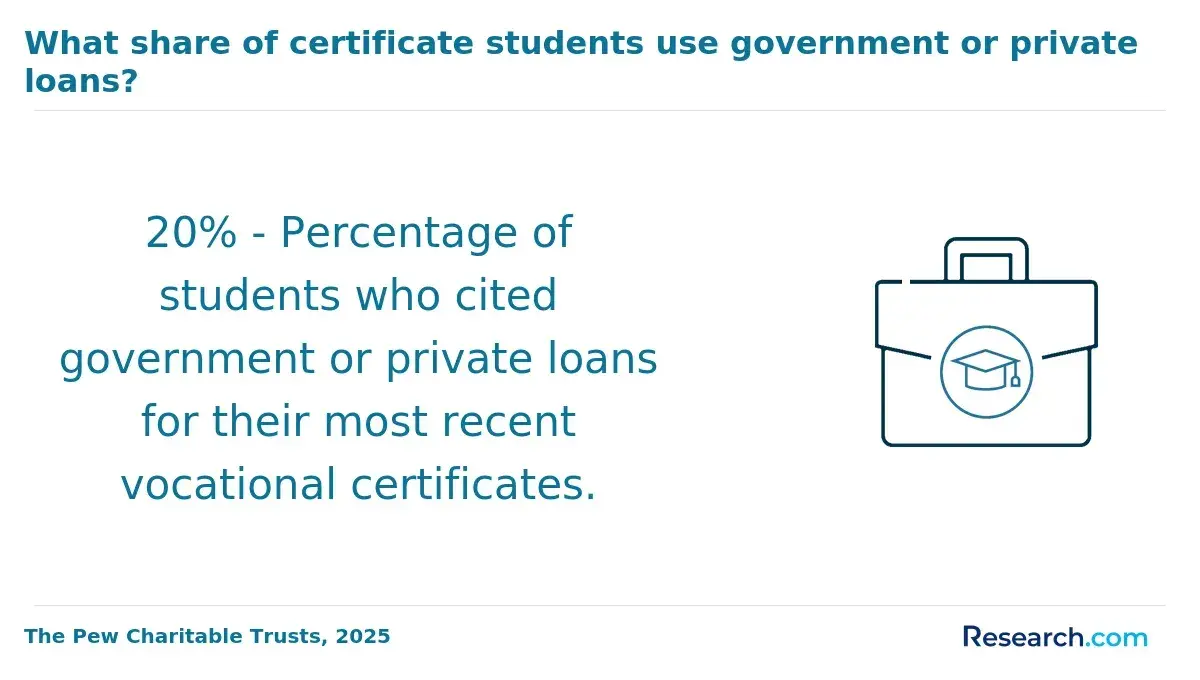
Understanding financial aid options is essential for prospective students considering online gifted education programs, as it helps manage the overall cost of their degree. Recent trends show that about 85% of students in graduate education programs receive some form of financial aid, making it a critical factor in accessibility.
These financial resources can significantly reduce the burden of tuition and related expenses, allowing students to focus on their educational goals with greater ease. Below are key types of financial aid options available for online gifted education students:
- Federal grants and loans: These are available to eligible students upon completing the Free Application for Federal Student Aid (FAFSA). They include need-based grants and direct loans with relatively low interest rates, often covering a significant portion of tuition and fees.
- State scholarships and aid programs: Various states provide scholarships or tuition assistance specifically aimed at educators or graduate students pursuing certification or licensure in gifted education. Eligibility and availability depend on state-specific criteria, but these awards can greatly offset program costs.
- Institutional scholarships: Many online gifted education programs offer merit-based or need-based scholarships. These typically require separate applications and meeting academic standards, serving as an important resource for reducing tuition expenses.
- Employer tuition reimbursement: For working educators, employer-sponsored tuition reimbursement programs can cover part or all of the costs. Often, ongoing employment and satisfactory job performance are conditions for maintaining this support.
Accessing scholarships and grants for gifted education students is an effective way to lessen financial strain when pursuing online degrees. Prospective students should explore all financial aid avenues to identify the best fits for their circumstances. For those considering other affordable pathways, exploring easy associate degrees can provide additional options for educational advancement.
Evaluating career options is essential for students considering online gifted education programs, as it helps align education with future job prospects. The U.S. Bureau of Labor Statistics projects a steady growth rate of about 4% in education-related roles over the next decade, reflecting sustained demand for specialized teaching skills.
Below are common career paths for graduates of online gifted education programs:
- Gifted Education Teacher: These educators develop and deliver curriculum tailored to gifted learners, focusing on intellectual growth and creativity. They often advance to curriculum coordinator or instructional coach roles within schools.
- Educational Consultant: Consultants guide schools and districts on best practices for gifted programming, assessment, and policy compliance. The degree equips graduates with expertise to influence program development and teacher training.
- Instructional Specialist: Specialists design and implement instructional strategies that accommodate diverse learning needs in gifted populations. Career progression can lead to leadership roles in educational administration.
- Program Coordinator: Coordinators manage gifted education programs ensuring adherence to state standards and overseeing teacher collaboration. Experience gained in this role opens doors to district-level management positions.
Having a clear sense of salary potential is essential for those considering online gifted education degrees, as it informs both career planning and investment decisions. Recent data shows that professionals in this field can experience wage growth of up to 5% annually in some areas.
The following points highlight key factors shaping earnings for graduates.
- Level of education: Higher academic qualifications, such as master's or doctoral degrees, typically lead to increased income by opening doors to advanced roles and specialized responsibilities.
- Specialization: Focusing on niche areas like curriculum development or educational psychology often results in better compensation, reflecting the demand for specific expertise within gifted education.
- Experience: Salaries tend to rise with years spent teaching or managing programs, as professionals build skills and assume leadership positions that command higher pay.
- Geographic location: Earnings differ widely depending on the region; metropolitan and high cost-of-living areas generally offer more competitive salaries than rural locations.
- Work setting: Compensation varies by employment context, with public schools, private institutions, and consulting roles each presenting unique pay scales influenced by budgets and institutional priorities.
Awareness of these elements helps candidates forecast realistic salary outcomes and choose programs aligned with their career goals.
What Graduates Say About Enrolling in an Online Gifted Education Degree
- Loren: "When I first explored options for advancing my education in gifted education, the affordable cost of this online program really stood out to me-considering the average cost was well within my budget. The flexibility of the online format allowed me to balance work and study effortlessly, and I now confidently apply what I learned daily to foster the potential in my students. This degree truly transformed my approach and opened doors in my career."
- Nicko: "Choosing to enroll in the online gifted education degree was a reflective decision influenced by both the program's reputation and its cost-effectiveness. Although pricing was competitive, the comprehensive curriculum exceeded my expectations, providing deeper insights and practical strategies. Professionally, it has elevated my expertise and credibility, enabling me to advocate more effectively for gifted learners in educational settings."
- Marielle: "I was initially hesitant about online education but the reasonable tuition fees made it worth giving the gifted education degree a try. The experience was surprisingly immersive, and the interactive components allowed me to connect with peers and instructors meaningfully. Since graduating, my career has taken a significant leap forward as I'm now entrusted with specialized roles that focus on nurturing gifted students' talents."
Other Things You Should Know About Gifted Education Degrees
In 2027, students enrolling in online gifted education degree programs should be adept with digital collaboration tools, learning management systems, and video conferencing platforms. Basic troubleshooting skills and digital literacy are also essential to navigate online resources efficiently.
In 2027, online gifted education students may face challenges such as limited peer interaction, ensuring practical application opportunities, and balancing digital engagement with hands-on learning. Technology reliance can also pose connectivity issues. It's crucial for programs to provide comprehensive support to address these unique challenges effectively.
Yes. Many programs require a supervised practicum or internship of 100 to 300 clock hours in a school or education setting. Ask whether the placement must be in a gifted classroom, who approves the site, and whether your state requires fingerprinting or background checks.
- How Can Online Education Benefit Gifted Students? https://21cccs.org/can-online-education-benefit-gifted-students/
- Master of Education in Gifted Education | Cleveland State University https://online.csuohio.edu/online-programs-and-courses-online-graduate-programs/gifted-education
- Gifted Education, Graduate Certificate Online https://louisiana.edu/online/majors-minors/gifted-education-graduate-certificate-online
- Gifted Education Career explorer https://online.missouri.edu/career-explorer/program/458
- Accelerated Online Gifted Education, MA | Lindenwood https://online.lindenwood.edu/programs/accelerated-online-masters-gifted-education/
- Gifted and Talented Education (Online), NYS Teacher Certification | Nazareth University https://www2.naz.edu/academics/grad/gifted-education-teacher-certification/
- Master of Arts in Gifted Education https://www.truman.edu/majors-programs/graduate-studies/ma-gifted-education/
- How Gifted Students Benefit From Online Learning - Excel High School https://www.excelhighschool.com/blog/how-gifted-students-benefit-from-online-learning/
- Online Master's in Gifted Education - M.Ed. - Texas State https://online.txst.edu/degrees/education/med-elementary-education-advanced-gifted/
- What are the Benefits of Online Learning for Gifted Students? https://www.connectionsacademy.com/support/resources/article/benefits-of-online-learning-for-gifted-students/