2027 Is a BS in Business Administration Useful for Running A Restaurant Business? Degree Fit and Opportunity Cost
Audited and Verified:
Our Editorial and Data Verification Process
Research.com uses government datasets, official education statistics and primary institutional information to support its career and degree guides. Our review process checks factual accuracy, occupational definitions, source dates and the requirements associated with the credentials discussed.
How This Article Was Fact-Checked
Our editorial team verifies salary estimates, employment projections, education requirements and program information against original data providers and official organizations. Salary figures are checked against the relevant occupational definitions and reporting periods. Information about licensure, accreditation and required in-person training is reviewed separately.
Fact-checked and verified on:

Co-Founder and Chief Data Scientist
Opening or managing a restaurant requires decisions about cash, staffing, food costs, and customer demand - often before there is much room for error. A BS in Business Administration can strengthen those decisions, but tuition and study time compete with the money and experience needed to run the business. This guide is for aspiring owners, working restaurant employees, and career changers deciding whether to earn or finish the degree. It explains what the degree can teach, what restaurant work teaches better, and how to judge whether the investment fits your plans.
Key Things You Should Know
- A BS in Business Administration can improve budgeting, staffing, marketing, and operational planning, but restaurant experience remains essential.
- Restaurant ownership generally does not require a college degree; permits and food-safety requirements depend on the location and operation.
- Compare the degree's remaining cost and time with targeted training and hands-on experience. Neither a degree nor an occupation-wide wage figure predicts an owner's income.
Is a BS in Business Administration useful for running a restaurant?
Yes - particularly if you need a broad framework for reading financial statements, evaluating a location, managing people, and deciding whether expansion is affordable. A BS in Business Administration is an undergraduate general-business degree, not a restaurant operating credential. Its value depends on whether you can apply what you learn to real decisions.
The degree may be a strong fit for someone who already works in restaurants and wants to take on budgeting or multi-unit responsibilities. It may be a weaker immediate investment for an aspiring owner with no service or kitchen experience and limited startup funds. In that case, paid restaurant work, a food-safety course, and guidance from an experienced operator could close more urgent gaps.
If you need to keep earning while studying, compare the actual schedules described in business administration degree planning for employed applicants. The useful question is not simply whether you can enroll while working; it is whether coursework leaves enough time for demanding restaurant shifts and supervised operating experience.
What skills does a business administration degree teach restaurant owners?
Business coursework can help an owner distinguish sales from profit and profit from cash available to pay bills. Managerial accounting supports menu-cost and labor-cost decisions; finance helps assess borrowing and equipment purchases; marketing supports customer research and promotion; and operations courses examine purchasing, inventory, and service processes.
Management and human resources courses can provide a foundation for hiring, training, feedback, and scheduling. They do not replace knowledge of applicable wage-and-hour rules or experience leading a busy shift. Owners considering deeper staffing responsibilities can compare the scope of a human resources program selection guide with the HR courses available in a general business degree.
The most valuable skill is often integrating these subjects. A promotion that increases orders may still hurt the business if food, labor, and delivery costs rise faster than revenue. Class assignments can help you ask that question; reliable operating records and experienced staff help you answer it.
Do restaurant owners need a college degree or license?
A college degree is generally not required to own a restaurant in the United States. Opening and operating one is a separate regulatory matter: requirements vary by state and locality and may include business registration, health-department approval, food-service permits, inspections, and food-handler or food-protection credentials. Alcohol service, outdoor seating, and renovations can trigger additional approvals. Check the responsible agencies before signing a lease or setting an opening date.
A business degree does not issue those permits or certify that a kitchen meets safety rules. If you choose to pursue a degree, treat education funding as a separate decision from regulatory compliance. Reviewing business administration college affordability and FAFSA participation can help you identify schools to investigate, but you must confirm your own aid eligibility and costs with each institution.
Both degrees can support restaurant work, but their emphasis differs. The better choice depends on whether you need broad business mobility or more coursework centered on guest service and hospitality operations. These are typical distinctions, not guarantees about every curriculum.
The comparison below identifies where each pathway is most likely to add value. Check course descriptions and applied-learning requirements before relying on a program's title.
| Pathway | Likely strength | Potential gap for an owner | Best fit |
| BS in Business Administration | Accounting, finance, marketing, and management across industries | May offer little restaurant-specific training | Operators who want broad financial skills or options beyond restaurants |
| Hospitality management bachelor's | Guest experience and hospitality operations | Business-analysis depth varies by program | Students seeking hospitality-focused coursework and industry placements |
| Restaurant work plus targeted courses | Direct exposure to service, staffing, and daily constraints | May leave gaps in finance or long-term planning | People who need experience now or cannot justify a full degree yet |
If your longer-term goal is purchasing or distribution rather than restaurant ownership, a specialized supply chain degree may deserve consideration. Compare its curriculum and transfer rules - not just its advertised pace - when reviewing supply chain bachelor's options focused on completion speed.
Prioritize managerial accounting, financial accounting, operations management, marketing, human resources, business law, and spreadsheet-based analysis. An entrepreneurship course may help you test a concept, but a classroom business plan is not evidence that a location will succeed.
Look for assignments that let you model a restaurant decision using clearly labeled assumptions: for example, how a change in menu price or staffing might affect cash needs. If you use records from an employer, obtain permission and protect customer, employee, and proprietary information. An internship, workplace project, and capstone are different academic activities; ask the program which, if any, it requires and how work is approved.
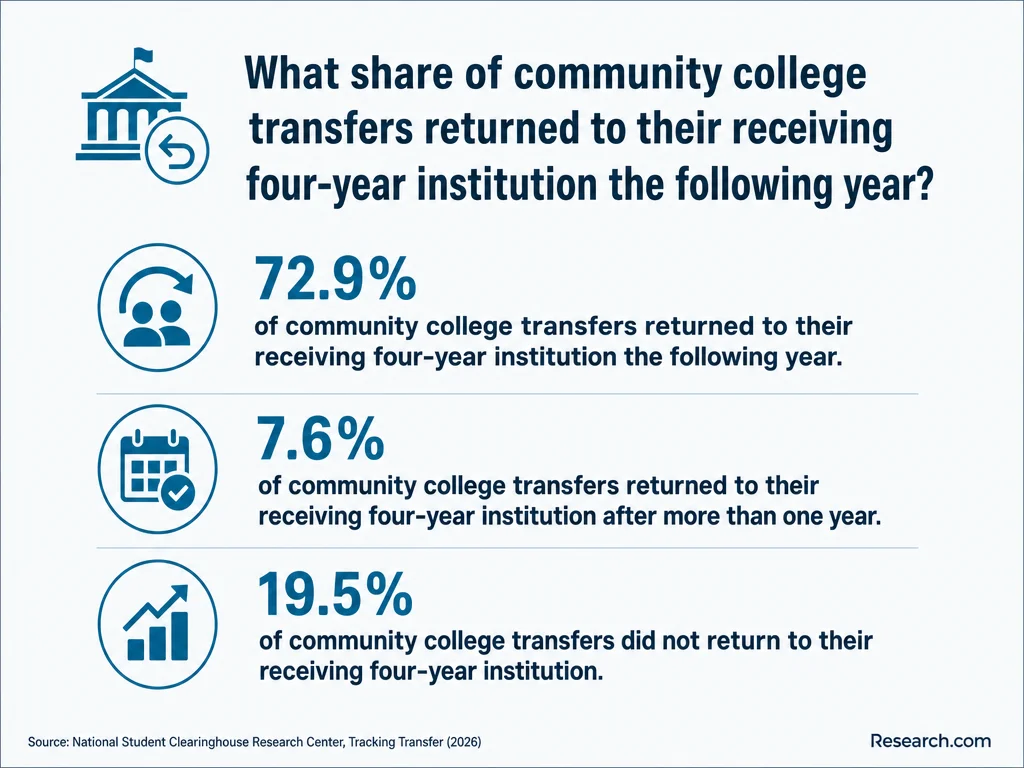
Students with prior college credit should also check whether relevant courses satisfy the business major rather than transfer only as electives. If coordinating openings or renovations is a separate career interest, online project management degrees for transfer applicants provide a different curriculum to compare; a single project-management course does not confer a professional credential.
It can be, if the program teaches the relevant subjects well and you have a way to practice them at work. Online accounting and operations assignments can build analytical habits, while restaurant shifts provide the real-time customer and staff decisions a screen cannot reproduce. Online delivery alone does not make a program self-paced.
Before enrolling, ask about live sessions, group projects, exam proctoring, internship rules, campus visits, and when required courses are offered. Those details matter if your schedule includes evenings, weekends, or unpredictable shift coverage. Compare the stated pace of fast-track business degree options with your available study time; finishing sooner may require more weekly work rather than less.
There is no single reliable price or completion timeline for a BS in Business Administration. The answer depends on the school's charges, accepted credits, credits that actually satisfy degree requirements, enrollment pace, and course availability. A student starting without college credit should plan for a full bachelor's curriculum; a returning student should request an official degree audit before estimating time saved.
For an owner, opportunity cost includes study hours that could otherwise go toward paid work, restaurant training, or preparing the business. Compare tuition and required fees alongside books, software, travel or proctoring, borrowing costs, and any reduction in earnings. A lower advertised price is not necessarily cheaper if required courses are unavailable when you need them.
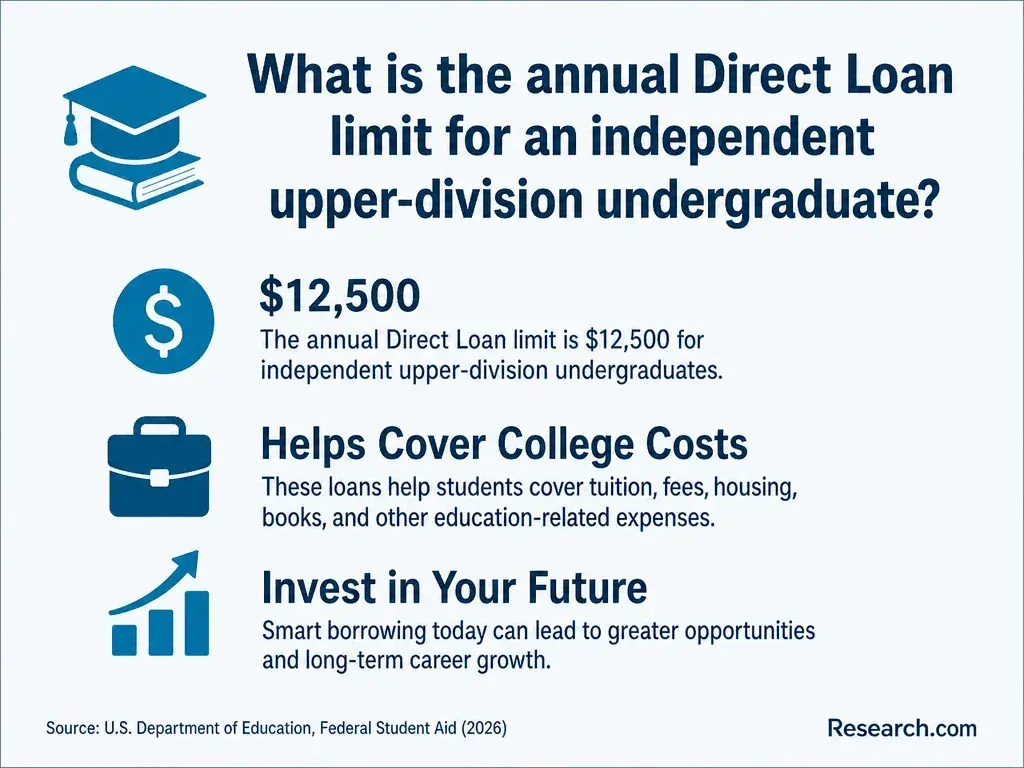
Use economical online business administration college programs as a starting point, then request a personalized estimate of remaining courses and charges. Keep startup capital separate from education funding, and do not budget for grants, transfer credit, or employer reimbursement until eligibility is confirmed.
Relevant paths include shift supervisor, assistant manager, restaurant manager, multi-unit operations support, purchasing coordinator, and owner-operator. Responsibilities differ: a shift supervisor handles immediate service problems, while a restaurant manager may oversee schedules, costs, hiring, and compliance. Multi-unit roles generally call for demonstrated operating results, not just coursework.
A new graduate without restaurant experience may need to start in service or an assistant-level role. Someone who has already managed shifts can use the degree to document financial and organizational skills for broader responsibility. Keep examples of permitted, nonconfidential work - such as a process improvement you helped implement - and be ready to explain your contribution.
Restaurant experience can also lead toward staffing or training roles outside the dining room. If you have prior HR coursework and want to finish a different degree for that transition, investigate using existing credits in a human resources degree; only the receiving institution can determine how those credits apply.
Restaurant manager pay varies by employer, location, responsibilities, and experience. Owner income is even less predictable: a profitable business may still retain cash for debt payments, equipment, or expansion, while an unprofitable one may provide little or no owner compensation. Revenue is not the owner's take-home pay.
The Bureau of Labor Statistics reports a May 2025 median annual wage of $105,770 for general and operations managers and projects 5% employment growth for that occupation from 2025 to 2035. That broad occupation includes work outside restaurants; its median is neither a restaurant-manager starting salary nor an estimate of restaurant-owner earnings. Do not use it to justify tuition debt or forecast a new restaurant's cash flow.
If you are comparing restaurant work with a more specialized career, assess both training costs and occupation-specific opportunities. A review of supply chain college costs versus potential career outcomes can inform that separate comparison, but it cannot predict what your restaurant would earn.
How should you choose an accredited business administration program?
Start with recognized institutional accreditation, then verify the exact degree, required courses, delivery format, and total remaining cost. Business-school accreditation through AACSB, ACBSP, or IACBE is a separate consideration; confirm whether it covers the school or program you are evaluating rather than assuming it applies from a logo alone.
Ask an adviser to show how your credits would apply to general education, the business core, and electives. Then ask whether you can take restaurant-relevant courses, use an approved workplace project, and access required courses on a schedule you can sustain. If speed matters, compare fast-track business bachelor's schools against those same requirements rather than choosing by completion claim alone.
The decision comes down to the gap you need to close. Choose a BS when its broad business training, applicable credits, and cost fit your operating goals. Choose hospitality-focused study when its restaurant-specific learning is stronger. If your immediate gap is hands-on service or food-safety practice, gain that experience first and revisit the degree after you know what further education would add.
Other Things You Should Know About Business Administration
Request an official degree audit and a schedule for remaining courses. Compare that commitment with your opening timeline; finishing may make sense if few requirements remain, but it need not delay essential operating preparation.
It can provide a starting structure, not proof of creditworthiness. A lender will evaluate its own requirements and your current assumptions, finances, and supporting evidence.
Possibly, with faculty approval. Check the assignment rules and protect employee, customer, and financial information; ownership does not automatically make every record appropriate for coursework.
No. First identify a specific skill or career requirement that further study would address. For many restaurant owners, operating experience or targeted training is a more direct next step.
- Basic Requirements for Retail Food | Georgia Department of Agriculture https://agr.georgia.gov/basic-requirements-retail-food
- Understanding College Costs | studentaid.gov https://studentaid.gov/resources/prepare-for-college/students/choosing-schools/consider-costs
- Fast Facts: Tuition costs of colleges and universities (76) | ed.gov https://nces.ed.gov/fastfacts/display.asp
- Bachelor's in Business Administration Concentrations | Purdue Global https://www.purdueglobal.edu/degree-programs/business/business-administration-concentrations/
- Restaurant Management | San Diego State University Global Campus https://careertraining.sdsu.edu/training-programs/restaurant-management/
- Careers in Food and Beverage Management | ASU Online https://asuonline.asu.edu/newsroom/online-learning-tips/careers-food-beverage-management/
- What Do Restaurant Managers Do? Pay & Career Path | CIA https://www.ciachef.edu/blog/restaurant-manager-career/
- Areas of Business BBA Grads Can Work In | North Carolina Central University https://online.nccu.edu/blog/areas-of-business/
- What Licenses and Permits Do You Need to Start a Restaurant? - Escoffier https://www.escoffier.edu/blog/food-entrepreneurship/what-licenses-and-permits-do-you-need-to-start-a-restaurant/
- Prices and Expenses - Urban Institute - Understanding College Affordability https://collegeaffordability.urban.org/prices-and-expenses/