
2027 Is a 2-Year Taxation Degree Worth It: Accelerated Bachelor's ROI & Time Trade-Offs

Co-Founder and Chief Data Scientist
Deciding whether to pursue a 2-year taxation degree poses a challenge for many prospective students seeking quick entry into the workforce without sacrificing long-term gains. Recent data shows that graduates from accelerated taxation programs can see a 12% higher employment rate within six months post-graduation compared to traditional tracks. However, shorter programs often require intense time commitments and can impact earning potential during study.
This article evaluates the return on investment of accelerated bachelor's degrees in taxation by analyzing costs, earnings, and time trade-offs, helping readers determine if this fast-track education aligns with their professional and financial aspirations.
Key Benefits of a 2-Year Taxation Degree
- Accelerated 2-year taxation degrees reduce educational costs and expedite workforce entry, increasing lifetime earnings by up to 15% compared to longer programs.
- Graduates benefit from focused, practical curriculum that aligns closely with industry demands, enhancing employability and initial salary offers.
- Time saved allows pursuit of certifications or work experience sooner, further improving return on investment and career advancement opportunities.
How Do 2-Year Taxation Programs Work?
Two-year taxation degree programs offer an accelerated path to earning a bachelor's degree by compressing the traditional timeline, which is valuable for students evaluating how to balance time commitment with career goals. Understanding the 2 year taxation degree program structure helps prospective students assess whether the faster pace and intensive curriculum align with their needs and readiness for an accelerated tax degree admissions process. Here is a breakdown of how these programs typically operate.
- Accelerated Pacing: The curriculum condenses standard semesters into shorter, more intensive terms, often requiring students to take 15 to 20 credits per term instead of the usual 12 to 15, enabling completion within two years.
- Year-round Enrollment: Programs run continuously through summer and winter terms, minimizing breaks and allowing students to stay engaged with coursework year-round.
- Condensed Course Terms: Terms are shorter but demanding, requiring a steady commitment to manage the denser class schedule and learning objectives.
- Instructional Format: A hybrid approach combines synchronous online lectures with asynchronous coursework, giving flexibility to working adults while maintaining structure and deadlines.
- Assessment Methods: Frequent assignments, exams, and projects spread throughout terms support continuous learning and mastery of complex tax concepts.
- Curriculum Progression: Students generally follow a linear, structured path emphasizing core areas like accounting principles, tax law, auditing, and financial reporting to prepare for taxation roles.
In addition to the time savings highlighted by data from the National Center for Education Statistics, students should consider the opportunity to save on tuition and benefit from a growing job market projected to expand by 6% through 2032. Those interested in advanced healthcare degrees may also research DNP programs online as part of their broader educational planning.
What Are the Admission Requirements for a 2-Year Taxation Degree?
Knowing the admission requirements is essential for students considering an accelerated bachelor's in taxation, helping them align their academic background and professional goals with program expectations. Carefully evaluating these criteria ensures a smoother application process and supports timely degree completion. Below is a detailed breakdown of typical admission criteria for 2-year taxation degree programs.
- Prior Education: Applicants usually need a high school diploma or equivalent, such as a GED. This foundational qualification confirms readiness for college-level coursework required in accelerated taxation tracks.
- GPA Expectations: A minimum GPA of around 2.5 to 3.0 is common, with some programs requiring higher marks for accelerated options. Maintaining strong academic performance improves admission chances and prepares students for rigorous studies.
- Standardized Tests: Tests like the SAT or ACT may be optional or waived, especially for adult learners or those with prior college credits. This flexibility accommodates diverse applicant backgrounds.
- Prerequisite Coursework: Some programs require foundational courses in accounting, mathematics, or business principles before starting advanced taxation topics. Meeting these prerequisites ensures students handle complex material effectively.
- Work Experience: Relevant experience in accounting or finance can strengthen applications and sometimes reduce credit requirements. Professional background enhances learning and practical application of taxation concepts.
Accelerated degree programs appeal to students seeking faster entry into high-demand taxation careers projected to grow about 5% through 2031, according to the U.S. Bureau of Labor Statistics. For those weighing options, comparing these criteria with personal qualifications is key to determining the suitability of enrollment.
Additionally, prospective students exploring related paths may find valuable insights by reviewing the easiest DNP programs, which provide different accelerated degree options in healthcare fields.
What Does a Typical Week Look Like in a 2-Year Taxation Program?
Knowing the weekly demands of an accelerated taxation program helps prospective students gauge whether they can balance the intensity with their personal and work lives. This insight is crucial for deciding if a condensed 2-year format matches one's learning preferences and career ambitions. Below is a breakdown of what students typically experience in such a program.
- Class Sessions and Lectures: Students attend several weekly classes that combine lectures with interactive discussions. These focus on essential subjects like tax codes, accounting methods, ethics, and compliance, ensuring a comprehensive yet fast-paced curriculum.
- Assignments and Assessments: Weekly coursework includes problem-solving exercises, real-life case studies, and tax return projects. These tasks reinforce theoretical knowledge while sharpening practical skills needed for the profession.
- Group Work: Collaborative projects are frequent, helping students deepen their grasp of complex regulations and develop teamwork and communication abilities vital for tax professionals.
- Independent Study: Considerable time outside class is devoted to self-directed learning, including reviewing dense materials and practicing calculations. Effective scheduling is key to managing this heavy workload alongside other commitments.
- Instructor Interaction: Faculty support is accessible through office hours, emails, and online discussion boards, providing essential guidance and clarifications in a demanding academic environment.
- Time Management: The rapid pacing requires disciplined planning to keep up with course demands while balancing personal and professional responsibilities, a challenge that tests students' organizational skills.
When I spoke with a professional who completed a 2-year bachelor's in taxation, he emphasized the intensity of each week, describing it as "a constant juggling act." He recalled late nights spent deciphering tax regulations and collaborating with peers across time zones for group projects.
"It wasn't just about understanding the material," he shared, "but also sustaining energy and focus when the deadlines piled up." Despite the exhaustion, he noted that the fast pace honed his ability to prioritize tasks swiftly and communicate clearly under pressure, skills that have proven invaluable in his career.
For students pursuing an accelerated two-year taxation degree, the mode of program delivery significantly impacts flexibility, accessibility, and effective time management. Online options help balance education with work or personal commitments, making it easier to progress at a personalized pace. The following points highlight key features and considerations of online taxation programs.
- Delivery Options: Programs are available fully online or as hybrids, blending remote coursework with occasional in-person sessions. This flexibility accommodates different learning preferences and schedules.
- Learning Formats: Fully online courses often combine asynchronous elements, where students access materials anytime, with synchronous sessions for live interaction, fostering both convenience and real-time engagement.
- Technology Needs: Enrollment typically requires a stable internet connection and devices capable of supporting video conferencing software, which facilitates participation in live discussions and access to course content.
- Student Support: Essential services like tutoring, career guidance, and library resources are provided remotely, supporting academic success and helping maintain motivation throughout the accelerated program.
- Impact on Pacing and Engagement: Online delivery removes commuting barriers and allows for individualized scheduling, often enabling students to complete coursework faster than traditional routes. However, staying self-motivated is critical to manage the program's intensity and fully benefit from the accelerated pace.
Evaluating the total cost of a 2-year taxation degree is essential for understanding its return on investment (ROI). Accelerated programs condense coursework typically spread over four years, which can change how tuition and related expenses accumulate. This overview breaks down the key cost components prospective students should consider when assessing accelerated taxation degree tuition fees and overall affordability.
- Tuition Structure: Most accelerated taxation degrees charge tuition per credit hour, but because the course load is more intensive each term, short-term tuition costs may be higher. However, completing the program in two years can reduce overall expenses by minimizing the time spent enrolled.
- Additional Fees: Registration, technology, and lab fees vary by institution and can add several hundred dollars per term, contributing to the overall 2-year taxation degree cost beyond just tuition.
- Textbooks and Learning Materials: Condensed class schedules often require students to purchase textbooks and resources more quickly to keep pace, which can increase expenses compared to traditional timelines.
- Technology and Lab Costs: Accelerated pathways that include online or hybrid formats may involve software purchases or access fees, adding to technology costs necessary for course completion.
- Reduced Living and Opportunity Costs: By shortening the program length, accelerated degrees can significantly lower living expenses and opportunity costs, helping students enter the workforce sooner and begin earning earlier. For those exploring accelerated programs beyond taxation, resources on an accelerated healthcare administration degree online offer similar financial benefits.
Evaluating financial aid options is crucial for students considering accelerated taxation programs, as funding can significantly impact the feasibility of completing an intensive two-year degree. Understanding how aid applies-and how the compressed schedule might influence availability-helps in planning both education and finances effectively. Below is an overview of common financial support options relevant to accelerated taxation studies.
- Federal Student Aid Eligibility: Students attending accredited institutions offering Title IV funding can often qualify for Pell Grants, Direct Subsidized and Unsubsidized Loans, and PLUS Loans. The faster coursework schedule can affect disbursement timing since shorter enrollment periods may alter the aid calculation.
- Scholarships and Grants: Targeted awards for business and accounting students are commonly available and provide funds that do not require repayment. These financial resources help reduce out-of-pocket costs and frequently encourage students pursuing specialized fields like taxation.
- Employer Tuition Assistance: Many working adults benefit from employer-sponsored education programs, which typically require proof of acceptance into an accelerated program or evidence of satisfactory academic progress. This support can make advancing one's career while studying more affordable.
- Flexible Payment Plans: Some institutions offer installment options tailored to accelerated courses, helping students manage tuition payments in alignment with their condensed schedules. This flexibility eases financial strain over a shorter timeframe.
- Impact of Accelerated Pace on Aid: Although completing the degree in less time can reduce the overall financial aid eligibility tied to enrollment length, it often lowers total debt and living costs. The tradeoff frequently results in better financial outcomes by shortening time spent in school.
When I asked a professional who completed an accelerated bachelor's degree in taxation about her experience with financial aid, she emphasized how critical it was to stay organized and proactive. She mentioned, "The shortened timeline meant I had to carefully track deadlines for loans and scholarships, as any delay could mean missing out." Navigating employer tuition benefits alongside federal aid required frequent communication with the financial aid office.
Despite occasional stress, she found that combining multiple aid sources made the accelerated path financially manageable and ultimately rewarding, saying, "It felt empowering to know I could complete my degree faster without carrying excessive debt." This firsthand insight highlights that with careful planning, financial aid is attainable for accelerated taxation students.
When evaluating the return on investment of an accelerated taxation bachelor's degree, understanding potential career outcomes is crucial. This insight helps prospective students align their education choices with realistic job opportunities and long-term goals. The following overview highlights common entry-level roles and industries that graduates from a 2-year taxation degree often enter.
- Tax preparer: Graduates frequently start as tax preparers, assisting individuals and businesses with filing tax returns. This role provides hands-on experience with tax regulations and software, forming a foundation for advanced taxation careers.
- Accounting assistant: Many find opportunities as accounting assistants, supporting financial records management and bookkeeping. This position helps develop critical accounting skills that are valuable in various sectors.
- Junior tax analyst: Early-career professionals may work as junior tax analysts, conducting research and analysis on tax laws and compliance issues. This role strengthens expertise in regulatory standards and financial documentation.
- Industry employment: Common employers include public accounting firms, corporate finance departments, government tax agencies, and small business financial services. These environments offer diverse experiences that enhance workforce readiness.
- Accelerated learning benefits: The 2-year degree's accelerated format allows quicker entry into the workforce compared to traditional four-year programs, saving one to two years. This faster timeline supports rapid skill application and career progression.
- Career advancement potential: Graduates may pursue certifications such as enrolled agent (EA) status, improving their professional standing and opening doors for advancement in taxation and accounting fields.
For those interested in related fields, exploring programs such as the cheapest online healthcare administration degree can provide additional career options. Understanding the range of entry level tax jobs after 2 year degree completion-and broader career options with accelerated taxation degree programs-helps students make informed decisions about their education paths and future opportunities.
Salary outcomes are a critical factor when evaluating the return on investment (ROI) of accelerated versus traditional degree paths, especially for prospective students assessing financial and career goals. Comparing early earnings and long-term salaries between a 2-year taxation degree and a traditional bachelor's degree highlights important considerations for workforce entry and career advancement. These nuances influence overall lifetime earnings and help guide decisions about education pathways.
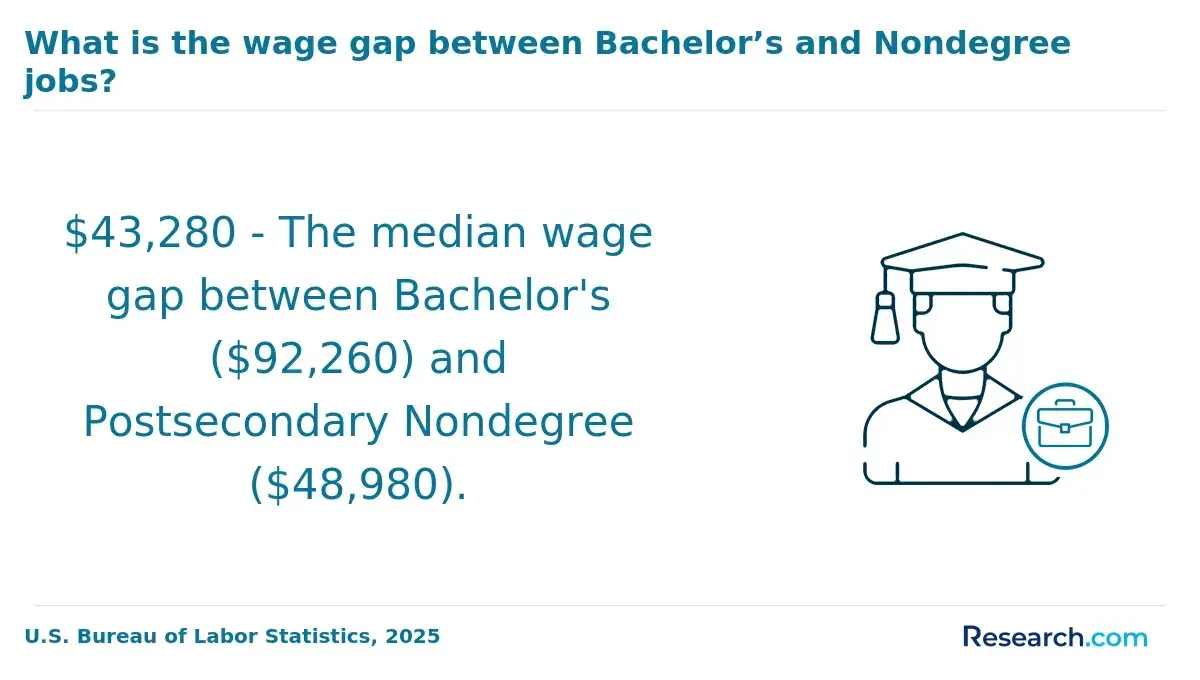
- Early-career earnings: Graduates with a 2-year taxation degree typically start with median salaries around $45,000 to $55,000 annually, reflecting entry-level tax preparer and finance roles. In contrast, those with traditional bachelor's degrees often begin closer to $55,000 to $65,000, reflecting broader opportunities in accounting and finance.
- Long-term earning potential: Traditional bachelor's degrees tend to offer broader career paths, potentially leading to salaries averaging $70,000 to $90,000 or more in advanced tax advisory or accounting positions. Faster workforce entry with a 2-year taxation degree can offset some of this gap through earlier experience accumulation.
- Employer perception and promotion timelines: Employers frequently view bachelor's degrees as more comprehensive, which can speed up promotion and salary growth. However, for specialized tax compliance roles, a 2-year taxation degree accompanied by relevant certifications remains a cost-effective and practical credential.
- Educational time and debt savings: Holding a 2-year taxation degree often means saving 1 to 2 years in education and significantly lowering tuition costs. This reduction can improve net lifetime earnings by decreasing student debt and allowing earlier earning years.
- Job market outlook: Demand for taxation professionals is expected to grow about 5% through 2032, providing steady employment opportunities for both accelerated and traditional degree holders.
Careful evaluation of accelerated taxation degree vs traditional bachelor earnings is essential for those weighing these educational investments. For those interested in exploring affordable degree options, resources like cheap RN to BSN online programs demonstrate how various accelerated paths can help reduce costs while advancing careers efficiently.
When considering accelerated taxation degree programs, assessing return on investment (ROI) is essential for students aiming to balance time, cost, and career outcomes. Since these programs often promise faster completion, understanding how this influences long-term financial and professional benefits can guide informed decisions. The following factors highlight the most impactful elements affecting ROI for accelerated taxation degrees.
- Reduced time-to-completion: Accelerated programs typically shorten study duration by about 1.5 to 2 years compared to traditional paths. This allows graduates to enter the workforce sooner, minimizing the period without full income and enhancing earning potential over time.
- Lower overall tuition and costs: Although the per-credit cost may sometimes be higher due to the intensive format, students usually pay for fewer total semesters. This reduction in total expenses can decrease debt burden and speed up financial recovery after graduation.
- Opportunity cost savings: Finishing the degree sooner means less time spent away from the job market. This results in fewer lost wages and lowers the indirect costs of education, substantially improving ROI.
- Employment prospects and salary growth: Median salaries for tax-related roles are competitive, averaging around $54,900 annually, with consistent demand in the field. Experience and certifications, such as CPA licenses, often lead to higher wages, contributing to long-term ROI.
- Steady industry demand: The complexity of tax regulations and ongoing changes ensure a reliable need for qualified taxation professionals. This stability supports job security and career longevity.
- Transferability of skills: Accelerated programs cultivate competencies in financial analysis, tax law, and accounting technology. These skills are valuable beyond taxation, opening doors in broader accounting and finance areas, thereby increasing career flexibility.
When deciding if a two-year taxation degree suits you, consider your learning preferences, schedule, and career goals. Accelerated programs demand discipline, as they compress content typically covered in four years into half the time. If you excel in fast-paced environments and have limited availability due to work or family, this format could be advantageous.
Assess how urgently you need to enter the workforce and whether you can maintain focus through intensive study. Your readiness to handle pressure and stay organized plays a crucial role in succeeding within this timeframe.
From a financial perspective, accelerated degrees often reduce overall tuition due to fewer semesters, but comparing costs and financial aid options remains essential. Evaluate the potential return on investment by balancing expenses against expected salaries and job growth, which the U.S. Bureau of Labor Statistics projects at roughly 5% through 2031 for taxation-related roles.
Bear in mind some employers may favor candidates with bachelor's or advanced certifications, which can impact your career flexibility over time. Understanding these practical constraints helps determine if a two-year taxation degree aligns with your long-term professional and financial plans.
What Graduates Say About Their 2-Year Taxation Degree
- Walker: "Professionally, I needed a taxation degree that respected my existing commitments, so the two-year program fit perfectly. Handling the condensed schedule was intense, but the focus and clarity I gained made all the difference. Knowing the average cost of attendance was reasonable, this accelerated program has significantly boosted my qualifications and positioned me well within the competitive field of tax accounting."
- Casen: "Reflecting on my journey, the accelerated nature of the 2-year taxation degree was perfect for my career goals since I could avoid the extended financial burden of a longer program. The fast pace required discipline and careful time management, which helped me develop skills beyond taxation itself. Today, I'm confidently advancing in corporate tax strategy roles, and I'm grateful for the practical experience this degree provided."
- Mirriam: "I chose the 2-year accelerated taxation program because I wanted to enter the workforce quickly without sacrificing the quality of my education. Balancing the intensive schedule was challenging but manageable thanks to the structured coursework and supportive faculty. This degree has already opened doors for me in tax consultancy, and considering the average cost of attendance, it was an excellent investment in my future."
Other Things You Should Know About Taxation Degrees
A 2-year taxation degree may limit career advancement opportunities compared to a bachelor's. While it provides foundational knowledge, roles of greater responsibility often require a bachelor's degree or higher. Investing time into an accelerated bachelor's may yield better long-term career prospects.
Completing a 2-year taxation degree in 2026 can significantly boost earning potential; graduates often see a salary increase ranging from 20% to 40% compared to pre-degree earnings. This increase depends on prior experience, industry demand, and geographic location.
- The impact of undergraduate degrees on lifetime earnings | Institute for Fiscal Studies https://ifs.org.uk/publications/impact-undergraduate-degrees-lifetime-earnings
- Chartered Tax Adviser (CTA) Program https://www.taxinstitute.com.au/education/programs/chartered-tax-adviser
- Audit vs Tax: How to Choose Your Career | Becker https://www.becker.com/blog/accounting/tax-vs-audit-how-to-choose-a-career-path
- Accelerated Accounting & Finance Degree London | BIL https://www.bil.ac.uk/courses/accounting-finance/bsc-accounting-and-finance-accelerated/
- Accounting, Accelerated BS/Master of Taxation https://bulletin.uakron.edu/graduate/colleges-programs/business-administration/accountancy/accounting-accelerated-bs-mtax/
- I have a 2 year accounting degree. What, if any, other kind of knowledge would I need to start a business accounting https://www.justanswer.com/tax/0lx3h-year-accounting-degree-what-any.html
- Getting a Master's in Taxation: Everything You Need to Know https://www.westerncpe.com/blog-post/getting-a-masters-in-taxation-everything-you-need-to-know/


