
2027 Is Demand for Taxation Degree Graduates Growing or Declining?

Co-Founder and Chief Data Scientist
Graduates with a taxation degree often face uncertainty about their career prospects amid shifting economic policies and technological advancements. For example, automation in tax preparation threatens some traditional roles, yet the field still requires expert professionals to navigate complex regulations. According to the U. S. Bureau of Labor Statistics, employment of tax examiners and collectors is projected to grow 8% from 2022 to 2032, faster than the average for all occupations.
This article examines current demand trends for taxation degree graduates and explores factors influencing job growth to help readers make informed educational and career decisions.
Key Things to Know About the Demand for Taxation Degree Graduates
- Employment for taxation degree graduates is stable, with roles in accounting firms and corporate finance remaining essential amid economic fluctuations.
- The U.S. Bureau of Labor Statistics projects a 5% growth in tax-related jobs through 2032, reflecting steady demand.
- Specializing in areas like international tax or tax technology enhances long-term opportunities due to evolving regulations and digital transformation.
What Factors Are Driving Demand for Taxation Degree Professionals?
Identifying the forces behind workforce demand helps prospective students evaluate the long-term value and stability of pursuing a taxation degree. Several key drivers shape the employment outlook for graduates, highlighting where opportunities are growing and what skills are increasingly important.
- Industry Growth: Expanding businesses and more complex financial transactions increase the need for taxation specialists. This trend creates ongoing job openings in accounting firms, corporations, and government agencies, making accredited taxation degree programs in the US highly relevant for career advancement.
- Technological Advancement: Automation and advanced tax software require professionals skilled in data analysis and software management. Employers seek graduates who can adapt to evolving digital tools, a demand reflected in the evolving requirements for taxation expertise.
- Regulatory Changes: Frequent updates in tax laws at federal and state levels maintain a steady demand for knowledgeable taxation professionals. These experts help individuals and organizations stay compliant and optimize their tax outcomes amid shifting policies.
- Demographic Shifts: An aging population increases the need for estate and retirement tax planning, while younger entrepreneurs require tax guidance to launch and grow their businesses. This diversity creates opportunities for specialists in these niche areas.
Given the complexity of these factors, the importance of accreditation for taxation degrees cannot be overstated, as it assures quality education aligned with industry needs. Students interested in pursuing related credentials may also consider exploring bcba online programs to complement their financial expertise.
Which Taxation Occupations Are Seeing the Highest Growth Rates?
Growth rates are a key indicator for students evaluating career paths in taxation because they reflect labor market demand and potential job stability. Overall employment growth for financial-related occupations is expected to be about 6% through 2030, signaling ongoing opportunities. Below are some of the top growing taxation jobs in the United States that demonstrate varying growth prospects and educational requirements.
- Tax Examiners and Collectors: Expected to grow about 8% over the next decade, these professionals benefit from increased regulatory scrutiny and the need for detailed audit processes. Typically, they require a bachelor's degree in accounting or taxation.
- Revenue Agents: Also projected to experience around 8% growth, revenue agents handle more complex audits and investigations, driven by heightened enforcement of tax laws. A bachelor's degree in relevant fields is generally needed.
- Tax Preparers: This role is seeing steady demand with a 6% growth rate, fueled by an increasing number of individuals and small businesses seeking expert assistance amid complex tax codes. Formal education varies but often includes specialized training or degrees in taxation.
- Financial Examiners: With an expected 7% growth, financial examiners play a critical role in assessing compliance within financial institutions. Many require advanced certifications or education beyond a bachelor's degree.
- Tax Analysts: Positioned for the highest growth near 9%, tax analysts support corporations in strategic tax planning and liability reduction, a function boosted by corporate demand for expert guidance. Most hold at least a bachelor's degree.
Students considering these roles should note that pursuing relevant education-including options like accelerated msw programs for complementary skills-can enhance employability and career progression in the competitive taxation occupations with highest employment growth.
Which Industries Hire the Most Taxation Degree Graduates?
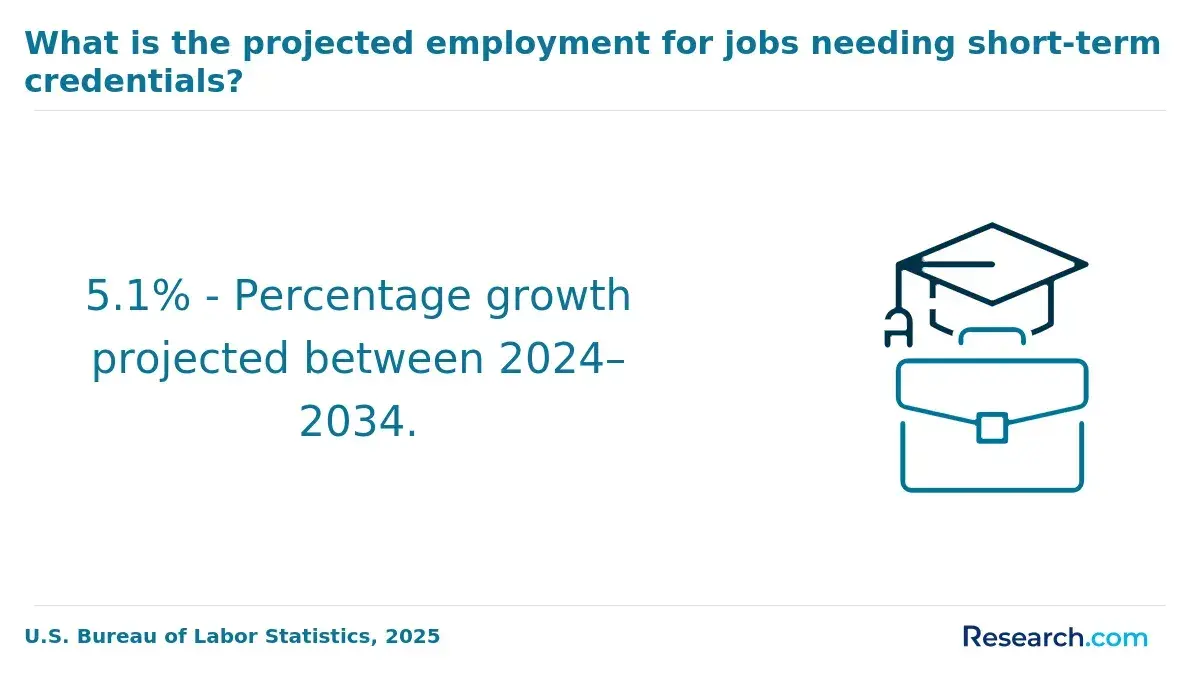
Recognizing the industries that most frequently hire taxation graduates helps students evaluate career prospects and job security by aligning their skills with market demands. Several key sectors consistently offer strong employment opportunities.
- Accounting and Auditing Firms: These organizations are the leading employers, seeking professionals well-versed in tax compliance, preparation, and consultation. Graduates support business and individual clients by navigating changing tax laws and optimizing strategies to reduce liabilities.
- Corporate Business: Large companies employ tax experts to manage internal tax planning, reporting accuracy, and risk mitigation. The increased complexity of international tax regulations boosts the need for specialists who can enhance financial efficiency on a global scale.
- Government Agencies: Entities such as the IRS and state tax offices hire experts for enforcement, policy development, and administrative roles. Taxation graduates contribute by ensuring laws are properly applied and revenue collection processes remain effective.
- Financial Services and Consulting: These firms depend on taxation professionals to provide advisory services including estate planning, merger and acquisition tax implications, and cross-border taxation issues. Their expertise supports diverse client needs and regulatory compliance.
Geographic factors play a crucial role in shaping job opportunities for taxation degree holders across the United States. Variations in local economies, industry presence, and policy environments lead to diverse demand patterns. Several regional elements influence employment prospects for these professionals.
- High-Demand States: States such as New York and Texas stand out due to their concentration of large corporations and financial centers, resulting in a wealth of taxation-related job openings. These markets often provide a wider range of roles in both corporate and individual tax consulting.
- Industry Clusters: Specific regions dominated by agriculture, technology, or energy sectors tend to require taxation specialists knowledgeable about industry-specific tax regulations. This specialization can create niche opportunities for graduates.
- Urban Versus Rural: Metropolitan areas typically offer a higher volume of job openings and richer networking possibilities, while rural regions may present fewer positions but also face less competition from job seekers.
- Cost of Living: Although higher salaries are often offered in expensive cities, elevated living expenses can offset financial advantages, influencing the overall appeal of a job location for taxation professionals.
- Remote and Hybrid Work: The increase in remote work options allows taxation graduates to consider positions outside their immediate geographic areas, expanding job access but also intensifying applicant competition.
These factors affect not only the availability of jobs but also the potential for career development, workplace culture, and specialization within the taxation field depending on location.
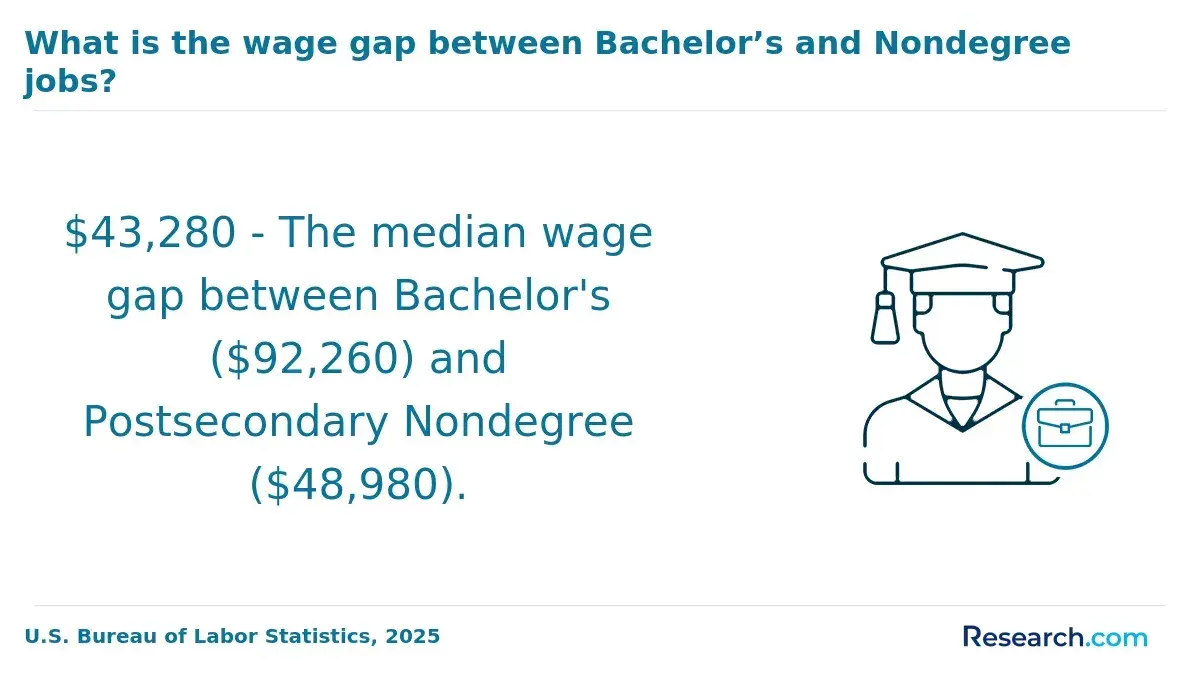
The educational attainment level significantly shapes employability in Taxation careers, influencing the scope of job opportunities, career advancement, and competitive edge. Different degrees-from associate to doctorate-offer distinct pathways, making it important to compare how degree level impacts employability in taxation careers in the United States.
- Associate Degree: This level typically qualifies graduates for entry-level positions like tax preparer or accounting assistant. While it provides a solid starting point, career growth may be limited without further education or certifications.
- Bachelor's Degree: Earning a bachelor's opens doors to mid-level roles such as tax analyst, auditor, or junior tax consultant. Research shows that individuals with a bachelor's degree in accounting or taxation enjoy about a 75% higher employment rate compared to those with a high school diploma, reflecting stronger job prospects.
- Master's Degree: Master's holders often access senior positions like tax manager or specialist, signaling advanced expertise and leadership potential. Comparing bachelor's versus master's degrees in taxation job prospects reveals that graduate education significantly enhances career progression and competitiveness.
- Doctorate Degree: Although less common, a doctorate is highly valued for roles in academia, government advisory, and complex tax policy research. Graduates with this qualification contribute as experts and consultants in specialized areas of taxation.
Individuals interested in expanding their knowledge beyond traditional options might consider related advanced studies like the mlis, which broaden interdisciplinary expertise beneficial in tax-related fields.
Recognizing the skills employers prioritize is vital for taxation graduates aiming to stay competitive and career-ready in a dynamic job market. These sought-after abilities combine technical expertise with interpersonal strengths that address the complexities of tax-related work. Below are some of the key competencies that enhance employability in this field.
- Analytical Skills: Proficiency in dissecting detailed tax regulations and financial statements helps professionals identify compliance risks and refine tax planning. This skill ensures graduates can propose effective strategies that align with legal standards.
- Technical Competency: Familiarity with industry-standard tax software, accounting tools, and regulatory resources boosts accuracy and speeds up processes such as audits and filings. Technological fluency is indispensable for modern taxation roles.
- Detail Orientation: Precision is essential for avoiding errors that could result in penalties or financial loss. Meticulous attention to numerical and procedural details safeguards both clients and employers.
- Communication Abilities: The capacity to clearly explain tax concepts and implications to diverse audiences supports informed decision-making and client trust. Strong communication bridges technical knowledge and practical application.
- Problem-Solving Aptitude: Navigating complex or ambiguous tax scenarios with innovative yet compliant solutions is a highly valued trait. This ability helps address challenges promptly while maintaining regulatory adherence.
When asked about the skills employers seek in taxation graduates, a recent graduate reflected on his experience during internships and job interviews. He recalled initially feeling overwhelmed by the breadth of software tools and the need to interpret regulations in real time. "I quickly realized that beyond knowing the rules, being able to communicate my findings clearly made a huge difference," he said. The graduate emphasized that patience in understanding subtle tax nuances and the willingness to learn from experienced mentors were crucial throughout his early career, shaping his confidence and approach to complex client issues.
Fluctuations in job demand strongly influence starting salaries, wage growth, and long-term earning potential for taxation graduates. For example, the U.S. Bureau of Labor Statistics reports the median annual wage for accountants and auditors, a category including many taxation professionals, was about $77,250 in 2022. These shifts in demand shape how employers offer compensation and career advancement opportunities. The following points highlight the main effects of job market dynamics on taxation graduate salaries:
- Starting Salaries: Higher demand for taxation professionals typically drives up starting wages as employers compete for skilled graduates. Conversely, when demand weakens, starting salaries often stagnate or decline due to increased competition among job seekers.
- Wage Growth: Strong demand fosters more rapid wage increases, promotions, and bonuses. Employers are motivated to retain talent by offering financial incentives in competitive markets, thus accelerating overall salary growth over time.
- Career Advancement: A robust job market provides greater opportunities for professional development and advancement. Limited demand restricts these prospects, reducing potential earnings and slowing career progression.
- Supply and Bargaining Power: An oversupply of qualified taxation graduates decreases individual bargaining power, which can suppress salary levels, especially when job openings are scarce relative to the number of candidates.
Advances in artificial intelligence are transforming workforce demands within taxation fields, with a 2023 World Economic Forum report estimating that nearly half of financial professionals' repetitive tasks could be automated within five years. This shift introduces new employment dynamics for taxation graduates.
Key impacts of AI on the profession include:
- Automation of Routine Tasks: Many manual processes such as data entry, compliance verification, and basic calculations are increasingly managed by AI, reducing demand for traditional processing roles.
- Emergence of Specialized Roles: New positions arise focused on overseeing AI tools, interpreting advanced tax algorithms, and ensuring adherence to evolving regulations, requiring expertise beyond conventional taxation knowledge.
- Changing Skill Requirements: Proficiency in data analysis, AI system management, and strategic planning becomes essential, pushing professionals to expand their technical capabilities alongside tax expertise.
- Shifts in Hiring Practices: Employers now favor candidates who blend solid taxation fundamentals with technology skills, leading to greater opportunities in advisory and consulting roles that integrate AI solutions.
When discussing how AI is changing demand for taxation professionals, a graduate of a Taxation degree program shared her experience adapting to these developments. She described initially feeling overwhelmed by the pace of technology adoption but gradually recognized the value of embracing new tools. "Learning to work with AI systems wasn't just about tech skills," she explained, "it taught me to think strategically about how data influences tax decisions." She found that staying curious and open to continuous learning helped her transition from routine tasks to advisory roles, highlighting that flexibility and a proactive mindset are crucial for thriving in today's AI-influenced job market.
Long-term career stability is a vital consideration for students and professionals evaluating taxation as a career path because it impacts financial security, job satisfaction, and future planning. Several key factors influence the sustainability and growth potential of taxation careers, shaping their appeal for those seeking steady employment.
- Long-Term Employment Trends: Consistent demand for taxation graduates is driven by governments and businesses needing experts to manage intricate tax regulations. This steady requirement supports job security and is a reliable indicator of long-term career prospects in the US.
- Industry Reliance: Organizations depend heavily on taxation professionals to comply with evolving tax laws, which creates ongoing demand. This reliance helps maintain stability for those pursuing long-term career growth and security for taxation degree graduates in North America.
- Adaptability to Change: While automation has altered routine tasks, the taxation field increasingly focuses on advisory and strategic roles that require critical human expertise. This shift ensures professionals can remain relevant through analytical and consultative skills amid technological advances.
- Career Advancement and Reskilling: Opportunities to specialize, such as in international tax or tax law, enhance employability and allow professionals to meet emerging needs. Continuing education and reskilling play essential roles in sustaining a taxation career over time.
For those interested in exploring more flexible educational options that can accelerate their entry into this stable field, many seek out accelerated online degrees, which offer a faster pathway to obtaining necessary qualifications while balancing other commitments.
Current labor market data indicates that job prospects for taxation degree graduates in the US remain stable, with a modest growth outlook. According to the U.S. Bureau of Labor Statistics, employment of accountants and auditors, which includes many taxation professionals, is projected to grow about 6% from 2022 to 2032, aligning with the average growth rate across all industries. This steady demand is driven by ongoing complexities in tax laws and the evolving regulatory environment, which necessitate tax compliance, planning, and advisory services in both public accounting and corporate sectors. Economic cycles and tax reform legislation can temporarily boost hiring activity as businesses seek taxation expertise.
Whether pursuing a taxation degree is practical depends on various factors beyond general job demand, including the level of education and skill alignment. Graduates with bachelor's degrees often qualify for entry-level positions, but those holding master's degrees or CPA certification frequently access higher-paying roles and specialized advisory work. Advanced skills in tax software, data analysis, and up-to-date tax codes improve competitiveness significantly. Emerging sectors like international tax and estate planning also offer niche career opportunities.
Students interested in accelerating their career may explore one year masters programs online to build relevant expertise aligned with employer needs. Considering taxation degree salary and career growth opportunities, investing in further education and certifications can make the degree more worthwhile in the long term.
What Graduates Say About the Demand for Their Taxation Degree
- Milan: "Pursuing a taxation degree was a strategic move for me, especially considering the complex financial world we live in. The return on investment has been remarkable, as I quickly advanced into roles that valued my specialized knowledge. This degree truly transformed my career outlook and opened doors to consulting opportunities I hadn't imagined before. "
- Colin: "Looking back, choosing to study taxation was more about passion than just numbers. Although it was challenging, the insights I gained have been invaluable professionally and personally. The degree not only improved my confidence in handling financial matters but also significantly increased my earning potential over the years."
- Gus: "From a professional standpoint, a taxation degree provided me with the analytical skills and expertise to navigate corporate tax law efficiently. The education paid off well, as it positioned me for leadership roles where precise tax strategy is crucial. This academic path was instrumental in establishing my credibility in the finance sector."
Other Things You Should Know About Taxation Degrees
Continuing education is essential for taxation professionals due to constantly evolving tax codes and regulations. Many states require a specific number of continuing professional education (CPE) hours annually to maintain licensure, and staying current on new legislation helps professionals provide accurate and effective tax advice.
In 2026, the job market for taxation degree graduates is competitive, but opportunities are growing due to evolving tax laws and global economic changes. Graduates with specialized skills and adaptability to new technologies are more likely to succeed in securing positions in high-growth sectors and regions.
- What Recruiters Look for in Graduate Accountants - TaxCareAcademy https://taxcareacademy.co.uk/what-recruiters-look-for-in-graduate-accountants/
- The power of AI: What accounting and tax professionals need to know https://www.wolterskluwer.com/en/expert-insights/the-power-of-ai
- Graduates will be £24,500 worse off from the budget https://www.thetimes.com/money/tax/article/graduates-24500-pounds-worse-off-budget-2025-98hnfld90
- Tax Jobs That Pay Great Career Dividends - North Carolina Association of Certified Public Accountants https://www.ncacpa.org/blog/tax-jobs-that-pay-great-career-dividends/
- Qualifying years: the future of the tax profession | Tax Adviser https://www.taxadvisermagazine.com/article/qualifying-years-future-tax-profession
- Top 8 jobs for accounting majors to pursue after graduation https://schneiderjobs.com/blog/jobs-for-accounting-majors
- Why Are Tax Accountants in Demand? - Grow Advisory Group https://growadvisorygroup.com.au/accounting/why-are-tax-accountants-in-demand/
- Why You Should Consider a Career in Taxation? https://himhaldia.edu.in/blog/why-you-should-consider-a-career-in-taxation
- Is Tax Accounting a Good Career? Pros and Cons - BOS Staffing https://www.bosstaff.com/2024/08/29/is-tax-accounting-a-good-career-pros-and-cons/
- Careers in Tax | Chartered Institute of Taxation https://www.tax.org.uk/careers-in-tax


