2027 Taxation Degrees Explained: Are They Classified as Professional Degrees?

Co-Founder and Chief Data Scientist
Many prospective students mistakenly believe that taxation degrees automatically qualify as professional degrees required for licensure or advanced certifications. This misconception can lead to costly educational choices without clear career benefits. According to the National Center for Education Statistics, only about 18% of graduate students in business-related fields pursue professional degrees, and employment data shows that most tax professionals advance through experience rather than degree classification. This article clarifies whether taxation degrees meet professional degree criteria and guides readers on program types, accreditation, costs, and career impact to make informed educational decisions.
Key Benefits of Professional Taxation Degrees
- Holding a professional taxation degree significantly enhances career advancement prospects, positioning graduates for leadership roles within accounting and finance sectors.
- Graduates often experience higher earning potential, with advanced degrees correlating to a 20% average salary increase compared to bachelor's holders.
- Such degrees qualify professionals for regulated roles like tax advisory and compliance, ensuring long-term job stability in evolving financial landscapes.
What Is Considered a Professional Taxation Degree?
A clear understanding of what qualifies as a professional taxation degree is crucial for students exploring career-focused education pathways that emphasize licensure and professional credentialing. This clarity helps ensure that educational investments align with goals for higher earning potential and career advancement in tax-focused roles. Enrollment in specialized taxation programs has increased by over 10% in recent years, reflecting growing workforce demand for professionals with targeted expertise.
Below are common myths and facts clarifying the definition of professional taxation degrees.
Degree Scope
- Myth: A professional taxation degree is simply any degree with taxation courses included.
- Fact: Professional taxation degrees are specialized programs designed around applied tax law, accounting principles, and preparation for licensure, focusing on practical tax compliance and planning skills rather than general finance education.
Accounting Confusion
- Myth: Any accounting degree counts as a professional taxation degree.
- Fact: While accounting degrees may cover taxation topics, professional taxation degrees concentrate on tax-specific laws, policy interpretation, research, and compliance strategies not deeply addressed in general accounting curricula.
Students evaluating programs should consider how these characteristics of a professional tax degree align with their goals for certification and real-world tax challenges. For those seeking related options, exploring MSW programs online can provide insight into similarly specialized professional degrees.
Who Should Pursue a Professional Taxation Degree?
Identifying the right candidates for professional taxation degrees is essential for students seeking career-focused, practice-oriented education. Knowing who benefits most ensures efficient use of time and resources for those pursuing specialized tax-related careers. Enrollment in taxation-focused graduate programs has grown by over 12% in recent years, highlighting rising interest in this field.
Common misconceptions persist, so a myth-versus-fact approach clarifies who truly gains from these degrees.
Early-Career Focus
- Myth: Only early-career professionals benefit from taxation degrees.
- Fact: While early-career individuals seeking licensure or professional certification do gain significant advantages, career changers aiming to specialize in regulated tax roles also find value in a taxation degree.
General Business Students
- Myth: General business students gain equal benefit from professional taxation degrees.
- Fact: These degrees are practice-oriented, designed for those targeting specific tax-related careers rather than broad business knowledge.
Program Demand
The rise in demand for specialized tax expertise is reflected in increasing enrollment, with many prospective students seeking focused, practice-driven education geared toward regulated roles and licensure.
In summary, the best candidates for taxation programs include early-career professionals aiming for tax licensure, individuals pursuing specialized tax roles, and career changers seeking focused training. Those interested in related fields might also explore an accelerated psychology degree online to complement their professional goals.
Understanding the benefits of a professional taxation degree helps clarify the best careers with taxation degree credentials and supports informed educational decisions.
What Are the Most Common Professional Taxation Degree Programs?
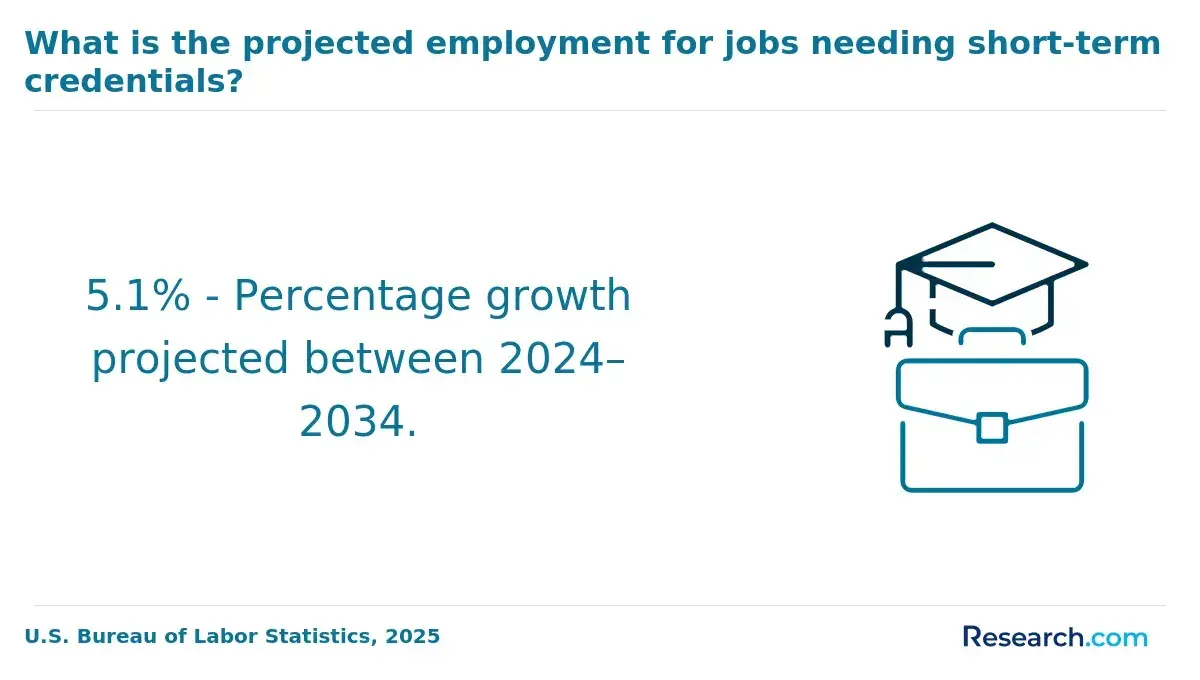
Choosing the right professional taxation program is essential for aligning education with career priorities and licensure needs. Nearly 15% workforce growth is expected in taxation-related roles over the next decade, reflecting the increasing complexity of tax regulations. Below are key taxation degree options to consider.
- Master of Taxation (MTax): This degree balances technical expertise with practical application, emphasizing federal and state tax laws. It prepares students to address intricate tax challenges and evolving regulations.
- Master of Science in Taxation (MST): Focused on tax research, policy evaluation, and ethics, the MST cultivates critical analytical skills for adapting to changes in tax legislation. Its rigorous approach makes it well-regarded among professionals seeking an in-depth understanding of tax systems.
- Graduate Certificates in Tax Law or Tax Accounting: These specialized programs offer targeted knowledge for professionals needing focused training in specific tax fields, enhancing compliance and regulatory mastery without committing to a full degree.
Breakdown of Private Fully Online For-profit Schools

Accreditation is a primary concern for students evaluating professional taxation degree programs because it ensures the quality and legitimacy of their education. Nearly 90% of students prefer accredited programs, reflecting a growing trend toward selecting accredited institutions for greater career confidence and improved outcomes. Accreditation standards for professional taxation degrees are an important factor in program oversight.
A clear look at common misunderstandings can help clarify what accreditation means for prospective students.
Program Accreditation
- Myth: All professional taxation degree programs are automatically accredited by a specific taxation-focused body.
- Fact: There is no single accrediting agency exclusively for taxation programs; instead, programs are typically accredited under broader institutional or business school accreditation.
Impact on Licensure
- Myth: Accreditation status has little impact on licensure, financial aid, or employer recognition for taxation graduates.
- Fact: Accreditation affects eligibility for federal financial aid, licensure exams related to accounting or tax preparation, and is often required by employers and licensing bodies.
Recognized Agencies
- Myth: Only specialized taxation accreditors oversee these programs.
- Fact: Recognized accrediting bodies include regional agencies like the Higher Learning Commission (HLC) or Southern Association of Colleges and Schools (SACS) and programmatic accreditation bodies such as the Association to Advance Collegiate Schools of Business (AACSB).
Institutional accreditation verifies overall school quality, while programmatic accreditation focuses more on specific business or accounting disciplines important for taxation. Prospective students should research these top accrediting agencies for taxation programs to ensure their degree aligns with professional requirements and career advancement.
For those also interested in other specialized graduate programs, information on the MLIS degree can provide insight into accreditation across different fields.
Gaining clarity on admission criteria is vital for those considering a professional taxation degree, as it sets realistic expectations and helps align academic backgrounds with program demands. The field has experienced a notable rise in graduate program enrollment, increasing by more than 15% over the last five years, underscoring heightened competition and growing interest.
Key admission elements typically include:
- Academic credentials: Applicants usually must hold at least a bachelor's degree, often in accounting, finance, business, or a related discipline. This foundation equips students with essential financial knowledge needed for advanced taxation topics.
- Transcript quality: Official records are reviewed to verify strong performance, especially in quantitative courses. Demonstrating academic aptitude in analytical subjects ensures candidates can handle the program's challenging curriculum.
- Recommendations: Letters from academic or professional references provide insight into the applicant's skills, work ethic, and suitability for taxation studies. They add a critical dimension beyond grades, highlighting character and potential.
- Personal statement: A written essay clarifies motivations and career objectives, helping admissions committees assess determination and alignment with the profession's demands.
- Standardized tests: Some programs require scores from exams like the GRE or GMAT, although certain qualifications or experience may exempt applicants. These tests further measure analytical and verbal reasoning abilities.
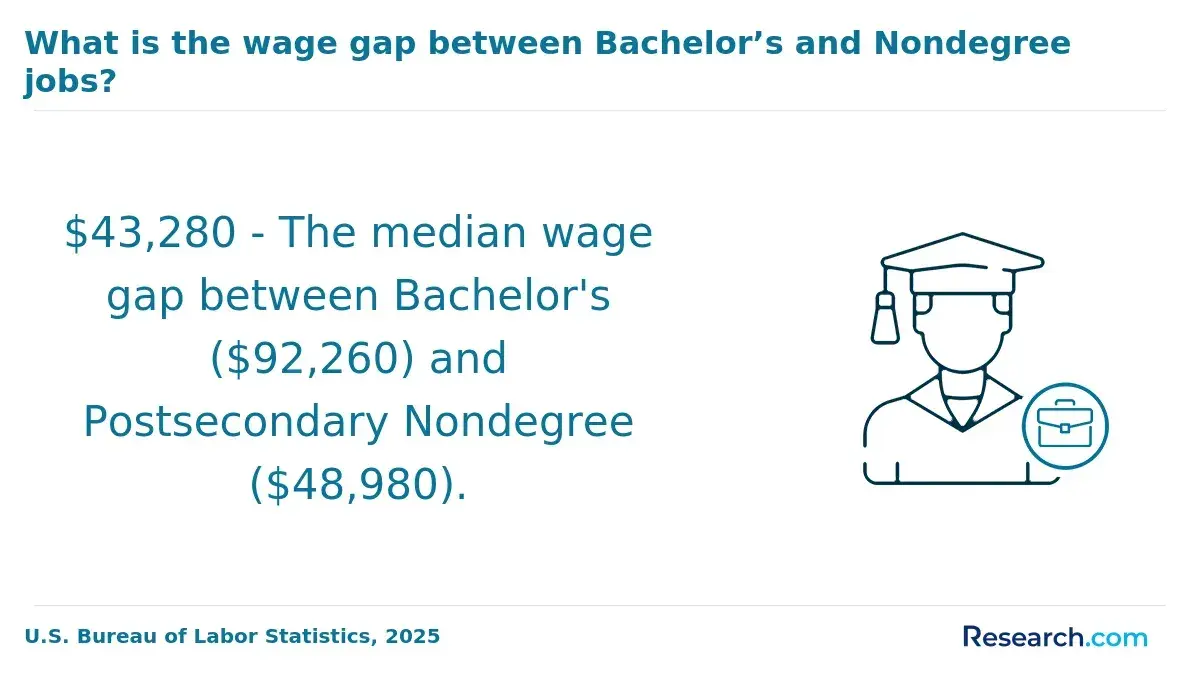
Prospective students evaluating professional taxation programs benefit greatly from a clear understanding of the curriculum and practical components before enrollment. This knowledge helps assess how well a degree program prepares candidates for licensure exams, career advancement, and increased earning potential.
Below are key coursework requirements and practical tax training elements commonly included in professional taxation degree programs to develop essential skills and expertise.
- Core Taxation Courses: These include federal income tax, corporate taxation, estate and gift tax, and tax research methods. They provide a strong foundation in tax laws, compliance, and regulatory frameworks necessary for professional practice.
- Practical Tax Training: Programs emphasize hands-on experience in tax preparation and planning strategies, often incorporating the use of tax software. This practical training sharpens analytical thinking and problem-solving skills vital to navigating complex tax issues.
- Experiential Learning Opportunities: Internships, externships, and simulation projects expose students to real-world client scenarios and tax challenges. This applied learning is crucial for bridging theory with practice and enhancing professional readiness.
- Technical and Analytical Skill Development: Courses focus on interpreting the Internal Revenue Code and tax policies across various contexts. These skills support not only competence in exam settings but also effective decision-making in diverse tax-related roles.
Incorporating both professional taxation degree coursework requirements and practical tax training in professional degree programs ensures graduates are equipped for positions in accounting firms, government tax agencies, corporate finance, and consulting.
For those concerned about cost-effectiveness while pursuing such degrees, reviewing most affordable online colleges can offer valuable guidance on accessible educational options.
Knowing the cost of professional taxation degree programs is critical for prospective students as they assess educational investments and career benefits. On average, tuition for taxation degrees ranges from $15,000 to $50,000 for the entire program, influenced by factors such as institution type and residency status.
Several key expenses contribute to the total cost and should be carefully considered before enrollment.
- Tuition fees: These represent the largest portion of expenses, varying widely depending on whether the school is public or private, program duration, and if students qualify for in-state rates versus out-of-state tuition.
- Books and materials: Taxation programs often require current textbooks, specialized software, and case study subscriptions, which can add several hundred to over a thousand dollars annually to the cost.
- Additional fees: Students may encounter lab fees, technology charges, and other administrative costs that increase the overall financial burden beyond tuition.
- Living expenses: For full-time students, costs such as housing, transportation, and daily necessities significantly impact total affordability and should be factored into budgeting.
A notable trend is that in-state tuition is generally more affordable, while non-resident students face fees that can double the total program cost. Prospective learners should explore potential financial aid, scholarships, and employer tuition reimbursement benefits to mitigate expenses. Those seeking affordable education options might consider online colleges that accept FAFSA, which can offer more economical pathways to obtaining a professional taxation degree.
Financial aid eligibility is a key concern for students interested in professional taxation programs due to the significant costs involved. Nearly half of graduate students in business-related fields, including taxation, rely on federal loans to fund their education. Below is a quick overview addressing common misconceptions about financial aid for taxation degrees.
Loan Eligibility
- Myth: Professional taxation degrees aren't eligible for federal financial aid because they're not traditional academic programs.
- Fact: Accredited taxation programs often qualify for federal financial aid, including Direct Unsubsidized and Grad PLUS loans, provided they meet federal standards.
Cost Concerns
- Myth: High costs exclude taxation students from assistance options beyond federal loans.
- Fact: Many students benefit from employer tuition reimbursement, scholarships tailored to taxation, and public service loan forgiveness if they work in qualifying nonprofit or government roles.
Accurately knowing the degree requirements for tax-related careers helps students make informed decisions about education investments. Since certain professions have regulated criteria, aligning your training with these standards ensures relevant qualifications. Employment in tax occupations is expected to grow around 5% over the next decade, reflecting a steady need for qualified professionals.
Below is a common misconception clarified through an evidence-based myth-versus-fact approach.
Degree Necessity
- Myth: A professional taxation degree is mandatory for all tax careers.
- Fact: Many roles accept alternative degrees in accounting, finance, or business if combined with certifications or relevant experience.
Licensure Requirements
- Myth: Any tax-related job requires a professional taxation degree for licensure.
- Fact: Specific licenses like Certified Public Accountant (CPA) typically require a designated number of credit hours often met through accounting or taxation degrees, plus passing the exam and experience credentials.
Specialized Roles
- Myth: Taxation specialties, such as tax law, don't require specialized education.
- Fact: Careers in tax law mandate a law degree with a focus on taxation to meet professional standards and legal practice requirements.
Degree vs. Certification
- Myth: The degree title alone determines eligibility for taxation careers.
- Fact: Licensure and certifications often hold greater weight than the specific degree title in defining career opportunities and compliance.
Weighing the financial advantages of professional taxation degrees is essential for students deciding on advanced, career-oriented education. Understanding how these degrees impact salary potential helps in making a well-informed investment.
Below are common misconceptions paired with facts about the earning outcomes and career benefits tied to professional taxation degrees.
Salary Guarantee
- Myth: Holding a professional taxation degree ensures a higher salary without exception.
- Fact: While such a degree may increase earning possibilities, actual salary growth depends on factors like experience, location, and how one applies the qualification in specialized roles.
Career Eligibility
- Myth: Only professional taxation degrees open pathways to lucrative tax careers.
- Fact: Professional degrees enhance access to higher-paying tax positions, but practical experience, certifications (e.g., CPA, Enrolled Agent), and ongoing learning also play critical roles in career advancement.
Long-Term Earnings
- Myth: A professional taxation degree has minimal effect on long-term income growth.
- Fact: Those with such qualifications often enjoy better promotion prospects and specialized knowledge, which can lead to increased earnings over time through senior-level or consulting opportunities.
What Graduates Say About Their Professional Taxation Degree
- Lux: "The flexibility of the professional taxation degree program was a game changer for me. Balancing work and study was much easier thanks to the online and evening course options. Given the average cost of attendance being reasonable, it felt like a sound investment that quickly paid off by boosting my career prospects."
- Drew: "Choosing to pursue a professional taxation degree was a deliberate decision shaped by careful reflection on my career goals. The program's adaptable schedule allowed me to maintain my job while gaining in-depth knowledge. It's clear now that this degree not only enhanced my technical skills but also opened doors to leadership roles."
- Vale: "I approached the professional taxation degree with a professional mindset, knowing how competitive the field is. The flexible study formats suited my demanding work life perfectly, and the cost was justified by the immediate impact on my qualifications. Since graduating, I've experienced greater confidence and credibility in my role."
Other Things You Should Know About Taxation Degrees
While not universally required, many professional taxation degree programs encourage or require internships to enhance practical understanding. These experiences allow students to apply tax laws and compliance procedures in real-world settings, improving job readiness.
Recognition usually comes from the program’s parent business school rather than a taxation-specific accreditor. AACSB accredits many business schools, while some universities also align curricula with CPA eligibility rules set by state boards and the AICPA. Taxation degrees themselves are rarely separately licensed or accredited.
Yes, many institutions offer professional taxation degrees online, providing flexibility for working professionals. Online programs often include interactive modules and virtual discussions, enabling students to gain the skills and knowledge needed for tax-related roles while balancing other commitments.
- Financial Aid: Myth vs. Fact https://www.tesu.edu/about/blog/2014/financial-aid-myth-fact.php
- 8 Tax Careers: Professional Specializations https://tsengcollege.csun.edu/blog/tax-careers
- Why You Should Consider a Career in Taxation? https://himhaldia.edu.in/blog/why-you-should-consider-a-career-in-taxation
- Myths About Accountants You Probably Believe https://www.osbornetraining.org/myths-about-accountants-you-probably-believe/
- Debunking 8 Myths of Professional Tax Preparation as a Career https://www.intuit.com/blog/life-at-intuit/debunking-8-myths-of-professional-tax-preparation-as-a-career-or-a-job-to-earn-extra-income/
- Financial Aid Resources: FAFSA Myth vs. Fact https://www.uattech.com/financial-aid-resources-fafsa-myth-vs-fact
- Tax Training and Courses | IBFD https://us.ibfd.org/services/tax-training-and-courses
- Getting a Master's in Taxation: Everything You Need to Know https://www.westerncpe.com/blog-post/getting-a-masters-in-taxation-everything-you-need-to-know/
- Braden School of Taxation | Golden Gate University https://ggu.edu/school/braden-school-of-taxation/
- Is a career in tax right for me? | Chartered Institute of Taxation https://www.tax.org.uk/is-a-career-in-tax-right-for-me