2027 Is 40 Too Late to Earn a Statistics Bachelor's Degree?

Co-Founder and Chief Data Scientist
Approaching 40 often brings a mix of reflection and ambition, especially for those considering a return to school. Many face the challenge of balancing family, work, and personal growth while contemplating a career change or skill enhancement. With the growing demand for skilled statisticians-projected employment growth of 35% through 2031-the decision to earn a Statistics bachelor's degree later in life holds significant appeal.
Adult learners can leverage maturity and real-world experience, adapting to modern flexible learning options that suit busy schedules. This article explores whether 40 is too late to pursue this degree and the key factors that shape that journey.
Key Things to Know About Whether 40 Is Too Late to Earn a Statistics Bachelor's Degree
- Career shifts at midlife are common; a bachelor's in statistics meets growing data analysis demands, with employment projected to grow 35% through 2031, benefiting mature entrants.
- Flexible online and part-time statistics degree programs accommodate adult learners balancing work and family, easing midlife educational reentry.
- Long-term benefits include stronger analytical skills, improved job security, and higher earning potential, which support sustained career growth well beyond age 40.
Can you start a statistics bachelor's degree at 40?
Beginning a statistics bachelor's degree at 40 is a feasible goal as higher education pathways continually evolve to embrace learners from all age groups. Age is not a barrier to enrollment in undergraduate programs, and educational institutions increasingly recognize the value that adult learners bring to the academic environment.
Returning to college for a statistics degree as an adult learner is supported by admissions policies that emphasize accessibility and do not discriminate based on age. This inclusivity allows those interested in pursuing a statistics degree later in life to do so without facing traditional obstacles.
Colleges and universities offer robust support systems designed with adult learners in mind, fostering an inclusive atmosphere that respects diverse experiences. Academic structures often accommodate various learning styles and life situations, while dedicated resources ensure students receive necessary advising and tutoring.
These pathways for non-traditional students emphasize community engagement and are crafted to help mature students succeed. For more information on institutions that welcome a wide range of learners, prospective students can explore options at cheapest online colleges.
What are the biggest challenges of going back to college at 40?
Returning to college at age 40 to pursue a bachelor's degree in statistics involves navigating several common challenges for adult learners returning to college. According to the National Center for Education Statistics, over 40% of undergraduate students are aged 25 or older, reflecting a growing trend. Successfully balancing work life and education at 40 requires strategic adjustments in daily routines.
The following points highlight key obstacles and strategies to overcome them.
- Time Management: Mastering time management amid various commitments is critical. Adults often juggle family, work, and study, making it essential to prioritize tasks and create a realistic schedule to allocate sufficient time for classes and assignments.
- Balancing Family Demands: Family responsibilities, including caring for dependents or supporting partners, can limit availability for academic work. Open communication with family and establishing boundaries help maintain balance and reduce stress.
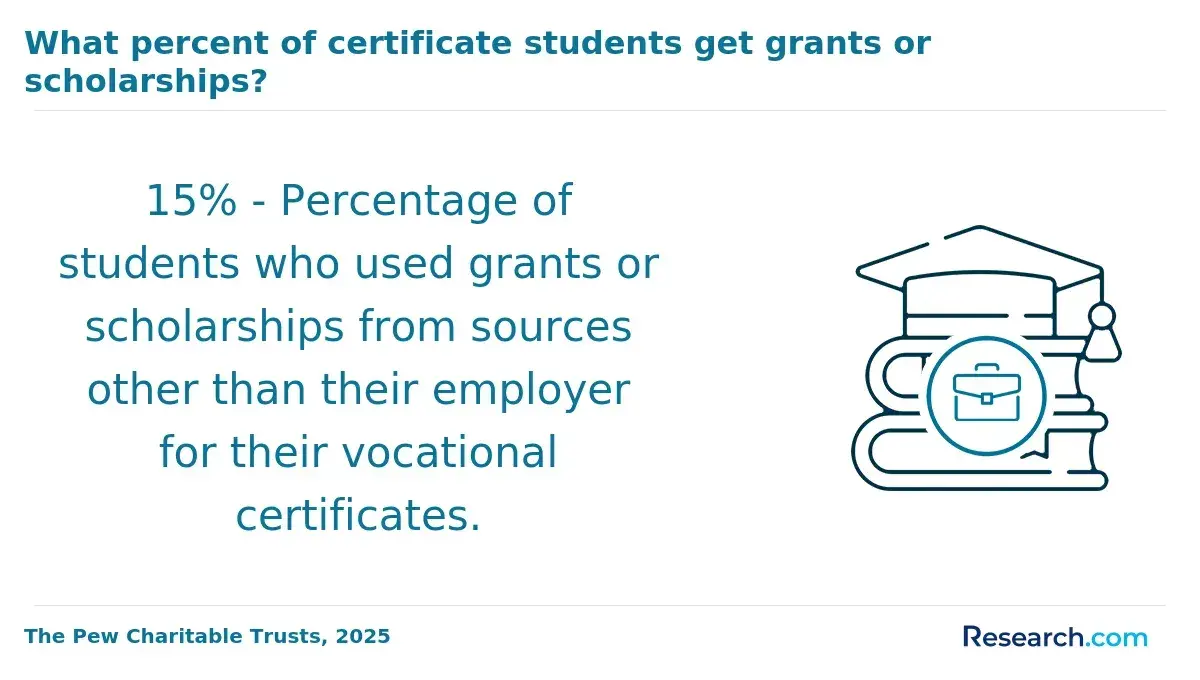
- Financial Responsibilities: Existing financial commitments like mortgages and childcare pressure adult learners to sustain income while investing in education. Budgeting carefully and exploring financial aid options are important steps to address these concerns.
- Adapting to Technology: Returning students may face challenges adapting to new learning environments, including learning management systems and statistical software. Developing digital literacy and utilizing academic support services ease this transition.
- Overcoming Self-Doubt: Many adults worry about age differences or academic performance. Building confidence through gradual academic successes and connecting with peers in similar situations helps maintain motivation and resilience.
For those interested in related fields, exploring online MFT programs accredited can offer additional educational insights and opportunities.
Can you work full-time while earning a statistics degree at 40?
Balancing a full-time job while pursuing a statistics degree at 40 is demanding but achievable with strong motivation and careful organization. Adults at this stage often apply effective time management and goal-setting skills to navigate both work and study responsibilities successfully.
This balance illustrates that age and current commitments do not hinder academic progress, reinforcing the idea that pursuing a degree later in life remains entirely within reach. Maintaining focus and discipline during this period can lead to personal growth and enhanced confidence in handling complex tasks.
When asked about his experience, a professional over 40 currently enrolled in a statistics bachelor's program described the journey as "both challenging and rewarding." He shared that "juggling work deadlines alongside assignment due dates requires constant prioritization and sometimes late nights."
Despite occasional fatigue, he emphasized that "seeing gradual progress and applying what I learn at work keeps me motivated." He also noted the importance of "having a supportive network and being adaptable to unexpected changes," which has helped him maintain momentum throughout his studies.
Flexibility is crucial for adult learners around age 40 pursuing a bachelor's degree in statistics, as many balance work, family, and other commitments. Adapting education to fit these demands helps prevent overwhelm and supports consistent progress toward academic goals.
Online Learning: Offers freedom from location limits and 24/7 access to lectures and assignments. This format suits those requiring adaptable schedules and supports online statistics bachelor's degree programs for adult learners who prefer studying at their own pace.
Part-Time Enrollment: Allows students to take fewer courses each term, easing the workload and enabling better focus. Many find part-time statistics degree options for working professionals to be an effective way to balance study with ongoing responsibilities.
Evening and Weekend Classes: Designed for individuals with daytime obligations, these classes provide opportunities to attend in person or virtually outside usual business hours, making education attainable despite busy work or family lives.
Self-Paced Study: Programs featuring asynchronous lectures or recorded sessions let learners complete coursework when it suits them. This flexibility is vital for managing multiple priorities while steadily advancing toward a degree.
For those considering a more accelerated path, exploring options like an accelerated MBA may also provide insight into efficient educational models adaptable to adult learners' needs.
Earning a statistics bachelor's degree around age 40 often parallels the time investment of younger students but is shaped by unique personal and academic factors. While the standard timeline ranges from three to four years full-time, many older learners find their path varies based on individual circumstances.
- Course Load: A full-time schedule typically shortens completion time, but many in their 40s opt for part-time study to juggle work and family, which can extend the duration.
- Prior Credits: Transferable college credits or recognized learning can reduce the time needed, whereas starting fresh with no previous coursework usually requires the full typical timeframe.
- Life Responsibilities: Balancing employment, caregiving, and other commitments often impacts how much time can be devoted each semester, influencing the overall length of the program.
- Accelerated Options: Some adult learners accelerate progress through summer courses or intensive sessions, although this demands availability and energy that not everyone can spare.
An adult learner who returned to college at 40 to complete her statistics degree shared that managing coursework alongside a full-time job and family was challenging but rewarding. She recalled feeling initially overwhelmed by the pace but found motivation in clear goals and structured planning.
"There were moments when time felt tight, but breaking my studies into manageable steps kept me on track," she said. Her experience highlights that flexibility and perseverance not only make finishing a degree at 40 possible but can also enhance personal growth and academic success.
The average cost of earning a statistics bachelor's degree in the U.S. can range widely, often surpassing $30,000 annually depending on the institution. These expenses require careful consideration, especially for those returning to education around age 40, balancing both immediate and longer-term financial factors.
- Tuition Variation: Tuition rates differ significantly by school type, including public, private, and online colleges. In-state tuition discounts can reduce costs substantially, while credit hour pricing means course load affects overall spending.
- Learning Resources: Required materials such as textbooks, specialized software, and access to databases add to expenses. These elements are essential for success in statistics programs and represent a meaningful investment beyond tuition.
- Enrollment Pace: Part-time versus full-time study impacts total costs and time to completion. Part-time students may spread out expenses but face extended costs in living and other fees, while full-time study demands a larger upfront payment but shorter duration.
- Additional Fees: Institutions commonly charge extra for technology, labs, and administrative services. Though usually smaller than tuition, these fees should be included in budgeting plans.
- Indirect Expenses: Adult learners often encounter costs outside of school fees, such as childcare, transportation, or reduced work hours. These indirect costs can affect affordability and should be factored into overall financial planning.
Returning to college at 40 to pursue a bachelor's degree in statistics requires thoughtful consideration of several challenges. Adult learners often face unique hurdles compared to traditional students, which can impact their academic success and overall experience.
Recognizing these potential risks allows for better preparation and a more realistic approach to earning a degree later in life.
- Workload Demands: Statistics programs demand strong analytical skills and consistent study, which can be intense and time-consuming. Balancing this increased academic workload with existing personal and professional obligations can create significant pressure.
- Adjustment to Academic Environment: Returning students may encounter different teaching styles, updated technology platforms, and new classroom dynamics from what they previously experienced. Adapting to these changes requires patience and effort to effectively engage with coursework and peers.
- Balancing Responsibilities: Managing family, work, and social commitments alongside schoolwork is often challenging. Effective time management is essential to avoid burnout and maintain steady progress toward degree completion.
- Maintaining Motivation: The sustained rigor of statistics coursework over multiple years can be demanding. Learners may face fatigue or feelings of overwhelm, making it important to cultivate resilience and seek support when needed.
Despite these challenges, many adult learners succeed by leveraging strong planning, building support networks, and keeping a clear goal in sight. These strategies help make returning to college at 40 an achievable and rewarding experience.
Starting a new career at 40 with a statistics bachelor's degree is achievable and increasingly common. This degree provides essential skills in data interpretation, analytical thinking, and problem-solving, which are highly sought after in fields like finance, healthcare, technology, and government.
Adult learners pursuing the best careers with a statistics degree after 40 can leverage their educational background to enter data-driven industries with confidence. The comprehensive training in statistical methods and software equips graduates to adapt and thrive in various professional roles.
Current workforce trends show a growing openness to career changes and educational advancement for adult learners. Programs tailored to non-traditional students make starting a statistics degree and changing careers at 40 more accessible than ever, reflecting a shift toward valuing adaptability over age.
This evolving landscape encourages continuous learning and highlights the importance of skill acquisition, aligning with broader cultural movements supporting career reinvention.
For those exploring potential career outcomes, understanding the project management degree salary and related fields can also provide insight into viable paths connected to statistical expertise.
Employers generally value statistics bachelor's degrees earned at 40 years old because they recognize how education paired with life experience can enhance a candidate's professional appeal. Research indicates that nearly 40% of adult learners pursue degrees later in life, reflecting a growing acceptance of non-traditional students in the workforce. This trend positively affects career prospects for statistics graduates over 40, who bring both academic knowledge and practical insight.
When evaluating applicants with a statistics degree earned at 40, employers often consider several key perspectives:
- Skill Relevance: The mathematical, analytical, and data management skills gained through a statistics degree are highly applicable to current industry challenges, allowing mature graduates to contribute immediately.
- Professional Experience Integration: Combining prior work experience with academic training gives candidates a unique perspective that often surpasses that of younger graduates, enhancing problem-solving abilities and decision-making.
- Commitment to Lifelong Learning: Pursuing a degree later in life signals motivation and discipline, qualities employers value in data-driven roles where continuous learning is essential.
- Adaptability and Resilience: Returning to school at 40 demonstrates an ability to overcome challenges and adapt to evolving technologies and methodologies in the field.
- Communication and Leadership: Mature students often bring stronger interpersonal and leadership skills, improving teamwork and project management outcomes.
Overall, statistics degrees earned at 40 are often viewed as valuable assets when paired with relevant experience and a dedication to growth. Adult learners interested in advancing their education might also explore related opportunities in ASHA accredited SLP programs that align with workforce trends and continued career development.
Preparing to apply for a statistics bachelor's degree requires careful planning to build a strong academic foundation and manage personal commitments. For adult learners, especially those aged 40 and above, prioritizing readiness is crucial; about 40% of first-time college students take a gap of more than two years before enrolling, which can affect their preparedness. Early steps help clarify program demands and align expectations, supporting better decision-making.
To ensure you are well-prepared, consider the following key areas:
- Review Academic Background: Evaluate your current skills in math areas like algebra, calculus, and probability since these topics are essential for statistics courses. Strengthening weaknesses beforehand can enhance your confidence and success.
- Understand Program Requirements: Investigate admission standards, prerequisite classes, and degree structure. Knowing this helps you confirm eligibility and identify any preparatory courses needed before enrolling.
- Evaluate Learning Formats: Reflect on whether on-campus, online, or hybrid instruction best fits your lifestyle and learning habits. This choice impacts scheduling flexibility and interaction with instructors and peers.
- Prepare Documentation: Collect transcripts, test results, and any relevant academic or professional credentials to support your application. Having these ready reduces stress and speeds up the process.
What Graduates Say About Earning a Statistics Bachelor's Degree at 40
- Emiliano: "Returning to college at 42 was driven by my desire to pivot into a more analytical and data-driven role. Choosing a statistics bachelor's degree felt like the perfect fit, given how integral data interpretation has become in every industry. Earning this degree at my age not only boosted my confidence but also opened doors to new career opportunities I hadn't imagined possible."
- Jared: "I decided to go back to school at 45 because I wanted to challenge myself intellectually and gain skills relevant to today's job market. A statistics degree interested me due to its broad applicability in business and technology sectors. Graduating with this degree reaffirmed that it's never too late to learn, and it transformed my approach to problem-solving at work."
- Amir: "At 40, I sought a meaningful career change that would align with my passion for numbers and evidence-based decision-making. Pursuing a bachelor's degree in statistics was both a practical and exciting choice, offering me a fresh perspective on data analysis. Completing the degree later in life gave me a unique edge, combining experience with new technical knowledge to advance professionally."
Other Things You Should Know About Statistics Degrees
Students pursuing a statistics degree should have a solid foundation in calculus, linear algebra, and probability theory. These areas are critical because they form the mathematical backbone of most statistical methods and data analysis techniques used in advanced courses.
A 40-year-old pursuing a statistics degree in 2027 may face challenges such as balancing coursework with personal and professional responsibilities, adapting to new technologies, and potentially overcoming age-related stereotypes. However, maturity and real-world experience can be advantageous in comprehending complex statistical concepts.
Programming skills, particularly in languages like R, Python, and SQL, are increasingly essential in statistics. Most programs integrate data analysis projects that require coding, so gaining proficiency in at least one programming language is vital for success.
Most statistics bachelor’s programs require at least calculus I and often calculus II before graduation, while linear algebra is frequently recommended or required in upper-division coursework. Some universities let adult students begin with prerequisite math courses and finish the degree in about four years part-time or two to three years with transfer credits.
- Adult Postsecondary Learners: Reviewing the Data and Evidence https://www.jff.org/idea/adult-learners/
- Average Cost of College [2025]: Yearly Tuition + Expenses https://educationdata.org/average-cost-of-college
- Adult learners: who they are and what they want out of college | EAB https://eab.com/resources/blog/adult-education-blog/adult-learners-who-they-are-what-they-want-college/
- Facts about working full-time as a full-time student https://www.luminafoundation.org/topics/todays-students/working-adults/
- Is 40 Too Late For A Bachelor's Degree? https://ftp.bills.com.au/lunar-tips/is-40-too-late-for-a-bachelors-degree-1764816620
- Do Employers Value the Bachelor’s Degree Too Much? | New England Board of Higher Education https://nebhe.org/journal/do-employers-value-the-bachelors-degree-too-much/
- It's Never Too Late: Why It's Ok to Go Back and Get Your Degree in Your 40s https://www.pointloma.edu/resources/accelerated-undergraduate/its-never-too-late-why-its-ok-go-back-get-your-degree-your-40s
- Going Back to School at 40? Here’s How to Succeed | Outlier https://articles.outlier.org/going-back-to-school-at-40
- Top 5 Ways Prospective Adult Learners are Finding Your Programs • Advance Media New York https://www.advancemediany.com/top-5-ways-prospective-adult-learners-are-finding-your-programs/
- 10 Best Degrees for 40 Year Olds | What to study for a new career in your forties https://www.collegeconsensus.com/degrees/forty-year-olds/