2027 Is 40 Too Late to Earn a Sports Management Bachelor's Degree?

Co-Founder and Chief Data Scientist
Facing the prospect of returning to school at 40 can stir uncertainty, especially when juggling established careers and family commitments. For many, pursuing a sports management bachelor's degree represents a bold shift driven by personal fulfillment or the desire to enter a dynamic industry projected to grow 11% by 2030.
Balancing coursework with life's responsibilities and leveraging previous professional skills are crucial challenges and advantages alike. As flexible online programs become more accessible, the path to earning this degree later in life is transforming.
This article explores whether 40 is too late to earn a sports management bachelor's degree and examines key factors shaping this decision.
Key Things to Know About Whether 40 Is Too Late to Earn a Sports Management Bachelor's Degree
- At midlife, earning a sports management degree can align with substantial industry growth, as sports-related employment is projected to increase by 6% over the next decade.
- Modern degree programs offer flexible online and part-time options, accommodating working adults and family commitments without sacrificing educational quality.
- The degree supports long-term gains, enhancing leadership skills and expanding networks, which boost career advancement and personal fulfillment well beyond initial graduation.
Can You Start a Sports Management Bachelor's Degree at 40?
Starting a sports management bachelor's degree at age 40 is entirely achievable in the US, as there are no formal age restrictions that limit enrollment in undergraduate programs. Higher education pathways have evolved to become more accessible, recognizing that adult learners bring valuable perspectives to their studies.
For those considering the best age to pursue a sports management degree as an adult learner, institutions increasingly welcome students at all life stages, ensuring opportunities remain open regardless of when one begins their academic journey.
Colleges and universities support adult learners through inclusive academic structures that accommodate diverse backgrounds and experiences. These institutions design programs and support systems to foster a welcoming environment for non-traditional students, emphasizing a culture of inclusivity and respect for mature students' contributions.
Many offer dedicated resources tailored to adult learners, enhancing engagement and success without focusing solely on the logistical aspects. For those interested in similar paths, there are also options like the RN to BSN program without clinicals, which exemplifies programs designed with varying learner needs in mind.
What Are the Biggest Challenges of Going Back to College at 40?
Returning to college at 40 brings distinct challenges that many adult learners must face. According to studies, adults over 40 make up a growing portion of college enrollees, yet balancing life demands can complicate their educational goals. Those considering earning a sports management bachelor's degree often encounter obstacles that require practical strategies to overcome.
- Balancing Family and Work Commitments: Many mature students juggle parenting, caring for aging relatives, and job responsibilities. This balancing act demands strong organizational skills and realistic scheduling to maintain progress without burnout, especially when managing coursework alongside daily duties.
- Financial Concerns: Budgeting for tuition, books, and living expenses while handling existing financial obligations is another significant hurdle. Careful financial planning becomes essential to avoid stress that could detract from academic focus.
- Adjusting to New Technology: Adult learners may be less familiar with digital platforms used in modern education, such as learning management systems or virtual classrooms. Embracing these technologies with patience and accessing support resources early can make adapting smoother.
- Overcoming Self-Doubt and Anxiety: Returning to school after many years can provoke worries about academic performance or fitting in with younger classmates. Focusing on personal motivation and remembering that many share these feelings helps build confidence and persistence.
Additionally, those facing academic challenges for mature students in sports management can explore relevant resources to enhance their skills.
For those weighing their options, exploring programs like a healthcare administration degree online might also provide insights into balancing education with life obstacles.
Can You Work Full-Time While Earning a Sports Management Degree at 40?
Balancing a full-time job while pursuing a sports management bachelor's degree at age 40 is entirely achievable with discipline and effective time management. Many adult learners successfully integrate work and study by setting clear priorities and establishing consistent routines that accommodate work commitments alongside academic responsibilities.
This combination often enhances motivation since professional experience enriches academic understanding, creating a stronger connection between theory and practical application. Managing both roles requires determination and adaptability, qualities that underscore the idea that it is never too late to earn a degree and advance personal and professional goals.
A professional over 40 currently enrolled in a sports management degree shared that juggling work and school demands can feel overwhelming at times, especially when deadlines coincide with busy work periods. He noted, "There have been nights I stayed up late just to complete assignments, but breaking tasks into smaller goals really helped."
He emphasized the importance of support from family and coworkers, saying, "Having people who understand what I'm doing makes a big difference." Despite challenges, he expressed a sense of accomplishment and growing confidence, reflecting, "It's tough, but knowing I'm investing in my future keeps me going."
Flexibility plays a crucial role for adult learners, especially those around 40, juggling education alongside jobs, families, and other commitments. Choosing a program that fits into a busy schedule can significantly impact the ability to complete a sports management bachelor's degree without excessive stress.
- Online Learning: Virtual courses offer unmatched freedom, allowing students to attend lectures and complete assignments anytime and anywhere. This format removes geographic barriers and fits well with varied daily routines, making flexible online sports management degree programs a top choice for many mature students.
- Part-Time Enrollment: Opting for fewer classes each term helps manage academic workload while balancing personal and professional demands. Part-time sports management bachelor's degree options enable consistent progress without overwhelming responsibilities.
- Evening or Weekend Classes: Scheduled outside normal working hours, these courses provide the benefit of in-person interaction while respecting full-time job commitments. This option is ideal for those seeking structure alongside flexibility.
- Self-Paced Study: Some programs allow learners to complete work on their own timeline, offering control over study speed and deeper content absorption. Prospective students can explore a self paced accredited online college to find programs designed around adult learners' needs.
Completing a sports management bachelor's degree around age 40 often takes longer than the traditional four years, mainly due to balancing education with other life responsibilities.
Many adult learners find that part-time study or prior credits can significantly impact their pace. While age itself isn't a barrier, individual circumstances shape the timeline.
- Course Load: Enrolling full-time usually leads to quicker completion, but many choose part-time study to manage work and family, extending the overall duration.
- Transfer Credits: Previous college credits or relevant certifications can reduce the number of courses needed, shortening the time to graduate.
- Life Responsibilities: Jobs, caregiving, and personal commitments often limit course selection each semester, affecting how fast the degree is earned.
- Time Management: Efficient planning of studies around other obligations can help maintain steady progress despite competing priorities.
One adult learner who returned to college at 40 shared how she completed her sports management degree in five years while juggling a full-time job and family. She described the challenge of balancing late-night study sessions with parenting duties, saying, "It required patience and flexibility, but every milestone felt rewarding."
By leveraging transferable credits and carefully selecting part-time semesters, she maintained momentum. Reflecting on her journey, she emphasized that while it was occasionally stressful, the ability to apply real-world experience to her coursework made the process meaningful and completely worth the effort.
The average cost for a bachelor's degree in sports management in the U.S. can range from $20,000 to over $60,000 depending on the school and program format. This broad variance makes it essential to consider several key factors that influence the total price for those returning to college at 40.
- Tuition Fees: The largest expense usually comes from tuition, which differs based on whether the institution is public or private, its geographic location, and the delivery method of the program. Full-time enrollment often leads to higher upfront costs but may shorten the time needed to graduate.
- Learning Materials: Costs for textbooks, specialized software, and access to online resources can add a notable amount to the budget. Some schools include these fees in tuition, while others require separate purchases, so it is important to clarify this before enrolling.
- Additional Fees: Enrollment comes with extra charges such as registration, technology, activity, and graduation fees. Though usually smaller than tuition, these fees accumulate and vary by institution, impacting the overall cost.
- Enrollment Intensity: Whether a student attends full-time or part-time affects both total expenses and how quickly the program is completed. Part-time schedules may spread out costs but extend the time before entering the workforce or advancing a career.
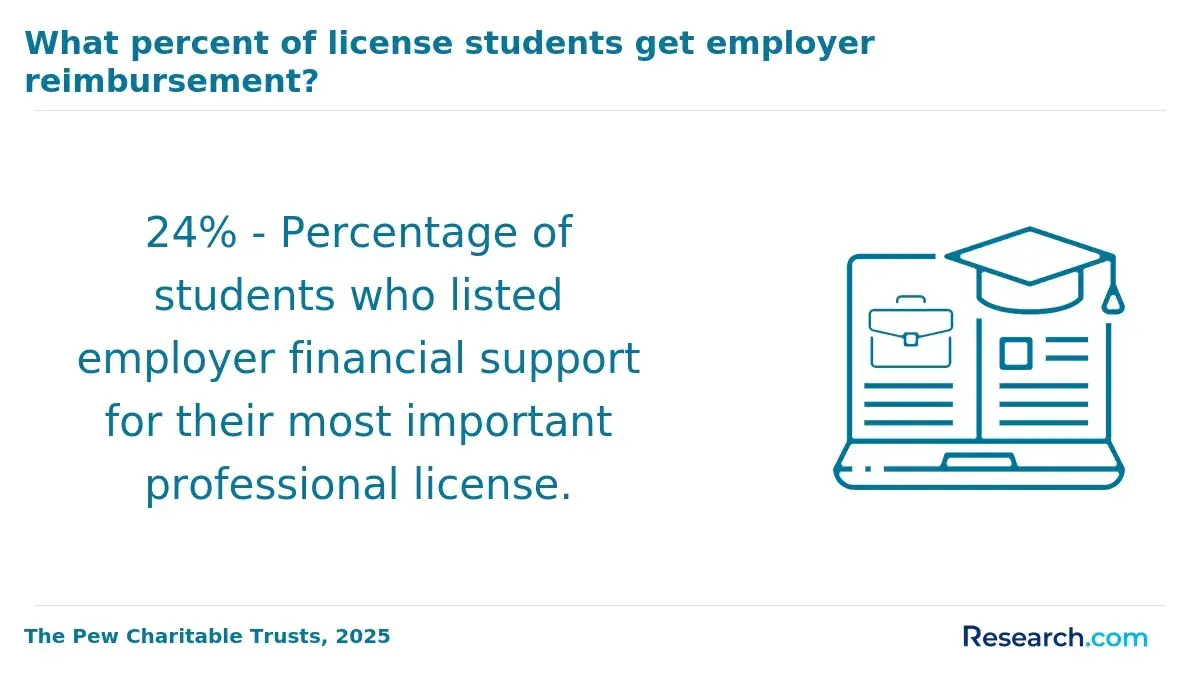
- Financial Aid Opportunities: While scholarships, grants, and employer reimbursement programs do not lower the published prices, they can significantly reduce out-of-pocket costs. Researching and applying for aid is an important step for adult learners to manage expenses.
Returning to college at 40 to pursue a sports management bachelor's degree involves navigating unique risks that can affect academic success. While many mature students thrive, it's important to recognize the potential obstacles to prepare adequately.
Awareness of these factors can help adult learners create realistic plans and expectations. Several challenges commonly arise for those reentering higher education later in life, including the following considerations:
- Workload Demands: Managing consistent study hours, frequent assignments, and active participation can be difficult when balancing other life responsibilities. The academic rigor may feel more intense compared to previous educational experiences.
- Academic Adjustment: Older students may need to adapt to modern classroom dynamics, new technology platforms, and different teaching styles. This learning curve requires patience and flexibility.
- Balancing Responsibilities: At this stage, family, work, and social commitments often compete for time and energy. Strong organization and time management skills are essential to juggle these demands alongside college coursework.
- Motivation Challenges: Sustaining drive can be hard when faced with fatigue from multiple roles. Staying focused amid distractions is key to continuous progress.
- Social Integration: Returning students might struggle to connect with younger peers who have different social interests and experiences, which can affect engagement and support networks.
Despite these risks, many adult learners successfully earn their sports management degrees by leveraging life experience and discipline. Recognizing these challenges early allows students to approach their education with realistic strategies and confidence.
Starting a sports management career after 40 is not only possible but often beneficial, as earning a sports management bachelor's degree provides essential skills in marketing, finance, event management, and leadership tailored to the sports industry.
For those making a career change to sports management in adulthood, this education updates expertise, enhances professional credibility, and opens opportunities in sports organizations, athletic administration, or event coordination.
Prior experience in unrelated fields does not hinder entry into this sector, as the degree equips adult learners with industry-specific knowledge and a renewed commitment to growth.
Workforce trends increasingly support adult learners and career changers entering new professions later in life, recognizing the value of diverse perspectives and maturity alongside formal education. Educational institutions have adapted by creating programs that cater to non-traditional students, reflecting broader societal shifts toward lifelong learning and continuous skill development.
These expanding professional pathways emphasize that age is not a barrier to change when combined with relevant credentials and adaptability. For those interested in further advancing their education, exploring options such as dietetics masters programs can provide additional avenues for growth and specialization within related fields.
Employers generally value a sports management bachelor's degree earned at age 40, recognizing not only the formal education but also the extensive life and professional experiences mature students bring.
According to data from the National Center for Education Statistics, nearly 40% of adult learners aged 25 and older participate in higher education, demonstrating broad workforce acceptance of non-traditional students. This trend reflects positive employer perceptions of degrees earned later in life combined with practical experience.
When considering perceptions of sports management degrees earned later in life, employers often focus on several key factors:
- Skill Relevance: Employers look for programs that provide current industry knowledge and applicable skills aligned with today's sports business environment, ensuring candidates are prepared for modern challenges.
- Professional Experience Integration: Candidates who bring established work histories and life lessons can offer valuable perspectives and enhance organizational contributions beyond academic knowledge alone.
- Continuous Learning: Returning to education at midlife highlights a commitment to ongoing personal and professional development, traits seen as beneficial in the evolving sports industry.
- Adaptability and Resilience: Older students often demonstrate flexibility and persistence, qualities employers prioritize to navigate the shifting demands of sports management careers.
- Networking and Maturity: Many mature students possess well-developed interpersonal skills and professional networks that can positively impact team dynamics and business growth.
For adult learners exploring education options, programs like the best online RN to BSN programs illustrate how non-traditional pathways effectively serve midlife students committed to career advancement.
Careful preparation is key when applying to a sports management bachelor's program, especially for adult learners balancing multiple commitments. Planning early boosts academic readiness and helps make well-informed choices throughout the application process.
Studies indicate that 68% of adult students who prepare their applications ahead of time enroll within six months. Consider these essential steps before submitting your application:
- Review Academic Background: Assess your past coursework and credits to identify any prerequisite classes needed to meet program entry requirements. A background in business, communication, or sports science often supports success in sports management studies.
- Understand Program Requirements: Explore admission criteria, curriculum details, and specialization options. Aligning these factors with your career goals ensures you select the best fit for your academic and professional aspirations.
- Evaluate Learning Formats: Compare on-campus and online programs, noting which format complements your schedule and learning preferences. Many institutions offer flexible options designed specifically for adult learners.
- Prepare Documentation: Gather necessary materials such as transcripts, letters of recommendation, and personal statements well in advance to reduce last-minute stress and meet application deadlines smoothly.
What Graduates Say About Earning a Sports Management Bachelor's Degree at 40
- Blaine: "Returning to college at 42 felt daunting, but pursuing a sports management bachelor's degree gave me a clear direction for my career transition. I chose this path because I wanted to combine my love for sports with business skills, which I hadn't explored before. Earning this degree has opened doors I never thought possible, proving it's never too late to redefine your professional life."
- Graham: "Going back to school at 45 was a deeply personal decision fueled by a desire to stay relevant in the evolving sports industry. I picked sports management because it offered a perfect blend of passion and practical knowledge, allowing me to leverage my years of experience with fresh expertise. This degree has boosted my confidence and provided tangible opportunities that have significantly advanced my career."
- Corey: "At 40, I realized that shifting gears professionally would require formal education, which led me to pursue sports management. The decision was strategic: I aimed to capitalize on my background while gaining specialized skills in the sports field. Completing the degree has made a substantial impact, enhancing my credibility and expanding my network within the industry."
Other Things You Should Know About Sports Management Degrees
A sports management bachelor's degree prepares graduates for various roles such as athletic administration, sports marketing, event management, and facility operations. For those over 40, this degree can facilitate transitions into leadership, coaching, or business development roles within sports organizations and leagues. Experience combined with education can enhance opportunities in specialized areas like sports analytics or agent representation.
Internships and practical experiences are essential components of sports management programs and are typically open to students of all ages. Older students may leverage their prior work experience to engage in more strategic roles or project leadership during internships. While some organizations prioritize younger candidates for entry-level roles, mature students often bring valuable perspectives that can enrich their placements.
Earning a degree at 40 can enhance eligibility for various graduate programs, with mature students often bringing valuable life experience and career insights. Admissions largely focus on academic performance and relevant experience, meaning age isn't typically a barrier to further study.
Yes. Most accredited universities accept transfer credits from regionally accredited colleges, and many bachelor’s programs cap transferable credits at about 60 to 90 semester hours. Schools usually require a minimum grade of C and a completed transcript review before awarding the credit.
- Types of Sports Management Degrees https://www.allbusinessschools.com/sports-management/degrees/
- How to study sports management? https://www.monaco.edu/en/faq-all-the-answers-to-your-questions-3/how-to-study-sports-management/
- 50 Most Affordable Urban Schools for Sports Management - Sports Management Degree Guide https://www.sports-management-degrees.com/affordable-urban-colleges/
- Can I Work Full-Time While Earning an Online Degree? https://www.athens.edu/online-degree-completion-programs-working-adults/can-i-work-full-time-while-earning-an-online-degree/
- What can I do after a Bachelor's degree in sport? - INSEEC https://www.inseec.com/en/guides/career-path-guide/what-can-i-do-after-a-bachelors-degree-in-sport/
- Age Doesn’t Matter: How to Pivot Into a Career in Sports https://www.sportsmanagementworldwide.com/content/age-doesn%E2%80%99t-matter-how-pivot-career-sports
- Bachelor of Sports Management: What You Should Know - ICMS https://www.icms.edu.au/degree-discovery/10-things-people-ask-about-a-bachelor-of-sports-management/