2027 Online Sports Management Bachelor's Degree Programs With Monthly Start Dates

Co-Founder and Chief Data Scientist
Many prospective students struggle to find flexibility when enrolling in sports management bachelor's degree programs. Traditional academic calendars can delay career progression for those needing immediate or staggered start options.
Monthly start dates address this issue—allowing learners to begin their studies soon after deciding to enroll. According to recent data, 42% of online sports management students prioritize programs with frequent start dates to accommodate their work or personal schedules.
This article examines the benefits and challenges of online sports management bachelor's degree programs offering monthly start dates and guides readers through key factors such as accreditation, costs, curriculum, and career outcomes.
Key Things to Know About Online Sports Management Bachelor's Degree Programs With Monthly Start Dates
- Online sports management bachelor's degrees with monthly start dates often require a high school diploma or equivalent and prioritize regional accreditation to ensure transferability and quality.
- The curriculum balances foundational courses, major-specific topics, and experiential learning, with tuition costs averaging $300-$600 per credit hour depending on the institution.
- Graduates typically qualify for roles in athletic administration, event coordination, and sports marketing, with industry growth projected at 9% over the next decade.
What Are Online Sports Management Bachelor's Degree Programs With Monthly Start Dates, and How Do They Work?
Online sports management bachelor's degree programs with monthly start dates provide a flexible alternative to traditional semester-based schedules. These programs allow students to enroll each month, creating opportunities for working adults, military personnel, and recent high school graduates to begin their studies without delay.
Many programs feature asynchronous or competency-based delivery models, enabling learners to progress at their own pace without fixed class meeting times. This flexible enrollment approach is ideal for those balancing multiple commitments and seeking personalized pacing.
A typical online sports management bachelor's program requires about 120 credit hours, combining core general education, major-specific courses, and electives.
Monthly start dates facilitate continuous course sequencing, allowing students to begin new classes immediately after completing others. This structure supports steady progress, helping motivated students reduce gaps in their education and accelerate degree completion.
Understanding how online sports management programs with monthly enrollment work is crucial to making informed decisions about time management and course load.
Enrollment trends confirm that programs with flexible start dates are established options within higher education. Data from the National Center for Education Statistics and the Online Learning Consortium indicate steady growth in online enrollments featuring rolling start dates, reflecting a growing demand for accessible education suited to diverse lifestyles and career goals.
Below are important considerations:
- Flexible Enrollment: Monthly start dates eliminate traditional waiting periods, allowing students to begin their degrees when ready, which supports varied schedules and quicker degree completion.
- Program Structure: Programs usually require 120 credit hours, including general education and sports management coursework, with sequencing designed for continuous progress using monthly cohorts.
- Delivery Models: Many courses use asynchronous or competency-based formats to enable self-paced study without fixed schedules, ideal for students balancing work or other obligations.
- Enrollment Trends: National education data confirm steady growth in these flexible programs, showing they are mainstream options for today's diverse student population.
- Article Overview: Detailed guidance on accreditation, admissions, curriculum, financing, and career outcomes helps prospective students make informed decisions about pursuing these innovative programs.
For individuals also interested in related accelerated qualifications, options like the medical assistant program highlight the variety of pathways for career advancement.
Which Regional Accreditation Bodies Approve Online Sports Management Bachelor's Programs With Monthly Start Dates?
Regional accreditation remains the most respected standard for evaluating an online sports management bachelor's degree and strongly influences how employers, graduate schools, and licensure boards assess your qualification.
Regional bodies are nonprofit organizations overseeing colleges within specific U.S. geographic areas, ensuring rigorous academics, qualified faculty, and sufficient resources.
The key regional accrediting agencies include:
- Higher Learning Commission (HLC): serving the central U.S.
- Southern Association of Colleges and Schools Commission on Colleges (SACSCOC): covering the southern states
- New England Commission of Higher Education (NECHE): accrediting institutions in the northeast
- Western Association of Schools and Colleges Senior College and University Commission (WSCUC): overseeing California, Hawaii, and the Pacific region;
- Middle States Commission on Higher Education (MSCHE): responsible for Mid-Atlantic colleges; and
- Northwest Commission on Colleges and Universities (NWCCU): accrediting the Pacific Northwest.
National accreditation typically applies to career or vocational schools and does not carry the same recognition.
To verify a program's accreditation, you can consult the U.S. Department of Education's Database of Accredited Postsecondary Institutions and Programs (DAPIP) or the Council for Higher Education Accreditation (CHEA) database, both essential tools for confirming legitimate regional accreditation.
Some sports management programs may also hold programmatic accreditation specific to the field, providing additional credibility beyond regional approval. Identifying such recognition usually involves checking the program details or contacting the institution directly.
Be cautious of diploma mills and non-accredited schools advertising flexible monthly start dates; their degrees often hold little value with employers and other academic institutions.
For guidance on funding and degree options that maintain high standards, consider exploring resources such as those for a healthcare administration degree, which share many accreditation and program quality concerns relevant for online learners.
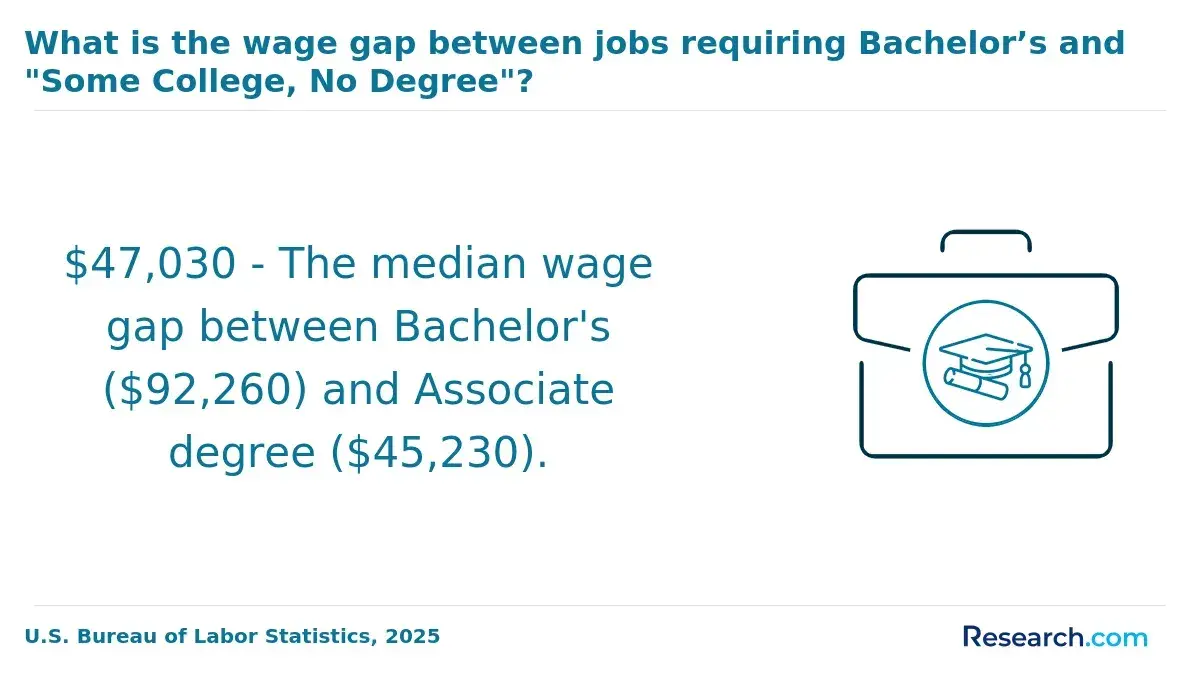
How Do Monthly Start Dates in Online Sports Management Programs Differ From Traditional Semester or Quarter Systems?
Monthly-start online sports management programs provide a more flexible alternative to traditional academic calendars, allowing students to begin their studies throughout the year rather than waiting for fixed semester dates. While this format supports greater accessibility, it also changes how courses are structured, how students interact, and how financial aid is administered.
The following sections outline the key features and considerations of this enrollment model:
- Rolling Enrollment: Monthly online sports management programs allow students to begin at various points throughout the year, unlike traditional semesters where everyone starts and finishes together. This rolling admission model gives learners flexibility to start when their schedules permit.
- Course Sequencing: Students typically follow a structured sequence of courses lasting about a month each, though some programs blend this with self-paced elements. This hybrid approach enables faster completion of some requirements while maintaining overall progression—different from fixed semester offerings limited to certain terms.
- Learning Community: Because cohorts form continuously rather than all at once, peer groups tend to be smaller and change frequently. While this may reduce ongoing cohort cohesion seen in traditional terms, many programs foster engagement through online forums and group projects, supported by faculty accustomed to flexible schedules.
- Instructor Support: Faculty in these programs usually offer strong availability to accommodate staggered enrollments and varied student needs, ensuring personalized assistance regardless of start date.
- Financial Aid Considerations: Monthly start dates pose challenges for federal Title IV aid since funding cycles often rely on fixed academic terms. Students must confirm that enrollment periods and payment schedules align with approved federal standards to secure aid. The U.S. Department of Education's Federal Student Aid office recommends verifying that a program's calendar is officially recognized for Title IV eligibility before applying.
- Confirming Aid Compatibility: Prospective students should request formal documentation from admissions or financial aid offices proving that monthly starts do not jeopardize loan or grant eligibility. Checking accreditation and institutional eligibility further ensures compliance with federal aid rules.
A professional who completed an online sports management bachelor's degree with monthly starts described balancing work and study as both demanding and empowering. Beginning coursework whenever feasible helped him manage job shifts and family obligations without waiting months to enroll.
He noted that while changing peer groups could feel isolating initially, active instructor interaction and online discussion boards fostered connection and motivation.
"It wasn't the traditional cohort experience, but the flexibility made it possible for me to finish my degree without compromising my career," he reflected, emphasizing that frequent start dates turned what could have been a long delay into a manageable, continuous learning journey.
Admissions for online sports management bachelor’s programs with monthly start dates are designed to balance accessibility with academic standards. While most programs require basic qualifications such as a high school diploma and transcripts, many also offer flexible pathways for applicants with varied academic backgrounds.
The following sections outline the key requirements and strategies prospective students can use to strengthen their application:
- High School Diploma or GED: Most online sports management bachelor's degree programs with monthly start dates require applicants to hold a high school diploma or GED as a foundation for admission.
- Official Transcripts: Submission of official transcripts from all previously attended institutions is essential. These transcripts confirm academic history and allow programs to determine eligibility. Transfer applicants often begin with unofficial transcripts during application review, but official records are mandatory prior to enrollment.
- Minimum GPA Thresholds: Programs commonly expect a minimum GPA between 2.0 and 2.5 on a 4.0 scale. More competitive programs might set higher standards. Applicants with lower GPAs may need to submit additional materials such as personal statements or letters of recommendation to strengthen their application.
- Standardized Testing: Many rolling-enrollment online sports management bachelor's programs have removed SAT or ACT requirements to improve accessibility. Yet, selective programs might still request test scores, especially if academic credentials are weak.
- Open-Admission vs. Selective Programs: Most reputable online sports management bachelor's degree programs with flexible monthly enrollment fall under open-admission, catering to diverse learners including working adults and career changers. Selective programs impose stricter academic criteria and often deliver a more distinguished credential.
- Transfer Students: Admissions for transfer candidates include thorough evaluation of prior coursework. Institutions may request detailed course descriptions or syllabi alongside transcripts for credit assessment. Unofficial transcripts can be used initially, but official documents are required before final acceptance.
- Additional Tips: Applicants with weaker academic histories should consider submitting persuasive personal statements, securing robust letters of recommendation, or participating in bridge or preparatory courses to demonstrate readiness and commitment.
For further academic advancement, exploring doctorate in nursing education online programs might offer insight into flexible degree pathways.
Admission to online sports management bachelor's programs with monthly start dates generally requires a minimum GPA between 2.0 and 2.5 on a 4.0 scale, but this varies by institution. Open-admission schools often accept students with a 2.0 GPA, focusing on accessibility, whereas more selective programs tend to ask for GPAs closer to 2.5 or above to ensure academic readiness.
Once enrolled, students usually must keep a minimum cumulative GPA of about 2.0 to maintain financial aid and good standing. Some programs may impose higher GPA standards, like 2.5 or 3.0, to qualify for graduation.
Applicants with GPAs below the stated minimum aren't automatically denied. Many programs provide provisional or conditional admission, offering probationary periods and academic support to help students meet expectations. Appeal procedures are also common, allowing hopeful candidates to request reconsideration under special circumstances.
GPA benchmarks differ across program tiers. Open-entry programs emphasize flexibility and access, moderately selective schools balance standards with opportunity, and competitive programs prioritize superior academic records. Ensuring accurate and current information requires checking each university's academic catalog, since GPA criteria can shift yearly.
- Minimum GPA Range: Most programs require between 2.0 to 2.5, with selective schools expecting higher academic performance.
- Maintaining Eligibility: Students must sustain at least a 2.0 GPA to continue receiving aid and progress in their studies.
- Conditional Admission Paths: Lower GPAs may lead to provisional acceptance, probationary periods, or appeals for exceptions.
- Program Selectivity: Access and rigor vary by program type, influencing the GPA standards applicants face.
- Verify Annually: GPA policies evolve, making it important to consult current academic catalogs.
A professional who pursued this path shared how the flexibility of monthly start dates and the chance for provisional admission made all the difference during her application process.
Despite initial academic struggles, the school's academic support and probation options offered a way to catch up, easing her anxiety. She remarked, "Knowing I wasn't immediately rejected for a lower GPA motivated me to prove myself. The structured progress checks kept me accountable and focused."
Reflecting on her experience, she valued the balance between access and academic expectations, which helped her build confidence to transition successfully into a sports management career.
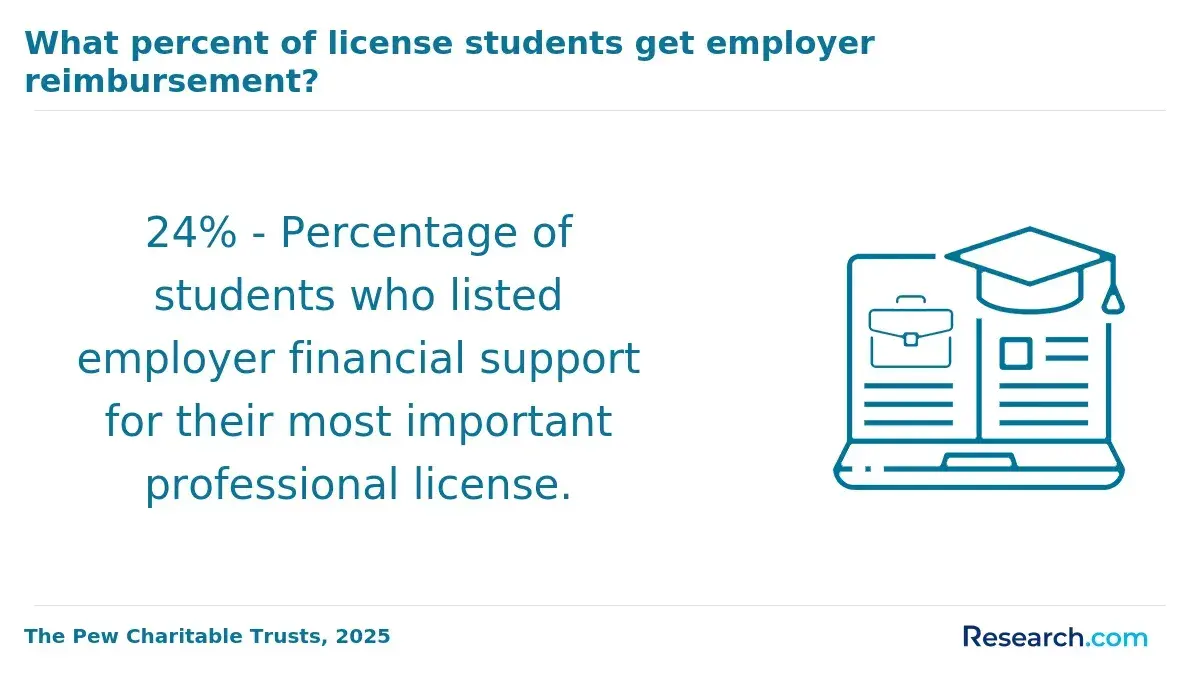
Most online sports management bachelor's degrees require about 120 semester credit hours, with the pace of completion hinging on credit load and enrollment flexibility. Programs featuring monthly start dates help reduce waiting periods between terms, which can speed up graduation compared to traditional semester schedules.
Here are some key considerations:
- Full-Time Study: Enrolling full-time usually involves taking 12 to 15 credit hours each term, allowing students to finish in roughly four years. Monthly enrollment allows for immediate course starts, minimizing breaks and enabling continuous progress.
- Part-Time Study: Students balancing work or military service often take 6 to 9 credits per term. This slower pace can extend degree completion to six years or beyond, but monthly starts help maintain momentum by providing frequent opportunities to enroll without long delays.
- Transfer Credits and Prior Learning: Applying previous college credits or prior learning assessments can shorten the overall time to degree. Monthly enrollment enables students to begin upper-division sports management courses sooner instead of waiting for traditional term start dates, speeding up progress.
- Credit Load and Course Sequencing: The number of credits taken each term directly impacts how quickly students graduate. However, prerequisite requirements often mean students must complete lower-division classes before advancing, which can lengthen the timeline despite flexible start dates.
- Flexibility and Leaves of Absence: Many programs allow students to pause their studies without losing academic progress. This flexibility is crucial for working adults and military personnel who may need to take breaks but want to resume seamlessly thanks to ongoing monthly course availability.
- Potential Risks: It's important to avoid underestimating completion time as not all transfer credits may transfer. Additionally, prerequisite chains can delay entry into upper-level courses, so students should carefully evaluate credit acceptance and plan realistic timelines.
Understanding the cost structure of online sports management bachelor’s programs with monthly start dates is essential for planning both short-term affordability and long-term investment. While tuition is typically charged per credit hour, additional fees, materials, and occasional residency requirements can significantly affect total expenses.
The following sections break down typical costs and available financial aid options to help students compare programs more effectively:
- Tuition and Fees: Online sports management bachelor's programs with monthly start dates usually charge tuition per credit hour, ranging from $300 to $600. Additional fees often include technology charges between $50 and $150 per term and course materials costing approximately $500 to $1,200 annually. Despite being primarily online, some programs require short residencies or practicum experiences that may involve travel or housing expenses, which can increase the overall cost.
- Federal Financial Aid: Students enrolled in these programs qualify for federal aid such as Pell Grants, subsidized and unsubsidized direct loans, and federal work-study options. With rolling admissions, it's important to file the FAFSA annually and adhere to institutional deadlines. Some institutions accept FAFSA submissions year-round to support monthly start dates, but applying early can help maximize available aid.
- Scholarships: Various scholarships exist specifically for sports management students, including awards from professional associations such as the North American Society for Sport Management. Colleges often offer merit- and need-based scholarships that may be automatic or require separate applications. Additionally, state grant programs may provide financial assistance for eligible online learners. Students can find opportunities by exploring databases like the College Board Scholarship Search and Fastweb.
Cost Comparison:
- Program A: $300 per credit hour plus $1,000 annual fees for tech and materials, with an estimated $500 practicum cost; after an average $5,000 in aid, net annual cost about $12,000.
- Program B: $450 per credit hour with $150 term technology fees and no residency requirements; scholarships and grants averaging $7,000 lower net costs to around $15,500 yearly.
- Program C: $600 per credit hour accompanied by $750 materials fees and $1,000 practicum expenses; typical aid of $6,000 reduces net cost to near $20,000 annually.
Several reputable institutions offer top online sports management degree programs with monthly start dates, combining flexibility with academic rigor and professional relevance.
These programs cater well to working adults, career changers, military personnel, and recent high school graduates seeking the best accredited online sports management bachelor's degrees with flexible enrollment.
- Liberty University: Regionally accredited by the Southern Association of Colleges and Schools Commission on Colleges (SACSCOC), Liberty tuition is moderate for a private school and accepts up to 75% of transfer credits, enabling faster degree completion. Its curriculum highlights leadership and ethical decision-making, supported by dedicated advisors and career services to help students progress efficiently.
- Southern New Hampshire University (SNHU): Accredited by the New England Commission of Higher Education (NECHE), SNHU provides competitive tuition and accepts up to 90 transfer credits. Students can finish their sports management bachelor's in as few as three years with monthly starts, benefiting from faculty with professional sports backgrounds and practical internship opportunities.
- Grand Canyon University (GCU): Accredited by the Higher Learning Commission (HLC), GCU offers tuition discounts for military and veteran students and accepts up to 90 credits for transfer. The program covers marketing, facility management, and sports law, with small class sizes that facilitate personalized attention from instructors.
- California Baptist University (CBU): WASC-accredited, CBU features a comprehensive sports management curriculum, including event planning and sports analytics, plus strong experiential learning through local sports partnerships. Monthly starts and generous transfer credit policies—up to 90 credits—help accommodate diverse schedules despite its higher tuition.
- Columbia College: Also accredited by the Higher Learning Commission, Columbia serves military-affiliated students well, with competitive tuition and substantial transfer credit acceptance. Their curriculum focuses on management principles, sports marketing, and ethics, supported by round-the-clock tech help and career counseling to ensure steady progress.
Evaluating a program's reputation requires going beyond rankings. Employer partnerships that open pathways to internships and jobs, alumni career outcomes data, faculty credentials reflecting industry expertise, and low student-to-instructor ratios are key factors
Ultimately, a program's standing within the sports management field and its appeal to target employers often outweigh a university's broader prestige.
Exploring career-related questions like how much does a medical coder make may provide useful insights into salary expectations in related career fields, helping inform educational investment decisions.
Students pursuing an online sports management degree curriculum typically engage in a diverse mix of general education and specialized courses to develop a well-rounded skill set. The general education requirements usually include English composition, mathematics, social sciences, and communication, which build a broad academic foundation essential for professional success.
Courses in online sports management bachelor's programs begin with lower-division classes focusing on the history and philosophy of sports, principles of management, marketing basics, and an introduction to sports law. These foundational topics introduce students to the multi-dimensional nature of the sports industry and prepare them for advanced study.
Upper-division major courses cover more complex areas such as sports finance, event management, sponsorship strategies, facility management, and ethics in sports. Many programs offer electives or concentrations that align with distinct career goals-such as athlete representation, sport media, coaching administration, or sports analytics-allowing students to tailor their education to specific industry sectors.
Applied learning opportunities set quality online sports management programs apart. Students often participate in capstone projects, real-world practicums, simulations, and employer-integrated projects or internships that closely simulate industry challenges and create meaningful professional experience.
Technology integration is also significant, with access to sports management software, analytics platforms, and industry databases. Memberships in professional organizations provide valuable networking and continuous learning resources. This approach equips graduates with leadership, strategic thinking, and operational skills crucial across diverse sports careers.
Individuals exploring various degree options might also consider related offerings like the fast online master's in healthcare management for expanding their management expertise beyond sports.
Monthly-start online sports management programs cater to adults juggling work, family, and other commitments by offering flexible and accessible learning options.
Asynchronous courses and on-demand lectures allow students to study when it suits them best, while flexible deadlines accommodate unexpected life events. Mobile-friendly platforms enable access to coursework anywhere, supporting busy lifestyles without sacrificing academic progress.
These programs often provide tailored support services for non-traditional students, including dedicated academic advisors who understand challenges like imposter syndrome and technology anxiety.
Career counseling focuses on career changers, and military and veteran support offices assist with credential recognition and transition services. Disability accommodations and peer tutoring available beyond standard hours further enhance accessibility.
Adult learners reentering academia frequently face hurdles related to academic writing and research skills. Many schools offer writing centers and technology help desks to smooth this adjustment. Programs that grant credit for prior learning—via CLEP exams, portfolio assessments, or military training credit—can reduce both the time and expense required for degree completion.
According to the National Center for Education Statistics, over 40% of online college students are age 30 or older, highlighting the strong demand for flexible programs designed for adult learners.
- Flexible Scheduling: Monthly start dates combined with asynchronous courses let students begin at any time and learn at their own pace, ideal for managing multiple responsibilities.
- Accessible Support Services: Dedicated advisors, veteran offices, and extended tutoring provide customized support tailored to non-traditional learners' needs.
- Technology and Writing Assistance: Resources like writing centers and IT help desks help ease challenges in academic skills and online learning environments.
- Credit for Prior Learning: Awarding credit through exams, portfolios, or military experience can reduce coursework, saving students time and money.
- Mobile Learning Platforms: Mobile access to course materials allows students to study flexibly from any location.
The sports management field offers steady career growth, supported by the continued expansion of professional sports, media, and digital entertainment industries. Graduates can expect a range of entry-level opportunities, with advancement potential influenced by experience, specialization, and location.
The following sections outline key employment trends, salary expectations, and emerging career paths in this evolving industry:
- Employment Growth: The Bureau of Labor Statistics forecasts a 9% increase from 2022 to 2032 in roles related to sports management, such as agents, coaches, and marketing specialists. This faster-than-average growth reflects rising industry demand driven by expanding sports media and entertainment sectors.
- Salary Expectations: Entry-level roles like event coordinators and sports information specialists generally earn between $40,000 and $55,000 annually. More experienced professionals-including athletic directors and sports agents-often command salaries from $70,000 to $90,000 or higher, especially in metropolitan areas with prominent sports markets.
- Career Paths: A bachelor's degree typically qualifies graduates for initial roles in sports marketing, sales, or event management. Advancement to leadership positions such as athletic director or brand manager may require considerable experience or a master's degree, particularly within large organizations or collegiate athletics.
- Regional Variation: Data from Lightcast and the Economic Policy Institute reveal stronger job availability and pay in states with major professional sports franchises, including California, New York, and Florida. Increasingly, many roles accommodate remote or digital work, particularly in areas like sports analytics and content creation, broadening opportunities beyond geographic constraints.
- Emerging Fields: Workforce reports highlight rising opportunities in esports management, digital marketing, and sports data analytics. Graduates who combine sports management expertise with technology and data analytics skills stand to benefit from these expanding sectors and evolving industry needs.
What Graduates Say About Their Online Sports Management Bachelor's Degree Programs With Monthly Start Dates
- Benny: "Choosing this online sports management bachelor's degree was a game changer for me because of its accreditation-it really ensured that the education I received met industry standards. The admission process was straightforward, which made starting each monthly cohort simple and stress-free. Plus, the program's balance of theory and practical application gave me the confidence to pursue roles I hadn't considered before."
- Greyson: "Reflecting on my time in the sports management program, I appreciate how the curriculum was both comprehensive and affordable-something that made continuing my education feasible without overwhelming financial strain. The courses covered everything from event planning to sports marketing, helping me build a versatile skill set. Ultimately, this helped me transition smoothly into the professional world of sports administration."
- Cooper: "The career-focused approach of the sports management degree was exactly what I needed to advance professionally-each class felt relevant and directly applicable to industry demands. I valued how monthly start dates allowed me to jump in without delay, adapting to my hectic schedule. The program's strong connections to sports organizations opened doors that I otherwise wouldn't have found on my own."
Other Things You Should Know About Sports Management Degrees
Transfer credit policies vary by institution, but many online sports management programs with monthly start dates accept credits from accredited colleges to help students accelerate their degree completion. Prior learning assessments, such as evaluation of work experience, military service, or professional certifications, may also be available to award credit. Prospective students should consult admissions advisors early to understand how their previous education and experience can be applied toward degree requirements.
Yes. Many online sports management bachelor’s programs accept transfer students and offer monthly start dates, with admission on a rolling basis. Schools usually require official transcripts, a minimum 2.0 GPA, and completion of 30 or more transferable semester credits before enrolling in upper-division sport management courses.
Employers increasingly recognize online degrees, especially from regionally accredited colleges, as equivalent to traditional on-campus programs. Programs with monthly starts demonstrate flexibility and self-motivation-qualities valued in the sports management field. Graduates should ensure their program has strong industry connections and internship opportunities to enhance practical experience and employment prospects.
- What is the Difference Between Quarters, Semesters, and Trimesters? https://www.studyusa.com/en/a/1235/what-is-the-difference-between-quarters-semesters-and-trimesters
- Sports Management Salary Guide https://www.allbusinessschools.com/sports-management/salary/
- Online Bachelor's in Sports Management https://www.monroeu.edu/academics/undergraduate-programs/monroe-online/school-business-and-accounting/online-bachelors-sports-management
- Sports and Recreation Management https://www.ntc.edu/academics-training/programs/all/associate-degree/sports-and-recreation-management
- Quarters vs. semesters https://www.aeaweb.org/research/college-semesters-quarters-graduation
- World's Largest platform as University Common Application https://www.planstudyabroad.uniagents.com/course-details.php
- Quarter vs Semester System in US Universities: Pros and Cons | The Red Pen https://theredpen.in/blog/quarter-vs-semester-system-in-us-universities/
- Sport Management Program (Online) https://www2.cortland.edu/graduate-programs/sport-management/online.dot
- Whole Leaders For The Whole World https://oru.edu/academics/online/undergraduate/bs-in-sport-management.php
- Online Sports Management Degree https://www.snhu.edu/online-degrees/bachelors/bs-in-sport-management