2027 International Relations Degree Programs With No GRE or GMAT Requirements

Co-Founder and Chief Data Scientist
Many prospective students encounter barriers when applying to international relations programs due to GRE or GMAT requirements. These tests can delay admission and create additional stress, particularly for working professionals and those from non-traditional academic backgrounds. A recent survey shows that about 45% of international relations applicants consider standardized testing a significant hurdle in their application process. This challenge can limit access to advanced education and reduce diversity within the field. This article will explore international relations degree programs that waive GRE or GMAT scores, highlighting how these options enhance accessibility and support a broader range of candidates in achieving their career goals.
Key Benefits of International Relations Degree Programs with No GRE or GMAT Requirements
- Programs without GRE or GMAT increase accessibility for working adults and nontraditional students, facilitating career advancement while balancing personal commitments.
- Removing standardized test requirements lowers application costs and shortens submission timelines, streamlining the admissions process.
- Admissions focus shifts to holistic review, emphasizing academic history and relevant international relations professional experience over test scores.
What Does "No GRE or GMAT Required" Mean for a International Relations Degree?
Many international relations programs are now adopting no-test admissions policies, with nearly 45% of graduate programs dropping GRE or GMAT requirements. This shift reflects efforts to increase accessibility and encourage a more diverse applicant pool by focusing on broader academic and professional qualities rather than standardized exam scores.
Here are key ways no GRE or GMAT requirements affect international relations degree admissions:
- Eligibility criteria: Admissions focus more on your overall profile, including academic background and experience, rather than standardized test scores, making it easier for many applicants to qualify.
- Admissions evaluation: Committees place greater weight on critical thinking, writing skills, and relevant professional or academic experience instead of test performance, providing a holistic review.
- Academic preparedness: Programs assess your coursework quality and practical knowledge, relying less on GRE or GMAT results to gauge readiness.
- Competition impact: Removing test barriers attracts a broader pool of applicants, potentially increasing competition for spots in popular programs.
- Optional test submission: Some schools may still consider GRE or GMAT scores if voluntarily submitted, especially for scholarship eligibility or competitive placement.
No-GRE or no-GMAT policies are particularly helpful for working professionals and non-traditional students seeking flexibility. Students searching for these programs can also explore specialized options like online SLP master's programs to find accredited, affordable paths that fit their needs.
Keywords: international relations programs without GRE requirement, graduate admissions no GMAT needed international relations.
What Types of International Relations Programs Have No GRE or GMAT Requirements?
Standardized test requirements differ across international relations programs due to variations in program format, admissions philosophy, and the skills each program prioritizes. These factors influence whether programs require GRE or GMAT scores for admission.
Many programs waive these requirements to broaden accessibility, especially catering to diverse and working student populations. Below are common types of international relations degree programs without GRE or GMAT requirements:
- Part-time or Online Programs: These formats generally serve working professionals who prioritize practical experience over standardized test scores. Removing GRE or GMAT requirements helps accommodate busy schedules and emphasize real-world skills.
- Executive Master's Programs: Designed for experienced leaders, these programs rely on applicants' professional accomplishments and leadership rather than exam results, often waiving test requirements entirely.
- Professional Master's Programs: Focused on applied skills and career advancement, these programs typically value work history more than scores, aligning admissions with practical competencies.
- Certificate or Graduate Diploma Programs: Geared toward continuing education, these flexible programs prioritize accessibility and often do not require standardized tests to encourage enrollment.
- Interdisciplinary or Policy-Oriented Programs: Emphasizing writing samples, interviews, or recommendations, these programs view standardized test scores as less relevant to the skills they cultivate.
Adopting no GRE or GMAT requirements reflects a growing admissions trend that values holistic review and real-world experience, especially in international relations master's admissions.
Prospective students interested in flexible options may also explore affordable alternatives in the broader field through resources focused on business degree online programs.
What Do Schools Look at Instead of GRE or GMAT for International Relations Admissions?
Admissions committees often waive GRE or GMAT requirements to increase accessibility and attract a diverse pool of applicants, recognizing that standardized tests do not always predict success effectively. The pandemic accelerated this shift, with nearly 60% of graduate programs now adopting some form of test-optional policy. This change benefits applicants seeking international relations admissions criteria without GRE hurdles while maintaining rigorous evaluation standards.
Instead of relying on test scores, schools focus on a holistic review process that highlights several core areas:
- Undergraduate academic performance: Admissions committees carefully evaluate GPA and the rigor of coursework to determine if candidates can handle graduate-level complexity typical of international relations programs.
- Relevant work experience: Practical experience in diplomacy, international organizations, or related fields is crucial, as it shows applied knowledge and commitment to the field.
- Personal statements: Essays reveal motivation, critical thinking, and alignment with program goals, which are essential for interdisciplinary success in international relations.
- Letters of recommendation: Endorsements from professors or employers validate an applicant's skills and readiness through an external, trusted perspective.
- Language and cultural proficiency: Fluency in foreign languages or international exposure demonstrates preparedness to address global challenges central to international relations studies.
Applicants exploring options may also consider programs with flexible admissions like some executive online MBA offerings tailored for working professionals, balancing career advancement with graduate education.
Some international relations programs waive GRE or GMAT requirements to better assess applicants based on their overall qualifications rather than standardized test results. These waivers help reduce barriers and promote a more comprehensive review of candidates' potential.
Applicants who commonly qualify for these waivers fall into several groups:
- High Academic Achievement: Candidates with a strong undergraduate GPA, often above 3.5, may receive waivers since their transcripts reflect consistent academic excellence and subject mastery.
- Professional Experience: Those with considerable work history in diplomacy, international policy, or nonprofit organizations might be exempted, as practical skills can carry more weight than test scores.
- Advanced Degrees: Applicants holding a relevant graduate degree often bypass testing, with their prior studies serving as proof of academic readiness.
- Graduates of Accredited Institutions: Students from recognized universities with rigorous curricula may qualify due to the established credibility of their educational background.
- Military Service: Veterans can sometimes receive waivers in acknowledgment of leadership and discipline gained from military experience.
One graduate from an online international relations program with no GRE or GMAT requirement shared that navigating admissions felt less stressful without the pressure of test preparation. He explained, "It was reassuring to know my work experience and previous education mattered more than a single exam." Despite initial doubts about competing with others, he found the holistic review process allowed him to showcase strengths beyond testing, making the program feel more accessible and aligned with his goals.
Many applicants worry that international relations programs without GRE or GMAT requirements may lack the same level of academic rigor as those that mandate these tests. This perception often arises from the widespread belief that standardized exams are essential indicators of graduate readiness. Below are some important comparisons between course demands in test-optional and test-required programs.
- Curriculum Alignment: Both program types typically offer similar core courses focusing on international policy, diplomacy, global economics, and security studies, ensuring students acquire a well-rounded foundation.
- Learning Outcomes: Critical thinking, research proficiency, and communication skills are central goals in all programs, with no notable differences in expected student competencies between admission paths.
- Faculty Oversight: Experienced professors develop and monitor curricula and student evaluations in both types of programs, maintaining consistent academic standards across the board.
- Assessment Methods: Coursework such as essays, presentations, and exams are used to measure student mastery equally in test-optional and test-required settings.
- Admission Emphasis: Programs that forgo standardized tests often compensate by placing greater weight on undergraduate GPA, professional background, and personal statements rather than lowering academic expectations during the course.
Concerns about the academic rigor of international relations programs that do not require the GRE or GMAT are often unfounded. Many accredited schools have embraced test-optional policies to broaden access without lowering educational quality. Accreditation remains an independent evaluation focused on curriculum, faculty expertise, and program outcomes, separate from admissions testing criteria. This shift aligns with a growing trend among institutions to remove standardized test requirements while maintaining rigorous academic standards.
Accreditation for these international relations programs typically falls under the institution's overall accreditation, ensuring compliance with recognized quality benchmarks. In some cases, programmatic accreditation provides an additional layer of review specific to the field of study. Prospective students can confirm accreditation status through official databases maintained by the U.S. Department of Education or the Council for Higher Education Accreditation, assuring that test-optional policies do not compromise legitimacy or educational value.
Standardized testing can add hundreds of dollars to the cost of applying for an international relations degree, with fees averaging between $200 and $275, and prep materials often pushing total expenses past $1,000. These costs have prompted many programs to drop GRE and GMAT requirements, but whether this actually cuts the overall expense of the degree depends on several factors. Consider these key influences:
- Testing and Prep Savings: Eliminating GRE or GMAT fees and related study resources directly reduces upfront application costs, easing financial strain for applicants.
- Application Timelines: Waiving standardized tests can accelerate the admission process, potentially decreasing indirect costs like delayed enrollment or extra semesters of tuition.
- Tuition Differences: Some programs without test requirements may charge higher tuition, which can offset initial savings from skipping exams.
- Financial Aid Eligibility: Standardized test scores sometimes play a role in scholarship or fellowship decisions, so entering without them might limit funding opportunities, affecting net program costs.
- Admissions Competitiveness: Test-optional programs vary widely in acceptance rates; a more competitive environment might require more applications or retakes of other credentials, adding time and expense.
When I spoke with a recent graduate of a no-GRE international relations program, she reflected on her experience paying close attention to these trade-offs. Without the burden of test prep, she saved valuable time and money early in her journey, which made applying less stressful and more feasible while working full time. However, she recalled that some scholarships she had hoped for required test scores, ultimately limiting financial aid options and influencing her decision to take on more loans. Though tuition was higher at her chosen school, the streamlined application helped her enroll sooner, which she valued greatly. She described this balance as a "mix of relief and recalibration," emphasizing that the reduced up-front costs did not automatically translate to a lower total price, but did make advancing her career more accessible and less daunting overall.
Time to graduation is a crucial consideration for prospective students as it affects educational costs, career advancement, and academic planning. Data shows that the average duration to complete a graduate degree in international relations ranges from two to three years, although individual timelines may vary. Below are some key factors that influence graduation timelines in no-GRE or GMAT international relations programs.
- Admissions readiness: Removing standardized test requirements often attracts a more diverse applicant pool. This can include students who may need additional foundational coursework or preparatory support, which can influence how quickly they progress through their program.
- Course sequencing: Efficient and well-structured curricula enable students to complete their degrees on time. Programs with inflexible course schedules or limited class availability may lengthen the time needed to graduate.
- Academic support: Access to academic advising, tutoring, and mentoring plays a significant role in timely degree completion. Strong support services help students navigate challenges and maintain steady progress.
- Student demographics: The mix of full-time, part-time, and working professionals affects graduation timelines. Many in no-GRE programs balance education with careers or family commitments, which can extend their program duration.
- Program format: Online and hybrid models provide flexibility that can facilitate on-time graduation, especially for students who manage other responsibilities alongside their studies.
The impact of no GRE on international relations graduation rates depends largely on these intertwined factors rather than standardized testing alone. Similarly, graduation timeline without GMAT requirements international relations programs reflect a complex interaction of student needs and program design. Prospective students may also benefit from researching the best degrees to make money to align their academic goals with career prospects.
Many prospective students wonder if employers view international relations degree programs without GRE or GMAT requirements negatively. This concern arises because standardized tests have traditionally been seen as a benchmark of academic rigor and candidate qualification. However, more than 60% of graduate programs in the United States now have test-optional policies, highlighting a growing acceptance of diverse admission standards.
Here are some key points about employer perspectives on test-optional international relations degrees:
- Professional experience priority: Many employers prioritize relevant work experience and internships over standardized test results, especially in fields like diplomacy, nonprofit management, or policy analysis.
- Skills over scores: Demonstrated abilities such as language proficiency, research capabilities, and cross-cultural communication often weigh more heavily than GRE or GMAT scores.
- Program reputation: Programs with strong faculty, alumni networks, and recognized accreditation provide reassurance about education quality, which can mitigate concerns about admissions criteria.
- Industry hiring norms: The international relations profession emphasizes practical knowledge and real-world impact rather than test scores, influencing recruitment preferences.
- Awareness variations: Some recruiters may be unaware of test-optional policies or view them as neutral rather than a disadvantage.
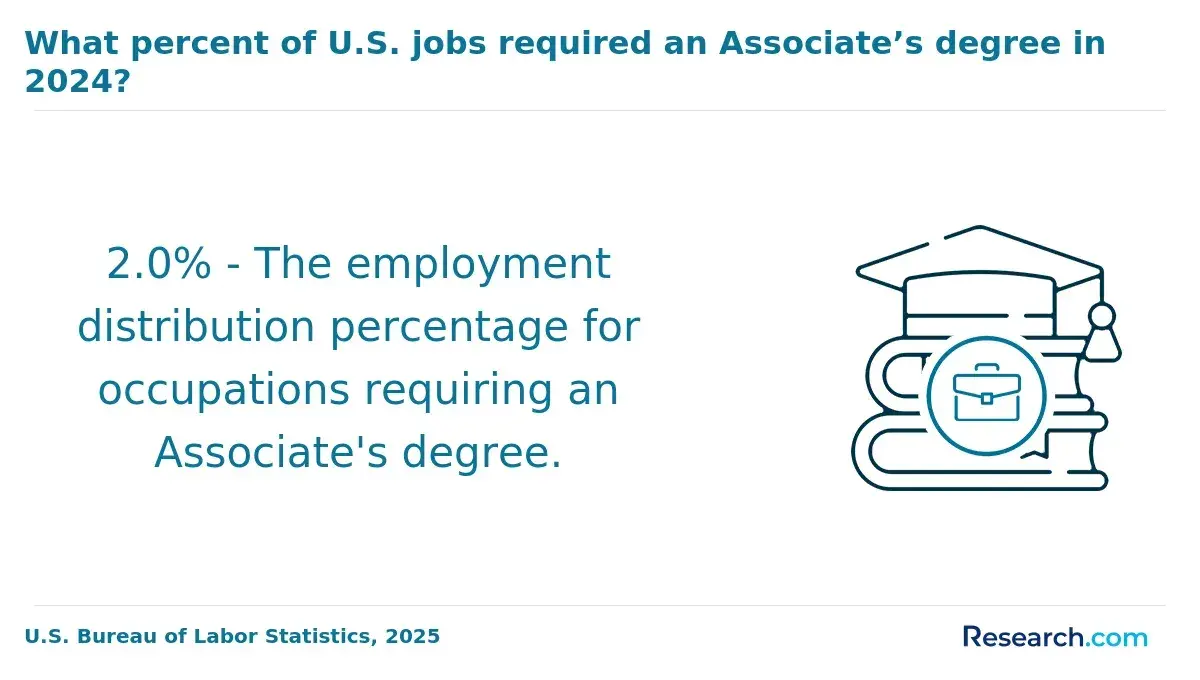
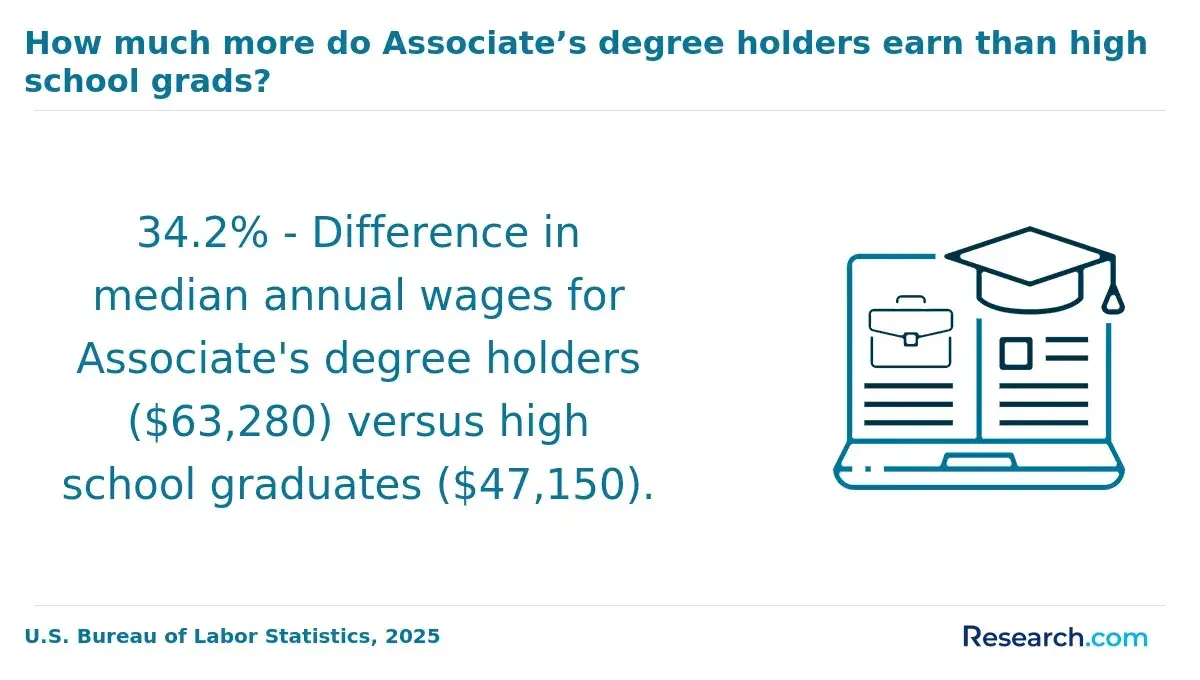
The career impact of international relations programs without GRE or GMAT requirements is usually more dependent on building a robust resume and acquiring applicable skills alongside academic credentials. Candidates considering accessible programs might also explore options like an associates degree for foundational knowledge before advancing.
Many prospective students weigh the potential earnings impact when choosing between GRE and no-GRE international relations programs. Data from a 2023 labor market analysis reveals that graduates from test-optional programs tend to have starting salaries about 5% lower than those submitting GRE scores. Several variables help explain these earnings differences.
Key factors influencing salary variations include:
- Program reputation: Schools that mandate GRE scores often have stronger prestige, attracting employers ready to offer higher compensation packages.
- Work experience: Practical international experience is highly valued and can outweigh standardized test results during salary negotiations.
- Skill development: Mastery of specialized languages or policy expertise enhances earning power, independent of GRE submission.
- Industry demand: Fields like cybersecurity and global trade typically provide salary premiums due to high sector growth and need.
- Regional variations: Geographic location and local living costs significantly affect salary scales for international relations professionals.
What Graduates Say About Their International Relations Degree Program with No GRE or GMAT Requirements
- Tanny: "Choosing an international relations degree without the hassle of GRE or GMAT was a game-changer for me. The lower cost-around $20,000 on average-made pursuing my passion financially feasible, and I felt more focused on learning than testing. Since graduating, this degree has opened doors in global NGOs and truly transformed my career path."
- Donovan: "When I started looking for graduate programs, the absence of GRE/GMAT requirements in international relations caught my attention, saving me both stress and thousands of dollars in prep courses. The affordability of these programs-often less than traditional routes-made it practical to pursue. Reflecting back, obtaining my degree has equipped me with key insights that resonate in every diplomatic role I now take on."
- Kai: "Professionally, not having to worry about GRE or GMAT scores enabled me to apply directly to international relations programs focused on real-world skills. The degree's cost, which was significantly below conventional MBA prices, aligned well with my budget and expectations. Graduating has noticeably elevated my credibility and expanded opportunities within international policy circles."
Other Things You Should Know About International Relations Degrees
Most U.S. international relations programs accept TOEFL iBT, IELTS Academic, or Duolingo English Test for applicants whose first language is not English. Typical minimum scores are 79–100 on TOEFL iBT, 6.5–7.0 on IELTS, or 105–120 on Duolingo, depending on the university.
International relations programs without GRE or GMAT requirements in 2027 can be competitive due to the accessible admission process. These programs draw a diverse pool of applicants with varying backgrounds, making it essential for candidates to highlight their academic achievements, relevant experience, and a strong statement of purpose during the application process.
- Admission to the Master's programme in International Affairs and Governance (MIA) https://www.unisg.ch/en/studying/admission/admission-master/international-affairs-and-governance/
- Can I already apply without a GMAT or GRE? https://www.rsm.nl/education/mba/international-full-time-mba/faq/faq-item/299-can-i-already-apply-without-a-gmat-or-gre/
- Requirements Checklist for International Applicants - De La Salle University https://www.dlsu.edu.ph/admissions/graduate/requirements-checklist-for-international-applicants/
- These are the best MBA programs for 2025 that do not require standardized testing to apply | Fortune Education https://fortune.com/education/business/best-mba-programs/no-gmat-gre-required/
- US entry requirements https://www.kaplanpathways.com/how-to-apply/entry-requirements/usa/
- BA (Hons) in International Relations https://www.nottingham.edu.my/ugstudy/course/international-relations-ba-hons
- 25 Best NO GRE Master's Degrees for 2020 - https://www.bestmastersprograms.org https://www.bestmastersprograms.org/no-gre-masters-programs-online/
- Great benefits of studying international relations in the US https://applyzones.com/studying-international-relations-in-the-us-tin596
- Digital International Relations & Diplomacy (UNITAR) https://www.euruni.edu/en/Master-s/Digital-International-Relations-Diplomacy-UNITAR.html
- Online International Relations Postgraduate Tutors Spires | Is A Master's In International Relations Worth It? https://spires.co/online-international-relations-tutors/postgraduate/is-a-masters-in-international-relations-worth-it