2027 Best International Relations Degrees for Working Adults

Co-Founder and Chief Data Scientist
Working adults seeking advancement in global affairs often struggle to find international relations degree programs that accommodate full-time employment. Balancing work, family, and study commitments leads 63% of adult learners to delay or abandon higher education goals. The demand for professionals with expertise in diplomacy, security, and global policy continues to rise, making flexible education essential. Online and hybrid programs with accredited curricula offer the flexibility necessary to gain relevant skills without sacrificing career progress. This article explores the best international relations degrees tailored to working adults, focusing on program accessibility, accreditation, and how they support career growth in a competitive global job market.
Key Things to Know About International Relations Degrees for Working Adults
- Flexible scheduling and asynchronous coursework allow working adults to balance full-time jobs with degree completion, with 65% of international relations students opting for online or hybrid formats.
- Accelerated programs offer condensed semesters, enabling completion in as little as 18 months, meeting the needs of professionals aiming for quick career advancement.
- Many programs incorporate employer-relevant curriculum and dedicated support services like career counseling to enhance practical skills and job placement in global sectors.
What Are the Best International Relations Degrees for Working Adults?
The best international relations degrees for working adults vary based on schedule flexibility, career alignment, and return on investment. Adult learners often benefit from part-time enrollment and online options, which have become a significant trend to balance full-time work with academic advancement. Programs that offer asynchronous classes or hybrid formats are particularly attractive to professionals managing busy schedules.
Here are some suitable international relations degree options designed for working professionals:
- International Relations with a focus on Diplomacy: This specialization provides practical negotiation and conflict resolution skills through real-world case studies. Flexible delivery formats make it accessible for students balancing jobs while seeking to impact global affairs.
- Global Security Studies: Emphasizing cybersecurity, terrorism, and defense policy, this program aligns well with in-demand career paths. Its online or hybrid options support working adults needing adaptable learning schedules.
- International Development: Concentrating on economic growth and sustainability in developing countries, it offers project-based learning that suits part-time students aiming to apply skills directly to their careers.
- International Political Economy: This degree explores the nexus of economics and politics and is ideal for those pursuing policy analysis roles. Its curriculum typically allows for flexible pacing and formats.
For those interested in expanding their credentials in social work alongside international relations, exploring MSW programs can provide additional career pathways. Selecting from the top accredited international relations programs for professionals ensures coursework matches both professional goals and personal commitments, making the best online international relations degrees for working adults a practical choice.
What Are the Admission Requirements for Working Adults in International Relations Degree Programs?
Admission requirements for working adults pursuing international relations degrees often differ from those for traditional students to better accommodate professional responsibilities and diverse academic backgrounds. Notably, over 40% of graduate students in the U.S. enroll part-time, reflecting a growing demand for flexible education options tailored to adult learners. This trend emphasizes the importance of programs designed specifically for working professionals.
Below are common considerations for admission requirements for working adults in international relations programs:
- Relevant Work Experience: Many programs prioritize professional experience that demonstrates leadership or engagement with international issues. This experience often serves as a key indicator of the applicant's readiness and practical understanding beyond academic credentials.
- Flexible GPA Expectations: GPA requirements tend to be more accommodating for working adults, with some programs allowing waivers or placing greater emphasis on professional achievements to offset academic performance.
- Standardized Test Waivers: To reduce barriers for busy professionals, many institutions waive standardized testing requirements such as the GRE or offer alternatives tailored to the applicant's background.
- Professional Recommendations: Letters of recommendation are important and are ideally provided by supervisors or professional contacts who can attest to the applicant's skills and experience in relevant fields.
- Program Flexibility: Admission criteria often reflect the availability of part-time, evening, or online course options, supporting working adults in balancing education with full-time employment and other commitments.
For those interested in flexible graduate education options, exploring reputable online counseling degrees programs can offer insights into accommodating course structures and admissions. Overall, understanding international relations degree admissions for professionals helps adult learners identify programs that align with both their career goals and lifestyle.
What Coursework Is Required in International Relations Degree Programs for Working Adults?
International relations degree programs for working adults are designed to balance career relevance, practical skills, and flexible learning formats such as online or hybrid classes. Nearly 40% of adult learners in international relations programs pursue degrees to enhance career opportunities or transition into new professional fields. These programs often feature a core curriculum in international relations degree that supports employed students managing full-time work with study.
Common required international relations courses for working adults include:
- International Politics: This course examines diplomacy, power dynamics, and global governance, preparing professionals for careers in government or international organizations by deepening their understanding of policy-making.
- Global Economics: Students study trade, finance, and economic policies that influence international markets. This knowledge aids those in business or economic development roles needing insight into global economic trends.
- Conflict Resolution and Negotiation: Focused on practical skills, this coursework trains students in mediation and negotiation techniques vital for diplomacy, NGOs, or corporate environments.
- International Law and Human Rights: Covering legal systems that govern international relations, this course benefits those in policy, advocacy, or legal advisory positions.
- Research Methods in International Relations: This course builds qualitative and quantitative analysis skills necessary for evidence-based decision-making and career growth in research or policy sectors.
This curriculum blend ensures working adults obtain applicable expertise while respecting their professional commitments. For those balancing study with employment, programs similar to an EMBA online offer flexible, career-focused education paths.
Completion times for an international relations degree among working adults vary widely due to personal circumstances and program structures. Data shows that approximately 40% of part-time adult learners take six years or more to earn their bachelor's degree, compared to the typical four years for full-time students. Several key factors affect this timeline for working students.
Some of the important influences include:
- Program format: Online and hybrid options provide flexibility, making it easier to juggle work and study obligations, which can help shorten the duration of the degree.
- Course load: Part-time enrollment stretches the program length but keeps weekly hours manageable, whereas full-time study may lead to faster completion but requires balancing a heavier workload alongside employment.
- Prior credits: Applying transferable credits from earlier coursework can reduce the time needed by lowering required courses.
- Work schedule: Jobs with flexible or reduced hours allow more focus on academics, while rigid schedules might delay progress.
- Accelerated options: Intensive courses during summer or fast-track programs give motivated students a chance to graduate sooner.
A professional who earned an online international relations degree while working shared that maintaining discipline was one of the biggest challenges. He recalled, "Balancing late-night study sessions with morning meetings tested my stamina, but the structure of the online program fit into my unpredictable schedule." He appreciated how asynchronous classes allowed him to learn at his own pace, though juggling work deadlines sometimes forced him to extend his timeline. He admitted the process required persistence and frequent adjustment to avoid burnout, emphasizing that flexibility was essential to his eventual success.
For employed students, tuition cost is a significant consideration when pursuing an International Relations degree, especially since nearly 60% of adult learners enroll part-time, often extending the time to graduation and increasing overall expenses. Despite lower per-credit costs in some programs, extended enrollment can lead to higher cumulative fees.
Several aspects affect the total financial outlay for working adults in these programs:
- Tuition per Credit: Rates can vary dramatically between schools and program types. Online courses may offer lower tuition but sometimes include extra technology fees not found in on-campus settings.
- Program Length: The total number of credits and pace of study impact costs. Part-time students often take longer to finish, which can increase fees over time.
- Additional Fees: Beyond tuition, expenses like administrative charges, lab fees, and course-specific costs add up each semester.
- Required Materials: Books and supplementary resources represent recurring costs that can accumulate, particularly for courses with heavy reading or software needs.
- Cost-Reduction Options: Employer tuition reimbursement programs and scholarships for working adults provide important avenues to offset expenses, reducing the financial strain of balancing work and study.
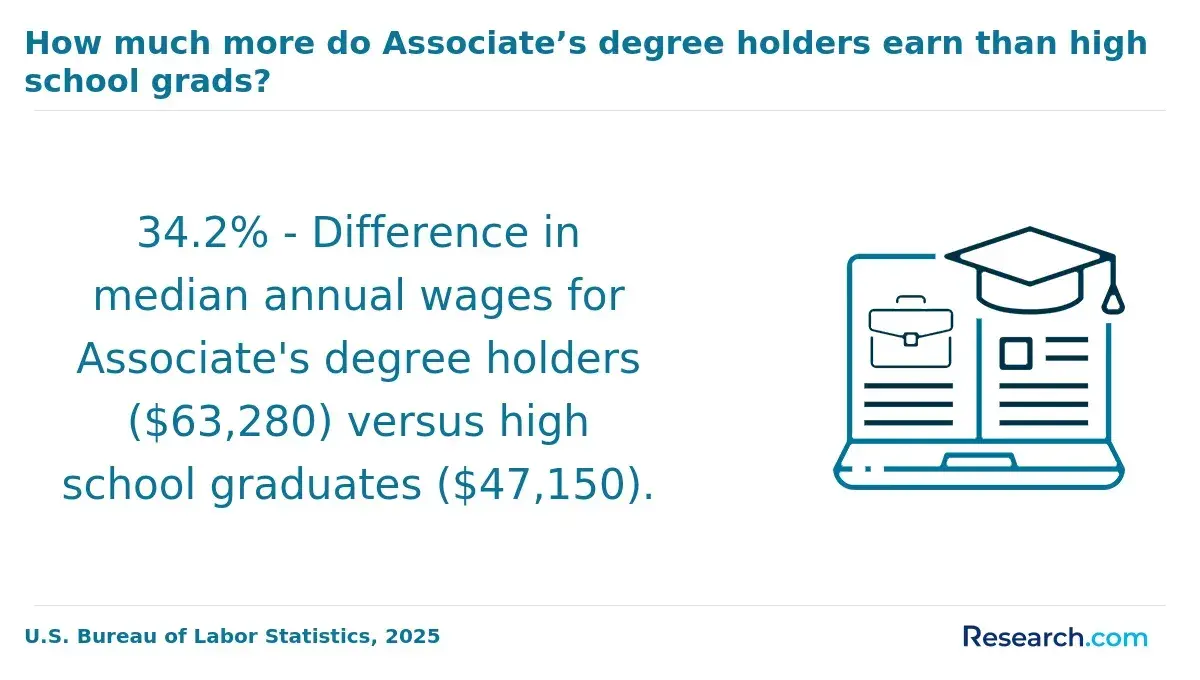
Financial aid is vital for adults juggling careers, coursework, and personal life while pursuing international relations degrees. It helps reduce financial pressure, allowing students to concentrate on their studies and professional growth. Below are some key financial aid options tailored to working adults in these programs:
- Federal Financial Aid: This includes Pell Grants and federal student loans designed to support eligible students based on financial need and enrollment status. These options often feature low-interest rates and grant opportunities that help lower education costs.
- Employer Tuition Assistance: Many companies provide tuition reimbursement or similar programs to promote employee advancement. To benefit, employees typically must meet certain academic standards or commit to staying with the employer for a specified time.
- Scholarships for Adult Learners: Targeted scholarships acknowledge the unique challenges faced by non-traditional students returning to school. These awards can significantly offset tuition without any repayment expectations.
- Grants: Various state and private grants offer additional financial aid that generally does not require repayment. Some grants focus on students pursuing careers within international relations, easing the financial burden.
- Payment Plans and Tax Benefits: Flexible payment options help spread tuition costs over several months, easing upfront expenses. Educational tax credits like the Lifetime Learning Credit also provide valuable savings during tax season for qualifying education-related costs.
The professional I spoke with, who completed an international relations degree while working full time, shared that navigating these options initially felt overwhelming. She recalled, "Balancing work demands and study while applying for financial aid was stressful, but breaking the process into manageable steps helped." Employer tuition assistance was a game-changer, relieving immediate financial concerns and motivating her to maintain strong grades. She also found that researching grants and scholarships specifically for adult learners uncovered opportunities she hadn't anticipated. Reflecting on her journey, she emphasized that persistence in exploring every available resource made continuing education feasible and rewarding despite a busy schedule.
Balancing coursework, full-time jobs, and personal commitments presents significant challenges for working adults pursuing an International Relations degree. Institutional support services play a crucial role in helping these students maintain progress and manage competing priorities effectively.
- Academic Advising: Tailored support guides students in choosing courses that fit their work schedules and align with professional objectives, making it easier to balance responsibilities and stay on track for graduation.
- Flexible Scheduling: Offering evening, weekend, and asynchronous classes provides the flexibility adult learners need to engage with material without disrupting their employment or personal lives.
- Career Services: Assistance with resume development, interview techniques, and networking opportunities helps students enhance their career prospects while they study.
- Tutoring and Writing Support: Access to targeted academic help strengthens understanding of complex subjects and improves research and writing skills, boosting overall academic performance.
- Mental Health Resources: Counseling and stress-relief programs equip students with tools to manage the pressures stemming from juggling multiple roles and academic demands.
Accreditation for international relations programs involves an official review by recognized agencies to verify that these programs meet established academic standards. This process ensures the curriculum is current, instructors are qualified, and student support services are adequate.
For working adults, accreditation is crucial because it assures a high-quality education, enhances acceptance of the degree by employers, and often qualifies students for federal and state financial aid. Notably, more than 40% of graduate students are aged 30 or older, reflecting the increasing demand for flexible programs tailored to adult learners.
The recognized status of an accredited international relations degree also supports its lasting value and trustworthiness for adult students. Accreditation facilitates the transfer of credits between institutions, making it easier to continue education or change schools. It can also be a prerequisite for obtaining professional licenses or certifications related to the field. Ultimately, holding a degree from an accredited program can open doors to career growth by ensuring employers recognize the rigor and legitimacy of the qualification.
Salary growth remains a key motivator for working professionals pursuing an International Relations degree, with annual earnings typically ranging from $50,000 to $95,000 depending on industry and role. Understanding how this degree influences income can help adults balance educational investment with career advancement.
- Industry Demand: Certain sectors such as government agencies, international organizations, and private sector consulting highly value an International Relations degree. These industries often provide competitive compensation that reflects the degree's relevance to their strategic needs.
- Role Advancement: Earning an International Relations degree can open pathways to managerial or specialized positions, which generally come with higher salaries. Career advancement opportunities may be especially important for working adults seeking to expand their responsibilities and pay grade.
- Employer Policies: Some employers offer tuition reimbursement or salary increases tied to additional qualifications. These policies can significantly enhance the financial return on pursuing a degree, making education more affordable and rewarding.
- Years of Experience: Accumulated professional experience combined with new academic credentials tends to increase earning potential. For working adults, blending practical know-how with fresh knowledge creates a stronger profile for better-paying roles.
- Specialization: Focusing on niche areas within International Relations, such as security studies or global economics, can lead to differentiated career options that command higher wages. Specialized expertise often appeals to employers needing specific skill sets.
Working professionals interested in pursuing an International Relations degree might explore flexible, accredited programs designed to fit full-time employment schedules. Many adult learners find value in pursuing an accelerated bachelor's degree online, which supports career advancement with International Relations degree pathways focused on practical outcomes and salary growth for working adults.
A degree in International Relations can enable working adults to qualify for higher-level, more specialized, or leadership-oriented positions rather than entry-level roles. This path leverages their prior experience while expanding expertise in diplomacy, policy analysis, and international law, supporting career growth.
Below are key advanced career opportunities commonly pursued by professionals with this degree:
- Diplomatic Officer: This leadership role involves managing international relations and representing national interests abroad. The degree's emphasis on diplomacy, negotiation, and geopolitical insight equips working adults to advance into policymaking and embassy leadership positions.
- International Policy Analyst: Professionals in this capacity evaluate and develop policies that impact global affairs. The analytical abilities and knowledge gained enable them to influence critical decisions and provide trusted advice to governmental or private sectors.
- Program Manager for International Development: This position requires managing complex, cross-border projects addressing issues such as poverty or health. The degree prepares adults to coordinate with diverse stakeholders and lead significant international initiatives.
- Intelligence Analyst: Utilizing expertise in global political dynamics, professionals assess threats and support national security efforts. Advanced critical thinking skills from International Relations studies are essential in this strategic role.
- Global Business Consultant: Advising corporations on international regulations and market entry strategies, this role benefits from understanding international economic systems and cross-cultural negotiation derived from the degree, fostering career advancement in consulting.
Working professionals seeking flexible, accredited programs can explore online college courses tailored to support career advancement. Such options align particularly well with job opportunities in international relations for professionals balancing full-time employment while progressing in their careers.
What Graduates Say About Their International Relations Degrees for Working Adults
- Edwina: "Choosing to pursue an online international relations degree while working full-time was a challenging yet rewarding decision. The relatively affordable cost compared to traditional programs made it accessible, and it allowed me to gain critical skills without sacrificing my job. Since graduating, I've seen a significant boost in my career opportunities and professional confidence."
- Byson: "Balancing part-time studies with my career felt overwhelming at first, but the investment in an international relations degree was well worth it, especially given the manageable tuition fees for working adults. Reflecting on my journey, this degree has broadened my understanding of global affairs and directly contributed to my recent promotion."
- Aki: "As a professional committed to advancing in international policy, the decision to enroll in an online international relations program was strategic to minimize costs and maximize flexibility. Completing the program has enhanced my analytical abilities and opened doors to roles I once thought were out of reach. The financial and career benefits have exceeded my expectations."
Other Things You Should Know About International Relations Degrees
In 2027, several institutions are renowned for their excellent international relations degrees tailored to working adults. Universities like Johns Hopkins University, Columbia University, and Georgetown University provide flexible online and hybrid programs, enabling professionals to balance work and study effectively.
Accredited online international relations degrees are generally regarded as equally valid as traditional campus degrees, especially when offered by established universities. Employers increasingly recognize the flexibility and rigor of online learning. It is important to verify that the program holds proper accreditation to ensure its credibility.
Most international relations bachelor’s programs require a minimum 2.5 to 3.0 GPA for transfer or adult admission, while master’s programs often ask for a 3.0 GPA on a 4.0 scale. Some schools also accept professional experience in place of a lower GPA.
- 10 Highest Paying International Relations Jobs 2025 (Inc Salaries) | Nexford University https://www.nexford.edu/insights/highest-paying-international-relations-jobs
- International Relations https://www.uni-erfurt.de/en/studies/course-offerings/bachelor/international-relations
- 431 Mature students Undergraduate International relations Scholarships available https://www.hotcoursesabroad.com/study/international-scholarships/all/undergraduate/international-relations/mature-students/all/cid/2/l21/1175/nty/scholarship.html
- 10 career paths with a degree in international relations https://www.cmich.edu/blog/all-things-higher-ed/10-career-paths-with-a-degree-in-international-relations
- Center for National and International Relations https://crm.pwr.edu.pl/en/international-students/students-support
- Master Program International Relations - Global Studies - Instytut Studiów Międzynarodowych i Bezpieczeństwa https://ismb.uwr.edu.pl/en/master-program-international-relations-global-studies/
- International Relations Scholarships | International Relations Scholarships and Fellowships https://www.internationalrelationsedu.org/international-relations-scholarships/
- International Relations (MA) (part time) - Study - Cardiff University https://www.cardiff.ac.uk/study/postgraduate/taught/courses/course/international-relations-ma-part-time
- STUDEnt resources https://global-minds.eu/student-resources/
- Discover 18 Online International Relations Degree Programs https://teach.com/online-ed/government-degrees/online-masters-international-relations-business/