2027 Hybrid vs Fully Online Positive Psychology Bachelor's Degree Programs

Co-Founder and Chief Data Scientist
Balancing a part-time job while pursuing a degree, a single parent contemplates whether to log in from home or attend campus sessions weekly. The prospect of flexible online courses promises convenience, yet the desire for direct interaction and immersive activities pulls toward hybrid options. Urban campus access contrasts with rural residence, complicating the choice. With a 25% increase in enrollment for fully online Positive Psychology bachelor's programs over the last five years, students face a pivotal decision.
This article explores how schedule flexibility, hands-on learning, networking, and location impact the choice between hybrid and fully online Positive Psychology bachelor's degree formats.
Key Benefits of Hybrid vs Fully Online Positive Psychology Bachelor's Degree Programs
- Hybrid programs offer enhanced flexibility by combining online coursework with scheduled in-person sessions, supporting diverse learning styles and fostering deeper understanding through face-to-face interaction.
- Fully online programs provide maximum convenience with asynchronous classes, ideal for those balancing full-time work or family commitments without geographic constraints.
- Research shows 64% of students in hybrid Positive Psychology programs report feeling more connected to faculty and peers compared to fully online counterparts, enhancing academic motivation and retention.
What Is a Hybrid vs Fully Online Positive Psychology Bachelor's Degree?
Hybrid and fully online positive psychology bachelor's degree formats differ significantly in their delivery method, level of in-person interaction, and learning structure. About 35% of higher education students now engage in hybrid or blended learning, showing a growing preference for flexible options. These differences influence how students connect with instructors and peers, as well as how they manage their studies. Below is a comparison of key features for each format.
Hybrid Programs
- Course delivery blends in-person classes with online lectures and assignments for a balanced learning approach.
- Scheduling includes fixed times for on-campus sessions alongside flexible online coursework.
- Students benefit from face-to-face discussions and hands-on group activities that deepen understanding.
- This format requires managing both a physical presence and independent online study, demanding good time organization.
- Hybrid programs suit learners who want structured interaction combined with some autonomy.
Fully Online Programs
- All coursework is completed digitally, allowing students to study remotely without campus visits.
- Scheduling is asynchronous, offering students the freedom to access materials anytime, fitting diverse lifestyles.
- Interaction relies on virtual communication tools like video lectures and discussion boards.
- The fully online format emphasizes self-discipline and independent learning skills due to limited live contact.
- Ideal for those seeking maximum flexibility and who thrive in autonomous study environments.
Students comparing hybrid positive psychology bachelor's degree programs vs fully online options should evaluate their own learning preferences and schedules carefully. For additional insights into flexible degree paths, consider exploring easiest online degrees that pay well.
How Does a Hybrid vs Fully Online Positive Psychology Bachelor's Degree Program Work?
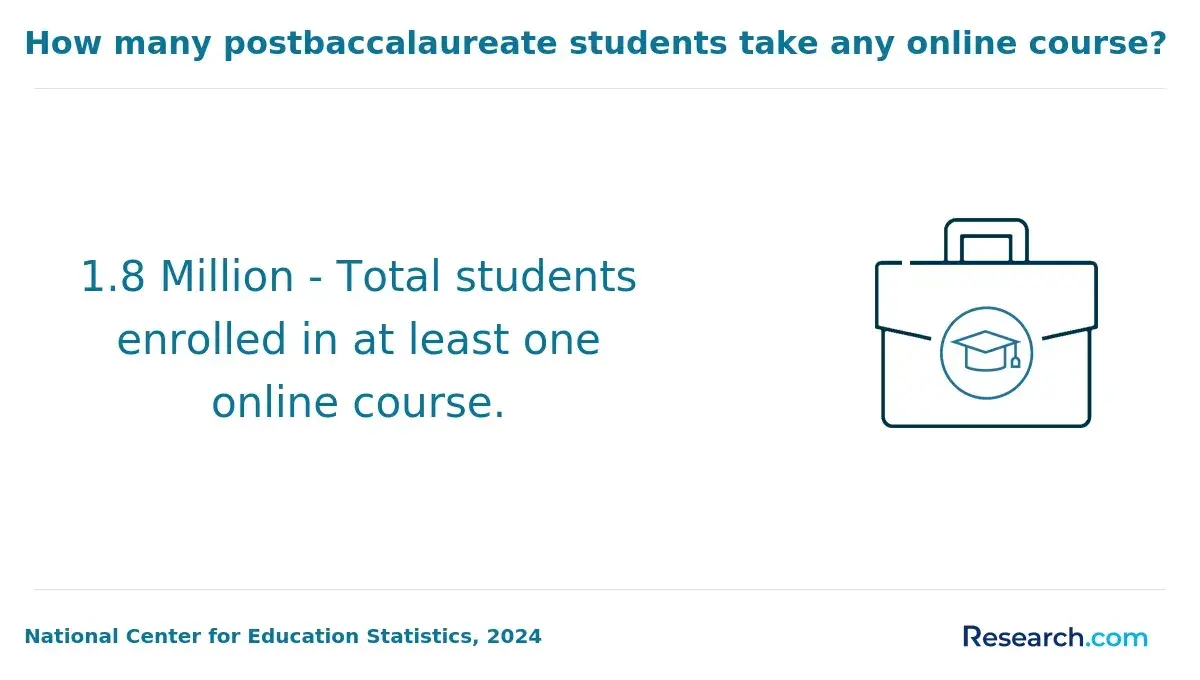
Both hybrid and fully online positive psychology bachelor's degree programs follow structured academic pathways designed to cover core concepts, research methods, and practical applications within the field. However, they differ significantly in how coursework is delivered and how students engage with instructors and peers. According to the National Center for Education Statistics, enrollment in distance education courses increased by nearly 70% between 2012 and 2019, reflecting the rapid growth of online and hybrid learning options in higher education. Below is a comparison of how each program format typically operates.
Hybrid Programs
- On-campus sessions are usually fixed on a weekly or biweekly schedule to facilitate direct interaction with faculty.
- Online components include video lectures, readings, quizzes, and discussion boards to reinforce learning between class meetings.
- Communication methods incorporate live discussions during in-person classes and virtual forums or emails for ongoing dialogue.
- Class participation balances synchronous activities in classrooms with asynchronous assignments submitted online.
Fully Online Programs
- Lectures are typically pre-recorded but may be supplemented by live webinars or Q&A sessions.
- Students engage with peers primarily via online forums, group projects, and video conferencing tools.
- Course participation relies heavily on asynchronous communication, allowing students to manage their study time.
- Professors provide feedback and hold virtual office hours through email, video calls, or chat systems.
One advantage of hybrid positive psychology bachelor's degree programs is their structured combination of in-person and online learning that supports direct interaction, while fully online positive psychology bachelor's degrees offer flexibility and workload management through asynchronous study. For those researching pathways in higher education, exploring the best degrees to make money can provide useful context when considering the benefits of these program formats.
Are Admission Requirements Different for Hybrid and Fully Online Positive Psychology Bachelor's Degrees?
Admission requirements for hybrid and fully online positive psychology bachelor's degrees largely overlap, though differences can arise due to delivery method and school policies. Both types generally expect foundational academic credentials, but nuances exist in specific areas. Below is an overview highlighting key distinctions between the two formats.
- Technical Requirements: Fully online programs usually specify the need for reliable high-speed internet, a functional computer, and sometimes specialized software to support virtual learning. Hybrid programs may not emphasize these technical elements as strongly since in-person sessions reduce dependence on technology.
- Application Materials: Online-only degrees may request additional components like personal statements or video interviews emphasizing self-motivation and digital readiness. Hybrid programs tend to prioritize traditional documents such as test scores or recommendation letters, reflecting their blend of conventional and digital learning environments.
- Geographic and Residency Restrictions: Hybrid programs often require applicants to live near campus or maintain residency within a certain area due to onsite class attendance. Conversely, fully online programs typically have fewer geographic constraints, broadening access to students nationwide or beyond.
- Health Documentation: Some hybrid programs ask for immunization proof or health records to comply with campus safety protocols. Fully online formats rarely impose such requirements since students participate remotely.
- Academic Standards: Although both formats demand adequate academic credentials, hybrid programs may enforce higher GPA thresholds to support cohort-based, interactive learning settings. This varies by institution and is not universal.
When discussing admissions with a student currently enrolled in a fully online positive psychology bachelor's degree, she noted that the technical readiness assessment was more thorough than she expected. "They really wanted to make sure I had the right setup because everything hinges on being able to engage smoothly online," she explained.
Preparing her materials involved crafting a detailed statement to demonstrate her motivation and capacity for self-directed study, which was initially daunting but helped clarify her own commitment. She reflected that understanding these subtle differences in admission criteria guided her to the right program format from the start, making the process feel personalized rather than one-size-fits-all.
Hybrid positive psychology bachelor's degree programs offer a balanced approach by combining face-to-face interaction with online coursework. In-person sessions create opportunities for live discussions, enhancing comprehension and building a collaborative community that purely online programs may lack. Students can benefit from direct access to faculty, campus facilities like libraries and study groups, and support services such as counseling, all contributing to a richer educational environment.
However, the need to attend on-campus classes might present scheduling conflicts for those managing work or family responsibilities. This format is ideal for learners who value personal interaction but still want some flexibility in their studies. Fully online positive psychology programs prioritize convenience, allowing students to learn from anywhere and often on a self-paced schedule.
Without face-to-face meetings, these programs rely on tools such as discussion forums, video calls, and virtual office hours to foster engagement with instructors and peers. A wealth of digital resources supports independent learning, but some students might struggle with maintaining motivation or feeling socially connected. Online studies suit highly self-disciplined individuals who are comfortable using technology to communicate and manage their time effectively. While flexibility is a major advantage, the lack of physical presence can affect the depth of interaction and sense of belonging.
Hybrid positive psychology bachelor programs offer a mix of online coursework and scheduled in-person sessions, creating a structured yet partially flexible learning environment. Students must attend on-campus labs, group activities, or exams at set times, which limits the ability to change plans spontaneously. This format balances digital learning convenience with face-to-face engagement, appealing to those who appreciate some direct interaction while maintaining moderate scheduling adaptability.
Such programs often suit learners who want the benefits of community involvement alongside remote study. When comparing hybrid versus fully online positive psychology degree flexibility, this blend provides a compromise between autonomy and routine campus presence. Fully online positive psychology bachelor programs maximize flexibility by allowing complete remote access to learning materials and often provide asynchronous options. Students can study, participate in discussions, and submit assignments according to their own schedules within deadlines, ideal for managing work, family, or other responsibilities.
This model supports a highly self-directed pace and location-independent study, which reflects why 84% of learners in a 2022 Online Learning Consortium survey chose fully online formats for their adaptable schedules. For those seeking comprehensive flexible learning options in positive psychology bachelor programs, online degrees represent the most accommodating approach. Prospective students interested in related fields might also explore an office administration degree for additional flexible education paths.
Both hybrid and fully online positive psychology bachelor's degree programs tend to maintain comparable academic expectations and credit loads, though they differ in pacing and delivery methods. Students enrolled typically dedicate around 12 to 15 hours weekly to their coursework, according to a 2022 study by the Online Learning Consortium. These distinctions in course structure shape how students manage their time and engage with their studies.
In hybrid positive psychology programs, students split their efforts between scheduled in-person classes and online coursework. The face-to-face sessions provide regular, fixed points for interaction with instructors and peers, fostering a structured weekly routine. Balancing attendance with asynchronous assignments such as readings and discussion posts requires deliberate time management. This format often suits learners who appreciate the combination of live engagement and some flexibility.
Fully online positive psychology degrees rely extensively on asynchronous formats where students access lectures, readings, and assignments at their convenience. This setup demands strong self-motivation and careful planning, as learners must independently allocate time for completing digital work and participating in virtual forums. Without set class meeting times, the responsibility to maintain consistent progress lies heavily on the student's organizational skills, offering flexibility but also requiring disciplined study habits.
Tuition for hybrid and fully online positive psychology bachelor's degree programs can differ widely, influenced by delivery formats, institutional policies, credit hour requirements, and various student fees. Typically, online students pay about 10% to 20% less per credit hour compared to those enrolled in hybrid programs, reflecting cost savings from fewer campus-related expenses.
- Per-Credit Costs: Hybrid programs usually charge higher tuition per credit because they include in-person instruction and related campus resources, while fully online programs offer lower per-credit rates tailored to remote learners.
- Technology and Campus Fees: Hybrid students often face additional campus fees such as facility maintenance or lab costs, whereas online students may pay separate technology fees for platform access but generally avoid traditional campus charges.
- Residency or Facility Charges: Location can affect hybrid tuition due to residency requirements or campus facility use, but fully online programs frequently have uniform tuition regardless of where students live.
- Payment Flexibility: Fully online programs commonly provide more flexible payment options like monthly installments or pay-as-you-go credit purchasing, whereas hybrid programs often require upfront or semester-based payments due to scheduling structures.
- Additional Student Fees: Hybrid formats might add costs for parking or on-campus services, expenses that online students typically do not incur.
When I spoke with a graduate of a hybrid positive psychology bachelor's degree, he reflected on the tuition challenges he faced. "Balancing the higher per-credit cost with the value of on-campus experiences was tough," he said, recalling how the extra fees for lab sessions and parking added up unexpectedly. He found the payment process somewhat rigid, needing to budget carefully for semester payments rather than spreading costs out. Despite these challenges, he appreciated the direct access to faculty and facilities but noted that the financial aspect was a significant factor in his decision-making process.
Employer perceptions of hybrid and fully online positive psychology bachelor's degrees have evolved alongside advancements in digital learning and shifts in workplace expectations. A 2021 survey by the National Association of Colleges and Employers (NACE) found that nearly 80% of employers now view online degree programs as equivalent to traditional on-campus degrees. This growing acceptance supports a closer look at how hybrid and fully online formats compare in employer preference.
- Practical Experience: Employers often favor hybrid degrees because they combine in-person interaction with online coursework, suggesting students gain hands-on skills and teamwork experience. This practical exposure can be especially valued for roles focused on interpersonal wellbeing and organizational psychology.
- Self-Motivation and Skills: Fully online degrees are recognized for fostering self-discipline, time management, and technological proficiency. These traits are increasingly important in remote and virtual work environments, making fully online graduates attractive candidates in the evolving job market.
- Institution Reputation: Regardless of delivery method, degrees earned from accredited, reputable institutions carry more weight with employers. The credibility of the program and graduate skills often matter more than whether the degree was earned hybrid or fully online.
- Narrowing Preference Gap: The divide between employer preferences for hybrid versus fully online positive psychology bachelor's degrees is shrinking. As remote collaboration becomes widespread, many employers accept both formats as valid preparation for professional roles.
- Field-Specific Value: In positive psychology, programs that integrate virtual internships, group projects, or experiential learning-whether hybrid or fully online-better demonstrate a graduate's readiness. Students exploring options can also consider complementary fields, such as an urban planning degree online, to expand their career potential.
The choice between hybrid and fully online positive psychology bachelor's degree programs depends largely on individual learning preferences, schedule flexibility, and lifestyle needs. Each option caters to distinct types of students, making it important to evaluate personal circumstances carefully. Below are key considerations to help determine who should choose hybrid versus fully online formats.
- Preference for Interaction: Students who benefit from face-to-face discussions and hands-on activities often thrive in hybrid programs. These formats provide valuable personal engagement and community-building opportunities on campus.
- Schedule Flexibility: Individuals with somewhat flexible schedules who can attend occasional in-person sessions without disruption often find hybrid learning suitable. This balance allows for both structure and adaptability.
- Maximum Flexibility: Fully online programs are ideal for working adults balancing careers and family responsibilities. Asynchronous coursework enables them to study without strict class meeting times.
- Self-Paced Learning: Students who prefer independent study over scheduled classes benefit from fully online degrees, which support self-directed learning styles without requiring campus visits.
- Geographic Constraints: Those living in remote or rural areas where commuting is impractical will find fully online formats especially advantageous, accommodating their location with ease.
- Community Engagement: Learners who value strong campus connections and networking typically suit hybrid programs that offer integrated social experiences.
Evaluating the best candidates for hybrid positive psychology bachelor's programs alongside the advantages of fully online positive psychology bachelor's degrees helps prospective students select the right environment. For those interested in exploring accelerated options, reviewing shortest masters degree programs online may offer additional academic pathways complementing their bachelor's studies.
Success in hybrid and fully online positive psychology bachelor's programs requires adapting to their distinct formats and interaction levels. Hybrid students balance in-person classes with online work, while fully online students depend entirely on virtual engagement and self-directed learning. The following strategies highlight practical approaches for thriving in each setting.
- Time Management: Hybrid learners need to coordinate fixed class schedules with asynchronous tasks, whereas fully online students benefit from creating structured daily routines to stay consistent and avoid delays.
- Engagement: Face-to-face participation and networking are valuable for hybrid students, while fully online students should actively use forums, video meetings, and virtual study groups to stay connected.
- Digital Skills: Fully online students must be proficient with multiple platforms and tools, navigating independently, while hybrid students supplement digital learning with hands-on guidance during campus visits.
- Resource Utilization: Hybrid learners can access on-campus workshops and advisor meetings, but fully online students should seek virtual support services like online tutoring and counseling.
- Self-Discipline: Both formats require strong motivation; hybrid students juggle dual environments, and fully online students rely heavily on internal drive without in-person supervision.
- Feedback Seeking: Hybrid students gain from real-time classroom feedback, while online students should proactively request input through email or discussion boards.
- Dedicated Study Space: Maintaining a quiet, distraction-free environment is vital, especially for fully online students who must create a focused home study area.
What Graduates Say About Hybrid vs Fully Online Positive Psychology Bachelor's Degree Programs
- Kaysen: "I chose a fully online positive psychology bachelor's degree because it allowed me to balance my job and studies without compromising either. The flexibility to complete coursework on my own schedule made a huge difference in managing deadlines and personal commitments. Now, as a wellness coach, I see the direct impact this education has on shaping my approach to client well-being."
- Jalen: "Enrolling in a hybrid positive psychology program gave me the best of both worlds: meaningful face-to-face interaction combined with convenient virtual lessons. Navigating group projects and discussions online initially challenged me, but it ultimately enhanced my communication skills. This experience strengthened my confidence when working remotely in my current role as a mental health advocate."
- Beau: "Reflecting on my time in a fully online positive psychology bachelor's program, I appreciate how the self-paced format encouraged discipline and self-motivation. Choosing this route stemmed from a desire to learn while living abroad, which wouldn't have been possible otherwise. Professionally, the program's focus on evidence-based practices has equipped me to contribute effectively to community health initiatives."
Other Things You Should Know About Positive Psychology Degrees
Transferring credits between hybrid and fully online positive psychology programs depends largely on the accreditation status of both institutions. Accredited programs typically accept transfer credits for core positive psychology courses and electives, but policies vary. It's important to verify credit transfer agreements ahead of time to avoid losing progress.
Most fully online positive psychology bachelor's programs require a laptop or desktop computer, reliable broadband internet, a webcam, microphone, and current browser software. Many also require Microsoft Office or Google Workspace access, and some courses use proctored exam software such as Respondus LockDown Browser or ProctorU.
Hybrid positive psychology programs often facilitate local or on-campus internship placements, leveraging face-to-face connections. Fully online programs typically require students to secure virtual or community-based internships independently, which may be more flexible but require proactive planning. Both formats emphasize practical experience but differ in how opportunities are coordinated.
- How to Succeed in an Online Psychology Bachelor’s Program as a Working Adult | Palo Alto University https://paloaltou.edu/resources/blog/how-succeed-online-psychology-bachelors-program-working-adult
- Hybrid vs. fully online: how different teaching models impact satisfaction https://www.amba-bga.com/insights/hybrid-vs-fully-online-how-different-teaching-models-impact-satisfaction
- How User Feedback Shapes Better Employee Survey Software https://www.worktango.com/blog/www.worktango.com/blog/hybrid-work-preferences-psychology
- How online psychology degree programs work https://brim-b.com/en/articles/how-online-psychology-degree-programs-work
- How does an e-learning bachelor’s in psychology compare to traditional on-campus programs? https://m.umu.com/ask/q11122301573854363686
- Best Online Bachelor's Degrees In Psychology Of 2025 https://www.psychology.org/rankings/best-online-bachelor-degree-programs/
- Why Get a Psychology Degree Online? | University of Bridgeport https://www.bridgeport.edu/news/reasons-to-get-your-psychology-degree-online/
- Benefits of Getting an Online Bachelor's in Psychology https://www.psychologybachelors.org/resources/benefits-of-online-bachelors-in-psychology
- Hybrid vs Fully Online MBA Programs - Key Differences https://www.onlinecu.in/blog/cu/differences-between-hybrid-and-fully-online-mba-programs.php
- How does an e-learning bachelor’s in psychology compare to traditional on-campus programs? https://www.umu.com/ask/q11122301573854363686