2027 Part-Time vs Full-Time Online Positive Psychology Bachelor's Degree Programs

Co-Founder and Chief Data Scientist
Balancing a 40-hour workweek with family responsibilities leaves little time for pursuing further education. A mid-career professional eager to transition into mental health coaching faces a critical choice: enroll in a full-time online positive psychology bachelor's degree to accelerate learning or opt for a part-time track that fits the hectic schedule but prolongs completion.
With 62% of learners in this field selecting online programs due to flexibility, deciding the right pace impacts not only time but career trajectory and financial planning. This article explores key factors distinguishing part-time and full-time online positive psychology bachelor's degrees to guide informed decisions.
Key Benefits of Part-Time vs Full-Time Online Positive Psychology Bachelor's Degree Programs
- Part-time programs offer greater scheduling flexibility, allowing students to balance coursework with jobs or family, while full-time paths require a more consistent, often daily commitment.
- Full-time students typically complete degrees in 3-4 years, whereas part-time students may take 5-7 years, impacting time to entry into the workforce.
- Choosing part-time study supports managing personal and career responsibilities concurrently, but full-time study can accelerate skill acquisition and earlier career advancement in positive psychology roles.
What is the difference between part-time and full-time online positive psychology bachelor's degree programs?
Part-time and full-time online positive psychology bachelor's degree programs vary significantly in workload, pacing, and time commitment. Full-time enrollment demands a heavier course load each semester, while part-time offers a more flexible schedule suited to balancing other responsibilities. About 40% of online undergraduate students choose part-time enrollment, reflecting a strong preference for adaptable learning options.
Below is a comparison highlighting the structural differences of these program types.
Part-Time Online Programs
- Course Load: Typically involves enrolling in 6 to 9 credit hours per term, allowing students to manage fewer courses simultaneously.
- Scheduling Flexibility: Offers greater ability to arrange study hours around personal and professional commitments, accommodating diverse lifestyles.
- Study Intensity: Emphasizes gradual progress with extended deadlines, which can reduce academic pressure and improve work-life balance.
- Adaptability: Often chosen by learners prioritizing a flexible approach, as seen in many who compare part-time vs full-time online positive psychology bachelor's degree programs.
Full-Time Online Programs
- Course Load: Generally requires 12 to 18 credit hours each semester, engaging students with multiple concurrent courses.
- Scheduling Structure: Follows a more rigid semester schedule, demanding consistent weekly study commitments and deadline adherence.
- Study Intensity: Involves a faster learning pace with concentrated assignments, suitable for those who prefer immersive study periods.
- Commitment Level: Demands significant time investment weekly, with less flexibility for external activities or work.
Prospective students examining their options within online positive psychology bachelor's degree program scheduling and workload comparison should consider how each format aligns with their personal needs. Those interested in broader online graduate study options might also explore online MBA programs for further insight into flexible learning paths.
How long does it take to complete part-time vs full-time online positive psychology bachelor's degrees?
Completion time for an online positive psychology bachelor's degree varies widely depending on whether students enroll full-time or part-time and how quickly they progress. National data indicates that the average bachelor's degree completion time in the U.S. is approximately 5.1 years, reflecting a blend of enrollment intensities. The following outlines key differences in duration and pacing between part-time and full-time online programs.
Part-Time Online Programs
- Extended Duration: Part-time students typically take fewer credits per semester, which often extends their degree completion to six years or longer.
- Flexible Scheduling: These programs offer multiple start dates and asynchronous course structures to accommodate work and family responsibilities.
- Slower Pace: A reduced course load allows students to balance education with other commitments but results in a lengthier academic timeline.
- Enrollment Consistency: Maintaining continuous enrollment is essential to avoid further delaying graduation.
Full-Time Online Programs
- Faster Completion: Full-time students generally complete their degrees in about four years by taking 12 to 15 credit hours each semester.
- Structured Pace: Programs often follow a more rigorous schedule with fixed deadlines to facilitate timely progression.
- Credit Requirements: Completing 120 to 130 credits within the typical timeframe is common in full-time studies.
- Intensive Workload: A heavier course load demands more time and effort but speeds up finishing the degree.
When comparing the full-time vs part-time online positive psychology degree duration, students should consider how enrollment intensity will influence course pacing and academic life. Those interested in advanced leadership education may also explore options like the online doctorate leadership programs for career growth beyond the bachelor's level.
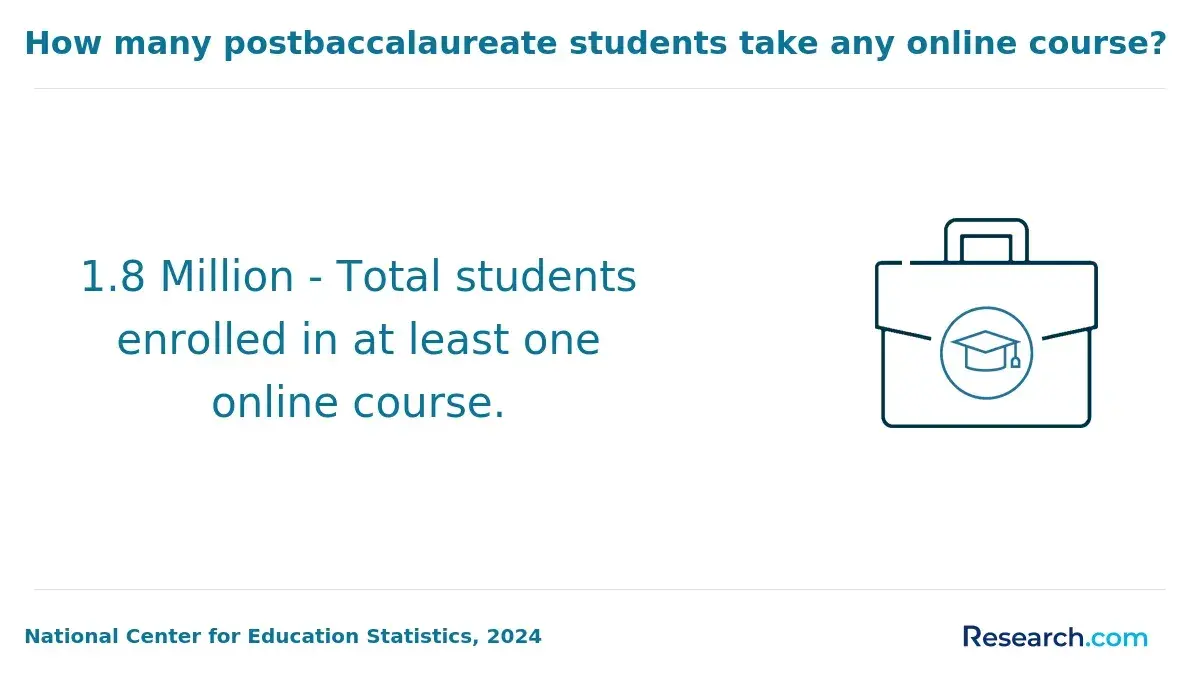
What is the workload for a part-time vs. a full-time online positive psychology bachelor's degree?
Full-time online positive psychology students generally take 12 to 15 credit hours each semester, typically translating to four or five courses. This requires dedicating around 35 to 40 hours weekly to studying, which includes attending lectures, reading materials, participating in discussions, and completing assignments.
Part-time learners usually enroll in 6 to 9 credit hours, equating to two or three courses, allowing for a lighter weekly commitment of 15 to 25 hours. The slower pace offers more flexibility, accommodating work and family obligations, while enabling deeper focus on each task. Both modes rely on online access to course materials but differ in how students organize their time and engagement.
The intensity of academic demands varies between the two formats. Full-time students manage a denser schedule with frequent assignments and tighter deadlines, requiring quick prioritization and strong multitasking skills. Part-time learners face the same complexity of coursework spread over a longer timeframe, which can reduce immediate pressure but calls for sustained self-discipline and consistency.
Effective time management is essential for both groups, especially adult learners balancing other responsibilities. Rapid feedback in full-time programs can accelerate learning, whereas part-time formats emphasize steady, ongoing progress.
Both part-time and full-time online positive psychology bachelor's programs can accommodate working adults, with the best choice depending on individual schedules, workload tolerance, and personal commitments. According to the National Center for Education Statistics, nearly 60% of online students hold full-time employment, highlighting the need for adaptable learning formats. Below are some important factors to weigh when deciding between these enrollment options.
- Scheduling Flexibility: Part-time programs generally offer more adaptable schedules with fewer weekly classes, making it easier to juggle work and family demands. Full-time schedules tend to be more structured and require a bigger time commitment each semester.
- Workload Intensity: Full-time students face a heavier course load each term, which can be challenging alongside professional responsibilities. Part-time study spreads coursework over a longer period, reducing immediate academic pressure.
- Time Management: Those enrolled full-time must develop strong organization and study routines to handle concentrated coursework within shorter timeframes. Part-time learners can pace their studies with less urgency, which might ease stress.
- Pace of Completion: A full-time approach speeds up graduation timelines, useful for those eager to advance their careers quickly. Part-time enrollment extends program length but allows for balancing education with ongoing life duties.
- Stress Considerations: Balancing full-time work and full-time study may increase burnout risk due to competing demands. Part-time enrollment often results in a more manageable workload and lower stress levels.
A working professional recently enrolled in an online positive psychology bachelor's degree shared her experience with navigating these options. She described the decision-making process as a "careful balancing act" between career obligations and academic goals.
Although initially overwhelmed by the thought of a full-time load, she appreciated the flexibility part-time study offered, allowing her to "progress steadily without sacrificing work performance." She noted that time management became a crucial skill, especially when assignments coincided with busy work periods.
Overall, she felt that the chosen path required ongoing adjustments but ultimately empowered her to pursue education while maintaining professional and personal responsibilities.
Many online Positive Psychology bachelor's degree programs offer flexibility for students to switch from part-time to full-time enrollment based on academic progress, shifts in work or personal life, and other individual factors. This adaptability reflects a broader trend in higher education, with nearly 40% of learners in nontraditional online programs changing their enrollment status during their studies.
Such fluidity supports students in balancing education with other responsibilities while pursuing their degree. Changing enrollment from part-time to full-time in online Positive Psychology programs allows students to accelerate their studies when circumstances permit. This flexibility makes it easier to tailor learning paths to evolving needs.
When considering switching enrollment types, students must prepare for changes in academic workload, as full-time study often involves a heavier course load and faster pacing compared to part-time study. Program policies typically govern the timing and approval process for such changes, which may include deadlines and formal notifications.
It's important to understand how these changes might impact course availability, registration, and progression toward graduation. Students are encouraged to coordinate with academic advisors to ensure a smooth transition and maintain progress. For those exploring related fields, analyzing options like the MFT program can provide additional insights into flexible online learning models.
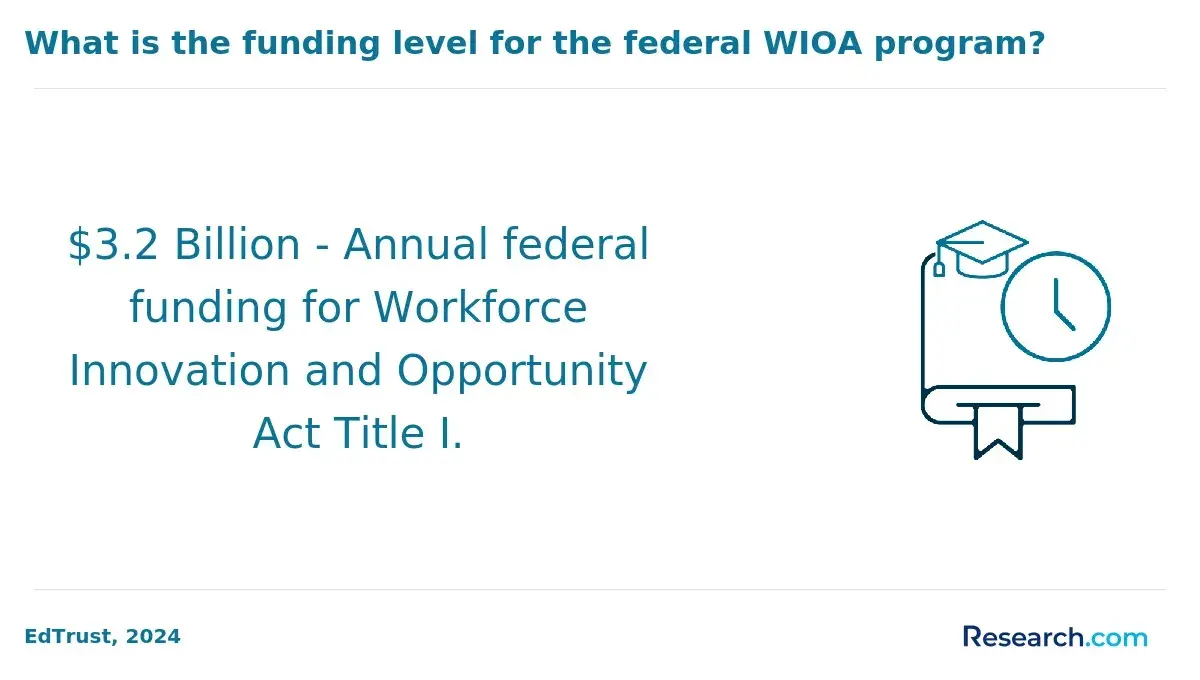
Tuition for online positive psychology bachelor's degrees varies widely depending on whether students enroll part-time or full-time, as well as the institution's billing methods and program pacing. On average, total costs can range from $15,000 to $45,000, with payment structures influencing how and when these expenses accumulate. Below is a comparison of the main tuition differences based on enrollment status.
Part-Time Online Programs
- Per-Credit Pricing: Tuition is commonly charged by the credit hour, allowing students to pay only for the courses they take each term, which helps spread out costs.
- Extended Payment Period: Since students enroll less than full-time, tuition payments may continue over a longer timeframe, potentially increasing the overall amount spent due to extended enrollment.
- Flexible Scheduling: Part-time setups often offer greater flexibility, enabling learners to balance work and study, though this can mean steady, ongoing tuition costs rather than a lump sum.
- Variable Semester Loads: Payment amounts fluctuate each term based on credit hours, affecting budgeting and monthly financial planning.
Full-Time Online Programs
- Flat Tuition Rate: Many institutions charge a fixed tuition fee per semester or quarter covering a predetermined range of credits, regardless of exact course load.
- Upfront Costs: Students usually face higher upfront payments each term but can complete the degree faster, reducing the total number of terms billed.
- Tuition Caps: Some schools implement tuition caps or bundled fees making full-time enrollment cost-effective for heavier credit loads.
- Accelerated Pace: Full-time learners may have access to accelerated courses or programs, sometimes at different pricing tiers that balance speed with cost.
After speaking with a graduate of an online positive psychology bachelor's degree, he shared that managing tuition felt like a constant negotiation. "When I first enrolled part-time, I appreciated paying smaller amounts each term, but it stretched the financial commitment over years," he explained.
"Switching to full-time meant larger, lump-sum payments upfront, which was stressful initially, yet it gave me the relief of finishing faster. Balancing budgeting with my work schedule made it a juggling act, but understanding the payment structure early helped me plan better."
Financial aid availability for online positive psychology bachelor's degree students largely depends on whether they enroll part-time or full-time, as well as specific institutional policies and eligibility rules. About 40% of part-time online students receive some form of financial aid, which is notably lower than the 60% or more among full-time enrollees. Below is a comparison of how key financial aid options tend to vary between these two enrollment statuses.
- Federal Pell Grants: Full-time students typically qualify for the full grant amount, while part-time students often receive prorated awards or may be ineligible depending on their credit load.
- Federal Direct Loans: Both part-time and full-time students can access these loans, but loan limits are usually reduced for part-time students because of lower enrollment hours.
- Institutional Scholarships: Many colleges prioritize full-time students for scholarships, but some institutions offer part-time students awards based on different criteria or need assessments.
- State Grants: These often mirror federal funding policies favoring full-time status but sometimes provide partial grants for part-time students proportional to their credit hours.
- Employer Tuition Assistance: Unlike other aid types, this is generally independent of enrollment status, making it especially valuable for working adults pursuing part-time studies.
Balancing part-time and full-time online positive psychology bachelor's degree programs means carefully considering how flexibility and workload affect your educational experience. Each option serves distinct learner needs, especially for working adults and nontraditional students. Below is a comparison highlighting key pros and cons to assist in making an informed choice.
Pros
- Flexible Scheduling: Part-time programs allow students to manage coursework alongside work or family duties, promoting better work-life balance.
- Extended Learning Time: Part-time study offers more time to absorb concepts, improving comprehension and real-world application.
- Accelerated Graduation: Full-time students can complete their degree faster, usually within three to four years, which helps with quicker career transitions.
- Immersive Focus: Full-time study encourages continuous engagement with material, which can enhance motivation and academic momentum.
Cons
- Longer Completion: Part-time programs require more time to finish the degree, potentially delaying job opportunities or further education.
- Slower Career Entry: The extended timeline in part-time study may postpone advancement in the positive psychology field.
- Intensive Time Commitment: Full-time study demands significant weekly hours, which can be challenging for those with employment or family responsibilities.
- Higher Stress Risk: Managing full-time coursework alongside personal obligations may increase stress and affect academic performance.
Both pathways generally provide similar access to resources and expert faculty, so your decision largely depends on your preferred pace and availability. Many students also explore related 6 week online courses to supplement their education effectively.
When weighing pros and cons of part-time versus full-time online positive psychology bachelor's degree programs, consider how flexibility and workload differences align with your lifestyle and future goals in this evolving field.
When comparing part-time vs full-time degree impact on career outcomes in online Positive Psychology programs, it is important to note that more than 80% of employers prioritize demonstrated competencies and practical experience over enrollment status.
This reflects a broader hiring trend that favors skills-based evaluation rather than solely the pace of study. Understanding these priorities helps clarify how career advancement differences between part-time and full-time online Positive Psychology bachelor's degree options play out in practice.
Several key factors influence career outcomes regardless of whether students enroll part-time or full-time:
- Skill Development: Mastery of positive psychology principles and the ability to apply evidence-based interventions are essential. Both part-time and full-time students must focus on building strong competencies to meet employer expectations.
- Work Experience Integration: Part-time students often juggle professional roles alongside their studies, enabling them to immediately apply coursework in real-world contexts, effectively enhancing their resumes and career readiness.
- Degree Credibility: Employer recognition depends more on regional accreditation and the program's reputation than on whether the degree was completed part-time or full-time. Credibility remains paramount in assessing candidate qualifications.
- Progression Opportunities: Full-time learners may enter the workforce sooner thanks to quicker degree completion, while part-time students benefit from extended time to deepen skills and expand professional networks, providing different but valuable career advancement routes.
Both enrollment paths remain viable for career growth, especially when learners prioritize hands-on experience and competencies. For those new to higher education or seeking shorter credential options, there are also 1 year associate degree programs online that can complement or precede bachelor's degree studies in Positive Psychology.
Deciding between part-time and full-time online positive psychology bachelor's programs demands thorough planning to prevent common obstacles that hinder success. Nearly 40% of online students face difficulties completing courses, often due to heavy workloads and ineffective time management. Below are typical errors to avoid for a smoother academic journey.
- Underestimating Workload: Full-time students may struggle with intense weekly demands if they don't dedicate enough study hours. Part-time learners might overlook the ongoing cumulative effort required across longer semesters, risking exhaustion.
- Poor Time Management: Balancing work, family, and study makes structured scheduling crucial for part-time students to meet deadlines. Full-time students can also falter by assuming fewer distractions, leading to last-minute pressures.
- Misaligned Schedules: Part-time students often juggle diverse responsibilities, so registering for courses without considering personal or work commitments can cause conflicts. Full-time students might stack classes without breaks, reducing time for rest or review.
- Unrealistic Expectations: Both groups sometimes believe online learning offers excessive flexibility or less rigor. However, positive psychology programs demand active engagement and consistent discipline regardless of the study format.
What Graduates Say About Part-Time vs Full-Time Online Positive Psychology Bachelor's Degree Programs
- Kaysen: "Choosing a part-time online positive psychology bachelor's program was the perfect fit for my busy schedule. Balancing work, family, and studies was challenging, but the flexibility of the program made it manageable. Now, I'm applying what I learned every day as a counselor, helping clients build resilience and well-being."
- Jalen: "Enrolling full-time in an online positive psychology bachelor's degree was a big commitment that paid off immensely. The immersive curriculum pushed me to develop strong time-management skills while engaging deeply with theoretical and practical content. This experience has elevated my professional profile and opened doors to new consulting opportunities."
- Beau: "I was drawn to the part-time structure of the positive psychology bachelor's program because it allowed me to continue working while advancing my education. Though balancing deadlines was tough at times, the supportive online community and accessible faculty helped me persevere. Earning this degree has enriched my career by enhancing my ability to foster positive workplace cultures."
Other Things You Should Know About Positive Psychology Degrees
Most online bachelor’s programs set part-time enrollment at 6 to 8 credits per term, while full-time status is usually 12 or more credits. Some schools cap registration at 9 or 10 credits for part-time students and require academic approval for heavier loads.
Many online positive psychology programs, whether part-time or full-time, include options for internships or hands-on projects. However, part-time students should plan carefully to accommodate these experiences alongside their other commitments, as scheduling may be more challenging compared to full-time students.
In 2027, both part-time and full-time online positive psychology students are generally eligible for graduation honors, provided they meet the specific GPA and credit requirements set by their institution. It's advisable to check with individual programs for details, as criteria may vary.
- Benefits of Getting an Online Bachelor's in Psychology https://www.psychologybachelors.org/resources/benefits-of-online-bachelors-in-psychology
- Bachelor’s in Psychology Programs Online | Social Work License Map https://socialworklicensemap.com/social-work-resources/comparing-social-service-degrees/ba-psychology/
- Can I switch from part time to full time doing Open Uni https://www.thestudentroom.co.uk/showthread.php
- 5 Tips for Studying an Online Degree Whilst Working Full Time- Online https://www.ukstudyonline.com/5-tips-for-studying-an-online-degree-whilst-working-full-time/
- Psychology honours: full-time vs part-time - Education https://forums.whirlpool.net.au/archive/3yzk2109
- Exploring the Pros and Cons of Online Psychology Degrees - Course Sidekick https://www.coursesidekick.com/psychology/29333696
- Can I change from full time to part time study? https://usqassist.custhelp.com/app/answers/detail/a_id/1447/~/can-i-change-from-full-time-to-part-time-study%3F
- Financial Aid for Psychology Students https://www.onlinepsychologydegrees.com/financial-aid/
- Is an Online Psychology Degree Cheaper Than a Traditional One? https://www.onlinepsychologydegree.info/faq/is-an-online-psychology-degree-cheaper-than-a-traditional-one/
- BA or Bachelor’s Specialization in Positive Psychology & Consciousness https://www.miu.edu/bachelors-in-positive-psychology-and-consciousness