2027 Hybrid vs Fully Online Health Information Management Bachelor's Degree Programs

Co-Founder and Chief Data Scientist
A working parent managing unpredictable shifts faces a tough choice: log in to classes anytime, anywhere or commit to regular campus visits for a blend of online learning and in-person labs. Juggling childcare and work demands, they must weigh the convenience of fully online health information management bachelor's degree programs against the direct engagement and networking opportunities offered by hybrid formats. With the health information management field expecting employment growth of 9% over the next decade, selecting the right program format can impact career readiness and flexibility.
This article explores key differences between hybrid and fully online health information management degrees to help prospective students navigate this decision.
Key Benefits of Hybrid vs Fully Online Health Information Management Bachelor's Degree Programs
- Hybrid programs offer flexible scheduling with periodic campus visits, enhancing hands-on learning while accommodating students balancing work and family responsibilities.
- Fully online programs provide greater accessibility and asynchronous coursework ideal for students needing maximum schedule control and minimal in-person interaction.
- Hybrid students benefit from direct faculty and peer engagement, supporting networking opportunities, whereas online learners rely more on virtual collaboration tools and self-discipline.
What Is a Hybrid vs Fully Online Health Information Management Bachelor's Degree?
Hybrid and fully online health information management bachelor's degree programs vary significantly in their delivery methods, in-person engagement, and learning structures. Recent data shows that approximately 35% of undergraduates participate in some form of online coursework, highlighting the growing role of digital education. Below is a comparison to help you weigh the options.
Hybrid Programs
- Coursework combines online instruction with required on-campus sessions such as labs, practicums, or group meetings.
- Students must manage schedules to attend regular face-to-face classes and activities on campus.
- Interaction includes direct engagement with instructors and peers through in-person discussions and hands-on learning.
- The learning experience balances personal contact with the convenience of digital resources.
Fully Online Programs
- All coursework is delivered virtually, allowing students to attend classes from any location without visiting campus.
- These programs offer greater scheduling flexibility, accommodating students with diverse personal and professional commitments.
- Student interaction occurs through discussion boards, video conferences, and online collaboration tools.
- The format emphasizes self-motivation and effective time management in a remote learning environment.
- Many students choose fully online health information management bachelor's degree advantages for their adaptability to busy lifestyles and the ability to pursue education alongside other responsibilities.
Those exploring options may also find it useful to consider the fastest degree to get as a reference point for planning their educational timeline.
How Does a Hybrid vs Fully Online Health Information Management Bachelor's Degree Program Work?
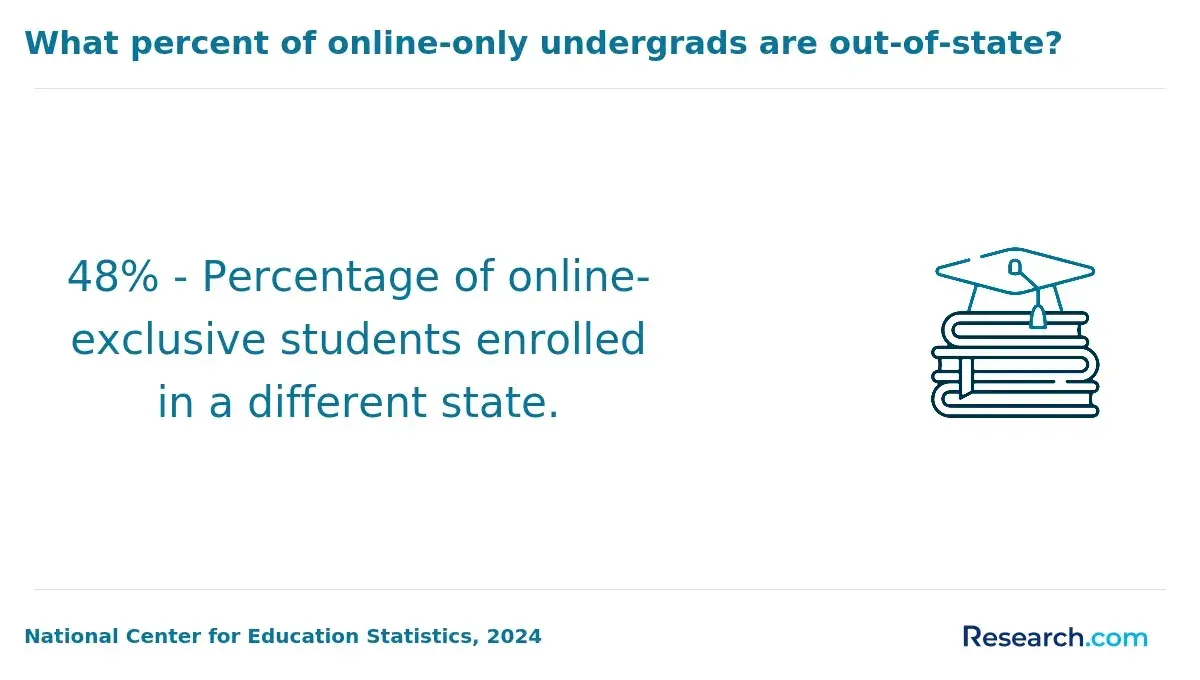
Both hybrid and fully online health information management bachelor's degree programs follow structured academic pathways that combine core courses, electives, and practical components. While these formats share similar curriculum designs, they differ significantly in how coursework is delivered and how students interact with instructors and peers. According to the National Center for Education Statistics, over 40% of undergraduates in the United States took at least one distance education course in fall 2019, illustrating the growing role of hybrid and online learning. The following outlines the key differences in delivery and engagement between these two program formats.
Hybrid Programs
- Classes typically meet on campus once or twice per week, blending face-to-face sessions with online coursework.
- Students participate in in-person lectures, labs, or discussions, allowing direct interaction with instructors and classmates.
- Online components are delivered asynchronously through video lectures, digital assignments, and learning management systems.
- The schedule combines fixed class meeting times with flexible deadlines for online work.
- Communication occurs both during in-person meetings and via online tools like discussion boards, email, and video conferencing.
Fully Online Programs
- All instruction, assignments, and assessments are conducted digitally through a learning management platform.
- Course materials are primarily asynchronous, enabling students to study and complete tasks on their own schedules.
- Some programs include synchronous sessions such as live webinars or scheduled group discussions.
- Interaction with instructors and peers happens through forums, video chats, email, and collaborative software.
- Regular feedback and virtual office hours maintain continuous support despite the lack of physical presence.
Students exploring a hybrid health information management bachelor's degree program structure or a fully online health information management bachelor's degree program delivery might also consider related fields. For example, those interested in advancing their education can explore accelerated social work programs that offer flexible learning options.
Are Admission Requirements Different for Hybrid and Fully Online Health Information Management Bachelor's Degrees?
Admission requirements for hybrid and fully online health information management bachelor's programs generally align with common academic standards but may differ slightly based on the institution's policies and the delivery format. These variations ensure students are adequately prepared for the unique demands of each learning environment. The following points highlight key distinctions in admissions expectations.
- Technical Skills and Equipment: Fully online programs often mandate that applicants demonstrate proficiency with digital tools and have consistent access to reliable internet and compatible devices, as all coursework and communication take place online. Hybrid programs also value technical readiness but may be more flexible due to some face-to-face sessions.
- Location and Residency Requirements: Hybrid programs sometimes require students to reside within a manageable commute to campus or partner sites, which influences admission decisions. In contrast, fully online programs typically do not enforce geographic restrictions unless limited by state authorization regulations.
- In-Person Commitments: Applicants to hybrid programs might need to participate in on-site orientations or interviews, whereas these are uncommon or not required for fully online candidates.
- Prerequisite Coursework: Both program types expect completion of foundational subjects like anatomy or introductory IT; however, hybrid tracks may insist on additional or more stringent prerequisites tied to hands-on labs or campus-based activities.
- Supplemental Application Documents: While transcripts and letters of recommendation are standard for both, hybrid programs may request extra documentation confirming a student's ability to attend in-person sessions, such as transportation plans or employer consent.
When I asked a student currently enrolled in a fully online health information management bachelor's program about admission hurdles, she reflected on how navigating technical requirements was initially daunting. "I had to ensure my home setup could support all the software and video calls," she explained, noting that proving this capability required submitting screenshots and completing test modules. The absence of any in-person orientation eased stress, but she also emphasized the reassurance of knowing the program's admissions team was responsive when clarifying prerequisites and application details. This personalized support made the process feel manageable despite the challenges of remote onboarding.
Is the Learning Experience Better in Hybrid vs Online Health Information Management Bachelor's Degrees?
Hybrid health information management bachelor's degree programs provide a mix of in-person and online learning that enhances student engagement through direct interaction with instructors and classmates. This face-to-face element encourages immediate feedback, more dynamic discussions, and stronger networking opportunities, which often boost motivation and deeper understanding.
Students also benefit from on-campus facilities like libraries and labs, supporting practical application vital to the field. The structured schedule of hybrid courses, combined with asynchronous online components, helps learners maintain discipline while accommodating diverse personal commitments. Overall, this format fosters a collaborative yet flexible learning environment that can improve retention of complex content.
Fully online health information management bachelor's degrees offer unmatched convenience, enabling students to study anywhere and often at their preferred pace. Although the absence of physical meetings may reduce spontaneous conversations, many programs use digital tools such as discussion forums, video calls, and group assignments to encourage interaction and build community.
Comprehensive access to virtual libraries, simulations, and multimedia resources attempts to mimic the benefits of traditional labs and coursework. Success in this setting heavily depends on a student's self-discipline and time management, as the lack of regular in-person contact can present challenges in staying accountable. For learners balancing work or family responsibilities, the flexibility of online programs can be especially advantageous despite some limitations in synchronous engagement.
Which Is More Flexible: Hybrid or Fully Online Health Information Management Bachelor's Degree?
Hybrid health information management programs require students to attend scheduled on-campus sessions, such as labs, exams, or group work, which can limit scheduling flexibility. These programs blend online coursework with mandatory in-person activities, offering a balance between virtual learning and face-to-face interaction. While this hybrid format allows some remote study convenience, fixed meeting times require students to coordinate their plans carefully around campus commitments.
The hybrid approach appeals to those who want occasional direct access to instructors and campus resources but comes with less freedom compared to fully online options. Considering the flexibility of online versus hybrid health information management degrees highlights that hybrid models often demand more structured timetables.
In contrast, fully online health information management programs provide continuous remote access to coursework and frequently include asynchronous learning options, enabling students to study whenever it suits them. This format maximizes independence, making it easier to juggle education with work, family, or other responsibilities.
A 2023 Online Learning Consortium survey found 65% of students in fully online programs prioritized flexible scheduling, underscoring its importance to learners. This strong preference for remote learning convenience differentiates fully online degrees as the more adaptable option. Prospective students interested in balancing life commitments should explore offerings like the affordable online construction management degree options as examples of flexible program structures.
What Is the Workload for Hybrid vs Fully Online Health Information Management Bachelor's Degrees?
While both hybrid and fully online health information management bachelor's degree programs adhere to comparable academic standards, their course delivery methods create differences in pacing, structure, and demands on students' time management. According to a 2023 study by the Online Learning Consortium, students in these formats generally dedicate 15 to 20 hours per week to coursework, though flexibility varies notably between the two. These distinctions shape how students organize and commit to their studies.
In hybrid health information management programs, students balance in-person classes with online activities. The workload is divided between fixed, face-to-face sessions and virtual assignments, fostering a predictable rhythm in students' schedules. This blend often encourages consistent routines since physical attendance requires students to allocate specific times for campus visits. Managing projects, quizzes, and other digital tasks is frequently coordinated around these scheduled meetings, helping many maintain steady progress through the semester.
Fully online health information management degrees emphasize asynchronous learning, where students access lectures, readings, and assignments independently. This format demands a higher level of self-discipline, as learners must keep pace with deadlines without the structure of regular in-person meetings. Although this flexibility allows for balancing education with work and personal life, students need strong planning skills to ensure consistent engagement with discussion boards, quizzes, and other coursework. The self-directed nature of these programs places a premium on proactive time management to stay on track.
How Does Tuition Compare for Hybrid vs Online Health Information Management Bachelor's Degrees?
Tuition costs for hybrid and fully online health information management bachelor's degree programs vary due to factors like delivery format, institutional policies, credit requirements, and additional student fees. On average, fully online programs tend to offer tuition rates per credit hour that are 5% to 15% lower than those of hybrid programs. This difference mostly reflects the added expenses hybrid programs incur from on-campus resources and technology support.
- Per-Credit Costs: Fully online programs generally provide more competitive per-credit rates since they avoid many physical infrastructure costs. Hybrid programs may charge a premium to cover on-campus resources and staffing needed for in-person components.
- Technology and Campus Fees: Hybrid students often face extra fees related to on-campus facility usage and technology support. These additional charges are commonly absent or reduced for fully online students, easing the overall tuition burden.
- Residency and Facility Charges: Because hybrid programs require some on-site presence, students might pay for parking, lab use, or campus residency fees. Fully online learners typically avoid these costs altogether.
- Payment Flexibility: Many online programs offer flexible payment options such as pay-per-term or subscription models tailored to remote learners. Hybrid programs often maintain traditional semester-based tuition payment structures.
- Credit Load and Semester Structure: Hybrid formats may enforce stricter credit and semester requirements, potentially affecting total tuition costs compared to the more self-paced structure of fully online programs.
When I asked a graduate of a hybrid health information management bachelor's degree about tuition, he shared how balancing costs and logistics was a central challenge. He recalled, "Managing the extra fees for campus facilities alongside tuition was tougher than I expected. I had to carefully budget not just for classes but also for parking permits and lab sessions." He also noted that while the hybrid format offered valuable in-person experiences, the financial planning required was more complex compared to peers in fully online programs. This firsthand account highlights the practical cost considerations many students face when choosing between hybrid and fully online learning paths.
Do Employers Prefer Hybrid or Fully Online Health Information Management Bachelor's Degrees?
Employer perceptions of hybrid and fully online health information management bachelor's degrees have evolved considerably as online education gains credibility. According to data from the National Association of Colleges and Employers, over 80% of employers now view online degrees as equally credible compared to traditional ones. This shift reflects the growing acceptance of virtual learning in the workforce and sets the stage for examining employer preferences between hybrid and fully online formats.
- Program Credibility: Employers increasingly prioritize accreditation and program quality over format. Both hybrid and fully online degrees are recognized when offered by reputable institutions, reflecting widespread acceptance of these learning modalities.
- Skill Focus: In health information management roles, employers emphasize skills and competencies. Hybrid degree holders may benefit from face-to-face collaboration experience, while fully online graduates demonstrate digital proficiency and self-motivation valued in data-driven environments.
- Industry Variation: Some conservative sectors or smaller healthcare organizations show slight preference for hybrid graduates due to perceived networking and hands-on benefits. Larger healthcare systems and tech-focused employers tend to treat hybrid and online degrees equally.
- Practical Advantages: Hybrid programs often provide in-person experiences fostering interpersonal skills, whereas fully online pathways highlight adaptability and independent learning, both crucial in modern health information management careers.
Ultimately, candidates from either hybrid or fully online health information management bachelor's programs remain competitive if they demonstrate mastery of data management, privacy regulations, and health IT tools. Prospective students interested in faster degree completion might also explore accelerated masters psychology programs as another example of evolving online education trends within healthcare and STEM fields.
Who Should Choose a Hybrid vs Fully Online Health Information Management Bachelor's Degree?
Choosing between a hybrid and a fully online health information management bachelor's degree depends largely on personal learning preferences, schedule flexibility, and lifestyle needs. Both options offer unique benefits tailored to different types of learners. Understanding who thrives in each format can help students make an informed decision.
- Preference for In-Person Interaction: Students who value occasional face-to-face engagement and hands-on learning benefit from hybrid health information management bachelor's degree advantages. They appreciate structured class times and direct access to instructors for immediate feedback.
- Flexible Schedules: Individuals juggling work or caregiving responsibilities may find fully online programs better suited to their lifestyle, as these programs allow asynchronous coursework and study from any location.
- Networking Opportunities: Learners seeking to build professional relationships through campus events and peer collaboration often prefer hybrid formats that offer in-person networking environments.
- Remote Learners: Those living in rural or remote areas without easy campus access benefit from fully online programs, which provide unmatched convenience and autonomy.
- Self-Discipline and Autonomy: Students who excel at time management and prefer self-paced study generally thrive in fully online health information management degree suitability scenarios, making the most of flexible learning schedules.
- On-Campus Resources: Those who want occasional access to labs or campus resources alongside online coursework typically favor hybrid degrees that blend these experiences effectively.
For those considering an associate's degree online before advancing to a bachelor's, exploring options through associate's degree online programs can provide foundational knowledge and flexibility aligned with their educational path.
How Can I Succeed in a Hybrid vs Fully Online Health Information Management Bachelor's Degree Program?
Success in hybrid and fully online health information management bachelor's degree programs depends on adapting to their distinct learning environments. Hybrid programs blend in-person and digital elements, requiring students to balance campus presence with remote coursework. Fully online programs rely entirely on self-discipline and virtual engagement. The following strategies highlight ways to navigate each setting effectively.
- Time Management: Hybrid students should organize their schedule to accommodate both on-campus classes and online tasks, while fully online learners need to establish a consistent daily routine to maintain momentum without physical classroom cues.
- Attendance and Participation: Attending all in-person sessions is critical for hybrid students to benefit from direct interaction; fully online students must actively participate in virtual discussions to stay connected.
- Use of Digital Tools: Both formats benefit from leveraging calendar apps, learning platforms, and note-taking software to track assignments and deadlines efficiently.
- Study Environment: Fully online students should create a dedicated, distraction-free workspace, whereas hybrid learners can enhance study groups through face-to-face collaboration on campus.
- Communication: Consistent outreach to instructors is essential for all students, but online learners might need to be more intentional about seeking feedback and clarifying questions.
What Graduates Say About Hybrid vs Fully Online Health Information Management Bachelor's Degree Programs
- Jason: "Choosing a fully online health information management program was essential for me due to my demanding work schedule and family commitments. The flexibility allowed me to balance coursework with real-life responsibilities without missing a beat. Now, as a certified professional, I see how the skills I gained directly translate into managing electronic health records efficiently in my hospital role."
- Camilo: "Enrolling in a hybrid Health Information Management degree gave me the best of both worlds-online convenience paired with in-person interaction. Navigating the digital platforms initially felt daunting, but the support from faculty made a huge difference. Graduating expanded my career prospects significantly, enabling me to move into leadership positions overseeing data compliance."
- Alexander: "The decision to pursue a fully online health information management bachelor's was driven by my desire to keep working while advancing my education. I appreciated how the curriculum was designed to be accessible yet rigorous, allowing me to engage deeply with the material on my own time. This degree has been a game-changer professionally, opening doors to specialized roles I hadn't considered before."
Other Things You Should Know About Health Information Management Degrees
Most fully online Health Information Management bachelor's programs require students to complete clinical practicums or internships at approved healthcare facilities near their residence. Hybrid programs often integrate these practical components with on-campus resources or partnerships, allowing some portion of the clinical experience to occur in conjunction with in-person sessions. Regardless of format, hands-on experience is a critical part of accreditation requirements and preparing students for professional certification.
Accreditation bodies, such as the Commission on Accreditation for Health Informatics and Information Management Education (CAHIIM), maintain consistent standards for hybrid and fully online programs. Both formats must meet rigorous curriculum, faculty qualifications, and student assessment criteria to ensure quality education. Therefore, students should verify CAHIIM accreditation rather than relying solely on program delivery mode when choosing a degree.
Yes, hybrid students often have access to a combination of in-person and virtual support services, including academic advising, tutoring, and career counseling. Fully online students typically receive these services through online platforms and remote communication tools. Most accredited programs strive to offer comprehensive support regardless of format to enhance student success.
In 2027, fully online Health Information Management programs often require students to be more tech-savvy as they rely heavily on digital platforms for coursework, communication, and assessments. Conversely, hybrid programs balance technology with in-person interactions, potentially easing the tech reliance. Hybrid settings offer more opportunities for hands-on guidance reducing technological challenges.
References
- How to Become a Health Information Manager (HIM) https://www.medicaltechnologyschools.com/health-information-management/how-to-become-a-health-information-manager
- What is the difference in a Health Informatics degree program and a Health Information Management degree program? https://www.onlineschoolscenter.com/difference-health-informatics-health-information-management/
- How does a Bachelor of Science in Health Information Systems Management differ from a traditional health management program? https://m.umu.com/ask/q11122301573854488063
- What are the benefits of distance education in health information management? https://www.umu.com/ask/q11122301573853753309
- Future Of Education: Exploring Hybrid Bachelor's Degree Programs https://www.bachelorsdegreecenter.org/hybrid-bachelors-degree-programs/
- Semua program di University of Illinois Chicago https://www.hotcourses.co.id/study/course/us-usa/bachelor-of-science-health-information-management/758007/program.html
- Best Value Online Master of Science Degrees in Health Informatics and Health Information Management - BestMedicalDegrees.com https://www.bestmedicaldegrees.com/best-value-online-master-of-science-degrees-in-health-informatics-and-health-information-management/
- Best Health Information Technology HIT Degree | Masters vs Bachelors https://www.businessstudent.com/online-degrees/health-information-technology-degree/
- HIM Students: How to Do Your Best in Your Health Information Management Courses https://www.ultimatemedical.edu/blog/health-information-management-student-tips/
- Online vs Hybrid vs Campus Learning in Healthcare: Which Is Right for You? https://www.edumed.org/articles/online-vs-hybrid-vs-campus/