2027 Online Health Information Management Bachelor's Degree Programs With Weekly Start Dates

Co-Founder and Chief Data Scientist
Professionals with unrelated undergraduate degrees often struggle to find flexible programs that allow swift entry into health information management careers. Traditional start dates can delay progress-causing lost time and missed job opportunities in an expanding field. Studies show that programs with weekly start dates increase enrollment by 25%, enabling students to begin coursework immediately and adapt schedules around work and personal commitments.
This article explores accredited online health information management bachelor's degree options with weekly start dates, offering a clear roadmap for prospective students to transition effectively and meet growing industry demands without waiting for conventional academic calendars.
Key Benefits of Online Health Information Management Bachelor's Degree Programs With Weekly Start Dates
- Programs with weekly start dates offer unmatched flexibility-allowing working professionals and career changers to begin courses promptly, fitting education around busy schedules.
- Eliminating semester-based enrollment delays reduces frustration-students can start within days of acceptance, accelerating degree completion and workforce reentry.
- Students earn regionally accredited Health Information Management degrees while balancing personal and professional commitments, supported by transfer credit options and prior learning assessments.
What Are Weekly Start Dates in Online Health Information Management Bachelor's Programs, and How Do They Differ From Traditional Term-Based Enrollment?
Weekly or rolling start dates in higher education allow students to begin courses every week or at very frequent intervals, breaking away from the traditional semester-based enrollment windows where students must wait for specific terms such as fall or spring. These flexible enrollment models remove long wait times between application and the first day of class, giving students greater control over their academic timeline and enabling them to start almost immediately after admission. This approach is particularly advantageous for those pursuing an online health information management bachelor's degree, accommodating diverse schedules and urgent career needs.
Institutions like Western Governors University and Purdue Global are leading examples of schools that use continuous enrollment models. Their competency-based curricula allow students to progress at their own pace within weekly start dates cycles. This flexible format is ideal for working professionals or adult learners who need to balance education with other commitments while also seeking to accelerate degree completion. Compared with traditional term enrollment, weekly starts offer enhanced adaptability, letting students tailor their studies to fit personal and professional demands.
This model also supports integration of transfer credits and prior learning assessments, which can shorten time to degree and reduce costs. Students can take advantage of financial aid cycles without delaying enrollment. Those researching efficient pathways might also consider the benefits of an accelerated ma program, reflecting a trend toward rapid credentialing in health fields. Weekly start dates increasingly appeal to career-focused adults seeking immediate, practical, and affordable routes to earning an online Health Information Management degree.
- Flexibility In Enrollment: Weekly start dates enable students to begin classes every week, removing delays caused by fixed semester schedules and providing immediate access to coursework upon admission approval.
- Customized Academic Pace: Unlike traditional term systems, students can tailor their advancement based on availability and learning speed, which helps balance studies with professional or personal obligations.
- Continuous Admission Model: Schools like Western Governors University use ongoing enrollment to support rolling admissions, meaning prospective students do not have to wait months between application and class start.
- Increased Accessibility: This enrollment structure fits the needs of busy adults by offering flexible scheduling, maximizing transfer credit opportunities, and helping reduce overall time and costs associated with earning a bachelor's degree.
Which Accredited Institutions Offer Online Health Information Management Bachelor's Degree Programs With Weekly or Rolling Start Dates?
Several regionally accredited institutions now offer online health information management bachelor's programs with weekly or rolling start dates-ideal for students needing adaptable enrollment. These options cater to first-time college students, working professionals, and adult learners seeking flexible pathways to advance their education without waiting for traditional semester start dates.
- American Public University System: The Bachelor of Science in Health Information Management is fully online with weekly starts, allowing enrollment nearly any week. Tuition runs about $285 per credit. American Public University is accredited by the Higher Learning Commission (HLC) and supports generous transfer credit policies plus prior learning assessments for faster degree completion.
- Southern New Hampshire University: SNHU's program features flexible rolling enrollments approximately every two weeks. Tuition is around $320 per credit. Accredited by the New England Commission of Higher Education (NECHE), SNHU offers robust financial aid and easily transfers credits from accredited institutions.
- University of Cincinnati: This online bachelor's offers monthly start dates, charging about $456 per credit for out-of-state students. Accredited by the Higher Learning Commission, the program includes career support and accelerated degree options.
- Walden University: Walden provides weekly start dates with tuition averaging $365 per credit. Also regionally accredited by the Higher Learning Commission, Walden promotes transfer credit acceptance and prior learning assessments as integral parts of its student-friendly policies.
- Capella University: Capella uses a competency-based model with nearly weekly start dates. Tuition is approximately $362 per credit. Accredited by the Higher Learning Commission, Capella's FlexPath format helps students accelerate programs and control tuition by completing courses faster.
Weekly and rolling enrollment windows differ significantly from traditional semester schedules-students can begin studies anytime during the year without waiting for fixed semesters. This flexibility helps reduce time to degree and may lower overall costs. Evaluating per-credit tuition rates, transfer credit policies, accreditation status, and financial aid options enables students to select programs aligning with their educational and financial goals. Many institutions also offer prior learning assessments to maximize credits earned from work experience or previous coursework.
For students interested in related nursing pathways, exploring rn to bsn online programs can provide additional career advancement opportunities within healthcare.
How Do Weekly Start Dates in Online Health Information Management Programs Benefit Working Adults and Non-Traditional Students?
Weekly start dates in online health information management bachelor's programs remove common enrollment obstacles for working adults and non-traditional students by replacing rigid semester schedules with continuous enrollment options. Instead of waiting months for the next semester, learners can begin their classes as soon as they're accepted-closing the gap between ambition and action. This prompt start fosters motivation and eases the challenge of balancing education with work and family.
- Immediate Enrollment: Students can commence coursework without delay, eliminating the downtime that often causes loss of momentum for busy adults juggling multiple responsibilities.
- Flexible Scheduling: Weekly terms let learners control their pace, accommodating work shifts, caregiving, and other commitments, which increases likelihood of steady progress.
- Improved Retention: Studies from the NCES and Lumina Foundation demonstrate that flexible enrollment options enhance student persistence and graduation rates by adapting to diverse adult life circumstances.
- Accelerated Career Advancement: Starting classes sooner means earlier skill acquisition and credentialing, enabling professionals to pursue promotions or new roles without unnecessary delay, thus maximizing financial gains.
One professional who enrolled in a self-paced online health information management bachelor's program with weekly start dates described how the flexibility was a game-changer. "I was working full time and caring for my family, so fixed semester dates just wouldn't have worked," he shared. Being able to start immediately after acceptance allowed him to jump right into his studies without sacrificing his job or personal responsibilities. He mentioned feeling less overwhelmed by deadlines because he could plan his coursework around his busiest weeks. "It kept me motivated because I wasn't stuck waiting-it felt like the program actually worked with my life, not against it." This adaptability not only made it possible to continue education but also helped him maintain a steady path toward his career goals.
What Is the Total Tuition Cost for Online Health Information Management Bachelor's Programs That Allow Weekly Enrollment?
For online bachelor’s programs in Health Information Management (HIM) that feature "weekly enrollment" or flexible, self-paced models (often called Competency-Based Education or CBE), tuition is typically structured as a flat-rate subscription rather than a per-credit fee.
Because these programs allow you to start almost any month (or week, depending on the school's "Flex" model) and finish as many courses as you can in a set term, the total cost depends heavily on your pace and the amount of transfer credits you bring in.
Tuition per Credit Hour: Online health information management bachelor's programs with weekly start dates generally charge between $300 and $500 per credit hour. Based on the typical 120-credit requirement, total tuition costs usually fall between $36,000 and $60,000, reflecting the overall total tuition costs for online health information management bachelor's programs.
Flat-Rate Tuition Options: Some schools utilize flat-rate or block tuition models, charging a fixed fee each term regardless of enrollment hours. This approach benefits students taking heavier course loads by lowering per-credit costs and can expedite graduation timelines.
In-State Tuition for All Students: Notably, certain online programs offer in-state tuition rates to every student, no matter their residency status. This policy creates particularly affordable avenues for out-of-state attendees seeking online health information management degrees without the usual out-of-state surcharge.
Additional Expenses: Besides tuition, candidates should budget for mandatory fees such as technology charges and course materials. These extra costs can add several thousand dollars to the sticker price, significantly influencing the total cost of attendance.
Transfer Credits and Prior Learning: Many programs accept generous transfer credits or recognize prior learning assessments, which reduces the required credit hours and tuition expenses. This also allows students to complete their degrees more rapidly.
Free application online colleges often facilitate smooth enrollment throughout the year, helping students maximize savings and speed through flexible start dates.
How Quickly Can Students Complete an Online Health Information Management Bachelor's Degree When Enrolling Through a Weekly Start Option?
For students utilizing "weekly start" or monthly rolling enrollment, the completion time for an online Health Information Management (HIM) degree is significantly faster than the traditional 4-year model.
For a highly motivated student, the timeline typically ranges from 12 to 24 months, depending on transfer credits and professional experience.
Credit Load Flexibility: Students enrolled full-time-generally 12 to 15 credits each term-can accelerate degree completion by continuously taking multiple courses during 5- or 8-week modules. This approach bypasses long breaks common in traditional semesters, promoting steady progress.
Prior Learning Credit: Programs often accept transfer credits up to 90 hours or award credit for prior learning through professional certifications and relevant work experience. These credits allow students to bypass foundational courses and focus on advanced topics, significantly shortening the overall timeline.
Self-Paced Options: Certain competency-based offerings let learners move at their own speed, mastering material without rigid deadlines. This flexibility is especially valuable for adults balancing jobs and study, enabling focused effort when they can dedicate time.
Full-Time vs. Part-Time: Full-time students typically finish in about 2 to 2.5 years, whereas part-time students might take 4 to 6 years depending on course load and transfer credit. Weekly start dates eliminate waiting periods to enroll, smoothing transitions between courses and reducing downtime.
Program Examples: Institutions like Southern New Hampshire University and Western Governors University feature rolling enrollments and generous credit transfer policies, allowing students to tailor pacing and potentially complete a bachelor's degree in less than three years.
One professional who graduated from a self-paced online Health Information Management program with weekly start dates shared that the flexibility was crucial in managing work and family demands. She recalled feeling initially overwhelmed by the autonomy but quickly adapted by setting personal deadlines and leveraging prior experience to test out of basic courses. This learner appreciated starting courses immediately without waiting for semester dates, which maintained her momentum and focus. Reflecting on her journey, she noted that the program's design rewarded discipline but also respected real-life responsibilities-"It felt empowering to progress when I could and pause when I had to," she explained. Her experience highlights that, while the timeline varies per individual, weekly start formats can offer an achievable path to timely completion for motivated adults.
What Admission Requirements Must Students Meet to Enroll in an Online Health Information Management Bachelor's Program With a Weekly Start Date?
Many online health information management bachelor's programs with weekly or rolling start dates reduce traditional admission barriers by offering open or semi-open enrollment, making it easier for students to begin their studies promptly. Usually, these programs require a high school diploma or GED equivalent, with minimum GPA standards around 2.0-reflecting a more inclusive approach compared to selective institutions. Standardized tests like the SAT or ACT are often not required, aligning with trends to increase access through flexible distance education.
While open admissions create greater accessibility for working adults and those returning after long breaks from school, they may also result in varied academic rigor. Programs with less selectivity typically provide additional support, including tutoring and mentoring services, to help students stay on track and succeed. Applicants with non-traditional academic backgrounds are encouraged to highlight relevant work experience, certifications, or personal motivation within their applications to strengthen their prospects.
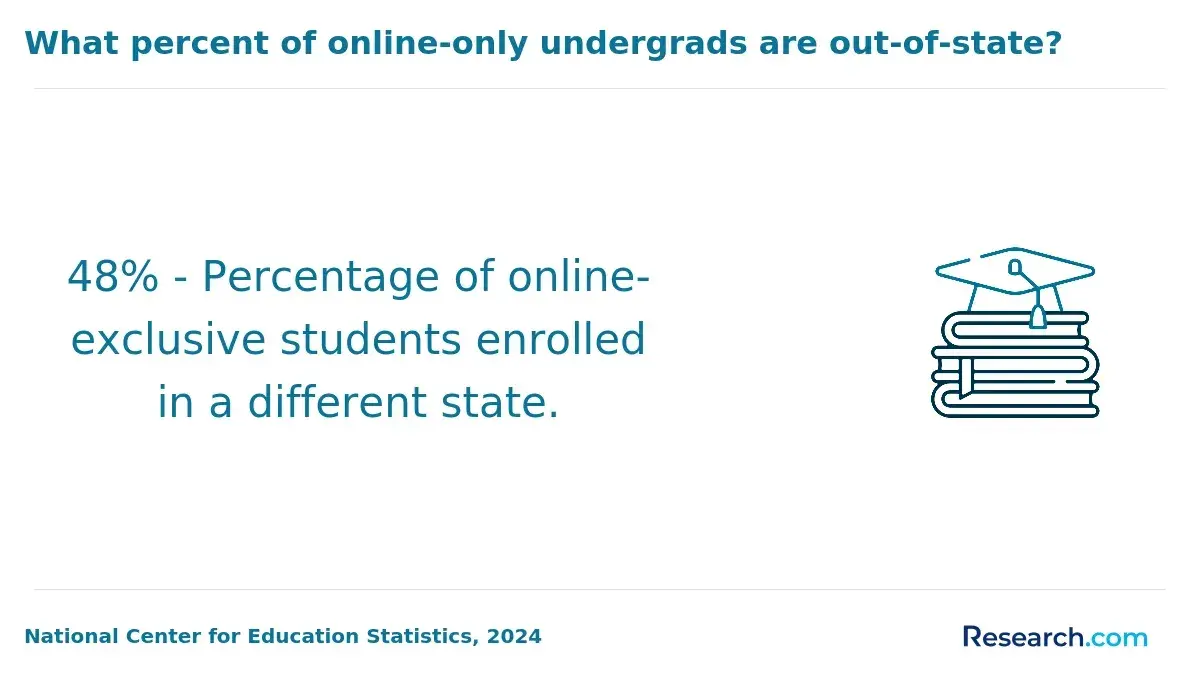
According to data from the National Center for Education Statistics in 2023, more than 40% of students in online bachelor's programs enroll during non-traditional periods such as weekly or rolling start dates, signaling a significant shift toward flexible academic scheduling.
- Flexible Admissions: Rolling or open enrollment policies remove many traditional barriers such as strict GPA cutoffs and testing requirements, increasing access for a wider student population.
- Academic Prerequisites: Generally, a high school diploma or GED is necessary, with low GPA thresholds that support enrollment of diverse learners.
- Support Resources: Students in open-admission programs often benefit from supplemental academic assistance designed to enhance retention and accommodate different preparation levels.
- Application Advice: Emphasizing relevant experience and personal drive is helpful for applicants with unconventional educational backgrounds or extended gaps.
- Enrollment Patterns: A growing share of online students now begin studies outside conventional semester schedules, reflecting the appeal of continuous enrollment options.
How Do Online Health Information Management Programs With Weekly Starts Handle Transfer Credits From Previous College Coursework?
Online health information management bachelor's degree programs with weekly start dates frequently offer flexible transfer credit policies that help students reduce time and tuition expenses. These programs typically accept credits from accredited community colleges and institutions, as well as military training and employer-based learning, leveraging recommendations from the American Council on Education (ACE) credit system. ACE plays a crucial role by evaluating diverse professional and military experiences and converting them into academic credits accepted by many universities. For instance, Southern New Hampshire University and Capella University openly disclose transfer policies that welcome a broad range of credits-including up to 90 semester hours-especially for relevant coursework.
Prospective students should request a transcript evaluation before enrollment to clarify how many credits will transfer and how many courses remain. This transparency ensures efficient academic planning and cost management. Programs with rolling or weekly start dates support immediate enrollment after credit approval, allowing continuous progress toward the degree.
Recent statistics show that approximately 60% of online students use transfer credits to shorten their education timelines, underlining the importance of generous transfer acceptance in today's flexible online learning environment.
- Generous Transfer Acceptance: Many weekly-start programs accept large portions of prior credits-including core and elective courses-significantly lowering both time to degree and cost.
- ACE Credit System: The American Council on Education evaluates military and workplace learning, helping students convert experience into academic credit.
- Transcript Evaluation Importance: A formal credit review before admission provides upfront clarity on degree requirements to avoid surprises and plan effectively.
- Wide Credit Sources: Institutions accept credits from community colleges, military training, and employer programs, benefiting a broad range of learners.
- Faster Enrollment Cycles: Weekly start dates complement transfer credit policies by enabling immediate course starts post-credit evaluation, accelerating degree completion.
What Financial Aid and Scholarship Options Are Available for Students Enrolling in Weekly-Start Online Health Information Management Programs?
Students enrolling in weekly-start online health information management programs have access to a range of financial aid options that mirror those in traditional semester-based formats. Federal aid remains central-most qualify for Pell Grants, which offer need-based funds that don't require repayment. In addition, subsidized and unsubsidized Stafford loans provide flexible borrowing with relatively low interest rates, and Federal Work-Study programs may also be available to help students secure employment related to their field. Importantly, weekly-start programs operate within the conventional academic calendar for federal aid, so students must carefully coordinate enrollment and FAFSA submissions to maintain eligibility throughout their studies.
Data from College Board's Trends in Student Aid shows that the average federal aid package for undergraduate programs tends to cover a substantial portion of tuition and expenses, though aid amounts vary greatly based on individual financial need, institution policies, and enrollment level. Scholarships focused on health information management students and online learners have grown increasingly available from professional organizations like the American Health Information Management Association (AHIMA), nonprofit bodies, and many academic institutions-rewarding academic achievement and dedication to the health information field.
Completing the Free Application for Federal Student Aid (FAFSA) is a crucial step to access these funds. Early submission is highly recommended since many grants and scholarships are awarded on a first-come, first-served basis. Gathering necessary financial documents and seeking help from financial aid offices or online resources can smooth this process for students seeking financial support.
Students exploring financial aid options for weekly-start online health information management programs can also benefit from understanding how prior learning assessments and transfer credit policies might reduce costs and accelerate completion. Prospective learners can find more details about affordable programs by visiting health information management degree resources online.
- Federal Financial Aid: Pell Grants, Stafford loans (both subsidized and unsubsidized), and Federal Work-Study programs are accessible but require FAFSA completion and meeting federal eligibility rules.
- Weekly Start Coordination: Timely enrollment aligned with federal aid calendars ensures students maintain continuous financial support across multiple start dates.
- Targeted Scholarships: Organizations such as AHIMA, nonprofits, and universities offer scholarships specifically for health information management students and online learners emphasizing academic merit and leadership.
- FAFSA Timing: Early FAFSA submission maximizes access to limited financial aid, as many grants and scholarships are distributed on a first-come, first-served basis.
- Average Aid Packages: According to College Board data, federal aid can significantly reduce college costs but varies by financial need, enrollment intensity, and institutional policies.
What Accreditation Standards Should a Weekly-Start Online Health Information Management Bachelor's Program Meet to Ensure Employer and Transfer Recognition?
When selecting an online health information management bachelor's program with weekly start dates, accreditation is a critical factor that influences employer recognition and the transferability of credits. In the United States, regional accreditation remains the gold standard in higher education. It is awarded by one of seven regional accrediting bodies recognized by the U.S. Department of Education, offering broader acceptance compared to national accreditation, which tends to be more specialized and less widely accepted for credit transfer or graduate study.
The seven regional accrediting organizations are the Middle States Commission on Higher Education (MSCHE), New England Commission of Higher Education (NECHE), Higher Learning Commission (HLC), Northwest Commission on Colleges and Universities (NWCCU), Southern Association of Colleges and Schools Commission on Colleges (SACSCOC), Western Association of Schools and Colleges, Senior College and University Commission (WSCUC), and Western Association of Schools and Colleges, Accrediting Commission for Community and Junior Colleges (ACCJC). Weekly-start online health information management programs are most commonly accredited by HLC, MSCHE, or SACSCOC, which support flexible and nontraditional scheduling.
Before enrolling, students should verify accreditation status directly through the U.S. Department of Education's accreditation database to ensure they avoid nonrecognized institutions. Attending a nationally accredited-only school risks credit transfer challenges to regionally accredited programs and may affect eligibility for graduate health information management studies.
- Regional vs. National: Regional accreditation is preferred for broader acceptance by employers and institutions, while national accreditation has limited transfer and graduate school recognition.
- Seven Regional Bodies: These include MSCHE, NECHE, HLC, NWCCU, SACSCOC, WSCUC, and ACCJC, with weekly enrollment programs typically accredited by HLC, MSCHE, or SACSCOC.
- Verification Is Essential: Confirm program accreditation via the official U.S. Department of Education database to avoid nonrecognized schools.
- Transfer Credit Risks: Nationally accredited-only schools may hinder credit transfer to regionally accredited institutions.
- Graduate Studies Impact: Regional accreditation is often required for admission to advanced health information management degree programs.
Understanding these accreditation distinctions is vital for students seeking employer-recognized accreditation standards for health information management online degrees with rolling enrollment. Students can also explore ways to optimize their education path, including transfer credit policies, financial aid opportunities, and career outcomes. For comparable fields or additional guidance on online education pathways, consider reviewing programs like the online exercise science degree.
How Is Coursework Structured in Online Health Information Management Bachelor's Programs With Weekly Starts Compared to Semester-Based Formats?
Weekly-start health information management programs usually deliver courses through asynchronous video lectures, enabling students to study at convenient times without scheduled class meetings. These programs feature weekly assignment deadlines and active discussion boards to maintain steady engagement. Digital tools support group projects and peer interactions in fully online environments. Unlike traditional semester-based formats, these courses run on a faster timeline-typically five to eight weeks-requiring students to be highly self-disciplined and efficient with their time to keep up with the workload.
This accelerated format is ideal for mastering practical skills such as medical coding, health data analytics, healthcare laws, and ethics, with frequent assessments ensuring knowledge retention. However, the shorter terms provide less opportunity for deep analysis or extended projects that longer semesters allow. Preparing mentally includes setting consistent weekly study goals and minimizing distractions, while having reliable technology and organized resources is critical to staying on track.
According to the National Center for Education Statistics, programs offering flexible start dates have increased enrollment by 15% in the last five years, reflecting growing demand for adaptable learning schedules.
- Flexible Asynchronous Learning: Students access recorded lectures and discussion forums anytime, supporting varied lifestyles and pace preferences.
- Intensive, Short Terms: Condensed five- to eight-week courses promote rapid understanding and application of key health information principles.
- Core Skill Development: Focused study in coding, regulations, and analytics equips students with competencies essential for the industry.
- Time Management Requirements: The fast pace demands disciplined scheduling and prompt assignment completion to succeed.
- Preparation Tips: Planning study time weekly, optimizing digital tool use, and creating distraction-free environments help students thrive.
Can Students Earn Credit Through CLEP, DSST, or Prior Learning Assessment in Weekly-Start Online Health Information Management Programs?
Credit-by-examination programs such as CLEP and DSST allow students pursuing an online health information management bachelor's degree to earn college credits by demonstrating knowledge they already possess. These exams cover both general education and specialized subjects, enabling learners to bypass certain courses and accelerate their degree progress, reducing tuition expenses.
Prior Learning Assessment (PLA) processes further support credit earning by evaluating real-world experience, military training, or professional certifications through portfolio submissions or transcript reviews. Institutions like Southern New Hampshire University and Purdue Global, which offer weekly start dates, are recognized for their flexible PLA policies that often accept up to 45 semester hours of credit, including military transcripts and portfolio-based assessments.
The College Board's CLEP program and the American Council on Education's (ACE) credit recommendations remain authoritative sources for credit eligibility via exams and military training. Students should meticulously document their prior learning-such as training certificates, licenses, and detailed work projects-to optimize credit awards. Early submission of these materials to admissions offices or PLA coordinators is crucial for timely evaluation and integrated degree planning.
- Credit by Examination Options: CLEP and DSST exams provide cost-effective methods to earn credits for foundational and specialized coursework relevant to health information management.
- Prior Learning Assessment Benefits: PLA acknowledges experiential learning with portfolio reviews and military transcript evaluations, allowing students to skip courses.
- Flexible PLA Policies: Leading weekly-start programs like Southern New Hampshire University accept extensive PLA credits, often capping at 45 semester hours to maintain degree standards.
- Documentation Requirements: Clear and thorough records of prior learning, including certifications and work samples, are essential for successful credit evaluation.
- Trusted Credit Authorities: The College Board and ACE offer comprehensive guidance on standardized exams and military credit endorsements.
What Graduates Say About Online Health Information Management Bachelor's Degree Programs With Weekly Start Dates
- Jason: "Choosing an online health information management bachelor's degree program with weekly start dates was a game-changer for me-I needed the flexibility to balance work and study. The affordable tuition made it easier to commit without worrying about debt piling up. Since graduating, I've seen a real boost in my career opportunities, moving into a management role faster than I anticipated."
- Camilo: "Reflecting on my decision, the weekly start dates were crucial-they allowed me to begin my education right when I was ready rather than waiting months for a semester to start. I found the program cost reasonable, especially considering the quality of the courses. Earning this degree opened doors I didn't think possible, proving invaluable for my professional development in the health information field."
- Alexander: "From a professional standpoint, enrolling in an online health information management bachelor's degree program with weekly start dates was a strategic move. The ability to start on my own schedule helped me maintain steady progress without career interruptions. The cost was competitive compared to traditional programs, and obtaining the degree directly contributed to my credibility and advancement within my organization."
Other Things You Should Know About Health Information Management Degrees
Weekly-start online health information management programs in 2027 typically utilize advanced learning management systems like Blackboard or Canvas. Technical requirements usually include a reliable computer with internet access, updated browsers, and often specific software for data management and health informatics.
Graduates with a bachelor's degree in health information management can pursue roles such as health information managers, coding specialists, compliance officers, and data analysts in healthcare settings. According to industry data, median salaries for health information managers range from $55,000 to $75,000 annually, depending on location and experience. Job growth in this field remains strong due to the increasing digitization of health records and regulatory demands, making career prospects favorable for graduates of accredited programs.
Many programs with weekly start dates offer extensive student support services, such as academic advising, tutoring, technical assistance, and career counseling. Dedicated online success coaches help students manage course loads and stay on track with flexible pacing. Virtual libraries and access to health information management professional networks also enhance learning. Support services are critical in helping non-traditional and working students balance education with other commitments.
References
- What are the benefits of distance education in health information management? https://www.umu.com/ask/q11122301573853753309
- Health Information Management https://www.sait.ca/programs-and-courses/diplomas/health-information-management
- Accreditation | Approved Programs https://www.himaa.org.au/our-work/accreditation/accreditation/
- Earn College Credit for Prior Learning https://www.shawnee.edu/admission/admission-requirements/earn-college-credit-prior-learning
- Health Information Management - Associate Degree https://www.blackhawk.edu/Programs-Courses/Health-Information-Management
- Home https://cchim.ca/
- Health Information Management - CAHIIM https://www.cahiim.org/accreditation/health-information-management/
- Online Health Information Management Program https://www.ultimatemedical.edu/program/health-information-management/
- Bachelor of Science in Health Information Management https://www.uagc.edu/online-degrees/bachelors/health-information-management-v2
- Health Information Management https://www.collin.edu/academics/programs/health-information-management-overview.html