2027 How Long Does It Take to Earn an Online Library Science Degree?

Co-Founder and Chief Data Scientist
Choosing an online library science program is partly an academic decision and partly a timing decision. A full-time student may be ready to finish quickly, while a working professional may need a slower path that protects their job, family schedule, and budget. According to the U.S. Bureau of Labor Statistics, employment for librarians and media specialists is projected to grow 9% from 2022 to 2032, which makes planning the right credential and timeline especially important for students entering or advancing in the field.
This guide explains how long it typically takes to earn an online library science degree, what can speed up or delay completion, how credit hours and start dates affect the timeline, and whether an accelerated format can reduce costs. It also covers common program types, curriculum expectations, employment timing, and average earnings so prospective students can compare options with a clear understanding of the trade-offs.
Key Benefits of Online Library Science Degree
- Most online library science degrees can be completed in 1 to 2 years, offering a faster path compared to traditional programs that often take 2 to 3 years.
- Flexible scheduling allows students to balance coursework with work or personal commitments, with many programs offering asynchronous classes accessible anytime.
- Online formats often provide accelerated options or part-time enrollment, enabling students to tailor their timeline based on individual pace and professional needs.
What is the Average Completion Time for Online Library Science Programs?
Online library science programs usually take between one and three years at the graduate level, although the full timeline depends on the degree level, whether the student enrolls full time or part time, and how many credits the program requires. Undergraduate degrees take longer because they include general education and major coursework, while graduate programs are more focused on library and information science training.
- Bachelor's in library science: Most online bachelor's programs follow a traditional four-year timeline for full-time students. Students who already hold college credits may finish faster through a degree-completion pathway, while part-time learners may need longer than four years.
- Master's in library science (MLS, MLIS): A master's program is the most common credential for many librarian roles. Full-time online students usually finish in about two years. Accelerated options may reduce the timeline to 18-20 months, while part-time formats for working adults often take two or three years.
- Doctorate in library science: Online doctoral options are less common and typically take three to five years or more. Research requirements, dissertation progress, and enrollment status heavily influence the final timeline.
Students comparing timelines should look beyond the advertised completion estimate. A one-year or accelerated format may be efficient, but it can require heavier weekly study hours. A two-year or part-time format may cost more in fees over time, but it can be more realistic for students who need to keep working.
For readers considering shorter credentials before committing to a degree, this overview of what 6 month certificate course can lead to a higher salary online may help compare alternative training paths.
What Factors Can Affect How Long It Takes to Earn an Online Library Science Degree?
The length of an online library science degree is not determined by format alone. Two students in the same program can graduate at different times depending on transfer credits, course load, practicum requirements, and whether they can study year-round. Before enrolling, students should confirm the exact credit total, course rotation, fieldwork expectations, and maximum time allowed to finish.
- Course load and enrollment status: Full-time students who take a heavier schedule can finish faster, while part-time students who take fewer credits each term may extend a bachelor's timeline to five or six years or more. At the graduate level, part-time enrollment commonly adds one or more years.
- Prior education and transfer credits: Transfer credits can shorten the path, especially for bachelor's students entering with previous college coursework. Graduate students should ask whether any prior graduate credits can apply, since policies vary widely.
- Program structure and electives: Some programs offer required courses every term; others rotate specialized electives less frequently. If a needed course is offered only once a year, missing it can delay graduation.
- Practicum and internship requirements: Field experiences provide valuable professional preparation, but they can affect timing. Students may need to coordinate site approval, work schedules, background checks, or school-calendar availability for school library placements.
- Accelerated options: Some institutions offer accelerated paths, including an Accelerated Master's Option (AMO), that allow students to take graduate-level courses while completing undergraduate requirements. This can shorten the combined timeline for students who plan early.
A common mistake is choosing the fastest advertised program without calculating weekly workload. Online does not mean easier; it usually means more control over when coursework is completed. Students with demanding jobs should ask admissions teams for sample schedules and expected weekly study hours before committing.
Students comparing graduate options may also find it useful to review easy masters programs to understand how flexibility, curriculum structure, and workload differ across fields.
What Are the Different Types of Online Library Science Programs Available?
Online library science programs serve different career goals. Some prepare students for broad librarian roles, while others focus on schools, archives, digital systems, public service, or specialized information environments. The right choice depends on where the student wants to work after graduation and whether the role requires licensure, certification, or a specific accredited credential.
- Master of Library and Information Science (MLIS) or Master of Science in Library Science (MSLS): These are widely recognized graduate degrees that cover information organization, digital librarianship, user services, research support, and library management. Students who want the broadest career flexibility often start here.
- Academic librarianship: This concentration prepares students for college and university libraries. Coursework may emphasize information literacy instruction, research consultations, collection development, scholarly communication, and digital library systems.
- Public librarianship: This path focuses on community service, outreach, programming, reader advisory, technology access, and public information needs. It is a strong fit for students who want to work directly with diverse community groups.
- School library media: This specialization prepares students for school librarian or media specialist roles. Because school library positions may require state-specific licensure or endorsement, applicants should verify requirements before enrolling.
- Archives and records management: This option focuses on preserving, organizing, and providing access to historical records, manuscripts, institutional documents, and digital collections. It can support careers in archives, museums, universities, government agencies, and cultural heritage organizations.
- Digital content and information technology: Students in this area study digital resource management, metadata, web tools, databases, and emerging technologies. It is useful for roles involving digital collections, systems support, and information architecture.
- Youth services and literature: This specialization prepares students to select materials, design programs, and support literacy for children and young adults in public or school library settings.
- Health science and special libraries: This track is designed for students interested in medical, legal, corporate, or other specialized libraries where subject knowledge and advanced research skills are important.
- Library science graduate certificates and doctoral programs: Certificates can help professionals add focused expertise after a degree, while Ph.D. programs are usually intended for research, faculty roles, senior leadership, or advanced work in information science.
Students comparing cost, accreditation, and delivery format can use a library science degree guide as a starting point, then confirm each program's curriculum, fieldwork rules, and career outcomes directly with the institution.
How Many Credit Hours Are Required for an Online Library Science Degree?
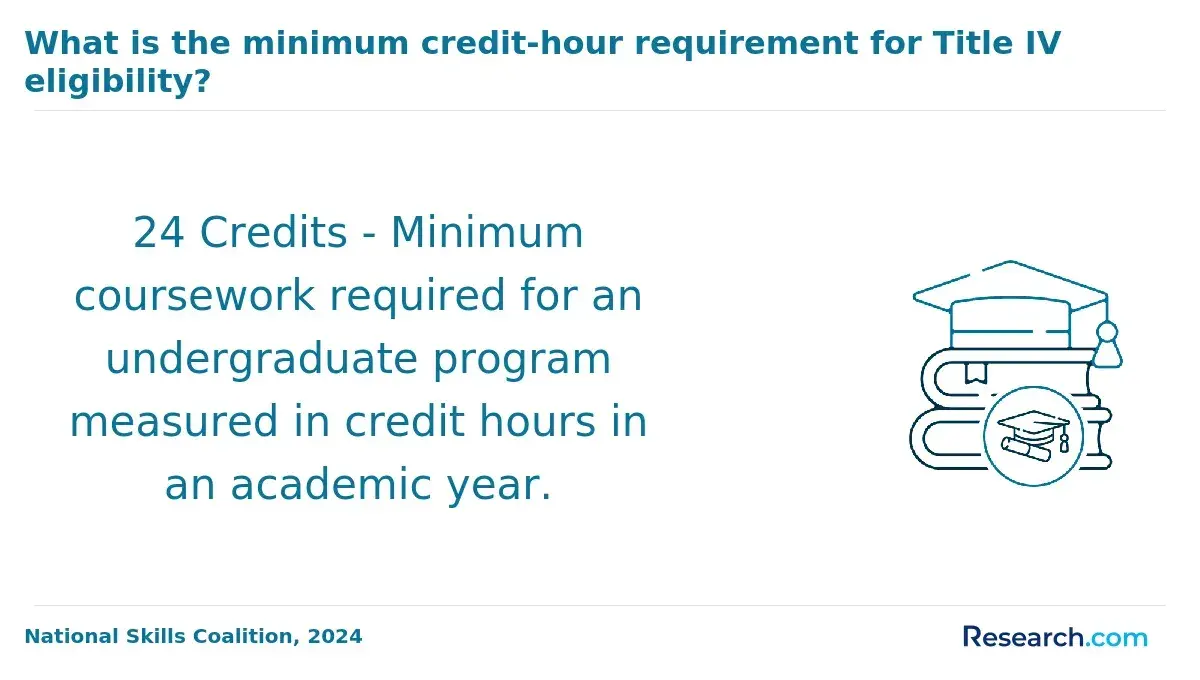
Credit requirements vary by degree level. In general, undergraduate programs require more total credits because they include general education, electives, and major courses. Master's programs require fewer credits but are more specialized and may include a capstone, portfolio, internship, or practicum.
- Associate degree: An associate program usually involves about 60 credit hours. Full-time students commonly finish in two years, while part-time students need longer. Transfer credit may reduce the time required.
- Bachelor's degree: A bachelor's degree requires approximately 120 credit hours, which is the standard for many U.S. bachelor's programs. Full-time students often finish in four years, while part-time or accelerated schedules change the timeline.
- Master's degree (MLS, MLIS): Most online master's programs require between 36 and 39 credit hours. Full-time study typically takes 1.5 to 2 years, while part-time students may take up to three years. Specializations, electives, and culminating projects can affect the exact total.
- Doctoral degree (PhD, EdD): Doctoral programs generally require 48 to 60 credit hours of post-master's coursework, excluding dissertation credits. Completion often ranges from three to five years full-time, with longer timelines common for part-time students.
Credit hours also affect cost. Programs that charge per credit make the credit total especially important, while programs that charge by term may reward students who can take a heavier course load. Before enrolling, students should ask whether fees, practicum credits, technology charges, or required campus visits add to the total cost.
A graduate of an online library science degree described the credit-hour plan as a puzzle that required steady attention. Coursework, internship scheduling, and personal responsibilities all had to fit together. The online format helped because courses could be planned around work and family obligations, and transfer credits from previous study made the overall path more manageable.
What Courses Are Included in a Standard Online Library Science Curriculum?
A standard online library science curriculum teaches students how to organize information, support users, manage collections, evaluate sources, and work with digital systems. The exact course list varies by program and specialization, but most curricula combine theory, technology, service skills, and applied experience.
- Information organization and cataloging: Students learn how materials are described, classified, and made discoverable. This includes cataloging principles for physical and digital resources.
- Reference and information services: This course focuses on helping users define information needs, search effectively, evaluate sources, and use library resources.
- Digital librarianship and information technology: Students study digital collections, electronic resources, web tools, databases, and emerging technologies used in modern information environments.
- Collection development and management: This area covers selecting, acquiring, evaluating, and maintaining materials so collections reflect user needs, budgets, and institutional goals.
- Youth and school library services: Courses may cover children's and young adult literature, literacy programming, school library administration, and technology integration for K-12 settings.
- Archives and cultural heritage management: Students learn preservation, arrangement, description, and access practices for archival materials, manuscripts, and cultural collections.
- Academic and public library services: Coursework may address outreach, programming, instruction, management, community engagement, and support for student or public users.
- Health, law, and special libraries: These electives prepare students for information work in specialized environments such as hospitals, law firms, corporations, and research organizations.
- Information literacy and user education: Students learn how to teach research skills, design instructional materials, and help users evaluate information responsibly.
- Field-based internship or practicum: Many programs include supervised experience in a library, archive, school, or information organization. This can be especially important for students changing careers or seeking a first professional role.
When reviewing a curriculum, students should look for alignment with their intended career. For example, a future school librarian should prioritize licensure-related coursework, while a student interested in digital archives should look for metadata, preservation, and digital collections training.
How Often Do Online Library Science Programs Start During the Year?
Online library science programs may start once, twice, or several times per year. Start-date flexibility matters because it affects how soon students can begin, when they can access financial aid, and whether required courses will line up with their preferred graduation timeline.
- Traditional academic calendar: Many programs use fall and spring intakes. This structure is predictable and often aligns well with financial aid cycles, advising schedules, and course sequencing.
- Multiple or quarterly cohort starts: Some programs offer three to four cohort start dates annually, often in fall, spring, summer, and sometimes winter. Institutions like Syracuse University use this kind of approach to give students more entry points while keeping them connected to a peer group.
- Rolling admissions: Programs with rolling admissions may review applications throughout the year but still place admitted students into set term start dates. This can reduce waiting time after applying.
- Accelerated or flexible enrollment: Some programs use shorter terms, asynchronous courses, or self-paced components that allow students to begin at more points during the year. This can help working professionals, but it also requires strong time management.
Applicants should not assume that a program with frequent start dates also offers every course every term. A student may be able to start quickly but still face delays later if required courses are sequenced tightly. Asking for a sample degree plan can prevent scheduling surprises.
How Much Faster Can You Complete an Accelerated Online Library Science Degree?
An accelerated online library science degree can shorten completion time substantially, especially at the master's level. Some students may finish in as little as 12 to 18 months instead of two to three years, but the faster pace usually means heavier weekly reading, assignments, projects, and discussion requirements.
- Shorter course terms: Accelerated programs may use five to seven weeks instead of full semesters. This allows students to complete more courses in a year, but the workload is compressed.
- Year-round enrollment: Students who take courses in fall, spring, and summer can avoid long breaks and move through requirements more quickly.
- Combined bachelor's and master's pathways: Integrated tracks may allow students to start graduate coursework before finishing the bachelor's degree, reducing the combined time by up to a year or more.
- Credit for prior learning or transfer credits: Transfer policies and recognition of prior learning can reduce the number of credits a student must complete, saving both time and tuition.
- Competency-based learning: Programs that allow students to progress after demonstrating mastery can help faster learners complete requirements more quickly.
Accelerated study is best for students who can protect regular study time and handle overlapping deadlines. It may be less suitable for students with unpredictable work schedules, caregiving responsibilities, or limited experience with online learning.
A graduate of an accelerated online library science program described the experience as demanding but manageable with careful planning. Back-to-back five-week courses created pressure, yet focusing on one subject at a time and receiving consistent faculty support helped them stay on track. Finishing sooner allowed them to pursue a new job in the field more quickly.
Does Finishing an Online Library Science Degree Faster Save You Money?
Finishing faster can save money, but the savings depend on how the school charges tuition and fees. If tuition is charged per credit, the number of required credits may not change, but a shorter timeline can reduce term-based fees and opportunity costs. If the program charges by term, completing more credits per term may produce larger savings.
- Lower tuition-related costs: Students who finish early may avoid extra semester fees, technology fees, or student service fees that accumulate over time.
- Reduced living and education-related expenses: Even online students may pay for books, software, commuting to practicum sites, childcare, or reduced work hours. A shorter program can limit these indirect costs.
- Earlier entry into the workforce: Graduating sooner may allow students to begin earning earlier. The median annual wage is around $61,660 in the U.S., although actual pay depends on role, employer, location, and experience.
- Less time away from full-time work: Students who reduce work hours to study may benefit financially from finishing sooner and returning to a fuller schedule.
- Reduced student loan interest: Completing the program sooner may allow repayment to begin earlier, which can reduce accrued interest depending on the loan type and repayment plan.
The trade-off is workload. Taking more courses at once may reduce total time but can increase stress and the risk of withdrawing from a course. Students should compare the cost of a slower plan with the financial and personal risk of overload.
Students evaluating other graduate formats may also want to review what PhD does not require a dissertation to understand how program requirements affect time, cost, and completion risk.
How Soon Can Graduates Start Working After Earning Their Online Library Science Degree?
Graduates can often begin working within a few months of completing an online library science degree, and some secure roles before graduation. The timeline depends on the job market, the student's prior experience, the type of library role, and whether any additional licensure or certification is required.
Students with internships, practicum experience, library assistant work, or strong professional references often have an easier transition. Digital librarianship, academic libraries, and other areas with specialized skill needs may move faster for candidates whose coursework and projects match employer expectations. On average, about 96% of graduates find jobs shortly after earning their degree, though individual outcomes vary by region and role.
Many online students are already working in libraries, schools, archives, or related information roles. For them, the degree may support promotion, credential completion, or movement into a professional librarian position rather than a first entry into the field.
Career services, internship placement support, alumni networks, and employer partnerships can also affect the speed of employment. Students comparing institutions may find this list of best online universities useful when evaluating online learning quality and student support.
How Much Do Online Library Science Graduates Earn on Average?
Online library science graduates in the United States typically earn between $60,000 and $73,000 annually, but salaries vary widely by employer, location, experience, specialization, and leadership responsibility. Program speed alone does not determine salary; the role a graduate enters and the skills they bring matter more.
- Entry-level roles: New graduates working as reference librarians, children's librarians, or library media specialists often start with salaries ranging from $50,000 to $62,000 per year. Pay may be lower in smaller public libraries and higher in larger systems or certain school settings.
- Mid-career professionals: Librarians with several years of experience or departmental responsibilities usually earn between $65,000 and $75,000. These roles may include supervision, budgeting, instruction, or program leadership.
- Specialized positions: Digital collections specialists, archivists, and professionals working with emerging technologies may earn from $65,000 to $80,000 or more. Specialized skills can be especially valuable in academic institutions and large metropolitan areas.
- Leadership roles: Library directors, deans, and senior administrators generally earn the highest salaries, with averages exceeding $90,000 and sometimes surpassing $100,000 in major urban centers. These roles typically require significant experience and strong management skills.
- Industry variations: Corporate, medical, and legal library roles may offer salaries comparable to or higher than public or academic libraries because they often require specialized knowledge and advanced research ability.
Students should evaluate salary potential by target role, not just by degree title. A student interested in public service may prioritize community impact and job stability, while a student pursuing legal, medical, corporate, or digital information work may focus on specialized technical and research skills.
For readers comparing career routes outside traditional library settings, this guide to the best skilled trades careers offers another perspective on training length, job preparation, and earnings.
Here's What Graduates of Online Library Science Programs Have to Say About Their Degree
- : "Completing my online library science degree changed my career path because I could keep working and caring for my family while building skills in digital cataloging and community outreach. The flexibility helped me study consistently without stepping away from my responsibilities. I now work at a public library designing children's literacy programs, and the degree gave me the confidence to pursue work I care about. — Sanji"
- : "My online library science program helped me move from student to professional with less uncertainty. The coursework in archival preservation and information management connected directly to my role in a university library, and the networking opportunities helped me understand where I wanted to specialize. The degree also supported my move into leadership sooner than I expected. — Veena"
- : "Studying library science online required discipline and careful time management, but those habits now help me every day as a school librarian. My courses emphasized inclusive library spaces, support for diverse student populations, and practical programming. I use that training to build programs that support literacy and social-emotional learning in my school. — Friday"
Other Things You Should Know About Online Library Science Degree Programs
An online library science degree should come from a program accredited by the American Library Association, especially for master’s degrees. ALA accreditation is the main quality standard employers and licensure agencies look for, and it affects eligibility for many professional librarian positions.
Internships in online Library Science programs are typically arranged locally for the student, allowing practical experience in nearby libraries or related institutions. Programs may provide support and guidelines, but students must often coordinate and complete hours in person at approved sites.
In 2027, the typical time frame to earn an online Library Science degree is approximately 1.5 to 3 years. This duration can vary based on enrollment status, with full-time students often finishing closer to the lower end of the range and part-time students taking longer.
References
- Master of Library and Information Science (MLIS) - College of Information (INFO) https://ischool.umd.edu/academics/masters-programs/master-of-library-and-information-science/
- Most Affordable Library Science Degree Programs Online https://careerkarma.com/blog/cheapest-online-library-science-degree/
- MLIS Master of Library and Information Studies - Online and Distance Degrees - UA Online | The University of Alabama https://online.ua.edu/degrees/mlis-master-of-library-and-information-studies/
- Online Master of Science in Library and Information Science Curriculum https://online.stjohns.edu/online-programs/mslis/curriculum
- Do College Credits Ever Expire? | National University https://www.nu.edu/blog/do-college-credits-ever-expire-what-you-need-to-know-before-transferring/
- Making it Work: Surviving as a Librarian Employed in Another Field https://www.inthelibrarywiththeleadpipe.org/2013/making-it-work/
- Master of Library and Information Studies https://web.uri.edu/online/programs/graduate/master-of-library-and-information-studies/
- Online Masters in Library Science Degree https://online.lsu.edu/online-degree-programs/graduate/library-and-information-science/