2027 How Hard Is an Online Entrepreneurship Bachelor's Degree?

Co-Founder and Chief Data Scientist
Many assume that earning an online entrepreneurship bachelor's degree is a straightforward path, but the reality often challenges this perception. For working professionals balancing full-time jobs and studies, mastering courses in business strategy, innovation, and finance requires significant self-discipline and time management. According to the National Center for Education Statistics, nearly 45% of online learners report difficulty juggling academic demands with personal responsibilities.
The program's emphasis on practical projects and case studies adds complexity beyond standard coursework. This article explores the true level of difficulty in pursuing an online entrepreneurship degree and highlights key factors shaping the student experience.
Key Things to Know About the Difficulty of an Online Entrepreneurship Bachelor's Degree
- Online entrepreneurship degrees demand strong self-discipline, as students manage coursework without regular in-person guidance, balancing assignments, projects, and exams independently.
- Programs vary widely; some prioritize theoretical business concepts while others focus on practical startups, affecting workload intensity and required skills.
- Typical time commitment mirrors on-campus study, averaging 12-15 weekly hours, requiring effective time management alongside professional or personal responsibilities.
How Hard Is an Online Entrepreneurship Bachelor's Degree?
Academic difficulty in an online Entrepreneurship bachelor's degree is shaped by expectations involving deep content mastery, assignment complexity, and critical thinking demands. These programs often blend theoretical concepts with practical business strategy development, requiring students to engage actively with material. Learning structures vary, typically including asynchronous coursework combined with interactive elements, which can impact the overall rigor. According to recent data, about 37% of U.S. undergraduates have taken at least one online course, highlighting the expanding landscape of digital education and its diverse challenges related to academic difficulty of an online Entrepreneurship bachelor's degree.
Perceived difficulty across online Entrepreneurship programs depends on factors like institutional reputation, curriculum design, and student engagement. Some programs emphasize collaborative projects or advanced case studies, while others offer a more accessible approach to suit different learner backgrounds. The variation in academic standards and faculty expertise also heavily influences how challenging a program feels. Students seeking guidance on program options might explore resources on easy degrees to get online that pay well for additional insight into degree pathways.
What Is the Workload and Time Commitment for an Online Entrepreneurship Bachelor's Degree?
Prospective students considering an online entrepreneurship bachelor's degree benefit greatly from knowing the expected workload and time commitment. This insight helps in planning a balanced academic journey and meeting degree requirements without undue stress. According to the National Survey of Student Engagement, undergraduates usually spend about 15 hours weekly on academic activities outside class.
This average weekly study hours for entrepreneurship students frames the commitment involved. Key aspects of workload and scheduling include the following points.
- Academic Pacing: Online entrepreneurship degrees typically span three to four years, dividing coursework into structured, manageable segments. Students must stay consistently engaged over semesters to meet deadlines and learning milestones.
- Course Scheduling Structures: Most programs require full-time students to complete 12 to 15 credit hours per semester, equating to around 36 to 45 hours of total weekly work. Part-time options extend the timeline but reduce weekly intensity.
- Institutional Variations: Some universities offer accelerated courses lasting 7 to 8 weeks, increasing weekly workload. Others follow traditional 15-week terms, allowing more spread-out study but requiring longer enrollment.
- Time Management Demands: Balancing theoretical studies, collaborative projects, exams, and independent research requires disciplined scheduling. This ensures integration of school commitments with personal and professional responsibilities.
- Independent Study: A significant portion of work involves self-directed learning essential to mastering entrepreneurial concepts. Students should anticipate dedicating substantial time outside of scheduled class hours to readings, assignments, and presentations.
Students seeking advanced pathways related to leadership may explore options like the cheapest online doctorate in organizational leadership to build on their entrepreneurship foundation.
How Difficult Are the Courses in a Entrepreneurship Bachelor's Degree?
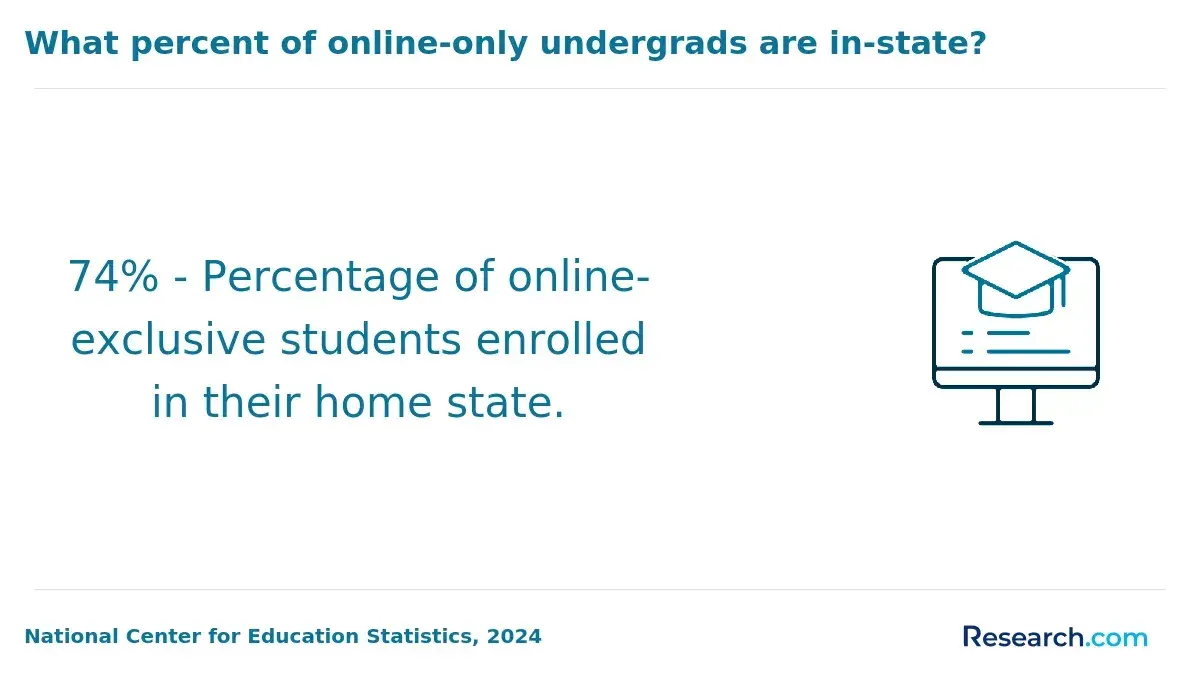
Evaluating course difficulty is essential for students considering an online entrepreneurship bachelor's degree because it impacts time management, motivation, and overall success. National data from the National Center for Education Statistics shows that first-time undergraduates complete about 85% of their courses, with lower completion rates often linked to more challenging programs. This highlights the importance of understanding academic demands before enrolling.
- Curriculum Rigor: These programs combine core business principles with entrepreneurial concepts such as innovation and venture creation, requiring both theoretical understanding and hands-on application through case studies and business plans.
- Subject Complexity: Students encounter evolving topics, beginning with basics like economics and accounting, then advancing to intricate areas such as strategic management and entrepreneurial finance, increasing cognitive demands as they progress.
- Assessment Types: Evaluations often include varied formats like research papers, presentations, group work, and exams, all designed to measure analytical skills, strategic planning, and problem-solving abilities.
- Institutional Variation: Differences in course structure, faculty expectations, and assessment styles mean that workload and difficulty can vary widely between schools, making syllabus review important before committing.
- Progressive Challenge: Coursework typically advances from foundational to specialized studies, with academic rigor intensifying throughout the program to deepen expertise in entrepreneurial concepts and practical applications.
A graduate of an online entrepreneurship bachelor's degree program shared that while the workload was demanding, the most difficult aspect was balancing complex projects with tight deadlines. He recalled how preparing comprehensive business plans involved iterative feedback and revisions that tested his problem-solving under pressure. "It wasn't just about learning theory," he explained, "but applying it in real-world scenarios that could make or break a venture." His experience emphasized that success depended on consistent effort and adapting to higher expectations as courses grew more challenging.
Comparing the difficulty of online versus in-person learning within entrepreneurship bachelor's programs highlights distinct challenges shaped by instructional delivery and academic structure. Online formats often use asynchronous lectures, virtual discussions, and remote collaboration, which differ from the real-time engagement found in traditional classrooms. A 2021 national study by the U.S. Department of Education found no significant difference in student outcomes between online and face-to-face education across disciplines, including business fields. This suggests that academic rigor depends strongly on course design rather than the mode of delivery, a key factor when evaluating online entrepreneurship degree difficulty comparison.
Differences in perceived difficulty often stem from how programs structure content and assessments. Online entrepreneurship programs typically emphasize self-paced assignments and timed quizzes, requiring students to manage their schedule independently. In contrast, in-person programs may prioritize interactive case studies and live presentations, fostering immediate feedback but demanding constant presence. Additionally, the online learning environment demands higher self-motivation to navigate distractions, impacting complexity compared to the structured setting of traditional classrooms. Prospective students exploring options might also consult resources like cheapest online EdD programs no GRE for related program considerations.
Flexibility plays a vital role for working adults pursuing an online entrepreneurship bachelor's degree, as balancing work, family, and studies requires programs that fit diverse schedules without compromising educational quality. In 2020, nearly 40% of distance education students were working adults, emphasizing the need for adaptable learning environments. Below are key aspects of flexibility that shape these programs for busy learners.
- Learning Format Adaptability: Many programs use asynchronous coursework, enabling students to engage with lectures and assignments anytime, which accommodates varying daily commitments. Some also offer live sessions or office hours for real-time interaction without on-campus attendance.
- Scheduling Structures: Universities implement different calendars-some have semester-based schedules for consistency, while others offer accelerated or modular terms designed to help students complete degrees faster if desired.
- Pacing Differences: Self-paced courses allow motivated learners to progress quickly at their own rhythm, whereas structured timelines maintain steady progress and regular deadlines to support discipline.
- Institutional Variation: Each school's approach to flexibility can differ substantially, so understanding specific program policies helps students find a model that fits their lifestyle and work demands.
- Accessibility Features: Mobile-friendly platforms and downloadable materials provide greater freedom to study from any location, ensuring learning isn't restricted by technology barriers.
When asked about her experience, a student enrolled in an online entrepreneurship bachelor's degree reflected on the challenge of juggling full-time employment with coursework. She appreciated the ability to watch lectures late at night and complete assignments on weekends, noting, "I could fit studying around my job without missing deadlines." While the occasional live session required careful planning, she found it rewarding to connect with instructors and peers virtually. This flexibility "made what seemed impossible at first feel achievable," demonstrating how well-designed online programs can empower busy professionals to succeed academically without sacrificing career responsibilities.
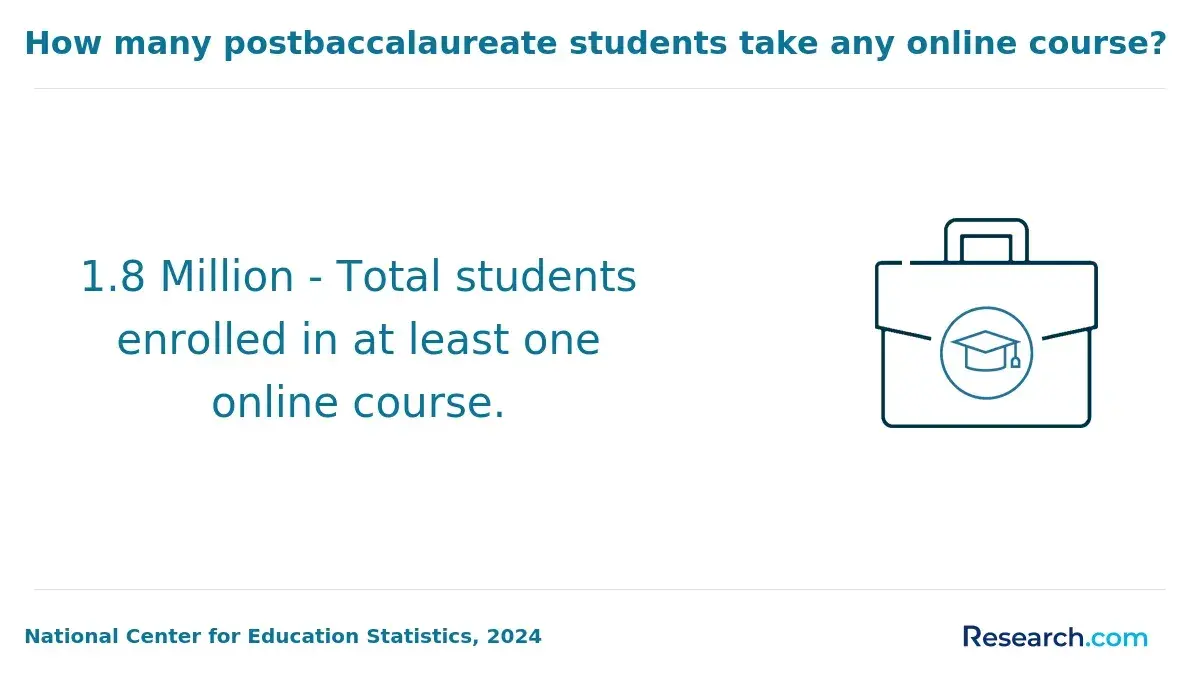
Students interested in pursuing an online entrepreneurship bachelor's degree need to recognize the essential skills that contribute to success in these programs. Research from the National Center for Education Statistics shows that about 30% of online learners identify time management as their top challenge, highlighting its critical role in student retention and achievement. With this context, several core competencies stand out as particularly important for navigating the demands of online entrepreneurship studies.
- Time Management: The flexibility of online study requires students to independently plan their schedules and consistently meet deadlines without in-person supervision. Mastering this skill helps balance academic work with personal and professional responsibilities.
- Self-Directed Learning: Online entrepreneurship learners must proactively engage with course content and seek out additional resources, fostering independence and enhancing critical thinking-qualities vital for entrepreneurial problem-solving.
- Digital Literacy: Comfort with technology platforms, submitting assignments electronically, and participating in virtual discussions are essential for staying connected and performing well in an online environment.
- Effective Communication: Both written and verbal communication skills are crucial, as online courses often rely heavily on clear, concise expression of complex concepts through discussions and presentations.
- Academic Discipline: Sustained effort and perseverance are necessary to overcome challenges unique to online education, such as distractions and limited face-to-face interaction, ensuring steady progress through the program.
Students often compare the difficulty of an online entrepreneurship bachelor's degree with other majors because perceptions of academic rigor vary significantly across disciplines. These comparisons help prospective students gauge workload expectations and intellectual challenges. For instance, a 2020 National Center for Education Statistics report revealed that STEM majors exhibit higher dropout rates than business-related fields, indicating differing levels of difficulty or student fit. Understanding these trends supports informed decisions about academic paths and career readiness.
The difficulty of academic programs largely depends on curriculum structure, subject matter complexity, and assessment methods. Majors like engineering and natural sciences demand mastery of quantitative coursework, lab activities, and often rigorous grading standards. In contrast, entrepreneurship degrees emphasize business fundamentals, practical projects, presentations, and writing assignments, cultivating skills such as critical thinking and communication. These structural differences mean that while entrepreneurship may be less technically intense than STEM fields, it offers unique intellectual challenges tied to creativity, adaptability, and strategic problem-solving.
Prospective students considering online entrepreneurship bachelor's programs must evaluate the academic demands and challenges commonly encountered in these courses. Recognizing these obstacles helps set realistic expectations for workload and program rigor, critical for long-term success.
The following points highlight the typical workload challenges in online entrepreneurship bachelor's programs and common obstacles for students in online entrepreneurship degrees.
- Autonomous Learning: Online programs require a high degree of self-motivation and discipline. Students receive less direct supervision than in traditional settings, making independent study essential to complete readings, assignments, and projects on time.
- Time Management: Balancing coursework with jobs, family, or other commitments can be complicated. Students must independently plan and allocate sufficient study hours, increasing the challenge for those with busy schedules.
- Digital Platform Navigation: Mastery of various online tools is necessary to submit work, participate in discussions, and access resources. Technological proficiency varies, and some students may struggle to adapt to these systems.
- Academic Workload: Entrepreneurship courses often involve intensive assignments such as case studies, business plan development, and real-world simulations. This demanding workload necessitates consistent effort and critical thinking.
- Institutional Support Variation: Universities differ widely in the academic advising, technical assistance, and interactive learning options they offer online. Inconsistent support can affect students' ability to engage fully and manage their studies.
For those interested in related fields, there are also numerous social media marketing courses online that complement entrepreneurship studies and expand digital marketing expertise.
Students enrolled in an online entrepreneurship bachelor's program rely heavily on structured support systems to navigate the demands of remote learning. These resources help mitigate challenges related to self-motivation and time management, critical for succeeding in a digital academic environment. Research shows that institutions offering comprehensive student support services see retention rates improve by around 20%, emphasizing the value of these provisions.
Key support and resources for online entrepreneurship bachelor's students typically include:
- Academic Advising: Personalized guidance assists students in course selection, understanding degree requirements, and career planning. Advisors help students remain on track to graduate, addressing academic challenges promptly.
- Digital Learning Tools: Interactive webinars, video lectures, and learning management systems (LMS) grant flexible access to materials. These tools accommodate varied schedules while keeping students connected to instructors and content.
- Institutional Student Services: Services such as technical support, tutoring, and virtual library access are tailored to online learners' unique needs. Writing centers specifically designed for remote students enhance academic skills essential for success.
- Peer Collaboration: Virtual study groups, discussion forums, and networking events foster community among online entrepreneurship degree student support networks. Such collaboration enriches learning through shared insights and practical interaction.
- Learning Support Systems: Workshops on business plan development, marketing strategies, and financial literacy prepare students to apply academic knowledge practically, reinforcing critical entrepreneurship skills.
Students considering an online entrepreneurship bachelor's degree should explore resources carefully, ensuring alignment with their needs. One example of online accelerated opportunities in related fields is the computer science accelerated program, demonstrating how specialized digital learning options continue to expand.
Students often weigh the demands of an online entrepreneurship bachelor's degree against their expected career benefits, questioning if the academic rigor and time investment justify the outcome. These programs require consistent effort over several years, with coursework designed to build strategic thinking and practical management skills. A recent study found that graduates with entrepreneurship degrees have a 15% higher chance of starting their own business within five years post-graduation compared to peers without this credential. Prospective students consider whether the degree's return on investment aligns with their professional goals and financial commitments.
The value of an online entrepreneurship degree is closely tied to the program's curriculum strength, accreditation status, and how well it prepares students for evolving job markets. Accredited programs typically follow standards that ensure relevant, up-to-date content reflecting current entrepreneurial trends and challenges. Institutional reputation and faculty expertise also influence academic rigor and practical applicability. Ultimately, these degrees aim to equip learners with foundational knowledge and skills to navigate entrepreneurial ecosystems, though outcomes can vary depending on individual engagement and external factors.
What Graduates Say About How Hard Is an Online Entrepreneurship Bachelor's Degree
- Stephanie: "I chose an online entrepreneurship bachelor's degree because I wanted the flexibility to work on real-world projects while studying. Balancing coursework with managing my own startup was challenging, especially mastering time management and self-discipline. This program has profoundly impacted my career by equipping me with practical skills that I apply daily as a business owner."
- Alexis: "Being reflective about my journey, the online entrepreneurship degree was tough but rewarding, requiring me to stay motivated without the in-person support system. One key insight was learning to leverage virtual resources and network creatively with peers and mentors. This degree opened doors for me in the corporate world, allowing me to approach problems with an entrepreneurial mindset."
- Eli: "From a professional standpoint, pursuing an online entrepreneurship bachelor's was a strategic move to advance my career while maintaining full-time employment. The most difficult part was adapting to asynchronous learning and staying accountable with no fixed class time. Ultimately, it provided me confidence and the business acumen necessary to lead innovative projects in my company."
Other Things You Should Know About Entrepreneurship Degrees
Self-motivation is crucial for success in an online entrepreneurship bachelor's degree. Students must manage their own study schedules and stay engaged without the regular structure of in-person classes. The ability to set goals and maintain discipline significantly affects how well a student navigates course requirements and deadlines.
Yes, online entrepreneurship programs often include practical projects to simulate real-world business challenges. These can involve developing business plans, case studies, or startup concepts. Such assignments require critical thinking and application of learned concepts, which contribute to the program's academic rigor.
Most programs require at least 6 to 9 credit hours of accounting and business math, such as financial accounting, managerial accounting, and business statistics. These courses are harder than the entrepreneurship classes because they test budgeting, break-even analysis, cash-flow forecasting, and basic financial statement interpretation.
Assessments in online entrepreneurship degrees may vary but generally test analytical and problem-solving abilities related to business scenarios. Unlike traditional exams focusing solely on memorization, these evaluations often require practical application, which can be challenging but reflects real entrepreneurial demands.
- CHALLENGES IN AND OPPORTUNITIES FOR DEVELOPING DIGITAL ENTREPRENEURS AMONG VOCATIONAL STUDENTS https://jsju.org/index.php/journal/article/view/1949
- The Hard Truth You Need to Know Before Becoming an Online Entrepreneur https://www.entrepreneur.com/leadership/the-hard-truth-you-need-to-know-before-becoming-an-online/321787
- Is a Degree in Entrepreneurship Worth it? | Nexford University https://www.nexford.edu/insights/is-a-degree-in-entrepreneurship-worth-it
- Online Business Among University Students: Benefits and Challenge and Successful Story of a Young Entrepreneur https://www.academia.edu/77119827/Online_Business_Among_University_Students_Benefits_and_Challenge_and_Successful_Story_of_a_Young_Entrepreneur
- Top 10 Entrepreneurship Skills and How to Improve on Them https://emeritus.org/blog/entrepreneurship-to-entrepreneurship-skills/
- Stevenson University https://www.stevenson.edu/online/about-us/news/how-long-does-it-take-to-get-a-business-degree-online/
- Challenges of entrepreneurship education among students at the University of Venda https://www.ssbfnet.com/ojs/index.php/ijrbs/article/view/4437
- Overcoming Barriers to Student Entrepreneurship | Geneva Business School https://gbsge.com/newsroom/overcoming-barriers-to-student-entrepreneurship/
- Top 5 Must-Have Digital Entrepreneurship Skills | SeekaHost https://www.seekahost.com/digital-entrepreneurship-skills/
- How Online Education Develops Real-World Entrepreneurial Skills https://wellspringglobalacademy.org/blog/how-online-education-develops-real-world-entrepreneurial-skills