2027 Different Types of Entrepreneurship Bachelor's Degrees: Specializations, Careers, and Salaries

Co-Founder and Chief Data Scientist
Imagine a student torn between launching a tech startup and joining a family business, uncertain which entrepreneurship bachelor's degree specialization will best support their goals. With 75% of new businesses failing within their first five years, selecting the right educational focus can significantly influence career success and financial stability. Different entrepreneurship degrees emphasize skills ranging from innovation and small business management to social enterprise and technology commercialization.
Understanding these variations can clarify which path aligns with long-term ambitions and market demand. This article explores various entrepreneurship bachelor's degree specializations, related career opportunities, and expected salaries to guide informed decisions.
Key Things to Know About Different Types of Entrepreneurship Bachelor's Degrees
- Bachelor's degrees in entrepreneurship commonly specialize in small business management, tech startups, or social entrepreneurship, aligning curricula with varying market demands and innovation strategies.
- Graduates typically pursue careers as business consultants, product managers, or nonprofit founders, with roles reflecting their degree specialization and industry focus.
- Salary expectations range broadly; median earnings are about $65,000 annually, with tech startup specialists often earning higher due to sector growth and funding trends.
What Are the Different Types of Entrepreneurship Bachelor's Degrees?
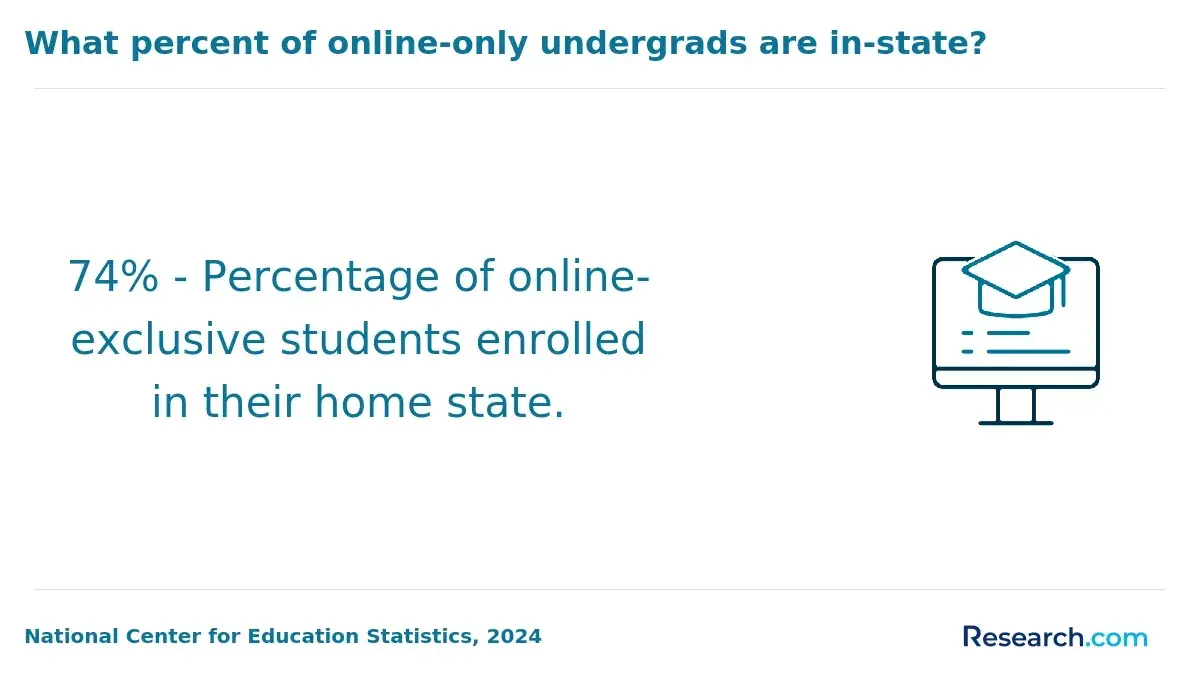
Entrepreneurship bachelor's degrees are available in various program formats that differ in structure, pacing, and delivery method to accommodate a diverse range of student needs. Data from the National Center for Education Statistics shows that over 35% of business-related degrees, including entrepreneurship, are pursued through non-traditional formats, highlighting the rising trend toward flexible study options. These formats also reflect the variety of specializations available in entrepreneurship degrees, catering to different career goals and lifestyles.
The most common types of entrepreneurship bachelor's degree programs include:
- Traditional On-Campus Programs: These programs typically follow a four-year full-time schedule with in-person classes, fostering direct interaction with faculty and classmates and supporting immersive learning in entrepreneurship principles.
- Accelerated Programs: Designed for students who want to complete their degree faster, these involve intensive coursework and shorter semesters, allowing quick entry into entrepreneurial careers.
- Online Programs: Delivered entirely through digital platforms, these programs provide the flexibility needed for students balancing work and family commitments. Many students take advantage of online degree programs to tailor their learning pace and environment.
- Hybrid Programs: Combining online coursework with occasional on-campus sessions, hybrid formats offer both flexibility and face-to-face engagement, supporting varied learning styles and networking opportunities.
- Part-Time Programs: These allow students to extend their study period while managing external responsibilities, with classes often scheduled during evenings or weekends to accommodate working professionals.
Each format supports different learning preferences and life circumstances, providing pathways for students to pursue entrepreneurship education effectively.
What Specializations Are Available in a Entrepreneurship Bachelor's Degree?
Entrepreneurship bachelor's degree programs frequently offer various specializations that enable students to tailor their education to specific interests and career goals. Recent surveys indicate that over 60% of entrepreneurship students select specializations aligning with their skills and professional aspirations. These options help students develop targeted expertise while meeting the diverse admission requirements for online entrepreneurship master's programs for non-majors. Below are some common specializations found in these programs.
- Small Business Management: This specialization focuses on the essential skills needed to start and run small enterprises. Coursework covers business planning, financial oversight, and an understanding of local market dynamics.
- Innovation and Technology Entrepreneurship: Centered on technology commercialization, students study product development, intellectual property rights, and management strategies suited to fast-evolving tech industries.
- Social Entrepreneurship: Emphasizing ventures with social impact, this track teaches mission-driven leadership, nonprofit management, and business models designed to address social challenges sustainably.
- Retail and E-commerce Entrepreneurship: Concentrating on retail and online business operations, students learn about supply chain management, digital marketing, and optimizing customer experience.
- Corporate Entrepreneurship: Also known as Intrapreneurship, this specialization prepares students to foster innovation within established companies through studies in organizational behavior and innovation management.
Students without a business background often seek programs with clear online master's admission criteria for non-entrepreneurship majors to advance their studies effectively. For those exploring graduate options, understanding entry requirements for entrepreneurship graduate programs for non-business students becomes essential. Prospective students may also find value in researching the cheapest CACREP-accredited programs online for complementary education opportunities.
2026 Update: Experiential Learning That Supports Startup Readiness
For this 2026 refresh, we reviewed how entrepreneurship bachelor’s programs are helping students move beyond classroom theory and build practical venture experience before graduation.
- Whether the curriculum includes required startup labs, venture studios, or business model development courses.
- Access to pitch competitions, incubators, accelerators, or student-run enterprises connected to the program.
- Opportunities to work with local founders, family businesses, nonprofits, or corporate innovation teams.
- Availability of mentoring from entrepreneurs, investors, alumni, or small business advisors.
- Whether students can build a portfolio, launch a pilot project, or test a product as part of coursework.
- Support for legal basics, funding preparation, customer discovery, and market validation.
Checking these hands-on features can help students compare entrepreneurship degrees not only by specialization, career path, or salary potential, but also by how well each program prepares them to test real business ideas.
A bachelor's degree in entrepreneurship opens doors to a range of entry-level positions across sectors, with nearly 70% of graduates finding employment within six months. These roles build crucial business competencies such as strategic thinking, communication, and problem-solving. Below are several common job options for those entering the field:
- Business Development Associate: Focuses on uncovering new markets and fostering client connections. This position strengthens skills in research, relationship management, and planning sales initiatives.
- Marketing Coordinator: Assists with crafting marketing strategies, organizing campaigns, and analyzing customer trends. It hones abilities related to branding, digital outreach, and managing projects.
- Startup Analyst: Evaluates emerging companies and sectors to offer insights that support growth. This role develops expertise in financial evaluation, market analysis, and report preparation.
- Operations Assistant: Manages daily workflows, liaises with vendors, and helps improve processes. It enhances organizational aptitude, efficiency, and operational understanding.
- Sales Representative: Engages clients directly to promote products or services while striving to achieve sales goals. This job builds negotiation, communication, and customer service skills.
When asked about entry-level opportunities, a professional holding an entrepreneurship bachelor's degree shared that adapting to the fast pace was initially challenging. "You have to juggle many responsibilities and learn quickly on the job," he explained. The process required building confidence in understanding market needs and developing persuasive communication. Over time, the experience broadened his ability to identify business opportunities and work collaboratively across teams, laying a strong groundwork for advancement in the entrepreneurial landscape.
Certain industries provide notably higher salaries for entrepreneurship graduates, reflecting the demand for business innovators in rapidly evolving sectors. Data shows that technology, finance, and healthcare often pay salaries exceeding the national median for recent graduates. These top paying sectors for entrepreneurship bachelor's degree holders emphasize skills that align with their industries' unique challenges and opportunities.
Key industries and skills where entrepreneurship graduates find rewarding careers include:
- Technology: Careers often involve product development, leading startups, and managing digital strategy. The sector values agile project management and a deep understanding of scalable tech business models.
- Finance: Roles typically focus on venture capital, private equity, and financial consulting. Graduates apply entrepreneurial insight to risk assessment, financial analysis, and strategic investment planning.
- Healthcare: Opportunities cover healthcare delivery innovation, biotechnology startups, and health services management. Important competencies include regulatory knowledge and navigating complex stakeholder environments to enhance patient outcomes.
Those exploring these career options can also consider related educational paths, such as a masters in social work, which complements skills useful in healthcare entrepreneurship and social innovation fields.
Salaries for entrepreneurship bachelor's degree graduates differ widely based on various factors such as industry, experience, and specialization. For example, the National Association of Colleges and Employers (NACE) reported an average starting salary of about $58,000 for business-related fields, including entrepreneurship, in 2023. Several elements influence how these figures vary among graduates.
- Industry Impact: Working in sectors like technology or finance generally results in higher salaries, while roles in nonprofits or startups may offer lower initial pay but potential for growth.
- Experience Level: Early-career entrepreneurs often start with modest earnings, but income tends to increase significantly with successful ventures or advancing into leadership positions.
- Location Factors: Salaries fluctuate depending on geographic region, with metropolitan areas and regions with higher living costs typically providing better compensation packages.
- Specialization Effects: Certain areas within entrepreneurship, such as innovation management or consulting, might lead to higher income due to specialized skill demands.
- Economic Trends: Market demand and overall economic conditions can cause salary variations over time, reflecting changing needs for entrepreneurial expertise.
A professional holding an entrepreneurship bachelor's degree shared that her path was full of unpredictability but rewarding lessons. She described starting with limited financial gain while building her first business, emphasizing the patience required during the initial phases. "It wasn't easy, and there were moments of doubt, but each challenge taught me valuable skills beyond what I expected," she explained. Her experience underscored how early sacrifices often pave the way for future success and satisfaction in entrepreneurial careers.
Earnings for graduates with bachelor's degrees in entrepreneurship can differ widely based on the area of focus. For instance, those who specialize in technology entrepreneurship generally receive starting salaries about 20% higher than graduates who pursue traditional small business roles. This pay gap reflects the varying demand and financial rewards linked to different sectors within entrepreneurship, with technology-driven roles often positioned in faster-growing, higher-paying industries.
Several elements influence these salary variations, including the complexity of skills needed and the sector's growth rate. Technical knowledge such as coding can elevate compensation in technology entrepreneurship, while fields like social entrepreneurship, centered on nonprofit and community goals, tend to offer lower median incomes. Furthermore, roles emphasizing innovation and scalability usually come with better pay compared to those focused on localized business management or social ventures, where financial gains may be more modest due to limited market scope.
Salaries for graduates with an entrepreneurship bachelor's degree show minimal differences between those who studied online and those who attended on-campus programs. Both formats tend to offer similar core skills, including business planning, financial analysis, marketing, and leadership, with coursework designed to be comparable in content and rigor. Employer perceptions have shifted over time, with many now valuing online and on-campus degrees equally, especially when programs are accredited. According to a survey by the National Association of Colleges and Employers, 67% of employers reported no significant salary difference based on the degree delivery method.
Salary variations, when they occur, are often tied to factors beyond the mode of study. Networking opportunities can differ, as on-campus students may have greater access to career fairs and in-person mentorship, which can influence job offers and earning potential. Additionally, practical experience gained through internships or hands-on projects, often more accessible on campus, can impact salary outcomes.
Industry demand and geographic location typically play larger roles, frequently outweighing whether a degree was earned online or in-person. Success and earning potential ultimately depend on individual skills, experience, and how effectively graduates utilize their education and professional networks.
Tuition and fees for entrepreneurship bachelor's degree programs vary widely, influenced by several key factors. For example, the average annual tuition at public institutions for business-related programs like entrepreneurship ranges from $10,000 to $15,000 for in-state students. These cost differences are important in any cost comparison of entrepreneurship degree programs. Below are some of the main reasons costs differ:
- Institution Type: Public universities typically offer lower tuition rates for in-state students compared to private colleges, which often exceed $30,000 annually regardless of residency.
- Program Format: Online entrepreneurship programs can sometimes be less expensive due to lower facility costs, but some elite schools charge premium rates for their online degrees.
- Program Length: A standard bachelor's degree requires about 120 credits, but programs with extra coursework or accelerated options can affect total tuition-longer programs increase costs, while faster completion may save money.
- Academic Setting: Programs housed within established business schools may charge more due to enhanced resources, faculty, and networking opportunities compared to standalone entrepreneurship departments.
- Geographic Location: Institutions in urban or high-cost living areas generally have higher fees to cover operational expenses, adding regional variation to tuition.
Students interested in entrepreneurship bachelor's degree tuition differences should note that each factor can significantly shift overall costs. When exploring options, it's helpful to also consider programs like AACSB online MBA programs, as these may offer relevant perspectives on cost structures for business-oriented degrees.
Students pursuing a bachelor's degree in entrepreneurship have access to various financial aid resources to help cover tuition, fees, and related educational expenses. Data from the National Center for Education Statistics reveals that about 85% of undergraduate students benefit from some form of financial assistance. These options make education more accessible and manageable for many.
Common financial aid programs for entrepreneurship students include:
- Federal Grants: Need-based awards like the Pell Grant do not require repayment and can significantly reduce educational costs for many students.
- Student Loans: Low-interest federal loans offer flexible borrowing options to cover college expenses, with repayment plans often deferred until after graduation.
- Scholarships: Numerous private organizations and nonprofits provide scholarships specifically for students in business or entrepreneurship degrees. These scholarships reward merit, leadership, and community involvement.
- Work-Study Programs: These enable students to work part-time, frequently on campus, earning money to offset school costs while gaining valuable experience relevant to their studies.
- State and Institutional Aid: Certain states and colleges offer grants or scholarships targeting entrepreneurship or related majors, complementing federal and private aid sources.
Students exploring scholarships and grants for entrepreneurship degrees should also consider how these aids align with their chosen specialization or career path. Choosing a program wisely can maximize both financial benefits and career outcomes. Those seeking accelerated graduate options might explore the shortest masters degree programs online to advance their expertise rapidly.
Selecting an entrepreneurship bachelor's degree means balancing academic interests and personal goals. Students increasingly favor programs that offer flexibility, with nearly 40% of business degree seekers choosing options that fit their lifestyle. Evaluating these factors carefully can help align education with future ambitions.
- Academic Interests and Specializations: Identify whether you want a broad foundation or to focus on niches like social entrepreneurship, tech startups, or small business management. Choosing a program with relevant specializations can enhance engagement and career readiness.
- Program Format and Flexibility: Consider if an on-campus experience or online delivery best suits your circumstances. Flexibility is essential for many students balancing work or other responsibilities alongside their studies.
- Career Alignment: Look into how the curriculum supports your professional plans, including startup creation, corporate roles, or consulting. Opportunities for internships and mentorships provide practical exposure that enriches learning.
- Long-Term Objectives: Reflect on your ultimate career goals, such as leadership or innovation. Programs blending theory and applied skills can better prepare you for evolving business landscapes and challenges.
What Graduates Say About Different Types of Entrepreneurship Bachelor's Degrees
- Brody: "Choosing a entrepreneurship bachelor's degree was driven by my passion for innovation and the desire to launch my own startup. The program's focus on real-world business challenges equipped me with practical skills that accelerated my career development right after graduation. Since completing the degree, I've seen a significant increase in income and career opportunities, which has made all the hard work worthwhile."
- Stephanie: "I was drawn to a entrepreneurship bachelor's degree because it combined creativity with concrete business strategies. This unique approach gave me a strong foundation to land an exciting role in a fast-growing tech company soon after graduating. Reflecting on my journey, earning this degree has distinctly boosted my salary and opened doors for professional growth I hadn't anticipated."
- Hayden: "My decision to pursue a entrepreneurship bachelor's degree centered on my goal to master both leadership and financial skills essential for launching ventures. The comprehensive curriculum jumpstarted my career by connecting me with mentors and valuable networks. Professionally, this degree has been a catalyst for substantial salary growth and continuous advancement in competitive markets."
Other Things You Should Know About Entrepreneurship Degrees
Yes, many institutions offer flexible scheduling options, including evening, weekend, and online classes, allowing working professionals to pursue an entrepreneurship bachelor's degree. Part-time enrollment can extend the time to graduation but provides a balance between work and study. This flexibility is especially valuable for individuals seeking to advance their entrepreneurial knowledge without leaving their current jobs.
Internship requirements vary by program, but many entrepreneurship bachelor's degrees encourage or require internships to provide hands-on experience. These practical opportunities help students apply classroom knowledge, develop professional networks, and increase employability after graduation. Internships can be completed in startups, small businesses, or corporate innovation departments.
Most entrepreneurship bachelor's degrees require about 120 semester credit hours for graduation. Schools usually divide this into general education, business core, and entrepreneurship courses, with a capstone or business plan project in the final year. Some accelerated programs allow transfer credits to shorten completion time.
- Jobs With A Bachelor's Degree in Entrepreneurship | All Bachelor Degrees https://allbachelordegrees.com/degrees/business-management/entrepreneurship/8-jobs-you-can-get-with-an-entrepreneurship-degree/
- Your future with BSc Commerce Entrepreneurship and Organisations https://www.tio.nl/en/commerce-entrepreneurship-and-organisations/after-graduation/
- Beyond the Diploma: What Really Shapes Your Business Entrepreneurship Degree Salary? https://www.badballet.com/beyond-the-diploma-what-really-shapes-your-business-entrepreneurship-degree-salary/
- A Guide to Choosing the Right Undergrad Business Degree https://debrasmouse.com/a-guide-to-choosing-the-right-undergrad-business-degree/
- Study Abroad Consultant - Overseas Education Lane https://www.overseaseducationlane.com/programs-offered
- What Degree Should I Get to Become an Entrepreneur? https://www.pointloma.edu/resources/undergraduate-studies/what-degree-should-i-get-become-entrepreneur
- <nil> Majors: Salary Info & Career Options - Business Degree Central https://businessdegreecentral.com/majors/entrepreneurial-studies/entrepreneurship/
- What Are the Different Types of Entrepreneurship? https://www.snhu.edu/about-us/newsroom/business/different-types-of-entrepreneurship
- Jobs You Can Get with a Degree in Entrepreneurship https://careers.alot.com/career-paths/jobs-you-can-get-with-a-degree-in-entrepreneurship---12388
- What sort of career and salary can I expect with my online Bachelor of Entrepreneurship degree? https://www.onlineschoolscenter.com/career-salary-bachelor-entrepreneurship/