2027 How Fast Can You Get a Biomedical Engineering Degree Online?

Co-Founder and Chief Data Scientist
Choosing an online Biomedical Engineering degree is mainly a timing decision: how quickly can you finish without weakening the lab, design, math, and engineering preparation employers and graduate schools expect? Online delivery can make the path more flexible, but biomedical engineering is still a technical field with required sequencing, projects, and sometimes in-person or supervised lab work.
This guide is for prospective undergraduate students, working engineers, healthcare technology professionals, and career changers comparing standard, accelerated, transfer-friendly, and competency-based options. It explains typical completion timelines, what can realistically shorten a degree, and where fast-track formats may create trade-offs in workload, scheduling, and hands-on learning.
Use it to evaluate whether an accelerated Biomedical Engineering online program fits your academic background, career goals, work schedule, and need for recognized accreditation.
What are the benefits of pursuing a degree in Biomedical Engineering online?
- Accelerated online Biomedical Engineering degrees enable completion in as little as 2 to 3 years, significantly faster than traditional programs, aiding quicker entry into a growing job market.
- Flexible scheduling supports working professionals and caregivers, allowing coursework during evenings or weekends without sacrificing employment or family responsibilities.
- Practical online labs and project-based learning enhance skill development, while virtual collaboration tools foster networking and peer support despite physical distance.
How long does it typically take to earn a degree in Biomedical Engineering?
The time to complete a Biomedical Engineering degree depends on the credential level, whether you study full time or part time, and how the program handles labs, design courses, prerequisites, and transfer credits. Online delivery can improve scheduling flexibility, but it does not eliminate the core engineering sequence.
| Degree level | Typical completion time | What affects the timeline |
| Bachelor's degree | Around four years | Math and science prerequisites, engineering course sequencing, lab requirements, senior design, and transfer credit policies |
| Master's degree | 12 to 18 months full time; two to four years part time | Thesis or non-thesis format, course availability, research expectations, and whether the student continues working |
| Doctoral or advanced academic credentials | Several additional years beyond the master's level | Research progress, dissertation requirements, faculty supervision, funding, and publication expectations |
For a bachelor's degree, students generally spend around four years completing the curriculum. Some online programs deliver most coursework remotely but still require limited on-site lab sessions, proctored activities, or design experiences. For a master's degree, timelines vary more because students may choose full-time study, part-time study, a thesis, a project, or a coursework-only route.
The fastest option is not always the best option. Biomedical Engineering builds on calculus, physics, biology, mechanics, circuits, biomaterials, instrumentation, and design. Students who rush without a strong foundation may struggle in advanced courses or in roles that require applied problem-solving.
Are there accelerated Biomedical Engineering online programs?
Yes, accelerated Biomedical Engineering online programs exist, but they are less common than accelerated programs in broader fields such as business, information technology, or healthcare administration. The reason is practical: Biomedical Engineering often requires sequenced technical coursework, design studios, labs, and faculty-reviewed projects that are difficult to compress without affecting learning quality.
Acceleration usually happens in one of three ways: overlapping undergraduate and graduate credits, offering shorter academic terms, or allowing high-performing students to begin graduate coursework early. Students should confirm that a faster schedule still includes the engineering depth, hands-on work, and accreditation status needed for their goals.
- University of North Dakota (UND) online accelerated BS/MS in Biomedical Engineering: UND offers a pathway that can be completed in as little as five years by overlapping graduate and undergraduate courses. The curriculum includes specializations and is delivered fully online, making it a flexible option for students who want an accelerated route at an accredited institution.
- Arizona State University (ASU) Bachelor of Science in Biomedical Engineering: Although not labeled strictly as accelerated, ASU's online program uses 7.5-week course terms and year-round scheduling. This structure can support faster completion than a traditional semester format. The curriculum covers biomechanics, product design, and bioengineering fundamentals with ABET accreditation.
- Southern Illinois University (SIU) online Master's in Biomedical Engineering: SIU offers an accelerated pathway for high-achieving undergraduates to begin graduate coursework early and complete the MS degree faster. The program includes thesis and non-thesis options and is designed to develop practical, industry-ready skills while following recognized accreditation standards.
Students seeking a faster route should also be realistic about prerequisites. A short academic calendar does not help if you still need calculus, chemistry, physics, biology, programming, or foundational engineering courses before entering upper-division biomedical engineering work.
Some learners use earlier credentials as stepping stones before committing to a full engineering degree. For example, 6-month online associate degree programs may help students complete general education or introductory coursework, depending on transfer policies. However, students should verify in advance whether credits will apply to a Biomedical Engineering curriculum.
How do accelerated Biomedical Engineering online programs compare with traditional ones?
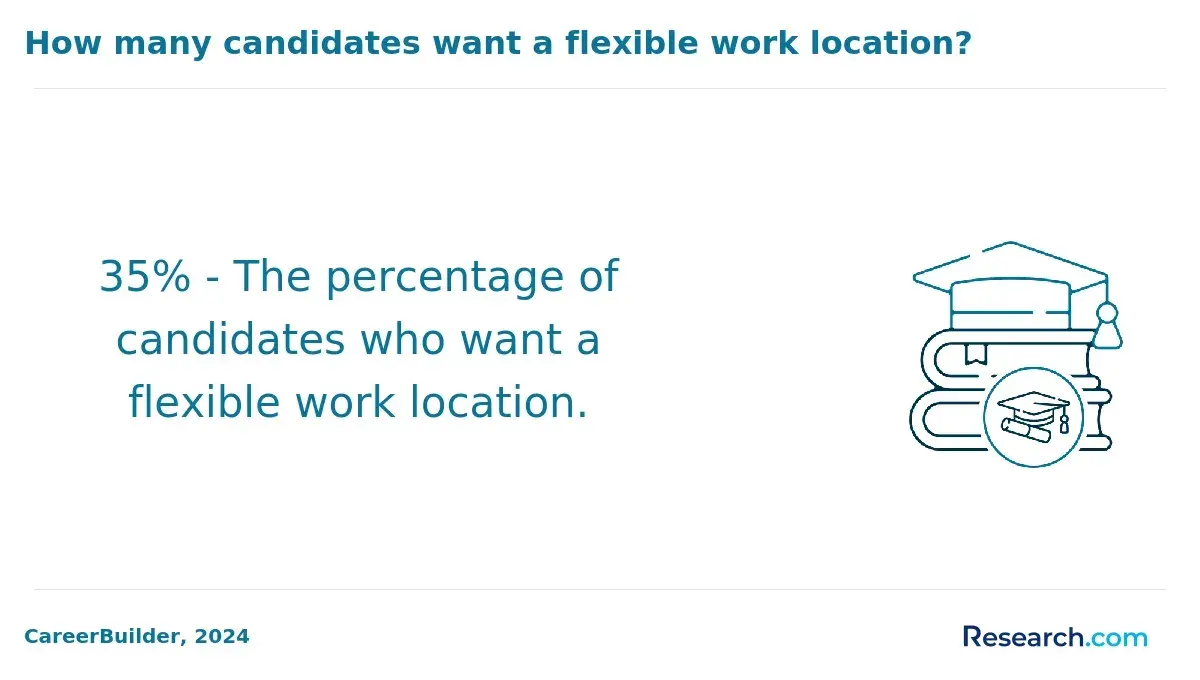
Accelerated and traditional Biomedical Engineering programs can lead to similar academic outcomes when both are properly designed and accredited. The main differences are pace, scheduling, course intensity, and how much independent learning the student must manage each week.
| Factor | Accelerated online format | Traditional format |
| Program length | May compress bachelor's completion into under three years by using continuous five-week modules | Typically follows a four-year bachelor's timeline |
| Combined degree options | Some bachelor's and master's pathways can be completed in five years online, such as at the University of North Dakota | Separate bachelor's and master's study commonly takes the usual six years |
| Course delivery | Often uses asynchronous lectures, flexible viewing, and frequent assignment deadlines | Often follows semester schedules with fixed class meetings and synchronous labs |
| Weekly workload | More concentrated, with 14-20 hours in summer and 7-10 hours in fall or spring for some courses | More spread out across a longer term |
| Flexibility | Better for students who need location flexibility but can handle a faster pace | Better for students who prefer a steadier schedule and more in-person structure |
| Educational outcomes | Can meet the same accreditation standards and biomedical engineering competencies | Can meet the same accreditation standards and biomedical engineering competencies |
The better choice depends on your constraints. Accelerated online programs may suit students with strong study habits, completed prerequisites, reliable weekly availability, and comfort with independent problem-solving. Traditional formats may be better for students who need more time with faculty, more predictable lab access, or a slower pace for difficult technical material.
A common mistake is assuming that online acceleration means lower difficulty. In Biomedical Engineering, the opposite is often true. Shorter terms can mean less recovery time between exams, projects, labs, and team deliverables. Students comparing entry routes may also want to review options at a college with open admission, especially if they need a more accessible starting point before transferring into a selective engineering pathway.
Will competency-based online programs in Biomedical Engineering affect completion time?
Competency-based education can shorten completion time if the program allows students to move ahead after proving mastery rather than waiting for a fixed semester to end. In a competency-based Biomedical Engineering program, progress depends on demonstrated skills, assessments, projects, and faculty evaluation instead of seat time alone.
This model can benefit students who already have relevant experience in engineering, healthcare technology, programming, laboratory work, quality systems, or medical device environments. They may move quickly through material they already understand and spend more time on unfamiliar topics.
However, competency-based Biomedical Engineering options require careful review. Not every technical engineering course is easy to convert into a self-paced format, especially courses involving labs, device design, biomechanics, instrumentation, or research methods. Students should ask how competencies are assessed, whether projects are portfolio-ready, and whether the program is accepted by employers, graduate schools, or licensing-related pathways when relevant.
Some learners may finish faster than the usual 12-18 months required by conventional online master's programs, but the actual timeline depends on the program structure, assessment schedule, transfer policies, and the student's ability to complete demanding work independently.
Can you work full-time while completing fast-track Biomedical Engineering online programs?
Yes, some students work full-time while completing a fast-track online Biomedical Engineering program, but it is a high-risk schedule if the student underestimates the workload. Accelerated engineering courses move quickly, and Biomedical Engineering adds interdisciplinary demands from biology, mechanics, electronics, materials, statistics, and design.
Students should expect a serious weekly commitment. Accelerated courses usually require 15-20 hours weekly for lectures, assignments, problem sets, labs, exams, and group interactions. Team-based senior design projects, research activities, or occasional on-campus lab sessions can create additional scheduling pressure.
When working full time is more realistic
- You have already completed major prerequisites such as calculus, physics, chemistry, and introductory engineering courses.
- Your job has predictable hours and limited travel.
- Your employer allows schedule flexibility during exams, labs, or project deadlines.
- You can reserve consistent study blocks on evenings or weekends.
- You are comfortable learning technical material without frequent live instruction.
When it may be too difficult
- You are taking multiple accelerated technical courses at the same time.
- Your program includes required in-person labs, clinical exposure, research work, or intensive design reviews.
- Your job has rotating shifts, overtime, travel, or emergency responsibilities.
- You are new to engineering math or have been away from school for several years.
A practical approach is to begin with a lighter course load, especially in the first term. Finishing slightly slower is usually better than withdrawing, repeating courses, or earning weak grades in a field where technical competence matters.
Can prior learning assessments (PLAs) shorten Biomedical Engineering degree timelines?
Prior Learning Assessments can shorten an online Biomedical Engineering degree if the school awards credit for college-level learning gained outside a traditional classroom. This may include knowledge from professional training, military service, certifications, technical work, or structured employer education.
In practice, PLA credit is more likely to apply to general education requirements, electives, introductory technology courses, or professional competencies than to core Biomedical Engineering subjects. Advanced engineering courses usually require direct equivalency because they build toward design, lab, and accreditation-related outcomes.
Students typically need to be enrolled in a PLA-accepting program and submit evidence of prior learning. This may include a portfolio, work samples, training records, job descriptions, supervisor verification, certificates, or written reflections connecting experience to course outcomes.
Before relying on PLA credit, ask the program three questions:
- Which Biomedical Engineering degree requirements can PLA credits satisfy?
- Is there a maximum number of PLA credits allowed?
- Will PLA credits affect financial aid status, transfer eligibility, graduate admission, or prerequisite sequencing?
Can prior college credits help you get a degree in Biomedical Engineering sooner?
Yes. Prior college credits are one of the most practical ways to shorten a Biomedical Engineering degree, especially at the bachelor's level. Transfer credit can reduce the number of courses you must complete, move you into upper-division coursework sooner, and lower the total cost of attendance if credits are accepted toward the degree.
The key issue is not whether you have credits; it is whether those credits fit the Biomedical Engineering curriculum. General education courses may transfer more easily than engineering, lab science, and major-specific courses. Technical courses often require syllabus review to confirm that topics, credit hours, lab components, and learning outcomes match.
- Review transfer credit policies: Check the institution's limits and requirements early. Kansas State University, for example, permits up to 12 credit hours for Biomedical Engineering courses from ABET-accredited programs.
- Assess graduate credit eligibility: For graduate degrees such as the M.S. or M.Eng at Texas A&M University, transfer credits up to 12 credit hours may be allowed with minimum grades and advisory approval.
- Prepare course equivalency documents: Keep syllabi, lab descriptions, textbooks, course catalogs, and official transcripts. These materials help departments determine whether prior courses match required content.
- Explore broad transfer options: Some schools, including Hawai'i Pacific University, accept a high number of transfer credits-up to 90 hours-that apply across related fields, which can speed progress when credits align with the degree plan.
Transfer credit approval should happen before enrollment whenever possible. Students who wait until after admission may discover that older courses, non-lab science credits, or non-ABET engineering credits do not apply as expected.
Students comparing long-term academic pathways can also review the cheapest PhD programs as an additional research resource, especially if they are considering advanced study after a master's degree.
Can work or military experience count toward credits in a degree in Biomedical Engineering?
Work or military experience can sometimes count toward credits in a Biomedical Engineering degree, but students should expect limits. Schools are more likely to award credit for general education, electives, technical communication, leadership, computer applications, or introductory technical training than for upper-level Biomedical Engineering courses.
Universities may evaluate experience through recognized sources such as American Council on Education military training assessments, CLEP, DSST, institutional exams, or portfolio review. Military medical equipment training, electronics experience, quality assurance work, laboratory procedures, programming, or regulated manufacturing experience may be relevant, but credit depends on the school's policies and the degree requirements.
Documentation is essential. Students may need official military transcripts, training records, certificates, job descriptions, supervisor letters, exam scores, or examples of completed technical work. Institutions typically cap the number of transferable credits, often allowing up to 30 credits in a 120-credit degree.
The most important question is where the credit applies. Thirty elective credits may shorten a degree, but they may not replace calculus, physics, biology, biomechanics, biomaterials, instrumentation, or capstone design. Students should request a written degree audit showing exactly how experience-based credits will be used.
What criteria should you consider when choosing accelerated Biomedical Engineering online programs?
Choosing an accelerated online Biomedical Engineering program requires more than checking tuition and speed. Because this is an engineering field tied to healthcare technology, device design, safety, and applied science, program quality matters. A fast program should still provide credible instruction, rigorous assessment, adequate lab exposure, and recognized academic standards.
| Criterion | What to check | Why it matters |
| School reputation and accreditation | Look for recognized accreditation, including programs accredited by the Engineering Accreditation Commission of ABET when applicable | Accreditation can affect employer confidence, graduate study options, and professional credibility |
| Faculty qualifications | Review faculty backgrounds in Biomedical Engineering, research, device development, clinical engineering, or related fields | Expert instructors are important in a multidisciplinary technical program |
| Course delivery format | Compare asynchronous, synchronous, hybrid, lab, and residency requirements | The schedule must fit your work, location, and learning style |
| Student support services | Ask about advising, tutoring, technical support, library access, career services, and design project support | Accelerated students need fast access to help when courses move quickly |
| Credit transfer policies | Confirm transfer limits, course equivalencies, minimum grades, and whether ABET-accredited prior coursework is preferred | Transfer credit can shorten the timeline only if it applies to required courses |
| Specializations and career focus | Look for tracks such as biomaterials, biomechanics, medical devices, imaging, instrumentation, or bioengineering design | The curriculum should match your intended career direction |
| STEM-OPT eligibility | International students should verify whether the program qualifies for STEM-OPT extensions | This can affect post-graduation work opportunities in the United States |
Also review admissions requirements carefully. Accelerated biomedical engineering online program requirements may include prerequisite coursework, minimum GPA expectations, prior engineering or science preparation, faculty approval, or limits on how many compressed courses students can take at once.
Students comparing formats may find it useful to review broader resources on accelerated bachelors degrees to understand how online acceleration works across fields. However, Biomedical Engineering should be evaluated more cautiously than less lab-intensive majors because technical sequencing and hands-on learning are harder to compress.
Are accelerated online Biomedical Engineering degrees respected by employers?
Accelerated online Biomedical Engineering degrees can be respected by employers when they come from accredited, reputable institutions and include rigorous technical coursework, labs, design projects, and meaningful assessment. Employers usually care less about whether a course was online and more about whether the graduate can solve engineering problems, work in teams, document designs, understand regulatory and safety expectations, and apply biomedical concepts in real settings.
Accreditation is central to employer perception. ABET accreditation signals that an engineering program meets recognized standards for curriculum, faculty, continuous improvement, and student outcomes. For many employers, this matters more than whether the degree was completed through an accelerated or traditional schedule.
Program reputation also matters. Online programs from schools such as Johns Hopkins or Arizona State University may maintain the same academic standards as their on-campus counterparts, and diplomas often do not specify online or in-person study. Still, students should verify this directly with the institution rather than assuming all online and campus credentials are presented identically.
Hands-on preparation is another major factor. Strong programs include practical components such as in-person labs, remote labs, simulations, senior capstone projects, biomedical design work, or research experiences. These elements help students build evidence of skill for interviews and portfolios.
Students should be cautious with programs that emphasize speed but provide little information about faculty, labs, accreditation, outcomes, or employer connections. For broader context on evaluating online technical education options, resources such as top online trades school listings can help students think critically about program quality, although Biomedical Engineering requires its own accreditation and curriculum review.
What Biomedical Engineering Graduates Say About Their Online Degree
- Maddox: "Completing my accelerated online Biomedical Engineering degree was a game-changer for my career. The program's flexible schedule allowed me to work full-time while learning cutting-edge concepts, and the practical projects helped me build a strong portfolio. Considering the average cost of attendance was reasonable, I feel this investment was truly worthwhile."
- Serenna: "The online Biomedical Engineering program gave me a chance to reflect deeply on the impact of technology in healthcare. The curriculum was intensive, yet the ability to complete the degree faster than traditional paths meant I could start contributing to meaningful medical innovations sooner. It was a challenging but rewarding experience that enriched both my skills and perspective."
- Corren: "As a working professional, I appreciated the professional structure and outcome-focused approach of my Biomedical Engineering degree. The accelerated format enabled me to finish in less than two years, which was impressive compared to the typical length of on-campus programs. The affordable tuition and quality instruction exceeded my expectations, making it a smart choice for advancing my engineering career."
Other Things to Know About Accelerating Your Online Degree in Biomedical Engineering
Yes. Most ABET-accredited biomedical engineering programs require a capstone or senior design project, often completed in the final year. Students usually need prior core courses in circuits, mechanics, physiology, and materials science before taking it. The project is part of meeting graduation requirements, not an optional extra.
Fast-track online degrees in 2027 offer specialized coursework and virtual labs to accommodate fields like biomechanics and medical imaging. Programs often collaborate with healthcare facilities or tech companies to provide applied learning experiences, ensuring that students receive relevant training to meet industry standards.
References
- Bachelor of Science in Biomedical Engineering https://catalog.utexas.edu/undergraduate/engineering/degrees-and-programs/bs-biomedical-engineering/
- Undergraduate https://www.usf.edu/engineering/bme/undergraduate/accelerated-bsbe-msbe.aspx
- Ajman University https://www.ajman.ac.ae/en/academics/academic-programs-majors/programs/bachelor-of-science-in-biomedical-engineering
- Accreditation of Prior Learning Policy https://www.qmul.ac.uk/postgraduate/taught/applyfortaughtprogrammes/accreditation-of-prior-learning-policy/
- Can I Work Full-Time While Earning an Online Degree? https://www.athens.edu/online-degree-completion-programs-working-adults/can-i-work-full-time-while-earning-an-online-degree/
- Best Online Biomedical Engineering Master's Degrees for 2025 https://www.onlinemastersdegrees.org/best-programs/engineering/biomedical-engineering/
- Accelerated Biomedical Engineering Degree | Online and On-Campus https://und.edu/programs/biomedical-engineering-bs-ms/index.html
- Best Online Biomedical Engineering Master's Degree Programs, Jobs, and Salaries https://careerkarma.com/blog/online-biomedical-engineering-masters/
- Department of Biomedical Engineering Da-Yeh Univ. https://dbe.dyu.edu.tw/en/course5.html
- How to become a biomedical engineer | edX https://www.edx.org/become/how-to-become-a-biomedical-engineer