2027 Highest-Paying Web Design Master's Specializations Ranked

Co-Founder and Chief Data Scientist
The variation in salaries across master's specializations in web design reflects more than surface-level pay scales. Employers increasingly prioritize candidates with advanced technical skills that address evolving digital ecosystems, creating wage disparities tied to specialization depth and complexity. Credentialing requirements and professional standards also influence compensation, as certain roles demand certifications or mastery of niche technologies.
Labor market scarcity amplifies wages where talent pipelines remain thin, especially in specialization areas aligned with enterprise-level solutions or cross-disciplinary collaboration. Understanding these structural dynamics enables candidates to assess salary data through the lens of sector demand, career trajectory, and credential investment rather than isolated figures.
Key Benefits of the Highest-Paying Web Design Master's Specializations
- Specializations focusing on UX research integrate advanced behavioral data analysis, aligning with a 2024 study linking user-centric design to 25% higher client retention, crucial for roles emphasizing strategic product development.
- Employers increasingly prioritize candidates with multidisciplinary skills merging coding and design, reflecting a workforce trend toward hybrid roles that can reduce team headcount but demand broader expertise.
- Specializations requiring extensive coding prerequisites often extend degree duration and cost, influencing access equity and prompting candidates to weigh faster certifications against long-term salary gains.
What Are the Top-Paying Careers for Web Design Master's Graduates?
Salary potential among graduates with a master's in web design varies significantly based on specialization, market demand, and the ability to solve complex organizational challenges. Compensation disparities reflect economic pressures around digital transformation, technical skill scarcity, leadership responsibilities, and increasingly stringent regulatory compliance in accessibility and data privacy. Roles commanding higher pay often require blending design expertise with executive accountability, technical project oversight, or pioneering innovation that directly influences revenue streams and user retention metrics.
- User Experience (UX) Director or Lead ($120,000-$160,000): These senior roles combine strategic design leadership with deep behavioral insights. The salary reflects their executive-level responsibility for shaping digital product identities and driving user engagement on a large scale. According to PayScale and Robert Half workforce reports, heightened demand for executives who can bridge design vision with measurable business outcomes makes this one of the most lucrative roles for web design master's graduates.
- Front-End Development Manager ($110,000-$150,000): Managers in this hybrid role must possess advanced coding expertise and design sensibilities to synchronize UI aesthetics with scalable architectures. The technical scarcity of professionals who can lead both design and development teams drives higher compensation, especially amid industry pressures for agile and customer-centric product launches.
- Product Design Manager ($110,000-$150,000): This position requires navigating product lifecycle complexities while aligning user experience goals with market and business strategies. Elevated pay is tied to the role's impact on product-market fit and rapid adaptation cycles, often assessed through Glassdoor and Robert Half data correlating salary with operational decision-making responsibilities.
- Interaction Designer ($100,000-$140,000): Specialists focused on human-computer interaction use research-driven prototyping to optimize user workflows and feature adoption. Their contribution reduces churn and improves platform competitiveness, justifying premium salaries reported by the U.S. Bureau of Labor Statistics for those with advanced HCI specialization and technical design prowess.
- Human-Computer Interaction (HCI) Specialist ($100,000-$140,000): Similar to interaction designers but often with a stronger research emphasis, HCI professionals command salaries reflecting the scarcity of experts capable of integrating cognitive science, usability testing, and technical implementation to create compliant, accessible digital environments.
- Information Architecture Specialist ($95,000-$130,000): Effective content structuring and navigation system design are critical for complex digital ecosystems. Salary premiums arise from their ability to reduce infrastructure risk and enhance long-term site maintainability, balancing technical knowledge with strategic business alignment as reflected in PayScale and Lightcast labor market reports.
- Digital Product Strategist ($95,000-$130,000): Focused on aligning technology and user experience initiatives with broader corporate goals, these strategists impact revenue growth by guiding web design investments linked to client acquisition and retention. Higher earnings come with the challenge of forecasting digital trends and regulatory shifts, especially in sectors sensitive to compliance.
- Visual Design Lead ($90,000-$125,000): Leaders here drive brand aesthetics across multiple platforms, requiring mastery over cross-channel consistency and emergent design technologies. Compensation reflects both creative influence and the growing necessity for inclusive design compliance, often supported by salary data from industry surveys tied to visual design expertise.
- Mobile UX Designer ($90,000-$125,000): Given the continued surge in mobile-first user bases, specialists optimizing app and mobile web experiences are in elevated demand. Their salary advantages stem from technical scarcity paired with the complexity of ensuring seamless, intuitive interactions on limited screen real estate under evolving platform constraints.
- Web Accessibility Consultant ($90,000-$125,000): Compliance with accessibility laws and standards imposes critical legal and reputational risks, positioning accessibility consultants as essential hires. Their advanced technical skills combined with legal knowledge result in higher pay, reflecting the specialized nature of this expertise within the web design master's graduate employment landscape.
The differentiation in these roles illustrates how strategic specialization within web design master's programs affects employability and salary. Graduates who integrate technical, managerial, and compliance competencies command premium positions as companies navigate an increasingly complex digital ecosystem. Those considering such advanced degrees should weigh these factors carefully against training duration, ongoing learning demands, and the necessity for cross-disciplinary fluency in technology and business strategy to maximize both initial hiring outcomes and long-term career growth.
For a broader overview of how these career paths rank among the best degrees to make money, including comparative industry insights, reference current aggregated compensation studies.
Which Industries Pay the Highest Salaries for Web Design Master's Graduates?
Salary differences across industries for graduates with a master's degree in web design are largely shaped by economic scale, regulatory environments, and the strategic significance of digital interfaces within each sector. The value of web design expertise intensifies when applied to areas where operational risk is high, customer engagement directly affects revenue, or compliance complexity demands advanced technical solutions. This creates a tiered salary landscape that reflects more than just educational credentials-it showcases how specialization intersects with industry stakes and talent scarcity.
- Technology Sector ($85,000-$130,000): The technology industry leads in compensation due to its focus on rapid innovation, product scalability, and user engagement. Web design experts contribute to crafting seamless digital experiences for software, cloud platforms, and e-commerce sites, directly influencing revenue streams and market competitiveness. According to PayScale 2024 data, demand for designers proficient in UX/UI and coding in tech remains exceptionally strong, with wages reflecting this scarcity and business impact.
- Finance and Banking ($80,000-$120,000): In finance, strict regulatory compliance combined with the necessity for secure, intuitive digital interfaces drives higher salaries. Web designers working in fintech and online banking must integrate cybersecurity principles while maintaining user accessibility, a skill set valued significantly by employers. The U.S. Bureau of Labor Statistics highlights fintech growth as a key factor pushing compensation above average.
- Healthcare and Digital Health ($75,000-$110,000): Healthcare's growing reliance on telemedicine and patient portals increases the demand for designers who understand both HIPAA regulations and usability. While salaries are generally lower than those in finance or tech, steady investment in digital transformation offers stable and competitive compensation, supported by Glassdoor's recent sector analyses indicating continued demand for privacy-focused web design skills.
- Management Consulting and Marketing Agencies ($70,000-$105,000): Specialized consulting roles reward adaptive design skills combined with analytic insight on user behavior and marketing effectiveness. Although this sector offers lucrative pay, the workload can be unpredictable and job security less stable than in corporate roles. Robert Half reports a premium on multi-disciplinary talents capable of balancing creativity and data-driven strategy here.
- Entertainment and Media ($65,000-$95,000): Salary levels in entertainment reflect the need for engaging digital storytelling through interactive design, often tied to large audience reach. The volatile nature of digital media projects and reliance on contract work can temper compensation, but rapid content cycles drive ongoing demand for advanced web design expertise, as noted by Lightcast workforce trends.
- Retail and E-commerce ($60,000-$90,000): Growth in online retail compels companies to invest in user-centric design that maximizes conversion rates and customer retention. PayScale data shows competitive salaries here, particularly for roles involving adaptive interfaces and mobile optimization, though profit margins tend to be tighter than in tech or finance sectors.
- Education and E-Learning Platforms ($55,000-$85,000): Educational technology firms require web designers to create accessible, interface-friendly platforms that support diverse learners. While salaries are moderate, the sector offers long-term growth linked to the digitization of learning, with the added benefit of often more predictable workloads.
- Government and Public Sector ($50,000-$80,000): Web designers in government roles face the challenge of balancing stringent accessibility, transparency requirements, and budget constraints. The sector's steady demand is offset by generally lower pay scales and slower adoption of cutting-edge tools compared to private industry, as indicated by recent federal employment reports.
- Telecommunications ($50,000-$75,000): This industry rewards designers who optimize complex network service interfaces and customer portals. The rapid technological shifts and fierce competition demand consistent upskilling, with compensation reflecting medium-tier investment in digital experience improvements, corroborated by industry salary surveys from 2024.
- Manufacturing and Industrial ($48,000-$70,000): While not traditionally associated with web design, the digitalization of industrial systems and supply chain platforms creates niche opportunities. Salaries are lower relative to tech-centric fields, but the sector's increasing integration of digital interfaces signals emerging demand for specialists who understand complex operational workflows, as observed in recent McKinsey workforce analyses.
Which Web Design Specializations Have the Strongest Job Outlook?
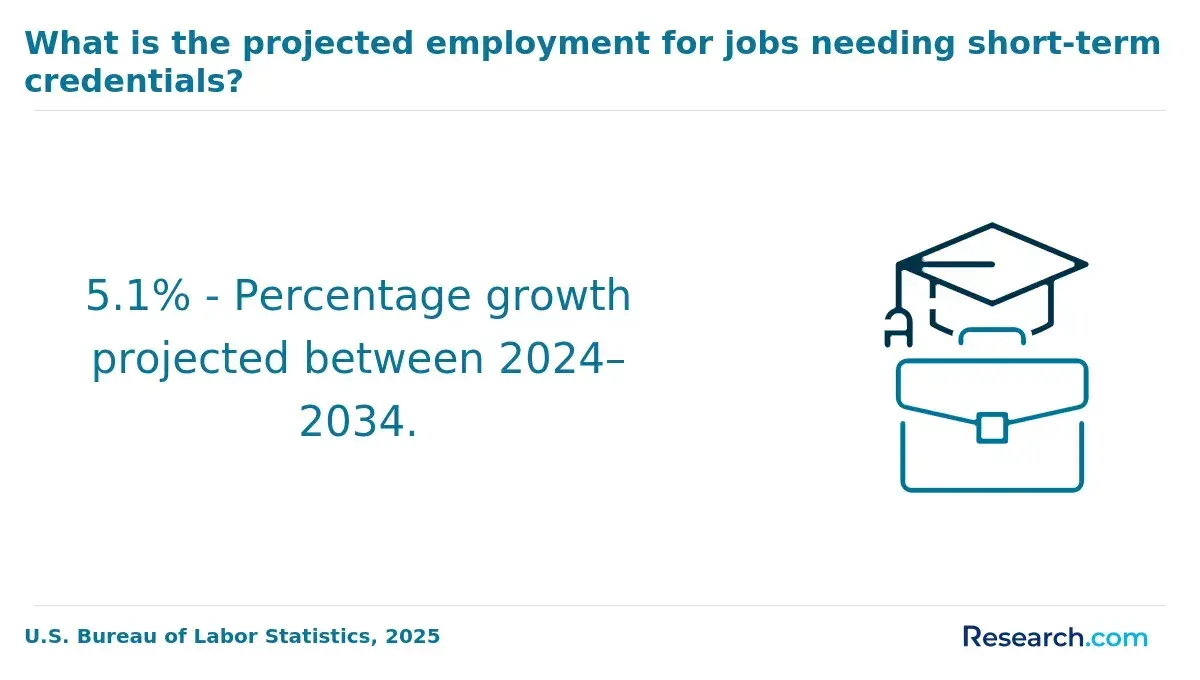
Job outlook for web design specializations depends less on current employment volumes and more on how well each track aligns with ongoing shifts in technology, regulation, and market demands. Specializations that address critical industry pain points, such as user engagement optimization or compliance with accessibility laws, tend to show stronger hiring growth and long-term stability than broader or more cyclical roles.
- User Experience (UX) Design: Data from the U.S. Bureau of Labor Statistics and Glassdoor Economic Research project hiring growth rates of 15-20% over the next decade, substantially outpacing average tech roles. This demand is fueled by companies' need to enhance customer retention and monetization through improved digital interfaces. UX specialists who master human-computer interaction and design psychology benefit from a competitive advantage, as their work directly impacts revenue and brand loyalty.
- Front-End Development-Focused Web Design: Serving as a bridge between coding and design, this specialization remains in steady demand driven by accelerating digital transformation and mobile-first trends. Critical practical skills in JavaScript frameworks like React or Angular often weigh as heavily as formal credentials. Despite steady prospects, rapid evolution in front-end technologies requires continual skill updating, posing ongoing challenges for professionals.
- Web Accessibility Design: Growing regulatory mandates and corporate diversity initiatives increasingly elevate the importance of inclusive design. Although smaller in workforce scale, accessibility experts have a resilient job market less vulnerable to economic downturns. Their specialized skills ensure compliance and broader usability, underscoring a niche yet strategically vital role in contemporary digital service delivery.
- Motion Graphics and Interactive Media Design: Employment in this area is more sensitive to fluctuations in marketing budgets and economic cycles, commonly linked with entertainment and advertising sectors. Proficiency in animation software alongside web technology is essential, but volatility remains a drawback. This specialization attracts creative professionals comfortable with variable workloads and project-based engagements.
A mid-career professional with a master's in web design specializing in UX recalls facing uncertainty when deciding which path to pursue amid competing interests. Initially drawn to motion graphics for its creative appeal, they observed peers struggle with irregular project availability. Switching focus to UX design after analyzing labor market growth and employer feedback, they found relief in the steadier demand and clearer pathways for advancement. This experience highlights the tradeoff between creative passion and pragmatic stability that shapes many decisions in web design specialization choices.
Which Web Design Master's Specializations Have the Best Long-Term Salary Growth?
Long-term salary growth in web design master's specializations depends more on career ceiling effects, leadership pathway accessibility, and evolving industry demand than on initial pay. Some specializations that may start with moderate salaries show stronger compounding growth driven by scarcity, technical depth, and the expanding scope of digital transformation. Understanding these dynamics is key, especially for those weighing the practical value of specific educational investments relative to the highest-paying web design master's degree specializations for career advancement.
- UX/UI Design with Human-Computer Interaction (HCI): This specialization's salary growth is boosted by the increasing importance of user-centered technology across sectors, creating sustained demand for experts who merge psychology, design, and tech. Labor data indicate a 6% annual salary growth rate outpacing general web design roles, driven by rising employer expectations for sophisticated HCI skills and leadership roles guiding product user experience.
- Front-End Development with Advanced Animation and Interactivity: Professionals adept at cutting-edge frameworks that deliver immersive, responsive experiences show accelerated income trajectories. Their hybrid technical-creative skillset is highly valued for competitive differentiation, with workforce analyses highlighting faster leadership pipeline movement in this niche due to its strategic role in digital branding and customer engagement.
- Web Accessibility and Inclusive Design: Increasing regulatory requirements and a cultural shift toward inclusive products underpin rising long-term compensation. Specialists in this area benefit from automation resilience and expanding enterprise adoption, leading to unique career advancement opportunities often less vulnerable to market saturation than traditional web design tracks.
- Leadership and Product Management in Web Design: Combining design mastery with strategic oversight facilitates entry into executive roles that command premium salary growth. Longitudinal studies show that professionals who leverage web design expertise into cross-functional leadership positions experience notably steeper income curves, reflecting their broader influence on business outcomes.
For those assessing compatible pathways, practical considerations such as time investment and evolving labor market demand play a critical role in maximizing the benefits of specialization. Exploring flexible options among the most affordable online colleges for engineering degrees can also help balance cost with the specialized skill requirements of these growth areas in web design.
What Skills Lead to the Highest Salaries in Web Design Careers?
Salary outcomes in web design careers hinge significantly on distinct, high-value skills rather than on general credentials or broad knowledge bases. Individuals who master competencies tied to business impact, technical complexity, and leadership typically access higher-paying roles, faster advancement, and specialized industry segments with premium compensation.
- Advanced Front-End Development: Deep expertise in frameworks like React or Vue.js coupled with fluency in core technologies such as HTML5, CSS3, and JavaScript precipitates elevated salaries by enabling designers to build complex, scalable, and interactive experiences. Labor data from Glassdoor Economic Research highlight that this skill set commands a scarcity premium due to high demand and evolving tech stacks.
- UX/UI Design Specialization: Proficiency in user research, usability testing, and iterative, data-driven design is closely linked to senior product roles. The U.S. Bureau of Labor Statistics emphasizes that such strategic capabilities translate to leadership functions, resulting in salary lifts aligned with enhanced decision-making and product success metrics.
- Back-End Integration Knowledge: Understanding server-side systems and APIs allows web designers to act as vital bridges between front-end and back-end development teams. PayScale data reflect that hybrid technical skill sets reduce friction in workflows and generate premium pay by increasing operational efficiency and product robustness.
- Web Accessibility Standards Expertise: Mastery of WCAG compliance and inclusive design not only meets legal mandates but positions professionals as indispensable specialists. McKinsey workforce insights show this expertise buffers against automation risks and often correlates with niche consulting roles commanding superior compensation.
- Project Management and Strategic Planning: Skills in coordinating cross-functional teams and aligning web projects with business goals elevate roles from execution to leadership. Labor market analyses from Lightcast associate such abilities with expanded authority and budget ownership, both key drivers of higher salaries.
A web design master's graduate recalls grappling with the rolling admissions timeline when applying to programs emphasizing these high-value skills. Early hesitation about which specialization to commit to delayed the application, creating pressure as deadlines approached. During this period, the candidate revisited labor market reports and adjusted priorities toward a specialization blending front-end development and UX/UI research, recognizing their stronger salary prospects. Ultimately, the individual's adaptive strategy during uncertain waiting periods proved crucial for aligning educational investment with compensation goals.
Which Certifications Increase Salary Potential After Graduation?
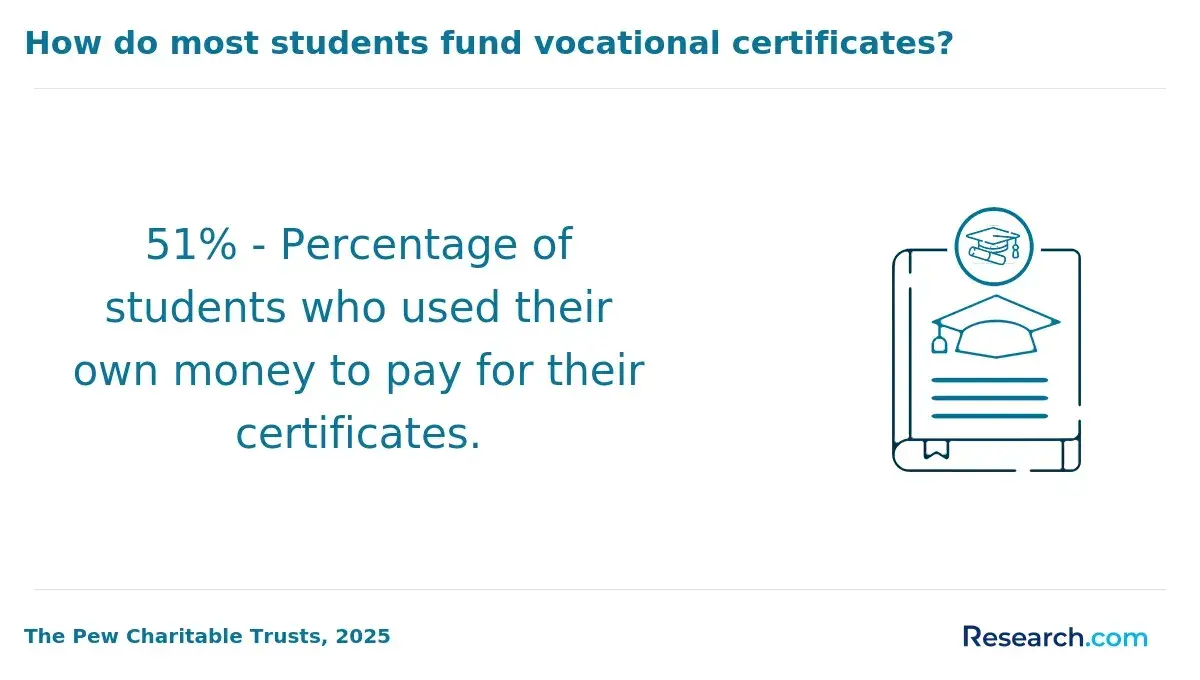
Certifications function as critical labor market signals that often accelerate salary growth for professionals with a master's specialization in web design. Rather than optional credentials, they unlock access to specialized roles, enhance credibility within competitive hiring pipelines, and can reduce time-to-promotion in technical or leadership tracks. The following certifications demonstrate clear pathways to higher compensation by validating in-demand skills and aligning with employer priorities.
- Certified Usability Analyst (CUA): This credential, offered by Human Factors International, emphasizes advanced UX design and usability testing competence. PayScale 2024 data shows professionals with CUA certification command salary premiums of 10% to 15% over non-certified peers. This uplift reflects growing employer demand for UX expertise in tech hubs where user experience shapes product success and drives competitive differentiation.
- Google's Mobile Web Specialist Certification: Focused on front-end development for mobile-responsive sites, this credential signals proficiency in skills essential for maintaining optimized digital experiences on increasingly dominant mobile platforms. Glassdoor Economic Research identifies an average salary increase of around 8% tied to this certification, as employers prioritize mobile-specific technical capabilities amid evolving digital consumption trends.
- Adobe Certified Expert (ACE): Particularly valued among visual and interaction designers proficient in Adobe Creative Cloud, this certification supports modest salary gains, typically between 5% and 10%. According to U.S. Bureau of Labor Statistics insights, the credential's relevance persists due to Adobe tools' ubiquity in web design workflows, balancing creative aptitude with technical facility demanded by employers.
Each certification requires weighing the investment of time and expense against the prospective salary and career outcomes within specialized web design roles. Industry expectations continue to underscore project experience and technical adaptability alongside sealed credentials. Those evaluating options for a Web Design master's specialization should also consider pathways like a UX degree online to integrate broader skillsets relevant to current employer demand.
How Do Online and Campus Specialization Salaries Compare?
Differences in salary outcomes between online and campus-based master's specializations in web design often stem from factors tied to program structure rather than delivery mode alone. Campus programs typically integrate experiential elements such as internships, hands-on projects, and cohort-based collaboration more deeply, which can enhance skill application and employer readiness.
These elements create stronger employer signals and immediate networking opportunities, contributing to a reported 8-12% higher starting salary for campus graduates according to the National Center for Education Statistics. However, the quality of program design and how effectively experiential learning is embedded often outweigh whether the course is delivered online or in person.
In practice, working professionals pursuing online master's degrees may experience slower initial salary growth due to part-time study schedules and fewer direct connections to campus recruiting events. Conversely, on-campus students benefit from in-person mentorship and internship pipelines that boost early-career placement and compensation. Over time, however, salary differences shrink as workplace achievements and specific skills gain importance, diminishing the initial premium of campus attendance. Employer emphasis increasingly centers on portfolio strength and specialized competencies rather than the program's format.
Some industries and regions show growing employer neutrality toward online credentials, particularly when online programs cultivate industry partnerships and project-based curricula that mirror real-world challenges. Specializations aligned with emerging technologies like AR/VR or mobile design tend to command competitive salaries regardless of delivery format, reflecting labor market demand that transcends traditional credential hierarchies. Thus, nuanced tradeoffs exist whereby salary trajectories converge when experiential rigor, employer reputation, and skill relevance are prioritized over the mere presence of an on-campus experience.
Which Specializations Are Best for Career Advancement Among Working Professionals?
Career advancement in web design master's programs hinges not just on degree completion but on selecting specializations that align with organizational leadership pipelines and roles carrying increased responsibility and compensation. Certain specializations provide working professionals clearer trajectories toward managerial positions or influential cross-functional roles, which directly impact salary growth and job stability.
- User Experience (UX) Design: This specialization ranks highest for upward mobility because it targets positions integrating design strategy with customer insights, a combination highly sought after in tech and product-driven companies. Glassdoor Economic Research highlights that UX roles offer some of the highest entry salaries and fast-track promotion opportunities into senior design and product leadership. The focus on human-computer interaction and usability testing equips professionals to influence product direction and stakeholder decisions, strengthening their candidacy for leadership pipelines.
- Front-End Development: Emphasizing advanced JavaScript frameworks and responsive design, this path appeals to employers valuing technical leadership that bridges engineering and design. Labor data from Lightcast reveals strong demand for front-end experts who can deliver adaptive interfaces, often translating into roles like lead developer or engineering manager. For working professionals, staying current with evolving technologies supports eligibility for specialized leadership, with compensation premiums reflecting these skills.
- Digital Product Management: Although less technical, this specialization commands career growth by positioning graduates at the intersection of business strategy, design, and development. McKinsey workforce reports underline rising demand for professionals who can manage Agile project lifecycles and cross-team coordination. This broader skill set facilitates access to strategic, high-impact roles involving budgeting and personnel oversight, offering working professionals expanded promotion potential beyond traditional design tracks.
Are the Highest-Paying Web Design Specializations Also the Most Stressful?
Higher salaries in web design master's specializations frequently correlate with elevated stress due to the structural demands placed on these roles. Positions such as UX/UI design leadership or front-end engineering management often carry broad responsibility for project outcomes, requiring swift technical problem-solving and immediate adjustment to shifting client expectations. This dynamic creates pressure to meet strict deadlines while maintaining high-quality results, thereby increasing workload intensity and burnout risk.
According to recent 2024 workforce research, over 60% of professionals in top-earning web design tracks report experiencing significant job-related stress, underscoring how compensation aligns with heightened accountability and complex task loads common in these fields. Incorporating the term highest paying web design specializations and stress levels reflects the intricate link between earning potential and the multifaceted challenges inherent in these career pathways.
Stress levels within high-paying web design roles vary substantially based on organizational context, industry, and support structures, which mediate or amplify pressure. For instance, roles in digital accessibility consulting, while lucrative, often feature more predictable workflows and lower urgency, contrasting sharply with performance-driven environments demanding quick turnaround and cross-functional coordination. Factors such as automation, team composition, and an individual's career stage further influence stress outcomes, highlighting that workload challenges in top earning web design master's tracks are not uniform even within the same specialization.
Graduate students and career changers evaluating specialization choices should consider these dimensions alongside salary to ensure sustainable career satisfaction and avoid burnout. Additionally, individuals exploring transitions or parallel career opportunities may benefit from comparing web design options with alternatives like an online degree for library science, where demand and stress profiles differ markedly.
How Can Students Align Specialization Choices With Long-Term Career Goals?
Specialization decisions in web design programs significantly shape career trajectory, salary potential, and leadership opportunities. Selecting a focus that aligns closely with labor market demand and individual long-term goals is a strategic career move rather than just an academic formality.
- Evaluate Labor Market Demand Trends: Analyze data from sources like the U.S. Bureau of Labor Statistics and Lightcast to identify high-growth areas such as user experience (UX) design and front-end development. Prioritize specializations showing sustained demand to improve job security and salary growth over time.
- Assess Skill Transferability Across Industries: Choose specializations whose skills apply broadly across sectors like healthcare, finance, or e-commerce. For example, UX design competencies often translate well beyond web design, increasing career flexibility and resilience against sector-specific downturns.
- Understand Specialization-to-Role Pathways: Map out typical employment outcomes associated with each field, recognizing that some specializations funnel graduates toward freelance roles with variable income, while others offer steadier, in-house positions with leadership potential.
- Balance Short-Term Job Access With Long-Term Growth: Consider how immediate employment ease compares to ceiling limitations on advancement and compensation. Specializations focused on emerging technologies like augmented reality interfaces may be lucrative but come with adoption uncertainties impacting stability.
- Consider Lifestyle and Workload Implications: Reflect on how tight project deadlines and rapid iteration cycles impact work-life balance. These practical considerations influence satisfaction, retention, and overall career sustainability in web design roles aligned with chosen specializations.
Integrating these factors into decisions about matching web design master's specializations to job market demand enhances employability and long-term growth. For those comparing related degree programs, cost and time investment matter; resources like the best online animal science degree guides demonstrate how thorough financial and outcome analysis can drive wiser educational choices.
What Graduates Say About the Highest-Paying Web Design Master's Specializations
- Callen: "Completing the online master's specialization in web design gave me a practical edge, especially when it came to building a portfolio that employers actually care about. I found that my hands-on projects and internships mattered far more than any formal licensure, so focusing on those really helped me land a role. That said, I've noticed salary growth is a bit capped without additional certifications, so I'm already planning my next steps."
- Koen: "I appreciated the flexibility of the online program since it allowed me to work remotely while studying. Navigating the hiring market post-graduation was eye-opening-many companies prioritize real experience and demonstrable skill over degrees alone, so I dove into freelance projects to bolster my resume. It's a practical route, but competing for senior roles still feels tough without more years in the field."
- Owen: "The master's specialization helped me pivot careers effectively, but the biggest takeaway was understanding workplace realities in web design. Employers emphasized business acumen and collaborative skills more than the technical degree itself, so developing those on the job was crucial. While the program opened doors faster, I've stayed cautious about opportunities promising quick advancement without a strong portfolio backing them up."
Other Things You Should Know About Web Design Degrees
When selecting a top-paying web design master's program in 2027, consider which combination of specific expertise and broad skills align with market needs. Review industry trends, employer demand, and curriculum focus to ensure depth in high-paying areas without sacrificing versatility.
Yes, higher-paying specializations often correlate with more complex, project-heavy curricula requiring substantial time and effort outside of standard coursework. Expect intensive hands-on assignments, collaborative projects, and tight deadlines mirroring professional environments. Prospective students should assess their capacity for sustained workload intensity and time management, as these programs demand strong commitment to maintain academic performance without burnout.
Accreditation and faculty quality are critical factors that influence employer perception and networking opportunities within competitive specializations. Employers hiring for high-paying roles prefer graduates from programs recognized for rigorous standards and taught by faculty actively engaged in design research or industry practice. Prioritize programs with transparent accreditation and faculty credentials, as these elements significantly impact credential value and access to specialized resources or internships.
For working professionals, flexible scheduling can outweigh specialization prestige because consistent progress and degree completion often matter more for salary gains than program name alone. Highly reputed specializations may have rigid formats that complicate work-study balance, potentially delaying graduation or affecting performance. Professionals should weigh immediate career demands against specialization benefits, opting for reputable but flexible programs that facilitate steady advancement without sacrificing employment stability.
References
- High-Paid Certifications That Employers Value in 2026 https://www.sprintzeal.com/blog/high-paid-certifications
- Is Web Design a Good Career? (2025 Guide) | BrainStation® https://brainstation.io/career-guides/is-web-designer-a-good-career
- Web Designer Job Outlook https://www.nobledesktop.com/careers/web-designer/job-outlook
- Online Master’s Degrees That Pay: Top Fields for Solid Salaries https://www.onlinemastersdegrees.org/features/top-earning-masters-degrees/
- Web Designer Certifications: Best Credentials to Advance Your Career | Teal https://www.tealhq.com/career-paths/web-designer-certifications
- Best Online Web Design Master’s Degree Programs, Jobs, and Salaries https://careerkarma.com/blog/best-online-web-design-masters-degrees/
- Become a Web designer: job profile, salary and career opportunities https://www.esma-artistique.com/en/metier/becoming-a-web-designer-2/
- Navigating Career Goals and Choosing Specializations in Business Schools https://www.jagannath.org/blog/navigating-career-goals-and-choosing-specializations-in-business-schools/
- Learn How To Earn A Master's In Web Design Online https://www.learnhowtobecome.org/best-online-masters-in-web-design-degree-programs/
- Best Master's in Web Development Programs https://www.computerscience.org/degrees/masters/web-development/