2027 Highest-Paying Positive Psychology Master's Specializations Ranked

Co-Founder and Chief Data Scientist
Variations in salary across positive psychology master's specializations often mirror underlying differences in sector demand, credential complexities, and role specificity rather than intrinsic program quality. Specializations aligned with industries facing acute talent shortages or regulatory credentialing typically command elevated compensation, reflecting higher entry barriers and specialized skill sets. Additionally, compensation structures may reward technical complexity and leadership responsibilities embedded within certain roles, while geographic workforce distribution influences pay scales due to cost-of-living adjustments and market saturation.
Understanding these structural factors offers a more nuanced lens to evaluate salary outcomes, linking compensation trends to workforce dynamics and advancement pathways in positive psychology disciplines beyond superficial ranking.
Key Benefits of the Highest-Paying Positive Psychology Master's Specializations
- Specializations focusing on organizational well-being show a 15% employment growth rate in 2024, signaling strong corporate demand but often requiring dual expertise in business, limiting purely psychological candidates.
- Clinical applications of positive psychology attract employers prioritizing licensed practitioners, emphasizing workforce pathways that combine therapeutic credentials for competitive advantage in healthcare settings.
- Programs emphasizing neuroscience integration involve higher tuition and longer completion timelines, reflecting resource intensity and affecting accessibility for mid-career students weighing opportunity costs.
What Are the Top-Paying Careers for Positive Psychology Master's Graduates?
Salary outcomes for graduates with a master's in positive psychology are far from uniform; they depend critically on specialization alignment, labor market pressures, and how candidates position technical and leadership skills within organizations. Compensation disparities often reflect deeper economic drivers such as growing demands for mental health expertise combined with organizational effectiveness, the complexity of clinical and regulatory environments, and the increasing scarcity of professionals who can integrate positive psychology principles with executive-level decision-making or applied research rigor.
- Executive Coach ($90,000-$150,000): Executive coaching is one of the highest-paying roles tied to positive psychology master's holders. These professionals operate at the nexus of psychological insight and business leadership, advising senior corporate executives on resilience and performance. The premium compensation reflects direct accountability for leadership outcomes, client-specific customization, and the confidentiality and trust that elevate these consultants beyond conventional advisory roles, according to PayScale data.
- Organizational Development Consultant ($80,000-$130,000): Those specializing in workplace happiness and productivity use positive psychology interventions to improve employee engagement and retention. This role commands higher salaries due to its strategic impact on high-turnover industries and the need for integrated change management skills. The position's earning potential is supported by economic pressures to maintain workforce stability, as reflected in Lightcast workforce reports.
- Clinical Psychologist (Positive Psychology Focus) ($85,000-$120,000): Licensed clinical psychologists who incorporate positive psychology techniques in therapy, such as resilience training, enjoy stable salary ranges informed by demand growth in public mental health sectors. Compensation is elevated by certification requirements, regulatory oversight, and the high stakes of clinical judgment, creating barriers to entry and ensuring market scarcity, based on U.S. Bureau of Labor Statistics projections.
- University Researcher or Faculty Member ($75,000-$110,000): Academic roles pay less upfront compared to corporate positions but reward expertise with long-term career progression and influence. Faculty focused on positive psychology research benefit from grant-funded projects and publication impact, with salaries tied to institutional prestige and the ability to secure external funding, a reality documented in NCES statistical analyses.
- Health Coach (Behavior Change Specialty) ($70,000-$105,000): Health coaches who apply behavior change frameworks grounded in positive psychology are increasingly valued in wellness industries. Their pay reflects a balance between certification barriers, growing consumer demand, but also geographic concentration and variable employer recognition of their scope, per Glassdoor salary reports.
- Program Director for Nonprofit Wellbeing Initiatives ($65,000-$100,000): Leaders managing nonprofit mental health or wellness programs leverage positive psychology to maximize societal impact while balancing fundraising and compliance responsibilities. Salary ranges reflect organizational budget constraints and competition for experienced managers who can demonstrate measurable program outcomes.
- Human Factors Specialist ($80,000-$115,000): This niche applies positive psychology principles to improve technology usability and human-machine interaction. Compensation is driven by technical scarcity, especially in tech hubs, and the increasing complexity of designing systems that enhance wellbeing, with salaries supported by industry compensation analyses.
- Corporate Training Manager ($75,000-$110,000): Training managers who develop positive psychology-informed curricula to boost organizational performance often command mid-to-high salary tiers. Their role links behavioral science with measurable productivity gains, justifying pay levels noted in workforce competency studies.
- Applied Research Analyst ($70,000-$105,000): Analysts specializing in data-driven positive psychology applications help organizations measure wellbeing outcomes and ROI. Their elevated salary stems from technical expertise in statistics and psychology combined with strategic advisory capacity, as outlined in recent labor market surveys.
- Behavioral Program Evaluator ($65,000-$95,000): Evaluators who focus on the effectiveness of wellbeing initiatives face a role requiring deep knowledge of both psychological frameworks and compliance reporting. The moderate salary band accounts for advanced specialization paired with often nonprofit or public sector funding limitations.
The trends underlying the highest-paying careers for positive psychology master's graduates emphasize that roles blending psychological acumen with leadership accountability or technical specialization generally command superior compensation. Employers increasingly reward candidates who can translate positive psychology into quantifiable business or clinical results, a reality shaped by tightening labor markets, technological advances, and regulatory complexity.
Prospective students should weigh how chosen specializations position them within these market dynamics, considering trade-offs like training duration, burnout risk in clinical roles, or geographic limitations tied to niche fields. Moreover, understanding these workforce realities can guide strategic educational investments, such as pursuing complementary credentials or targeting industries that sustainably value positive psychology expertise over time.
For those exploring intersections with business leadership, pathways such as executive coaching or organizational consulting illustrate how positive psychology knowledge dovetails with broader management principles to produce high salary ceilings. Individuals focused more on clinical or academic trajectories face different but stable compensatory landscapes, shaped by credentialing and institutional factors.
Those evaluating cross-disciplinary options may find value in exploring hybrid fields like health coaching or human factors specialization. Such niches harness positive psychology's insights in emerging sectors but require careful assessment of certification and industry recognition to maximize income potential and long-term employability.
It is also worth noting that investing time in broadly recognized qualifications, such as an MBA online programs, can sometimes complement positive psychology degrees by broadening leadership and business capabilities that employers highly prize in higher-paying roles.
Which Industries Pay the Highest Salaries for Positive Psychology Master's Graduates?
Salary differences among industries hiring master's graduates in positive psychology arise not simply from degree attainment but reflect broader economic and operational realities. High compensation levels tend to concentrate in sectors where positive psychology expertise intersects with substantial revenue streams, regulatory scrutiny, or critical workforce demands. This specialization's value fluctuates sharply depending on whether organizations face high-risk environments, regulatory pressures, or rely on leveraging human capital for competitive advantage.
Below is a ranked analysis of top industries offering the highest salaries to positive psychology master's graduates, emphasizing the structural and market factors driving these variations.
- Healthcare (Approx. $75,000-$110,000): Healthcare systems bear complex regulatory burdens and continuous pressure to improve patient outcomes while managing workforce burnout, making positive psychology skills vital in developing resilience and engagement programs. U.S. Bureau of Labor Statistics data from 2024 indicates that social workers and organizational psychologists with relevant credentials command strong median salaries boosted by these responsibilities, especially in managerial roles involving program design and compliance oversight.
- Corporate Consulting (Approx. $80,000-$120,000): Consulting firms that specialize in human capital and organizational transformation invest heavily in psychological expertise to optimize leadership development and enhance employee engagement. The ability to impact multiple Fortune 500 clients drives competition for talent, pushing salaries higher. PayScale's 2024 figures show a premium for positive psychology consultants able to quantify productivity gains and culture shifts, reflecting the strategic priority placed on mitigating turnover costs.
- Technology (Approx. $90,000-$115,000): Large technology companies, operating in rapidly changing and high-pressure environments, increasingly integrate well-being specialists to sustain innovation and morale. Glassdoor analysis for 2024 identifies median salaries for program managers in employee experience roles as robust, underpinned by scalable business models and the direct link between cognitive functioning support and performance outcomes.
- Financial Services (Approx. $70,000-$105,000): This sector faces intense regulatory scrutiny and high operational risk, motivating investment in positive psychology applications aimed at stress reduction and ethical decision-making. Although less visible than clinical or consulting roles, specialized programs to enhance trader resilience and leadership integrity contribute to competitive compensation, supported by the industry's capacity for lucrative financial performance.
- Pharmaceuticals & Biotech (Approx. $75,000-$100,000): Companies with stringent compliance demands and long development cycles prioritize employee well-being to prevent burnout and sustain focus among scientific and production teams. Positive psychology experts help manage morale in these sectors, where labor scarcity in technical roles and high stakes for regulatory compliance support salaries near the upper mid-range as reported in Lightcast 2024 labor analyses.
- Higher Education & Research (Approx. $60,000-$85,000): While mission-driven, academia's salary scale is often limited by funding and public budgets. Positive psychology professionals conducting or coordinating research receive moderate compensation relative to clinical or corporate settings, reflecting slower growth and geographic concentration, although these roles offer intellectual engagement and influence on next-generation frameworks.
- Nonprofit & Social Services (Approx. $55,000-$80,000): Although closely aligned with positive psychology values, nonprofits generally face tighter budget constraints, yielding lower wage levels. Roles emphasize community impact and program delivery, often requiring multidisciplinary expertise, with compensation capped by funding variability and limited revenue generation potential.
- Government (Approx. $65,000-$90,000): Federal and state agencies employing positive psychology skills focus on public sector workforce wellness and crisis intervention programs. Pay scales are relatively stable due to unionization and structured pay grades but tend to trail private sector counterparts, balancing job security and benefits against comparatively modest salaries.
- Manufacturing & Industrial (Approx. $60,000-$85,000): This sector is increasingly adopting positive psychology to improve occupational safety, reduce accidents, and foster teamwork in high-risk environments. Compensation reflects industrial wage norms slightly elevated by the need for specialized behavioral interventions, with geographic factors influencing role availability and pay scales.
- Human Resources Technology (Approx. $70,000-$95,000): Companies developing software and platforms for employee engagement and well-being embed positive psychology expertise to guide product design and user experience strategies. Competitive salaries arise from the intersection of technical knowledge and psychological insight, supported by strong growth projections in HR tech investment per McKinsey 2024 workforce reports.
Which Positive Psychology Specializations Have the Strongest Job Outlook?
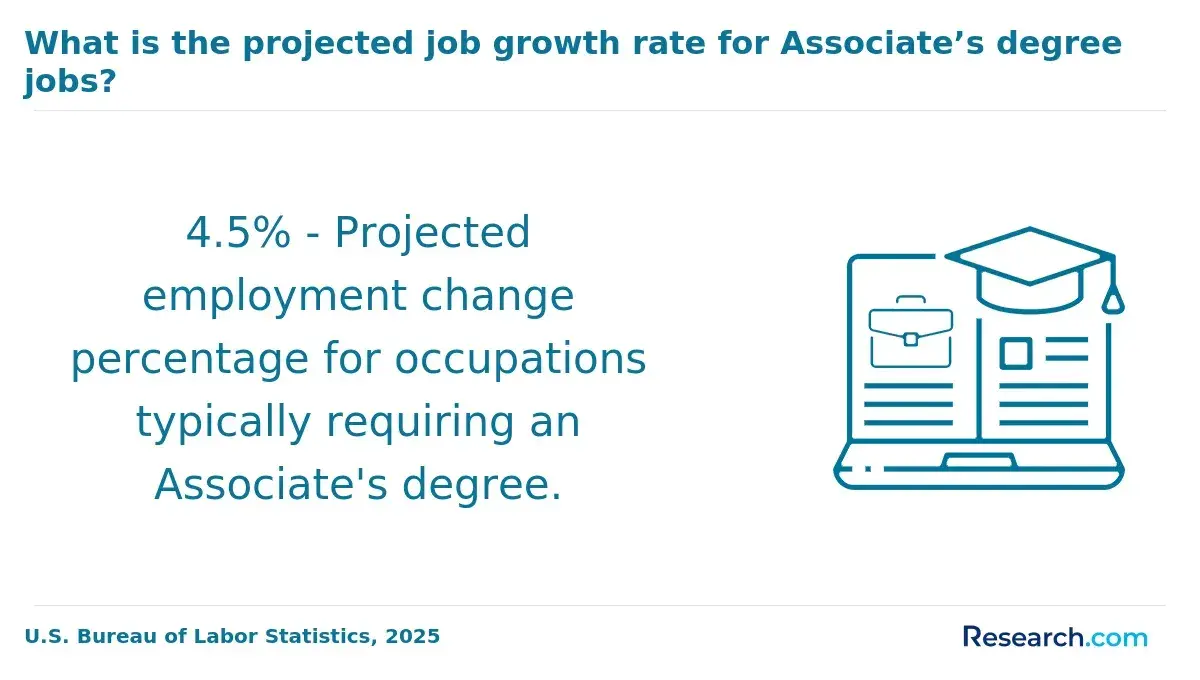
Job outlooks for master's specializations in positive psychology are best understood as reflections of evolving workforce demands shaped by economic shifts, technological advances, and regulatory landscapes rather than current employment volume alone. Specializations that align closely with emerging organizational priorities, cross-sector applicability, and durable labor market needs show stronger long-term viability.
- Organizational Positive Psychology: This specialization benefits from growing corporate focus on employee well-being, engagement, and leadership development, especially amid trends like hybrid work and heightened mental health awareness. Data from Glassdoor Economic Research highlight above-average hiring growth in human resources roles that incorporate these skill sets. Its adaptability across industries and resistance to automation make it a resilient choice, though it requires staying current with evolving workplace technologies and cultural expectations.
- Mental Health and Wellness Coaching: Anchored in positive psychology frameworks, this field is expanding alongside the broader behavioral health sector. U.S. Bureau of Labor Statistics project steady demand growth for roles emphasizing evidence-based coaching and counseling. However, the outlook varies regionally due to licensure barriers and regulatory complexity, which can constrain private practice opportunities and impose ongoing credentialing demands.
- Educational Applications of Positive Psychology: With a focus on student motivation, resilience, and socio-emotional learning, this specialization addresses persistent needs within public education and allied sectors. Lightcast analytics show steady employment gains, driven partly by increased attention to mental health in schools. While job stability is generally reliable, salaries tend to plateau lower than in corporate or clinical environments, and growth is often tied to public funding cycles and policy shifts.
- Healthcare-Focused Positive Psychology: This niche is emergent, emphasizing quality of life improvements in chronic illness management. McKinsey workforce reports note modest hiring increases but highlight prerequisites for interdisciplinary collaboration and advanced qualifications beyond the master's level. Its future growth depends on expanding integrative care models and the ability to navigate complex healthcare regulations and reimbursement landscapes.
One professional who pursued a master's with an emphasis on organizational positive psychology recalls weighing the promising hiring trends against the rapidly changing nature of corporate culture. Early in their career, they found the need to supplement academic learning with practical skills in digital workplace tools and data analytics, realizing that theory alone was insufficient. Although initially hesitant about the volatility caused by remote work transitions, the expanding demand for roles related to employee engagement provided opportunities that outweighed those concerns. They emphasize the importance of flexibility and continuous professional development to maintain relevance in this dynamic sector.
Which Positive Psychology Master's Specializations Have the Best Long-Term Salary Growth?
Long-term salary growth in positive psychology master's specializations depends more on career ceiling potential, scarcity of senior expertise, and evolving industry demand than on initial pay. Some specializations may begin with moderate salaries but experience significant compounding increases as professionals transition into leadership roles or niche high-impact areas shaped by labor market shifts.
- Organizational Behavior and Workplace Wellness: This specialization benefits from increasing enterprise investment in employee well-being, which is linked to productivity and retention. As workforce analytics reveal growing corporate spend on scalable, data-driven wellness programs, specialists capable of leading these initiatives gain advancement opportunities with accelerating salary trajectories, especially as demand expands beyond traditional HR functions.
- Clinical Applications of Positive Psychology: Integrating positive psychology with mental health services positions graduates within healthcare sectors emphasizing resilience and holistic care. Industry reports highlight sustained growth in demand for specialized therapeutic models, enabling clinicians to achieve leadership in niche care delivery roles, translating into steeper compensation curves over time compared to general clinical roles.
- Education and Community Development: Professionals applying positive psychology in education and community settings benefit from expanding grant-funded programs prioritizing mental health promotion and resilience-building. This funding volatility can be balanced by upward mobility into program leadership, with salary progression linked to controlling larger initiatives and demonstrating impact on social cohesion.
- Executive Coaching and Leadership Development: Expertise in this specialization aligns with rising leadership demand for innovation and emotional intelligence coaching. High personalization and performance-based pay deepen earnings growth, while successful coaches frequently pivot into consultancy roles offering premium compensation and scalability unmatched in other subfields.
Given the diverse pathways, prospective students and professionals should weigh specialization choices against long-term career dynamics, employing data-informed insights on growth ceilings and employability in positive psychology master's career advancement and salary potential. For those entering graduate study, pairing specialization decisions with foundational credentials, such as an online bachelor degree, can influence these trajectories significantly.
What Skills Lead to the Highest Salaries in Positive Psychology Careers?
Salary outcomes in positive psychology careers are largely influenced by specialized skills rather than solely by degree completion. Those who develop competencies that align with market needs frequently access faster promotions, higher-level roles, and better pay, reflecting labor market data from sources including the U.S. Bureau of Labor Statistics and Glassdoor Economic Research.
- Data Analysis and Statistical Proficiency: Mastery of quantitative methods and software such as SPSS, R, or Python equips professionals to generate evidence-based insights. According to PayScale data, these analytical skills reduce reliance on subjective judgment, positioning individuals as essential contributors to organizational decision-making and thereby commanding premium salaries.
- Organizational Leadership and Strategic Management: Competency in leading teams and aligning interventions with broader business goals drives measurable impact. Labor market trends emphasize how leadership responsibilities correlate strongly with salary gains, as these roles often translate to budget control and program ownership within corporate or community settings.
- Technical Expertise in Digital Health Platforms and E-Therapy: Rising telehealth adoption creates demand for specialists who integrate positive psychology into scalable technology solutions. McKinsey workforce reports highlight the scarcity and complexity of such technical skills, which protect against automation and allow entry into emerging high-value sectors.
- Communication and Coaching Abilities: Effective coaching and public speaking skills are closely tied to revenue generation, especially in executive and training roles. Market analysis from Glassdoor demonstrates that persuasive communication enhances client retention and program adoption, both of which contribute directly to higher compensation packages.
- Grant Writing and Research Funding Acquisition: For those in academic or nonprofit trajectories, securing sustained funding remains a rare skill linked to salary premiums. Data from Lightcast stresses how successful grant writers extend the longevity and scope of programs, granting them greater influence and financial leverage within their institutions.
A recent graduate specializing in positive psychology recalled a cautious approach during their application process, delaying submission to refine their portfolio, despite looming rolling admissions deadlines. This strategy introduced uncertainty about admission timing, sparking both anxiety and urgency. Their experience underscores the nuanced timing decisions prospective students face, balancing the need for a polished application with the risks of extended waiting periods that could affect one's ability to engage quickly with labor market opportunities.
Which Certifications Increase Salary Potential After Graduation?
Certifications in positive psychology often serve as strategic labor market signals rather than mere academic extras, accelerating salary increases by enabling access to specialized roles, enhancing credibility in competitive hiring, and shortening time to promotion in technical or leadership tracks.
- Certified Professional Coach (CPC): This credential, typically offered by organizations like the International Coach Federation, integrates coaching methodologies that align well with positive psychology principles such as motivation and well-being. Workforce data from PayScale indicate that CPC holders experience median salary boosts of 15% to 25%, especially in corporate wellness and executive coaching sectors. The certification's rigorous training and mentoring requirements help validate candidate expertise, which employers reward with higher compensation.
- Board Certified Positive Psychology Practitioner (BCPPP): The BCPPP specifically signals an advanced ability to apply positive psychology in workplace and clinical environments, commanding a salary premium of roughly 10% to 20%. According to Lightcast labor market analysis, this credential appeals to employers prioritizing evidence-based well-being initiatives and employee productivity, thus providing graduates with a distinct value proposition within niche professional roles.
- Certified Analytics Professional (CAP): With growing emphasis on quantifiable program outcomes, CAP certification equips positive psychology graduates focused on research and evaluation with sought-after data analytics skills. McKinsey's workforce reports reveal this credential can increase salaries by an average of 20%, reflecting its competitive advantage in roles demanding both psychological expertise and technical evaluation proficiency.
Choosing positive psychology certifications that boost salary potential involves weighing these credentials' relevance to individual career paths against their cost, time requirements, and alignment with employer expectations. Pursuing such certifications complements graduate specializations by bolstering the practical skills and labor market signaling essential for differentiated career trajectories. For individuals balancing other commitments, exploring flexible online degrees for stay at home moms may also integrate well with certification pursuits.
How Do Online and Campus Specialization Salaries Compare?
Salary outcomes between online and campus master's specializations in positive psychology are influenced less by delivery format and more by the quality of program design and integration of experiential learning. Programs that embed applied projects, internships, or industry collaborations tend to produce graduates with stronger labor market signals, regardless of modality.
Employer perception of online credentials has improved considerably, with recent data from the National Center for Education Statistics showing median early-career salaries within 5% of campus graduates in related social sciences. This suggests that well-structured curricula and meaningful professional engagement opportunities play a larger role in shaping compensation trajectories than whether the degree is earned online or in person.
Those enrolled in online programs often balance studies with ongoing employment, which can delay salary acceleration compared to traditional full-time campus students who benefit from immediate access to university career services, internships, and peer networks. These early connections frequently lead to faster initial job placements or raises. However, working professionals in online formats may achieve higher cumulative earnings over time by advancing in their current roles while studying. The extended pacing of many online degrees can slow early income growth but does not necessarily undermine long-term salary potential if the specialization aligns with in-demand interdisciplinary skills.
Nuanced tradeoffs also exist based on industry acceptance and program reputation. Some traditional employers still weigh campus experiences more heavily when evaluating recent graduates, but this gap narrows for specializations tied closely to healthcare integration, organizational well-being, or applied consulting, where demonstrated competencies outweigh delivery mode.
Moreover, online programs with strong partnerships and project-based learning can offset networking limitations by cultivating practical skills and portfolio evidence valued in both clinical and corporate environments. Ultimately, salary differences emerge mainly from access to experiential learning, professional network density, and specialization relevance rather than the format of study itself.
Which Specializations Are Best for Career Advancement Among Working Professionals?
Career advancement is rarely achieved by completing a graduate degree alone; strategic specialization within positive psychology master's programs can be a critical differentiator. Certain specializations better position working professionals to access promotion pathways, managerial roles, and high-impact organizational functions that directly correlate with increased compensation and responsibility.
- Organizational and Workplace Psychology: This specialization is particularly effective for professionals targeting leadership roles in corporate or consulting environments. By developing skills in employee engagement, well-being, and productivity optimization, graduates become key players in human resources and corporate coaching functions. Data from Glassdoor Economic Research shows that salaries for organizational development specialists and corporate wellness consultants are 15%-25% higher than average positive psychology roles, reflecting quicker promotion velocity and broader cross-industry applicability.
- Health and Wellness Psychology: For those aiming at healthcare or insurance sectors, this specialization aligns with growing demand for mental wellness strategies integrated into health behavior interventions. According to U.S. Bureau of Labor Statistics projections, employment for health coaches and wellness managers is expanding well above average, indicating not only growing roles but also accelerating pathways into managerial and policy-influencing positions that command competitive pay.
- Coaching and Performance Psychology: This area extends positive psychology into executive and sports coaching, blending credentialing with experience to open doors in performance optimization roles. PayScale data highlights that advanced credentials here can exceed median coaching wages, though regional market saturation requires intentional niche expertise and networking to sustain upward mobility in leadership or specialized consultancy roles.
Are the Highest-Paying Positive Psychology Specializations Also the Most Stressful?
Higher-paying positive psychology master's specializations such as organizational consulting, executive coaching, and applied behavioral economics often involve elevated stress levels due to the intensified scale of responsibility, strict deadlines, and performance-based accountability demanded by their business contexts. These roles require navigating complex client relationships, managing significant financial or operational outcomes, and meeting key performance indicators regularly, which structurally intensifies workload pressure.
According to a 2024 report by the American Psychological Association, stress in these fields is strongly linked to external client expectations and decision-making authority rather than internal academic or supervisory factors. This dynamic reflects broader labor market structures where compensation aligns with roles carrying greater regulatory exposure and time sensitivity, indicating that higher salaries are frequently paired with increased occupational demands, a critical consideration for those evaluating the highest paying positive psychology master's specializations and stress levels.
Stress levels and burnout risk also vary significantly across different industries and roles within Positive Psychology, influenced by organizational support, work autonomy, and team structures. For example, research-oriented specializations typically experience steadier workloads, though ongoing funding uncertainties create pressures distinct from applied practice settings. The National Institute of Mental Health's 2024 workforce analysis highlights that burnout persists even in lower-paying roles due to factors like funding instability and tenure demands.
Additionally, automation and evolving workplace technologies, including those covered by an applied artificial intelligence degree, may moderate stress but also introduce new complexities. Students and professionals should therefore weigh the tradeoffs in stress and workload in top positive psychology career paths carefully, factoring in how employer support, career stage, and industry demand shape the sustainability of specialized roles over time.
How Can Students Align Specialization Choices With Long-Term Career Goals?
Specialization choices in positive psychology master's programs function as strategic career decisions rather than mere academic steps. Aligning specialization with long-term career goals can significantly affect employability, salary trajectories, and leadership prospects, depending on how well such choices correspond with industry demand and an individual's professional direction. These decisions require careful analysis of labor market dynamics and skill applicability.
- Evaluate Labor Market Demand Trends: Use data from labor reports like the U.S. Bureau of Labor Statistics to identify specializations with robust employer demand. Prioritizing fields such as organizational psychology or neuropsychology can enhance salary potential and job stability.
- Assess Skill Transferability Across Industries: Select specializations that develop versatile skills, including data analysis and evidence-based intervention design, which widen career options in corporate, healthcare, and education sectors.
- Understand Specialization-to-Role Pathways: Mapping specializations to specific job titles reveals practical career ladders. For example, focusing on workplace well-being often leads to roles in human resources or corporate consulting.
- Balance Short-Term Job Access and Long-Term Growth: Some specializations offer quicker entry-level employment but limited upward mobility, while others require additional qualifications but provide greater advancement and income over time.
- Consider Lifestyle and Workload Implications: Factor in expected client interaction, travel, and geographic flexibility associated with different career tracks to ensure sustainable work-life balance aligned with personal preferences.
Integrating these considerations strengthens long-term career planning for positive psychology graduates intent on aligning positive psychology specialization with career goals effectively. For those who weigh personality traits in career alignment, exploring good jobs for introverts can also clarify role suitability within specialization paths.
What Graduates Say About the Highest-Paying Positive Psychology Master's Specializations
- Riggs: "Completing my master's specialization in positive psychology gave me a theoretical edge, but I quickly realized that in practice, employers prioritized hands-on experience. I focused on building a strong portfolio through internships, which proved more valuable than additional certifications when I was job hunting. It's clear now that practical application outweighs academic credentials in many hiring decisions within this field."
- Curtis: "After graduation, I appreciated the flexibility that a positive psychology specialization offered, especially with remote roles becoming more common. Although salary growth is somewhat capped without formal licensure, the chance to pivot into related wellness consulting roles allowed me to broaden my career path and work-life balance simultaneously. It definitely requires balancing long-term goals with immediate opportunities."
- Waylon: "I was cautious entering the job market because many employers seemed to prefer candidates with licensure, which I don't have. However, the positive psychology program helped me develop a pragmatic approach to career advancement-I invested in continuing education and targeted niche roles focused on employee well-being. While it meant starting lower on the ladder, the clarity around where the industry is headed helped me make more informed decisions about my next steps."
Other Things You Should Know About Positive Psychology Degrees
When balancing specialization depth versus program flexibility for a high-paying positive psychology master’s track in 2027, consider career goals, industry demand, and how each option enhances your skill set. A focused specialization may offer expertise and higher salaries, while a flexible program may provide broader opportunities.
Accreditation ensures a baseline curriculum standard but rarely differentiates between high-paying specialties within positive psychology. Instead, employers often prioritize faculty expertise-particularly those active in applied research and industry collaboration-as a proxy for state-of-the-art training. Choosing programs with faculty who have demonstrated connections to employer networks or real-world projects can improve job placement outcomes more than accreditation status alone.
Highly lucrative specializations frequently demand intensive coursework, practicum hours, and often research components, lengthening time to degree and increasing student stress. This can delay workforce entry and accrue additional living costs or debt. Candidates balancing work or family should weigh whether accelerated or part-time options provide a better economic return despite potentially lower immediate salaries in less rigorous specializations.
Employers in high-paying roles increasingly value hands-on experience, such as internships, coaching practicums, or intervention design projects, because these translate directly into workplace effectiveness. Specializations heavily centered on theory or broad concepts might not adequately prepare students for applied challenges, reducing immediate job readiness. When salary maximization is a priority, selecting programs with strong experiential components aligned with employer demands is advisable.
References
- Master’s Degree in Applied Positive Psychology - IEPP https://www.iepp.es/en/master-degree-applied-positive-psychology/
- What Can You Do With A Psychology Degree? | Psychology.org https://www.psychology.org/resources/alternative-careers-for-psychology-majors/
- MSc Applied Positive Psychology | University of East London https://www.uel.ac.uk/postgraduate/courses/msc-applied-positive-psychology-mapp
- Master’s in psychology programs that teach positive psychology | edX https://www.edx.org/masters/psychology/positive-psychology
- Positive Psychology and Well-being | Tilburg University https://www.tilburguniversity.edu/education/masters-programs/positive-psychology-well-being
- What are the Highest Paying Jobs for Graduates of Master’s in Psychology Programs? https://www.bestmastersinpsychology.com/faq/what-are-the-highest-paying-jobs-for-graduates-of-masters-in-psychology-programs/
- 20 Top Positive Psychology Degrees & Master’s Programs https://positivepsychology.com/positive-psychology-degree/
- Put your Psychology MS to Work for your Goals with Degree Specializations https://paloaltou.edu/resources/blog/ms-psychology-career-specializations
- Global Education Programs https://ippanetwork.org/what-is-positive-psychology/global-education-programs/
- Take that Positive Psychology Program | School of Positive Transformation https://www.schoolofpositivetransformation.com/why-you-should-take-that-positive-psychology-program-career-path-and-interventions/