2027 Job Placement Rates for Positive Psychology Master's Graduates: Employment Outcomes

Co-Founder and Chief Data Scientist
Graduates of master's programs in positive psychology face varied employment landscapes influenced heavily by factors like industry alignment, geographic mobility, and the depth of practical internship experience. With workforce demand shifting toward mental wellness and organizational development fields, program concentration plays a pivotal role in marketability.
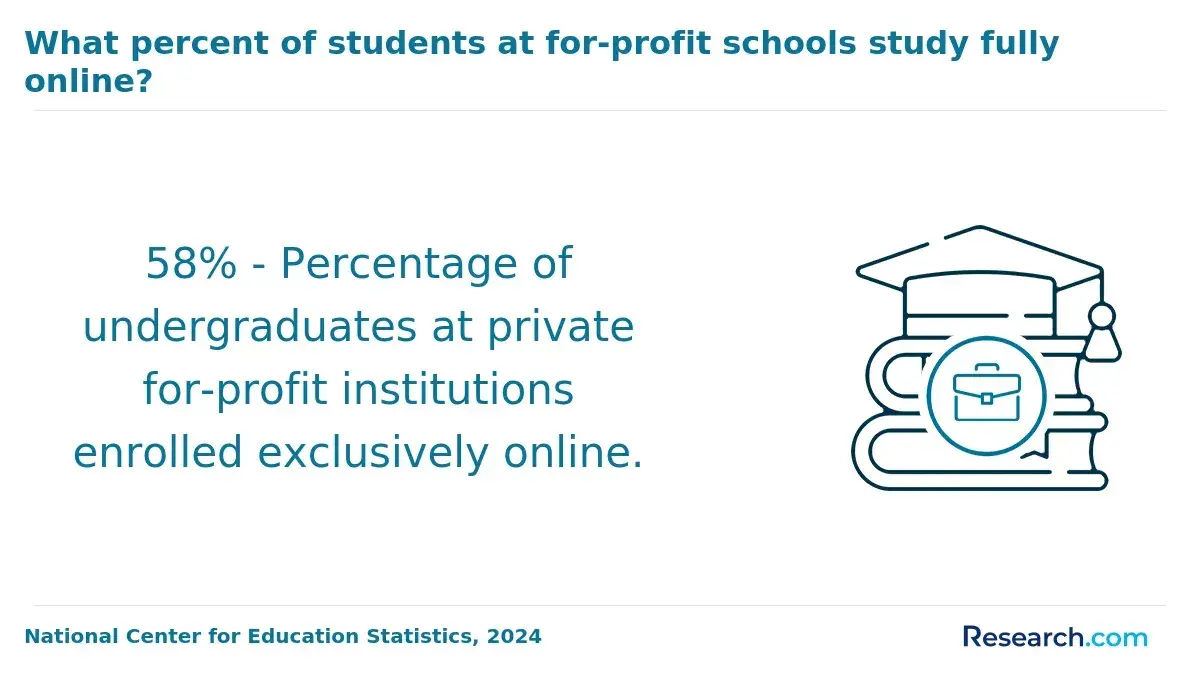
The 2024 National Center for Education Statistics reports a 12% increase in graduate enrollment from adult learners in flexible, often online, formats, reflecting a strategic response to career transition challenges and timing needs. Understanding employer perception coupled with these variables clarifies why job placement rates differ widely and informs more targeted career planning for prospective students.
Key Things to Know About the Job Placement Rates for Positive Psychology Master's Graduates
- Graduates focusing on clinical or organizational concentrations generally find quicker placement due to demand for specialized skills, but this narrows career flexibility, requiring early strategic commitment to specific roles.
- Employer perception remains cautious toward online or nontraditional formats despite growth in remote learning; workforce trends show preference for internship experience as a proxy for applied competence and reliability.
- Geographic location strongly influences job prospects, as urban hubs offer more positions but higher living costs, urging prospective students to weigh timing and relocation expenses against salary potential.
What Are the Typical Job Placement Rates for Positive Psychology Master's Graduates?
Job placement rates for positive psychology master's graduates differ significantly based on definitions and measurement criteria used by programs. This variation is critical for understanding what these rates actually reveal about graduate outcomes and the realistic expectations students should hold.
For example, a graduate reporting employment in any paid role within six months post-completion might boost a program's placement metric substantially, but this outcome is distinct from securing a full-time position directly related to positive psychology principles.
This distinction affects how workforce readiness and career alignment are interpreted, especially given that some fields related to positive psychology overlap with broader wellness and education sectors where roles may not strictly require the specialized master's credential.
Comparing placement rates without clarity on definitions risks misleading prospective students about their chances for relevant employment, influencing decisions such as program selection or pursuing additional credentials like a doctorate.
When analyzing positive psychology master's employment outcomes by industry sector, an informed approach involves close scrutiny of methodology notes in publicly reported data and government sources like the National Center for Education Statistics (NCES) and Bureau of Labor Statistics (BLS). These sources help provide baselines and labor market context but do not always reflect discipline-specific nuances that mark career trajectories in this field.
- Full-Time Employment in Field: Represents graduates working in roles directly applying positive psychology concepts; estimated rates from program-level data often range in the 60-75% bracket when internships and practical experience are considered, indicating meaningful but not universal alignment with specialized career paths.
- Any Employment: Includes part-time, freelance, or unrelated positions; this broader classification generally raises reported placement rates to 80%-90%, which may inflate perceptions of career relevance and earning potential.
- Continued Education: Master's graduates pursuing doctoral studies or professional certifications are sometimes counted as "placed," complicating direct employment comparisons and signaling varied academic or career strategy outcomes.
- Methodological Variation: Inconsistent metrics, survey timing, response rates, and employment definitions impact reported rates and comparability across programs; due diligence requires examination of these factors for accurate appraisal.
- Industry & Geography Impact: Employment opportunities are stronger in metropolitan areas and within sectors like healthcare systems, corporate wellness, and education, where positive psychology principles increasingly inform practice; these geographic and sectoral factors heavily influence placement success and salary trajectories.
For those assessing positive psychology master's programs, understanding these subtleties helps calibrate expectations and career planning. While some may explore accelerated pathways like the fastest EDD program online for advanced credentials, initial placement rates provide a vital benchmark for gauging immediate workforce integration and should be analyzed with an eye on the specific dimensions each program counts as "employment."
How Does Positive Psychology Master's Graduate Employment Compare to the National Average?
Positive Psychology master's graduates typically achieve employment rates close to national norms for master's degree holders but face nuanced challenges that affect the timing and quality of job placement. For example, a recent graduate targeting clinical roles may experience delayed entry without additional licensure, while another focusing on corporate wellness might find more immediate opportunities depending on regional market dynamics.
Data from the Bureau of Labor Statistics (BLS) and National Center for Education Statistics (NCES) indicate that employment rates for positive psychology master's alumni six months to one year post-graduation generally range from slightly below to roughly at par with the overall master's degree average, which often surpasses 85%.
However, interpreting these figures requires attention to variances in employment definitions, degree classifications, and sector-specific demand.
- Field Demand: Positive psychology's application outside traditional licensable professions means many graduates need additional certifications for clinical practice, slowing workforce entry; conversely, sectors like human resources and coaching may offer faster hiring depending on local industry growth.
- Credential Specificity: The degree's specialized niche knowledge is valued in select markets but lacks the broad recognition of general psychology or business degrees, leading to varied employer perceptions and unpredictable job placement speed.
- Regional Variations: Urban and economically diversified regions tend to support stronger hiring outcomes than rural areas, where professional infrastructure and market size limit opportunities for positive psychology graduates.
- Data Definitions: National statistics differ in whether they count full-time, part-time, or related-field work as employment, complicating direct comparisons but underscoring the importance of contextualizing outcomes against practical career goals.
Which Industries and Sectors Hire the Most Positive Psychology Master's Graduates?
Graduates with a master's degree in positive psychology demonstrate broad employability rather than clustering in a few dominant industries. This dispersion reflects the diverse applicability of their skills but also challenges students to identify sectors where specialization or geographic factors may enhance job prospects.
For example, those focusing on applied skills in a non-thesis track might find more immediate roles in healthcare or corporate settings compared to thesis track graduates who may lean toward research or academic careers. Considering these dynamics is critical for prospective students evaluating the real-world implications of the degree.
- Healthcare: A leading employer of positive psychology graduates, this sector values expertise in patient engagement, wellness initiatives, and mental health programs. The emphasis on integrating behavioral science with clinical care opens roles in hospitals, rehabilitation facilities, and private practices amid growing demand for holistic approaches to well-being.
- Education: Universities, K-12 systems, and educational nonprofits recruit graduates for functions involving student support, resilience-building curricula, and counseling services, areas where positive psychology's focus on human development aligns with institutional goals.
- Private Consulting: Graduates frequently enter consulting firms that specialize in organizational development, leadership coaching, and enhancing corporate culture, capitalizing on their ability to translate positive psychology concepts into actionable strategies that improve employee engagement.
- Corporate Sector and Technology: Increasingly, tech companies and large corporations integrate positive psychology principles into talent management and workplace satisfaction programs, creating roles in HR, training, and corporate wellness initiatives.
- Nonprofit and Government: Though employing fewer graduates, these sectors seek professionals to lead community health projects, social services, and well-being-oriented policy efforts aligned with positive psychology frameworks.
This distribution suggests that the positive psychology master's degree supports a wide range of career pathways rather than funneling graduates into narrow fields. However, the decision between thesis and non-thesis options, geographic labor markets, and targeted specialization markedly shapes outcomes. Evaluating these factors alongside industry demand provides a more nuanced understanding of where graduates are most likely to thrive.
For comparative insight, individuals also often weigh related credentials such as engineering degrees online when considering the flexibility and sector-specific utility of their education.
What Types of Job Titles Do Positive Psychology Master's Graduates Most Commonly Hold?
Job titles associated with graduates of master's programs in positive psychology reveal important distinctions between those entering the workforce and those leveraging the credential for advancement in existing careers. Understanding these titles helps prospective students gauge which roles align with their preparation and which require supplementary credentials, experience, or sector-specific insight.
Entry-level positions primarily reflect foundational positive psychology competencies paired with relevant certifications or internships. In contrast, mid-level roles commonly demand applied skills in leadership, program management, or organizational development within diverse settings such as nonprofits, educational institutions, and corporate environments.
- Wellness Coach: A common starting point for new graduates, involving the creation and delivery of programs aimed at physical and emotional well-being; coaching credentials often complement positive psychology training here.
- Program Coordinator: Typically found in nonprofit or educational contexts, focusing on directing and assessing positive psychology initiatives; prior internships or practical experience significantly influence placement in this role.
- Organizational Development Specialist: Occupied by those applying positive psychology to enhance workplace culture and training programs, this role is more prevalent among professionals pursuing career growth within human resources or corporate functions.
- Research Associate: Entry-level research roles allow graduates to support studies on well-being and intervention outcomes, serving as a foundation for doctoral trajectories or research-intensive careers.
- Positive Psychology Practitioner: A versatile title that may reflect early or mid-career positions, involving direct application in clinical, educational, or community settings, often requiring additional licensure or certification.
Success in securing these roles often hinges on geographic market demand, internship opportunities, and employer familiarity with the degree's scope. For instance, graduates targeting clinical or education sectors must often balance formal licensure requirements alongside their positive psychology expertise. Unclear differentiation in job titles within aggregated data can mask these nuances, underscoring the importance of detailed position research prior to enrollment.
One graduate recounted hesitating to apply early, weighing the uncertainty of rolling admissions against the risk of delaying entry into a competitive field. They waited for more clarity on internship availability since hands-on experience heavily influences employability, especially for titles like program coordinator.
When accepted late in the cycle, the candidate felt relief mixed with urgency to finalize certifications alongside coursework-highlighting the timing and preparation complexities often underestimated by prospective students.
How Soon After Graduation Do Positive Psychology Master's Graduates Typically Find Employment?
Graduates of positive psychology master's programs typically receive formal employment offers within three to six months after graduation, but actual start dates often lag weeks or months due to onboarding and contractual arrangements. This distinction between time-to-offer and time-to-start is critical for realistic expectations.
Many programs report placement rates that include graduates who secured offers or began job searches before completing their degrees, which can inflate the appearance of rapid employment.
- Measurement Window: The period over which programs track employment varies widely-from three months to a full year-affecting reported placement rates; shorter windows tend to produce rosier figures that may overlook slower, sector-specific hiring trends.
- Industry Sector: Those entering private sector roles or organizational development often find employment faster than graduates targeting academia or research-intensive positions, where hiring timelines extend considerably.
- Internship Experience: Practical internships or practicum placements shorten job search duration by enhancing networks and demonstrating applicable skills valued by employers.
- Employer Perception: While awareness of positive psychology's workplace benefits is growing, regional and sectoral variability in demand affects hiring speed and availability.
- Program Concentration: Specializations-such as coaching or health applications-shape employability and salary prospects, influencing how quickly graduates receive offers.
Prospective students should clarify if placement data represent employment status at three, six, or twelve months post-graduation and whether early job seekers are included. Understanding these variables allows for nuanced evaluation of employment outcomes and better alignment of career planning with labor market realities.
What Is the Average Salary for Positive Psychology Master's Graduates in Their First Job?
Starting salaries for positive psychology master's graduates vary widely, reflecting considerable differences in industry demands, geography, and individual circumstances. Rather than a fixed figure, the average first job salary depends heavily on where and how graduates apply their skills.
For example, a graduate entering healthcare systems in a metropolitan area may earn significantly more than one taking a nonprofit coordinator role in a rural setting. This discrepancy highlights the importance of aligning salary expectations with sector trends and regional market conditions. Prospective students should weigh these variables carefully to avoid overestimating initial earning potential based solely on program-published medians.
Reported data from the BLS Occupational Employment and Wage Statistics (OEWS) program, NACE salary surveys, and compensation studies specific to the positive psychology domain point to several key factors shaping outcomes:
- Industry Sector: Healthcare and organizational development roles tend to offer higher salaries due to budget scope and market demand, while nonprofit and education sectors usually provide more modest pay.
- Geographic Region: Salaries increase in high-cost urban centers like New York or San Francisco but diminish significantly in less economically robust or rural areas.
- Program Selectivity: Graduates from competitive, well-connected programs often see better initial compensation and employer recognition compared to those from lesser-known schools.
- Career Changers vs. Practitioners: Those using their master's degree to advance within a prior field may experience smoother salary growth, while career changers typically face slower starts despite long-term upside.
- Internship and Experience: Hands-on engagement or related work experience markedly improves employability and starting salary.
Students exploring an accelerated business degree or other professional credentials alongside their positive psychology master's should integrate multiple salary benchmarks and practical considerations to frame realistic job market outcomes rather than relying on isolated program data.
How Do Positive Psychology Master's Program Rankings Affect Graduate Employment Outcomes?
Program rankings in positive psychology master's degrees provide a superficial gauge of reputation but rarely predict employment outcomes with precision. Research shows that graduates' job success hinges more on concrete factors like where the school is located, its industry connections, and how well it integrates practical experience-elements often not visible in ranking lists.
For example, a highly ranked program in a rural area without strong employer ties may struggle to place students quickly compared to a lower-ranked urban program with established internship pipelines. This gap underscores the risk of using rankings as a proxy for professional opportunity without scrutinizing specific outcome metrics.
- Rankings Limitations: Specialty accreditation rankings often exclude nuanced employment data such as hiring timelines or salary benchmarks, limiting their predictive value.
- Location Influence: Programs situated near urban centers or health and corporate hubs facilitate stronger employer engagement and quicker graduate placement.
- Alumni Network Strength: Active alumni networks amplify referral channels and access to internships that directly improve hiring rates.
- Employer Partnerships: Collaborations with organizations offering internships and job placements have more impact on outcomes than institutional prestige alone.
- Concentration Availability: Specializations aligned with growing sectors like organizational wellbeing enhance graduates' market relevance over generalist tracks.
- Outcome Transparency: Published placement rates, median salaries, and lists of hiring employers provide clearer indicators of postgrad success than rankings.
- Internship Experience: Hands-on work experience during the program strongly correlates with faster employment and better salaries, outweighing ranking effects.
One graduate recalled hesitating during the rolling admissions cycle, awaiting acceptance decisions from several programs with different rankings. The uncertainty stemmed from balancing desire for prestige against pragmatic concerns like timely start dates and available internships.
Ultimately, the graduate chose a program with slightly lower ranking but stronger employer partnerships and quicker intake, a decision that paved the way for immediate employment after graduation. This experience highlights how admissions timing, program fit, and concrete opportunities often eclipse rankings in shaping career trajectories.
What Role Does Geographic Location Play in Positive Psychology Master's Graduate Job Placement?
The geographic location of a positive psychology master's program critically shapes graduate job placement rates, salary starting points, and how quickly employment aligns with career goals. Graduates anchored in metropolitan areas with established health and wellness sectors gain clearer pathways to employment compared to those distanced from major hubs.
For example, a graduate completing a program near a large city often benefits from immediate access to on-campus recruiting cycles timed with employer hiring patterns-a factor that accelerates early career transitions. Conversely, relocating graduates may face delayed job searches due to weaker local networks and slower integration into industry ecosystems.
- Access: Graduates studying in or near metropolitan hubs are exposed to direct on-campus recruiting events, internships, and networking with prominent regional employers, which typically expedite job offers relative to those outside these markets.
- Alumni Networks: Programs within major employment centers foster dense alumni communities that provide mentoring and referral opportunities, enhancing outcomes for recent graduates seeking relevant roles.
- Salary: Geographic differences in employer demand and regional cost of living influence salary offers, with urban centers often delivering higher initial compensation for positive psychology graduates.
- Relocation Challenges: Moving after graduation can disrupt the job search timeline, reduce access to existing networks, and result in initial employment gaps or underemployment as candidates build local familiarity.
- Program Selection Strategy: Prospective students with geographic flexibility should align program choice with their target employment region to maximize job prospects. Those limited to specific locations need to prioritize programs renowned for strong local employer partnerships and demonstrated placement consistency.
Regional placement trends underscore that a well-connected local program can offset market competition by streamlining access to target employers and experiential learning opportunities. This dynamic ties directly to positive psychology master's graduate job placement rates by region and the impact of geographic location on employment outcomes for positive psychology graduates.
For those weighing the decision to pursue an advanced credential, especially adult learners balancing career shifts or working professionals, it is critical to factor in how location intersects with industry sectors and employer expectations.
Applicants exploring graduate study options might also benefit from reviewing broader educational pathways such as degrees for seniors, which address workforce reentry and credential relevance across age groups and life stages.
How Do Internship and Practicum Experiences Influence Positive Psychology Master's Employment Rates?
Internships and practicum experiences play a decisive role in shaping employment outcomes for graduates of positive psychology master's programs. Programs that embed structured, supervised fieldwork provide a distinct advantage by bridging theoretical knowledge with real-world application. Graduates with these experiences enter the job market with not only applied skills but also employer recognition and professional references that coursework alone rarely delivers.
For example, a student completing a practicum within an organizational wellness setting often gains direct exposure to employer expectations and workplace dynamics, positioning them as a lower-risk hire compared to peers without such experience. Given the increasing demand across healthcare systems, corporate wellness, and human resources, candidates' internship impact on positive psychology master's employment rates is evident in faster job placement and more sustainable career paths.
Evaluating the effect of practicum experience on job placement for positive psychology graduates requires attention to how placements align with career goals. Thesis-track programs may emphasize research over practice, while professional-track or hybrid models typically integrate internships more systematically.
Prospective students should assess whether practicum sites connect them to employers in targeted sectors and provide meaningful mentorship rather than occasional tasks detached from field realities.
- Skill Application: Supervised internships enable students to practice interventions and demonstrate competencies credible to employers during hiring.
- Professional Networking: Practicum placements often foster relationships leading to mentorship and job referrals, effectively reducing unemployment duration.
- Employer Perception: Candidates with field experience signal readiness and adaptability, increasing their competitiveness in sectors valuing experiential learning.
- Industry Relevance: Aligning internships with geographic and sector preferences amplifies salary potential and job satisfaction.
- Confidence and Readiness: Hands-on experience enhances professional self-efficacy, improving interview performance and negotiation skills.
Students exploring advanced credentials should weigh these experiential factors alongside program delivery format, as asynchronous, synchronous, or hybrid structures influence both costs and logistical feasibility. For working professionals balancing multiple obligations, understanding tradeoffs in tuition, scheduling, and practical exposure becomes critical. Unlike purely theoretical degrees, programs incorporating robust practicum experiences deliver measurable advantages in employability.
For those comparing degree programs or seeking to enhance career prospects, it's also worthwhile to consider cross-disciplinary certifications such as cyber security courses that might complement a positive psychology graduate's portfolio and open alternative job markets.
What Career Services and Job Placement Support Do Positive Psychology Master's Programs Offer?
Positive psychology master's programs differ markedly in the career services and job placement support they provide, a factor that directly influences how quickly graduates secure relevant employment. For individuals entering a competitive labor market-whether shifting careers, newly entering the field, or returning to graduate study-the sophistication and efficacy of these services often shape employment timelines and salary outcomes more than curriculum alone.
Programs with limited career infrastructure risk leaving graduates underserved in networking and employer engagement, extending job searches.
Well-resourced positive psychology programs typically offer a comprehensive suite of career supports designed to bridge academic learning with labor market realities. These include:
- Career Advising: Dedicated professionals with sector-specific knowledge guide students in aligning skills with evolving employer demand and niche roles spanning healthcare, corporate wellness, and education.
- Recruiting Events: Regular virtual or in-person employer sessions connect students with organizations actively seeking applied positive psychology practitioners, critical for accessing hidden job markets.
- Alumni Mentorship: Structured mentorship platforms foster relationships that provide insider perspectives and access to unadvertised positions.
- Resume and Interview Coaching: Tailored support helps translate positive psychology competencies into language that resonates with diverse employers, addressing a common barrier in early-career job hunts.
- Employer Partnerships: Longstanding collaborations create pipelines for internships and jobs, often correlating with faster placement and higher starting salaries within the $50,000 to $70,000 range depending on sector and geography.
Applicants should seek transparent metrics on how many students utilize these services and achieve placements through them. Reliance on broad claims masks variation in effectiveness that can significantly impact return on investment and career sustainability. In fields where employer recognition of positive psychology credentials varies, these service dimensions represent critical differentiators in graduate employability and long-term trajectories.
What Graduates Say About the Job Placement Rates for Positive Psychology Master's Graduates
- Riggs: "Balancing a full-time job and pursuing my master's in positive psychology was the toughest part, especially with limited evenings and weekends. I chose this program for its flexible online format, which allowed me to build a portfolio through internships rather than seeking the more time-consuming licensure route. Ultimately, it helped me secure a role in corporate wellness, though I found that employers highly value hands-on experience over credentials alone in this competitive space."
- Curtis: "After deciding to switch careers later in life, the financial constraints pushed me toward a program with strong industry connections rather than lengthy clinical training. Positive psychology's focus on evidence-based interventions appealed to me, and completing an internship was crucial in landing a job at a nonprofit. However, I quickly realized salary growth is limited without additional certifications, so I'm now weighing further specialization against my workload and personal commitments."
- Waylon: "The decision to enroll was driven by my desire for remote work and flexibility, something most traditional licensure paths just don't offer. Although the curriculum was rigorous, the program's emphasis on applied research and client engagement positioned me well for consultancy projects right out of graduation. That said, I faced some difficulty breaking into clinical roles, as many employers still prioritize licensed professionals over candidates with a master's focused on positive psychology alone."
Other Things You Should Know About Positive Psychology Degrees
Employment rates tend to differ significantly depending on a program's focus area within Positive Psychology. Graduates who specialize in applied settings like organizational psychology or coaching report quicker job placements compared to those emphasizing research or academic tracks.
This reflects employer demand for skills directly transferable to workplace wellbeing programs and leadership development. Prospective students should prioritize concentrations aligned with industries showing higher immediate hiring activity rather than purely theoretical or interdisciplinary emphases if their goal is rapid employment.
Employers generally see Positive Psychology master's degrees as valuable but context-dependent credentials, often linked to roles in HR, corporate wellness, or mental health support. However, outside of niche or specialized organizations, some employers remain cautious, favoring candidates with clinical, business, or traditionally recognized psychology credentials. This means graduates must often supplement their degree with practical experience or certifications.
For those targeting broader fields, emphasizing demonstrable skills and internships can offset any employer hesitation about the degree's market recognition.
Prospective students should scrutinize not just overall placement percentages but details like time-to-employment, industry sectors hiring graduates, and the nature of post-degree roles. Asking how many alumni secure positions directly related to Positive Psychology concepts versus generic counseling or HR roles provides insight into real market alignment.
It's also wise to inquire about the program's internship or practicum support, employer partnerships, and ongoing career services. Programs transparent about these specifics better prepare students for realistic job market trajectories.
References
- 20 Top Positive Psychology Degrees & Master’s Programs https://positivepsychology.com/positive-psychology-degree/
- Positive Psychology and Well-being | Tilburg University https://www.tilburguniversity.edu/education/masters-programs/positive-psychology-well-being
- Take that Positive Psychology Program | School of Positive Transformation https://www.schoolofpositivetransformation.com/why-you-should-take-that-positive-psychology-program-career-path-and-interventions/
- What Do Psychologists Earn? Highest Paying Psychology Jobs | Walbrook https://www.walbrook.ac.uk/subjects/psychology/psychologist-salaries-highest-paying-jobs/
- Jobs With A Master's Degree In Psychology | Psychology.org https://www.psychology.org/resources/jobs-with-a-masters-in-psychology/
- Global Education Programs https://ippanetwork.org/what-is-positive-psychology/global-education-programs/
- The Effect of Internship Experience and Psychological Capital on Student Job Readiness in Gresik Regency with Work Motivation as a Mediation Variable https://journal.ilmudata.co.id/index.php/RIGGS/article/view/5999
- Discover 7 Dynamic Positive Psychology Career Pathways at TSPP https://www.positivepsych.edu.sg/positive-psychology-careers/
- Master's in Psychology Jobs - What jobs can you do with a master's in psychology? - PsychologyJobs.com https://psychologyjobs.com/career-advice/masters-psychology-jobs/