2027 Return on Investment (ROI) of a Positive Psychology Degree Program

Co-Founder and Chief Data Scientist
Many individuals pursuing a positive psychology degree wonder if the investment will pay off in a competitive job market. Graduates often face uncertainty about job availability and salary prospects, raising concerns about student debt versus career benefits. Recent data shows that employment in positive psychology-related roles is expected to grow by 11% over the next decade, outpacing average growth rates in comparable fields. This article explores the return on investment of a positive psychology degree program, analyzing costs, job outcomes, and salary potential to help readers make informed decisions about their educational and career paths.
Key Things to Know About Positive Psychology Degree ROI
- Graduates with a positive psychology degree often see a 10-15% higher earning potential compared to related social sciences within five years post-graduation.
- Career advancement is notable in counseling, organizational development, and wellness sectors, with roles growing 12% faster than average.
- The degree offers flexibility across industries, enhancing job stability and supporting long-term salary growth amid rising emphasis on mental health.
How Is ROI Calculated for a Positive Psychology Degree Program?
Return on investment (ROI) in higher education evaluates the financial benefits students gain relative to the cost and time spent earning a degree. It enables prospective students to compare the value of a positive psychology degree against the expenses and duration required to complete the program.
Several key factors are considered when calculating ROI for a positive psychology degree, including the following:
- Tuition and Fees: This covers the full cost of the program, including tuition, textbooks, and any additional fees. Careful accounting of these expenses is critical to understanding the upfront investment.
- Opportunity Cost: The time devoted to earning the degree may otherwise be used for full-time employment or alternative education paths. Estimating the income foregone during this period helps reveal the true financial cost.
- Time to Completion: The program's length affects both direct costs and opportunity costs, with shorter programs potentially lowering overall expenses.
- Post-Graduation Salary Outcomes: Median or average wages of graduates indicate the financial returns of the degree and whether earnings justify the investment.
- Career Advancement and Long-Term Earnings: ROI also factors in potential salary growth and opportunities afforded over time by holding a positive psychology degree.
Prospective students should carefully evaluate these components to accurately estimate positive psychology degree ROI calculation. For those also considering business degrees, reviewing the cheapest online MBA programs can provide a useful comparison of cost efficiency and career outcomes.
Calculating return on investment for psychology programs requires weighing costs against expected financial and career benefits to make informed decisions about educational pathways.
How Much Does a Positive Psychology Degree Program Cost?
Evaluating the total cost of a positive psychology degree program is crucial for assessing its true return on investment, especially as graduate tuition in the U.S. now commonly exceeds $19,000 annually. Considering all expenses beyond tuition helps clarify whether the long-term benefits outweigh the financial commitment.
Key factors influencing the overall ROI include:
- Tuition and fees: These form the bulk of costs, fluctuating notably based on the institution, program duration, and delivery method.
- Books and materials: Required textbooks, software, and course resources typically add several hundred dollars per term and should not be overlooked.
- Living and relocation costs: Students studying full time may face significant expenses for housing, food, and transportation, primarily if moving to new areas.
- Opportunity cost: Time spent studying can mean foregoing income and professional growth, a critical consideration for those changing careers.
- Indirect expenses: Additional fees such as exam charges, tech access, and miscellaneous costs often accumulate gradually, impacting the overall budget.
Asked about his experience managing these costs, a graduate of a positive psychology degree shared how balancing financial pressures was challenging. He described "counting every paycheck carefully" and sometimes delaying textbook purchases to manage cash flow. The uncertainty around indirect fees felt frustrating, since they were unexpected and added extra strain. Nonetheless, he emphasized that weighing these challenges against career opportunities helped him stay focused on his goal, highlighting that understanding all costs upfront made a meaningful difference in his decision to enroll.
What Financial Aid Is Available for Positive Psychology Degree Programs?
Financial aid plays a vital role in lowering the initial expenses of a positive psychology degree and enhancing its long-term return on investment by reducing reliance on debt. More than 85% of graduate students in the U.S. benefit from financial assistance, highlighting the widespread availability of support that can make advanced education more affordable. Below are common types of financial aid that can improve ROI for positive psychology students:
- Scholarships: These awards are based on merit and do not require repayment, directly cutting tuition costs and decreasing the overall debt burden.
- Grants: Typically awarded based on financial need, grants offer funds without the obligation to repay, easing financial pressure and lowering loan necessity.
- Fellowships: Designed for academic or research excellence, fellowships provide tuition coverage and stipends that allow students to focus solely on their studies while minimizing outside employment.
- Employer tuition assistance: Many companies support employee education through reimbursement programs that reduce out-of-pocket costs and help maintain personal savings.
- Federal student loans: These loans come with comparatively low interest rates and flexible repayment terms, enabling investment in education but requiring prudent borrowing to preserve positive ROI.
The length of time required to finish a positive psychology degree significantly affects its return on investment (ROI) by influencing opportunity costs, total expenses, and the timing of when students can start earning. A longer program increases tuition and other costs while delaying income from entering the workforce earlier. Several key elements shape how quickly students complete their studies and how these timelines impact financial outcomes.
Important factors affecting time to completion and ROI include:
- Enrollment status: Students attending full-time generally complete their degree faster, allowing them to enter the job market sooner and begin generating income, which boosts ROI. Part-time students often take longer, increasing total costs and postponing earnings.
- Program format: Accelerated or online programs can significantly reduce the duration of study. These options lower tuition and provide flexibility, helping to minimize both direct costs and opportunity costs associated with extended study periods.
- Transfer credits: Applying previously earned credits can shorten the time needed to graduate, reducing tuition and enabling faster workforce entry. This strategy improves financial and time efficiency for many students.
- Internship or thesis requirements: Additional project-based components may extend completion times. However, these experiences often enhance practical skills and employability, potentially leading to higher future earnings that offset the initial delay.
- Scheduling flexibility: While flexible schedules allow students to manage work and study more comfortably, extended timelines can decrease ROI by stretching out tuition payments and postponing income.
When I asked a graduate of a positive psychology program about her experience, she shared that balancing part-time coursework with a demanding job felt challenging but rewarding. "I wasn't able to finish as quickly as I'd hoped, and at times, it seemed like the extra semesters would hold me back financially," she reflected. Yet, she found that taking her time allowed her to deeply engage with the material and build meaningful relationships with professors and peers. She noted, "That deeper understanding and network turned out to be invaluable in landing a role that paid well and matched my career goals after graduation." Her story highlights how longer completion times, while initially costly, can sometimes translate into stronger, long-term professional benefits.
Delivery format plays a significant role in the return on investment (ROI) for positive psychology degree programs by influencing cost, flexibility, and career outcomes. Online enrollment in higher education has surged by more than 30% over the past decade, demonstrating increased acceptance and accessibility of remote learning options. This trend is relevant when comparing ROI of positive psychology degrees online and campus, as choices impact both immediate expenses and long-term benefits.
Here are key factors to consider when evaluating online versus on-campus positive psychology program ROI:
- Tuition and fees: Online programs typically offer lower tuition and fees, reducing upfront financial burden. This can be especially beneficial for working professionals or career changers looking to minimize debt.
- Opportunity cost: Studying online allows many students to continue working, thereby decreasing lost income during the degree. On-campus studies may require pausing or reducing employment, increasing opportunity costs.
- Time to completion: Online formats often provide flexible scheduling that can lead to faster degree completion, enhancing ROI by entering the workforce or advancing careers sooner.
- Networking and career services: On-campus programs generally provide richer opportunities for peer interaction, networking, and direct access to career resources, which can influence job prospects and earnings.
- Employer perception and earning potential: Certain employers may perceive on-campus degrees as more traditional, potentially affecting long-term earning potential depending on the psychology career path chosen.
For those also interested in technical fields, exploring online engineering programs may provide valuable insights into cost-effective education options.
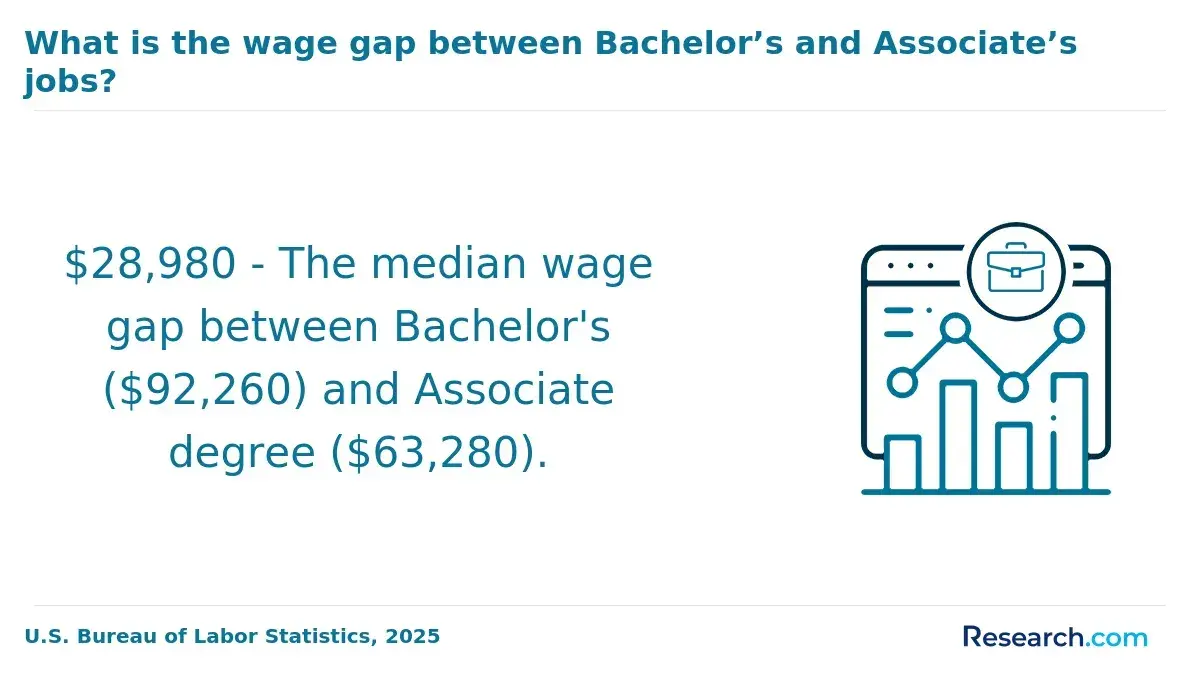
Post-graduation salary is a crucial factor determining the return on investment (ROI) of a positive psychology degree, as it affects how quickly graduates can recover educational costs and evaluate career profitability. Professionals with a positive psychology degree earn average salaries ranging from $50,000 to $90,000 annually, depending on their role in fields like wellness coaching, organizational consulting, or research. These average earnings with a positive psychology degree vary based on several key factors.
Key influences on salary outcomes and ROI include:
- Industry: Graduates working in healthcare or corporate environments generally receive higher salaries due to demand and larger budgets.
- Geographic location: Metropolitan areas or regions emphasizing mental health and wellness services tend to offer better compensation.
- Prior experience: Candidates with relevant internships or work histories attract more competitive offers, improving their financial returns.
- Specialization: Expertise in niche topics like employee well-being or resilience training can command premium pay.
- Career level: Entry-level roles typically pay less, whereas advancement into managerial positions significantly increases earnings, boosting overall ROI.
For those considering related fields, exploring options like an MLIS degree can also impact career trajectory. Evaluating positive psychology degree salary statistics helps prospective students make informed decisions about the financial viability of their education path.
Promotions enhance the return on investment (ROI) of a positive psychology degree by leading to salary increases, expanded responsibilities, and greater career mobility. These advances contribute to long-term earning potential and professional growth, making such degrees appealing for career development. A key workforce trend is the growing emphasis on credential-based advancement, with many organizations increasingly requiring formal education or certifications to qualify for leadership roles.
Here are several important ways that career advancement with positive psychology degree can lead to promotion opportunities and improve ROI:
- Credential Alignment: A positive psychology degree meets formal education requirements for managerial or specialized roles focused on employee wellbeing and organizational culture, making graduates eligible for positions that prioritize these skills.
- Leadership Preparation: The degree develops leadership capabilities relevant to fostering positive work environments, a valued asset in advanced roles that demand team motivation and employee engagement.
- Employer Incentives: Many organizations offer tuition support or incentives for degrees aligned with workplace development, reducing education costs and improving overall ROI for working students.
- Promotion Policies: In sectors with internal promotion policies, candidates holding advanced degrees often receive priority consideration, enhancing chances of upward mobility.
- Experience Synergy: Combining education with work experience strengthens candidates' profiles, making them more competitive for promotions by demonstrating both practical skills and academic knowledge.
For those considering educational pathways, exploring options for cheap online degrees may offer an accessible way to obtain credentials that support positive psychology degree promotion opportunities without excessive financial strain.
The return on investment (ROI) for graduates of positive psychology degree programs varies significantly depending on the industry they enter. This variation arises due to differences in salary levels, career advancement opportunities, demand for specialized skills, and job stability. Industries that value the application of positive psychology principles tend to offer higher compensation growth and long-term demand, making them more lucrative for graduates.
Industries that typically provide the highest paying industries for positive psychology graduates include the following:
- Healthcare and Wellness: This sector has a strong demand for expertise in mental health and employee well-being programs. Graduates can expect opportunities for promotion into leadership roles accompanied by competitive salaries that reflect their specialized skills.
- Corporate Human Resources and Organizational Development: Companies focused on cultivating positive workplace cultures increasingly seek professionals who can boost employee engagement and productivity. This trend supports steady career progression and robust compensation growth.
- Education and Academic Research: Positive psychology skills are critical in enhancing student outcomes and faculty development, providing stable employment and the potential for grants or tenure-track positions. This field offers consistent demand and career stability.
- Coaching and Personal Development: A fast-growing industry that values deep understanding of human motivation and well-being. Graduates benefit from flexible work arrangements and scalable income linked to client base and specialization.
- Nonprofit and Community Services: While this sector generally offers lower starting salaries, it provides meaningful work with increasing availability of grants. The demand for positive psychology graduates in this field is stable and growing.
For those exploring best career paths in positive psychology, it is helpful to consider not only financial returns but also the alignment of work with personal values and long-term professional goals. Additionally, prospective students may find accelerated options beneficial, such as a 1 year master's programs online, which can reduce time commitment while positioning graduates for entry into these rewarding industries.
Accreditation in positive psychology degree programs signifies official approval from a recognized educational authority, confirming that the curriculum and faculty meet established quality standards. This recognition is crucial because many employers prefer candidates who graduated from accredited programs, which can enhance hiring prospects and earning potential.
Additionally, accreditation often affects eligibility for professional licensure or certification, a growing requirement in the job market for advanced roles in psychology and related fields. These factors collectively contribute to a stronger return on investment (ROI) by improving graduate outcomes and workforce readiness.
Accredited positive psychology programs also offer advantages that support long-term financial benefits. They typically allow students to access federal financial aid, lowering the immediate cost of education. The transferability of credits between institutions provides flexibility for further study or career shifts, while employer trust in the credential facilitates promotions and job mobility. Overall, accreditation is a significant factor that enhances career advancement opportunities and sustained ROI in a competitive employment landscape.
Evaluating the financial return of a positive psychology degree involves considering several key factors including tuition fees, program duration, and potential earnings after graduation. Typically, graduate programs take one to two years to complete, with costs varying based on format and institution.
Salaries for roles related to positive psychology often fall between $50,000 and $70,000 annually, depending on the job, experience, and geographic location. Career growth potential also plays a significant role, especially in counseling, coaching, or organizational development fields where experience and certifications can increase earning power.
Whether pursuing a positive psychology degree is financially worthwhile depends on multiple elements like industry demand, which is rising in areas such as mental health, corporate wellness, and education. Programs offered online or part-time can reduce opportunity costs, making education more accessible without sacrificing income.
Access to scholarships and financial aid further enhances affordability. Ultimately, the degree's value aligns closely with how well it matches personal career objectives, especially for those focused on research, therapy, or coaching roles in growing sectors dedicated to well-being and human development.
What Graduates Say About The ROI of Their Positive Psychology Degree
- Lanida: "Choosing to pursue a positive psychology degree felt like an investment in my future, especially considering the growing demand for well-being experts. Despite the tuition costs averaging around $30,000, the ROI has been undeniable as it opened doors to meaningful roles in coaching and organizational development. I'm genuinely enthusiastic about how it transformed my career and personal growth."
- Zara: "Reflecting on my time as an online positive psychology student, the affordability-typically between $20,000 and $35,000-was a significant factor in my decision. The program's flexibility made balancing work and study manageable, and though the cost was considerable, the professional advancement I gained made it worthwhile. Completing the degree enriched my perspective and credibility within mental health services."
- Matthias: "Opting for a part-time positive psychology program was a strategic choice to ensure long-term career benefits without sacrificing my job. The degree's cost, which slightly exceeded $25,000, initially gave me pause, but its impact on my competency in employee wellness initiatives has been substantial and quantifiable. Professionally, it enhanced my ability to apply evidence-based practices effectively."
Other Things You Should Know About Positive Psychology Degrees
Graduates often move into coaching, education, human resources, or wellness roles, where U.S. salaries commonly range from about $50,000 to $90,000 a year. ROI is usually stronger when the degree is paired with a counseling, organizational psychology, or leadership credential that employers recognize.
In 2027, non-monetary benefits such as improved mental well-being, enhanced life satisfaction, and the ability to positively influence others contribute to the ROI of a positive psychology degree. These intrinsic rewards, while not financially quantifiable, enrich personal and professional lives.
Yes, non-monetary benefits such as improved personal wellbeing, stronger interpersonal skills, and increased job satisfaction heavily influence the overall ROI. Graduates often report greater emotional resilience and a deeper understanding of workplace dynamics. These advantages can translate into enhanced career longevity and personal fulfillment beyond direct financial gains.
- Positive Psychology Course - worth doing or gimmick? | Askaboutmoney.com - the Irish consumer forum https://www.askaboutmoney.com/threads/positive-psychology-course-worth-doing-or-gimmick.204738/
- Programs https://iipp-edu.com/programs/
- Interested in applied positive psychology? Explore 5 exciting career paths enhanced by positive psychology | Penn LPS Online https://lpsonline.sas.upenn.edu/features/interested-applied-positive-psychology-explore-5-exciting-career-paths-enhanced-positive
- Financial Aid https://www.lps.upenn.edu/degree-programs/mapp/tuition/financial-aid
- MSc in Applied Positive Psychology Well-being and Health https://www.rcsi.com/online/find-a-course/masters/a/p/applied-positive-psychology-wellbeing-and-health
- Positive Psychology and Well-being | Tilburg University https://www.tilburguniversity.edu/education/masters-programs/positive-psychology-well-being
- Positive Psychology Career explorer https://online.missouri.edu/career-explorer/program/92
- What is Positive Psychology? The All-You-Need-to-Know Guide https://www.positivepsych.edu.sg/positive-psychology-comprehensive-guide/
- Top 10 Highest Paying Jobs with Psychology Degree 2025 | Nexford University https://www.nexford.edu/insights/highest-paying-jobs-with-psychology-degree