2027 Can You Get Licensed With an Online Positive Psychology Degree? Requirements, Rules, and What to Know

Co-Founder and Chief Data Scientist
Many students pursuing an online positive psychology degree wonder if this path leads to professional licensure. According to recent data, only 18% of graduates with a positive psychology background enter licensed counseling or therapy fields directly, highlighting the complexity of credentialing in this area. Licensing boards often require specific clinical hours and degrees accredited in related fields, which may not align with some online positive psychology programs.
This article explains the licensure requirements for positive psychology graduates, clarifies which online degrees meet these standards, and guides readers through navigating certification to achieve recognized professional status.
Key Benefits of Getting Licensed with an Online Positive Psychology Degree
- Licensure with an online positive psychology degree enhances professional credibility, qualifying graduates for roles in counseling, coaching, and organizational development.
- It broadens employment options and geographic mobility, enabling work across various sectors, including healthcare, education, and corporate environments.
- Licensed professionals typically experience higher earning potential and greater advancement opportunities, with studies showing a 15% salary increase compared to non-licensed peers.
Can you get a license with an online positive psychology degree?
Licensure can be pursued with an online positive psychology degree when the program fulfills specific educational and practical requirements mandated by licensing boards. Completing accredited coursework covering fundamental psychology topics, research methods, and applied practice is essential.
Programs that integrate supervised clinical hours or internships provide the practical experience needed to meet licensure prerequisites. Graduates from such programs are typically well-prepared for licensure exams and competency evaluations because the curriculum balances key positive psychology theories with evidence-based interventions. This alignment ensures that students meet the online positive psychology degree licensure requirements expected by regulatory bodies.
Earning a license through an accredited online positive psychology program opens several career advantages including access to regulated fields such as counseling and organizational psychology. Licensed professionals can assume greater responsibilities and deliver specialized services, enhancing their professional credibility.
This often translates into higher earning potential compared to non-licensed practitioners. Prospective students should ensure their chosen program is accredited and includes supervised practical components, which are critical to satisfying licensure mandates. For those interested in interdisciplinary options, comparing with an online AI degree may also offer valuable career perspectives.
Do licensing requirements for positive psychology vary by state?
Licensing rules for positive psychology professionals exist to ensure that practitioners meet established standards of competence and protect public safety. These requirements vary significantly by state; for instance, around 40 states mandate licensed counselors or therapists to complete between 1,500 and 4,000 supervised clinical hours, reflecting notable differences in licensure standards.
Such disparities influence how candidates approach their training and licensure plans. Key areas where state licensing rules for positive psychology professionals differ include:
- Examinations: Some states require candidates to pass national exams, while others implement state-specific tests. This affects preparation strategies and eligibility assessments for those pursuing licensure.
- Supervised clinical experience: The number of supervised hours, acceptable settings, and types of supervisors can vary widely. These factors shape how students fulfill experience requirements post-degree.
- Continuing education: States commonly require renewal through continuing education, but the number of hours and approved topics or specialties differ. Keeping track of these variations is essential for maintaining licensure.
- Scope of practice: Definitions of permitted activities such as assessment, diagnosis, or therapeutic interventions vary, which may influence practitioners' roles and services across states.
Awareness of positive psychology licensure requirements by state is vital for students aiming to maximize professional mobility after completing an online degree. Choosing CACREP accredited programs can also impact how well their education aligns with diverse state criteria.
Are online positive psychology programs different from campus programs for licensure?
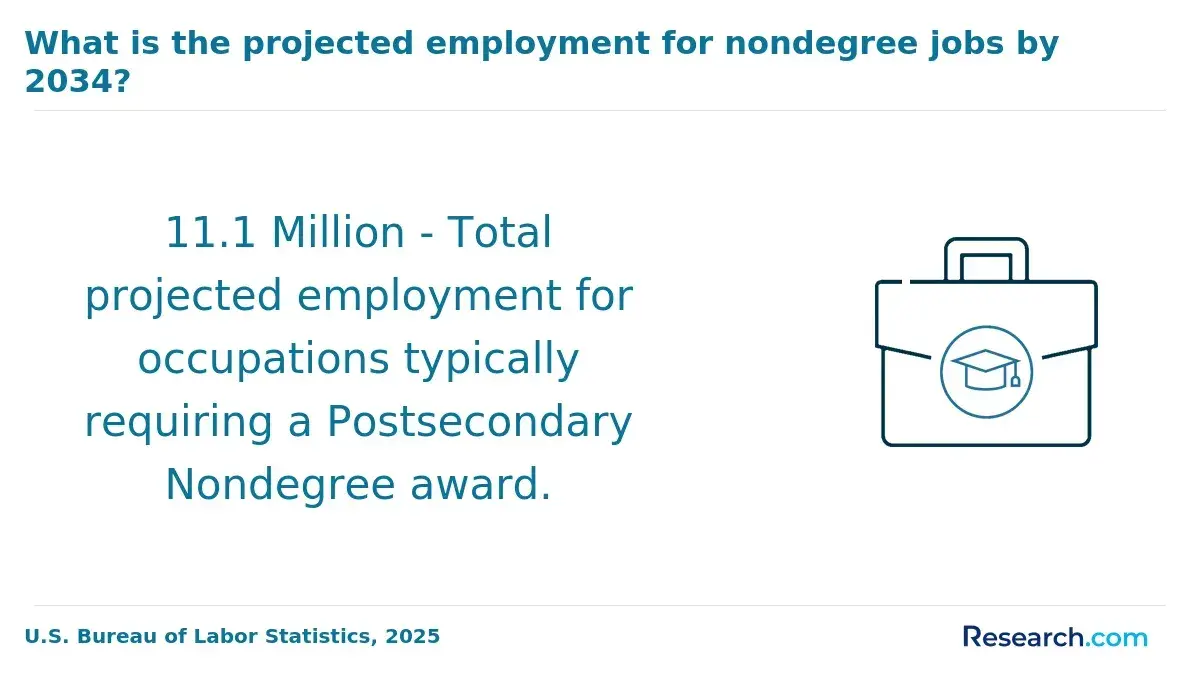
Online positive psychology programs do not differ from campus programs in terms of licensure eligibility, provided they are accredited and meet state licensing requirements. Since 2010, the proportion of accredited online programs accepted for professional licensure has increased by over 30%, demonstrating growing recognition of their quality and rigor.
- Curriculum Content: Licensing boards focus on the substance and competencies of the curriculum rather than its delivery. Both formats must cover core psychology principles, ethics, and applicable theory essential for licensure.
- Clinical and Practical Experience: Programs with clinical skill development require supervised practicum or internships. Online students often complete these in approved in-person settings to fulfill hands-on training mandates.
- Assessment Methods: Exams, projects, and portfolio reviews are standard for verifying mastery of knowledge in both online and campus formats, ensuring consistent evaluation quality.
- Employer Perceptions: While employers once showed hesitation toward online degrees, increased accreditation and regulatory acceptance have improved their standing in professional settings.
A licensed professional who completed his positive psychology degree online shared his experience, explaining that selecting elective classes was both exciting and challenging. He appreciated choosing courses that enhanced his practical skills beyond core requirements, noting, "The flexibility allowed me to tailor my learning to real-world applications."
However, he also faced concerns about finding local placement opportunities for his practicum, which required extra effort to coordinate with supervisors. Despite initial doubts about employer views on his online degree, his credentials were well received, reinforcing that program quality and proper accreditation matter more than format when pursuing licensure.
Online positive psychology degree programs often include clinical or practicum hours to provide students with essential real-world experience required for professional practice and licensure. These hours help students bridge theoretical knowledge with practical skills under supervision, which is critical for meeting licensure standards in many fields.
Typical clinical or practicum requirements can vary widely but generally involve a fixed number of hours spent in applied settings such as counseling centers, wellness programs, or community organizations. The following key points outline what students can expect regarding online positive psychology degree clinical hour requirements and practicum hours for positive psychology licensure:
- Hours and Placements: Students usually complete between 100 and 1,000 clinical or practicum hours in local, supervised environments to gain hands-on experience relevant to their career goals.
- Supervision: Licensed professionals oversee the practicum experience, providing guidance, ethical oversight, and regular feedback to ensure quality training.
- Skills Development: Clinical hours focus on building communication, counseling, intervention, and client assessment skills vital for effective practice in psychology-related fields.
- Ethical and Professional Standards: Students learn to navigate professional codes of conduct and ethical guidelines, which are critical for licensure and maintaining public trust.
- Arranging Local Placements: Because direct client contact is required, online programs typically expect students to secure nearby practicum sites, creating a hybrid format that blends online coursework with in-person experience.
Prospective students should verify whether their chosen program includes practicum components and supports local placements to fulfill licensure eligibility. Those exploring options may also consider exploring marriage and family therapy online programs accredited for related clinical training opportunities.
Licensing exams serve as a critical checkpoint to ensure that candidates have the foundational knowledge and skills required to provide ethical, effective psychological services. Success on these exams confirms eligibility for professional practice and state licensure.
Data shows about 75% of first-time test-takers pass the National Counselor Examination (NCE), highlighting the value of solid preparation. Below are essential details about these licensing exams.
- Exam Name: Those pursuing counseling typically take the NCE, while aspiring psychologists sit for the Examination for Professional Practice in Psychology (EPPP), each tailored to distinct career tracks.
- Content Areas: Exams span ethics, diagnostic assessments, intervention techniques, and foundational positive psychology concepts relevant to clinical practice.
- Format: Delivered online through computer-based multiple-choice questions, timed to evaluate both accuracy and efficient decision-making.
- Preparation: Candidates benefit from specialized study guides, practice question banks, and review courses designed to reinforce test material and boost confidence.
- Retake Policies: States generally allow exam retakes after prescribed waiting intervals, though rules vary, encouraging strategic planning for exam attempts.
- Relevance for Online Graduates: Graduates must ensure their program is accredited and that they complete supervised practicum hours, which are often prerequisites for exam eligibility and licensure.
When I spoke with a licensed professional who completed an online positive psychology degree, she shared how navigating licensing requirements initially felt overwhelming. "I was unsure if my online coursework and practicum hours would be recognized," she explained. Preparing for the NCE took discipline; she dedicated weekends to practice exams and review sessions.
Despite moments of self-doubt, passing the licensing exam became a confidence boost that validated her expertise and readiness. She emphasized, "The process taught me resilience and the importance of aligning my studies with licensure standards. It truly bridged the gap between academic knowledge and professional competence." Her experience highlights that, while challenging, the licensing exam is an attainable milestone for online graduates committed to their careers.
Supervised work experience is typically required after earning an online positive psychology degree, especially for those pursuing licensure or certification. This hands-on training helps graduates apply theoretical concepts in practical environments while developing essential professional skills and ensuring readiness for independent practice.
Studies indicate that around 75% of graduates seeking licensure complete such supervised experience. Below are the main elements involved in these requirements.
- Duration Requirements: Licensing authorities often mandate between 1,000 and 3,000 hours of supervised experience, ensuring adequate exposure to real-world scenarios before full credentialing.
- Common Settings: Approved environments include counseling centers, wellness programs, and research organizations where candidates engage with diverse client populations.
- Mentorship Structure: Licensed practitioners provide guidance, feedback, and evaluation, fostering professional growth and ethical competence.
- Skill Development: This experience hones practical abilities such as client interaction, ethical decision-making, and intervention planning, bridging gaps between academic study and professional demands.
- Licensure Impact: Completion of supervised work is critical for meeting regulatory board standards and demonstrating readiness for independent practice in positive psychology fields.
Licensure reciprocity consists of agreements between states that enable licensed professionals to obtain a license in another state with fewer requirements or an expedited process. This flexibility is important for professionals who plan to practice in multiple states or move geographically without undergoing redundant certification procedures. Below are key factors impacting licensure reciprocity for online positive psychology graduates.
- Eligibility Criteria: Reciprocity depends largely on state-specific agreements and regulatory boards, which often favor applicants holding degrees from regionally accredited programs. Graduates of online positive psychology degrees must verify their credential validity against state standards, especially since many boards require clinical training.
- Program Requirements: States typically mandate degrees that include supervised clinical hours and accredited coursework. Because online positive psychology degrees often emphasize theory over applied clinical practicum, some graduates may need additional training or supervised experience to qualify for reciprocal licensure.
- State Agreements: State reciprocal licensing for positive psychology degrees varies widely. Some states maintain formal agreements easing licensure transfer, while others impose stricter entry barriers, making it essential to research individual state laws thoroughly.
- Application Process: Obtaining licensure through reciprocity generally involves submitting official transcripts, documentation of clinical hours, exam results, and sometimes state-specific jurisprudence exams. This process ensures candidates meet all local professional standards despite educational format differences.
- Limitations and Career Impact: The online nature of many positive psychology programs may limit reciprocity opportunities, potentially requiring further education or supervision. Graduates should plan early to navigate these challenges and support career mobility, considering options aligned with highest paying college majors when choosing their educational path.
Online positive psychology programs have become increasingly popular, with enrollment in psychology-related online degrees growing by more than 20% recently. Students often focus on licensure prospects when selecting programs, as obtaining supervised clinical experience-a key licensure requirement-can be more complex in online formats. Below is an overview of key advantages and disadvantages for licensure consideration.
Pros
- Flexible Scheduling: Allows students to balance education with work and life, supporting timely completion and meeting supervised experience timelines.
- Broader Access: Connects learners with expert faculty and peers from diverse locations, enriching professional networks and learning.
- Cost Savings: Eliminates relocation and commuting expenses, making education more affordable and reducing financial burden.
Cons
- Limited Practicum Options: Onsite clinical training is often necessary for licensure, and online programs may restrict access to these experiences.
- Employer Perceptions: Some employers may view online degrees less favorably, impacting career advancement opportunities.
- Reduced Hands-On Mentorship: Less direct supervision and practical training can affect readiness for clinical roles and licensure requirements.
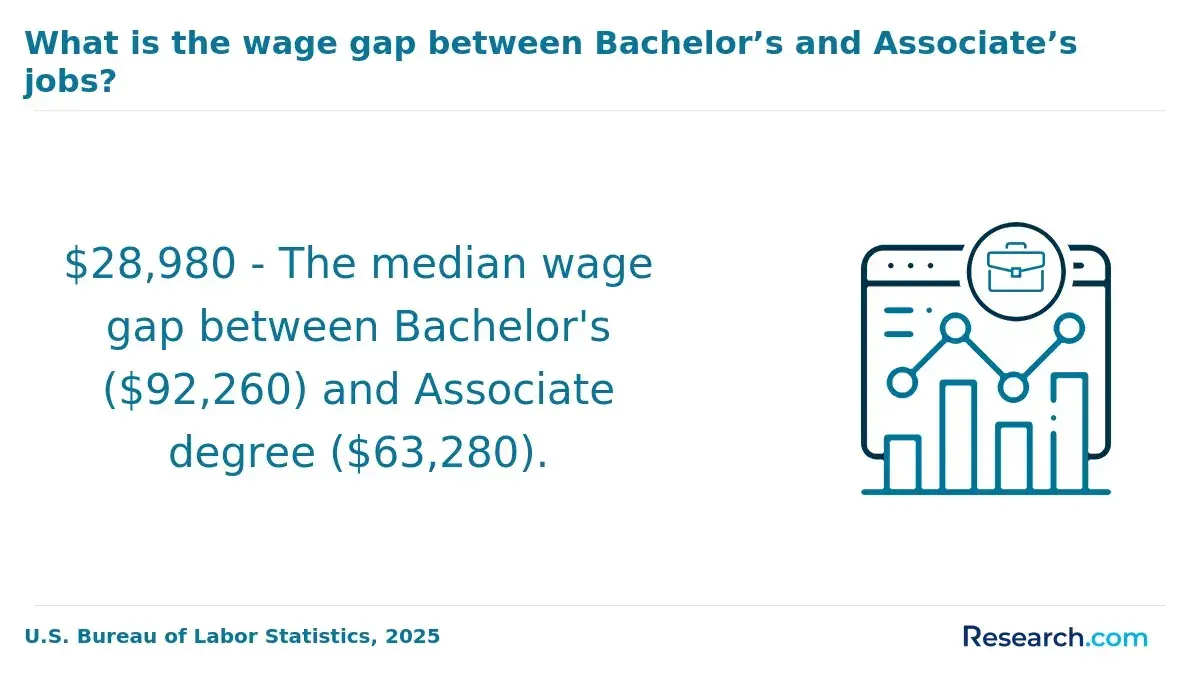
Licensure significantly affects earning potential for those with an online positive psychology degree. Licensed professionals in psychology and counseling fields typically earn 20-30% more than their non-licensed counterparts, according to data from the U.S. Bureau of Labor Statistics.
Understanding these financial differences is crucial for graduates weighing the benefits of pursuing licensure after their degree. The following points explain how licensure impacts salary and career advancement.
- Access to Higher-Paying Roles: Licensure qualifies professionals for more advanced and better-compensated positions, such as clinical psychologist or licensed counselor. Employers often prefer or require licensure for roles that involve direct client care and intervention, resulting in higher salaries for licensed graduates.
- Specialized Responsibilities: Licensed individuals can take on responsibilities like clinical practice, supervision, and therapeutic interventions. These specialized duties are compensated at a premium compared to general mental health roles, reflecting the increased expertise and accountability involved.
- Leadership and Organizational Roles: Licensure enhances eligibility for leadership positions in mental wellness organizations, research institutions, and human resources departments. These roles come with higher salary ranges and greater influence over program development and policy.
- Enhanced Job Security: Holding a license signifies adherence to established professional standards, which improves job stability. Many employers value licensed professionals for the credibility they bring, which can contribute to longer tenure and career growth.
- Expanded Private Practice Opportunities: Licensed graduates can operate private practices or pursue consulting independently, often commanding higher fees. This entrepreneurial path offers potential for increased earnings not typically available to non-licensed individuals.
- Eligibility for Grants and Funding: Licensure unlocks access to certain grants and funding reserved for licensed clinicians, facilitating advanced research or program development and potentially supplementing income streams.
While an online positive psychology degree provides essential theoretical knowledge, achieving licensure usually requires supervised clinical experience and passing state-specific exams.
Graduates seeking to maximize their salary and professional success often find that obtaining licensure is a worthwhile investment. For those interested in exploring comparable educational pathways, online degrees can provide flexible options that support licensure eligibility and career advancement.
Licensure plays a crucial role in shaping career paths for graduates with an online positive psychology degree, determining the scope of practice and employment sectors. While some graduates pursue licensed clinical roles to access higher salaries and advancement opportunities, others choose non-licensed positions that focus on coaching, research, or organizational wellbeing.
Approximately 65% of those obtaining licenses in allied fields secure better-paid clinical jobs, highlighting the impact of credentialing on employment outcomes. Below are examples of common career options with and without licensure.
Jobs with a License
- Clinical Psychologist: Involves diagnosing and treating mental health disorders through therapy and evidence-based interventions, typically offering strong salary growth and professional development.
- Licensed Professional Counselor (LPC): Provides counseling services, develops treatment plans, and supports clients with emotional or behavioral challenges; licensure requires supervised clinical hours and exams.
- Licensed Social Worker: Focuses on helping individuals and families navigate social and psychological issues, offering direct client services within regulated healthcare or community settings.
Jobs without a License
- Life Coach: Guides clients in personal development and goal achievement without clinical diagnosis, focusing on motivation and wellbeing improvements but with limited regulatory demands.
- Wellness Consultant: Designs and implements wellbeing programs for organizations, emphasizing employee engagement and holistic health without the need for professional licensure.
- Research Assistant: Supports scientific studies on positive psychology topics, contributing to data collection and analysis, a role centered on academic or corporate research rather than clinical practice.
What Graduates Say About Getting Licensed with an Online Positive Psychology Degree
- Gita: "The online positive psychology degree program was very affordable compared to traditional programs, with the total cost being quite reasonable for the quality offered. I appreciated the flexibility it provided, allowing me to balance my studies with my work and family life seamlessly. Earning my license after graduation significantly boosted my confidence and credibility in the field, opening doors to new clients and career opportunities. "
- Camille: "Reflecting on my journey, the cost of the positive psychology degree was a mindful investment that paid off professionally and personally. The online format was rigorous but well-structured, letting me dive deep into theory and practical applications at my own pace. Since becoming licensed, I've noticed how much more impactful my work feels, especially when guiding clients through evidence-based positive psychology interventions. "
- Emelie: "The online positive psychology degree program struck a balance between affordability and comprehensive education, which was crucial for me as a working professional. I found the virtual learning experience engaging and thoroughly supported, which made the complex topics much easier to grasp. Obtaining my license changed the trajectory of my career, enabling me to establish a thriving practice centered on positive psychology principles."
Other Things You Should Know About Positive Psychology Degrees
Yes, but only if the degree program includes the required internship or practicum hours and the licensing board accepts them. For example, many psychology-related licenses require 1,500 to 3,000 supervised hours completed under an approved supervisor before you can apply or sit for an exam.
Accreditation is crucial when pursuing an online positive psychology degree in 2027, as it ensures the program meets quality standards required by licensing and certifying bodies. An accredited degree increases your chances of obtaining professional credentials and state licensure.
- Interested in applied positive psychology? Explore 5 exciting career paths enhanced by positive psychology | Penn LPS Online https://lpsonline.sas.upenn.edu/features/interested-applied-positive-psychology-explore-5-exciting-career-paths-enhanced-positive
- What Are The Licensing Requirements to Practice Psychology Upon Graduation? https://www.online-psychology-degrees.org/faq/what-are-the-licensing-requirements-to-practice-psychology-upon-graduation/
- Top Online Psychology Programs 2025 | APA Schools https://careersinpsychology.org/top-online-psychology-programs/
- The Psychology License Map: A State-by-State Guide https://www.onlinemastersdegrees.org/student-resources/psychology/licensure-by-state/
- 2025 Best Online Bachelor's Programs in Positive Psychology https://www.counselingpsychology.org/psychology/degrees/positive-psychology/bachelors/
- The Importance Of Earning An Online Psychology Degree | Blog | SIIT https://siit.co/blog/the-importance-of-earning-an-online-psychology-degree/44629
- Programs by State https://www.onlinepsychologydegrees.com/programs-by-state/
- Psychology Licensing Requirements By State | Psychology.org https://www.psychology.org/psychology/licensure/
- Applied Positive Psychology Courses | Online MAPP Program https://www.pcom.edu/academics/programs-and-degrees/positive-psychology/curriculum.html