2027 Highest-Paying Health Psychology Master's Specializations Ranked

Co-Founder and Chief Data Scientist
Salary disparities across health psychology master's specializations largely reflect nuanced labor market dynamics rather than simple wage hierarchies. Specializations concentrated in regions with acute workforce shortages often command premiums driven by urgent employer demand and credentialing complexities.
Conversely, fields with broader role diffusion may offer lower average salaries despite high technical rigor, influenced by sector-specific funding models and workforce supply. Employers increasingly value advanced certifications that correlate with specialized competencies, affecting compensation patterns accordingly.
This analysis highlights how factors such as advancement pathways, role concentration, and evolving organizational priorities shape income potential, providing a strategic framework for evaluating health psychology master's specializations beyond base salary figures.
Key Benefits of the Highest-Paying Health Psychology Master's Specializations
- Specializations emphasizing behavioral medicine integration face longer clinical practicum periods, challenging students to balance extended training with immediate workforce entry but enhancing specialized expertise.
- Employers show increasing preference for candidates versed in neuropsychological assessment techniques, reflecting a shift to data-driven treatment approaches that raise employability within multidisciplinary teams.
- Programs focusing on digital health interventions often require upfront technical coursework, increasing initial costs yet yielding access to growth sectors where remote therapy demand accelerates post-2023.
What Are the Top-Paying Careers for Health Psychology Master's Graduates?
Compensation variations within health psychology master's careers often reflect the interplay of labor market forces, specialized skill sets, and the strategic roles professionals assume in complex healthcare environments.
Salary potential hinges less on degree completion alone and more on how graduates align their expertise with fields experiencing technological advances, regulatory demands, or high operational stakes.
These economic pressures and organizational responsibilities carve out differentiated earnings profiles across top-paying health psychology master's careers in the United States.
- Behavioral Health Program Manager ($90,000 to $115,000): These professionals bridge clinical psychology and administrative leadership, commanding higher salaries because they directly shape multi-million-dollar health interventions and workflow efficiencies. Their role requires advanced data fluency, cross-disciplinary coordination, and accountability for measurable patient outcomes.
- Neuropsychology Specialist ($95,000+): Specializing in cognitive and behavioral impairment assessments after neurological injury or disease, neuropsychology experts command premium salaries due to technical scarcity and collaboration demands with neurologists and rehabilitation teams.
- Clinical Health Psychologist ($85,000 to $110,000): Positioned at the clinical interface, these psychologists manage chronic illness and behavioral medicine cases that reduce costly hospital readmissions and improve treatment adherence. Salary premiums arise from their critical clinical judgment, certification barriers, and growing demand in patient-centered medical homes.
- Health Data Analyst ($80,000 to $105,000): These analysts operate where health psychology intersects with big data and policy design, translating behavioral insights into actionable health system improvements. The premium on their role arises from the scarcity of professionals combining psychology with advanced analytics, regulatory compliance knowledge, and health informatics, as reported by occupational salary trends.
- Policy Advisor in Health Psychology ($80,000 to $105,000): Providers in this role influence health interventions on institutional and population levels, often working within government or large NGOs. Their pay scale corresponds to the complexity of navigating regulatory frameworks, behavioral economics, and evidence-based policymaking.
- Health Psychology Consultant ($80,000 to $105,000): Consultants occupy a high-impact advisory position, leveraging behavioral expertise to improve organizational health initiatives or employee wellness programs. Their compensation reflects project-based revenue influence and the increasing corporate emphasis on workforce health outcomes.
- Workplace Wellness Specialist ($70,000 to $95,000): These specialists apply health psychology principles to optimize employee productivity and reduce healthcare costs for employers. Salaries remain moderate due to industry concentration primarily in corporate and insurance sectors but benefit from growing institutional investments.
- Rehabilitation Counselor ($60,000 to $85,000): Focused on aiding patients' functional recovery and adjustment, rehabilitation counselors command modest salaries relative to clinical psychologists, reflecting narrower certification paths and organizational levels.
- Health Educator with Psychology Focus ($55,000 to $75,000): These educators' compensation is tied to institutional budgets in community health or academic settings, with salaries constrained by public sector pay scales. Their impact on preventive health strategies and behavioral modification programs is significant but less directly linked to revenue generation, affecting earning thresholds.
- Patient Advocate/Care Coordinator ($50,000 to $70,000): Entry to mid-level positions focused on navigating care logistics and enhancing patient adherence, these roles offer lower salaries due to routine operational functions and limited clinical specialization.
Strategically positioning within these top-paying health psychology master's careers requires weighing specialization-related demands, such as certification burdens and technical complexity, against personal capacity for leadership and interdisciplinary collaboration.
Candidates prioritizing long-term salary growth will emphasize fields with direct impact on health outcomes and organizational cost efficiencies, as these roles often reflect evolving market recognition of behavioral insights' value.
For those evaluating long-term investment in their education and credentials, understanding these nuanced labor market dynamics is essential when mapping professional trajectories within health psychology.
For prospective students balancing cost and career impact, exploring options beyond degree acquisition alone is wise. Consider, for example, the cheapest accelerated nursing programs for complementary clinical pathways that may broaden employability in allied roles related to health psychology's interdisciplinary scope.
Which Industries Pay the Highest Salaries for Health Psychology Master's Graduates?
Salary disparities for health psychology master's graduates are less about the credential itself and more a reflection of the structural economic forces inherent to each industry. Industries characterized by high revenue potential, intense regulatory scrutiny, and complex operational risks assign greater strategic value to health psychology expertise, resulting in elevated salary offerings.
The fusion of psychological acumen with healthcare demands is not uniform; rather, it shifts significantly depending on whether the role supports high-stakes clinical trials, behavior-driven cost management, or compliance-focused interventions.
- Pharmaceutical and Biotechnology Companies ($90,000-$110,000): These sectors top the list due to their significant R&D budgets and urgent need for behavioral insights in clinical trial design and patient adherence strategies. PayScale data (2024) underscores the premium paid for candidates who blend behavioral science with analytical rigor.
- Health Insurance Providers ($75,000-$95,000): These firms leverage health psychologists to construct wellness programs and behavioral risk models aimed at cost containment and claims management. This industry offers competitive salaries driven by the need to navigate complex actuarial data and regulatory compliance.
- Healthcare Services (Hospitals and Outpatient Centers) ($70,000-$90,000): Hospitals and clinical settings value health psychology expertise in behavioral interventions for chronic disease management. The U.S. Bureau of Labor Statistics (2024) reflects how interdisciplinary collaboration and patient outcome improvements justify salary levels, but geographic variability and institutional budgets limit uniform salary growth.
- Government Health Agencies ($65,000-$85,000): Federal and state health departments employ health psychology specialists to inform public health campaigns and policy development. Glassdoor reports suggest moderately high compensation aligned with public sector salary scales, balancing meaningful societal impact with budgetary constraints and bureaucratic workflows that can temper rapid salary increases.
- Occupational Health and Safety Firms ($65,000-$80,000): These firms use applied health psychology to design workplace wellness and safety programs aimed at reducing injury-related costs and improving productivity. McKinsey workforce surveys cite demand for this expertise amid increasing regulatory mandates but highlight the tradeoff of high accountability and potential for fluctuating contract-based work.
- Philanthropic and Nonprofit Organizations ($50,000-$70,000): Focused on community health promotion rather than revenue generation, nonprofits offer lower, more stable salaries, as corroborated by multiple labor market reports. Health psychology roles here are valued for social impact rather than financial return, introducing tradeoffs between compensation and mission alignment.
- Academic and Research Institutions ($45,000-$65,000): Universities and research institutes often provide lower starting salaries due to limited grant funding and the emphasis on long-term scholarly contribution. Salary data from Lightcast (2024) notes that while these roles offer intellectual fulfillment, they pose challenges for those prioritizing immediate financial gain or rapid career progression.
- Corporate Wellness Programs ($60,000-$75,000): Corporations increasingly hire health psychology specialists to design employee wellness initiatives aimed at reducing absenteeism and healthcare costs. Although compensation is competitive relative to nonprofits, it is constrained by budget cycles and ROI measurement pressures, according to industry workforce analyses.
- Managed Care Organizations ($70,000-$85,000): These intermediaries focus on cost-efficient healthcare delivery, leveraging health psychology for patient engagement strategies. Salary levels reflect the complexity of regulatory compliance and the demand for specialists who can bridge clinical and administrative functions, supported by Glassdoor salary metrics.
- Digital Health and Telemedicine Companies ($75,000-$95,000): Rapid growth in this sector drives strong compensation as firms compete for specialists who can integrate behavioral interventions into technology platforms. Market research from Robert Half indicates that talent scarcity combined with fast product innovation cycles elevates salary offers, balanced against volatility and startup employment risks.
Which Health Psychology Specializations Have the Strongest Job Outlook?
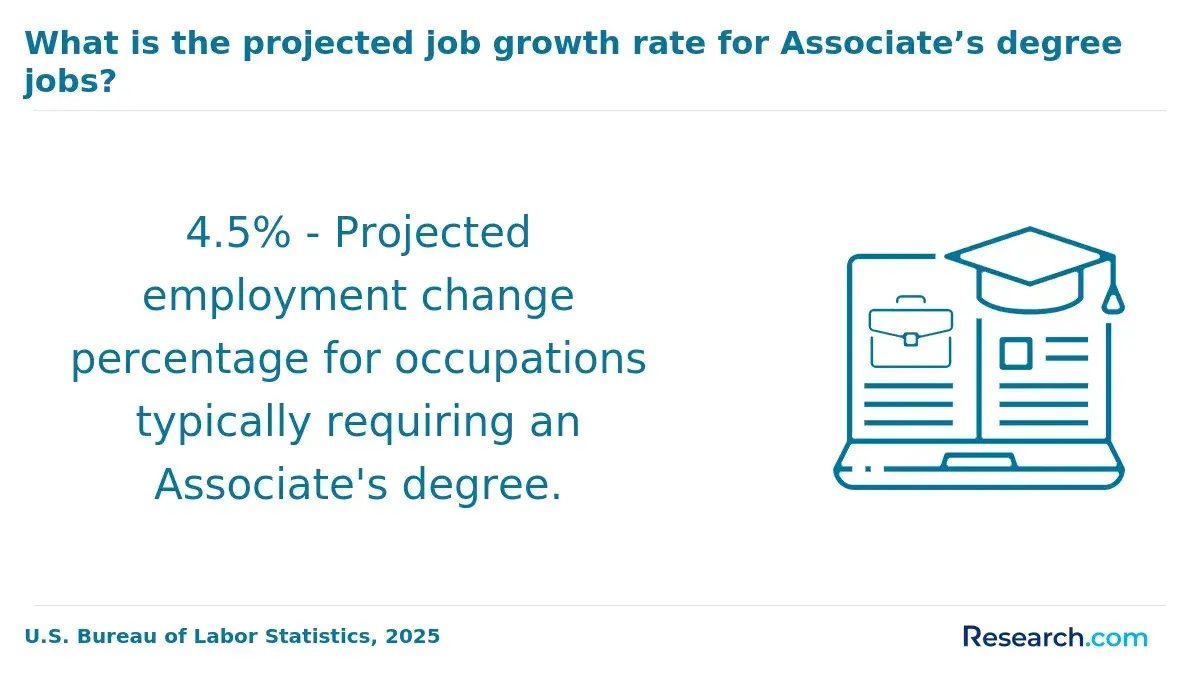
Job outlook assessments reflect not just current employment size but how shifts in healthcare delivery, technology, and regulation create demand for specialized skills. The value of any health psychology master's specialization depends on its adaptability to growing industry needs, such as integrated care, aging populations, and workplace mental health, rather than mere prevalence.
- Behavioral Medicine: Rising adoption of integrated care models that blend psychological approaches with primary healthcare fuels demand for behavioral medicine experts. The U.S. Bureau of Labor Statistics (BLS) highlights above-average growth rates for psychology roles in medical settings, driven by evidence-based interventions targeting chronic illnesses like diabetes and heart disease.
- Clinical Health Psychology: Offering versatility across inpatient, outpatient, and community environments, clinical health psychology's breadth supports steady hiring. Employers seek clinicians able to manage complex physical and mental health overlaps, increasing the need for practitioners with comprehensive diagnostic and therapeutic skills.
- Neuropsychology: Although frequently tied to advanced certification and research, neuropsychology benefits from demographic trends like an aging population and increased neurological disorder prevalence. Funding for brain injury rehabilitation and cognitive decline treatments contributes to consistent referrals, lending this field durable market demand.
- Occupational Health Psychology: Rapidly expanding due to corporations' growing mental health initiatives and regulatory pressures for workplace well-being programs, this specialization blends organizational insight with psychological expertise. The ongoing digital transformation of employee support systems and rising emphasis on stress reduction create sustained hiring momentum.
A mid-career health psychology graduate initially wavered between neuropsychology and occupational health psychology. Their choice leaned toward occupational health due to immediate openings tied to corporate wellness expansions.
Early on, they encountered the challenge of rapidly acquiring evaluation techniques and navigating organizational politics but found the specialization's breadth rewarding.
Reflecting on peers in neuropsychology, they saw rigid certification demands and limited local opportunities as barriers despite potentially higher salaries. This blend of urgency and pragmatism shaped their path toward a growing field that matched their skill set and employment needs.
Which Health Psychology Master's Specializations Have the Best Long-Term Salary Growth?
Long-term salary growth within health psychology master's specializations depends heavily on evolving industry demand, scarcity of advanced expertise, and career progression into leadership or high-impact roles rather than initial pay scales.
Some fields may begin with modest earnings but compound significantly due to structural shifts in healthcare delivery and employer priorities, shaping stronger trajectories over time.
- Behavioral Health Integration: This specialization benefits from widespread shifts toward holistic care models, creating steady upward salary mobility. Workforce data reflects accelerated leadership pipelines as professionals facilitate coordination between psychological and primary care services in health systems increasingly investing in interdisciplinary teams.
- Health Informatics with Psychology Specialization: Leveraging data analytics applied to psychological outcomes, this area sees rapid salary growth driven by digital health adoption and personalized medicine trends. Career advancement is fueled by enterprise demand for hybrid experts resilient to automation and capable of leading complex tech-enabled health initiatives.
- Chronic Illness and Pain Management: Demographic trends expanding the patient population with complex chronic conditions ensure prolonged wage growth here. Senior-level specialists command premium compensation reflecting their critical role in improving quality and reducing costs amidst regulatory and reimbursement evolutions.
- Occupational Health Psychology Focused on Workplace Wellness: Increasing corporate investment in employee mental health drives above-average growth potential, especially for practitioners who bridge organizational leadership and health outcomes. This specialization's salary trajectory is reinforced by ongoing expansions in regulatory frameworks and wellness program formalization.
These specializations embody some of the highest-paying health psychology master's specializations for long-term growth due to their sustained market relevance and leadership conversion rates.
Graduate students and career changers should weigh these factors alongside their own adaptability, as the balance between focused education and broad skillsets dictates practical career trajectory.
Those exploring flexible learning options may also consider a self paced accredited online college to align educational investment with evolving employment demands.
What Skills Lead to the Highest Salaries in Health Psychology Careers?
Salary outcomes in health psychology careers hinge far more on specialized skill mastery than on holding a degree alone. Analysts consistently observe that professionals with targeted competencies break through to leadership roles, secure promotions more rapidly, and enter higher-paying sectors where demand exceeds supply.
- Advanced Quantitative Analysis: Deep proficiency in interpreting complex datasets and applying rigorous statistical methods, including mastery of tools like R, Python, or SPSS, translates into premium pay. Labor market data from sources like the U.S. Bureau of Labor Statistics confirm that such skills enable health psychologists to support evidence-based decision-making.
- Behavioral Intervention Design: The capacity to create tailored, evidence-based therapeutic programs positions professionals for roles in specialized hospitals and corporate wellness, where skill scarcity boosts compensation. This expertise aligns with industry trends emphasizing personalized care plans, as noted in recent PayScale salary reports.
- Interdisciplinary Communication and Collaboration: Competency in navigating complex team environments involving clinicians, social workers, and public health officials enables practitioners to influence comprehensive care models. Glassdoor Economic Research highlights that those who excel here often transition into strategic or supervisory roles that command higher remuneration.
- Specialized Clinical Knowledge: Expertise in niche areas such as chronic disease management or pain psychology commands a salary premium driven by scarcity and the complexity of patient needs. McKinsey workforce analysis underscores how specialization reduces competition and increases bargaining power.
- Professional Credentials and Licensure: Though requiring upfront investment, board certifications and state licenses serve as tangible proof of competence, unlocking higher pay brackets by establishing trust and meeting regulatory demands. Lightcast data shows these credentials strongly correlate with advancement into senior positions.
One professional recalled hesitating during a rolling admissions cycle for a master's specialization in health psychology. Despite strong academic credentials, uncertainty about timing and application deadlines led to a delay in submitting official test scores. This pause created anxiety due to the program's competitive, first-come-first-served enrollment model.
Ultimately, the decision to expedite submission and highlight relevant prior research experience proved pivotal. The experience reinforced that strategic timing and clear demonstration of distinct skill sets can significantly influence acceptance outcomes in tightly contested specializations focused on high-value competencies.
Which Certifications Increase Salary Potential After Graduation?
Certifications in health psychology function as strategic labor market signals rather than optional academic extras, often accelerating salary growth by unlocking specialized roles, elevating credibility in competitive hiring pools, and shortening paths to promotion in technical or leadership tracks.
- Certified Health Education Specialist (CHES): This credential is widely recognized for verifying expertise in designing public health interventions, a core skill sought by hospitals, corporations, and public agencies. PayScale and Glassdoor data show CHES-certified professionals can earn 10% to 15% more due to the certification's role in validating practical health promotion abilities and meeting employer preferences for standardized qualifications.
- Board Certified Health Psychologist (BCHP): Targeted toward those pursuing clinical or research-intensive careers, BCHP holders command higher salaries reflecting their advanced specialization. According to the U.S. Bureau of Labor Statistics and Lightcast, clinical health psychology roles associated with this certification offer premium wages but require extended supervised practice, which delays workforce entry but positions graduates for senior roles.
- Certified Clinical Research Professional (CCRP): Increasingly relevant for those focused on health psychology's research side, CCRP certification correlates with up to a 12% salary premium in clinical trial and pharmaceutical sectors. This credential enhances employability by marking proficiency in data-driven health outcomes research, broadening job opportunities beyond direct patient care.
Which certifications increase salary potential in health psychology depends on aligning credential choice with career aspirations and sector-specific demands, given the tradeoffs in preparation time and specialization depth.
For those balancing clinical expertise with workplace flexibility, exploring advanced pathways such as MSN to DNP programs may represent a parallel consideration alongside certification strategies for maximizing employability and earnings.
Top professional certifications for health psychology masters graduates are thus less about credential accumulation and more about thoughtful navigation of where specialization meets market demand and long-term professional payoff.
How Do Online and Campus Specialization Salaries Compare?
Salary variations between online and campus-based Health Psychology master's programs are influenced more by program structure and experiential learning integration than simply delivery format.
Campus programs often embed extensive practicum components and face-to-face clinical experiences that enhance applied skills and employer confidence, factors that contribute to initial salary advantages typically around 7% to 10%, according to recent data from the National Center for Education Statistics.
In contrast, online curricula that effectively incorporate real-world projects and local healthcare partnerships can narrow this gap by fostering job-ready competencies despite limited on-campus interaction. Thus, the depth of hands-on training and network-building capacity embedded in a program plays a critical role in shaping compensation outcomes over time.
For many working professionals pursuing online Health Psychology degrees, part-time enrollment can delay early salary growth compared to their campus-based peers who often benefit from more concentrated cohort interactions and direct connections to internship pipelines.
However, these online learners may experience steeper salary acceleration in subsequent years by applying skills concurrently with ongoing employment, as indicated by a recent American Psychological Association survey.
This dynamic highlights a tradeoff where campus students may enjoy stronger short-term wage gains driven by traditional employer perceptions and immersive experiences, while online students leverage practical work integration for potentially greater long-term earnings trajectories.
Employer attitudes toward online credentials are increasingly neutral in sectors valuing accredited degrees combined with robust clinical experience, shifting emphasis toward specialization intensity and internship quality over modality alone.
Programs with comprehensive industry partnerships and project-based curricula can effectively elevate online graduates' labor market signaling, reducing historic biases.
Ultimately, compensation patterns diverge or converge based on how well programs integrate applied learning and facilitate access to professional opportunity networks, rather than on whether instruction occurs online or in person.
Which Specializations Are Best for Career Advancement Among Working Professionals?
Career advancement in health psychology is strongly influenced by the strategic choice of specialization that aligns with organizational promotion pathways and emerging leadership needs.
For working professionals, specializations that connect directly to managerial roles, cross-functional responsibilities, or sectors with demonstrated growth in compensation and leadership opportunities tend to accelerate upward mobility more effectively than generalist routes.
- Clinical Health Psychology: This specialization facilitates steady career progression in healthcare institutions like hospitals and rehabilitation centers, where practitioner leadership and integrated care management are critical.
- Occupational Health Psychology: With a growing focus on workplace mental health and safety, this specialization opens fast-track opportunities in corporate wellness programs, industrial safety, and human resources leadership.
- Behavioral Health Interventions: Specializing here enables professionals to design and lead preventive health initiatives, a function increasingly valued by public health agencies and private practice settings.
Are the Highest-Paying Health Psychology Specializations Also the Most Stressful?
Higher-paying health psychology master's specializations often align with increased stress levels due to the complex responsibilities and accountability inherent in these roles. Fields like clinical health psychology and neuropsychology demand advanced skill sets and carry substantial decision-making authority, frequently involving crisis interventions and management of severe health conditions.
These specializations operate within high-stakes healthcare environments where time sensitivity, regulatory obligations, and interdisciplinary coordination amplify job pressure.
According to a 2024 report from the American Psychological Association, clinical and neuropsychology roles exhibit notably higher occupational stress compared to research-focused positions, highlighting the structural relationship between compensation and workload intensity in health psychology careers.
Stress variability within health psychology specializations also depends heavily on contextual factors such as organizational support, team dynamics, and automation levels, which can either mitigate or intensify workplace strain. For example, research and health promotion roles typically experience lower emotional burdens and more predictable schedules, even though they offer comparatively modest salaries.
Employer expectations in high-paying clinical roles often include continuous licensure maintenance and complex case management, contributing to burnout risk, especially early in one's career.
Prospective students and professionals should carefully evaluate the balance between salary potential and sustainability, recognizing that the highest-paying health psychology master's specializations do not universally guarantee manageable stress, a crucial consideration in long-term decision-making about specialization.
For those exploring options in related healthcare fields, identifying the cheapest PMHNP programs online may provide insight into balancing education cost with career demands.
How Can Students Align Specialization Choices With Long-Term Career Goals?
Choosing a specialization within a health psychology master's program is a long-term career strategy rather than just an academic milestone. Specialization decisions significantly affect career trajectory, salary potential, and leadership opportunities depending on alignment with industry demands and individual career directions.
Prospective students must integrate labor market realities with personal goals to optimize their long-term employability and growth.
- Analyze Labor Market Trends: Use authoritative sources like the U.S. Bureau of Labor Statistics or workforce research firms like Lightcast to identify specializations with sustainable demand. Prioritizing growth sectors helps avoid oversaturated or declining niches that limit career advancement.
- Assess Skill Transferability: Focus on skills applicable across multiple industries, such as behavioral health interventions, data analysis, or patient advocacy. Versatile competencies enhance mobility between healthcare, public health, and corporate wellness, cushioning against sector-specific downturns and expanding job prospects.
- Map Specialization-to-Role Pathways: Clarify which tracks lead directly to high-paying clinical or consultative roles versus those requiring further certification or doctoral studies. Understanding these pathways guides investment in education relative to expected salary returns and progression opportunities.
- Balance Immediate Access With Long-Term Growth: Some specializations grant faster job entry but lower ceiling salaries, while others demand more time before significant advancement. Evaluating this tradeoff prevents short-term convenience from hindering future earnings and leadership prospects.
- Consider Lifestyle and Workload Implications: Clinical tracks often involve irregular hours and emotional demands but typically offer higher pay. Meanwhile, research or policy roles may provide predictable schedules, albeit with varied compensation levels. Aligning specialization with personal sustainability promotes long-term career satisfaction.
Students pursuing long-term career planning for health psychology graduates should also explore accredited programs that offer continuous education avenues, including online doctoral programs in counseling, for advanced qualifications that open further career doors.
What Graduates Say About the Highest-Paying Health Psychology Master's Specializations
- Iker: "After finishing my master's specialization in health psychology, I found that employers in clinical settings heavily favored candidates with hands-on internship experience over just licensure. I had to prioritize building a solid portfolio of client case studies and certifications in behavioral interventions to stand out. It was a practical but competitive process, and the program gave me the tools to navigate these hiring preferences effectively."
- Hayden: "Completing the health psychology program opened up remote work opportunities I hadn't anticipated. While salary growth can be limited without pursuing full licensure, I appreciated the flexibility and quicker entry into the workforce this specialization offered. It led me to roles in wellness coaching and research where practical skills mattered more than traditional clinical credentials."
- Caleb: "I initially aimed to become a licensed therapist but realized during the program that many positions I wanted valued experience and certifications more than licensure alone. I shifted my focus to applied research and program development in health psychology, which aligned better with my strengths. This pivot required adjusting my career expectations, but it ultimately gave me a clearer professional path."
Other Things You Should Know About Health Psychology Degrees
In 2027, the highest paying health psychology master's specializations include Clinical Health Psychology, Occupational Health Psychology, and Pediatric Psychology. These specializations offer substantial salaries due to their high demand in medical and workplace settings, providing critical psychological services that improve patient outcomes.
Broader specializations, such as those focusing on general behavioral intervention strategies, offer flexibility across multiple employer types and sectors but often come with more competitive job markets and less immediate salary premium. Conversely, highly specialized fields like pain management or neuropsychology can lead to higher starting salaries but limit your job options to specific clinical or research environments. For most students prioritizing salary and job security, a mid-level specialization that balances depth with broader demand tends to be the most pragmatic choice.
Employers in hospital or rehabilitation settings often expect strong clinical assessment and intervention skills, meaning specializations with robust clinical practicums can enhance job readiness. On the other hand, employers in policy development or healthcare consulting may value research methods and data analysis proficiency more highly. Assessing where your target employers fall on this spectrum is key; choosing a specialization aligned with these expectations ensures your skills meet actual workplace demands and improves your hiring prospects.
Students who need to balance work or family commitments should consider programs offering part-time or asynchronous coursework, but this often reduces opportunities for immediate hands-on experience that can justify higher salaries. Some high-paying specializations require intensive fieldwork, making flexibility challenging without compromising the depth of training. Prioritize programs with clear articulation of how experiential components fit into flexible schedules if you value both specialization prestige and personal obligations, recognizing that full immersion often yields better career outcomes.
References
- Put your Psychology MS to Work for your Goals with Degree Specializations https://paloaltou.edu/resources/blog/ms-psychology-career-specializations
- What Certifications Can I Get With A Bachelor's In Psychology? https://www.psychology.org/resources/certification-skills-for-psychology-major-resumes/
- What can you do with an online master's in clinical psychology? | edX https://www.edx.org/resources/what-can-you-do-with-a-masters-in-clinical-psychology
- Is M.A. Psychology the Right Course for You? https://www.lpu.in/blog/is-m-a-psychology-the-right-course-for-you/
- Health Psychology Degree and Career Guide https://www.psychologydegree411.com/degrees/health-psychology/
- Master’s in Social Work vs. Master’s in Psychology https://socialworklicensemap.com/social-work-resources/comparing-social-service-degrees/social-work-vs-psychology/
- The 9 Highest Paying Psychology Careers https://www.verywellmind.com/the-9-highest-paying-psychology-careers-2794940
- What is the Masters In Health Psychology Salary Outlook? https://mastersinpsychologyguide.com/articles/what-masters-health-psychology-salary-outlook/
- Top 5 Highest-Paying Psychology Careers - Rivier Academics https://www.rivier.edu/academics/online/resources/program-resources/top-5-highest-paying-psychology-careers-rivier-university/
- Health Psychology Master’s Programs Online: Find a School https://www.onlinemastersdegrees.org/best-programs/psychology/health-psychology/