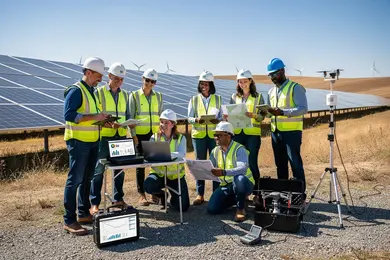
2027 Online Environmental Management Master's Curriculum Breakdown: Core Courses & Specializations

Co-Founder and Chief Data Scientist
The increasing complexity of environmental challenges requires professionals who navigate curriculum decisions with strategic foresight rather than academic convenience. Online Environmental Management master's programs present varied specialization pathways that directly influence employability by aligning with certifications and sector demands. However, deeper specialization may constrain adaptability amid evolving regulatory landscapes or technological advances.
Course sequencing can pose practical hurdles, affecting timely completion and access to emerging interdisciplinary fields. Employers increasingly value candidates who balance theoretical knowledge with applied skills, a nuance reflected in curriculum design choices. This article critically examines how core courses and specialization options shape long-term career positioning and workforce resilience.
Key Things to Know About Online Environmental Management Master's Curriculum
- Core courses balance technical skills and policy knowledge, but programs emphasizing regulation over data analysis risk limiting graduates' adaptability in increasingly tech-driven environmental roles.
- A 2024 workforce study found 68% of employers prioritize specialization relevance, pressuring students to select concentrations aligned with regional industry demands to enhance immediate employability.
- Extended program durations correlated with deeper specialization often increase total cost and delay workforce entry, presenting a tradeoff between expertise depth and time-sensitive career advancement.
What core courses are included in an online environmental management master's program?
The core courses in online environmental management master's programs serve as a critical framework shaping how students acquire the interdisciplinary skills demanded by employers. These foundational classes often require balancing technical rigor with applied analysis, which can create an intensive workload early in the curriculum but ultimately prepares students for specialization or leadership roles across sectors.
Understanding how this essential curriculum integrates scientific, regulatory, and managerial content can clarify the tradeoffs programs make between breadth and practical readiness.
- Environmental Policy and Regulation: This course anchors students' knowledge of the legal environment surrounding environmental management, focusing on statutes like the Clean Air Act and the Clean Water Act. Mastery here is crucial for managing compliance risks and strategic planning, directly impacting roles in government agencies and consulting firms where regulatory expertise is nonnegotiable.
- Environmental Science Foundations: Centering on ecological principles, toxicology, and resource management, this course equips students with the scientific literacy necessary to interpret environmental data accurately. It lays the groundwork for complex problem-solving and risk assessment competencies required in both industry and nonprofit sectors.
- Environmental Statistics and Data Analysis: Growing employer demand for data fluency makes this course a core pillar; it trains students in quantitative methods essential for sustainability reporting and ESG benchmarking. According to recent U.S. Bureau of Labor Statistics research, analytical capabilities related to data interpretation rank among the top sought-after competencies for environmental management professionals.
- Project Management in Environmental Contexts: This course teaches frameworks for scoping, budgeting, and executing environmental initiatives within often restrictive regulatory and financial constraints. Proficiency here directly affects one's ability to lead cross-functional teams and navigate the complexities of project timelines and stakeholder expectations.
- Risk Assessment and Decision Making: Focused on evaluating environmental hazards and prioritizing interventions, this course develops critical thinking and communication skills needed for stakeholder engagement and transparent reporting. Decision-making frameworks advanced in this class underpin many operational roles where managing uncertainty and mitigating impact are routine.
- Sustainable Business Practices: Integrating life cycle assessment and resource efficiency strategies, this course reflects a growing employer emphasis on sustainability as a business imperative. Professionals who understand how to align environmental objectives with corporate strategy find enhanced capacity to influence organizational outcomes and drive innovation.
- Geographic Information Systems (GIS): Increasingly offered as a core component, GIS training builds spatial analysis skills that are vital for environmental monitoring and resource management. Proficiency in GIS tools expands opportunities in fields where geospatial data drives decision-making, including urban planning and conservation.
These core courses in online environmental management master's programs intertwine to develop the analytical, technical, and managerial competencies essential for modern environmental roles. Rather than a mere checklist, their configuration sets a foundation that determines how well students can transition into specialized functions or leadership positions.
For those considering the practical implications of curriculum structure and employer expectations, looking closely at these essential curriculum topics for environmental management graduate degrees illuminates the real tradeoffs and professional value that come with rigorous foundational training. Students weighing program options should also consider how each course's workload and sequencing will fit their personal and career timelines, especially if juggling work alongside study.
Those interested in educational outcomes linked to employability and earning potential might explore research on highest paid degrees, which contextualizes how foundational competencies in environmental management contribute to long-term career success across sectors.
What specializations are available in online environmental management master's programs?
Choosing a specialization in an online environmental management master's program is a strategic decision that shapes both the development of technical skills and long-term employability. Specializations are not merely academic labels; they calibrate how students engage with industry-specific demands, often affecting workload intensity and competitive positioning in the job market.
For working professionals and career changers, aligning specialization choices with sector needs and internship requirements can mitigate transition risks and optimize outcomes.
- Natural Resource Management focuses on sustainable use and conservation of forests, wildlife, and minerals. Graduates typically pursue roles involving regulatory compliance and applied fieldwork in government or nonprofit conservation, making this track demanding in terms of practical, on-site experience.
- Environmental Policy and Planning prioritizes regulation development, land-use planning, and environmental justice. This specialization gears students toward policy advising or advocacy roles, often involving internships in legislative contexts; however, it requires strong analytical and communication competencies aligned with complex legal frameworks.
- Sustainability and Corporate Responsibility addresses green supply chains, sustainability reporting, and CSR integration in business operations. According to a 2024 report by the Environmental Workforce Association, graduates with this focus exhibit a 15% higher employment rate within the first year, indicating heightened market demand but also emphasizing the need for navigating private-sector priorities.
- Environmental Health and Safety combines toxicology, workplace safety, and risk management, often requiring hands-on practicum for certification readiness. Careers typically span manufacturing and construction sectors where compliance is critical, demanding a balance between theoretical knowledge and practical application.
- Water Resource Management emphasizes water quality and supply amid climate change challenges. This specialization responds to intensifying hydrological risks, preparing graduates for technical roles that require both scientific acumen and policy awareness.
Prospective students must weigh these specialization options against the added time commitments and practicum obligations each entails, especially when balancing employment or licensure goals. The right specialization can substantially influence industry alignment, job competitiveness, and professional trajectory within environmental management fields.
Can students choose electives outside their specialization?
Elective selection within online environmental management master's programs often involves formal constraints that shape students' options beyond their specialized tracks. Programs typically require adherence to core course sequences and prerequisite chains that limit the availability of electives unrelated to the student's main focus, sometimes necessitating advisor approval to ensure curricular coherence.
Seat availability can restrict choices further, as cross-specialization electives may be capped or in high demand. A 2024 report from the National Association of Environmental Professionals noted that while about 58% of programs offer some elective leeway, this flexibility is frequently moderated by institutional priorities to maintain educational rigor and clear learning outcomes.
Choosing electives outside one's specialization introduces important tradeoffs impacting skill depth, job market readiness, and program duration. While broadening coursework can foster interdisciplinary capabilities sought in emerging environmental roles intersecting with public health or technology, it may also dilute a student's thematic focus, potentially complicating employer assessment of expertise.
Extended time-to-completion is another practical consideration, as fulfilling non-core electives might require additional credits or delay access to capstone experiences. For example, a student wanting to diversify into environmental economics outside a regulatory specialization could face scheduling conflicts or lengthened graduation timelines, which might affect internship opportunities and immediate employability aligned with sector expectations.
One recent graduate recounted feeling hesitant during the rolling admissions period while weighing elective options that deviated from their policy specialization. They delayed submitting final enrollment documents until confirming with academic advisers whether electives in environmental technology would fit without prolonging their program.
The uncertainty introduced a sense of urgency but also underscored how institutional policies on elective flexibility influenced their strategic decisions. Ultimately, the student balanced the desire for interdisciplinary exposure with timely progress toward degree completion, reflecting the complex navigation many face in these programs.
How are online environmental management master's courses delivered?
Online environmental management master's course formats commonly combine asynchronous and synchronous instructional methods, tailoring delivery to accommodate diverse student needs. Asynchronous elements typically include pre-recorded lectures and interactive modules that allow working professionals to progress at their own pace while managing other commitments.
Synchronous components such as live discussions and group projects are strategically incorporated to foster engagement, peer collaboration, and real-time instructor feedback, which align with the practical skill development demanded by this field. This blended approach is a growing standard, as a 2024 report from the Online Learning Consortium found that nearly 70% of environmental management master's programs use synchronous sessions to enhance learning outcomes alongside flexible content delivery.
The delivery methods directly influence workload management and interaction expectations. For students balancing employment or geographic constraints, asynchronous access provides necessary flexibility but requires strong self-discipline to maintain steady progress.
Synchronous requirements, while beneficial for networking and applied learning, can challenge professionals with rigid work schedules or time zone differences, occasionally affecting participation consistency. Understanding these dynamics is essential when assessing delivery methods for environmental management master's programs, especially as these formats shape not only student engagement but also retention and timely completion.
Tradeoffs inherent in format choice impact skill acquisition and career readiness, as synchronous sessions typically advance collaboration and communication strengths that employers prioritize. However, this comes at the expense of some flexibility compared to fully self-paced models.
Those seeking specialized knowledge in online environmental management must weigh these factors carefully, recognizing that choosing programs with a hybrid delivery often reflects a balance between practical demands and professional development. Prospective students can explore options further by reviewing programs emphasizing this delivery structure alongside affordability considerations such as those detailed in the cheapest masters degree listings.
Which core classes are considered the most challenging?
The core classes in online environmental management master's programs that present the greatest challenges often require a blend of advanced technical skills, interdisciplinary knowledge, and abstract reasoning. Courses focusing on environmental policy and regulatory frameworks demand that students navigate complex, dynamic legal landscapes while integrating scientific understanding-a task requiring both detailed comprehension and adaptability.
Data analysis and modeling classes add a quantitative layer of difficulty, pressing students to master software tools and statistical methods for interpreting environmental datasets. According to a 2024 survey from the National Center for Environmental Education, 68% of students report struggling most with advanced statistics and GIS applications, highlighting the technical intensity embedded in these curricula.
The difficulty of these classes has tangible impacts on how students progress through their programs and prepare for specialized roles. For example, mastering environmental risk assessment requires reconciling scientific findings with economic and stakeholder variables, often challenging working professionals juggling coursework alongside employment.
Performance in these core areas influences eligibility for focused tracks like sustainability management or regulatory compliance, making early proficiency critical. One student reported delaying enrollment in a policy course until securing foundational quantitative skills because the layered complexity risked extending their graduation timeline if attempted prematurely.
One student recalled hesitating before applying due to the rolling admissions schedule and concerns about readiness for demanding core classes. They waited until the last application window to submit, seeking more time to strengthen their quantitative background while balancing job responsibilities.
When admitted, the student felt a mix of relief and urgency, recognizing that enrolling without sufficient preparation could hinder progress in key courses tied to their long-term goal of becoming an environmental consultant. This calculated timing was seen as essential to mitigate risk given the program's course sequencing and workload intensity.
Do online environmental management master's programs require internships or practicums?
Internship or practicum requirements in online environmental management master's programs vary widely and often reflect institutional priorities and specialization tracks rather than standardized mandates. Approximately 47% of these programs mandate some form of hands-on experiential learning, but many others incorporate practical or internships as optional components integrated within project-based coursework or virtual simulations.
The necessity of these practicums typically hinges on how a program balances theoretical instruction with practical application, particularly in programs emphasizing regulatory compliance or sustainability implementation. Those seeking knowledge on online environmental management internships requirement will find that program catalogs often understate the flexibility offered, as some institutions allow remote or part-time placements tailored for working professionals.
The inclusion or absence of practicum opportunities in environmental management master's curricula directly affects job readiness and the ability to build professional networks, given that employers in the environmental sector prioritize candidates with documented experiential learning; a 2024 survey by the Environmental Career Network found 62% of hiring managers value this practical background when assessing online degree holders.
However, scheduling constraints pose significant challenges for career changers balancing existing responsibilities, sometimes extending time-to-completion if placements are required but not easily accessible. Those prioritizing flexible pacing might choose programs without mandatory internships, though this may limit field exposure and real-world engagement crucial for certain specialization-focused learners. For graduate students navigating these tradeoffs, evaluating curricula against career goals remains critical, as reflected in best PsyD programs and their similarly nuanced balance of clinical training and coursework.
Which courses are required for professional certification exams?
Master's programs in environmental management often strategically design their curriculum to closely reflect the competencies tested in key professional certification exams such as the Certified Environmental Professional (CEP) and Board Certified Environmental Engineer (BCEE). Core subjects like environmental law, policy, waste management, and sustainable resource use are deliberately mapped to certification domains, ensuring coverage of regulatory frameworks, technical standards, and ethical considerations central to these credentials.
Specialized courses targeting niche areas-such as water resource management or renewable energy-align with the technical requirements of more focused certifications, reinforcing domain-specific knowledge and meeting standards set by accrediting organizations or industry guidelines.
In practice, the selection or omission of specific courses can significantly impact a candidate's timeline and preparedness for certification exams. For example, substituting or bypassing environmental law modules may delay eligibility for exams emphasizing legal proficiency, requiring additional independent study or coursework.
Likewise, programs lacking applied components or exam review sessions often correlate with lower pass rates, as hands-on experience and targeted preparation are critical for mastery. A 2024 report from the Environmental Workforce Development Institute highlights that programs with integrated, certification-aligned curricula exhibit a 35% higher success rate on professional exams, underscoring how curriculum design directly influences employability and credential attainment in environmental management careers.
Do specialization requirements extend graduation timelines?
Specialization requirements in online Environmental Management master's programs are often designed with layered curriculum structures that can either fit within standard 18 to 24-month completion frameworks or extend beyond them depending on program design and student pacing. These tracks typically add credit hours through advanced technical electives or required projects, but the sequencing of prerequisites and core courses heavily influences timely degree progress.
Programs that integrate internships or capstone projects tied to specializations commonly enforce fixed scheduling windows and cohort-based enrollment, which can limit flexibility and lengthen time to graduation. Data from a 2024 National Center for Education Statistics report indicates that about 32% of students in specialized master's tracks exceed the traditional timeline, largely due to these extended requirements.
In practice, delayed course availability and strict prerequisite chains may create bottlenecks for students attempting a specialization, especially part-time learners balancing work and study. For instance, a student pursuing a concentration in sustainable resource management might face postponements if key fieldwork or research internships are only offered during specific semesters, pushing graduation by a semester or more.
Limited elective substitution options can further constrain workload management, forcing students into heavier course loads or slower progression. This scenario underscores the tradeoff between gaining deeper expertise and entering the workforce promptly, a critical consideration for professionals whose career trajectories depend on timely credential completion alongside accumulating specialized knowledge.
How do environmental management specializations affect career opportunities?
Specializations within online environmental management master's programs act as clear signals to recruiters and hiring managers about a candidate's expertise and capacity to meet specific sector demands. Employers interpret targeted coursework, applied projects, and demonstrated technical competencies as evidence of readiness to tackle niche challenges without requiring extensive onboarding.
For example, a focus on environmental policy and compliance typically attracts regulatory agencies, while concentrations in sustainable resource management or environmental data analytics align better with private-sector roles emphasizing operational and technological innovation.
Data from the U.S. Bureau of Labor Statistics and 2024 workforce studies show that graduates with environmental management specialization impact on career growth, enjoying a 15% higher likelihood of securing mid- to senior-level positions within five years compared to generalist peers.
In practical terms, choosing a specialization narrows career options but often enables faster entry into specialized roles, whereas broader curricula provide flexibility across varied industries but may delay advancement. For instance, a graduate specializing in environmental health and safety may find immediate placement in industrial compliance roles but face obstacles shifting later to climate resilience consulting without additional credentials.
Conversely, a generalist could move laterally among field roles more easily but might lack the technical depth recruiters prioritize in advanced positions. This tradeoff underscores the importance for working professionals and career changers to carefully weigh their specialization strategy against long-term goals and evolving market demands.
Alongside this, evaluating how core environmental management courses complement a chosen concentration remains critical for aligning academic preparation with employer expectations, particularly for those comparing options like the easiest online MBA program pathways or related graduate credentials.
How should students compare online environmental management master's curriculum?
Curriculum comparison for online environmental management master's programs involves weighing tradeoffs related to academic depth, practical skills, and career alignment rather than mere preference. Variations in course sequencing, specialization scope, and experiential learning directly influence job readiness, total workload, and completion timelines.
Recognizing these distinctions enables students to align their educational investment with specific professional goals and scheduling constraints.
- Core Course Composition and Depth: Analyze how fundamental subjects-such as environmental policy, sustainability, and risk assessment-are structured and emphasized. Programs with clearly defined core competencies tend to produce graduates with stronger employment outcomes, particularly in specialized environmental roles.
- Specialization Scope and Industry Relevance: Investigate the availability and integration of concentration tracks like renewable energy, environmental law, or GIS technology. Depth and practical applicability in these areas significantly affect skills acquisition and marketability in targeted sectors.
- Elective Flexibility and Curriculum Breadth: Consider whether electives allow exploration beyond narrow specializations, which can enhance adaptability across diverse environmental fields. Some programs balance prescribed and optional courses differently, impacting overall learning flexibility.
- Delivery Format and Scheduling Structure: Assess asynchronous versus synchronous course formats and pacing options. Flexibility is crucial for working professionals and career changers who need to manage education alongside existing responsibilities without prolonging time-to-degree.
- Experiential Components and Applied Learning: Evaluate the degree to which case studies, project-based work, internships, or practicums are incorporated. These elements bridge theoretical knowledge to workforce readiness, aligning with employer preferences for candidates demonstrating applied skills.
- Progression Sequencing and Certification Alignment: Review how coursework builds cumulatively and whether the program facilitates preparation for relevant environmental certifications. Sequencing affects cognitive load and skill integration, while certification alignment can enhance professional credentials.
Data from the National Center for Education Statistics highlights a 20% higher environmental sector employment rate within six months of graduation among students completing programs with strong core competencies. Practical emphasis combined with program flexibility often distinguishes programs in outcomes and accessibility.
Students aiming for expertise in geographic information systems should examine specific program tracks, particularly since GIS-related environmental roles are expanding rapidly. Resources like the top GIS masters programs offer detailed insights into curricula tailored for this specialization.
Ultimately, effective evaluation of online environmental management master's curricula rests on matching program design with individual professional trajectories and realistic scheduling needs, a focus supported by the best criteria for comparing online environmental management master's programs and factors affecting online environmental management degree selection.
What Graduates Say About Online Environmental Management Master's Curriculum
- Ramon: "Completing the core courses in environmental management helped me understand the technical side, but I quickly realized that employers in the field often prioritize hands-on internships and project portfolios over just coursework or certifications. Navigating the job market, I focused heavily on building a diverse set of practical experiences alongside my degree, which opened doors in consulting roles that value on-the-ground problem solving more than licensure."
- Marcos: "The specialization courses provided useful knowledge, but the reality of the job market became clear once I graduated: many positions offer flexibility and remote work options, yet salary growth can be limited without formal licensure. I made a conscious decision to leverage my degree for faster workforce entry and career pivots into sustainability program management, accepting that advancement might require additional credentials or specialized certifications down the line."
- Silas: "After finishing the environmental management program, I encountered a mix of competition and opportunity that made me rethink my career path. While some peers pursued licensing, I found employers were increasingly valuing interdisciplinary experience and soft skills. This pushed me to expand into stakeholder engagement and policy advocacy roles where my education complemented practical communication skills, reflecting a more nuanced hiring reality than just academic achievement."
Other Things You Should Know About Environmental Management Degrees
In 2027, core courses and specialization requirements dictate students' workloads by offering foundational knowledge and deep dives into niches, respectively. Effective time management becomes crucial as students must balance these comprehensive core studies with specialized projects and research integral to their focus area.
Many environmental management programs embed interdisciplinary themes like policy, business, or data analytics into core courses. While this breadth preps students for diverse roles, it may dilute technical depth in areas like ecology or remediation. Students aiming for highly technical careers should evaluate if the curriculum's interdisciplinary approach supports or detracts from their goals. Opting for programs that offer focused technical electives alongside broad perspectives can better serve those seeking specialized expertise with practical cross-functional insight.
Online delivery can limit direct interaction and field experience, which are often critical in environmental management education. Programs vary widely in their incorporation of virtual labs, group projects, or local fieldwork options, impacting skill development and networking opportunities. Students should assess how a program compensates for the lack of in-person engagement, as this affects both learning outcomes and the ability to demonstrate practical competencies to employers. Seeking curricula that integrate experiential learning components online or support local practicums is advisable to mitigate these limitations.
This decision hinges on career goals and geographic mobility. Specializations aligned with regional concerns can enhance immediate employability by offering targeted knowledge relevant to local regulatory frameworks and ecosystems. Conversely, focusing on global environmental challenges may offer broader opportunities but can be less applicable in local job markets. For those committed to a specific region, prioritizing curriculum relevance to local environmental policy, resource management, or industry needs generally yields more tangible career benefits.
References
- The Best Online Master's in Environmental Management Programs - OnlineMasters.com https://www.onlinemasters.com/best-degree-programs/environmental-management/
- Eskom | View - Graduate in Training https://eskomcareers.ci.hr/applicant/index.php
- Online MPA Programs with a Specialization in Environmental Policy & Management https://www.onlinempaprograms.com/specializations/environmental-policy-management
- Best of 2025: Environmental Science Online Master’s Programs https://www.onlinemastersdegrees.org/best-programs/environmental-science/
- Master of Science in Environmental Management https://yesbud.online/master-of-science-in-environmental-management/
- Master of Science in Environmental Sciences and Policy https://www.ceu.edu/academics/degrees/ms-environmental-sciences-policy
- Top Environmental & Corporate Sustainability Virtual Internship https://www.gvi.co.uk/virtual-internship/environmental-and-corporate-sustainability/
- New Certifications https://www.nrep.org/certifications
- Environmental Management https://western.edu/graduate/master-in-environmental-management/