2027 Top Universities Offering Online Environmental Management Master's Degrees

Co-Founder and Chief Data Scientist
Online environmental management master's programs vary significantly in how they structure curriculum, integrate practical experience, and align with evolving workforce demands. Employers increasingly prioritize candidates with specialized skills and relevant certifications, prompting programs to embed targeted concentrations and certification preparation into their offerings. Differences in faculty expertise, accreditation status, and scheduling flexibility shape graduates' readiness for complex roles across public, private, and regulatory sectors.
Programs emphasizing applied practicum opportunities and direct industry engagement tend to produce better employment outcomes. This article compares top universities' online environmental management master's degrees based on these critical academic and career-oriented factors influencing long-term professional success.
Key Benefits of Top Universities Offering Online Environmental Management Master's Degrees
- Online environmental management programs often emphasize applied policy analysis over lab-based research, which can limit direct scientific skill development but better prepares graduates for regulatory and corporate compliance roles.
- According to a 2024 EPA workforce report, 67% of hiring managers prioritize practical project experience; this trend pressures students to seek programs with integrated internships or case studies to enhance employability.
- While online formats increase access for mid-career professionals, the average program duration extends by 20% versus on-campus due to asynchronous pacing, requiring candidates to balance extended study commitments with career demands.
Which Universities Offer the Best Online Environmental Management Master's Degrees?
Universities that offer top-quality online environmental management master's degrees typically distinguish themselves through program design that emphasizes interdisciplinary depth and practical specialization. These programs integrate environmental science, policy, and economics, combined with management principles tailored to real-world challenges. Faculty with industry experience, especially those actively engaged in environmental consulting or regulatory roles, contribute to curricula that emphasize applied learning through case studies, simulations, or project-based assignments. Such integration of experiential components alongside rigorous academic content aligns closely with the expectations of employers and professional certification bodies, driving program credibility beyond mere academic standing.
The structural and academic characteristics of these institutions correlate strongly with student outcomes, including employability and skill development. Schools that prioritize transparency by publishing graduate employment rates and career progression offer clearer insight into return on investment.
According to the 2024 Environmental Career Outlook report, graduates from such accredited, specialized offerings achieve an average employment rate above 90% within six months, reflecting the effective alignment of academic preparation with job market demands. For working professionals, programs that balance flexibility with consistent engagement ensure learners can develop robust competencies without sacrificing current career responsibilities, an important consideration among those evaluating top accredited online environmental management master's programs.
Tradeoffs are inherent when comparing these institution types: programs that maximize flexibility through asynchronous learning may reduce direct faculty interaction or experiential intensity, potentially limiting networking opportunities critical in environmental sectors. Conversely, programs with deeper specialization and cohort-based pacing often require a greater time commitment but better simulate workplace collaboration and complexity. These distinctions shape accessibility and depth considerations, influencing which program structures best fit individual learner priorities-whether immediate workforce integration or long-term professional specialization.
Prospective students should evaluate these operational nuances carefully rather than relying solely on institutional reputation, especially when seeking the easiest masters programs to get into that also meet professional aspirations.
Why Does Accreditation Matter for Online Environmental Management Master's Programs?
Accreditation serves as a critical mechanism ensuring academic legitimacy and structural quality in online environmental management master's programs. It functions as a standardized filter, requiring programs to maintain rigorous curriculum standards, maintain institutional accountability, and regularly undergo external review to safeguard educational consistency.
Accreditation validates that course content aligns with current industry requirements and scientific advancements, which is essential for programs emphasizing technical competence and regulatory understanding. Without such external oversight, program quality risks variability that can undermine both the depth and relevance of learning outcomes among online offerings.
The practical consequences of accreditation extend well beyond academics. Employers frequently rely on accreditation as a proxy for candidate preparedness, especially in specialized fields like environmental management where evidence-based practice is paramount; a 2024 Environmental Workforce Research Consortium survey found that 68% of hiring managers prefer graduates from accredited online programs, highlighting its impact on employability.
Moreover, accreditation affects credit transferability and eligibility for environmental certifications or licenses, which often require degrees from accredited institutions. For instance, a professional aiming to switch universities or pursue targeted certifications might face obstacles if their master's lacks recognized accreditation, limiting career mobility. Students who enroll in non-accredited or lesser-known programs may encounter challenges accessing federal financial aid or advancing into leadership roles reliant on credential verification, underscoring accreditation's role as a practical gatekeeper rather than a mere formal stamp.
Which Universities Offer the Most Flexible Online Environmental Management Master's Programs?
Flexibility in online environmental management master's programs is primarily shaped by how institutions organize course delivery and enrollment options rather than by their brand prestige. Critical structural elements include asynchronous learning that allows students to complete work on their own schedules, part-time study pathways to accommodate ongoing employment, and the choice between cohort-based or fully self-paced formats.
Programs that permit rolling admissions or multiple start dates annually provide added scheduling freedom, while those offering modular courses let students concentrate on one subject at a time, reducing cognitive overload. The availability of elective courses with flexible scheduling also influences a student's ability to tailor their studies to immediate professional needs or personal commitments. A 2024 survey by the Online Learning Consortium found that over 65% of potential environmental management graduate students prioritize schedule control and adaptable pacing when selecting a program.
These structural choices have palpable consequences for workload management and time-to-degree completion, especially for those balancing full-time jobs and other responsibilities. While self-paced formats and generous credit transfer policies can shorten study time, they may also limit peer interaction and reduce consistent academic engagement, affecting motivation and depth of learning. Access to practicums or fieldwork that can be completed locally or online provides practical experience but may be uneven across programs with differing flexibility standards.
For example, a student juggling a demanding job may choose a program with rolling start dates and asynchronous courses to maintain steady progress, but might miss out on cohort networking opportunities that foster collaboration and professional connections. Employers in this sector typically seek graduates with both applied skills and evidence of rigorous training, so candidates must weigh the tradeoffs between convenience and the developmental benefits of structured learning.
A recent graduate recalled initially hesitating between two online master's programs: one offering a strict semester schedule with in-person practicum requirements, the other featuring rolling admissions with entirely online fieldwork options. Her priority was finishing without career interruption, so the flexible program appealed more immediately, but she later noted the lack of live class discussions sometimes left her feeling isolated. She appreciated that asynchronous modules allowed her to study late at night after her work shifts, yet she had to proactively seek out networking through online forums and voluntary webinars to compensate for the looser structure. This balance between autonomy and engagement shaped her overall satisfaction and professional preparedness in a way she hadn't fully anticipated when choosing the program initially.
Which Universities Are Best for Working Professionals Earning a Environmental Management Master's Online?
Online environmental management master's programs tailored for working professionals typically emphasize flexible scheduling models such as asynchronous coursework, part-time enrollment, and instructor accessibility. These elements allow students to progress without sacrificing employment commitments, with curricula often developed in collaboration with industry experts to ensure relevance to current regulatory and sustainability challenges.
Faculty availability for mentorship and support beyond standard class hours further enhances learning for those balancing complex timetables. Such program features reflect a growing recognition that accommodating adult learners' unique constraints improves knowledge retention and application in professional contexts.
Balancing coursework with job responsibilities requires programs to facilitate consistent pacing and real-world project integration, which can enhance employability and career progression. Flexibility in assignment deadlines and modular course designs helps prevent burnout and supports sustained academic engagement.
According to recent labor market analyses from 2024, employers increasingly value practical experience and demonstrated competencies over institutional prestige, making these flexible environmental management master's degrees for career advancement crucial in evaluating program suitability. However, the tradeoff often includes longer completion timelines and potentially limited peer interaction compared to traditional formats.
Working students weighing online options should consider how internship and practicum opportunities align with their schedules, given that some programs may offer fewer in-person experiential learning components. The decision to prioritize flexibility over accelerated cohort experiences reflects diverse professional goals and demands, influencing both immediate workload management and long-term career outcomes.
Prospective students can gain additional insights into managing educational commitments alongside work by consulting resources focused on affordability and practicality, such as those examining affordable online MFT programs California.
How Much Do Top Online Environmental Management Master's Programs Cost?
Top-tier online environmental management master's programs in 2024 generally charge between $20,000 and $50,000 in tuition, with fluctuations widely influenced by institutional type, residency considerations, and program design. Public universities often present more affordable options for in-state students, although many online programs have minimized residency distinctions, enabling non-residents to pay comparable rates.
Private institutions typically demand higher tuition but may compensate with specialized faculty access and resources, reflecting a premium on experiential learning components or focused specializations. Additional mandatory fees for technology, administration, and course materials usually add $1,000 to $5,000, bringing total program costs closer to the upper end of those ranges for some students.
Financial tradeoffs extend beyond sticker price, necessitating scrutiny of per-credit costs against total credit requirements and program length, which commonly range from 30 to 45 credits. Accelerated curricula might carry higher per-credit expenses but reduce time-to-degree and related opportunity costs, appealing to working professionals balancing immediate income. Conversely, more affordable part-time options may extend completion time but lower short-term financial burden and debt load.
For example, a mid-career professional might opt for a costlier program offering flexible schedules and targeted industry projects, justifying the investment through better alignment with employer tuition assistance and faster re-entry to leadership roles, while others prioritize minimizing debt despite less curricular focus on real-world application.
One graduate recalled the uncertainty during the rolling admissions process as both a challenge and a strategic moment. After submitting their application relatively late in the cycle, they hesitated to commit fully without clarity on financial aid timing and enrollment details. The wait was nerve-racking, especially since program start dates arrived quietly amid sparse communication. Eventually, securing a spot after months of anticipation underscored the importance of early preparation and managing flexibility when navigating competitive online environmental management offerings.
Which Online Environmental Management Master's Programs Are Hardest to Get Into?
Online environmental management master's programs that are hardest to get into typically reflect more than just brand recognition; their selectivity often stems from limited cohort sizes, demanding faculty-to-student ratios, and rigorous integration with faculty research or industry partnerships. These programs emphasize alignment with workforce needs, requiring applicants to meet strict academic prerequisites and demonstrate relevant professional experience.
According to National Center for Education Statistics data, top-tier online programs in this field often admit fewer than 15% of applicants, underscoring resource constraints and competency expectations that exceed general enrollment standards. Programs prioritizing interdisciplinary approaches spanning sustainability science, public policy, and technology management tend to attract higher volumes of qualified candidates relative to available seats, reinforcing their competitive admissions.
The realities of such selectivity mean prospective students must strategically prepare well in advance, often accumulating professional credentials and aligning their application materials-such as personal statements and recommendation letters-with program priorities. Admissions cycles may require early planning to ensure prerequisites are completed on time, particularly for applicants balancing full-time employment or career changes. These competitive online environmental management programs often favor candidates who can demonstrate leadership in sustainability initiatives and practical field experience, creating a distinct advantage over those with purely academic backgrounds. This contrasts with less selective programs where prerequisites and professional profiles might be less rigidly scrutinized, impacting both accessibility and post-graduate professional trajectories.
Tradeoffs between accessibility and program rigor are pronounced in these admissions models: highly selective programs typically offer intensive mentorship and cohort-based learning environments, which can enhance peer quality and networking but reduce scheduling flexibility for working professionals. Applicants choosing between highly competitive and more open programs must weigh the potential benefits of smaller, engagement-focused cohorts against the demands of rigorous admission standards.
Candidates aiming for leadership roles in environmental consulting, regulatory agencies, or natural resource management should recognize how admissions competitiveness reflects real-world workforce alignment rather than exclusivity for its own sake. For those exploring foundational business skills alongside environmental management, pathways including a bachelor of business administration online may complement their academic profile effectively.
Which Universities Are More Transfer-Friendly for Graduate Students?
Universities that tend to be more transfer-friendly for graduate students in online environmental management master's programs typically have institutional policies emphasizing flexibility and prior learning recognition. Public universities with established regional accreditation and sizable online graduate offerings often maintain clear articulation agreements and robust credit evaluation systems, making them more receptive to transfer credits.
Additionally, institutions focused on adult learners and working professionals frequently adopt competency-based education models and flexible curricular frameworks that align prior coursework with current degree requirements. These programs usually require transferred courses to be recent and directly relevant, reflecting a structured balance between curriculum rigor and credit acceptance.
This transfer receptiveness can significantly reduce time-to-degree and overall tuition costs, benefiting students who have completed relevant graduate coursework elsewhere or need to shift programs mid-course. However, this advantage may come with tradeoffs, such as tighter accreditation compliance standards that limit elective choice or specialized content exposure.
For example, a graduate student leveraging transferred credits to accelerate completion might face challenges if those credits don't cover essential, institution-specific competencies, necessitating additional coursework. According to a 2024 report by the National Center for Education Statistics, about 65% of public universities accept at least a dozen graduate transfer credits, underscoring their relative openness compared to private or for-profit institutions. Prospective students must thus critically assess how transfer policies align with their professional objectives and degree specialization needs rather than assuming straightforward interchangeability of credits.
Which Online Environmental Management Master's Programs Help Students Secure Internships?
Programs that effectively facilitate internships in online environmental management master's degrees typically integrate formal partnerships with employers such as environmental consulting firms, government agencies, and nonprofits. These collaborations create streamlined pathways for student placements, supported by dedicated internship coordinators who maintain industry relationships and actively connect students to vetted opportunities.
Cohort-based program models and embedded practicum or internship credits within the curriculum further strengthen this linkage by aligning academic milestones with applied experience requirements. Alumni networks and regional industry clusters also play a significant role, offering work-ready graduates privileged access to opening pipelines that less connected programs lack.
Such structured support systems translate to tangible benefits for students, including access to higher-quality placements aligned with employer expectations, greater scheduling flexibility through remote or hybrid internship options, and enhanced professional networking prospects that reinforce career trajectories.
Not all programs, however, provide this level of support; some expect students to independently source internships, often resulting in inconsistent experiences and lower employer recognition. The ability to secure an internship through a program's established channels better prepares students for real-world environmental roles where compliance, sustainability planning, and resource management require demonstrated hands-on competencies.
Tradeoffs remain between programs emphasizing flexibility and those enforcing stricter internship requirements. Remote learners may face geographic restrictions if partnerships focus regionally, complicating placement access without local presence. A 2024 analysis from the National Association of Environmental Professionals found that roughly 68% of graduate programs with formal internship supports reported improved employment rates within six months post-completion-highlighting that structured experiential learning remains a critical factor influencing graduate employability outcomes in environmental management.
Which Online Environmental Management Master's Programs Have the Best Job Placement Rates?
Online environmental management master's programs with the highest job placement tend to share structural elements that enhance graduate employability. Programs that integrate applied coursework with experiential learning components-such as internships, capstone projects, or industry partnerships-align more closely with employer expectations. This alignment creates defined hiring pipelines by developing practical technical competencies, including GIS and environmental data analytics, which are especially valued in government agencies and consulting firms. Programs that establish regional connections to non-profit and regulatory sectors also improve access to relevant job networks, which supports higher placement rates consistently reported in recent 2024 workforce analyses.
Graduates from these programs experience varying outcomes influenced by specialization, geographic location, and student background. Those focusing on high-demand areas like sustainable resource management or environmental impact assessment generally see stronger employment prospects than those with more generalized training.
Working professionals often benefit from employer-sponsored programs or part-time options, which help balance ongoing job responsibilities with skill development that directly translates into promotion or transition opportunities. In contrast, traditional students entering the job market for the first time may find initial placement data less stable due to market fluctuations and competition.
Reported job placement rates should be interpreted carefully, as definitions of "placement" and timing of measurement differ across programs. Some institutions rely on self-reported surveys that can overestimate outcomes, while others include only employment directly related to environmental management fields. Hiring trends are also regionally dependent, influenced by local industry strength and environmental policy priorities.
Prospective students assessing the best job placement rates for environmental management graduates must weigh these nuances alongside their career objectives and consider practical paths such as those found at certain online schools that accept low GPA, which may offer flexible entry points and career alignment despite nontraditional academic backgrounds.
What Factors Matter Most When Comparing Graduate Schools?
Choosing an online environmental management graduate program involves critical tradeoffs in curriculum design, specialization, cost, and flexibility. Reputation alone rarely predicts skill development or employability; instead, program structure and alignment with industry demands shape graduates' long-term professional positioning. Students must scrutinize these factors relative to personal constraints and career objectives to optimize their investment.
- Curriculum Structure and Rigor: Programs integrating current industry tools-such as data analytics and adaptive environmental policy-better prepare students for employer expectations. Outdated coursework risks skill gaps, delaying time-to-employment or limiting advancement in growing environmental sectors.
- Accreditation and Academic Credibility: Regional and specialized accreditation signals academic quality and professional recognition. Many employers, especially in government and consulting, prioritize degrees from accredited programs, making it a non-negotiable factor for serious candidates pursuing roles beyond entry-level.
- Specialization Depth: Offering focused tracks (e.g., policy, management, law) enhances career alignment but narrows applicability. Selecting programs matching your intended niche improves expertise yet reduces flexibility to pivot within environmental professions.
- Experiential Learning Integration: Applied components like internships or practicums provide essential real-world exposure and employer networking. Programs lacking these may yield weaker job readiness, requiring candidates to pursue external experience post-graduation.
- Delivery Format and Flexibility: For working professionals, asynchronous options and part-time pacing materially affect feasibility. Rigid schedules risk attrition or prolonged completion, while flexible formats better support complex lives without diluting academic standards.
- Cost and Financial Tradeoffs: Tuition reflects institutional offerings and resources but must be balanced against program length and career ROI. Candidates should evaluate total investment relative to outcomes rather than select based on price alone.
- Faculty Industry Experience: Instructors grounded in current environmental practice enhance relevance and provide valuable professional insights. Programs relying mostly on academic faculty without field connections may underdeliver on applied learning goals.
- Employer Alignment and Job Placement Outcomes: Transparent data on graduate employment in environmental management sectors indicates program effectiveness. Strong employer ties translate to better openings and support for degree completers navigating competitive markets.
- Transfer Credit and Prior Learning Policies: Flexible acceptance of related graduate credits or professional certifications accelerates completion and reduces redundancy. Conversely, restrictive policies increase time and cost burdens on experienced professionals.
Many candidates also compare online environmental management program accreditation and quality when assessing options, ensuring credentials meet both academic and practical standards. Flexible graduate environmental management degree options for working professionals matter significantly, providing access without sacrificing rigor or career relevance.
For those deciding between fields or looking to complement environmental credentials with multidiscipline skills, exploring programs alongside options like the quickest online project management degree pathways can offer strategic value in project coordination roles common in the sector.
What Graduates Say About Top Universities Offering Online Environmental Management Master's Degrees
- Ramon: "After completing my master's in environmental management, I realized that employers often value a strong portfolio and relevant internships more than licensure in this field. I focused on building practical experience through various projects, which helped me secure a role faster than expected, though I noticed that salary growth can plateau without additional certifications or credentials."
- Marcos: "The flexibility of the online program allowed me to pivot careers without taking a break from work, which was crucial. However, once I graduated, I encountered stiff competition for certain positions, especially where remote work was offered. It became clear that combining the degree with specialized certifications strengthened my applications."
- Silas: "In my experience, completing a master's in environmental management opened doors for entry-level positions that prioritized hands-on experience and problem-solving skills over formal licensure. While the degree accelerated my entry into the workforce, advancing into senior roles required ongoing learning and sometimes navigating organizational politics rather than just academic credentials."
Other Things You Should Know About Environmental Management Degrees
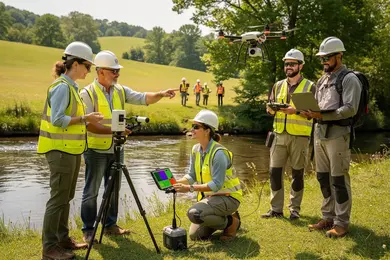
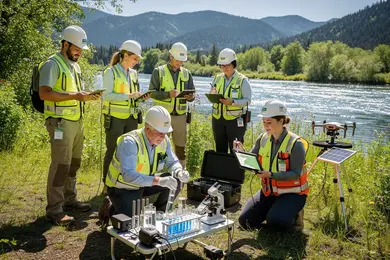
The balance between theoretical coursework and hands-on learning varies widely in online environmental management master's programs. Some programs incorporate real-world case studies, virtual labs, or project-based simulations, while others rely heavily on lectures and readings. Since environmental management often requires applied skills for tackling regulatory challenges or sustainability projects, programs with practical components typically better prepare graduates for immediate job effectiveness. When choosing, prioritize schools that integrate applied experiences relevant to your career focus, as this can reduce the learning curve when entering or advancing in the workforce.
The academic demands of online environmental management master's degrees vary and can significantly affect work-life balance, especially for professionals juggling jobs or family commitments. Programs with more intensive research components or comprehensive capstone projects may require upwards of 15-20 hours per week, while others lean toward a lighter course load with multiple-choice assessments and shorter assignments. Prospective students must honestly assess their capacity to sustain steady study habits and should choose programs whose workload aligns with their professional and personal constraints to avoid burnout or extended graduation timelines.
Specialized tracks, such as environmental policy, sustainable business, or natural resource management, can offer a competitive advantage in targeted sectors but might limit job flexibility if market demands shift. Conversely, generalist environmental management degrees provide broader exposure but may require additional certifications or on-the-job learning to develop deeper expertise. For those certain about a particular niche, a specialized program often justifies itself through accelerated career advancement. However, if long-term adaptability is key, opting for a program with a generalist curriculum allows easier pivoting across roles or industries.
References
- Master of Science in Environmental Management https://yesbud.online/master-of-science-in-environmental-management/
- Masters Degree in Environmental Practice | ECO Canada https://eco.ca/environmental-professionals/lifelong-learning-for-professionals/higher-education/masters-in-environmental-practice-rru/
- 2025 Most Affordable Online Environmental Science Master's Degrees https://www.onlineu.com/most-affordable-colleges/environmental-science-masters-degrees
- MSc Environmental Management: Where It Excels—And When to Choose a Management Route - S U M A S https://sumas.ch/msc-environmental-management-where-it-excels-and-when-to-choose-a-management-route/
- Online Master's Degree: Environmental Management https://www.umgc.edu/online-degrees/masters/environmental-management
- Best of 2025: Environmental Science Online Master’s Programs https://www.onlinemastersdegrees.org/best-programs/environmental-science/
- The Best Online Master's in Environmental Management Programs - OnlineMasters.com https://www.onlinemasters.com/best-degree-programs/environmental-management/
- Top 20 Low-Cost Online Master's in Environmental Management for 2020 https://www.greatvaluecolleges.net/rankings/online-masters-environmental-management/
- Online MPA Programs with a Specialization in Environmental Policy & Management https://www.onlinempaprograms.com/specializations/environmental-policy-management