2027 Health Psychology Master's Degree vs Graduate Certificate: Which Is Better?

Co-Founder and Chief Data Scientist
Choosing between a health psychology master's degree and a graduate certificate can be challenging for those aiming to advance their careers or enter the field more quickly. The master's typically requires two years and higher tuition, often exceeding $30,000, while the graduate certificate can take less than a year with substantially lower costs.
Admission standards vary, as do employer recognition and salary impacts, with master's holders earning an average of 20% more annually nationwide. This article compares both credentials based on cost, time, admission, recognition, salary, and career utility, helping prospective students make an evidence-based decision tailored to their professional goals.
Key Things to Know About Which Is Better: A Health Psychology Master's Degree or a Health Psychology Graduate Certificate
- A health psychology master's degree typically requires two years and higher tuition, often doubling the cost of a graduate certificate, affecting affordability and time investment.
- Graduate certificates usually have fewer admission barriers, no GRE and lower prerequisites, making them more accessible for working professionals seeking rapid entry.
- Employers tend to recognize master's holders more, correlating with 15% higher median salaries and broader career advancement opportunities than certificate graduates.
What Is the Difference Between a Health Psychology Master's Degree and a Health Psychology Graduate Certificate?
A health psychology master's degree represents a comprehensive graduate program generally requiring 30 to 60 credit hours, depending on the institution. Its curriculum spans behavioral medicine, research methods, clinical health interventions, and psychological theories regarding health and illness.
The degree's academic objectives emphasize both theoretical knowledge and practical skills development, including research competencies and, often, clinical experience. Graduates are equipped for diverse roles, ranging from academic research and clinical work to policy advising, making the master's a robust credential with broad professional applicability.
In contrast, a health psychology graduate certificate is a shorter, more focused credential, typically completed in under a year and requiring fewer than 20 credit hours. It concentrates on specific subsets of the field and aims to provide targeted knowledge and skills for continuing education, quick credentialing, or foundational preparation before a full master's.
A common misconception is that the certificate is merely a shortened master's degree. However, certificates hold different academic standing and usually address distinct audiences, such as working professionals enhancing expertise without pursuing a lengthy program. Some certificates are stackable toward a master's, adding complexity to direct comparisons.
This nuanced comparison informs decision-making for recent graduates and working professionals alike, particularly those comparing career outcomes of health psychology master's and graduate certificates. For related pathways, prospective students might also consider RN to BSN online no clinicals options as part of broader healthcare education planning.
What Are the Typical Admission Requirements for a Health Psychology Master's Program Compared to a Health Psychology Graduate Certificate?
Admission criteria for a health psychology master's program tend to be fairly rigorous, demanding applicants demonstrate strong academic potential through a minimum undergraduate GPA, typically around 3.0 on a 4.0 scale.
These programs usually require prerequisite coursework in psychology or related fields to ensure students have a solid foundation for advanced study. Some programs may still request standardized test scores like the GRE, though this is becoming less common.
Applicants to master's programs must often submit multiple letters of recommendation from academic or professional sources that can attest to their readiness and aptitude. Personal statements are also a vital component, offering insight into an applicant's motivations, career ambitions, and suitability for the program.
This combination of requirements reflects the competitive nature of most health psychology master's program admission criteria. In contrast, graduate certificate admission requirements for health psychology are generally more flexible and accessible.
These certificate programs tend not to enforce strict GPA cutoffs or require extensive prerequisite coursework, making them attractive for professionals seeking targeted knowledge or those without a psychology undergraduate degree. Standardized tests and multiple recommendation letters are rarely required, lowering the barrier for entry significantly.
This distinction is important for students who might not yet meet master's admission standards. Graduate certificates often serve as an academic on-ramp, allowing students to build relevant coursework, demonstrate capability, and enhance their academic profile before pursuing a full master's degree.
Such pathways benefit career changers and working professionals aiming to explore health psychology without committing to a longer program.
Prospective students seeking flexible admission routes may also consider related programs such as nursing schools that don't require TEAS test near me, which similarly offer alternative pathways without stringent exam demands.
Overall, understanding these differences in health psychology graduate certificate admission requirements and health psychology master's program admission criteria can help individuals choose a path best suited to their academic background and career goals.
What Is the Minimum GPA Requirement for a Health Psychology Master's Program?
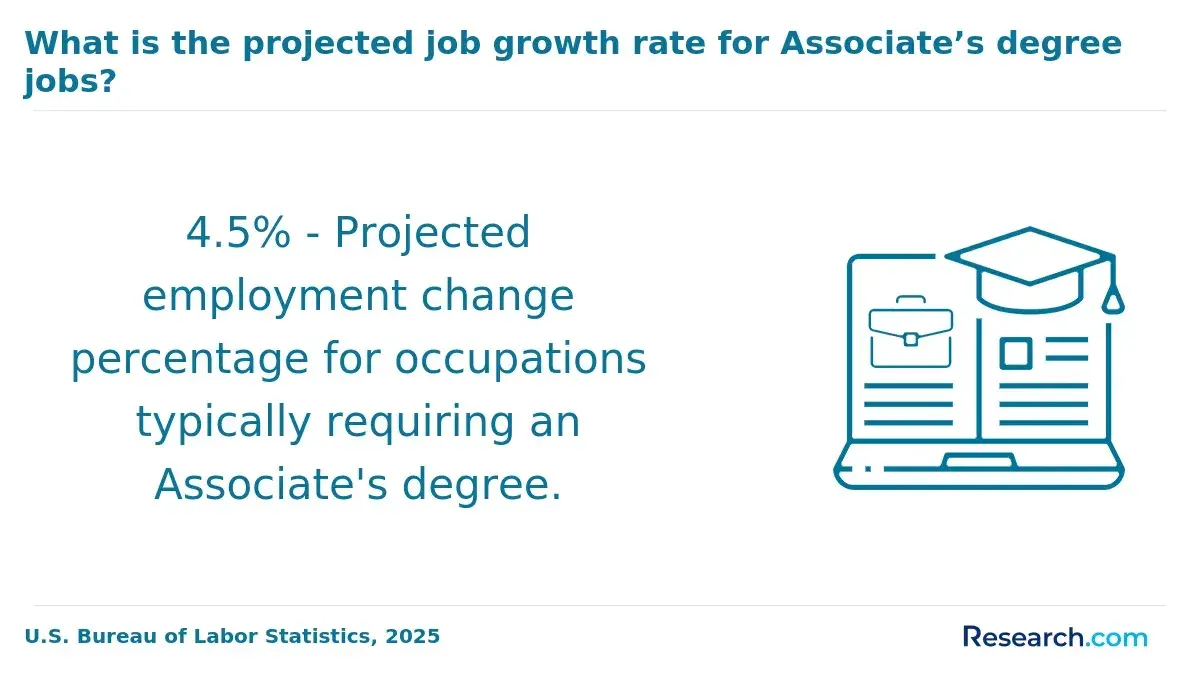
Across regionally accredited institutions, the minimum undergraduate GPA expected for admission into health psychology master's programs generally falls between 2.75 and 3.5 on a 4.0 scale. Most programs target a baseline around 3.0, while highly selective schools push closer to 3.5, reflecting the competitive nature of their applicant pools.
Programs with a professional focus or open enrollment policies tend to accept GPAs at the lower end, sometimes as low as 2.75, to promote broader accessibility.
- Minimum Thresholds: Published GPA requirements often represent the lowest acceptable marks, not the average scores of admitted students, especially in rigorous programs that use these thresholds primarily to filter applications.
- Program Selectivity: Competitive health psychology master's courses emphasize academic rigor, typically seeing incoming students with GPAs well above the stated minimum. Conversely, some programs weigh practical experience heavily, allowing candidates with modest GPAs but relevant backgrounds to enroll.
- Conditional Entry: Certain schools provide provisional admission for applicants slightly below the GPA cutoff. These offers usually require successful completion of early coursework or remedial classes before full acceptance.
- Admission Realities: Applicants should regard minimum GPA figures as floors rather than targets. Meeting the minimum does not guarantee acceptance. Higher GPAs significantly enhance admission prospects in this field.
A professional who completed a health psychology master's reflected on the process, noting that "While my GPA was around the minimum threshold, I found that demonstrating strong commitment through related work experience and a clear career plan really made a difference."
He described feeling apprehensive seeing the GPA benchmarks but emphasized how persistence and strategic preparation helped him gain acceptance and succeed. His journey highlighted that academic metrics are part of a broader evaluation, and personal dedication plays a crucial role in navigating graduate admissions.
How Long Does It Take to Complete a Health Psychology Master's Degree Versus a Health Psychology Graduate Certificate?
A graduate certificate in health psychology can often be completed in a shorter time frame than a master’s degree. The difference in duration is tied to the depth of study and the number of required academic credits in each pathway.
- Duration: Completing a health psychology master's degree full-time generally spans 2 to 3 years, while part-time study can extend beyond 4 years. Accelerated formats occasionally reduce this to 1 to 1.5 years but are rare. In contrast, the health psychology master's degree duration comparison highlights that graduate certificates offer faster completion, often within 6 to 12 months, suited for accelerated or intensive study schedules.
- Program Structure: Master's programs demand broader academic engagement, typically requiring 30 to 60 credit hours alongside thesis or capstone projects and comprehensive examinations. These elements contribute to longer completion times. Certificates focus on targeted skill acquisition, requiring fewer credits, usually 12 to 18, and typically omit thesis and comprehensive exams, allowing for rapid progress.
- Flexibility: Both credentials accommodate working adults with part-time and online options. However, the master's degree necessitates a sustained commitment due to its rigor, while certificates offer modular, accelerated online courses designed for quicker upskilling without major life disruptions.
- Career Considerations: When weighing time investment against career goals, professionals focused on in-depth research or clinical roles often choose the master's despite a longer timeline. Those seeking immediate career enhancement or specialization frequently opt for certificates. Employment, family, and financial circumstances weigh heavily on this decision. Certificates fit tighter schedules and budgets better, while master's candidates typically have greater capacity for longer engagement.
- Urgency and Utility: Rapid credentialing through certificates supports fast entry into health psychology fields, whereas the master's provides broader recognition and deeper mastery. This dynamic influences how students balance career urgency with academic depth, guiding the time commitment chosen.
For individuals interested in continuing education beyond certificates, pathways exist to leverage their credentials toward full master's enrollment. This aligns well with those transitioning from quick skill-building to comprehensive graduate-level education.
Additionally, working professionals exploring advanced careers might consider related options like MSN to DNP programs as part of their broader educational planning.
How Much Does a Health Psychology Master's Degree Cost Compared to a Health Psychology Graduate Certificate?
The financial investment required for a health psychology master’s degree is typically greater than that of a graduate certificate. This is due to the expanded scope of study and the longer academic timeline associated with master’s programs.
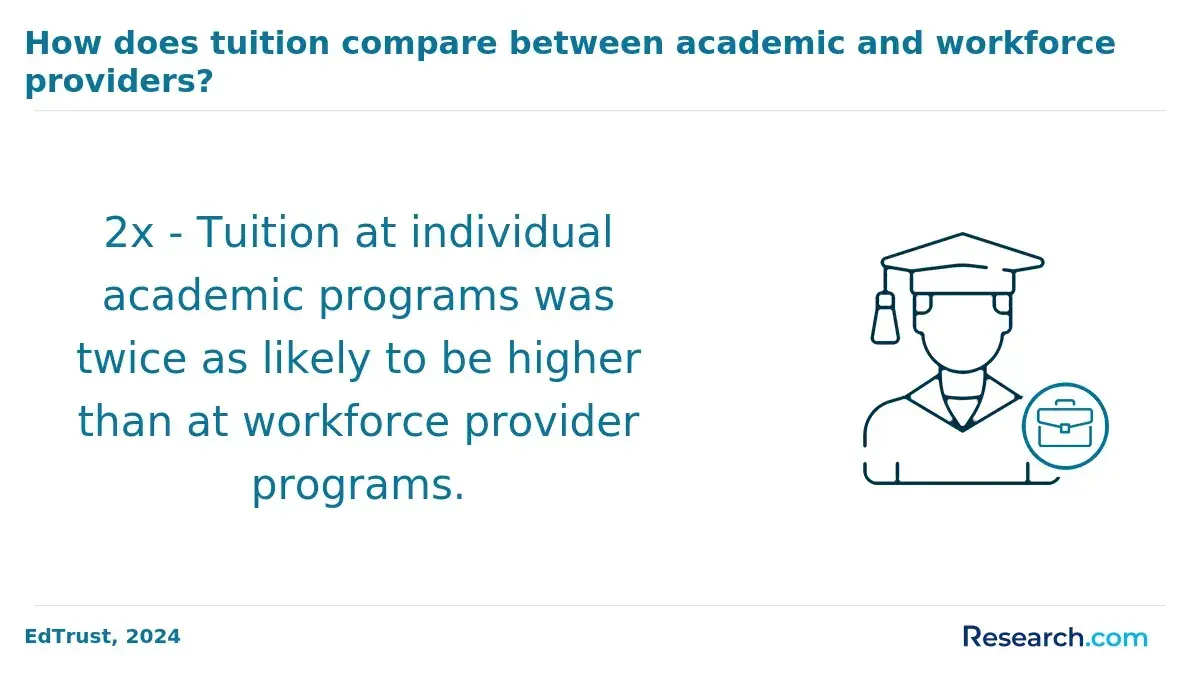
- Cost Ranges: Expenses for a health psychology master's degree vary significantly based on institution type. Public in-state programs typically cost between $15,000 and $35,000, while public out-of-state programs usually range from $30,000 to $60,000. Private institutions charge generally from $40,000 to $80,000. Graduate certificates in health psychology are notably more affordable. Public in-state certificates may run $5,000 to $12,000, out-of-state $10,000 to $20,000, and private certificates range between $15,000 and $30,000.
- Cost Drivers: The master's degree commands higher fees primarily due to extended credit requirements, generally 30 to 60 credits compared to 9 to 15 for certificates, and longer completion time, often around two years full-time. These factors lead to increased institutional overhead, including faculty salaries, advising, and facility use. Moreover, master's programs commonly include research and practicum experiences, contributing further to costs.
- Financial Aid: Graduate assistantships, fellowships, and employer tuition reimbursement disproportionately favor master's students, helping to reduce net expenses substantially. Conversely, certificates provide fewer financial assistance options as they are often designed for short-term professional development.
- Hidden Costs: Beyond tuition, master's students often face opportunity costs like lost income due to full-time study and delayed career progression. Certificates enable students to maintain employment and avoid some income loss but may offer less salary growth potential due to limited curriculum scope.
- ROI Considerations: Prospective students should evaluate net costs by factoring in financial aid and employer benefits to estimate true investment. It is essential to assess long-term career gains beyond upfront expenses. Free online ROI calculators tailored for graduate credentials can provide valuable insights.
One professional who completed a health psychology master's degree reflected on the financial challenge: "Balancing full-time study with living expenses was tough, but access to a graduate assistantship eased the burden. The research projects and practicum experiences really deepened my expertise and opened doors in my career."
"Though the upfront cost was intimidating, the program paid off as I transitioned into a well-paying role. I advise anyone considering this path to think carefully about both direct costs and what they stand to gain professionally."
How Does Earning a Health Psychology Master's Degree Affect Salary Compared to a Health Psychology Graduate Certificate?
Data from the Bureau of Labor Statistics, NACE, and Georgetown University highlight distinct salary differences for professionals with a health psychology master's degree versus a graduate certificate.
Across many roles, the master's degree typically results in median earnings that are 15% to 30% higher, reflecting its broader scope and advanced qualification.
- Salary Premium: The master's degree consistently commands notably higher pay, particularly in healthcare settings, government agencies, and academic medical centers where leadership and advanced clinical roles are common.
- Industry Impact: Employers in public health and research often prefer master's degree holders for senior positions, which results in elevated compensation compared to certificate holders.
- Certificate Value: Specialized certificates focusing on skills like behavioral intervention or health data analytics can sometimes match or surpass pay associated with a master's, especially within private sector wellness programs.
- Return on Investment: While master's programs generally take about two years and involve higher tuition costs, certificates offer a faster and more affordable route to increased earnings, beneficial for professionals seeking quick skill upgrades.
- Career Stage: Early-career individuals often gain more from the master's degree's wider advancement potential, whereas mid-career professionals may find certificates more cost-effective when targeting specific expertise.
One 2024 report revealed that health psychology master's graduates earn on average 22% more over a 10-year span compared to those with certificates, underscoring the long-term financial benefit of the advanced degree despite its higher upfront investment.
Which Health Psychology Career Paths Favor a Master's Degree Over a Graduate Certificate?
Certain career tracks within health psychology emphasize the value of a master's degree over a graduate certificate due to the comprehensive education it provides, covering psychological theory, research methodology, and clinical practice in depth.
Roles in this field often demand advanced knowledge and rigorous training that only a full master's program can deliver.
- Licensed Professions: State licensure for many clinical roles, like licensed health psychologists or behavioral health counselors, requires at least a master's degree. This credential ensures practitioners meet ethical and professional standards for clinical work.
- Research-Intensive Positions: Jobs focused on health psychology research in academic or government sectors typically mandate a master's degree because of the advanced statistical and theoretical expertise needed to conduct meaningful studies.
- Leadership and Management Roles: Candidates for program coordination, healthcare administration, or supervisory positions are often expected to hold a master's degree to demonstrate proficiency in critical thinking and strategic decision-making.
- Specialization and Promotion Tracks: Many employers formally recognize a master's degree as a threshold for advancing into specialized clinical roles or higher consultative positions, making it essential for upward mobility.
- Professional Association Standards: Organizations such as the American Psychological Association set master's degree qualifications as a benchmark for relevant certifications and memberships in health psychology.
According to the 2024 Bureau of Labor Statistics, demand for mental health professionals with advanced degrees is projected to grow by 15%, highlighting how employers increasingly value graduate credentials in health psychology.
Those pursuing licensure, research, or leadership roles should consider the master's degree a strategic investment aligned with career advancement and employer expectations.
Which Health Psychology Career Paths Favor a Graduate Certificate Over a Master's Degree?
Certain health psychology graduate certificate career opportunities distinctly favor certificates over master's degrees, especially where employers emphasize demonstrated technical skills and applied expertise rather than broad academic training.
Analysis of job markets from platforms like LinkedIn Workforce Insights reveals that many healthcare roles focusing on practical intervention, data management, or specialized program delivery often accept, or even prefer, candidates with graduate certificates for entry and mid-level positions.
- Healthcare Settings: Positions such as health behavior intervention specialists or program coordinators frequently prioritize certificates that show focused knowledge of behavioral health strategies or analytics tools, supporting quicker entry into the workforce and meeting specific job demands.
- Technical Competency: Employers seeking measurable expertise in patient education, health communication, or digital health tools often regard certificates as equally valid credentials, particularly when these certifications address immediate industry needs.
- Time Efficiency: Working professionals with prior degrees in psychology, public health, or related fields commonly choose certificates to fill targeted skill gaps without committing the two or more years required for a full master's program, accelerating credentialing and job readiness.
- Career Pivoting: Individuals transitioning from allied health or behavioral research careers use certificates to gain domain-specific skills, usually in a more practical, cost-effective way compared to completing a master's degree.
- Employer Recognition: Survey data highlights that in applied health psychology roles within community health and corporate wellness programs, graduates holding certificates are frequently considered fully qualified, demonstrating the credential's rising acceptance.
Overall, professionals seeking careers best suited for health psychology certificates often benefit by targeting rapid, focused skill acquisition that aligns with specific employer demands more than broad academic preparation.
Those exploring pathways in health psychology may also find value in related credentials. For example, some working nurses pursue direct entry MSN programs for non nurses online to complement their expertise and broaden career options.
Is a Health Psychology Graduate Certificate Stackable Toward a Master's Degree?
Many accredited universities offer policies allowing graduate certificate coursework in health psychology to count toward a master's degree in the same or related field, but this stackability is not universal.
Whether credits transfer depends heavily on institutional policies and specific program requirements, so students exploring health psychology graduate certificate credits transfer to master's degree options must verify details before enrolling.
- Institutional Policy: Stackability is determined by each university. Some permit graduate certificate credits to apply to their master's programs within the same or closely related disciplines, while others require separate completion of credentials.
- Grade Thresholds: Coursework must typically meet a minimum grade to be eligible for stacking; lower grades usually disqualify the credits from counting toward the master's degree.
- Time Limits: Many programs enforce deadlines, such as finishing the master's within five years of completing the certificate, ensuring the coursework remains current and relevant.
- Program Matching: Credits usually transfer only when the certificate and master's are from the same institution or university system, helping maintain curriculum alignment.
- Lower-Risk Entry: Stacking a health psychology graduate certificate for master's degree completion offers a prudent pathway, allowing students to assess their interest and preparedness while managing time and financial investment before fully committing to the master's.
- Confirm Ahead: Policies vary widely. Contacting the graduate admissions office is essential for accurate information on stackability and transfer rules within prospective programs.
For those considering further education, exploring the cheapest online DSW programs can offer additional career advancement options after completing graduate-level credentials in related fields.
How Do Employers in the Health Psychology Field Perceive a Master's Degree Versus a Graduate Certificate?
Employer views on candidates with a master's degree versus those with a graduate certificate in health psychology differ depending on industry and role.
Hiring managers and HR professionals weigh these credentials based on the job context, drawing insights from reports by NACE, the Council of Graduate Schools, and LinkedIn Talent Insights.
- Industry Variance: In sectors with strict regulatory standards like healthcare, clinical services, and academia, a master's degree is generally preferred as it demonstrates thorough training and eligibility for licensure. In contrast, fields such as technology, consulting, or private wellness programs often regard graduate certificates more favorably as evidence of focused, practical expertise.
- Role Type: Positions centered on research or clinical work tend to favor candidates with a master's due to their extensive coursework and research background. Conversely, roles that demand applied skills or professional development may consider certificates sufficient, sometimes valuing their flexibility for upskilling.
- Institutional Reputation: The credibility of the issuing program plays a crucial role. A graduate certificate from a highly regarded, accredited institution can carry more weight than a master's from a less recognized school, highlighting employer emphasis on academic quality and trust.
- Credential Purpose: Employers understand certificates are often used by career changers or professionals seeking quick specialization, whereas master's degrees provide broader foundational knowledge essential for advanced career stages, leadership roles, or clinical qualifications.
Prospective students should carefully consider their target industry, job role, and the reputation of the credentialing institution to ensure their chosen path aligns with employer expectations and maximizes career impact.
Can a Health Psychology Graduate Certificate Help Someone Transition Into the Field From a Different Background?
For professionals shifting careers into health psychology from unrelated fields, a graduate certificate offers a streamlined, cost-effective route.
Workforce development research emphasizes that many certificates now cater specifically to career changers, providing accelerated study designed to quickly develop relevant skills without the extensive time or financial demands of master's degrees.
- Accessibility: These programs usually have fewer entry requirements and shorter durations, ideal for those seeking rapid competency in health psychology.
- Affordability: Lower tuition costs reduce financial burdens, making certificates an attractive option for exploring a new career path.
- Practical Focus: Curricula concentrate on applied skills and often enable students to create portfolios demonstrating their health psychology expertise through real-world projects.
- Stackable Credentials: Credits earned frequently transfer toward master's degrees, offering flexible progression for those who choose to advance further.
Still, certificates offer less comprehensive knowledge and professional status compared to master's degrees. This can limit eligibility for advanced or specialized positions, as many employers regard certificates as foundational rather than terminal qualifications.
To boost employability, graduates are encouraged to complement their certificates with tangible applied experiences, such as volunteer roles, research involvement, or client work, that validate their skills and dedication.
This approach enhances hiring potential while leaving the door open for pursuing a full master's degree for long-term career development.
What Graduates Say About Which Is Better: A Health Psychology Master's Degree or a Health Psychology Graduate Certificate
- Steffie: "Choosing between a health psychology master's degree and a graduate certificate was tough, but I found the salary impact really tipped the scales for me. Although the master's took longer and required more upfront commitment, the increased opportunities for higher-paying roles made it worth every extra month of effort. For anyone serious about advancing financially in this field, I'd recommend going the full master's route."
- Hayden: "Reflecting back, the time-to-completion was a huge factor in my decision between the two programs. The certificate allowed me to finish quickly and jumpstart my career without the extensive admission hurdles that a master's demanded. While the certificate might not carry the same clout with every employer, the practical career utility it offered was unmatched for my personal situation."
- Caleb: "The cost difference between the health psychology master's and the certificate program couldn't be ignored. I initially leaned toward the certificate because it was more affordable and required less financial sacrifice. However, I soon realized that the master's degree holds stronger employer recognition, giving graduates a clear advantage in competitive job markets, something I believe is critical long-term."
Other Things You Should Know About Health Psychology Degrees
Online health psychology master's programs typically offer a more comprehensive curriculum with rigorous training in research, theory, and clinical practice compared to online graduate certificates. Master's degrees are generally better recognized by employers and graduate schools due to their depth and length. However, high-quality graduate certificates from accredited institutions can still provide valuable specialized knowledge and are accepted for certain career advancement opportunities.
Accreditation is critical as it ensures the program meets established academic and professional standards. A master's degree accredited by recognized bodies enhances credibility and is often required for licensure or further graduate study. While fewer graduate certificates hold specialized accreditation, choosing one from an accredited university ensures the coursework is credible and may transfer toward a master's degree if desired.
Choosing a master's degree in health psychology typically leads to more advanced career opportunities, such as clinical and leadership roles. In contrast, a graduate certificate may offer a quicker path to entry-level positions but limits advancement due to less comprehensive training.
The health psychology master's degree suits individuals aiming for clinical roles, research positions, or pursuing doctoral education, as it provides extensive training and broader career options. Graduate certificates are ideal for professionals seeking to enhance specific skills quickly, change careers with minimal time investment, or add credentials without full degree commitment. Current certificate holders considering deeper expertise may transition to the master's for expanded opportunities.
References
- What is the Masters In Health Psychology Salary Outlook? https://mastersinpsychologyguide.com/articles/what-masters-health-psychology-salary-outlook/
- Master's In Health Psychology Online Degree Program Guide https://www.psychology.org/degrees/health-psychology/masters/
- Health Psychology Master’s Programs Online: Find a School https://www.onlinemastersdegrees.org/best-programs/psychology/health-psychology/
- Msc Health Psychology - possible career options? | ClinPsy https://clinpsy.com/threads/msc-health-psychology-possible-career-options.17124/
- Admissions Requirements - The Michigan School of Psychology (MSP) https://msp.edu/admissions-2/requirements/
- Health Psychology Post-Master’s Certificate https://catalog.ncu.edu/preview_program.php
- Why trust GlobalHealth Education? https://globalhealtheducation.com/au/resources/what-can-you-do-with-a-psychology-degree
- Health Psychology Master's degrees https://universitycompare.com/courses/degrees/masters/health-psychology