2027 Audio & Music Degree Programs With Rolling Admissions

Co-Founder and Chief Data Scientist
How do rolling admissions impact access to audio & music degree programs amid shifting career timelines? For transfer students and working adults, deadlines in traditional intake cycles often obstruct timely enrollment, especially when balancing performance gigs or internships. Data from the National Center for Education Statistics highlights a 12% increase in adult enrollment in flexible programs over five years, underscoring demand for adaptable timelines in music fields where practical training and credentialing can be seasonally constrained.
This article examines the role of rolling admissions in facilitating enrollment that matches varied scheduling needs and career trajectories in audio & music education.
Key Benefits of Audio & Music Degree Programs With Rolling Admissions
- Rolling admissions align with the iterative creative process in audio & music degrees, enabling students to start studies when inspiration and preparation peak, but may complicate cohort networking essential for collaboration.
- Employers valuing contemporary production skills often prefer graduates with adaptive timelines, so rolling admissions can better match evolving workforce demands though potentially diluting standardized curriculum pacing.
- Extended application windows reduce upfront financial strain by enabling phased enrollment, yet they can delay full-time access to costly equipment and studio resources critical for skill development.
How Do Audio & Music Degree Programs With Rolling Admissions Work?
Programs with rolling admissions in audio & music fields introduce a dynamic interplay between application timing and academic integration that significantly impacts both students and departments. This model's continuous evaluation aligns closely with creative career patterns but poses distinct strategic and operational considerations for applicants navigating the process.
- Flexible Enrollment Windows: Candidates can submit applications throughout the year rather than adhering to fixed deadlines, accommodating transient industry engagements like gigs or internships. This flexibility enables applicants to incorporate late-acquired experience or portfolio enhancements typical in audio & music trajectories.
- Curricular Access Tradeoffs: Early admission often grants wider elective choices and access to collaborative ensembles, which are critical for practical skill development in these programs. Conversely, late admits may face restricted course availability or miss deadlines for key performance groups, affecting their integration and peer networking.
- Portfolio and Audition Emphasis: Unlike many academic disciplines, rolling admissions here hinge on continual artistic evaluation through portfolios, auditions, or production samples. Faculty must balance timely application reviews with ongoing creative assessment, reflecting industry demands for evolving skill sets rather than static academic metrics.
- Enrollment Management Strategy: Institutions use rolling admissions to better regulate student intake in response to fluctuating applicant volumes and quality, ensuring stable program viability. This approach mitigates bottlenecks in admission processing and aligns cohort composition with industry-relevant competencies brought by diverse entry points.
Prospective students should actively plan their submissions considering these implications, as timing decisions affect both academic access and workforce readiness. For those needing adaptable schedules, particularly working musicians or professionals pursuing an online degree pathway, rolling admissions offer critical entry flexibility while necessitating careful evaluation of the tradeoffs in program participation and peer engagement.
More detailed insights on flexible higher education options can be found in resources like the online degree compendium, which contextualizes such models within broader educational trends.
What Are the Admission Requirements for Rolling Admissions Audio & Music Programs?
Programs with rolling admissions for audio & music degrees prioritize a continual, nuanced evaluation of each candidate rather than a single deadline, reflecting the practical need for flexibility in highly creative and skill-based fields. This process benefits applicants balancing auditions, work, or evolving portfolios but demands well-prepared submissions to avoid missed opportunities as the selection timeline remains competitive. The real tradeoff lies in the ongoing assessment: while it offers multiple chances to apply, incomplete or delayed materials usually limit chances for acceptance, underscoring the value of readiness in meeting technical and artistic standards aligned with workforce expectations.
- GPA Requirement: Many programs set minimum GPA thresholds to confirm academic readiness, though artistic portfolios often weigh more heavily than pure grades.
- Transcripts: Verified academic transcripts are required to document formal education and coursework relevant to music theory, technology, or related subjects.
- Application Form: A comprehensive application forms the foundation, collecting personal data, educational background, and program-specific responses to gauge fit.
- Letters of Recommendation: Typically submitted by music instructors or industry mentors, these letters offer third-party validation of skill, character, and professional potential important to faculty deliberations.
- Personal Statement: This essay conveys an applicant's artistic goals, influences, and commitment, assisting committees in aligning candidate priorities with curricular strengths and long-term employability outcomes.
- Portfolio or Performance Recordings: Central to the evaluation, these materials provide concrete evidence of technical proficiency and creative aptitude essential for industry readiness.
- English Proficiency: For non-native speakers, evidence of language competence ensures students can engage with specialized curricula and professional communication demands.
When Should You Apply for Rolling Admissions Programs?
Rolling admissions in audio & music programs often create a dynamic where timing directly influences an applicant's competitiveness and financial aid access. Unlike fixed-deadline systems, applications are reviewed continuously until capacity is met, meaning early applicants generally benefit from a fuller range of available seats and scholarships. However, submitting prematurely without a polished portfolio or strong supporting materials can undermine one's chances despite these advantages.
Mid-cycle applicants face a congested pool with fewer spots and reduced merit aid, necessitating exceptional preparedness to stand out. Conversely, those applying late risk limited or no openings, potential waitlists, and disruptions to practical training timelines that can delay entry into a field where timely networking and internships are critical for gaining employment.
Applicant readiness often dictates optimal timing, creating a strategic balance between early submission and complete preparation. An early submission strategy favors those with ready portfolios and endorsements, as promptness can unlock financial and enrollment benefits that diminish rapidly. Mid-cycle applicants might improve their competitive edge by refining their materials but should weigh this against the increased competition and shrinking resources.
Late submissions occasionally yield conditional acceptances but with less predictable timing and potentially deferred graduation, which can complicate securing internships or live project experiences essential in audio & music careers. This structure means understanding program-specific patterns and applicant quality benchmarks is crucial for aligning application timing with realistic chances and long-term career goals.
One applicant recalled hesitating to apply during the initial window because their performance recordings weren't finalized, opting instead for a mid-cycle submission. While they appreciated the extra time to improve their portfolio, they noticed scholarship offers had largely depleted. They also encountered a longer wait for acceptance, which compressed their prep for internships vital to their first job search. Reflecting on this, they suggested that submitting sooner with a "good enough" package, then updating materials post-acceptance, might better balance admissions risk with workforce entry timing in rolling admissions contexts.
Are Rolling Admissions Common in Online Programs?
Rolling admissions are notably more prevalent in online audio and music degree programs than in traditional on-campus equivalents, driven primarily by the need to serve a geographically dispersed and schedule-diverse student population. Institutions leverage this model not only to enhance accessibility but also to optimize enrollment management by admitting students continuously throughout the year.
This flexibility allows schools to adjust cohort sizes dynamically according to demand and available resources, smoothing out administrative burdens typically associated with fixed deadlines. Nevertheless, not all programs follow this approach; some retain semester-based admission cycles to maintain curriculum pacing or uphold selective criteria, illustrating significant institutional variation in rolling admissions policies for online audio and music courses.
From the student perspective, rolling admissions in online audio and music programs can accelerate entry and offer flexible start dates, which is critical for learners balancing work, family, or project commitments. However, this advantage can be tempered in highly competitive specializations, where limited slots may create pressure similar to traditional admissions timelines. Notably, data show that nearly 60% of distance education programs across the U.S. implement some form of rolling admissions-a trend reflected in creative fields like audio and music, where employers emphasize portfolio and skill over timing.
For prospective applicants weighing their options, exploring options among most affordable online colleges with rolling admissions can be a pragmatic strategy to align educational pathways with real-world career demands and personal schedules.
Do Rolling Admissions Schools Have Higher Acceptance Rates?
Rolling admissions does not inherently lead to higher acceptance rates; rather, it is a system for reviewing applications continuously instead of after a fixed deadline. The perception that rolling admissions are less selective arises from the flexibility it offers, but selectivity is primarily driven by program capacity and demand. For instance, an audio & music program with limited seats and high industry demand may maintain strict admissions criteria regardless of an open application window. Conversely, institutions with more adaptable enrollment can see acceptance rates fluctuate as cohorts fill, reflecting available space rather than relaxed standards.
Submitting early under rolling admissions can advantage applicants since more seats are typically available at the start of the cycle, potentially increasing admission chances compared to applicants applying later when spots diminish. However, this timing effect does not imply easier entry standards but highlights operational realities in managing cohort size and resources. Acceptance rates among rolling admissions schools vary widely within audio & music education, influenced by program reputation, faculty resources, and market demand. Understanding these dynamics helps applicants align application timing and program choice with their career goals rather than assuming rolling admissions always equates to higher acceptance probabilities.
How Much Do Rolling Admissions Audio & Music Programs Cost?
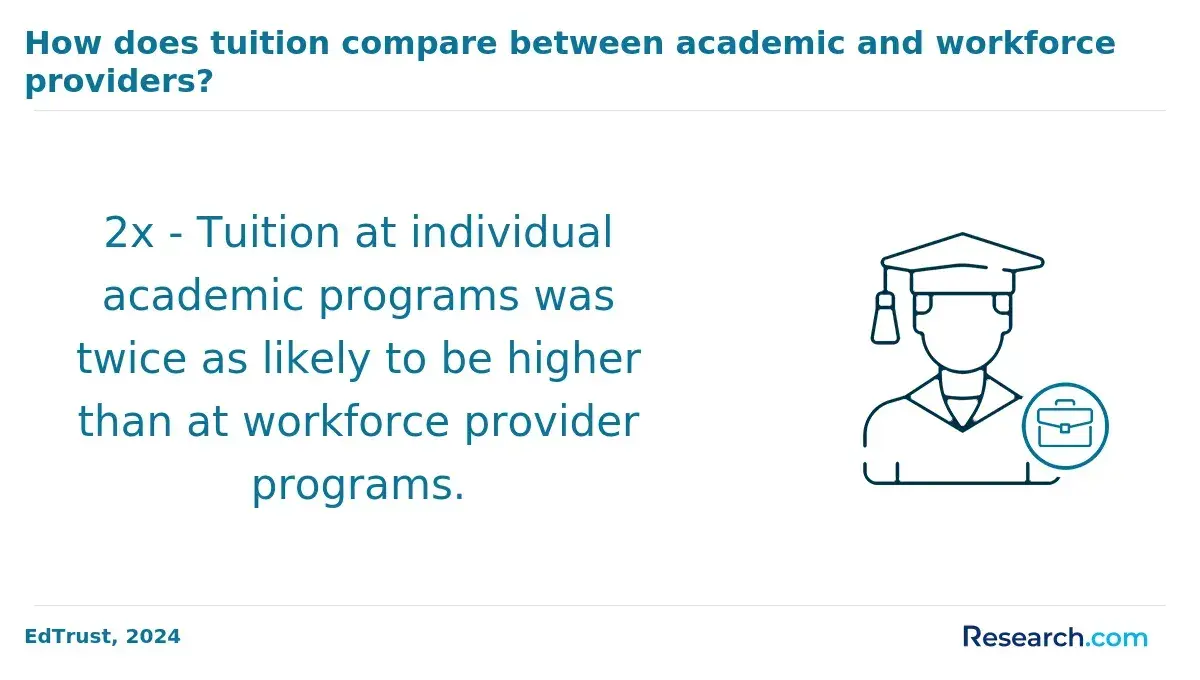
Tuition in rolling admissions audio & music programs is most commonly structured on a per-credit-hour basis, typically ranging from about $300 to over $700 per credit. This means students' costs accumulate in direct proportion to course load rather than a flat rate per term, making budgeting closely tied to enrollment choices. While rolling admissions itself does not alter tuition prices, it shifts the timing and cadence of when expenses are incurred, offering strategic flexibility but requiring vigilance over fee deadlines and term start dates.
Additional institutional or technology fees-often between $50 and several hundred dollars per term-can complicate the total price landscape and must be factored into long-term planning. Course materials, including specialized software or studio access fees, can further raise out-of-pocket expenses beyond headline tuition.
The design of programs with rolling start dates plays a pivotal role in the overall cost experience. Online or hybrid models may reduce housing and commuting costs but sometimes incorporate mandatory technology fees that add to the financial load. Accelerated formats, by compressing coursework, can concentrate tuition payments into shorter periods, influencing cash flow and total program duration.
Cohort-based structures may standardize some fees and affect pacing, with direct implications for time-to-completion and earning capacity after graduation. For prospective students evaluating average tuition fees for rolling start audio & music degrees, comparing how these structural variations impact total cost and financial timing is critical.
Those seeking flexible enrollment options might also explore the easiest 2 year degree to get as a potential pathway with rolling admissions benefits.
Are Career Outcomes Different for Rolling Admissions Students?
Career outcomes for students in audio & music programs with rolling admissions do not inherently deviate from those following traditional admissions cycles, as the enrollment method itself is a procedural choice rather than a predictor of success. The decisive factors shaping graduate employment remain program accreditation, faculty specialization, and the availability of focused tracks such as sound engineering or music production. These elements directly influence the technical competence and industry readiness expected by employers.
Furthermore, internships and hands-on learning embedded in curricula significantly boost job placement rates; for example, the National Association of Colleges and Employers finds that 65% of graduates with pertinent internship experience secure employment within six months. Geographic proximity to strong industry centers like Los Angeles or Nashville can enhance networking opportunities and local labor market access, further affecting hiring outcomes.
While rolling admissions might allow some students to enroll and subsequently graduate earlier, enabling slightly faster entry into the workforce, this timing advantage is usually marginal compared to continuous professional development and relationship building. Institutional variation exists, but no substantial evidence links rolling admissions directly to stronger career trajectories. Instead, graduates benefit most from programs that prioritize quality instruction, real-world applications, and connections within the audio & music sector. Candidates should consider admissions flexibility as one factor among many, rather than an indicator of academic rigor or employer preference. Ultimately, the impact on long-term professional growth hinges on sustained skill enhancement and industry engagement beyond mere enrollment timing.
After navigating the uncertainty of application decisions during his rolling admissions timeline, Marcus realized that early acceptance was not the sole determinant of his career progress. He hesitated when his preferred program's deadline was still open, weighing whether waiting for more options might delay his start. Once enrolled, he found that securing internships and attending local industry meetups mattered far more than his initial admission date. Reflecting later, Marcus noted that the flexibility of rolling admissions eased his immediate stress but did not substitute for proactive networking and skill development, which ultimately shaped his early employment prospects.
Can Rolling Admissions Programs Lead to High-Paying Careers?
Rolling admissions in audio & music degree programs function primarily as an administrative flexibility rather than a direct lever for attaining high-paying careers. The admissions structure itself does not influence salary outcomes, which depend more critically on the student's chosen specialization, such as sound engineering or music production, and the institutional credentials backing their training. For instance, an audio engineer graduating from a well-accredited program with substantial internship experience is more likely to command a salary reflecting market demand than one simply benefiting from a flexible application timeline. Many employers in the industry emphasize hands-on skills, portfolio quality, and professional networks over the timing of a degree's start date.
That said, rolling admissions can offer an indirect advantage by allowing students to enter programs earlier or at nontraditional times, potentially accelerating graduation and entry into the workforce. Early workforce entry can feasibly shift an individual's salary trajectory forward by months or even years, though this timing benefit varies and does not inherently increase salary ceilings. Salary ranges in audio & music-related roles vary widely-from approximately $30,000 for entry-level sound technicians to six-figure earnings for senior producers or audio directors-driven by geographic location, industry connections, and evolving technological expertise rather than admission format. In short, flexible enrollment models do not guarantee higher incomes but may improve personal scheduling, permitting students to leverage other critical career-building factors more rapidly.
What Are the Disadvantages of Rolling Admissions Programs?
Rolling admissions for audio & music degrees pose several structural challenges that complicate student planning and program cohesion. While flexibility suits varied applicant schedules, this model often obscures the availability of slots, making it difficult for candidates to strategize effectively. Unlike fixed deadlines, applicants face the risk of last-minute decisions without clear insight into how competitive the program remains at different points in the cycle.
- Uncertain program capacity creates pressure to apply early, yet without transparency on applicant pools, students cannot gauge their relative chances or whether to invest time in parallel applications.
- Financial aid and scholarship timelines frequently clash with rolling admissions schedules, meaning late applicants may lose access to critical funding sources necessary for costly instruments, lessons, or studio access.
- Continuous admissions disrupt cohort formation, weakening peer collaboration essential for ensemble work, networking, and creative exchange, which are vital for industry-ready skillsets.
- Programs with rolling admissions demonstrate a 15% increase in enrollment timing variability, complicating curricular planning and limiting advanced course offerings aligned with full cohort participation, ultimately affecting educational quality.
These disadvantages make it necessary for students weighing rolling admissions challenges for audio & music degrees to carefully consider timing, financial planning, and the potential impact on collaborative learning environments. Decisions made in isolation can have lasting consequences on social integration and access to resources aligned with workforce expectations.
For those considering options beyond music programs, some may find alternative pathways aligned with flexible schedules, such as the best online project management degree, offering structured financial aid and cohort models better suited to certain career goals.
How Do You Choose the Best Audio & Music Program With Rolling Admissions?
Choosing among audio & music degree programs with rolling admissions requires assessing more than just flexible application timelines. Candidates must weigh how such programs align with workforce demands and educational rigor since rolling admissions can differ widely in resource distribution and instructional quality. For instance, enrolling off-cycle might mean fewer faculty resources or limited access to certain scholarships, affecting both the learning environment and overall affordability.
- Curriculum relevance: Prioritize programs focused on current industry-standard tools like digital audio workstations and music production technologies, rather than outdated theory, to maintain competitiveness in a rapidly evolving job market.
- Graduation and employment outcomes: Examine six-year graduation rates and job placement data as indicators of a program's practical success and institutional support, which can influence long-term career trajectories.
- Resource variability: Recognize that rolling admissions may reflect fluctuations in class sizes and faculty availability, impacting personalized instruction and advising quality at different enrollment periods.
- Online accessibility: Consider whether online program components include synchronous sessions and portfolio development, critical for building marketable skills valued by employers especially in creative fields.
- Financial considerations: Be aware that rolling admissions schedules might limit scholarship eligibility compared to traditional cycles, influencing net program costs and financial feasibility.
- Career alignment: Match program focus-technical audio engineering, music composition, or business aspects-with your professional goals to leverage relevant alumni networks and internship opportunities.
Evaluating these factors is crucial for prospective learners researching the best audio and music degree programs with rolling admissions. For students also interested in comparative affordability in related fields, reviewing lists like the affordable data science degree rankings can offer additional perspective on cost-effective options in evolving professional domains.
What Graduates Say About Audio & Music Degree Programs With Rolling Admissions
- Adam: "Balancing a full-time job while enrolling in the audio & music program was a tough challenge, but I chose it for its rolling admissions and flexibility. I knew I needed to quickly build a portfolio to stand out since employers in this field care more about hands-on experience than traditional licensure. While the workload was intense, securing a summer internship through the program's network ultimately landed me an entry-level sound design role that opened doors I hadn't anticipated."
- Zev: "After shifting careers in my 30s, I picked the audio & music degree because the rolling start dates allowed me to transition without a long gap in employment. I was cautious about investing too much time, so the program's emphasis on practical skills and industry certifications appealed to me more than theoretical classes. Though my starting salary was modest, the real value was in the real-world project experience I gained, which has led to multiple freelance gigs and ongoing remote work opportunities."
- Grayson: "With limited financial resources and a desire to avoid debt, I chose an audio & music program with rolling admissions to expedite my entry into the workforce. The decision meant juggling a heavier workload to complete the courses faster, but it paid off when I landed a post-production assistant role right after graduation. However, I found out that advancing beyond entry-level in this industry often requires additional certifications or networking beyond the degree, so I'm already planning my next steps carefully."
Other Things You Should Know About Audio & Music Degrees
Rolling admissions often mean students start at different times, which can fragment cohort experiences and reduce opportunities for collaborative projects typical in audio & music degrees. This staggered pacing may challenge networking within peer groups and exposure to ensemble work or joint studio sessions, which are vital for skill development. If immersive, synchronous interaction matters to you, prioritize programs that structure project timelines to foster these connections despite flexible start dates.
Audio & music degrees rely heavily on access to studios, recording gear, and performance spaces. Programs with rolling admissions may face scheduling bottlenecks if many students begin simultaneously or require access out of sync with fixed lab hours. Prospective students should evaluate how the program manages resource availability across multiple start dates to avoid delays in hands-on learning crucial for mastering technical competencies.
Programs with rolling admissions can offer flexibility but might compromise consistent, semester-based mentorship or faculty guidance cycles. Since audio & music education benefits from ongoing critique and progressive skill refinement, irregular entry points could fragment advisor relationships or delay progression checkpoints. Prioritize programs that provide dedicated mentorship models adaptable to decentralized enrollment to maintain instructional continuity.
Choosing an audio & music degree program with rolling admissions in 2027 offers flexibility in start dates and allows students to adjust their schedules according to personal commitments. This enrollment style often leads to a more personalized education path and the opportunity to join programs at different intervals throughout the year.
References
- Recording Arts Canada https://recordingarts.com/
- 5 Benefits of Going to a Music Production School - CRAS https://www.cras.edu/music-production-school/
- Want an Acceptance Letter Now? Consider Rolling Admissions https://www.saraharberson.com/blog/acceptance-letter-rolling-admissions
- Musicians Institute Admissions and How to Apply to Music College https://www.mi.edu/admissions/
- How to Choose the Best Audio Education https://theproaudiofiles.com/how-to-choose-audio-education/
- Top Music and Audio Careers You Can Start Without a 4-Year Degree - Dark Horse Institute - Audio Engineering & Music Business School https://darkhorseinstitute.com/audio-careers-you-can-start-without-a-4-year-degree/
- Music Degrees – Reviewing the Options https://majoringinmusic.com/music-degrees/
- How to Choose an Audio Engineering School in 2024/25 | OIART https://www.oiart.org/news/choosing-an-audio-engineering-school-in-2024-25
- How to Apply https://www.newschool.edu/performing-arts/how-to-apply/
- Late auditions/rolling admissions https://talk.collegeconfidential.com/t/late-auditions-rolling-admissions/1792321