2027 How Many Credits Can You Transfer Into an Audio & Music Degree Program?

Co-Founder and Chief Data Scientist
Transfer credit policies for audio & music degree programs vary widely, reflecting the intricate balance between preserving academic rigor and recognizing prior learning. A 2024 report from the National Student Clearinghouse reveals that only 53% of transfer students successfully apply credits toward their new degree, underscoring challenges such as course equivalency and institutional limits. For students navigating the creative and technical demands of audio & music studies, understanding these factors is crucial, as transfer credit acceptance directly impacts program duration and academic planning. This article examines typical transfer limits, institutional variations, and strategies to optimize credit applicability within audio & music degree pathways.
Key Things to Know About How Many Credits Can You Transfer Into a Audio & Music Degree Program
- Transfer limits often restrict core studio and production credits, requiring additional in-program coursework; this tradeoff can elongate degree completion, affecting student cost and timely entry into creative industries.
- Employers increasingly value specialized, up-to-date technical skills; non-aligned transferred credits may force remediation, potentially delaying workforce readiness and impacting perceived candidate qualifications.
- With adult learners forming nearly 40% of undergraduates, flexible credit acceptance supports expedited degree pathways, lowering access barriers and aligning education timing with evolving music technology demands.
How Many Credits Can You Transfer Into a Audio & Music Degree Program?
Transfer credit limits in audio & music degree programs are often calibrated to balance prior academic achievement with essential mastery of specialized skills that employers expect. While many programs permit transferring between 50% and 75% of required credits, the accrediting status of the original institution plays a critical role in acceptance. For example, community college credits from regionally accredited schools typically transfer more readily than credits from nationally accredited or non-accredited institutions, influencing how students map their previous achievements to degree requirements. The evaluation process frequently prioritizes course equivalency in technical subjects like audio engineering and digital production, meaning students with strong portfolios or documented skills may navigate transfer restrictions more effectively. This dynamic means students must strategically weigh how much prior coursework aligns with the core competencies of a program, as exceeding upper-division credit limits - often capped to preserve advanced training quality - can extend the time needed to graduate and affect workforce readiness.
These constraints materially affect degree completion strategies, especially for students transferring from community colleges or other universities who aim to optimize their pathways. Since many audio & music programs stipulate that key upper-division courses be completed in-house to verify content mastery, students often face tradeoffs: transferring a high volume of foundational credits can shorten time and cost, but failing to meet advanced course residency requirements may delay graduation. This interaction of transfer credit policies with curriculum sequencing often necessitates close advising and careful academic planning to avoid unexpected gaps or redundant coursework. Considering how many transfer credits are accepted for audio & music degree programs is therefore essential in assessing realistic timelines and aligning previous learning with professional expectations. For students also exploring degrees in related fields, understanding these nuances alongside options like MSW online offerings can inform broader educational and career decisions.
What Types of College Credits Can Transfer Into a Audio & Music Degree Program?
Transfer credits for audio & music degree programs originate from diverse academic and non-traditional pathways, requiring a detailed evaluation that balances institutional policies with course equivalency. For instance, a student transferring an associate degree in music technology from a community college must consider which credits will accelerate completion versus those that fulfill only elective or general education requirements. This decision impacts not just time to graduation but also readiness for specialized roles valued by employers in a competitive industry.
- General Education Credits: These include fundamental courses like English, math, humanities, and social sciences. Programs commonly accept them if earned at accredited institutions, allowing students to bypass basic requirements and concentrate on audio & music-specific skills.
- Core Music Theory and History Courses: Transfer approval hinges on close alignment with the receiving program's rigor and content, with programs meticulously comparing syllabi to validate equivalency in areas such as music theory, ear training, and historical study.
- Applied Music and Performance Credits: Practical skill development credits-such as instrument instruction, vocal training, or ensemble participation-are evaluated on instructional hours and depth due to their direct influence on employability in live performance and production settings.
- Technology and Audio Engineering Courses: Credits related to recording technology, sound mixing, and DAW software proficiency are scrutinized to ensure the technical competencies taught meet industry-relevant standards embedded in the receiving curriculum.
- Non-traditional and Professional Learning: Military training, industry certificates, and work experience may be credited after portfolio assessments or competency exams, though acceptance is highly variable and demands thorough documentation to meet academic criteria.
Careful transfer credit evaluation reflects how many programs limit total acceptances to preserve academic integrity and ensure graduates achieve tangible, workforce-applicable expertise. For students navigating these options, understanding these nuanced policies is crucial to aligning prior learning with employer expectations and avoiding prolonging degree completion unnecessarily.
Does Accreditation Affect How Many Credits Transfer Into a Audio & Music Degree?
Accreditation status critically shapes how many credits transfer into an audio & music degree program. Credits earned at regionally accredited schools are generally recognized more fully, minimizing the need for additional evaluations or course repetitions. National accreditation, often tied to vocational or technical institutions, tends to result in stricter scrutiny and reduced credit acceptance due to varying curricular rigor. Programmatic accreditation specific to music or audio engineering can further influence credit transfer by aligning transferred courses with specialized competencies, but its impact varies with institutional policies. For transfer students, understanding these distinctions is key, as schools prioritize accreditation to uphold academic standards and ensure incoming credits reflect comparable learning outcomes.
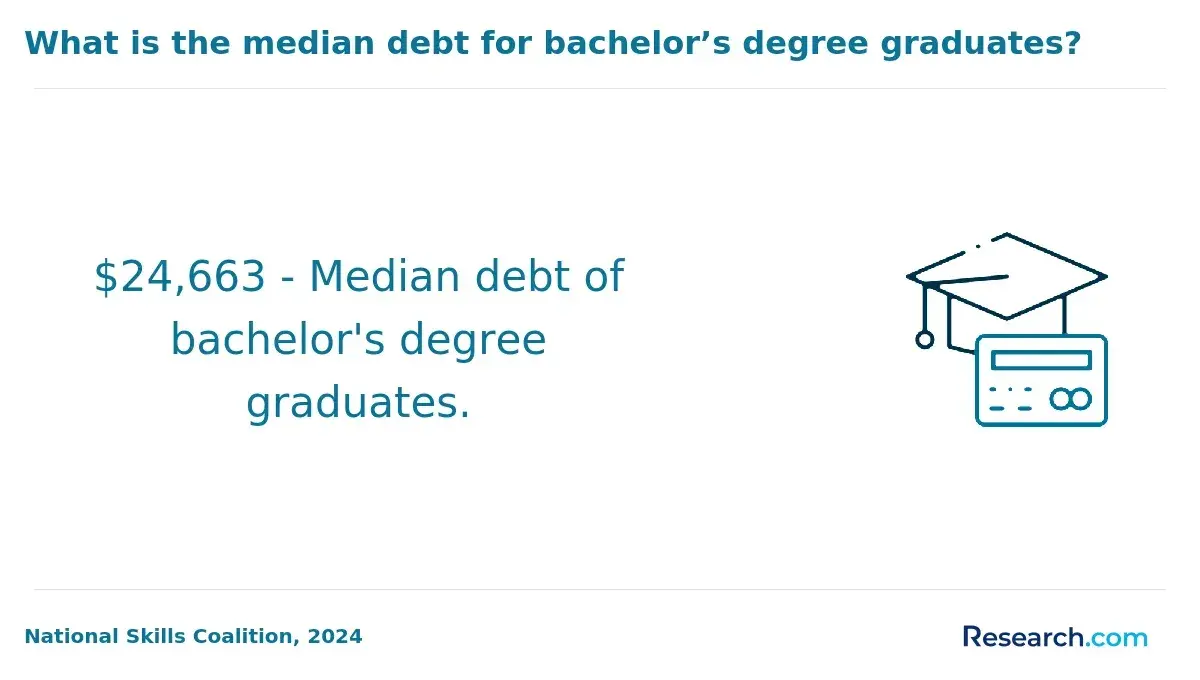
The practical consequences of these accreditation differences manifest in tangible costs and timelines for students. According to a 2024 National Center for Education Statistics report, up to 30% of transfer credits in audio & music programs are declined or only partially accepted, delaying degree completion and inflating expenses. Students often must retake foundational classes already covered elsewhere, slowing workforce entry and increasing debt-an especially heavy burden for adult learners balancing education with employment. Furthermore, employers in audio and music sectors frequently view credentials from accredited programs as markers of quality, meaning credit transfer barriers can indirectly affect graduate employability. This dynamic underscores the strategic necessity for transfer students to research institutional accreditation compatibility before enrolling to avoid setbacks that ripple beyond academics.
One recent applicant navigated transferring credits while applying to an audio & music program with rolling admissions. She hesitated to submit early transcripts, uncertain how her community college's national accreditation would be viewed, which delayed her acceptance timeline. When the transfer evaluation took longer than expected, she had to decide whether to register for prerequisite courses at her own expense or wait for final credit determinations-a choice fraught with financial and scheduling tradeoffs. Ultimately, the experience reinforced how accreditation complexities can inject unpredictability into transfer planning, prompting her to prioritize institutions with clearer credit recognition policies in future applications.
How Do Universities Evaluate Transfer Credits for Audio & Music Programs?
Universities rigorously assess transfer credits for audio & music degree programs by conducting a thorough comparison of course syllabi, emphasizing alignment in content, learning outcomes, and skill sets. Academic evaluators examine if prior coursework develops comparable technical abilities, theoretical frameworks, and hands-on competencies essential to the discipline. This detailed syllabus review helps determine whether courses meet the program's academic rigor and relevance.
The evaluation also includes scrutiny of credit hours to ensure transferred courses reflect the workload consistent with accredited standards. Departmental approval is a critical stage where faculty verify if credits apply toward core audio & music requirements or can only count as electives. A vital consideration is whether credits are lower-division or upper-division, since many programs mandate completing a threshold of upper-division credits on campus, limiting transferable advanced credit and affecting students from community colleges or less specialized institutions.
Transfer credit acceptance rates vary by institutional policy and program competitiveness. More selective audio & music programs apply strict criteria, focusing on course rigor and alignment with industry practice. A 2024 report by the National Center for Education Statistics indicates that only 58% of submitted audio & music transfer credits are ultimately accepted. For adult learners and transfer students, these policies significantly impact academic progression and employability, especially given employer preferences for comprehensive, field-specific credentials.
Students planning to transfer should engage advisors early and supply detailed course syllabi to improve evaluation accuracy. Exploring options like online clinical mental health counseling programs, which often accept broader transfer credits, may offer flexible alternatives in related fields.
Can Work Experience Count as College Credits in a Audio & Music Degree Program?
Work experience can sometimes translate into college credits within Audio & Music degree programs, but this depends heavily on how institutions evaluate prior learning against their academic criteria. Universities often use methods like prior learning assessment (PLA), portfolio reviews, and competency-based evaluations to determine if practical skills align with course objectives and degree competencies. Such credit awards require thorough documentation, including detailed work histories and supervisor endorsements, and may also involve formal testing or project demonstrations. Recent data from the Council for Adult and Experiential Learning in 2024 reveals that around 45% of colleges report granting some form of PLA credit in arts-related fields, indicating cautious but increasing institutional acceptance.
The practical impact for students includes potential reductions in course loads and tuition by earning between 6 to 15 credits, depending on specific policies. However, limitations exist: many programs cap PLA credits to uphold academic standards, and work experience is often insufficient for areas emphasizing theory or composition, leading to credit denial. This creates a tradeoff where technically skilled students benefit from accelerated progress, while others face extra coursework that overlaps with their experience. Such dynamics affect time-to-degree and financial investment, with graduates leveraging PLA often entering the workforce sooner and gaining competitive advantage, whereas those without credit must plan for longer academic commitments.
One Audio & Music graduate recalled hesitating to submit a portfolio early in a rolling admissions cycle, uncertain how their studio engineering experience would be weighed. The delay in gathering validated work samples and supervisor letters extended their credit evaluation timeline unexpectedly, causing anxiety about course registration deadlines. Ultimately, once credits were approved, the student felt relieved that the extra effort shortened their program, but noted that earlier preparation and direct communication with advisors might have prevented stressful last-minute adjustments.
Why Do Colleges Reject Transfer Credits for Audio & Music Programs?
Colleges frequently reject transfer credits for audio & music degrees due to stringent accreditation differences that affect program integrity. Institutions lacking regional accreditation or holding only national accreditation face higher scrutiny, as their coursework often does not meet the depth or quality standards required by four-year programs specializing in audio & music. This discrepancy is a core factor in why transfer credits may be denied or only partially accepted. Additionally, course equivalency poses substantial barriers; audio & music programs demand precise alignment with core technical and theoretical subjects like advanced sound engineering or studio practice. Credits from outdated courses or those missing current industry methodologies often fail to transfer.
Minimum grade requirements further influence credit acceptance, with many programs enforcing a C-grade threshold to ensure foundational competence. Laboratory and practical studio components, crucial in audio & music degrees, introduce additional complications. Hands-on requirements, such as ensemble participation and studio hours, rarely translate from institutions with differing facilities or curricular emphasis, limiting transferability. Moreover, colleges rigorously examine whether incoming credits fit into their upper-division curriculum framework, essential for maintaining coherent program progression. Students transferring from older degree programs or less specialized technical schools often encounter increased rejection rates due to course sequencing and curricular misalignment.
The practical consequences of rejected credits are significant. Students face extended time to degree completion, repeated coursework, and increased tuition costs, all while navigating disrupted academic planning and delayed workforce entry. This dynamic makes meticulous academic evaluation crucial for students aiming to transfer into audio & music programs. According to the National Center for Education Statistics, nearly 30% of transfer students in creative arts disciplines experience partial or full credit denial, highlighting these persistent challenges.
Students also need to weigh these risks when comparing pathways, such as those available in online cybersecurity degree programs, which may offer different transfer policies and course structures that better fit their backgrounds.
Which Audio & Music Degree Programs Accept the Most Transfer Credits?
Public universities and community colleges generally maintain structured articulation agreements that ease the transfer of many credits, particularly from accredited public institutions. These frameworks often guarantee acceptance of lower-level general education and foundational music classes, enabling transfers up to 60 credits in some cases. However, such institutions regularly enforce residency requirements that restrict the volume of credits earned outside the campus, especially for upper-division music coursework essential for industry-relevant skills. This means students balancing transfer convenience with the necessity of face-to-face ensemble experience or specialized mentorship may face limitations affecting their degree timelines and practical training opportunities.
Conversely, online universities and competency-based programs typically provide more generous transfer policies, sometimes accepting over 75% of degree credits through prior coursework, professional certifications, or military experience. These learner-centered models prioritize flexibility and accelerating degree completion but may sacrifice the comprehensive academic immersion valued by many employers in professional music roles. According to the National Student Clearinghouse Research Center (2024), about 62% of transfer students at public universities move at least 30 credits, while some online programs report transfer acceptance rates near 80%. This contrast emphasizes a critical tradeoff: programs with high transfer limits often demand careful scrutiny of credit currency and quality, and graduates may need to compensate for gaps in traditional training environments to meet workforce expectations effectively.
How Do Transfer Credits Affect the Time Needed to Complete a Audio & Music Degree?
Transfer credits in audio & music degree programs can alter graduation timelines, but the effects often hinge on how directly those credits fulfill specialized major requirements and residency rules. For instance, general education credits typically transfer with fewer issues, yet core music production or audio engineering classes face tighter validation due to their technical sequencing. A student entering with 30 transfer credits may still encounter delays if upper-division courses or capstone projects require additional semesters. According to a 2024 report by the National Center for Education Statistics, only 57% of transfer credits effectively count toward a student's major, highlighting the risk of prolonged program completion despite initial credit accumulation.
These transfer credit dynamics compel careful academic planning, particularly around prerequisite chains essential for licensing or professional internships that often coincide with upper-level coursework. Students unable to transfer key upper-division classes may have to retake foundational courses, delaying workforce eligibility. Conversely, transferring credits that don't satisfy residency policies can block graduation or access to program-specific resources. This is especially critical for adult learners and career changers who might face course expiration policies or mismatched prerequisites, potentially extending their path and impacting timely entry into audio & music-related professions where practical experience and licensing are tightly scheduled.
Do Transfer Credits Reduce the Cost of a Audio & Music Degree?
Transfer credits can directly influence tuition costs when they are accepted and applied to fulfill core Audio & Music degree requirements. Tuition is often based on enrolled credit hours, so when transfer credits replace required courses, students pay for fewer credits, reducing total tuition expenses. However, this cost reduction depends on institutional policies regarding credit applicability and tuition calculation methods. Programs using per-credit tuition models typically reflect savings more clearly than those with flat-rate tuition. Understanding how transferring credits affects tuition expenses for Audio and Music students requires scrutiny of these structural details within each institution's program framework.
In practice, students often face residency requirements mandating a minimum number of credits to be completed at the degree-granting school, which can limit direct tuition savings from transfers. Additionally, transfer credits exceeding program limits may only count as electives, resulting in minimal cost reduction since the total paid credits remain unchanged. According to recent reports by the National Center for Education Statistics (2024), while about 78% of transfer students see some tuition reduction, only 55% experience savings exceeding 10%. Prospective transfer students should also consider reviewing associated programs like bookkeeper certification paths when evaluating options for cost-efficiency and career alignment within related financial and creative fields.
What Is the Best Strategy to Maximize Transferable Credits?
Maximizing transferable credits into an audio & music degree program requires targeted strategies that acknowledge how institutions assess transfer credits, typically emphasizing accreditation and course alignment. For example, a student transferring from a community college to a four-year university may lose credits if courses aren't closely matched to the receiving program's curriculum, extending time to degree and increasing costs. Being deliberate about credit transfer can improve outcomes and reduce inefficient coursework.
Effective strategies to maximize transferable credits in audio and music degrees include:Review articulation agreements to identify recognized course equivalencies between your current and target institutions, securing credit transfer without redundant evaluation.Opt for regionally accredited schools, as credits from nationally accredited or unaccredited colleges often face rejection or require additional validation.Proactively submit detailed course syllabi during transfer evaluation, highlighting learning objectives and assessment methods, which helps evaluators determine precise content alignment.Complete prerequisite-aligned courses directly applicable to audio & music degree requirements rather than unrelated electives that risk being denied.Explore prior learning assessment options such as portfolio reviews or standardized exams to convert nontraditional experience into academic credit where permitted.
According to a 2024 report by the National Student Clearinghouse Research Center, nearly 65% of transfer students lose credits due to course misalignment or accreditation issues. This underscores the importance of strategic planning in transfer credit policies for audio and music degree programs to accelerate degree completion and mitigate added costs. For adult learners especially, investigating the most affordable online colleges for working adults can offer flexible pathways aligned with this credit maximization approach.
What Graduates Say About How Many Credits Can You Transfer Into a Audio & Music Degree Program
- Valentino: "When I was deciding how many credits to transfer into my audio & music degree, I had to balance between speeding up graduation and missing out on foundational courses. Ultimately, I transferred only half of my previous credits to maintain access to key hands-on classes that employers value. This choice slowed my entry into the workforce slightly but paid off by improving my practical skills, which employers prioritized more than just the number of credits."
- Zev: "I initially wanted to transfer as many credits as possible to finish my audio & music degree faster, but my advisor cautioned me about missing out on essential internship opportunities offered through the program. I compromised by transferring a moderate amount, ensuring I could still access those internships. This approach helped me land a role where my portfolio and real-world experience mattered much more than simply the degree itself, especially since many employers in this field focus on demonstrated skills over licensure."
- Grayson: "Transferring credits into my audio & music degree was tricky because some technical courses didn't align well with the program's curriculum. I chose to transfer fewer credits to take these specialized courses, which was a conscious trade-off that extended my studies. In retrospect, this was the right decision because those specific courses opened doors to remote work options and professional certifications that boosted my career trajectory, even if it meant a slightly delayed start in the industry."
Other Things You Should Know About Audio & Music Degrees
Audio & music programs often include specialized courses in sound design, music theory, or recording techniques that vary greatly between institutions. Transfer credits from general education or broad music classes may be accepted more readily, but highly specialized or technical courses might not articulate directly. This means students should carefully evaluate how closely their previous coursework aligns with the new curriculum to avoid losing credit value or needing to retake essential classes. Prioritizing programs with flexible curricula or clearly detailed equivalency charts can reduce the risk of redundant coursework.
Yes, because transferring a large number of credits can sometimes bypass critical hands-on or studio-based experiences integral to audio & music programs, which employers highly value. If too many credits replace practical courses, graduates might face skill gaps despite having the degree. Students should weigh the advantage of speeding up degree completion against the potential loss of in-depth training that shapes job readiness in the audio & music field.
It generally depends on the institution, but most programs allow transferring up to 60 credits, which typically accounts for about half of a bachelor's degree. It's essential to confirm with specific schools as they may have different policies and requirements, ensuring a smooth transfer into an audio & music degree.
Some programs link certain transfer credits with restrictions on eligibility for internships, senior recitals, or capstone projects, all of which are pivotal in audio & music careers. If key coursework is transferred rather than completed within the institution, students might miss out on these high-impact experiences essential for building industry portfolios and professional connections. Prospective students should verify how transfer credits affect access to such opportunities since these components can outweigh minor time savings in graduation goals.
References
- General Academic Policies https://catalog.cim.edu/general-academic-policies
- Which Colleges Give Credit for Work Experience- Athens State https://www.athens.edu/online-degree-completion-programs-working-adults/what-colleges-give-credit-for-work-experience/
- Verifying that you are not a robot... https://www.degreesight.com/news/how-students-can-maximize-their-transfer-credits/
- Transfer Credit Evaluation https://www.processmaker.com/solutions/initiatives/transfer-credit-evaluation/
- 10 Types of Music Degrees - Inside Music Schools https://insidemusicschools.com/blog/the-10-different-types-of-music-degrees/
- NASM accreditation https://talk.collegeconfidential.com/t/nasm-accreditation/485968
- Students and Parents - National Association of Schools of Music https://nasm.arts-accredit.org/students-parents/
- Can You Transfer Credits From a Completed Degree? https://www.edvisorly.com/student-guides/can-you-transfer-credits-from-a-completed-degree
- College Credit Transfer to Stretch Savings Further https://www.collegesavings.org/college-credit-transfer-to-stretch-savings-further
- FAQ - Frequently Asked Questions about Music School https://www.mi.edu/admissions/faq/