2027 How to Choose the Right RN to BSN Program

Co-Founder and Chief Data Scientist
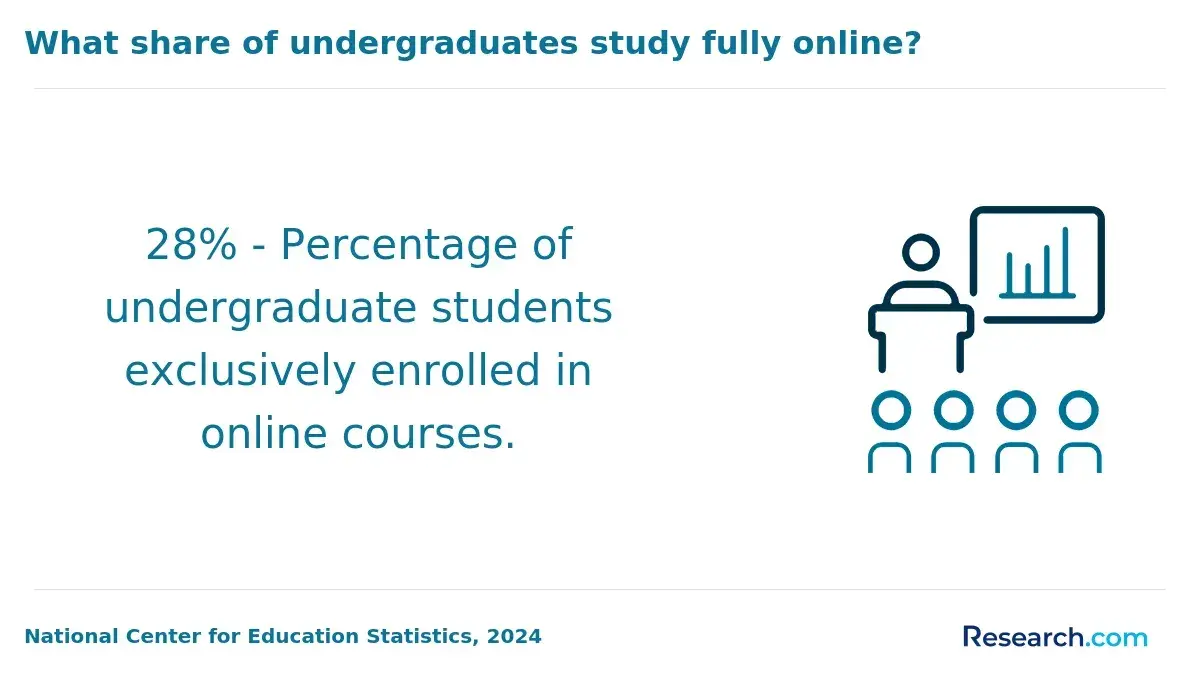
Choosing the right RN to BSN program presents an urgent challenge when clinical schedules collide with course pacing, and accreditation differences risk long-term credential recognition. Nearly 60% of nursing students now enroll in flexible, fully online programs, according to a 2024 National Center for Education Statistics report, indicating a decisive shift toward digital learning models that must align with demanding work hours.
This trend reflects a strategic need for programs offering both rigorous coursework and adaptable timelines without compromising clinical competencies or employer expectations. This article evaluates key factors such as program structure, accreditation, and timing to help nursing professionals identify RN to BSN programs that meet both career advancement and real-life constraints effectively.
Key Things You Should Know
- Employers increasingly require BSN-certified nurses, with 75% of U.S. hospitals aiming for 80% BSN-prepared staff by 2026, per the American Association of Colleges of Nursing; this intensifies competitive hiring for RNs lacking a BSN.
- Programs vary widely in clinical practicum demands; accelerated online BSN tracks reduce time-to-degree by 30%, but trade off hands-on experience critical for leadership roles, impacting long-term career trajectories.
- Financial aid and state-based tuition caps influence access. The Nursing Workforce Survey 2024 shows median RN to BSN program cost exceeds $20,000, pressuring working nurses to balance education expenses with lost wages during full-time study.
What Is an RN to BSN Program?
Registered nurses with an associate degree (ADN) face tangible career and financial barriers without a BSN due to shifting employer expectations tied to accreditation and patient outcomes. A hospital pursuing Magnet status will favor BSN credentials, creating real stagnation risks in promotion and salary for ADN-prepared RNs.
Choosing an accelerated RN to BSN program online can address this by expanding competencies in leadership and evidence-based practice beyond the ADN scope while fitting into work-life demands. Practical hurdles persist: balancing required clinical or leadership practicums with existing nursing schedules can be a challenge without flexible formats.
Many institutions mitigate this by providing online options and regional clinical placements near employment sites, easing logistical friction for working students. For nurses searching for "RN to BSN programs near me," evaluating credit transfer policies and state board alignment is essential, given variability in licensure portability and employer recognition.
Financial considerations underpin this pathway decisively. According to October 2025 PayScale data, BSN-prepared RNs earn approximately $99,000 annually, a 24% premium over the $80,000 typical of ADN-prepared nurses. Such a differential impacts lifetime earnings and market competitiveness substantially.
For those particularly concerned about clinical requirements, there are online RN to BSN programs without clinical requirements that can further reduce scheduling conflicts while maintaining credential integrity. Prospective students should weigh these program specifics carefully to align with both professional goals and operational realities.
More details on these pathways can be found in comprehensive guides to online RN to BSN programs without clinical requirements.
How Do You Choose an Accredited RN to BSN Program?
Employer recognition hinges heavily on accreditation from bodies like the Commission on Collegiate Nursing Education (CCNE) or the Accreditation Commission for Education in Nursing (ACEN). Selecting accredited online RN to BSN programs in the United States ensures alignment with licensure requirements and workplace expectations, directly influencing promotion potential and specialty certifications.
A non-accredited credential risks restricting mobility within integrated health systems, especially magnet hospitals valuing regional accreditation standards. Recent enrollment data underscores a shift in the market: nationwide RN to BSN program enrollments dropped 16.9% (19,871 students) in 2024, shrinking available seats and heightening selectivity.
This contraction makes the quality of clinical partnerships and real-world experience critical factors when evaluating programs, particularly those preparing nurses for roles in acute care or community health settings. When weighing the best regional RN to BSN programs with accreditation, the mode of delivery also matters.
Fully online options offer flexibility for working professionals but require disciplined scheduling, whereas hybrid or synchronous formats may better develop hands-on competencies. Graduates' NCLEX pass rates and employment in specialized roles serve as practical indicators of program rigor and market relevance.
Financial and logistical factors such as credit transfer policies and transparent tuition fee disclosure significantly impact total program cost and duration. For those considering a strategic educational progression, consulting resources like the cheapest BSN to MSN online pathways can offer insights into cost-effective planning without sacrificing accreditation or outcome quality.
What Are the Admission Requirements for RN to BSN Programs?
Meeting admission requirements for RN to BSN programs in the United States often hinges on more than just holding an active RN license and an accredited associate degree or diploma. Employers increasingly expect nurses to navigate program prerequisites such as minimum GPAs of around 2.5 to 3.0 and verified clinical experience, which commonly spans one to two years.
These criteria serve as gatekeepers, ensuring preparedness for upper-division coursework, but can introduce delays if foundational courses like microbiology or statistics remain incomplete. Working nurses balancing full-time employment face logistical constraints, especially if programs mandate on-campus attendance.
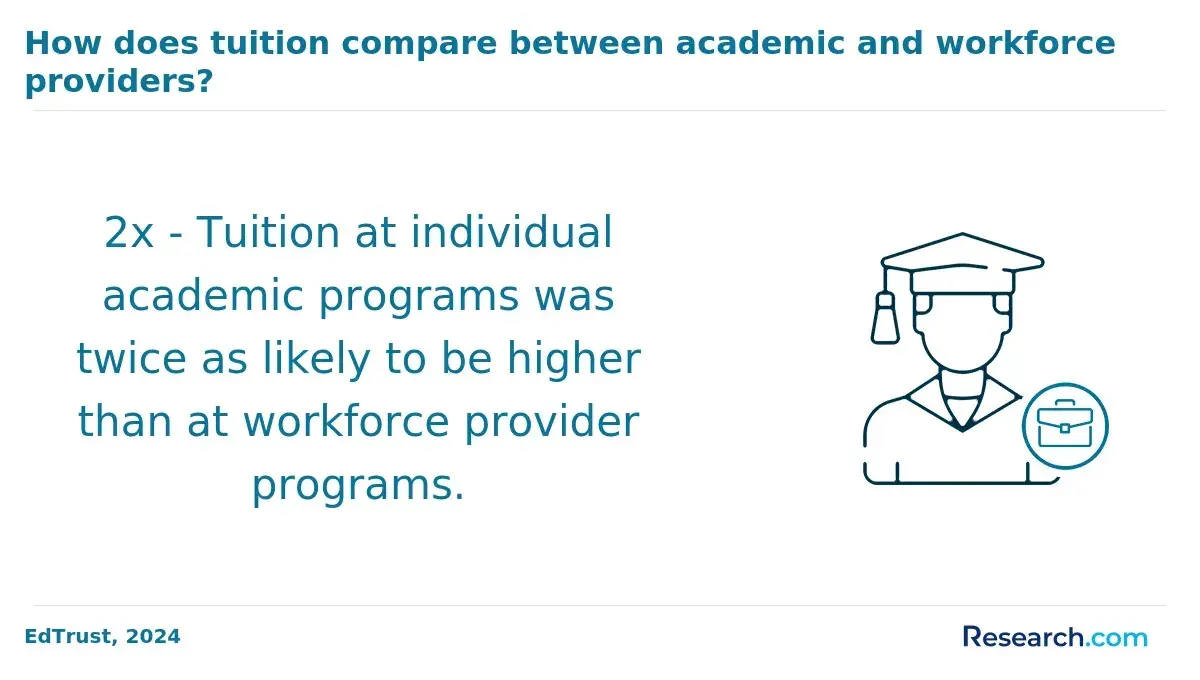
Online RN to BSN programs offer flexibility yet come with highly variable tuition-per-credit fees that can range from $216 to $1,263, with total costs between roughly $6,480 and $37,890-which affects ROI calculations and timing for licensing upgrades. Additional admission expectations, such as letters of recommendation, personal statements, or background checks, introduce complexity, particularly for internationally educated nurses who must also manage credential evaluations and English proficiency documentation.
Strategic planning around these factors influences mid-career progression in healthcare roles that increasingly prioritize BSN credentials for leadership and specialty opportunities. Prospective students should also consider pathways beyond the BSN, such as pursuing a nursing PhD, to better align long-term career goals with workforce demands and institutional expectations.
Should You Choose an Online or Campus RN to BSN Program?
Cost and flexibility are central when deciding between online RN to BSN programs versus campus programs, but workforce impact and employer preference often drive final choices. Tuition for many online RN to BSN programs ranges from $7,000 to $25,000 total, generally undercutting campus-based options-a significant factor for nurses balancing income and expenses. Beyond sticker price, online programs cater to nurses juggling family or multiple jobs.
In contrast, traditional campus programs may enhance clinical networking and offer direct access to specialized mentorship and hands-on experiences, which can influence hiring decisions in systems that prioritize in-person training. Certain hospital employers weigh program reputation and modality differently, making accreditation and institutional ties important considerations for students.
Geographic mobility also affects modality choice; relocating nurses often lean toward online formats to maintain degree continuity. Financial aid varies by format and early application improves net affordability. For those targeting rapid advancement within hospitals favoring campus learning, the higher cost may be justified. Conversely, nurses balancing complex schedules often find online RN to BSN programs the most practical route.
For professionals exploring related pathways, the FNP post master's certificate offers a focused alternative for advanced practice credentials.
What Courses Are in an RN to BSN Curriculum?
Nurses pursuing an RN to BSN program face a strategic decision that impacts their clinical scope and leadership opportunities in healthcare environments increasingly emphasizing population health and quality metrics. The curriculum balances advanced nursing skills with operational knowledge, often including community health, leadership, research methods, and healthcare informatics, which employers actively seek for roles beyond bedside care.
Key courses in these programs target:
- Community and Public Health Nursing: addressing social determinants and preventive strategies essential for shifting care models away from acute interventions.
- Leadership and Management: building capabilities in staff supervision and clinical project execution.
- Research and Evidence-Based Practice: fostering critical analysis of scientific literature to improve clinical protocols.
- Healthcare Informatics: equipping students with skills to navigate electronic health records and data-driven operations.
For working RNs, the compressed format of online competency-based programs, such as those offered through Western Governors University, can be completed in approximately 18 months at just over $10,000, optimizing both time and cost. However, students must manage clinical practicum requirements locally, which may introduce logistical challenges when balancing employment.
Programs with flexible or asynchronous scheduling help mitigate these conflicts but still demand disciplined time management. Graduates tend to meet workforce demands for leadership-ready professionals capable of integrating evidence-based practices with operational efficiency.
How Long Does an RN to BSN Program Take?
Completion time for RN to BSN programs typically ranges from 12 to 24 months, a variance influenced by enrollment status, prior credits, and program format. Full-time students often finish in about one year, while part-time students balancing work and personal obligations usually need closer to two years. Online and hybrid options add scheduling flexibility, but extended durations frequently reflect additional specialization or elective courses, especially in leadership or public health tracks.
This timeline is not merely academic; it directly affects labor market outcomes. Employers increasingly require bachelor-prepared nurses for supervisory roles, and BSN completion is often a prerequisite for graduate-level advancement into higher-paid advanced practice positions. For working nurses, the choice between accelerated versus extended timelines involves practical tradeoffs:
- Faster completion can mean higher immediate workload and less flexibility but quicker access to administrative roles.
- Longer programs support work-life balance but delay eligibility for certain career advancements and associated salary increases.
Furthermore, consideration of credit transfer policies is crucial. Programs that recognize prior clinical experience or coursework can reduce time-to-degree substantially. Scheduling clinical hours alongside theoretical study adds complexity, often elongating program length beyond simple course counts.
Prospective students must critically assess how pacing aligns with their professional demands and financial implications, given that even a six-month difference can significantly impact earnings and role eligibility.
How Much Does an RN to BSN Program Cost?
Cost considerations in RN to BSN programs significantly influence the decision-making process, particularly when evaluating the balance between tuition, time, and career impact. Programs usually range from $15,000 to $45,000 total, shaped by institution type, residency status, and delivery format. For example, a full-time nurse pursuing advancement through an urban hospital system might prioritize programs with extensive credit transfer policies-often up to 90 credits, with roughly 30 credits attributed to prior professional experience-to reduce both cost and course load.
Tuition structures are uneven. Public in-state rates often offer the most cost-effective path compared to private or out-of-state tuition, while some online options deliver flexibility but at a premium per credit hour. Additional costs such as technology fees or clinical placement charges can add $1,000 to $3,000, increasing the total investment. Nurses in rural clinics must weigh these costs against potential salary improvements and geographic workforce demand to optimize return on investment.
Financial aid and employer tuition reimbursement play a critical role in reducing upfront expenses, frequently making enrollment feasible with little immediate out-of-pocket cost. Decision-makers benefit from detailed cost analyses that go beyond sticker price: factoring in credit transfer, expected graduation timeframes, and future earnings is essential for an informed commitment. The Western Governors University dataset emphasizes that leveraging transferred credits remains a pivotal strategy for minimizing total costs in 2026.
What Jobs Can You Get After an RN to BSN?
Pursuing an RN to BSN program significantly broadens nursing roles beyond direct patient care, unlocking management, community health, and specialized clinical positions that explicitly require a BSN credential. Hospitals with Magnet Recognition increasingly mandate BSN-prepared nurses for promotional eligibility and compensation, signaling a workforce shift that favors degree advancement.
For example, a registered nurse aiming to become a nurse manager will find the BSN credential a de facto prerequisite tied to supervisory responsibilities and budget oversight. About 75% of RN to BSN programs offer online or hybrid options, accommodating nurses who must balance continuous employment with education-an important consideration because uninterrupted clinical service remains highly valued by employers. This flexible delivery model allows nurses to maintain income and professional momentum while fulfilling academic requirements.
Key post-BSN roles include:
- Nurse manager positions overseeing staff and unit operations in hospitals
- Public health nurses engaged in community interventions and epidemiology
- Clinical educators crafting training for healthcare teams
- Case managers coordinating multidisciplinary patient care
BSN curricula emphasize leadership and critical thinking, factors that influence hiring decisions and promotion pathways. Candidates must weigh program quality and flexibility against the financial and time commitments required, acknowledging that not all employers treat a BSN equally. Understanding these workforce expectations is critical for those strategically navigating their professional trajectory.
How Much Can RN to BSN Graduates Earn?
RN to BSN graduates command a median salary increase of $10,000 to $15,000 annually compared with registered nurses lacking a bachelor's degree, with typical earnings ranging from $75,000 to $95,000 depending on location and healthcare setting. This wage premium reflects employer preference for BSN credentials, especially in hospitals and community health where leadership and complex clinical skills are essential.
For nurses pursuing supervisory or specialized clinical roles, a BSN is often mandatory or highly favored, enabling access to positions that pay $10,000 to $20,000 more annually than general bedside nursing. In rural or outpatient environments, immediate salary gains may be smaller, but job security and promotion chances improve.
When evaluating RN to BSN programs, prospective students must consider not just tuition and salary increases but also opportunity costs. Full-time study can mean lost wages, and geographic wage disparities impact ROI. For example, selecting flexible or accelerated programs can mitigate income disruption, while employer financial support significantly lowers net educational costs.
One RN to BSN online program reports a 369% return on investment, factoring total increased earnings against tuition. This highlights how, beyond initial salary boosts, the degree supports longer-term income growth and career mobility. Practical decision-making around program choice hinges on balancing these factors with personal circumstances and employer incentives.
What Is the Job Outlook for BSN-Prepared Nurses?
The demand for BSN-prepared nurses is reshaping hiring and advancement criteria within healthcare, making the bachelor's degree less of a preference and more a baseline requirement in many systems. For instance, Magnet hospitals explicitly require BSNs for clinical leadership or specialty roles, which systematically limits professionals holding only an RN diploma or associate degree.
This shift results in tangible workforce implications:
- BSN holders gain access to roles beyond bedside care, such as public health, informatics, and case management.
- They benefit from stronger job security, linked to documented improvements in patient outcomes.
- Wage growth stands to improve but varies significantly depending on program cost and employment continuity.
Cost considerations are critical. Accredited online RN to BSN programs range widely, from under $9,000 annually to over $30,000 total tuition, creating potential savings or burdens exceeding $20,000. Working nurses should weigh tuition against expected wage gains and the risks of income disruption. Programs with flexible schedules allow continued employment, reducing financial strain and preserving clinical skills, thereby maximizing long-term net benefit.
The projected 8% growth in employment for BSN nurses through 2032 underscores the value of the credential, but strategic decision-making must balance real-world costs, employer expectations, and individual circumstances to ensure the BSN serves as a practical advancement rather than an aspirational cost center.
Other Things You Should Know About RN to BSN Programs
Most RN to BSN programs emphasize critical thinking by integrating theory and evidence-based practice. This skill is essential for nurses to make informed decisions, adapt to complex situations, and provide high-quality care, enhancing their professional role in healthcare settings.
Employers increasingly prefer BSN-prepared nurses, especially in hospitals pursuing Magnet status or serving complex patient populations. Choosing an RN to BSN program from a reputable institution can impact competitiveness. Nurses should prioritize programs with proven employer recognition and alumni outcomes to ensure the degree provides tangible career advancement.
RN to BSN programs often demand 12-15 hours of study weekly, including assignments and group projects, which can strain full-time workers. As a result, asynchronous online programs with extended deadlines and part-time options provide the best workload flexibility. Prioritizing these formats reduces burnout risk and supports steady progress without compromising job performance.
Not all programs deliver the same career benefits; employers value BSN degrees that emphasize leadership, community health, and evidence-based practice. Programs with robust practicum opportunities and strong clinical partnerships enhance real-world skills and employability. Choosing a program aligned with your specific career goals and market demands maximizes long-term value beyond simply obtaining the credential.
References
- RN to BSN Online Program https://www.bsmcon.edu/rn-bsn-online-program
- RN vs BSN Degree: What are the Key Differences? https://www.chamberlain.edu/blog/rn-vs-bsn-whats-the-difference-between-rn-and-bsn
- Bachelor of Science in Nursing (BSN) Degrees https://nursinglicensemap.com/nursing-degrees/bachelor-of-science-in-nursing/
- All About Bachelor of Science in Nursing (BSN) https://www.allnursingschools.com/bsn/career-paths/
- What is a BSN Degree and How Does it Differ from an RN License? | ACE Blog https://ace.edu/blog/bsn-vs-msn/
- RN to BSN Tuition & Costs https://www.muw.edu/nursing/bsn/rnbsn/costs/
- The Impact of Education on Nursing Practice https://www.aacnnursing.org/news-data/fact-sheets/impact-of-education-on-nursing-practice
- RN to BSN Class Requirements | University of Bridgeport https://www.bridgeport.edu/news/what-classes-are-required-for-an-rn-to-bsn/
- RN to BSN Curriculum https://www.moravian.edu/nursing/rn-to-bsn-curriculum
- The Role of Accreditation in RN to BSN Programs https://everynurse.org/role-accreditation-rn-to-bsn-programs/