2027 Best Value Online Sports Management Degree Programs: Affordable Accredited Options with the Strongest ROI

Co-Founder and Chief Data Scientist
Rising tuition costs and the demand for flexible online learning create significant challenges for budget-conscious students, working professionals, and military-affiliated learners seeking sports management degrees. Employer expectations now emphasize accredited credentials and measurable ROI, making it crucial to evaluate total program costs-beyond just tuition-including hidden fees and transfer credit policies. According to the Bureau of Labor Statistics, the median annual wage for sports management professionals varies widely by region and role, underscoring the importance of choosing programs aligned with career goals. This article explores affordable, accredited online sports management degree programs-highlighting costs, accreditation, flexibility, student support, and career outcomes-to help readers make informed, strategic decisions that maximize long-term financial stability and professional growth.
Key Things to Know About the Best Value Online Sports Management Degree Programs
- The best-value online sports management programs combine competitive tuition, financial aid, credit transfer options, and flexible formats to minimize total education expenses effectively.
- Accreditation status, graduation rates, student support, pacing, and career outcomes are crucial criteria for assessing a program's overall educational value.
- Review hidden fees, residency rules, credit transfers, salary potential, and employer recognition carefully to ensure career growth and long-term financial stability.
What Are the Best Value Online Sports Management Degree Programs?
As more students prioritize value in higher education, affordable and accredited online sports management degree programs have gained attention for balancing cost, quality, and career prospects. With the average student debt reaching over $30,000, cost-effective options offering strong return on investment (ROI) are crucial for working adults and career changers. Employer demand for graduates with practical skills adds to the appeal of flexible, affordable programs. Below are key categories of programs delivering these benefits.
- Public Regional Universities: Known for low in-state tuition and recognized regional accreditation, these universities provide affordable online sports management degrees with solid academic standards. Their flexible schedules and transfer-friendly policies enable budget-conscious students to accelerate progress and minimize debt.
- Competency-Based Models: These innovative programs focus on mastery over seat time, allowing self-motivated learners to finish degrees more rapidly. Typically offered by public institutions aligned with workforce needs, they enhance affordability and flexibility, which are vital for adult learners balancing jobs and studies.
- Comprehensive Online Universities: Offering a mix of affordability and robust student support services, these programs emphasize tuition-to-earnings outcomes. They often maintain articulation agreements with community colleges, making them a practical choice for students seeking accredited online sports management programs for working adults.
- State System Universities with Workforce Alignment: Tailored to labor market demands, these programs combine competitive tuition rates with seamless credit transfer and flexible online learning, maximizing ROI for both in-state and out-of-state students.
- Private Nonprofit Schools: Although tuition can be higher, substantial financial aid and strong alumni networks provide lasting value. Their online formats cater to professionals aiming for career advancement without sacrificing quality.
For those exploring degree options, also consider related fields such as online SLP programs that similarly prioritize affordability and career outcomes.
How Do You Choose an Affordable Accredited Online Sports Management Degree?
Selecting the right affordable accredited online sports management degree requires balancing cost, academic quality, flexibility, and long-term return on investment. Nearly 40% of college students report that managing tuition expenses is their biggest challenge in pursuing higher education, emphasizing the need for informed program choices. Comparing programs involves assessing multiple factors that impact both immediate affordability and future career benefits.
- Accreditation Status: Confirm that the institution holds regional accreditation-this ensures academic rigor and credit transferability. Employers and graduate schools increasingly recognize degrees from regionally accredited online programs, which supports both career advancement and further education.
- Tuition Affordability: Analyze tuition rates, fees, and additional costs carefully. Public universities and nonprofit institutions with transparent pricing often offer the best value. Some programs incorporate competency-based models allowing students to complete credits faster, reducing overall expenses and time to degree.
- Flexible Scheduling: Look for adult-focused programs that offer fully online, asynchronous courses-these accommodate working professionals juggling multiple commitments without sacrificing instructional quality or pacing.
- Transfer Credit Policies: Prioritize schools with clear, generous credit transfer policies to leverage previously earned credits. This approach can minimize redundant coursework, saving both time and money throughout your studies.
- Support Services and ROI: Comprehensive advising, career counseling, and technical support boost student success and persistence. Programs aligned with current sports industry demands-and demonstrated workforce outcomes-enhance employment prospects and maximize return on investment.
Budget-conscious students and working professionals seeking the best value online sports management degrees in the United States should also explore accelerated learning options like the accelerated psychology degree programs to understand how such models can shorten time to completion while maintaining quality.
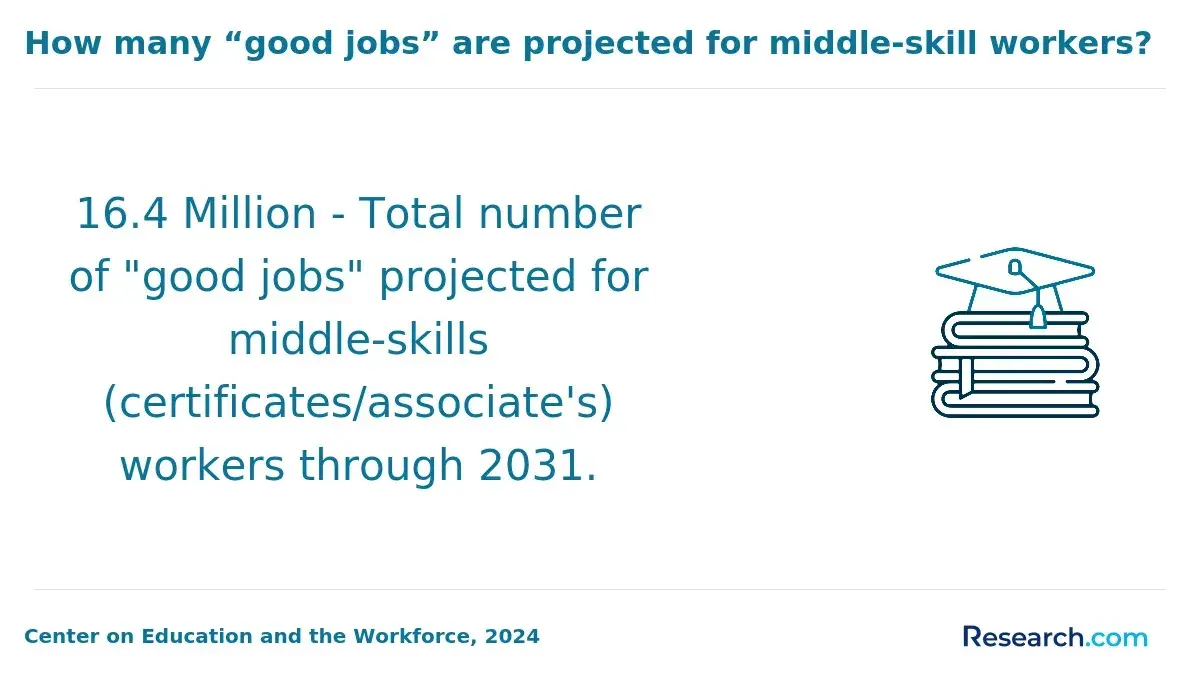
Which Online Sports Management Degree Programs Offer the Highest ROI?
Return on investment has become a top priority for students comparing online sports management degree programs due to rising tuition costs and growing student debt. Recent data shows that graduates from affordable online programs typically earn between $45,000 and $60,000 annually, highlighting the importance of balancing cost with potential salary. The following points outline critical factors affecting ROI in these degree paths.
- Graduation Efficiency: Programs boasting higher completion rates reduce the time and tuition students must invest, cutting overall debt. Accredited public universities with graduation rates above 50% often provide superior financial outcomes by helping students finish quicker.
- Industry-Relevant Curriculum: Degree plans aligned with current sports industry demands help graduates secure valued positions faster. Schools engaged with professional networks and offering tailored career support improve job placement and salary growth.
- Cost Transparency and Flexibility: Institutions with clear, fixed tuition rates or per-credit pricing simplify financial planning. Accepting transfer credits and implementing competency-based courses further lowers total education expenses, benefiting nontraditional learners.
- Accreditation & Reputation: Choosing regionally accredited programs ensures quality education and wider employer recognition-factors that contribute positively to long-term earnings and career mobility.
A professional who recently completed his sports management degree shared insights on the ROI question. He recalled feeling overwhelmed juggling work, family, and coursework, but found his program's flexible scheduling and strong career services invaluable. "Balancing deadlines with my job was tough, yet the ability to apply real-world projects directly to my career helped justify the cost," he explained. He emphasized that choosing an accredited, affordable online program with solid graduation support was crucial in advancing professionally without incurring unsustainable debt.
What Is the Average Cost of an Online Sports Management Degree Program?
Comparing the total cost of an online sports management degree is crucial for learners balancing flexible schedules and budgets. Tuition for fully online programs can range broadly-from about $10,000 to $40,000-depending on institution type and residency status. With college costs rising steadily, understanding pricing structures helps ensure a better return on investment for students. Below are key factors influencing affordable accredited online sports management degree tuition rates.
- Institution Type: Public universities typically offer more accessible tuition rates, especially for in-state students, while private institutions often charge more but may provide enhanced resources and networking benefits.
- Tuition Models: Some programs use flat-rate tuition permitting unlimited courses per term, which benefits those seeking accelerated or intensive study by capping semester costs regardless of course load.
- Transfer Credits: Schools with lenient transfer policies allow students to apply previous credits toward their degree, reducing overall credit requirements and thus costs.
- Residency Fees: Non-resident tuition usually exceeds in-state pricing at public schools-often more than doubling-making residency status a significant affordability factor.
- Accelerated Pathways: Faster online degree formats help reduce total tuition and opportunity costs by shortening the time spent out of the workforce, appealing to working professionals and career changers.
For those exploring affordable accredited online sports management degree options with strong ROI, considering these pricing variables alongside program quality and scheduling flexibility is vital. To delve deeper into accredited programs that suit various educational goals, visit best PsyD programs.
Are Affordable Online Sports Management Degrees Respected by Employers?
Employer perception plays a critical role for learners choosing affordable online sports management degrees-especially as the demand for remote education grows, with online degree enrollments rising over 30% in recent years. Nearly 70% of employers now value accredited online programs equally to traditional degrees, underscoring the need to focus on institutional credibility and program quality. Several key elements shape employer confidence in these affordable options.
- Regional Accreditation: Degrees from regionally accredited institutions carry the strongest recognition, signaling rigorous academic standards that employers trust nationwide. This accreditation assures that the curriculum meets comprehensive quality benchmarks beyond cost or convenience.
- Workforce Alignment: Programs with clear connections to industry needs-reflected in curriculum design and advisory committees-prepare students with practical skills valued by hiring managers. Employers favor candidates whose training aligns directly with current sports management roles.
- Nonprofit vs. For-Profit Models: Nonprofit schools tend to offer greater institutional stability and student support, boosting employer trust compared to for-profit providers, which often face skepticism regarding educational value.
- Transparency and Outcomes: Schools that openly share graduation rates, employment outcomes, and alumni success stories demonstrate accountability. These metrics help employers assess whether programs produce job-ready graduates.
- Transfer-Friendly Policies: Flexible acceptance of transfer credits can shorten degree completion times without compromising rigor-making graduates more adaptable and appealing in competitive job markets.
Reflecting on her journey, a professional who launched her career after earning an online sports management degree shared how initial doubts from employers faded once she highlighted her program's accreditation and practical internships. "Navigating skepticism was tough," she recalls, "but my coursework and real-world projects quickly proved my readiness." For her, the degree's reputation and the skills gained outweighed the affordable price tag in employer conversations-validating the growing respect for quality online programs.
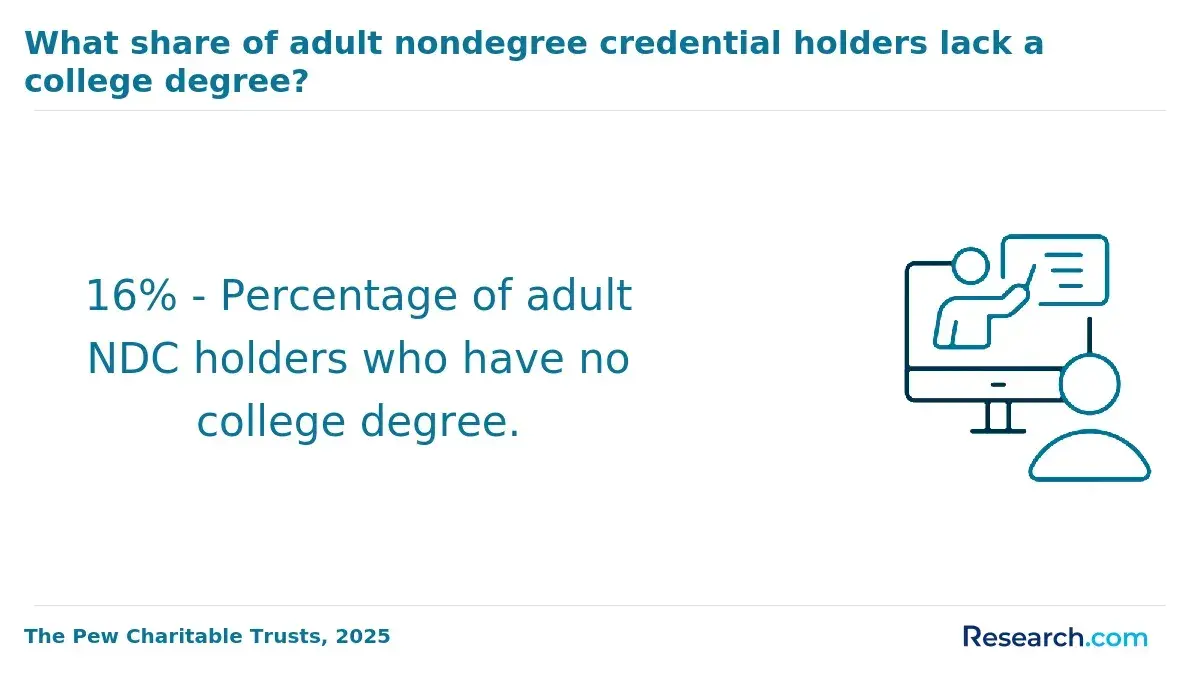
What Accreditation Should You Look for in an Online Sports Management Program?
Accreditation remains a critical consideration for students pursuing online sports management degrees-about 85% of employers value it as evidence of a credible education. Proper accreditation ensures programs meet rigorous academic and professional standards, helping graduates stand out in the job market. Below are key accreditation factors to consider when evaluating affordable online options.
- Regional Accreditation: This is the benchmark of academic quality in the U.S., issued by agencies approved by the Department of Education and CHEA. Degrees from regionally accredited schools are broadly recognized, aiding in credit transfers and acceptance by employers and graduate programs.
- Programmatic Accreditation: While less common for sports management, some schools hold business-related accreditations like those from ACBSP. Such credentials can enhance a program's respectability among industry recruiters and verify specialized curriculum quality.
- Nonprofit Institutional Status: Institutions operating as nonprofits typically emphasize reinvesting resources into student success and educational quality rather than profit, offering more transparency and stability for learners.
- Transfer-Credit Policies: Accredited programs tend to have clear and flexible policies for credit transfer, saving students time and money by preventing redundant coursework and allowing smoother progress toward degree completion.
- Transparency and Outcomes Reporting: Schools that publish graduation rates and employment statistics demonstrate accountability and a genuine commitment to student achievements-important indicators of program legitimacy and value.
Which Online Sports Management Programs Are Best for Working Adults?
Working adults increasingly seek online sports management degree programs that blend flexible scheduling with affordability and lasting educational value. With online higher education enrollment among adult learners up by over 30% in recent years, demand grows for degree pathways that accommodate busy professional lives and career advancement goals. The following options represent key program features that align with these priorities.
- Asynchronous Learning: Programs offering asynchronous coursework enable students to access materials anytime-eliminating conflicts with work or family and allowing steady progress at each learner's pace. This flexibility is crucial for adults juggling multiple responsibilities.
- Competency-Based Pathways: These allow learners to move forward by demonstrating mastery rather than spending fixed time in classes-often speeding degree completion and reducing overall tuition costs for working professionals.
- Transfer-Friendly Institutions: Schools with generous policies on prior credits and professional training let students avoid redundant coursework, significantly shortening time to degree and lowering expenses.
- Employer-Aligned Programs: Curricula developed in collaboration with industry leaders equip students with practical skills immediately applicable in sports management careers, enhancing both learning relevance and job prospects.
- Part-Time and Accelerated Scheduling: Flexible enrollment options-such as part-time study and expedited terms-enable balancing academics with demanding job schedules without sacrificing educational quality or support.
What Financial Aid Options Are Available for Online Sports Management Students?
Rising tuition costs and increasing student debt have made financial aid and tuition-reduction strategies critical for those comparing value-focused online sports management degree programs. Over 60% of undergraduate students now complete the FAFSA form, highlighting the growing reliance on available federal and institutional aid. These options can significantly reduce out-of-pocket expenses for budget-conscious students and working professionals. Below are key financial aid paths for affordable online sports management financial aid programs.
- Federal Aid Eligibility: Accredited online sports management programs often qualify for federal Pell Grants and Direct Loans-aid that includes low-interest loans and grants free of repayment, making education more accessible without excessive debt.
- Employer Tuition Reimbursement: Many working professionals benefit from employer-sponsored tuition assistance programs, which can cover a substantial portion of costs in return for continued employment, easing financial burdens while advancing careers.
- Transfer-Credit Optimization: Accepting transfer credits from community colleges or prior coursework helps reduce total credits-and tuition-required to graduate, accelerating degree completion and lowering overall expenses.
- Institutional Scholarships: Online learners should explore merit-based and need-based scholarships offered by universities, which vary widely but play a critical role in providing affordable financial assistance for sports management students.
- Military Education Benefits: Veterans, active-duty members, and their families can leverage education benefits such as the GI Bill and Tuition Assistance, which often cover full tuition at participating schools.
As students assess these options, it is important to consider programs that are both accredited and transfer-friendly to maximize long-term return on investment while maintaining flexibility. For those seeking detailed insights into the most affordable accredited programs combining quality with cost-effectiveness, the best AACSB online MBA programs also offer examples of rigorous standards applied to online degrees, which can be relevant for sports management students pursuing advanced credentials.
What Careers Can You Pursue With an Online Sports Management Degree?
Students increasingly pursue online sports management degrees to access flexible career pathways, competitive salaries, and long-term advancement opportunities. Employment in sports-related fields is growing steadily-projected industry growth supports strong demand for graduates with specialized skills. Below are key career categories for budget-conscious students, working professionals, and career-focused adult learners seeking affordable accredited programs with strong long-term ROI.
- Entry-Level Roles: Graduates often start as sports marketing assistants, event coordinators, or athlete liaison officers. These positions provide foundational experience and valuable industry contacts for those aiming at management-track careers.
- Management Careers: Mid- to senior-level roles-such as athletic directors, sports agents, or team operations managers-emphasize strategic, financial, and leadership competencies cultivated through online programs designed for workforce relevance.
- Specialized Industry Jobs: Opportunities in facility management, sports analytics, coaching administration, and sports media leverage focused knowledge. These positions align well with curricula aimed at addressing employer needs in the evolving sports sector.
- Remote-Friendly Positions: Roles in digital marketing for sports brands, virtual fan engagement, and e-sports coordination offer flexible work structures-ideal for adult learners balancing career and education.
For professionals evaluating available degrees, strong industry connections and comprehensive experiential learning influence successful employment outcomes. Carefully considering affordable accredited options supports sustained career growth and access to some of the best online sports management degree careers. Explore this comprehensive list of graduate degrees that are worth it when planning your educational investment.
What Is the Salary Potential for Graduates of Online Sports Management Programs?
Salary potential plays a crucial role for budget-conscious students and working professionals evaluating affordable, accredited online Sports Management degree programs. Median salaries for entry-level roles in this field typically start in the range of $40,000 to $50,000 annually, with growth driven by rising demand for skilled professionals in sports marketing, event planning, and facility operations. Understanding how various factors impact earnings can guide learners toward programs with strong long-term return on investment.
- Industry Specialization: Focusing on niches like sports analytics, compliance, or athletic administration often leads to higher-paying roles compared to generalist positions. Specialized skills enhance competitiveness, translating into better salary opportunities.
- Location Impact: Salaries vary significantly by region-with metropolitan areas and markets hosting major sports franchises offering more lucrative compensation than smaller or rural locations.
- Experience Level: Advancement from entry-level to managerial or executive positions substantially increases earning potential. Hands-on experience combined with leadership and marketing skills boosts salary growth over time.
- Employer Demand: Graduates from accredited programs aligned with workforce needs are more likely to secure positions in expanding sectors like sports technology and community sports, improving salary ceilings.
- Educational ROI: Programs that provide transparent graduate outcomes and flexible, cost-effective learning pathways contribute to long-term financial benefits by minimizing debt while maximizing career prospects.
What Graduates Say About Best Value Online Sports Management Degree Programs
- Lawrence: "Finding an affordable, fully accredited online sports management degree was crucial for me as a student with a tight budget. I was pleasantly surprised by the variety of programs that offer strong ROI through practical career outcomes, especially in fields like athletic administration and sports marketing. Choosing a best value program really helped me balance cost with quality education, setting me up for success without breaking the bank."
- Yitzchok: "As a working professional, I needed an online sports management degree that wouldn't interrupt my career but still provide a high return on investment. Reflecting on my experience, I found programs offering flexible schedules and accredited courses that lead directly to jobs in sports event planning and facility management. This focused approach made my decision easier and worth every effort, especially knowing I could advance without sacrificing work."
- Cameron: "Because I prioritized career advancement, I carefully researched online sports management degree programs that combine affordability with accreditation and strong industry connections. These programs not only offered affordability but also opened doors to lucrative careers like sports analytics and team management. Honestly, the ROI has exceeded my expectations, and I feel confident about my future prospects in the sports industry."
Other Things You Should Know About Sports Management Degrees
Yes-many online sports management programs incorporate internships, virtual simulations, or project-based assignments to provide hands-on learning. These practical components are essential for gaining real-world skills and networking opportunities in the sports industry. Prospective students should verify that programs offer such experiences as part of their curriculum.
Accredited programs regularly update course content to reflect changes in sports law, marketing strategies, and technology integration. Faculty members often have industry experience or connections that help keep the curriculum relevant. This ensures graduates are prepared for modern challenges and opportunities within sports management roles.
Students generally need a reliable internet connection, a computer capable of running standard software, and access to learning management systems. Some courses may require video conferencing tools for live sessions or group collaboration. It is important to review program technology requirements before enrolling to ensure compatibility.
References
- Sport Management, MS https://www.ucmo.edu/academics/programs/masters-degrees/hcbps/marketing-pr-and-sport-management/sport-management/sport-management-ms/
- 25 Best Return On Investment Degrees in Sports Management (Bachelor's) 2021 - Sports Management Degree Guide https://www.sports-management-degrees.com/best-bachelors-roi/
- Best Degrees in Sports Management Online 2025 https://www.onlineu.com/degrees/sports-management
- Sports Job Training & Certification Courses | Sports Management Worldwide https://www.sportsmanagementworldwide.com/courses
- Funding your future: navigating financial options for a postgraduate sports management course https://www.sportbusiness.com/2024/09/funding-your-future-navigating-financial-options-for-a-postgraduate-sports-management-course/
- Commission on Sport Management Accreditation - (COSMA) https://www.chea.org/commission-sport-management-accreditation
- What are the career options after a master's degree in sports management? - INSEEC https://www.inseec.com/en/guides/career-path-guide/what-are-the-career-options-after-a-masters-degree-in-sports-management/
- Why study for a Sports Management degree https://brive.com/blog/studies/sports-management-degree/
- What can you do with a sports management degree? - AISTS https://aists.org/what-can-you-do-with-a-sports-management-degree/
- Master’s in Sport Management Online https://www.snhu.edu/online-degrees/masters/ms-in-sport-management