2027 Global Studies Degree vs Bootcamp vs Certificate: Which Path Leads to Better Career Outcomes?

Co-Founder and Chief Data Scientist
Choosing between a global studies degree, a bootcamp, or a certificate often challenges prospective learners aiming for strong career outcomes. Employers tend to favor degree holders for leadership roles-82% of surveyed hiring managers prefer candidates with bachelor's degrees in global studies or related fields for strategic positions-while bootcamp and certificate graduates often find faster entry-level employment. Balancing salary potential, job placement rates, and networking access adds complexity when considering return on investment and long-term career growth. This article will explore these critical factors, offering an evidence-based comparison to guide learners-whether recent graduates or career changers-toward the educational path best suited to their profile and goals.
Key Things to Know About Which Path Leads to Better Career Outcomes: Global Studies Degree, Bootcamp, or Certificate
- Degree holders in global studies often earn 15-25% higher salaries than bootcamp or certificate completers-employers in international organizations generally prioritize bachelor's or master's credentials.
- Bootcamps offer rapid skill acquisition and strong job placement rates-useful for career changers needing swift returns; however, networking opportunities remain limited compared to degree programs.
- Certificates provide cost-effective specialization with moderate ROI-best suited for adult learners seeking targeted skills without long-term commitment, though long-term advancement may be constrained.
How Does Global Studies Degree Compare to Bootcamps and Certificates in Total Program Cost and Time to Completion?
Prospective global studies students face a key choice: invest several years pursuing a traditional degree or opt for faster, often less expensive paths like bootcamps or professional certificates. Neither approach is inherently better-it depends on the individual's goals, timeline, and resources. A global studies degree usually means an associate's or bachelor's degree from an accredited institution, generally taking 2 to 4 years full-time. Part-time options extend this timeline. Tuition and fees at public four-year colleges range from $10,000 to $25,000 annually, leading to a total program cost comparison for a global studies degree versus boot camps of approximately $20,000 to $100,000, excluding living expenses.
Bootcamps are intense, focused programs lasting 8 to 26 weeks, designed for rapid skill acquisition in areas like international affairs, data analytics, or policy tools. Average bootcamp tuition falls between $5,000 and $15,000, according to aggregators such as SwitchUp and Course Report. These appeal particularly to recent graduates and mid-career professionals seeking swift retraining without extended academic commitments. Professional certificates, offered by platforms including Coursera and Google or industry groups, are often shorter, spanning weeks to months, and cost anywhere from a few hundred dollars to a few thousand. Their flexible structure suits learners balancing work and family life.
While tuition and time frames are crucial, they aren't the full picture. Factors like salary outcomes, employer recognition, job placement rates, and long-term career growth significantly influence the return on investment and pathway fit. For those exploring options, including easy bachelor's degrees online, this analysis aids decision-making tailored to varied learner profiles. More comprehensive comparisons follow, delving into these important outcome-based considerations.
Explore more information about easy bachelor degrees online to understand how degree pathways align with individual goals.
What Career Outcomes Can Global Studies Degree Graduates Expect Compared to Bootcamp and Certificate Completers?
Graduates with a global studies degree experience career outcomes that differ markedly from those of bootcamp or certificate completers-though these gaps vary depending on employer expectations and job market dynamics. Data from the Bureau of Labor Statistics (BLS), NACE's Early Career Salary Survey, and Course Report's bootcamp outcomes illustrate that degree holders tend to have higher median starting salaries and more diverse job title responsibilities initially, reflecting their comprehensive academic preparation and the traditional value placed on a university credential.
- Employment Rate Within Six Months: Degree graduates in global studies report employment rates around 75-85% within six months, according to NACE data. Bootcamp completers often show somewhat lower or similar rates (65-80%), depending heavily on program quality and labor demand. Certificate program outcomes are more variable, reflecting less uniform recognition.
- Median Starting Salary: Degree holders typically earn median starting salaries above $50,000 annually, though regional and sector differences apply. Bootcamp graduates from reputable tech or data-focused programs report salaries near $45,000-$55,000, sometimes matching degree holders in skills-driven roles. Certificate recipients commonly start between $35,000 and $45,000, with potential for quicker gains as experience or education accumulates.
- Job Title Level at First Placement: Degree holders often obtain analyst or coordinator roles, benefiting from broad strategic skills. Bootcamp completers secure technical or specialist positions focused on specific competencies like data analysis or language interpretation. Certificates usually lead to entry-level or support roles, unless aligned with high-demand skills.
It is important to acknowledge that bootcamp outcome data frequently rely on self-reporting, leading to potential survivorship bias or selective disclosure. Prospective learners should seek independently audited results or CIRR membership verification to critically evaluate reported outcomes and ensure transparency.
Career advancement prospects for global studies graduates versus bootcamp completers depend on more than credentials alone-portfolio strength, networking, geography, and industry also play vital roles. Degree programs often provide stronger employer recognition and alumni networks, while bootcamps and certificates increasingly benefit from shifts toward skills-based hiring, particularly in technical roles within global studies.
This data urges learners to ask targeted questions about each pathway's real-world value rather than accepting promotional claims. For those exploring options, including how much does it cost to get a business degree online, understanding these nuances equips them to align educational choices with their career goals and market realities.
Which Global Studies Pathway - Degree, Bootcamp, or Certificate - Offers the Highest Starting Salary for Graduates?
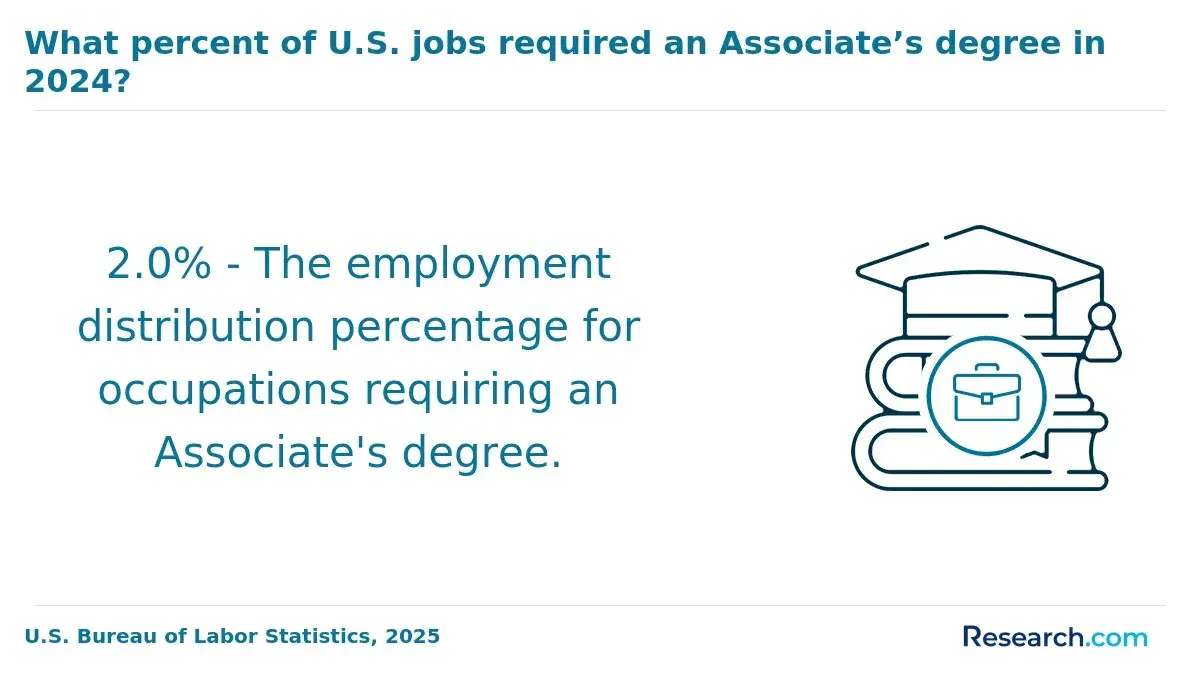
Entry-level salaries for global studies professionals vary notably depending on the educational pathway-degree programs, bootcamps, or certificates-with degree holders generally securing the highest figures. Median starting pay for bachelor's and master's degree graduates ranges between $50,000 and $65,000 annually, influenced by employer preference for formal credentials, especially in government agencies, international organizations, and large enterprises. These degree holders often hold titles like policy analyst or international relations specialist, roles with clearer promotional tracks and salary bands.
Bootcamp graduates, who emphasize practical and technical skills such as data analysis or GIS, typically earn between $40,000 and $55,000. Their careers often begin in startups or smaller nonprofits where hands-on experience can outweigh formal education. Meanwhile, certificate holders usually start at lower median salaries-about $38,000 to $50,000-filling roles related to project support or community engagement, with limited access to the higher-paying specialist or managerial positions.
Several factors shape these salary disparities:
- Employer Type: Larger enterprises and government employers value degrees for entry and advancement; startups often focus more on demonstrated skills from bootcamps.
- Industry Sector: Fields like international law and diplomacy place substantial emphasis on formal education, affecting compensation.
- Job Title Specificity: Specialized roles usually require degrees and correspond with higher pay; more general positions can be accessed by certificate or bootcamp holders.
- Geographic Market: Urban centers and global hubs offer higher wages, enhancing degree-related advantages.
Over time, degree holders tend to climb faster into supervisory or specialized roles due to credential requirements for promotion, despite some initial salary overlap with bootcamp and certificate completers. Median salaries mask wide individual variation affected by previous experience, specialization, program quality, and location. For detailed cost-adjusted salary comparisons, reviewing ROI analyses is essential.
A professional who completed a global studies degree explained how the journey entailed balancing rigorous coursework with internships that built valuable connections-"It wasn't just about the classes but the access to mentors and structured career support that made a difference." He noted that despite the initial challenge of sustaining motivation, the degree opened doors in established organizations where credentials mattered most, ultimately reflecting the higher starting salary benchmarks seen in the data.
Employers in fields like government, international organizations, and consulting typically view formal global studies degrees as essential, using them as a primary screening mechanism. Surveys from SHRM show these sectors value the academic rigor, critical thinking, and theoretical background that degrees provide.
Conversely, in startups, tech-driven NGOs, and some private sectors, hiring managers increasingly focus on skills and hands-on experience, often placing bootcamp and certificate graduates on a competitive footing, especially when supported by strong portfolios. This dynamic reflects shifting employer attitudes captured in LinkedIn Talent Insights, illustrating evolving preferences in credential evaluation.
Despite trends toward skills-based hiring, regulated industries, including international law, diplomacy, and government policy, still demand degrees because of stringent credentialing requirements. Initiatives from major tech firms and certain state governments aim to acknowledge non-degree pathways; however, research in academic labor economics indicates these have yet to significantly alter hiring outcomes outside technology-related roles. For many global studies, career trajectories and degree credentials remain a decisive factor.
Prospective students should match their credential choices to their targeted sector, balancing rapid skill acquisition through bootcamps and certificates with the sustained value degrees hold in established fields. Those exploring flexible learning options may also consult accredited schools online to find programs that fit their career goals.
Admission to accredited global studies degree programs often demands a strong academic record, including a minimum GPA of about 3.0 for both undergraduate and graduate levels. Applicants typically must have completed relevant coursework in fields like social sciences or languages before applying for advanced degrees. Standardized tests such as the SAT or ACT are common for undergraduates, with GRE scores frequently requested for graduate admissions. Additionally, most degree programs require two to three letters of recommendation to support academic potential, and they operate on strict application deadlines that demand early preparation.
- GPA Minimums: Usually 3.0 or higher for admission consideration.
- Prerequisite Coursework: Prior social science or language classes often required.
- Standardized Tests: SAT/ACT for undergraduates; GRE for graduate applicants.
- Letters of Recommendation: Typically two to three letters highlighting academic capability.
- Application Timelines: Fixed deadlines necessitating timely submission.
By contrast, global studies bootcamps and certificate programs feature significantly fewer enrollment hurdles. Many embrace open or rolling admissions with little or no academic prerequisites and do not mandate standardized test scores or letters of recommendation. Minimal application requirements and flexible start dates lower the barriers to entry, making these options more accessible to non-traditional learners such as career changers and working adults who face financial, geographic, or time constraints.
- Open Enrollment: Rolling admissions with no formal academic barriers.
- No GPA or Test Scores: Generally no standardized exams required.
- Minimal Application Materials: Basic application or motivation statements, rarely recommendations.
- Flexible Timelines: Year-round enrollment possibilities.
Admission selectivity in degree programs acts both as a gatekeeper and a signal of rigor-offering employers a proxy for program quality and graduate readiness. Meanwhile, bootcamps and certificates must demonstrate value through clear outcomes, qualified instructors, rigorous curricula, and recognized accreditation to gain employer trust rather than relying on selectivity.
Lower entry barriers in non-degree programs create greater access for learners facing structural challenges, balancing equity with quality. Prospective students should consider their academic history, schedule, and goals carefully to determine if degree admission standards represent meaningful standards or obstacles in their unique context.
When I asked a professional who built her career following a global studies degree about her experience, she reflected on the demanding application process that involved gathering several recommendation letters and preparing for standardized tests. Despite the stress, she viewed these steps as a preparation for the rigor ahead. She noted, "While it felt challenging, the selective admissions made me confident that the program offered quality and serious academic engagement." Her experience contrasts with peers who chose certificate programs for their flexibility but had to work harder to verify program credibility through outcomes and instructor expertise.
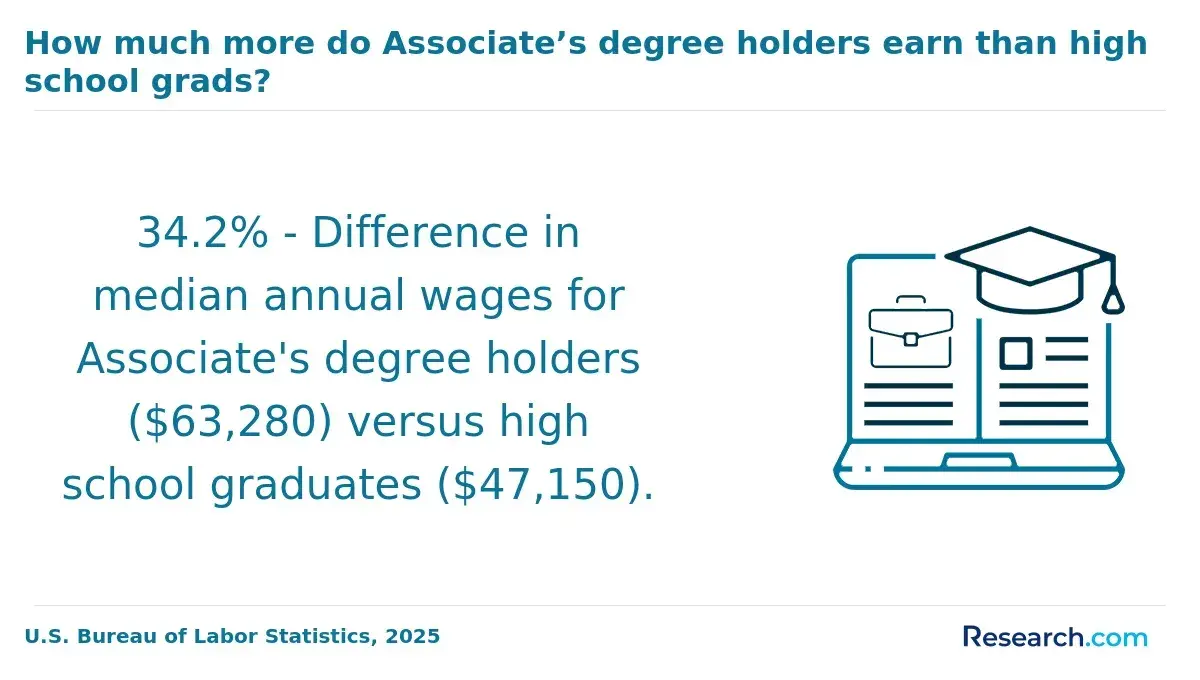
Global Studies degree programs deliver comprehensive coverage across multiple disciplines, combining broad general education, such as history, economics, and language studies, with specialized major courses in international relations, cultural analysis, and global policy. Students typically have choices in electives to concentrate on areas like development, security, or environmental concerns.
Many programs include research projects or a thesis, fostering critical thinking and original inquiry. This curriculum structure builds a strong foundation of transferable knowledge suited for evolving career paths, but generally results in a longer time before entering the workforce compared to alternative routes.
Bootcamps focus on intensive, project-based learning aimed at rapidly equipping students with practical skills for immediate employment. Curricula concentrate on applied tasks such as data analysis relevant to global contexts, policy simulations, and cross-cultural communication, often forgoing broader theoretical or historical frameworks. This approach efficiently develops technical competencies and portfolio-ready work, making it ideal for those targeting quick job entry in specific roles, though it may lack the academic depth necessary for research-intensive or policy design careers.
Certificates vary widely, ranging from entry-level credentials offered by platforms like Google or Coursera that introduce foundational concepts and technical skills pertinent to Global Studies-adjacent sectors, to advanced professional certifications conferred by industry organizations that validate specialized expertise.
Entry-level certificates serve newcomers or individuals shifting careers, while advanced certifications enhance credentials for practitioners seeking career advancement. These programs provide targeted knowledge without the broad contextual grounding of degree programs, influencing labor market positioning based on employer expectations and previous experience.
Evaluating return on investment (ROI) for global studies pathways involves more than just tuition-it includes the often overlooked opportunity cost of foregone income during enrollment. For instance, a traditional degree program lasting two to four years requires not only paying tuition and fees but also foregoing full-time wages, which significantly affects true ROI comparisons.
Drawing on data from NCES, NACE salary benchmarks, and bootcamp outcome reports, three learner profiles illustrate this impact:
- Recent High School Graduate: With no prior income to forgo, the major costs are tuition and living expenses over four years. Although opportunity costs are low, degrees usually require a longer timeline to break even, while bootcamps enable earlier workforce entry and faster ROI by offering lower upfront costs.
- Mid-Career Professional: Someone leaving a $50,000/year job faces significant opportunity costs for traditional degrees but much lower for bootcamps or certificates. Shorter bootcamp durations minimize income loss, often delivering the quickest positive ROI alongside comparable salary boosts in entry-level global studies roles.
- Part-Time Learner: Maintaining employment while studying lowers opportunity costs dramatically for all options. Certificates, with minimal costs and brief durations, sometimes lead to an earlier break-even point, though degrees offer larger long-term salary gains.
- Degree: High upfront tuition and opportunity costs delay ROI but potential cumulative salary benefits over ten years can be substantial.
- Bootcamp: Lower tuition and shorter durations provide the fastest five-year ROI-especially advantageous for career changers seeking rapid reentry.
- Certificate: The least costly and quickest option, certificates produce fast returns, often suited for learners balancing work and study but with limited salary increases.
Because ROI depends heavily on individual circumstances, it should be one factor among many in pathway decisions. A slower ROI may be justified if a degree meets specific employer requirements or offers deeper expertise unavailable through shorter alternatives.
When evaluating job placement statistics for global studies bootcamp job placement statistics, degree programs, and certificate programs, it's important to understand differences in data collection and definitions. Degree pathways typically use independently audited sources such as IPEDS graduate outcomes surveys or institutional career services reports. These focus on employment directly related to a graduate's major-providing precise, relevant placement rates. Certificate programs often fall in between bootcamps and degrees, with some relying on employer-verified data and others on learner surveys.
Bootcamp placement rates can vary considerably. Some follow CIRR standards, offering independently audited figures that enhance transparency. However, many bootcamps include any form of employment in broadly adjacent fields as placement, which can inflate success statistics compared to degree programs that track closely aligned job roles. This discrepancy requires prospective students to critically assess what "placement" entails.
- Definition Discrepancies: Degree programs measure employment in roles tied directly to global studies, while some bootcamps count loosely related jobs to boost reported rates.
- Career Services: The quality of career support-employer partnerships, resume coaching, mock interviews, and alumni networks significantly impacts outcomes across all pathways.
- Critical Evaluation: Ask for detailed placement data, including:
- Salary ranges that reflect economic value.
- Time-to-placement indicates how quickly graduates secure employment.
- Breakdowns by job role type, highlighting relevance to global studies certificate programs and degree job outcomes.
- Benchmarking: Compare program claims against national or regional averages from trusted sources rather than relying solely on marketing.
For example, those exploring education in related fields might consider a blockchain degree to understand how specialized pathways influence job placement.
Ultimately, recognizing these nuances helps learners make informed decisions based on transparent and comparable data rather than promotional claims.
Networking opportunities in global studies degree programs significantly influence long-term career growth, often providing one of the most sustainable professional assets beyond formal education
- Degree Programs: These typically offer the richest networking infrastructure, including expansive alumni associations, recurring career fairs, continuous faculty mentorship, and engagement with Greek life or professional organizations. The geographic scope and prestige of the institution play crucial roles-graduates from highly ranked universities benefit from broader and more influential networks that extend globally across industries. Such networks enhance job placement rates and open doors that directly impact salary outcomes and employer credential preferences.
- Bootcamps: Although bootcamp alumni networks are generally smaller and younger, they capitalize on cohort-based communities that foster immediate peer support and collaboration. Some established programs have cultivated strong alumni referral cultures and maintain close employer partnerships, especially in technology-adjacent global studies fields like data analytics and digital diplomacy. These pipelines can significantly boost job placement rates and offer mentorship that accelerates career changes, appealing to working professionals seeking efficient pathways.
- Certificate Programs: Networks from professional credentials, such as Google Career Certificates or Salesforce Trailhead, tend to operate more as focused communities than traditional alumni networks. Access to hiring managers, mentors, and peer cohorts varies widely but is often more limited than in degree or bootcamp options. Nevertheless, these platforms increasingly facilitate career development through events and forums, which can support rapid upskilling without requiring long-term study commitments.
This nuanced understanding assists recent high school graduates, adult learners, and current degree students evaluating supplemental credentials. Considering employer credential preferences and return on investment, the right choice depends on individual career goals and the desired depth of alumni access benefits for bootcamp and certificate graduates. For those exploring universities that accept 2.0 GPA, this information also provides insight into the networking tradeoffs among different educational pathways.
The value of degree, bootcamp, and certificate pathways in global studies shifts notably depending on geographic location. Major metropolitan hubs such as New York, San Francisco, and Washington, D.C., benefit from dense employer networks favoring degree holders for senior positions while simultaneously demanding bootcamp and certificate graduates for emerging roles. These urban centers often host the headquarters of leading bootcamp programs, boosting job placement through direct employer connections. Graduates moving away from these areas typically see reduced placement success due to weaker local employer ties.
- Metropolitan Advantage: Strong employer density creates high demand for all credential types, but degrees retain an edge for leadership roles while bootcamps excel in rapidly evolving sectors.
- Regional Challenges: Mid-sized markets generally carry less awareness and acceptance of bootcamp and certificate credentials, favoring established degree programs for career stability and growth.
- Rural Limitations: Limited specialized roles and skepticism toward non-degree pathways make degrees more critical, though overall salaries tend to be lower, impacting return on investment.
- Remote Work Equalization: Increasing remote opportunities allow global studies graduates from all credentials to target high-paying roles tied to metro salary standards, yet this accessibility heightens national competition for these positions.
Prospective learners should consider employer saturation, credential recognition, and remote work prevalence within their desired job market. A bootcamp or certificate that performs well in a particular city may not replicate those outcomes elsewhere. According to Course Report, fewer than 20 U.S. metropolitan areas currently dominate bootcamp market penetration, underscoring the need for geographic strategy when choosing a global studies education path.
Employer preferences for global studies candidates vary significantly by organization type and size. Large corporations and government bodies frequently require formal degrees-bachelor's or master's-as a strict prerequisite. These credentials serve as a baseline for evaluating foundational knowledge and credibility within complex geopolitical contexts, reflecting regulatory and risk management priorities.
Conversely, startups and smaller agencies show greater openness to alternative credentials, emphasizing practical skills demonstrated through portfolios, projects, and technical assessments. This skills-first approach prioritizes tangible outcomes and hands-on experience over formal education, aligning with their agile and innovation-driven cultures.
- Degree Requirements: Despite many employers reducing degree mandates in job postings since 2020, degree holders still dominate hiring in regulated and enterprise sectors. The formal credential acts as a key gatekeeper in these environments.
- Skills Emphasis: Emerging organizations increasingly champion non-degree pathways such as bootcamps and professional certificates, which provide targeted expertise and proof of capability without requiring traditional academic timelines.
- Credential Trends: Non-degree credentials frequently complement rather than replace degrees, offering updates or specialization that enhance a candidate's profile.
- Research Approach: Candidates should supplement published employer preferences by conducting informational interviews and reviewing recent hires' LinkedIn profiles to gauge real-world credential use within their target sectors.
What Graduates Say About Which Path Leads to Better Career Outcomes: Global Studies Degree, Bootcamp, or Certificate
- Tony: "Choosing the global studies degree was a game-changer for me because employers clearly value that comprehensive credential-there's a noticeable edge in salary outcomes compared to shorter programs. The extensive networking opportunities opened doors I didn't anticipate, and the return on investment proved solid despite the longer timeline. If you're aiming for long-term career growth with a broader professional scope, the degree definitely pays off."
- Denver: "Reflecting on my path through the bootcamp, I see how well it fits learners who want quick but intensive skill development-job placement rates were impressive, and employers appreciated the hands-on experience more than just a certificate. While salary gains might not match a full degree immediately, the bootcamp offered a focused route with prompt career entry. For those needing fast upskilling or a career pivot, this channel feels the most practical and rewarding."
- Kai: "The certificate program offers great flexibility and is perfect for professionals balancing work and study-it's cost-effective with a high return on investment, especially for those not looking to commit years to a degree. However, in terms of employer preference and long-term advancement, it may not carry the same weight as a bootcamp or degree. Still, it provides a valuable credential for enhancing skills and staying competitive, particularly if you want a manageable, learner-friendly option."
Other Things You Should Know About Global Studies Degrees
Students should check whether the program is approved for transfer by a regionally accredited university and whether any credits can be applied toward a 120-credit bachelor’s degree. Most short bootcamps are noncredit, while certificates may carry 6–30 credits and require an official transcript for evaluation.
During economic downturns, degree holders often have an advantage, as their credentials and deeper knowledge align better with employer hiring preferences for stability. Bootcamp and certificate graduates may face stiffer competition and reduced opportunities because their quicker, skill-specific training is sometimes seen as less comprehensive. However, in niche sectors or roles requiring technical expertise, certificates can provide a relevant edge even in tight markets.
Degrees from accredited universities hold the highest credential legitimacy, as they follow rigorous academic standards overseen by recognized educational bodies. Bootcamps and certificates vary widely in accreditation-some are industry-recognized while others lack formal oversight, which can affect employer perception. Evaluating the provider's reputation and third-party endorsements is critical when considering non-degree programs for global studies careers.
- Building Global Alumni Connections: Tips and Benefits | Joinee https://www.joinee.io/knowledge-base/global-alumni-connections
- Cybersecurity Bootcamp vs Degree: Complete Comparison 2026 https://unihackers.com/compare/bootcamp-vs-degree
- What resumes in international affairs should look like: 9 do’s and don’ts https://www.whatdiplomatsdo.com/post/what-resumes-in-international-relations-should-look-like-do-s-and-don-ts
- 19 Degrees and Certifications With the Highest ROI https://finance.yahoo.com/news/19-degrees-certifications-highest-roi-160114367.html
- Coding Bootcamp vs Degree: Which Path Fits Your Tech Goals? https://sdgku.edu/blog/coding-bootcamp-vs-degree-which-is-right-for-you/
- CourseCareers https://coursecareers.com/blog-posts/online-courses-vs-bootcamps-vs-college-which-path-gets-you-job-ready-faster-in-2026
- Tech Bootcamps vs. Traditional Degrees: Which Is the Right Starting Point? https://www.ironhack.com/gb/blog/tech-bootcamps-vs-traditional-degrees-which-is-the-right-starting-point
- Alumni Networks: Universities vs. Corporations – Alumni Reach https://alumnireach.com/alumni-networks-universities-vs-corporations/
- Degrees vs Certificates: Which Path is Right for Your Career Success? https://reviewnprep.com/blog/degrees-vs-certificates-which-path-is-right-for-your-career-success/
- What Do Employers Look for in Resumes? A Comprehensive Breakdown % https://www.boutiquerecruiting.com/what-do-employers-look-for-in-resumes-a-comprehensive-breakdown/