2027 Best Career Pivot Options for People With a Global Studies Degree

Co-Founder and Chief Data Scientist
Graduates with a global studies degree often face uncertainty-how to translate broad interdisciplinary skills into concrete career paths can be daunting. Nearly 47% of global studies alumni report initial difficulty securing roles that fully leverage their competencies in diverse fields such as international relations, cultural analysis, and policy evaluation. This challenge intensifies for mid-career professionals seeking increased fulfillment or compensation, as well as for career changers evaluating whether their degree provides a solid pivot foundation.
This article explores key strategies-credential enhancement, targeted networking, entry-level accessible roles, and resume reframing-to guide readers toward high-growth sectors and sustainable long-term outcomes.
Key Things to Know About the Best Career Pivot Options for People With a Global Studies Degree
- Global studies graduates possess critical thinking, cross-cultural communication, and policy analysis skills-transferable to roles in international development, diplomacy, and global marketing, where adaptability drives success.
- Entry-level pivot roles often include program coordinator, research analyst, or nonprofit liaison-high-growth sectors such as sustainability and tech prioritize credentials like certifications in project management or data analytics.
- Strategic networking via professional associations and LinkedIn, combined with resume reframing to highlight global competencies, enhances long-term career prospects in diverse international and domestic industries.
What Career Pivot Options Are Available to People With a Global Studies Degree?
Career pivoting has become a widespread and professionally legitimate strategy in today's fast-evolving labor market. Data from the Bureau of Labor Statistics show that the average US worker switches jobs multiple times during their career-reflecting economic shifts, personal development, and new interests. Research from the National Association of Colleges and Employers and LinkedIn Workforce Insights highlights that graduates with interdisciplinary degrees like global studies acquire versatile skills that support movement across various industries. This adaptability is especially valuable when evaluating career pivot options for people with a global studies degree in the United States.
Holders of a global studies degree gain a broad foundation combining cultural literacy, critical thinking, communication, and research skills-resulting in a credential with high professional flexibility. This opens numerous potential pathways beyond traditional roles in diplomacy or international relations. Common pivot directions often include:
- International Development: Many leverage their understanding of global socio-economic challenges to work in NGOs, policy think tanks, or international organizations focused on sustainable growth.
- Government and Public Policy: Analytical and cross-cultural skills prepare graduates for roles in intergovernmental bodies, immigration services, or local governments requiring navigation of complex regulations.
- Business and Consulting: The degree supports transitions into international business, market research, or consulting for multinational corporations where global fluency is an asset.
- Media and Communications: Language proficiency and critical analysis lead naturally to careers in writing, translation, and digital storytelling.
- Education and Academia: Roles include teaching, curriculum development, or managing programs dedicated to global citizenship and language education.
This career versatility aligns with the increasing recognition of high-growth industries for global studies graduates to transition into. Graduates can build on foundational competencies to deliberately reframe their resumes, pursue targeted credentials, or expand professional networks. For those seeking enhancement, identifying certifications online can provide valuable upskilling opportunities. Embracing a strategic framework ensures that a global studies degree functions not as a limitation but as an empowering springboard to meaningful careers across sectors and career stages.
Which Industries Outside the Traditional Global Studies Field Hire Global Studies Degree Holders?
Graduates holding a global studies degree bring diverse skills-ranging from cross-cultural communication to analytical research-that appeal to employers across various high-growth sectors. Beyond traditional paths in international relations or nonprofits, several industries consistently hire global studies degree holders, leveraging their global perspective and versatile competencies.
- Consulting: Firms value global studies graduates for their ability to analyze geopolitical risks, cultural factors, and market dynamics impacting multinational strategies. Roles include research analysts, strategy associates, and risk consultants. This sector moderately recognizes the credential, with many professionals supplementing it using business certifications.
- Technology: Tech companies hire for product localization, user research, and international market expansion roles where cross-cultural skills matter. Positions such as user experience researcher, international program manager, and localization specialist are common entry points. Recognition is less direct-graduates must articulate their competencies in technical or operational terms.
- Financial Services: Opportunities exist analyzing global markets, regulatory environments, and geopolitical investment factors. Typical roles are compliance analyst, market research associate, and global risk manager. Finance credentials are often preferred but global studies is valued for its international frameworks insight.
- Media and Communications: News agencies, public relations firms, and international media outlets seek expertise in cultural context and global affairs. Common roles include communications coordinator, content strategist, and international reporter. The credential is well recognized, serving as a clear pathway into this field.
- Education and Training: International education organizations and corporate diversity initiatives need global studies professionals for curriculum development and training. Jobs include education program coordinator, instructional designer, and diversity trainer. This sector highly values the degree, especially in roles emphasizing cultural competency.
- Environmental and Sustainability Organizations: Employers focused on global environmental policy and sustainable development hire for research, advocacy, and program roles. Roles include sustainability analyst, policy advisor, and project manager. The degree aligns well here due to interdisciplinary and policy expertise.
- Government and Public Policy: Agencies hire global studies graduates for public affairs, intelligence analysis, and social services positions beyond diplomacy. Positions include policy analyst, program officer, and community outreach specialist. This sector strongly recognizes the degree as foundational for understanding global-local governance issues.
It's crucial to distinguish industry-switching from role-switching: moving to a new industry while retaining familiar functions-like research or communications-usually demands less retraining and credential adaptation than switching to an entirely new role. Strategic resume reframing and targeted skill-building are essential when pivoting roles within or across sectors.
Informational interviews with global studies degree holders working in adjacent industries offer invaluable, practical insights on employer expectations and credential translation. Using this overview, graduates can craft tailored lists of target employers and roles that match their unique backgrounds.
For those considering a shift into social services or related fields, exploring online social work programs can provide pathways complementing global studies competencies.
What Transferable Skills Does a Global Studies Degree Provide for Career Changers?
A degree in Global Studies offers a unique blend of skills and knowledge that are highly valuable for career changers looking to pivot into new fields. This interdisciplinary program equips students with a global perspective, cultural competency, and critical thinking abilities that are applicable across various industries. Whether you're seeking to enter international business, diplomacy, non-profit work, or other sectors, a Global Studies degree provides a robust foundation of transferable skills to support your career transition.
- Cross-Cultural Communication: Proficiency in engaging with diverse cultural backgrounds supports careers such as international marketing, where cultural insight drives strategy, and human resources roles focused on diversity and inclusion efforts within global firms.
- Qualitative Research: Skills in ethnography and critical analysis apply directly to user experience research by revealing customer behavior patterns and to market research fields where interpreting consumer data informs business decisions.
- Analytical Thinking: The ability to dissect complex international issues proves invaluable in policy consulting-where nuanced data assessment shapes recommendations-and in business strategy roles addressing global challenges.
- Language Proficiency: Advanced language capabilities enable effective communication in diplomatic negotiations and streamline operations in international logistics and supply chain management.
- Project Management: Experience coordinating research or fieldwork builds organizational strengths suited for managing nonprofit initiatives or directing marketing campaigns.
- Ethical Reasoning: Understanding frameworks around sustainability and justice translates into roles overseeing corporate social responsibility and regulatory compliance.
- Collaboration and Teamwork: Engaging with interdisciplinary teams equips graduates for dynamic environments such as cross-functional corporate groups and community engagement programs.
Graduates should actively map their academic projects, internships, and practical experiences onto these competencies-explicitly highlighting them in resumes and interviews rather than assuming employers will infer them. This process of competency articulation is crucial and will be further supported by upcoming guidance on networking and resume optimization tailored to varied career pathways.
In today's interconnected world, a degree in Global Studies offers a unique perspective and valuable skills. But how do employers in adjacent fields perceive and evaluate this interdisciplinary background during the hiring process? Understanding their perspective can shed light on the opportunities and challenges faced by graduates in this evolving field.
- Evaluation: Employers in industries adjacent to global studies vary in how they assess these degrees-larger firms typically weigh institution prestige and GPA heavily, viewing them as indicators of candidate quality. Smaller organizations and nonprofits often place more value on demonstrated skills and relevant experience, rather than academic status alone. This variation reflects the interdisciplinary nature of global studies degrees, which can either differentiate or complicate a candidate's screening process.
- Credential Translation: Hiring managers unfamiliar with global studies may struggle to interpret the degree's practical relevance, given its inclusion of political science, economics, and cultural studies. Graduates improve their chances by tailoring resumes and portfolios to emphasize transferable skills such as cross-cultural communication, research, and data analysis. Strategically crafted cover letters should clearly link academic projects and coursework to specific employer needs, effectively translating abstract knowledge into actionable contributions.
- Implicit Bias: Some recruiters reflexively undervalue global studies credentials when hiring for roles dominated by disciplines like finance or engineering. Candidates should actively counteract this by researching employers thoroughly, expanding professional networks, and showcasing relevant certifications or technical skills. Relying on passive screening often narrows opportunities, while proactive engagement can positively shift employer perceptions.
- Employer Targeting: Prioritizing organizations with a history of hiring across disciplines-discoverable through LinkedIn alumni searches, employee spotlights, and recruiting literature-enhances success in career shifts. Early-career roles at such employers help build evidence of cross-sector competence, supporting broader pivots later. For those exploring flexible career routes, exploring options like the cheapest EdD online programs can complement credential strategies and add versatility.
Career pivots for global studies graduates frequently lead to entry-level roles across several core functional areas offering clear advancement paths and strong alignment with their skill sets.
- Operations: Involves supporting workflows, coordinating projects, and managing logistics to enhance efficiency. Key skills include organization, attention to detail, and adaptability. These roles report to operations managers and benefit from global studies training in cross-cultural communication and international systems, aiding navigation of diverse teams and supply chains.
- Communications: Focuses on content development, media engagement, and stakeholder messaging. Essential competencies are writing proficiency, cultural sensitivity, and public speaking. Typically reporting to communications officers, global studies graduates leverage their deep understanding of cultural media contexts to tailor effective messaging.
- Data Analysis: Centers on gathering, interpreting, and presenting data to guide strategic decisions. Requires quantitative skills, familiarity with data tools, and problem-solving. Reporting to data managers, global studies graduates bring expertise in research methodologies and cross-national datasets that provide analytical advantages.
- Policy Support: Encompasses policy research, drafting briefs, and liaison tasks. Critical thinking, writing clarity, and governance understanding are necessary. Reporting lines lead to policy advisors, with global studies curricula offering adeptness in navigating international political frameworks.
- Sales and Business Development: Involves client outreach, prospecting, and deal facilitation. Negotiation, cultural awareness, and communication skills are crucial. These roles report to sales leads and benefit from global studies training in intercultural negotiation, valuable in international markets.
- Product Support or Coordination: Assists in lifecycle management and integrating user feedback. Project management basics, communication, and adaptability are needed. Reporting typically to product managers, global studies graduates' insight into global market trends and consumer behavior gives them a distinct edge.
Data shows that although global studies graduates often start in entry-level roles, relevant internships or volunteer work expedite advancement by up to 30% compared to peers lacking such credentials. These skills-cross-cultural communication, critical thinking, and research-accelerate mid-career promotions beyond typical timelines.
Choosing an entry point should involve assessing how one's strengths match role demands, compensation potential, promotion speed, and ultimate career goals-ensuring the pivot role acts as a deliberate foundation instead of a reset.
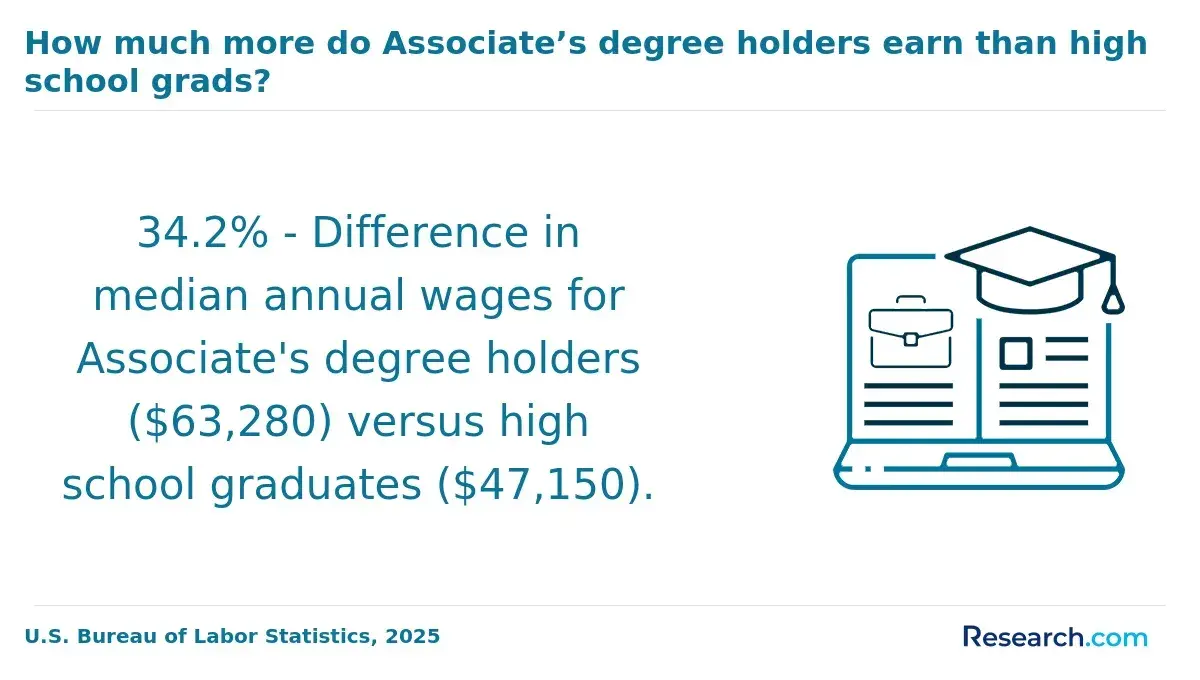
Career paths stemming from a global studies degree often yield much higher compensation when aligned with sectors like financial services, management consulting, enterprise technology, and high-growth startups compared to traditional nonprofit or government roles. These fields leverage the analytical, cultural, and strategic skills typical of global studies, but pay premiums that reflect industry profitability and business models.
- Financial Services: Positions such as investment banking, asset management, and financial analysis deliver early-career salaries 30% to 50% above the median for traditional global studies roles. Mid-career earnings rise sharply, boosted by significant bonuses and profit-sharing arrangements. These roles require quantitative aptitude and often certifications like the CFA, necessitating further credentialing investment. High-margin financial products and wealth management services drive compensation well beyond standard global studies pay scales.
- Management Consulting: Top-tier consulting firms offer median earnings roughly 40% higher than typical early global studies salaries, along with lucrative bonuses and rapid advancement opportunities. Consulting exploits global studies expertise in navigating international regulations, market complexity, and risk. Entry demands substantial networking, case interview preparation, and often graduate degrees such as an MBA.
- Enterprise Technology: Roles including product management, UX research, and business analysis at leading tech firms combine competitive pay with equity awards and performance incentives. The sector's scalable business models support generous total compensation packages. Additional training in data analytics, programming, or project management is commonly required for successful transitions.
- High-Growth Startups: These environments offer equity stakes and rapid earnings growth but involve higher risks. Compensation typically includes base salary plus stock options, potentially valuable upon company success. Skills in international market dynamics and cultural fluency enhance value in startups pursuing global markets.
Total compensation in these fields comprises not only base salary but also bonuses, equity, retirement contributions, health benefits, professional development allowances, and flexibility for remote work. Evaluating job offers demands nuanced financial literacy to assess the entire remuneration package-not base pay alone.
Prospective pivoters should carefully weigh the costs of additional credentialing, networking, and preparation against compensation upside. Realistic planning ensures investments in time and resources align with long-term financial and professional goals, fostering sustainable and informed career transitions.
Several sectors are experiencing above-average employment growth, driven by global trends that create strong demand for professionals with global studies competencies. These industries value the degree's emphasis on cross-cultural understanding, geopolitical insight, and analytical skills-qualities that uniquely position graduates to contribute in ways beyond traditional disciplinary boundaries.
Several sectors are experiencing above-average employment growth, driven by global trends that create strong demand for professionals with global studies competencies. These industries value the degree's emphasis on cross-cultural understanding, geopolitical insight, and analytical skills-qualities that uniquely position graduates to contribute in ways beyond traditional disciplinary boundaries.
- Technology and Cybersecurity: The global expansion of tech firms requires navigating international regulations and cybersecurity threats. Global studies graduates bring vital skills in policy compliance and cultural nuance critical for risk assessment in cross-border operations.
- Renewable Energy and Environmental Services: As climate initiatives intensify worldwide, understanding multilateral environmental policies and diverse cultural approaches to sustainability enables global studies professionals to facilitate cross-national collaboration and stakeholder engagement effectively.
- International Development and Humanitarian Aid: Managing projects in complex socio-political contexts demands cultural sensitivity, regional expertise, and language skills-strengths cultivated in global studies programs-making graduates ideal for program management and impact evaluation roles.
- Global Supply Chain and Logistics: Increasingly intricate international trade requires knowledge of geopolitical risks and cultural negotiation. Professionals with global studies backgrounds help streamline operations by interpreting these variables strategically.
- Financial Services and Risk Analysis: Global financial markets depend on analysts who understand regulatory frameworks and macroeconomic trends shaped by geopolitical events. Global studies training provides deep insights into these dynamics, supporting informed investment decisions.
- Consulting and Policy Analysis: Strategy firms and think tanks seek professionals adept at synthesizing complex international data and crafting adaptable solutions-core competencies developed through global studies education.
- Media and Communications: Crafting narratives that resonate across cultures is essential for global marketing and international journalism. Global studies graduates offer the cross-cultural literacy vital to effective communication in multinational organizations.
Graduate certificates offer an efficient credential option for global studies degree holders seeking a career pivot without the time and financial commitment of a full master's program. According to the National Center for Education Statistics (NCES), these certificates typically require less than one year of study-significantly faster and more affordable than traditional degrees. This combination of speed and cost enables professionals to quickly develop targeted skills aligned with specific industries or job roles, making them a valuable alternative for those needing timely upskilling.
Unlike degree programs, graduate certificates focus on concentrated, skill-based training in areas including data analytics, project management, UX research, public health, nonprofit management, and financial analysis. The American Council on Education emphasizes that such certificates communicate specialized expertise to employers and can enhance employability when matched with labor market needs.
However, prospective students must navigate credential inflation carefully-evaluating programs by accreditation, employer recognition, alumni success rates, and cost-benefit balance ensures a worthwhile investment. Common graduate certificate options for career-pivoting global studies graduates include:
- Data Analytics: Applying quantitative and qualitative skills for careers in business intelligence and research analysis, with demonstrated salary premiums and growing demand.
- Project Management: Critical for managing international development, nonprofit efforts, or corporate initiatives; certifications here hold strong employer appeal, as reflected in salary and hiring metrics.
- Public Health: Linking global health interests to roles in government, NGOs, or healthcare sectors where credentials and domain knowledge combine to increase opportunities.
Recent research from the Graduate Management Admission Council found that 62% of employers now prefer graduate certificates as reliable indicators of job readiness, sometimes over traditional degrees. Deciding when to pursue these credentials depends on career stage:
- Before Applying: Completing a certificate can remove hiring barriers for pivot roles demanding specific qualifications.
- While Applying: Concurrent study signals dedication and proactive professional development.
- After Hiring: Certificates used for continuing education nurture long-term growth and adaptability within new fields.
Understanding graduate certificate benefits for global studies degree holders empowers more strategic career pivots. Those exploring degrees in project management or related fields can leverage these credentials to expand career flexibility and align with high-growth market sectors.
Academic credentials typically reflect broad theoretical knowledge, while professional certifications function as labor market signals-they provide proof of specific competencies employers value in practical, skill-based roles. For those undertaking a professional certifications for global studies career change, these credentials can grant a meaningful competitive advantage in pivoting to fields beyond pure academic or policy work. Certifications matter most when recognized by industry employers and aligned with the target role's demands; irrelevant or overly generic certifications often do not materially affect hiring outcomes.
Key certifications relevant for common global studies degree pivot paths include:
- Project Management Professional (PMP): Requires 3-5 years of project management experience and 35 hours of formal education; exam costs approximately $405-555; highly regarded by employers in consulting, NGOs, and corporate sectors for leadership roles.
- Certified Analytics Professional (CAP): Emphasizes data analytics skills; demands a combination of education and professional experience; exam costs around $495; ideal for entering data-driven roles in various industries.
- SHRM-CP (Society for Human Resource Management - Certified Professional): Needs 1-4 years of relevant HR experience; exam fees about $300-400; useful for human resources positions in international and nonprofit organizations.
- Salesforce Administrator: No formal prerequisites; preparation ranges from weeks to months; exam costs $200; valued in CRM and technology-enabled business roles.
- Certified International Trade Professional (CITP): Requires industry experience; costs vary for exam and membership; important for careers in global trade, logistics, and economic development.
Before investing time and money, global studies graduates should identify certifications' relevance by scanning job postings in desired roles, analyzing LinkedIn profiles of successful professionals, and conducting informational interviews. This research ensures that chosen credentials align with employer expectations in target sectors, validating the pivot with recognized industry qualifications.
Sequencing certification pursuit within the overall pivot strategy is also vital-for example, indicating progress on certifications in resumes and interviews signals commitment and professional growth, enhancing credibility even before formal completion. This approach integrates well into a strategic transition plan for global studies professionals aiming to leverage professional certifications for global studies career change.
For those exploring education options to support such pivots, considering a not for profit online university might provide flexibility and accreditation needed alongside certification efforts.
Freelance and contract work offer valuable avenues for global studies degree holders to pivot careers swiftly-providing direct experience and industry exposure before securing full-time roles. In 2023, over 36% of the US workforce participated in freelance work, reflecting the growing legitimacy of gig platforms as stepping stones toward stable employment.
- Role Accessibility: Early pivot opportunities commonly align with content creation, research assistance, data analysis, virtual administration, communications consulting, and project coordination. These roles leverage skills intrinsic to global studies such as cross-cultural communication, research techniques, and analytical reasoning.
- Portfolio Development: Each contract contributes concrete outputs like reports, campaigns, and datasets that enhance resumes and portfolios. Positive client reviews simultaneously build professional credibility useful for future job applications.
- Platform Strategy: Choosing established freelance marketplaces that serve multiple industries helps connect freelancers to relevant projects. Effective service packaging entails clear offerings rooted in domain expertise and setting beginner-friendly hourly or project rates-typically between $15 and $30-to attract initial clients while showcasing value.
- Credential Positioning: A global studies degree differentiates freelancers through expertise in international contexts, policy insights, and cultural literacy-traits valued by clients requiring nuanced perspectives.
- Resume Conversion: Framing freelance accomplishments as impactful projects demonstrates problem-solving and subject-matter knowledge, bridging contract work to traditional employment.
- Risk and Fit Assessment: Freelancers must consider financial stability and risk tolerance, as income fluctuates. Certain sectors-especially regulated or government-may limit freelance roles, making this path less viable for some individuals.
Career changers with a Global Studies degree must prioritize intentional networking-research from Harvard Business Review and MIT Sloan Management Review reveals that most job opportunities emerge through weak ties and referrals rather than formal applications. Because many pivoters lack established contacts in new industries, adopting a strategic and structured networking plan greatly improves the chance of a successful transition.
- Alumni Network Activation: Identify fellow graduates who have transitioned into your target sector and reach out with personalized messages requesting advice and insights about their career journey and essential skills.
- Professional Association Entry: Join relevant industry organizations to attend webinars, conferences, and local events, gaining access to experienced practitioners and potential mentors.
- Informational Interview Campaigns: Arrange brief, focused conversations with professionals in desired roles using clear, respectful language such as, "I'm exploring a career transfer into [field] and would appreciate 15 minutes to hear about your experience."
- LinkedIn Strategic Connection-Building: Connect with individuals in target fields, explaining your reasons for reaching out and maintaining engagement by commenting on posts and sharing relevant content to build genuine relationships over time.
- Community of Practice Engagement: Actively participate in online forums, special interest groups, or local meetups to develop skills and demonstrate authentic interest to employers or collaborators.
Networking anxieties like imposter syndrome, fear of rejection, and discomfort with perceived self-promotion are common. Using prepared conversational templates for outreach and introductions eases stress and reframes networking as relationship cultivation rather than self-marketing. Establish a regular weekly schedule for networking with measurable outreach targets and track your progress to embed these connections into long-term career development rather than reactive job searching.
Current labor market data shows that over 70% of roles are filled through networking channels, highlighting why deliberate, ongoing relationship-building is essential for Global Studies graduates seeking professional pivots.
What Graduates Say About the Best Career Pivot Options for People With a Global Studies Degree
- Tony: "Graduating with a global studies degree truly opened my eyes to the power of transferable competencies-skills like cross-cultural communication and critical thinking are currency in many fields. I found accessible entry-level roles in international nonprofit organizations where these skills were highly valued. My advice? Focus on credential strategies that emphasize language proficiency and project management certifications to boost your profile early on."
- Denver: "Looking back, the most valuable insight from my global studies experience was how to strategically network within high-growth sectors such as sustainable development and tech-for-good. Building authentic connections-both online and at industry conferences-has been crucial in maneuvering career pivots. Also, reframing my resume to highlight global problem-solving rather than academic achievements made all the difference when applying to diverse roles."
- Kai: "The long-term career outcomes for someone with a global studies background can be incredibly rewarding if you're intentional about your path. I've come to appreciate the value of starting in entry-level analyst positions within international trade and gradually moving up. This approach allowed me to develop a strong foundation-while earning relevant certifications along the way-to excel in a competitive, dynamic job market."
Other Things You Should Know About Global Studies Degrees
Global Studies degree holders should emphasize their transferable skills such as cross-cultural communication, research and analysis, and multilingual abilities. It is important to tailor their resumes to highlight relevant experiences-like internships, volunteer work, or projects-that align with the new industry. Demonstrating adaptability and problem-solving in diverse contexts can help employers recognize the practical value of a Global Studies background.
The strongest certificates are in policy analysis, data analysis, and project management, such as Google Data Analytics, PMI CAPM, or university policy certificates. Policy analyst roles often ask for 1–3 years of research, writing, or public-sector experience, plus strong Excel and briefing-note skills.
Graduates successfully pivot into technology-adjacent roles by acquiring technical skills like data analysis, digital communication, or project management through targeted courses or certifications. Their understanding of global contexts and cultural diversity is highly valued in areas such as user experience research, international marketing, or technology policy. Building proficiency with relevant software tools and gaining practical experience helps bridge the gap between humanities and tech sectors.
- Going freelance - World leading higher education information and services https://world.edu/going-freelance/
- How Employers Verify Foreign Degrees: What You Need to Know https://www.scholaro.com/db/News/How-Employers-Verify-Foreign-Degrees-What-You-Need-to-Know-247
- Top 8 Global Destinations for Professional Growth https://www.workbeyond.com/resources/2/top-8-global-destinations-for-professional-growth
- Building Your Global Professional Network: The Hidden ROI of Study Abroad https://glo-explore.com/building-your-global-professional-network-the-hidden-roi-of-study-abroad/
- Networking Strategies for International Students Seeking Global Careers - MIUniversity https://miuniversity.edu/en/orientation/networking-strategies-for-international-students-seeking-global-careers/
- Types of Entry-Level Jobs for Global Studies Majors | Career Advice & Interview Tips | WayUp Guide https://www.wayup.com/guide/types-of-entry-level-jobs-for-global-studies-majors/
- High-Growth Job Sectors in Europe: Where Structural Demand Is Building | EuroClimateJobs https://www.euroclimatejobs.com/article/924/high-growth-job-sectors-in-europe-where-structural-demand-is-building
- The importance of professional certificates in the labor market with the Institute for Total Development of Training https://mdit.edu.sa/en/blog/the-importance-of-profe-ional-certificate--in-the-labor-market
- Elevate Your Knowledge and Leadership with Graduate Studies Certificates from Global University https://globaluniversity.edu/graduate-studies-certificates/
- What Can You Do With a Global Studies Degree? https://www.northcentralcollege.edu/news/2023/04/28/what-can-you-do-global-studies-degree