2027 Fastest Accredited Online Physical Therapy Degree Programs That Accept Transfer Credits

Co-Founder and Chief Data Scientist
If you already have college credits, the fastest path toward a physical therapy-related degree is rarely the program with the flashiest "accelerated" label; it is the accredited program that applies the most credits to the right requirements. The National Student Clearinghouse Research Center reported a 5.3% rise in undergraduate transfer enrollment in spring 2024, showing renewed demand for credit mobility. This guide is for transfer students, career changers, and degree completers who want a legitimate online route. You will learn how accreditation, transfer limits, residency rules, clinical requirements, and cost affect your real graduation timeline.
Key Things You Should Know
- The fastest legitimate online route for most transfer students is a regionally accredited bachelor's-completion program in kinesiology, exercise science, health science, or pre-physical therapy that accepts up to about 90 transfer credits toward a 120-credit degree, leaving roughly 30 credits to complete.
- Entry-level physical therapist licensure requires a CAPTE-accredited Doctor of Physical Therapy, and DPT programs usually do not operate like transfer-credit completion degrees; online or hybrid DPT options still require labs, clinical education, and strict prerequisite review.
- Maximum transfer credit is not the same as usable transfer credit: a school may accept many credits institutionally, but graduation speed depends on major requirements, residency credits, prerequisite grades, lab science recency, and whether credits fit the degree audit.
What Are the Fastest Accredited Online Physical Therapy Degree Programs That Accept Transfer Credits?
The fastest accredited online physical therapy degree programs are usually not fully online licensure programs for becoming a physical therapist. In the United States, the entry-level professional credential for physical therapists is the Doctor of Physical Therapy, and it must be accredited by the Commission on Accreditation in Physical Therapy Education, commonly called CAPTE. However, transfer students often search for "online physical therapy degree" when they mean one of three pathways: a pre-PT bachelor's degree, a physical therapist assistant pathway, or a hybrid DPT after completing prerequisites.
For students with substantial prior credits, the most transfer-friendly options are online bachelor's-completion degrees in kinesiology, exercise science, health science, rehabilitation science, or pre-physical therapy. These degrees can help students finish a bachelor's degree faster, complete DPT prerequisites, or qualify for related healthcare and wellness roles. Students comparing adjacent healthcare pathways may also want to review best online kinesiology programs, especially if their long-term goal is DPT admission, athletic performance, rehabilitation support, or graduate study.
The table below summarizes the main accredited pathways that students usually mean when they search for fast online physical therapy degrees. It shows which options tend to be fastest with transfer credits and which ones include professional licensure requirements.
| Program type | Typical credential | Online availability | Transfer-credit fit | Best for |
| Online bachelor's completion in kinesiology, exercise science, or health science | BS or BA | Often fully online for lecture courses | High, often up to about 90 credits if they apply | Students who need a fast bachelor's degree before applying to DPT programs or related graduate programs |
| Pre-physical therapy track within a bachelor's program | BS or BA plus prerequisite plan | Partly online; labs may require campus or approved local options | Moderate to high, depending on science prerequisites | Students preparing for DPT admission who still need anatomy, physiology, biology, chemistry, physics, or statistics |
| Physical therapist assistant program | Associate degree | Hybrid or campus-based because of labs and clinicals | Limited to moderate | Students seeking PTA licensure rather than the physical therapist role |
| Hybrid Doctor of Physical Therapy | DPT | Hybrid, with online coursework plus in-person labs and clinical education | Low for DPT professional coursework; prerequisites may transfer before admission | Students who already have a bachelor's degree and completed required prerequisites |
| Transitional or post-professional DPT | DPT for licensed PTs | Often online | Designed around prior professional education, not general undergraduate transfer | Licensed physical therapists who trained under older bachelor's or master's PT standards |
The key decision is whether you are trying to become a licensed physical therapist, become a physical therapist assistant, or finish a bachelor's degree that positions you for DPT admission. The fastest program for one goal may be the wrong program for another.
How Fast Can You Complete an Online Physical Therapy Degree With Transfer Credits?
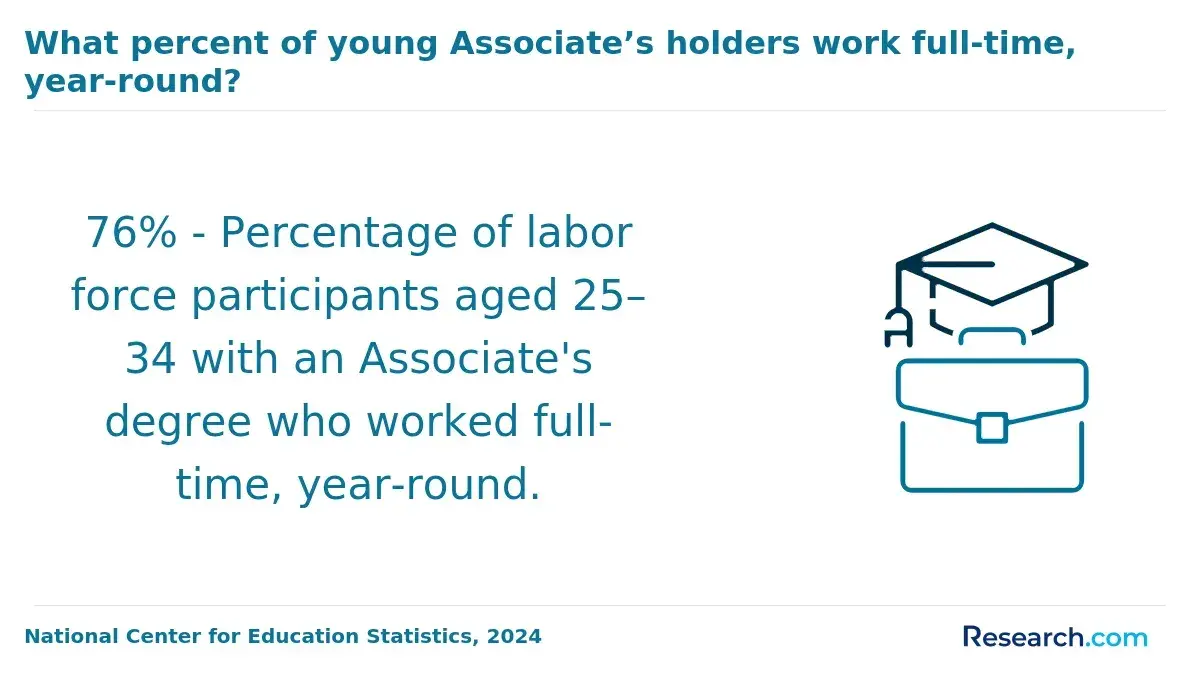
Completion time depends on how many credits you transfer, whether those credits satisfy major requirements, and whether the program uses accelerated terms. A student entering a 120-credit bachelor's-completion program with 90 applicable credits may finish in about 8 to 12 months of intensive full-time study, while a student with 60 applicable credits often needs about 18 to 24 months.
The table below gives realistic planning ranges for online bachelor's-completion programs related to physical therapy. These are not guarantees; they assume the credits apply to the degree, the student can enroll continuously, and required courses are available in the needed sequence.
| Applicable transfer credits | Credits remaining in a 120-credit bachelor's degree | Realistic accelerated full-time timeline | Common delay risk |
| 90 credits | 30 credits | 8 to 12 months | Upper-division major courses or capstone must be taken at the degree-granting school |
| 75 credits | 45 credits | 12 to 18 months | Missing lab sciences or prerequisite sequences |
| 60 credits | 60 credits | 18 to 24 months | General education gaps and major prerequisites |
| 30 credits | 90 credits | 30 to 36 months | Limited acceleration because too much lower-division coursework remains |
| Bachelor's degree already completed | DPT prerequisites only, if missing | Varies by prerequisites; DPT itself commonly takes about 3 years | Science recency rules, grades, observation hours, and competitive admission |
The fastest route is usually available to students who have already completed lower-division general education and several science prerequisites. If your previous credits are mostly electives, you may transfer a large number of credits but still need many degree-specific courses.
Before enrolling, ask the school for a written degree audit rather than a verbal estimate. A strong transfer evaluation should identify:
- Which credits apply to general education, major, elective, and prerequisite categories.
- Which courses must be completed at the institution because of residency or upper-division rules.
- Whether lab science courses must be recent, in person, or completed with a minimum grade.
- Whether accelerated terms are offered year-round or only during certain sessions.
- Whether a capstone, internship, practicum, or clinical placement could extend the timeline.
If a school advertises a fast timeline but will not provide a course-by-course transfer evaluation before enrollment, treat that as a red flag. The advertised speed only matters if it matches your transcript.
How Many Transfer Credits Can You Apply Toward an Online Physical Therapy Degree?
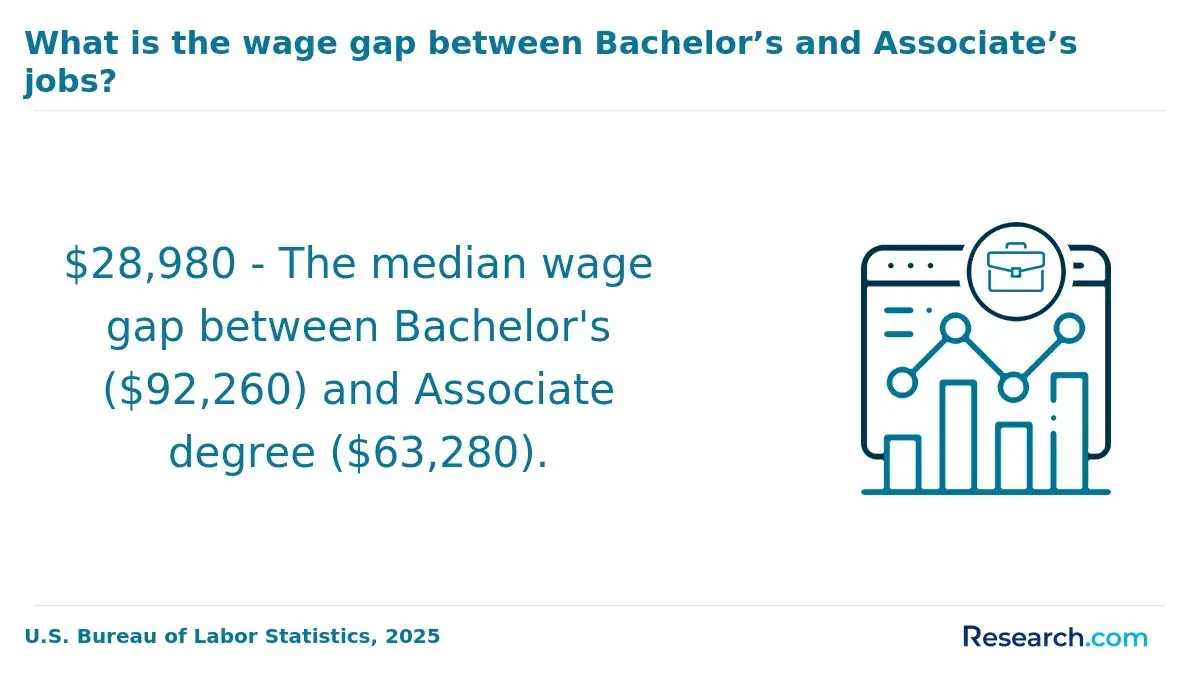
Many regionally accredited online bachelor's-completion programs allow up to about 75% of a degree to be completed through transfer credit, which often means up to 90 credits in a 120-credit bachelor's program. Some schools may accept more credits institutionally, but still require a minimum number of credits to be completed through the school awarding the degree.
For physical therapy-related degrees, the more important question is not "How many credits will the college accept?" but "How many credits reduce my remaining requirements?" A 90-credit transfer cap is helpful only if your credits satisfy general education, science, major, and elective categories.
The comparison below shows how transfer-credit language can affect your real path to graduation. Use it when reading admissions pages or speaking with transfer advisors.
| Policy term | What it usually means | Why it matters for speed |
| Maximum transfer credits | The largest number of credits the institution may accept | Sets the outer limit but does not confirm degree applicability |
| Applicable transfer credits | Credits that satisfy requirements in your chosen program | Determines how many courses you can skip |
| Residency requirement | Credits you must complete at the degree-granting school | Creates the minimum remaining coursework even if you have many prior credits |
| Upper-division requirement | Junior- or senior-level credits required in the major | Can prevent lower-division transfer credits from shortening advanced coursework |
| Prerequisite minimum grade | Required grade for courses such as anatomy, physiology, biology, chemistry, physics, or statistics | May require you to repeat courses that transferred but do not meet program standards |
Students with credits from community colleges, public universities, military training, or previous healthcare programs should request an unofficial transfer review before applying if the school offers one. If you are still comparing healthcare pathways and want a shorter entry-level option than a PT-related bachelor's degree, accelerated medical assistant programs may be worth evaluating, though they lead to a different role and do not replace DPT preparation.
How Can You Verify Accreditation for Fast Online Physical Therapy Degree Programs?
Accreditation is the first filter for any fast online physical therapy degree. Speed is not valuable if the program does not meet academic, licensure, employer, or graduate-school expectations. In physical therapy, there are two accreditation layers to understand: institutional accreditation and programmatic accreditation.
Institutional accreditation applies to the college or university as a whole. For online bachelor's-completion programs in kinesiology, exercise science, health science, or pre-PT, regional institutional accreditation is usually the key quality baseline. Programmatic accreditation is different. For entry-level physical therapist education and physical therapist assistant education, CAPTE accreditation is the recognized standard tied to licensure eligibility.
Use the following steps before you submit an application or pay a deposit. This process is especially important for accelerated or hybrid programs because marketing language can make programs sound more professionally qualifying than they are.
- Confirm that the college or university holds recognized institutional accreditation through the U.S. Department of Education's accreditation database or the school's accreditor.
- If the program claims to prepare students for physical therapist or physical therapist assistant licensure, verify CAPTE accreditation for that exact program and campus or delivery model.
- Ask whether the online or hybrid format has the same accreditation status as the campus program.
- Check whether clinical placements, lab immersions, or practical skills assessments are required in person.
- Ask the program to identify the states where it meets educational requirements for licensure, if licensure is part of the pathway.
- Save written documentation of accreditation, state authorization, and licensure disclosures before enrolling.
A common mistake is assuming that a "pre-physical therapy" bachelor's degree is CAPTE-accredited. Pre-PT bachelor's programs are not professional physical therapist licensure programs. They can be useful preparation for DPT admission, but the DPT program itself must meet CAPTE standards for the physical therapist pathway.
Which Types of Transfer Credits Can Count Toward an Online Physical Therapy Degree?
Transfer credits can come from several sources, but physical therapy-related programs evaluate them differently. General education credits often transfer more easily than anatomy, physiology, chemistry, physics, exercise physiology, biomechanics, or statistics because science and major courses may have grade, lab, or recency requirements.
The table below shows common transfer-credit categories and how they typically affect an online PT-related degree plan. This can help you predict which credits are most likely to shorten your timeline.
| Credit source | Typical use in the degree | Speed advantage | What to verify |
| Regionally accredited college courses | General education, electives, prerequisites, and sometimes major courses | High if course equivalencies match | Minimum grades, lab components, and course level |
| Community college credits | Lower-division general education and prerequisite sciences | High for bachelor's completion | Whether upper-division major credits are still required |
| Previous healthcare coursework | Electives, anatomy, physiology, medical terminology, or health science courses | Moderate to high | Whether credits are academic, accredited, and recent enough |
| Military training | Electives or health-related credits when ACE-recommended | Moderate | How the school evaluates Joint Services Transcript credits |
| Exam credit | General education or introductory requirements | Moderate | Credit caps and whether exam credit can satisfy prerequisites |
| Professional certifications | Electives or prior learning credit | Variable | Portfolio rules, documentation, and maximum prior learning credits |
Students coming from nursing, allied health, military medic, athletic training support, or rehabilitation aide backgrounds may have useful credits, but they should not assume all healthcare experience will become major credit. If you are comparing broader clinical pathways, affordable nursing online options may have different transfer and licensure rules than PT-related degrees.
To avoid losing time, organize your transcript review around degree requirements rather than course names alone. A course titled "Human Biology" may not replace anatomy and physiology with lab, and a wellness course may not replace exercise physiology or biomechanics.
How Do Residency and Major Requirements Affect Transfer Credits for an Online Physical Therapy Degree?
Residency requirements are one of the biggest reasons a student with many transfer credits may still need several terms to graduate. A residency requirement is the minimum number of credits that must be completed at the school awarding the degree. In many bachelor's-completion programs, this minimum is around 30 credits, but policies vary.
Major requirements can be even more restrictive. A school may accept your prior coursework as elective credit but still require its own upper-division courses in kinesiology, movement science, health promotion, research methods, or a senior capstone. This is why a student with 90 accepted credits may still need 36 or more credits if too few of those credits apply to the major.
When comparing fast programs, pay close attention to these policy details. They often determine whether a transfer-friendly program is truly fast for your transcript.
- Minimum institutional credits: Ask how many credits must be completed through the university after transfer evaluation.
- Upper-division major credits: Ask how many junior- or senior-level credits are required in the major and whether any can transfer.
- Science prerequisite rules: Ask whether anatomy, physiology, chemistry, physics, biology, and statistics must be completed within a certain number of years.
- Sequential courses: Ask whether courses must be taken in a fixed order, because sequences can add terms even when few credits remain.
- Capstone or internship requirements: Ask whether final projects, fieldwork, or practicums are available every term.
The best accelerated program is usually the one with the fewest remaining required courses after a degree audit, not necessarily the one with the highest transfer-credit maximum. A lower-cost school can also become more expensive if sequencing forces extra terms.
Can Prior Learning, CLEP, Military Training, or Certifications Help You Finish an Online Physical Therapy Degree Faster?
Prior learning credit can shorten a PT-related online bachelor's degree, especially for adult learners with military, healthcare, fitness, or rehabilitation support experience. However, prior learning rarely replaces advanced DPT professional coursework, and it may not satisfy lab science prerequisites needed for graduate physical therapy admission.
Prior learning works best when it fills general education or elective space. It is less predictable for major courses because physical therapy-related programs need evidence that students understand anatomy, physiology, movement, research, ethics, and patient safety foundations.
If you plan to use nontraditional credit, follow a careful process before enrolling. The goal is to confirm not just whether credit is awarded, but whether it actually moves you closer to graduation.
- Request the school's written policy for CLEP, DSST, ACE credit, military training, certifications, portfolios, and credit-by-exam.
- Ask whether nontraditional credit counts toward the major, electives, general education, or only total credit hours.
- Confirm whether there is a cap on prior learning credit separate from the general transfer-credit cap.
- Check whether DPT prerequisite courses can be completed through exam credit or must appear as graded college courses with labs.
- Submit documentation early, including Joint Services Transcript records, certification records, course descriptions, syllabi, and employment verification if a portfolio is required.
Prior learning can be valuable, but it is not always the fastest option. If portfolio review takes months or costs extra fees, taking a short accelerated course may be simpler. Students exploring another fast licensed-care pathway can compare whether an LPN accelerated program better matches their timeline, clinical interests, and state licensure goals.
How Much Does a Fast Online Physical Therapy Degree Cost After Transfer Credits and Financial Aid?
Transfer credits can reduce cost because they reduce the number of credits you must pay for at the new school. The savings can be substantial, but only if transferred credits apply to required courses. College Board's 2024 Trends in College Pricing reported average published tuition and fees of $11,610 for in-state students at public four-year colleges for 2024-25. That figure is a useful benchmark, but online programs may charge per-credit tuition, technology fees, online course fees, and clinical or lab fees differently.
Students should calculate total remaining cost rather than comparing annual tuition alone. In an accelerated program, the number of remaining credits, term length, course load, and fee structure can matter more than the sticker price.
Common cost items to include in your estimate are:
- Per-credit tuition for remaining credits after transfer evaluation.
- Online learning, technology, graduation, transcript, and proctoring fees.
- Books, digital course materials, lab kits, or anatomy software.
- Travel and lodging for required campus labs, immersions, or clinical check-offs.
- Clinical compliance expenses such as background checks, immunizations, drug screening, CPR certification, and liability insurance.
- Lost income if the accelerated schedule reduces your ability to work.
Financial aid can change the affordability picture, but accelerated schedules require planning. Federal aid eligibility depends on enrollment status, program eligibility, satisfactory academic progress, and remaining aid limits. Scholarships, employer tuition assistance, military benefits, and state grants may help, but some may not cover non-credit prior learning assessments or exam fees.
The table below illustrates how transfer credits affect tuition exposure in a 120-credit bachelor's program. It does not include fees or aid, so use it only as a planning framework.
| Applicable transfer credits | Credits remaining | What this means financially |
| 90 credits | 30 credits | You pay for roughly one-fourth of the bachelor's degree at the new institution |
| 75 credits | 45 credits | You may save significant tuition but still need three or more accelerated terms |
| 60 credits | 60 credits | You pay for about half the degree after transfer, before aid and fees |
| 30 credits | 90 credits | Acceleration may help with time, but cost remains closer to a traditional transfer path |
If your interests include rehabilitation, wellness, metabolism, sports performance, or health coaching, an online masters in nutrition and dietetics may become relevant after bachelor's completion, but it serves different professional goals than a DPT.
How Do Accelerated, Competency-Based, and Self-Paced Online Physical Therapy Degree Programs Compare?
Accelerated, competency-based, and self-paced formats can all shorten time to degree, but they work differently. For physical therapy-related bachelor's degrees, the best format depends on how much structure you need, how many credits you already have, and whether your remaining courses include labs, prerequisites, or sequential major requirements.
The table below compares the main online learning formats transfer students encounter. It focuses on practical differences that affect graduation speed.
| Format | How it works | Fastest when | Potential drawback |
| Accelerated terms | Courses run in shorter sessions, often with multiple starts per year | You can handle intensive deadlines and enroll continuously | Heavy workload can be difficult for working adults |
| Competency-based education | Progress is based on demonstrating mastery rather than seat time | You already know the material and can complete assessments quickly | Less common for science-heavy pre-PT pathways and may not fit lab prerequisites |
| Self-paced online courses | You move through coursework within a flexible completion window | You are highly disciplined and need scheduling flexibility | Pacing delays are common without strong time management |
| Cohort-based hybrid programs | Students move through a fixed sequence with online work and in-person labs | You need a structured professional pathway | Transfer flexibility may be limited because courses follow a lockstep plan |
For a student with 90 applicable transfer credits, accelerated eight-week terms may be faster than competency-based study if the remaining courses are upper-division major requirements offered on a predictable schedule. For a student with strong prior knowledge and mostly general education requirements left, competency-based coursework may move faster if the school allows it and the credits apply.
Avoid choosing by format alone. Instead, compare the degree audit, academic calendar, course rotation, and minimum residency credits. A self-paced program with poor course availability may be slower than a structured accelerated program with year-round starts.
Are Fast Accredited Online Physical Therapy Degrees Respected by Employers and Graduate Schools?
Fast accredited online physical therapy-related degrees can be respected when the institution is properly accredited, the curriculum matches the student's goal, and the transcript shows appropriate science and major preparation. Employers and graduate schools usually care more about accreditation, prerequisites, grades, clinical exposure, skills, and outcomes than whether lecture courses were completed online.
For students pursuing physical therapist licensure, the DPT pathway remains highly regulated. The U.S. Bureau of Labor Statistics reported a 2024 median pay of $101,020 for physical therapists and projected much faster-than-average job growth for the occupation. That labor-market outlook helps explain why students want faster routes, but it does not remove the need for CAPTE-accredited professional education, clinical placements, and state licensure.
For DPT admissions, online bachelor's coursework may be acceptable, but prerequisite details matter. Admissions committees may review whether lab sciences were completed in person or online, whether grades meet minimums, whether courses are recent, and whether the applicant has observation or patient-care exposure. Some programs may accept online labs, while others may prefer or require traditional lab formats.
Fast online PT-related degrees are most respected when students can show:
- The college or university is institutionally accredited.
- The degree title and transcript align with the student's career or graduate-school goal.
- Prerequisite sciences meet the requirements of target DPT or PTA programs.
- The student gained relevant experience through observation, volunteering, rehabilitation aide work, athletics, wellness programming, or healthcare employment.
- The program did not make misleading licensure promises or imply that a pre-PT bachelor's degree alone qualifies someone to practice as a physical therapist.
The safest strategy is to work backward from your target outcome. If you want DPT admission, compare your intended online bachelor's plan against prerequisite lists from several DPT programs before enrolling. If you want immediate entry into patient care, consider whether PTA, nursing, medical assisting, or another allied health route better fits your timeline and licensing goals.
Other Things You Should Know About Physical Therapy
No. In the United States, becoming a licensed physical therapist requires completing a CAPTE-accredited Doctor of Physical Therapy program and meeting state licensure requirements. An online bachelor's degree can help you complete prerequisites or strengthen your DPT application, but it does not qualify you to practice as a physical therapist by itself.
Pre-PT bachelor's programs may not require formal clinical rotations, but DPT and PTA programs do. Even when coursework is online or hybrid, professional physical therapy education includes in-person labs, practical skills training, and supervised clinical experiences.
They may transfer as college credit, but they may not satisfy current prerequisite requirements. Many PT-related programs and DPT admissions offices review science course age, lab format, grade, and content. If your anatomy, physiology, chemistry, or physics credits are old, ask whether you need to repeat them.
Not always. The best choice is the fastest accredited program that applies your credits correctly, meets your career or graduate-school requirements, fits your schedule, and stays within your budget. A slightly slower program may be better if it offers stronger advising, better prerequisite alignment, or clearer licensure disclosures.
References
- Physical Therapy Prerequisites: Complete Course Requirements for PT School https://acceleratedsciences.scuhs.edu/physical-therapy-prerequisites-complete-course-requirements-for-pt-school/
- USA Announces CAPTE Reaccreditation for DPT Programs | USAHS https://www.usa.edu/blog/usa-announces-capte-reaccreditation-for-dpt-programs/
- Full Story https://acapt.org/news/news-detail/2021/05/03/future-of-physical-therapist-education-programs-in-higher-education
- Commission on Accreditation in Physical Therapy Education https://www.capteonline.org/
- Home https://www.husson.edu/college-of-health/school-of-physical-therapy/pt-program-statistics
- Best Online Physical Therapy Degrees Of 2025 | AffordableCollegesOnline.org https://www.affordablecollegesonline.org/degrees/physical-therapy-schools/
- Online Doctor of Physical Therapy (DPT) Programs | 2026 Guide https://onlinephysicaltherapyprograms.com/
- Online Transitional Doctor of Physical Therapy (tDPT) Degree Programs https://www.onlineeducation.com/healthcare/transitional-dpt-programs
- Prerequisite Courses https://shp.utsouthwestern.edu/programs/physical-therapy/admissions/requirements.html
- PTA to DPT Bridge Program | NEIT https://www.neit.edu/academics/graduate-degrees/dpt-bridge