
2027 Does a Biomedical Engineering Degree Require Internships or Clinical Hours?

Co-Founder and Chief Data Scientist
Many prospective students in biomedical engineering face uncertainty about whether internships or clinical hours are mandatory for degree completion. According to the National Science Foundation, about 65% of biomedical engineering graduates participate in some form of practical training before entering the workforce. This hands-on experience is crucial, as the field demands both technical expertise and clinical familiarity for roles in medical device design and healthcare innovation.
Understanding these requirements can significantly affect students' program choices and career readiness. This article clarifies common program structures and explains how internships and clinical hours impact degree timelines and employment prospects in biomedical engineering.
Key Things to Know About Biomedical Engineering Degree Internships or Clinical Hours
- Most biomedical engineering degrees require hands-on internships or clinical hours to meet graduation criteria and enhance licensure eligibility, typically totaling 200 to 500 hours.
- Internships in campus-based programs often involve local hospitals or companies, while online students complete virtual projects and partner with nearby facilities for practical experience.
- Completing these practical hours increases time commitment but significantly improves career readiness and job placement, with about 85% of graduates securing employment within six months.
Does a Biomedical Engineering Degree Require Internships or Clinical Hours?
A biomedical engineering degree does not universally require internships or clinical hours, as these elements depend largely on the specific program and institution.
While many accredited programs consider internships or cooperative education experiences important, the necessity of clinical hours is less common and usually tied to programs with a strong focus on medical device development or clinical applications.
Internships serve the purpose of giving students practical, hands-on experience in industry, research labs, or healthcare settings to better understand real-world biomedical engineering challenges. This approach aligns with the goal of most curricula to bridge the gap between theoretical knowledge and practical skills.
Internships and clinical hours in biomedical engineering programs typically occur in the junior or senior years and often take place during summer terms or through co-op arrangements. These experiences are key for building valuable skills like problem-solving, teamwork, and familiarity with industry standards and regulations, thereby enhancing employment prospects.
Prospective students considering a biomedical engineering internship requirement or clinical hours should review their programs carefully, especially since some may mandate these experiences or integrate them into capstone projects. For those exploring related paths, a pharmacy degree similarly emphasizes practical training in healthcare settings.
Are Internships Paid or Unpaid in Biomedical Engineering Programs?
Internships in biomedical engineering programs vary in payment, with both paid and unpaid opportunities available depending on the program and employer. This distinction is important for students, as it affects their financial planning and career preparation.
Around 40% to 50% of biomedical engineering internships offer some form of compensation. The key aspects to consider about paid and unpaid internships include:
- Payment structures: Paid internships in biomedical engineering programs often provide hourly wages or stipends, especially at larger companies and medical device manufacturers. These payments help offset student expenses during the internship period.
- Factors influencing payment: Whether an internship is paid depends on employer budget, the scope of assigned work, and geographic location. Smaller organizations, nonprofits, and academic research labs may be less likely to offer pay, instead providing valuable hands-on experience.
- Career value of unpaid internships: Unpaid biomedical engineering internship opportunities still offer substantial benefits, such as improving technical skills, expanding professional networks, and enhancing resumes. Many degree programs require clinical hours or internships regardless of pay to fulfill experiential learning components vital to career readiness.
For students interested in accelerating their career options, some explore related accelerated programs; for example, accelerated medical assistant programs provide a fast track into healthcare roles, complementing biomedical engineering career pathways.

What Is the Difference Between Internships or Clinical Hours in Biomedical Engineering Degree Levels?
Knowing how internship requirements for biomedical engineering degrees vary by academic level helps students effectively plan their education and career path. These experiential components shape technical skills, professional development, and readiness for future roles in healthcare or industry.
Below is an overview of how internships and clinical hours typically differ across degree levels:
- Associate degree: Internships at this level tend to be brief and highly supervised, focusing on basic technical tasks and familiarization with engineering environments. Clinical hours are uncommon but may involve observational roles when included to introduce healthcare applications.
- Bachelor's degree: Internships usually last from several weeks to a semester, emphasizing foundational engineering skills and professional networking. Clinical hours, less frequently required, are generally short and observational, offering exposure to healthcare settings relevant to biomedical engineering.
- Master's degree: Graduate internship requirements are more intensive, extending over several months with greater independence and project management responsibilities. Clinical hours often involve direct collaboration with healthcare professionals, supporting translational research or device evaluation.
- Doctoral degree: Clinical experiences and internships focus on advanced research, innovation, and leadership in biomedical engineering. These engagements are longer, less structured, and geared toward developing specialized expertise for academic or high-level industry roles.
Students weighing their options may explore specialized pathways, such as a low cost medical coding and billing online program, to complement their biomedical engineering degree.
Accelerated biomedical engineering programs condense the standard curriculum into a shorter timeframe, often around three years, while still requiring internships or clinical hours to provide essential practical experience.
These programs strategically incorporate experiential training within the academic schedule, sometimes utilizing summer breaks or co-op terms to manage the extra time commitment.
Despite the increased intensity of coursework, schools ensure these hands-on requirements are met without lengthening the time to degree completion by carefully balancing academic and clinical demands.
To support students in handling both rigorous classes and practical experience, many programs offer flexible internship options, such as part-time placements or virtual lab components. Clinical hours are often scheduled during periods with lighter course loads to reduce conflicts.
This approach helps approximately 60% of students maintain steady progress while fulfilling licensure or certification standards.
A graduate from an accelerated biomedical engineering program shared that juggling intense coursework with clinical hours was overwhelming at times but ultimately rewarding. He described how early communication with advisors allowed him to secure a flexible internship aligned with his academic schedule.
"There were moments when managing deadlines felt impossible," he explained, "but the hands-on experience made the pressure worthwhile." His experience highlights the importance of support systems and adaptability in successfully completing an accelerated program without compromising professional preparedness.
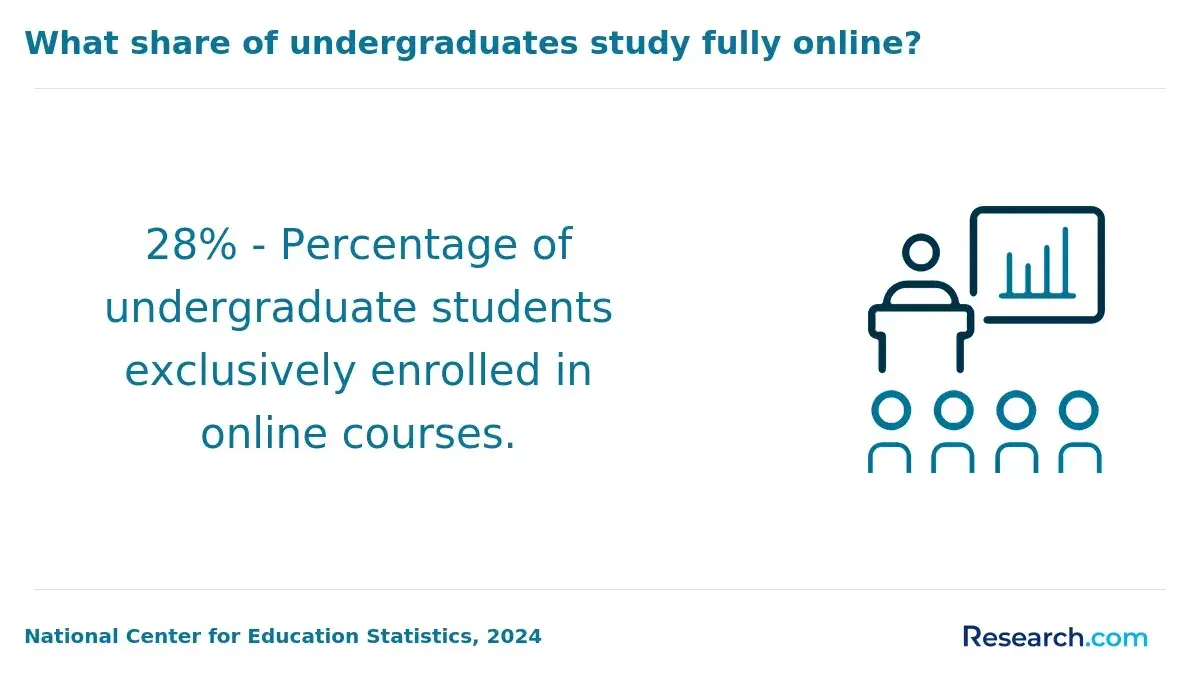
Internship or clinical hour requirements do not significantly differ between online and on-campus biomedical engineering programs. Both formats require students to complete a designated number of hands-on hours in clinical or industrial environments to demonstrate practical competence.
These requirements align with professional standards and ensure consistent learning outcomes across delivery methods. Notably, online STEM education, including biomedical engineering, has expanded by over 30% in recent years.
However, the way internships are arranged can vary notably. Online students often have greater flexibility in choosing placements nearer to their homes or workplaces due to geographic independence.
Scheduling tends to be more adaptable to accommodate diverse time zones and commitments, yet supervision and evaluation procedures remain rigorous to preserve training quality.
Specialization choices within biomedical engineering degree programs significantly influence the internship or clinical hour requirements students must fulfill. This variation arises because different fields, such as biomaterials, medical imaging, or biomechanics, respond to distinct industry demands, shaping the nature and length of practical experiences.
Approximately 65% of biomedical engineering students engage in at least one internship, with participation often varying by specialization and workforce needs.
For instance, students concentrating on medical device design typically complete internships focused on hands-on tasks in manufacturing or regulatory environments, while clinical engineering specializations usually require time spent in hospital settings, collaborating with healthcare providers and managing medical equipment.
These differences in internship settings and requirements directly affect students' scheduling, workload, and preparation for their careers. Clinical-focused pathways often entail coordinating with hospital operations, leading to more intense or irregular hours that must be balanced alongside academic commitments.
In contrast, research-oriented specializations may offer more flexible internship timelines, allowing students to better manage their responsibilities. Such variation in demands not only shapes program structures but also enhances career readiness, as tailored internships provide critical, hands-on experiences specific to future job roles.
Prospective students looking for guidance in balancing clinical responsibilities with studies can explore related fields like nursing programs online as a comparative resource.
For many working students pursuing a biomedical engineering degree, the question of whether professional work experience can replace formal internship requirements is common.
The answer varies widely across programs and often depends on how closely the experience aligns with academic standards. Some programs allow relevant work experience to substitute for internships if it meets specific criteria like job relevance, duration, employer verification, and compliance with accreditation guidelines.
Work experience is more likely to be accepted for mid-career individuals or those in applied specializations, such as medical device design, who have accumulated significant, directly related experience. However, students new to biomedical engineering usually must complete internships to gain essential practical exposure.
Because policies differ greatly by institution and degree level, it's vital for students to consult program advisors to clarify whether their work history can fulfill internship obligations.
When I spoke with a recent graduate of a biomedical engineering degree about this topic, she shared her experience navigating these requirements. Although she had several years in a healthcare technology role before enrolling, her program required formal internships for most students.
She was initially concerned that her prior work wouldn't count, which felt frustrating given her professional background. However, after working closely with her academic advisor and providing detailed documentation and supervisor references, she secured partial credit for her experience.
This process required persistence and clear communication, but ultimately allowed her to tailor her internship plan in a way that recognized her existing skills while still meeting program standards. She described the outcome as both validating and motivating, emphasizing the importance of advocating for yourself in these situations.
Duration is key in biomedical engineering internships or clinical rotations, as it shapes practical skill development and professional networking opportunities. Around 65% of these placements last between three and four months, reflecting the typical academic semester.
Below are common timelines students may encounter, depending on their program and focus areas:
- Short-term internships: Usually 6 to 8 weeks, these are often scheduled during summer breaks to provide hands-on exposure without disrupting the academic year. They suit students seeking project-based experiences or preliminary industry insight.
- Semester-long rotations: Typically spanning 12 to 16 weeks, these integrate closely with the academic calendar, allowing students to apply coursework directly in clinical or engineering environments. Many programs use this model to meet accreditation and experiential learning standards.
- Extended or co-op programs: Lasting six months or more, sometimes across multiple semesters, these options offer in-depth exposure and stronger professional ties. They are common for students concentrating on clinical applications or those enrolled in cooperative education tracks.
Variations in length often arise from program structure and student specialization-for instance, clinical tracks may require longer rotations to satisfy hospital credentialing, while research-oriented paths might prefer shorter engagements focused on specific projects.
Increasingly, programs are adjusting these durations in response to evolving industry needs, aiming to balance academic demands with valuable practical experience.
Job placement outcomes are a primary concern for prospective biomedical engineering students, as they directly relate to the value of their degree. A study by the National Association of Colleges and Employers demonstrates that candidates with internship experience receive job offers nearly 15% more often than those without exposure to practical work.
Below are key ways internships influence employment success post-graduation:
- Employer Preferences: Biomedical engineering employers often prioritize graduates with hands-on experience. Internships provide practical exposure that supplements theoretical knowledge, allowing students to develop skills aligned with real-world biomedical applications.
- Professional Networking: Internships allow students to build valuable industry connections. These relationships can lead to job referrals and access to opportunities that might not be widely advertised.
- Skill Development: Students enhance problem-solving abilities in authentic workplace environments. This practical skill set improves adaptability and understanding of industry protocols, making them more attractive hires.
- Conversion to Full-time Roles: Many internships serve as extended job interviews. Successful performance can lead to offers for permanent positions, smoothing the transition from education to employment.
For students prioritizing affordable education, exploring options like the cheapest RN to BSN program online may offer flexible entry points into healthcare-related fields complementary to engineering roles.
Practical experience often boosts starting salaries for biomedical engineering graduates, with studies indicating a 5% to 15% earnings increase for those who complete internships, clinical rotations, or cooperative education programs. This advantage stems from employers valuing hands-on skills that reduce training time and improve job readiness.
Several key factors explain how direct experience influences compensation:
- Employer valuation: Companies regard practical experience as proof of problem-solving skills and knowledge of biomedical devices or clinical environments, making candidates more attractive for immediate contribution.
- Negotiation leverage: Graduates with documented real-world experience often negotiate higher salaries, leveraging proven competencies gained during internships or clinical work to justify better offers.
- Industry standards: In sectors like medical device design or clinical research, completing internships is frequently expected, shaping salary benchmarks and candidate competitiveness.
- Program-specific differences: Graduates from biomedical engineering programs that emphasize co-op or clinical hours generally command higher pay than those from primarily theory-focused curricula, reflecting differences in preparedness and employer demand.
The impact of practical experience can also vary by specialization and work environment. For instance, hands-on roles related to regulatory affairs or biomaterials may influence salary differently than software development within medical technologies. Additionally, experience gained in hospital settings might be valued uniquely compared to industrial or manufacturing contexts.
What Graduates Say About Their Biomedical Engineering Degree Internships or Clinical Hours
- Stephanie: "Completing the internship requirement in my online biomedical engineering degree was a game-changer. Though the cost was a bit higher than I expected, around $3,000 for the placement fees, the hands-on experience made it worthwhile. It opened doors to my current role in medical device design right after graduation. "
- Amy: "The internship segment of the online biomedical engineering program really made me appreciate the practical side of what we studied. Considering the modest cost compared to traditional programs, it was quite affordable and convenient. Reflecting on it now, that experience was pivotal in shaping my career focus in tissue engineering. "
- Vincent: "As a professional, I value the rigor and real-world exposure provided by the internship in my online biomedical engineering degree. The program's internship cost, which was under $4,000, was a reasonable investment for the career progress it supported. It directly contributed to my skills in biomedical instrumentation and gave me an edge during job applications. "
Other Things You Should Know About Biomedical Engineering Degrees
No. ABET accreditation for biomedical engineering does not require a fixed number of clinical hours. Programs must show student outcomes, curriculum quality, and sufficient laboratory and design experiences. Some universities add internships or clinical placements, but those are program-specific requirements, not a universal accreditation rule.
In 2027, most biomedical engineering programs recommend or require internships to provide practical experience, but clinical hours are generally not mandatory unless specified by the curriculum. Some programs might integrate internships for academic credits, potentially affecting the duration of study.
Internships are commonly available at medical device manufacturers, biotechnology firms, hospitals, research laboratories, and regulatory agencies. Large corporations and startups alike provide opportunities that focus on product development, testing, and clinical research. University-affiliated research centers also often serve as internship sites.
- The Benefits of Biomedical Internships https://24x7mag.com/professional-development/education/internships/benefits-biomedical-internships/
- Your Guide to Biomedical Engineering Internships https://joinhandshake.com/blog/students/biomedical-engineering-internships/
- Intern in Biomedical Engineering Department https://careers.unops.org/careersmarketplace/JobDetail/Intern-in-Biomedical-Engineering-Department/1714
- 15 Bioengineering Internships for Undergraduates https://www.lumiere-education.com/post/bioengineering-internships-for-undergraduates
- Biomed Engineer Intern https://ehs.org/about/volunteer/biomed-engineer-intern/
- Exploring the Impact of Formal Internships on Biomedical Graduate and Postgraduate Careers: An Interview Study | CBE—Life Sciences Education https://www.lifescied.org/doi/10.1187/cbe.18-09-0199
- Co-Op / Internship Experience https://medicaldevicecourses.com/forums/introduction-to-medical-device-development/co-op-internship-experience/
- Biomedical Engineering (WETI) https://ects.pg.edu.pl/en/courses/17534
- Bachelor of Science in Biomedical Engineering https://calbaptist.edu/academics/programs/bachelor-of-science-biomedical-engineering/


