2027 How to Verify Accreditation for Biomedical Engineering Degree Programs

Co-Founder and Chief Data Scientist
Choosing a biomedical engineering degree program without verifying its accreditation can lead to wasted time and resources, especially if the degree is not recognized by employers or qualifies for licensure. Nearly 60% of biomedical engineering graduates report difficulty securing relevant jobs when their programs lack proper accreditation. This issue affects eligibility for financial aid and graduate education opportunities, limiting long-term career prospects.
This article explains how to confirm the accreditation status of biomedical engineering programs, helping prospective students make informed decisions that align with their academic and professional goals.
Key Benefits of Accredited Biomedical Engineering Degree Programs
- Accreditation ensures biomedical engineering programs meet strict academic standards, guaranteeing a rigorous and high-quality education aligned with industry expectations.
- Only accredited biomedical engineering degrees qualify students for federal financial aid, reducing financial barriers and enhancing access to education.
- Employers and licensing boards often require graduation from accredited biomedical engineering programs, boosting job prospects and professional certification eligibility.
What Does Accreditation Mean for Biomedical Engineering Degree Programs?
Accreditation in higher education is a formal process that ensures a biomedical engineering degree program meets specific quality and rigor standards set by an authoritative body, most commonly the Accreditation Board for Engineering and Technology (ABET). This process is crucial for students evaluating biomedical engineering programs as it authenticates educational credibility and adherence to industry-relevant criteria.
Over 90% of biomedical engineering students enroll in ABET-accredited programs, highlighting the importance of accreditation in guiding academic choices. The importance of accreditation in biomedical engineering degree programs extends beyond recognition, serving as a reliable indicator of a well-structured and comprehensive educational experience.
The practical implications of accreditation for students include access to qualified faculty, updated curriculum content, and adequate laboratory facilities aligned with current technological advances. Accreditation also ensures that programs undergo continual review and improvement, which supports both academic and professional development. This is especially relevant for students considering how accreditation impacts biomedical engineering career prospects, as it reflects a program's commitment to maintaining high standards.
For those exploring various healthcare-related fields, options like the shortest DNP program online may also provide pathways to advanced study and specialization.
What Types of Accreditation Should a Biomedical Engineering Degree Program Have?
Recognizing the different types of accreditation is crucial for prospective students assessing the quality and legitimacy of biomedical engineering degree programs, as it impacts academic standards, credit transfer, and career opportunities. The following accreditation categories highlight key factors to review when researching these programs.
- Institutional Accreditation: This form of accreditation verifies the overall quality and legitimacy of the entire college or university. It influences federal financial aid eligibility and the ease of credit transfer, ensuring that students attend a recognized institution with broad academic standards.
- Programmatic or Specialized Accreditation: Focused specifically on biomedical engineering programs, this accreditation ensures the curriculum, faculty qualifications, and available resources meet industry standards. It plays a significant role in employer recognition and prepares graduates for the demands of the biomedical engineering field, often including standards set by recognized engineering accreditations for biomedical engineering degrees.
- Regional vs. National Accreditation: Regional accreditation is typically seen as the most rigorous and widely accepted across the United States, boosting academic credibility and facilitating smoother credit transfers between schools. In contrast, national accreditation may apply to certain institutions but is generally less recognized in academic and professional circles.
- Licensure and Professional Practice Accreditation: Accreditation from engineering boards and licensure bodies ensures that biomedical engineering graduates meet requirements for certifications and licenses needed for specific career paths. This is essential for students planning to pursue professional engineering credentials after graduation.
For students considering advanced health degrees alongside biomedical engineering, exploring DNP programs may provide additional career pathways.

How Can You Verify If a Biomedical Engineering Degree Program Is Accredited?
Verifying the accreditation of a biomedical engineering degree program is crucial to confirm the program's quality, secure eligibility for federal financial aid, and support career advancement or licensure goals. Ensuring accreditation helps protect students from substandard education and increases professional credibility.
Below are reliable steps to complete the accredited biomedical engineering programs verification process:
- U.S. Department of Education Database: Use the official U.S. Department of Education database to search for the institution and its biomedical engineering program. This source verifies recognized accrediting agencies and confirms whether the program holds valid accreditation.
- Council for Higher Education Accreditation (CHEA): Consult CHEA's website for a list of approved accreditors. Confirm that the biomedical engineering program's accreditor is CHEA-recognized to ensure authenticity.
- Programmatic Accreditation: Look for specialized accreditors, such as ABET, that evaluate engineering curricula specifically. Having programmatic accreditation indicates the biomedical engineering curriculum meets industry standards.
- Direct School Verification: Contact the school's admissions or registrar's office directly to request official evidence or statements of current accreditation status and any recent changes.
- State Licensing Boards: Since some states require accredited degrees for licensure, verify with relevant state engineering boards that the program's accreditation is accepted.
For those exploring flexible options, consider researching online healthcare degrees that can complement a biomedical engineering background.
Identifying warning signs of unaccredited biomedical engineering programs is vital to safeguarding academic integrity, eligibility for financial aid, and future professional success. Students should be attentive to several key indicators that suggest a program's accreditation may not be legitimate.
Here are some common red flags to watch for:
- Claims of "Lifetime" Accreditation: Genuine accreditation requires ongoing evaluation and renewal to ensure quality standards. Programs promoting permanent or lifetime accreditation may be misrepresenting their status or lack legitimate oversight.
- Unrecognized Accrediting Agencies: Reliable biomedical engineering programs are accredited by agencies acknowledged by established organizations like ABET. Accreditation from unknown or questionable bodies should prompt skepticism and deeper investigation.
- Unusually Low Tuition: Tuition fees significantly below the average for biomedical engineering can indicate insufficient resources or subpar faculty, often reflecting programs that do not meet accreditation criteria.
- Vague Program Details: Lack of clear information about curriculum content, faculty credentials, and expected outcomes often signals a program attempting to mask its deficiencies and lack of accreditation.
Prospective students are encouraged to verify accreditation directly through official sources and thoroughly evaluate program claims to avoid costly academic mistakes and support long-term career goals.
Online biomedical engineering degree programs can indeed receive accreditation, which is essential for ensuring academic rigor, qualifying for federal financial aid, and gaining recognition from employers and licensure boards. Accreditation agencies apply the same strict criteria to online programs as they do for campus-based degrees, assessing factors such as instructional quality, student learning outcomes, faculty expertise, and institutional governance.
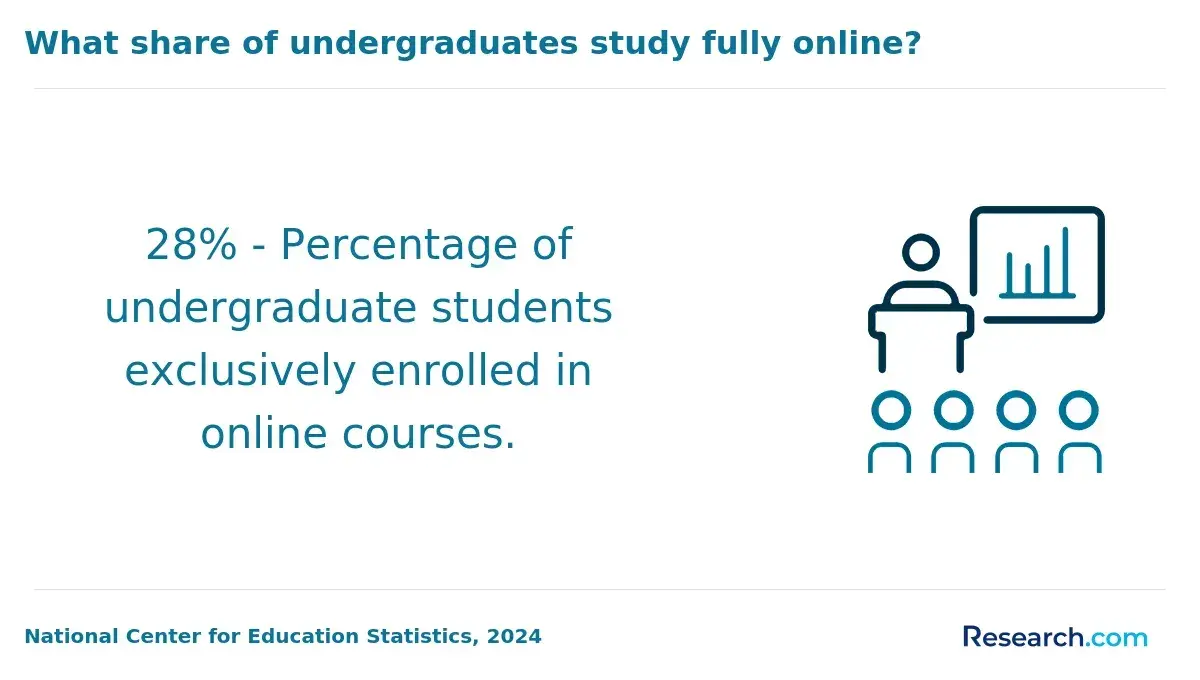
In 2020, about one-third of college students enrolled in at least one distance course, highlighting the increasing credibility and acceptance of online education formats. Students should verify that their program is accredited by recognized bodies endorsed by the U.S. Department of Education or the Council for Higher Education Accreditation to confirm the program meets established educational standards and supports their career goals.
When I spoke with a graduate of an online biomedical engineering program about accreditation, he shared how important it was for him to confirm the program's legitimacy early on. He described feeling uncertain at first but found reassurance when he researched and confirmed the program's recognized accreditation status.
"Knowing the program was accredited made a big difference," he said, recalling the challenges of balancing coursework with work and family commitments. He appreciated how the structured curriculum and qualified faculty maintained their support throughout, reinforcing his confidence that his degree would be valued by future employers and licensing entities.
Accreditation is a crucial factor for students aiming to pursue licensed or regulated Biomedical Engineering professions, as it directly influences their ability to qualify for professional credentials. The following points outline how accreditation affects various aspects of licensure and career prospects.
- Licensing Board Requirements: Most state and regional boards mandate graduation from an accredited Biomedical Engineering program before candidates can attempt licensure exams. This ensures that applicants meet a standardized educational benchmark necessary for professional practice.
- Professional Exam Eligibility: Accreditation status typically determines if candidates are eligible to sit for exams like the Fundamentals of Engineering (FE) or Professional Engineer (PE) tests, which are often prerequisites to licensure in Biomedical Engineering fields.
- Employer and Regulator Trust: Graduates from accredited programs are generally favored by employers and regulatory agencies, as accreditation signals a verified level of academic rigor and industry relevance, supporting candidates' qualifications and credibility.
- Consequences of Non-Accreditation: Attending a program without proper accreditation can limit access to licensure, reduce job opportunities, and restrict eligibility for financial aid, such as federal assistance. These factors can adversely affect long-term career growth and educational investment.
Students who may transfer schools, seek advanced degrees, or relocate benefit greatly when credits from an accredited biomedical engineering program are accepted by new institutions. This transferability helps save time and reduce educational expenses. Several important factors determine how easily these credits transfer to another school.
- Institutional Accreditation Type: Credits earned at programs accredited by recognized agencies tend to be more widely accepted because accreditation assures adherence to academic standards and quality. Without proper accreditation, credits may not be recognized by another institution.
- Course Equivalency and Curriculum Alignment: Receiving schools assess whether transferred courses match their own in content and rigor. If course topics, learning objectives, and credit hours align closely, credits have a better chance of transfer.
- Receiving School Transfer Policies: Each institution has its own set of rules regarding the acceptance of transfer credits. These policies specify how many credits can be transferred and under what conditions, significantly affecting outcomes for students switching programs.
- Limits on Transfer Credits: Some schools place an overall cap on the number or percentage of transfer credits allowed toward a degree, regardless of accreditation status. This can influence how quickly a student can progress after transferring.
An experienced graduate of a biomedical engineering degree program shared her personal insights when asked about credit transfer. She described the uncertainty she felt during the process, noting that although her original program was accredited, the receiving school required thorough course-by-course evaluations.
"I had to provide detailed syllabi and work closely with advisors to prove equivalency," she explained. Even then, some credits were only partially accepted, which extended her time to graduate.
Despite these challenges, she emphasized the importance of early planning and communication with prospective institutions to improve transfer outcomes. "It was stressful at times, but knowing my credits came from an accredited program helped me feel confident that many would count," she reflected, underscoring the value of accreditation beyond just academic credibility.
Accreditation is essential for determining eligibility for federal, state, and institutional financial aid, with approximately 85% of students receiving federal assistance attending accredited programs. Considering this, several key factors link accreditation to financial support for students.
- Federal Aid Eligibility: Accreditation by recognized agencies is required for students to qualify for Title IV federal programs, including grants, loans, and work-study. Without it, access to these crucial funding sources is generally denied.
- State and Military Benefits: Many state education departments mandate enrollment in accredited programs to approve state scholarships or military benefits such as the GI Bill. This ensures funding is directed toward credible academic paths.
- Institutional Scholarships: Colleges typically restrict scholarships and grants to students in accredited programs, safeguarding resources for those pursuing recognized fields. This protects both the quality and financial integrity of educational funding.
- Quality Assurance and Investment: Accreditation guarantees program standards meet educational benchmarks, validating the investment made by students and funding bodies, and potentially reducing long-term debt by securing necessary aid.
Graduating from an accredited biomedical engineering program significantly enhances job market credibility and career prospects. Over 80% of engineering employers prefer hiring graduates from accredited institutions, underscoring accreditation's impact on employability.
The following points highlight key ways accreditation influences career advancement.
- Employer Recognition: Accreditation is a formal validation that a degree meets industry standards, assuring employers of the graduate's technical competence. This recognition often gives candidates from accredited biomedical engineering programs a distinct advantage in job placement and recruitment processes.
- Professional Credibility: Graduates from accredited biomedical engineering programs are widely regarded as better prepared and knowledgeable. This increased professional credibility enhances competitiveness in the job market, which is crucial given the impact of accredited biomedical engineering programs on job placement rates.
- Certification and Licensure Eligibility: Accredited programs simplify the path to obtaining necessary certifications and licensure, which are often mandatory for specialized roles. Earning a degree from an accredited program opens doors to higher-level positions and can boost earning potential throughout one's career.
- Financial Aid Access: Many financial aid options require enrollment in accredited programs, easing the financial burden on students. This support allows students to complete their education successfully and focus on career goals, indirectly influencing employability and long-term success.
Students interested in pursuing an affordable healthcare administration degree online or related fields should carefully verify program accreditation to secure these benefits along their educational journey.
Accreditation can significantly influence earnings potential for graduates of biomedical engineering programs by signaling educational quality and readiness for the workforce. Industry surveys show that graduates from accredited biomedical engineering programs earn an average starting salary of approximately $70,000 to $80,000 per year, compared to about $60,000 for those from non-accredited programs. Several factors explain this salary difference.
- Employer Preference: Many employers prioritize candidates with degrees from accredited programs to ensure they have received a standardized and comprehensive education. This focus increases job placement rates and often leads to better salary offers.
- Eligibility For Advanced Roles: Accreditation often qualifies graduates for specialized certifications or professional licensure, which are necessary for higher-level or management positions that command increased salaries.
- Industry Recognition: Degrees from accredited biomedical engineering programs carry stronger credibility in the job market. This credibility enhances competitiveness and can improve salary negotiation outcomes.
- Long-Term Career Advancement: Graduates from accredited programs typically have greater access to professional development and continuing education opportunities, boosting their earnings over time and supporting sustained career growth.
For students weighing biomedical engineering degree options, confirming program accreditation is vital not only for ensuring academic credibility and financial aid eligibility but also for maximizing long-term salary potential. Those interested in related healthcare degrees might also consider options like the cheapest RN to BSN programs to explore pathways that blend engineering with clinical practice.
What Graduates Say About Their Accredited Biomedical Engineering Degree
- Riley: "Studying the importance of accreditation early on made me really appreciate the value it adds to a biomedical engineering degree. I took the time to research accredited programs through official educational websites and confirmed their recognition by relevant engineering boards. Graduating from an accredited biomedical engineering program opened doors for me in the medical devices industry, giving me confidence that my training met rigorous standards."
- Malia: "Understanding why accreditation matters was a pivotal moment in my academic journey. I methodically verified the program's credentials by checking recognized accreditation bodies and cross-referencing with professional organizations. Completing an accredited biomedical engineering degree gave me a solid foundation and credibility that my employers deeply respected throughout my career. "
- Grace: "From the start, I was keenly aware that an accredited biomedical engineering degree would be crucial for my professional growth. I carefully reviewed each program's accreditation status using official educational resources and consulted with mentors in the field. The degree not only enhanced my technical skills but also significantly boosted my opportunities for advancement and licensure in engineering roles. "
Other Things You Should Know About Biomedical Engineering Degrees
To verify accreditation in 2027, students should look for programs accredited by the Accreditation Board for Engineering and Technology (ABET). They can check ABET's official list online or directly contact the institution's engineering department for confirmation.
For engineering licensure, the key accreditor is ABET, specifically its Engineering Accreditation Commission. In 2027, students should confirm the program appears in ABET’s accredited program search and check that the engineering degree, not only the institution, is accredited before relying on it for state licensure requirements.
Accreditation status can change if a program fails to meet required standards during regular reviews by accrediting agencies. Students should monitor announcements from their institution and accrediting bodies to stay informed. If a program loses accreditation while a student is enrolled, the institution often provides guidance on how to complete the degree with an accredited status or transfers to other programs.
- Credit Transfer Policy - MEDISEND COLLEGE® https://medisend.org/credit-transfer-policy/
- Accreditation https://www.engineersaustralia.org.au/about-us/accreditation
- Is Accreditation Important for Bsc Biomedical Engineering? https://www.thestudentroom.co.uk/showthread.php
- Find Accredited Programs https://accreditation.org/find-accredited-programs/university-search
- Transferring Credits From National To Regionally Accredited Colleges https://thebestschools.org/resources/transferring-credits-and-school-accreditation/
- The Benefits of Pursuing a Biomedical Engineering Degree https://www.honorsociety.org/articles/benefits-pursuing-biomedical-engineering-degree
- Accreditation Explained: Guidelines for Global Verification https://www.motaword.com/blog/understanding-accreditation-how-to-verify-institutions-globally
- Accreditation and Objectives | Biomedical Engineering | Michigan Tech https://www.mtu.edu/biomedical/undergraduate/accreditation/
- Careers in limbo after graduates discover university courses were never accredited https://www.abc.net.au/news/2025-10-08/university-course-accreditation-class-action/105820008
- Professional Licensure of Biomedical Engineers - IEEE Pulse https://www.embs.org/pulse/articles/professional-licensure-biomedical-engineers/