
2027 Disability Studies Degree vs. Certificate: Which Should You Choose?

Co-Founder and Chief Data Scientist
Today's students and professionals face important decisions when choosing between earning a degree or a certificate in disability studies. Both options can significantly advance a career in advocacy, education, or social services, yet they differ in time commitment, depth of study, and cost. Understanding these differences can help learners align education with their goals.
A degree typically offers a comprehensive curriculum and may open doors to higher-level positions, while a certificate provides focused training that can be completed more quickly. Since nearly 15% of the U.S. population lives with a disability, specialized knowledge remains in demand. This article compares key factors to guide your choice effectively.
Key Points About Disability Studies Degree vs. Certificate Programs
- Degree programs typically offer comprehensive theoretical knowledge and research opportunities, fostering advanced critical thinking skills beneficial for leadership roles in disability advocacy.
- Certificate programs focus on practical skill development and faster completion, ideal for professionals seeking immediate application without the time commitment of a degree.
- Degree holders often enjoy higher salary potential and broader career prospects, while certificates provide cost-effective specialization that can complement existing qualifications.
What Are the Differences Between Disability Studies Degree and Certificate Programs?
Both disability studies degree programs and certificate courses offer valuable career pathways, but they differ in several important aspects. Understanding these differences can help students select the educational option that best aligns with their professional goals and time commitments.
Here are some key distinctions between disability studies degrees and certificate programs:
- Career Advancement: Degrees generally provide a more comprehensive qualification, often preferred for roles requiring deeper expertise or leadership responsibilities. Certificates may suit those seeking to quickly enhance specific skills or add to an existing qualification.
- Depth of Learning: Degree programs explore disability studies concepts extensively, including theory, policy, and research methods. Certificates focus on practical knowledge and foundational topics, ideal for learners wanting targeted or introductory education.
- Time and Commitment: Degrees require a larger time investment, usually spanning several years, which benefits those prepared for long-term study. Certificates are shorter and more flexible, fitting professionals needing quicker completion or balancing other obligations.
- Professional Application: Degrees often open doors to wider roles in academia, advocacy, or policy development, while certificates can be a useful credential for frontline service providers or those transitioning fields.
How Long Does It Take to Complete a Disability Studies Degree vs. a Certificate Program?
Completion time is a crucial factor for students deciding between a disability studies degree vs. certificate. Understanding the typical timelines and factors influencing program duration helps students choose a path that fits their academic and career goals.
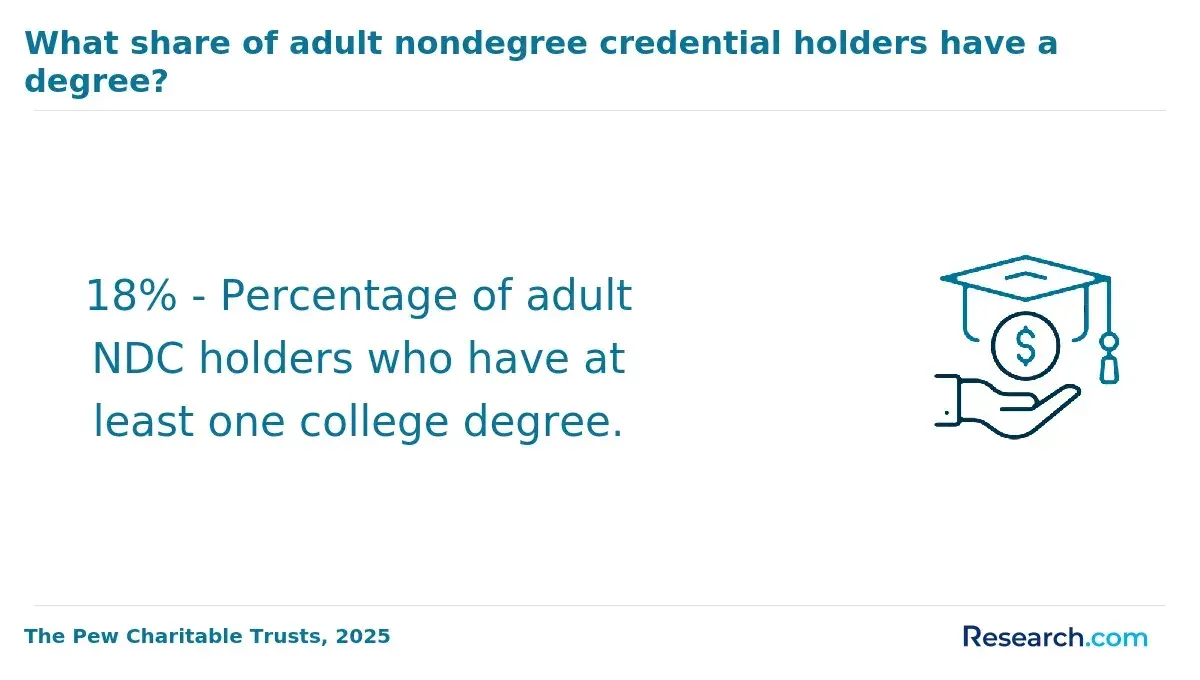
- Typical Duration: An associate degree in disability studies usually requires about 1.5 to 2 years of full-time study, while a bachelor's degree typically takes around four years, with some accelerated programs allowing completion in three years. Graduate degrees add an extra one to two years beyond the bachelor's. In contrast, disability studies certificate completion time is much shorter, often requiring 15 to 18 credit hours for undergraduates, which can be finished in two to three semesters (about 6 to 12 months).
- Flexibility: Degree programs often offer both full-time and part-time options, impacting the overall timeline significantly. Certificate programs tend to be shorter and can also be pursued part-time or in flexible online or hybrid formats. Students can adjust their pace more easily in certificates, making them a faster credential for many.
- Factors Affecting Timeline: Several factors influence disability studies degree program duration and certificate completion time, including whether a student studies full-time or part-time. Prior experience and transfer credits can accelerate degree completion through credit waivers. Institutional requirements like internships or capstone projects may extend the time needed. For those wondering how fast can you get an associate's degree, these considerations are especially important.
Can You Complete a Disability Studies Degree or Certificate Entirely Online?
Many universities now offer online Disability Studies degree programs, reflecting the broader growth of remote education across the U.S. For instance, Arizona State University and the CUNY School of Professional Studies provide Bachelor of Arts in disability studies that are 100% online, allowing students to complete coursework virtually and at their own pace.
Likewise, certificate options such as the Undergraduate Certificate in Rehabilitation and Disability Studies from Indiana University and graduate certificates from Kent State University are often available in a disability studies certificate fully online format with no on-campus attendance. These programs cater to both recent graduates and working professionals seeking to expand their expertise conveniently from home.
However, prospective students should carefully consider that some programs, even those advertised as fully online, may require hands-on training, internships, or practicum components to satisfy accreditation or licensing requirements. For example, Indiana University's certificate demands a local practicum in rehabilitation and disability. When deciding between an online degree or certificate, it's important to factor in any in-person elements related to licensure or experiential learning.
Look for programs with flexible practicum placements or those allowing completion of requirements within your own community to ensure the online format truly meets your goals. For those exploring educational options, you might also want to see what's the easiest bachelor's degree for more perspective on accessible online study paths.
Admission requirements play a crucial role in deciding between pursuing a disability studies degree or a certificate program, as they influence your eligibility, academic preparation, and time needed to complete the studies. Understanding the distinctions between these requirements provides clarity when assessing which path aligns with your background and career objectives. Below is a side-by-side comparison of typical admission requirements for both program types.
Admission Requirements for Disability Studies Degree Programs
- Educational Background: Most bachelor's degree programs require a high school diploma or equivalent. Some, like CUNY SPS, expect at least 24 transferrable college credits with a minimum GPA of 2.5 on a 4.0 scale. Master's degree programs require a completed bachelor's degree from an accredited institution, often with a GPA of 3.0 or higher.
- Preparatory Coursework: Many degree programs mandate specific preparatory courses such as introductory disability studies or foundational classes in social theory, humanities, or data analysis. For example, UCLA's major requires several prerequisite courses with a minimum GPA in these classes.
- Minimum GPA: Undergraduate admission typically requires a cumulative GPA of 2.0 or higher, while graduate programs often set the bar at 3.0.
- Application Materials: Applicants must submit transcripts, an application form, and often a personal statement explaining their interest in disability studies. Graduate programs usually require a resume and two letters of recommendation.
- Additional Requirements: Some programs include interviews, faculty advisor meetings, or proof of community engagement or relevant experience.
Admission Requirements for Disability Studies Certificate Programs
- Educational Background: Certificate programs typically have more flexible admission standards, often requiring only a high school diploma or GED. Some admit adult learners or professionals based on work experience or demonstrated interest.
- Academic Performance: There is usually no minimum college GPA requirement, making certificate programs accessible to a broader range of applicants.
- Application Materials: Most certificate programs require a short application and proof of educational attainment but do not typically ask for essays, recommendation letters, or detailed documentation.
- Prerequisite Coursework: These programs rarely require prerequisite courses, as they are designed to be open to beginners or professionals seeking development in disability studies.
Recognizing these distinctions in admission criteria helps prospective students gauge whether they meet the disability studies degree admission requirements or the disability studies certificate program eligibility criteria better. For those exploring options with accelerated pacing, consider programs such as an accelerated associates degree online to complement or supplement your disability studies pathway.
Understanding the credit requirements for disability studies programs is crucial for students planning their academic paths and managing their time effectively. These requirements vary significantly between degree and certificate options, influencing workload and duration. Here's a comparison of what to expect for each path.
- Degree programs: Typically require between 55 and 120 credits, depending on the institution and the level of study, with a substantial portion often designated as upper-division coursework.
- Certificate programs: Usually require around 18 to 19 credits, focusing on core courses and electives from multiple departments, designed for a shorter, more concentrated study experience.
A student pursuing a disability studies certificate shared that the lighter credit load allowed for a balanced schedule alongside work commitments. He described the process as "intensive but manageable," appreciating how the program's structure enabled him to engage deeply with the subject without the extended time commitment a degree demands. He mentioned feeling "motivated by the tight focus" and enjoying the mix of courses, which "provided a broad perspective in a condensed format." Reflecting on his choice, he said, "Opting for the certificate felt like the right step to gain essential knowledge quickly while keeping doors open for future study." This perspective highlights the practical benefits of understanding credit demands when deciding between degree and certificate paths in disability studies.
Tuition costs are a crucial consideration when choosing between a disability studies degree and a certificate, as they affect both financial planning and academic commitment. Comparing the average tuition for each option can help you determine the best path based on your budget and career goals.
Below is a detailed comparison of the average tuition for disability studies degree programs versus certificate programs.
Average Tuition for Disability Studies Degree Programs
- Tuition Range: The average tuition for disability studies degree programs in the United States typically ranges around $12,333 per year for in-state students and about $30,396 for out-of-state students at the vocational or associate level.
- Program Level: Bachelor's degree and graduate programs generally cost more, often exceeding $40,000 total tuition for in-state students and significantly higher for out-of-state or private institutions.
- Institution Type: Public colleges usually offer lower tuition rates, especially for residents, while private schools tend to have higher costs.
- Program Length: Degree programs span two to four years of full-time study, increasing total tuition compared to shorter certificate options.
- Additional Costs: Expenses such as campus fees, textbooks, and general education requirements can add substantially to the overall cost.
Average Tuition for Disability Studies Certificate Programs
- Tuition Range: Disability Studies certificate program tuition costs average approximately $11,958 for in-state students and $29,455 for out-of-state students, usually for programs lasting less than a year.
- Program Duration: Certificates are shorter, often completed within several months to one year, reducing total costs compared to degrees.
- Flexibility: Many certificates are offered online or during evenings, lowering additional fees such as housing or campus-related expenses.
- Entry Requirements: Fewer admissions prerequisites help avoid extra course costs often required by degree programs.
- Cost-Effectiveness: Certificates provide a more affordable route for professionals seeking focused skills without the expense of a full degree.
Since tuition varies by institution, program format, and residency, it is advisable to confirm current costs directly with schools. For additional guidance on affordable options, you may explore non profit accredited online colleges offering quality programs in this field.
It is sometimes possible to transfer credits earned from a disability studies certificate program toward a related disability studies degree, but this depends heavily on the policies of the institution involved. Transferability typically requires that credits come from accredited programs and that coursework closely aligns with the degree curriculum. Many universities limit the number of certificate credits accepted-often between three and six credit hours-and require courses to meet certain standards like minimum grades or course levels. However, some programs, such as certain universities' disability studies certificates, do not allow transfer credits either into or out of the certificate, so checking each school's specific rules is essential.
Key factors to consider include the maximum number of transferable credits allowed, minimum grade thresholds (commonly a "B" or better), and the relevancy and equivalency of the course content to the degree program. Accreditation and formal articulation agreements between institutions also play important roles in transfer success. Students are strongly encouraged to consult academic advisors or program coordinators ahead of enrollment to receive written confirmation on credit transfer possibilities. Confirming these details early helps ensure your coursework investment supports your longer-term educational goals.
When I spoke to a student who had pursued a disability studies degree after completing a certificate program, she described the complexity of navigating transfer policies. She said, "I initially assumed all my certificate credits would count toward my degree, but it wasn't straightforward." The process involved reviewing official guidelines, reaching out to both programs, and understanding which classes qualified. Ultimately, she was able to transfer some credits, easing her path forward, though she emphasized the importance of persistence and clear communication. Her experience highlighted how proactive inquiry can make the difference between losing credits and building a seamless academic progression.
Certificate programs in disability studies are not accredited in the same way as degree programs. Disability studies degrees, like bachelor's or master's, are typically offered by regionally accredited universities, which meet strict academic and institutional standards recognized by the U.S. Department of Education.
On the other hand, certificate programs vary significantly; some are part of accredited colleges and benefit from the institution's overall accreditation, while others, especially non-credit or professional certificates, might only hold accreditation from industry or professional organizations instead of regional or national accrediting agencies. For example, certain university-based disability studies certificates allow credits to transfer to other accredited programs, but this is not always the case across all certificate offerings.
Accreditation matters because it ensures academic quality, qualified faculty, and often eligibility for federal financial aid. It also increases the likelihood that earned credits will transfer to other institutions or count toward future degrees, and can influence how employers view your credential.
Students should check if the institution is regionally or nationally accredited, whether the certificate is housed within an accredited academic department, if credits are transferable, and if relevant professional bodies recognize the program. Confirming accreditation through recognized accrediting agencies before enrolling is essential to making an informed educational investment.
Both disability studies degrees and certificates can open various career opportunities, but they often prepare graduates for different roles and levels of responsibility. While degrees typically lead to more specialized or leadership positions, certificates focus on skill-building for entry-level or support roles. Below is a comparison of potential job paths associated with each credential.
Jobs You Can Get with a Disability Studies Degree
- Special education teacher: Designs and implements educational programs for students with disabilities, usually within school settings.
- Social worker: Provides support and resources to individuals with disabilities and their families, often in healthcare or community agencies.
- Disabilities specialist: Assesses and coordinates services tailored to meet the needs of people with disabilities in various environments.
- Policy analyst: Evaluates and develops policies related to disability rights and services, often working with government or nonprofit organizations.
- Postsecondary instructor: Teaches disability studies or related subjects at colleges or universities, engaging in research and curriculum development.
Jobs You Can Get with a Disability Studies Certificate
- ADA compliance officer: Ensures organizations adhere to Americans with Disabilities Act regulations, focusing on accessibility and inclusion.
- Accessibility expert: Provides guidance on making physical and digital spaces accessible to individuals with disabilities.
- Disability support worker: Offers day-to-day assistance and care to individuals with disabilities in residential or community settings.
- DEI facilitator: Leads diversity, equity, and inclusion initiatives, promoting awareness and inclusive practices within organizations.
- Employment specialist: Assists people with disabilities in finding and maintaining employment opportunities, often collaborating with employers and agencies.
Salary potential often varies significantly between disability studies certificate holders and degree graduates. Understanding these differences can help prospective students make informed decisions about their education and career paths.
Here is a side-by-side comparison of the average starting salary ranges and key factors affecting pay for each program type:
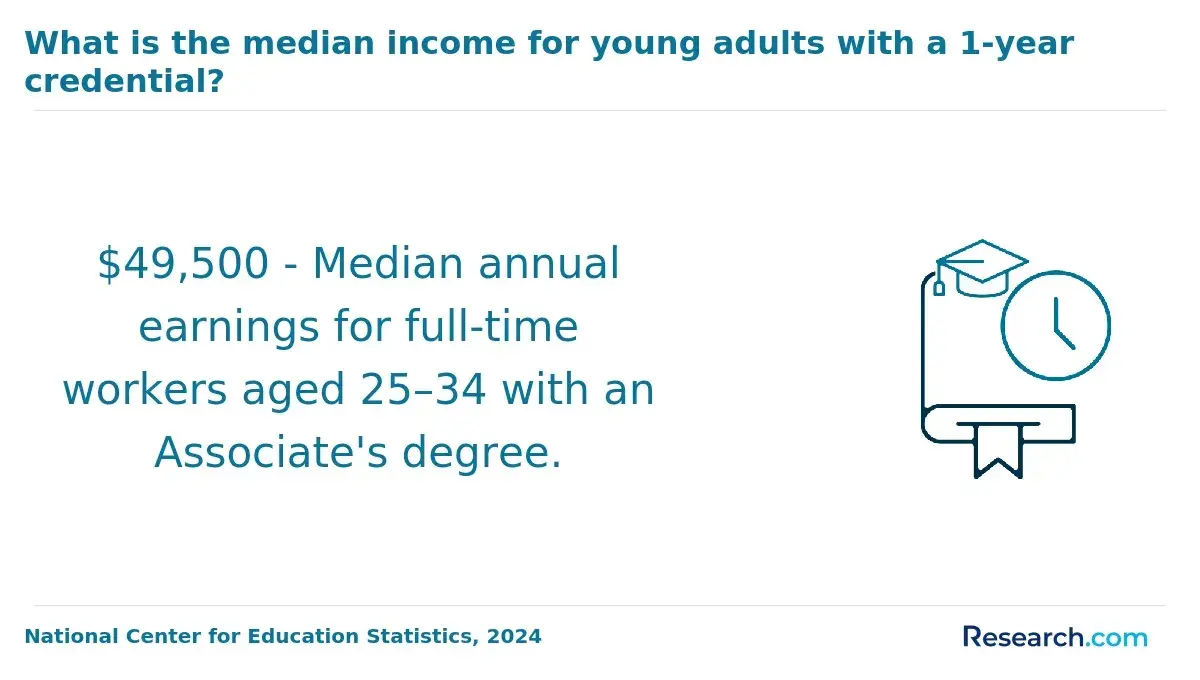
- Typical Salary Range for Degree Graduates: The average starting salary for disability studies degree graduates in the U.S. is approximately $40,400 per year, reflecting broader career options and higher earning potential.
- Typical Salary Range for Certificate Holders: The disability studies certificate holder salary in the US usually falls between $28,000 and $35,000 annually, as these programs prepare students for entry-level or support roles.
- Common Influencing Factors: Geographic location plays a major role, with cities like New York or San Francisco offering higher wages due to cost of living. Job roles and prior experience also impact salary, with specialized positions or additional credentials improving pay.
- Career Outlook: Degree holders tend to have better long-term advancement opportunities and salary growth, while certificate programs provide a faster, more affordable entry point with limited growth potential.
Graduates interested in exploring their options can research programs at the most popular vocational schools online to find paths that match their goals and budget.
Here's What Graduates of Disability Studies Programs Say About Their Degree or Certificate
- Azrael: "Pursuing the disability studies certificate was a fantastic introduction for me. The shorter duration and focused curriculum allowed me to learn at a faster pace without overwhelming costs. While it didn't dive as deeply as a degree, it gave me practical insights that immediately impacted my advocacy work. I highly recommend considering the certificate if you want quality learning without a long-term commitment."
- Alvaro: "Choosing the disability studies degree program was a deliberate decision for me because I wanted a comprehensive understanding of the field. The extended coursework and in-depth learning experience were challenging but rewarding, providing a broad foundation useful in my career as a social worker. Although the financial and time investment is higher than a certificate, the degree opened doors to advanced roles. Reflecting on this, it's important to weigh your career goals against the program length and cost."
- Robert: "Having completed both the disability studies certificate and degree programs, I can confidently say that each serves different needs. The certificate offers a quicker, more affordable way to gain essential knowledge, while the degree deepens your expertise and enhances career prospects. Balancing cost, pace, and depth helped me decide which fit my evolving goals at each stage. If you're weighing your options, think about how in-depth you want your studies and what each path means for your personal and professional growth."
Other Things You Should Know About Disability Studies Degrees
In 2027, employers generally view Disability Studies degrees as more comprehensive, often valuing them for roles that require in-depth theoretical knowledge. Certificates are seen as valuable for enhancing specific skills or knowledge in a shorter timeframe, making them suitable for specialization or professional development.
Many Disability Studies degrees require a capstone, senior thesis, or field-based project; certificates usually do not. A bachelor’s capstone is often completed in the final term and may require 3 to 6 credits. Check whether the program lists an assessment requirement before enrolling.
- Clarifying the Distinctions Between a Certificate, Certification, and Accredited Program https://blog.learntourism.org/clarifying-the-distinctions-between-a-certificate-certification-and-accredited-program
- Diploma, Degree, or Certification: Which One is Right For You? https://lakewood.edu/diploma-degree-or-certification-which-one-is-right-for-you/
- Post-bac Disability Studies Certificate https://www.memphis.edu/cepr/counseling/degrees_and_certificates/disability_studies_pbc.php
- Disability Studies Certificate of Graduate Study | The University of Vermont https://www.uvm.edu/cess/doe/program/disability-studies-certificate-graduate-study
- Disability Studies: Is it the Field for You? https://enablingdevices.com/blog/disability-studies-is-it-the-field-for-you/
- 10 Reasons a Certification May Be Better Than a Grad Degree https://www.nrep.org/blog/certificate-vs-grad-degree
- Rehabilitation and Disability Studies - PBC https://www.usu.edu/degrees-majors/rehabilitation-and-disability-studies_pbc
- Disability Studies Certificate https://west.uccs.edu/academics/certificates/disability-studies
- Certificate in Disability Studies https://www.lsbr.uk/course/lsbr-certificate-in-disability-studies/
- Graduate Certificate in Disability Studies https://disabilitystudies.washington.edu/graduate-certificate-disability-studies


