2027 Return on Investment (ROI) of a Disability Studies Degree Program

Co-Founder and Chief Data Scientist
Many prospective students hesitate to pursue a disability studies degree due to uncertainty about career prospects and financial returns. With unemployment rates among people with disabilities remaining nearly double that of the general population, understanding how specialized education impacts job outcomes is critical. A recent survey found that graduates with disability studies credentials have a 15% higher employment rate within the social services sector compared to those without.
This article examines the return on investment of a disability studies degree by analyzing tuition costs, career opportunities, and long-term salary growth to help readers make informed educational decisions.
Key Things to Know About Disability Studies Degree ROI
- Graduates in disability studies often see a 15% higher earning potential compared to similar humanities degrees within five years of employment.
- Career advancement is supported by growing demand in education, healthcare, and advocacy sectors, offering diverse pathways and leadership roles.
- Job stability is strong due to increasing societal focus on inclusion, with salary growth averaging 3-5% annually over a decade.
How Is ROI Calculated for a Disability Studies Degree Program?
Return on investment (ROI) in higher education quantifies the financial benefits a student gains from a degree relative to the money and time invested. This metric helps prospective students evaluate whether pursuing a disability studies degree offers strong value compared to its costs and duration.
Several important factors are considered when calculating the return on investment for disability studies degree programs. These include:
- Tuition and Fees: This encompasses all direct costs such as tuition, books, and associated fees. These expenses form the baseline financial investment against which future earnings are measured.
- Opportunity Cost: The income that could have been earned if time spent studying was instead devoted to working. Accounting for this lost earnings helps present a realistic net benefit.
- Time to Completion: The length of the program affects overall costs and delays entry into the workforce. Programs with shorter durations may enhance ROI if they lead to comparable career opportunities.
- Post-Graduation Salary Outcomes: Estimating average starting salaries and career growth specific to disability studies roles provides insight into the financial return directly attributable to the degree.
- Career Advancement and Long-Term Earnings: A disability studies degree may open pathways to specialized or leadership roles, boosting earning potential over time and increasing overall ROI beyond initial job placement.
Prospective students can also explore comparative programs such as bcba master's programs online to understand alternative investments. Carefully calculating ROI of disability studies program options ensures informed decisions on educational investments.
How Much Does a Disability Studies Degree Program Cost?
Evaluating the return on investment (ROI) of a disability studies degree requires a comprehensive look at all associated costs, not just tuition. With graduate tuition in the U.S. averaging over $19,200 annually in recent years, understanding the full financial commitment is critical for prospective students deciding if the degree aligns with their career goals.
Several expense categories play key roles in shaping the overall investment:
- Tuition and fees: These vary widely, influenced by factors like the institution's public or private status and whether students qualify for in-state rates, often representing the largest portion of costs.
- Books and materials: Disability studies programs often require specialized resources, and these materials can add unexpected expenses throughout the course of study.
- Living or relocation expenses: For students who must move or live independently during their studies, costs such as rent, utilities, and daily necessities meaningfully increase the total investment.
- Opportunity cost: Committing time to education can reduce earning potential temporarily and may delay career advancement, which are important financial considerations beyond direct expenses.
- Hidden or indirect costs: Additional fees like technology charges, transportation, and unpaid internships can extend both time and money spent, affecting the overall budget.
When I spoke with a recent graduate of a disability studies program, he shared how challenging balancing these costs was. "I underestimated how much the extra fees and materials would add up," he explained, noting that relocating to a new city meant unexpected rent hikes and living expenses. He also mentioned the stress of managing limited income while dedicating time to coursework, saying, "The opportunity cost was real-I had to postpone a promotion at work and felt the financial pinch." His experience highlighted that beyond tuition, many students face layered costs and tough decisions that influence the true price and value of the degree.
What Financial Aid Is Available for Disability Studies Degree Programs?
Reducing upfront education expenses through financial aid can significantly enhance the long-term return on investment (ROI) for students pursuing a disability studies degree. Nearly 70% of U.S. graduate students rely on some form of financial support, which plays a crucial role in managing debt and improving financial outcomes after graduation.
Common financial aid options that help decrease costs and debt for disability studies students include:
- Scholarships: Awarded for merit or financial need, scholarships lower overall expenses without requiring repayment, directly boosting net ROI.
- Grants: Often funded by federal or state programs, grants reduce student debt by covering part of tuition or fees, making education more affordable.
- Fellowships: Primarily for graduate students, fellowships provide funding or stipends that ease financial burdens and support focused academic progress.
- Employer tuition assistance: Working professionals may receive aid from employers to cover tuition costs, decreasing out-of-pocket payments and future loan amounts.
- Federal loans: Although loans increase debt, federal loans typically offer lower interest rates and flexible repayment options, making borrowing more manageable and sustainable.
The time required to complete a disability studies degree has a significant effect on its financial return, influencing opportunity costs, the ability to start earning sooner, and overall expenses. Finishing a program faster can reduce tuition and living costs while allowing earlier entry into the workforce, enhancing the degree's return on investment.
Several factors determine how long it takes to earn this degree and impact its ROI:
- Enrollment status: Full-time students typically graduate more quickly but may face intense academic demands, while part-time enrollment extends study length but offers greater flexibility to balance work and personal life.
- Program format: Online and accelerated courses provide options to speed up completion, though accelerated tracks require significant dedication and time management skills.
- Transfer credits: Applying prior coursework can shorten the degree timeline and reduce costs, making the investment more efficient.
- Practical requirements: Internships or thesis projects deepen knowledge and improve job prospects but may add extra semesters to the overall duration.
- Course scheduling: Programs with adaptable class times help students manage outside commitments, potentially preventing delays caused by schedule conflicts.
When discussing how long it takes to earn this degree, a graduate shared her perspective, highlighting the real-life complexities behind the timeline. She recalled juggling a part-time schedule while caring for family, which extended her studies but made the experience manageable. "Balancing coursework with work and home life wasn't easy," she said, "but the flexibility of online classes helped me stay on track." Her internship proved invaluable, enriching her understanding while lengthening the program by a semester. Reflecting on her journey, she viewed the extended timeline as a worthwhile investment, gaining both professional skills and personal growth that paid dividends in her career.
Delivery format can significantly influence return on investment (ROI) for disability studies programs through differences in cost, flexibility, and career outcomes. In 2021, nearly 40% of U.S. higher education students enrolled in at least one online course, reflecting a growing acceptance of remote learning. This trend shapes the cost effectiveness of online and campus disability studies programs and impacts overall student experiences.
Key factors to consider include:
- Tuition and Fees: Online programs generally have lower tuition and fees, reducing upfront expenses and making them more accessible for many students seeking affordability.
- Opportunity Cost: Flexible online schedules allow students to maintain employment while studying, minimizing lost income compared to more rigid on-campus programs.
- Networking and Career Support: On-campus programs often provide stronger networking opportunities and more direct access to career services, which can enhance job placement and long-term earning potential.
- Employer Perception: Some employers may favor on-campus degrees in certain fields, though this is gradually changing as online education gains credibility.
- Time to Completion: Both delivery formats can offer similar timeframes for degree completion depending on program design, allowing students to plan their studies according to their needs.
For students weighing educational options, examining ROI comparison online versus on-campus disability studies degrees alongside affordability, career outcomes, and personal circumstances is essential. Those interested in related fields might explore msw accelerated programs that also offer flexible online options for faster degree attainment.
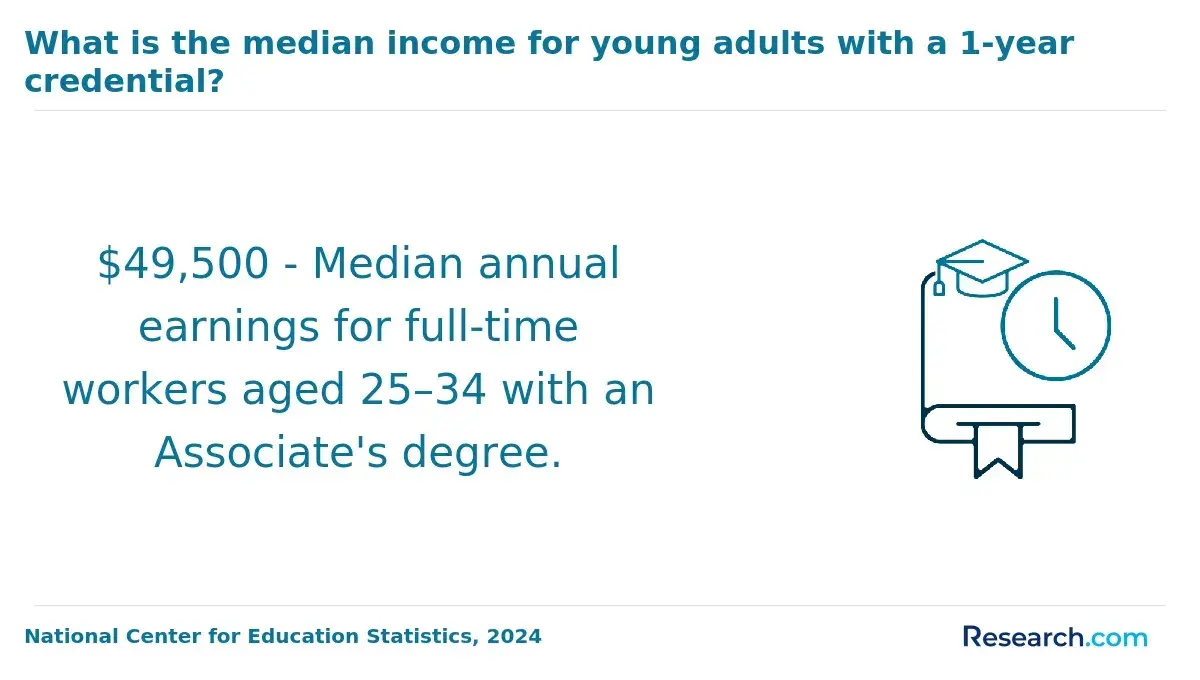
Post-graduation salary is a critical factor in determining the return on investment (ROI) for those who earn a disability studies degree, as it influences how quickly graduates can repay education costs and establish financial stability. Typically, the average salary for disability studies graduates falls between $40,000 and $65,000 annually.
Several key factors shape disability studies degree salary outcomes and overall ROI:
- Industry: Graduates employed in nonprofit organizations or advocacy roles tend to earn on the lower end of the scale, whereas positions in healthcare administration or social services management frequently offer higher pay.
- Geographic Location: Urban areas and states with higher living costs generally provide better compensation compared to rural regions, impacting salary expectations significantly.
- Prior Experience: Relevant internships and work experience before or during studies often lead to increased starting salaries, enhancing the financial benefits of the degree.
- Specialization: Areas such as policy analysis, assistive technology, or education can affect earning potential, with some specializations commanding premiums due to demand and expertise.
- Career Level: Entry-level roles pay less, while advanced and management positions typically come with increased earnings, reflecting career progression and improved ROI.
Prospective students exploring options to boost their credentials and career prospects may also consider programs like executive mba online to complement their expertise in this field.
Promotions contribute significantly to the return on investment (ROI) of a disability studies degree by offering higher salaries, expanded job responsibilities, and greater career mobility. One notable workforce trend is the increasing emphasis on credential-based promotion, where formal education alongside experience is valued for leadership opportunities.
Several key factors demonstrate how a disability studies degree may enhance promotion opportunities and overall ROI:
- Credential requirements: This degree often meets formal education criteria necessary for specialized or leadership roles in sectors like education, healthcare, and social services, positioning graduates for upward mobility.
- Leadership preparation: The program provides foundational knowledge that equips graduates to supervise teams and manage projects within organizations dedicated to accessibility and disability advocacy.
- Internal promotion competitiveness: Possessing a disability studies degree offers a unique skill set aligned with organizational inclusion goals, increasing eligibility for internal career advancement.
- Employer tuition support: Many employers offer tuition reimbursement policies, which can lower the financial burden of completing the degree, thereby improving ROI for students pursuing career advancement.
- Experience complement: Promotions often materialize when educational credentials combine with relevant work experience, making a disability studies degree a valuable catalyst rather than a stand-alone factor.
Graduates considering disability studies degree career advancement should evaluate how combining this education with practical experience aligns with their professional goals. For those seeking affordable learning options that support such progress, exploring most affordable online colleges can be a strategic step.
The degree's role in promotions after disability studies degree completion reflects the growing importance of specialized knowledge in diversity and inclusion efforts across workplaces.
Return on investment (ROI) for disability studies graduates varies widely depending on industry-specific salary levels, career advancement opportunities, and the demand for specialized skills. Industries that effectively utilize expertise in accessibility, advocacy, and program development tend to offer stronger financial and professional returns. Below is a selection of industries that typically provide the highest ROI for disability studies graduates.
Some industries commonly offering strong ROI for disability studies graduates include:
- Healthcare and Rehabilitation: This sector values skills in patient advocacy and accessibility program coordination. It offers job stability and growth potential into administrative and policy roles with competitive compensation.
- Education: Special and inclusive education programs require expertise in creating accessible learning environments. Career paths often lead to leadership positions, enhancing financial returns and long-term prospects.
- Government and Public Policy: Careers here involve shaping disability legislation and implementing rights initiatives. Salaries are generally competitive and career advancement is supported by clear pathways.
- Nonprofit Organizations: Focusing on advocacy and program development, nonprofits offer meaningful roles with initial modest salaries but potential for leadership positions that improve compensation.
- Corporate Diversity and Inclusion: Businesses increasingly invest in accessibility initiatives, creating demand for experts. This area offers promising salary growth and rapid career advancement tied to diversity efforts.
Understanding disability studies graduate career prospects requires recognizing how these fields leverage specialized skills and anticipated career trajectories. For those evaluating degree options, reviewing online degrees that pay well can provide additional context on financial outcomes across disciplines.
In the context of disability studies degree programs, accreditation signifies official validation that a program meets established academic and professional standards. This recognition is crucial because it assures employers and licensure boards that graduates have received a quality education aligned with industry expectations. A growing number of employers prioritize candidates from accredited programs, affecting job prospects and career progression. As a result, accreditation directly impacts the perceived value and financial return of earning a disability studies degree.
Accredited programs often provide students with access to federal financial aid, which can lower the overall cost of education and improve ROI by reducing student debt. Additionally, accreditation enhances the transferability of credits between schools and supports eligibility for certifications or licenses related to disability services. These advantages contribute to greater career flexibility and long-term earning potential, making accreditation a significant factor in maximizing the benefits of a disability studies degree over time.
The return on investment for a disability studies degree depends on various financial and career factors, including tuition costs and program length, which typically ranges from two to four years. Graduates often earn between $40,000 and $55,000 annually, depending on the role and location, reflecting modest salary potential relative to some other fields. Career growth is influenced by opportunities in sectors like education, nonprofit work, and advocacy, where knowledge of disability policy and inclusion is increasingly valued. Recent data indicates jobs related to diversity and inclusion, closely linked to disability studies, are expected to grow by around 10% over the next ten years.
Whether pursuing a disability studies degree offers good ROI depends on several aspects, such as industry demand for specialists in accessibility and policy and the flexibility of the program format, including online and part-time options. Financial aid, scholarships, or employer tuition reimbursement can also significantly affect the overall investment. For students prioritizing meaningful work and impact over immediate financial gain, this degree may be especially worthwhile despite potentially lower starting salaries. Conversely, those chiefly concerned with rapid salary advancement might find the financial returns less compelling.
What Graduates Say About The ROI of Their Disability Studies Degree
- Ezra: "Choosing a traditional disability studies degree was a game-changer for me. While the average cost of attendance was higher than I initially expected, I see it as an investment in my future. The depth of knowledge I gained has opened doors in advocacy roles I couldn't have imagined before."
- Alissa: "Pursuing an online disability studies degree allowed me to balance affordability and flexibility. The tuition was reasonable compared to on-campus options, making it worth every penny when I landed my current job supporting inclusive educational programs. Reflecting back, the ROI has definitely surpassed my expectations."
- Robin: "As a part-time student, I weighed the cost carefully knowing the average expenses could add up over time. Still, completing a disability studies degree enhanced my professional credibility and equipped me with practical skills that advanced my career in social services. The investment has proven to be both strategic and rewarding. "
Other Things You Should Know About Disability Studies Degrees
Yes. Adding the Certified Disability Management Specialist (CDMS) or a similar credential can strengthen ROI, especially for rehabilitation, case management, and accessibility roles. Most employers require a bachelor’s degree plus relevant experience, and CDMS testing is administered by the Commission for Case Manager Certification.
Job market demand for disability studies graduates varies by region and sector but generally grows due to increasing focus on accessibility and inclusion. Fields such as nonprofit organizations, educational institutions, and government agencies are expanding roles related to disability advocacy and support. This rising demand positively influences the ROI by increasing job opportunities and potential salary growth.
In 2027, career advancement for disability studies graduates often includes roles in advocacy organizations, academia, policy-making, and accessibility consulting. Positions may range from program coordinators to directors of inclusion initiatives. Such roles can potentially enhance the long-term ROI by providing stable employment and opportunities for professional growth.
- University Graduates with a Disability: The Transition to the Workforce https://dsq-sds.org/article/ojs_id/3281/
- Disability Studies: Is it the Field for You? https://enablingdevices.com/blog/disability-studies-is-it-the-field-for-you/
- Disability Studies - BA https://www.torontomu.ca/programs/undergraduate/disability-studies/
- Disability Studies | NorQuest College - Edmonton, Alberta https://www.norquest.ca/programs-and-courses/programs/disability-studies/costs-and-courses
- Allowance for persons with disabilities | Student https://us.edu.pl/student/en/wsparcie-i-fundusze/swiadczenia-stypendia-i-zapomoga/stypendium-dla-osob-z-niepelnosprawnosciami/
- Awards and Funding Opportunities https://www.uwinnipeg.ca/disability-studies/awards.html
- Bachelor's Degree (BAE) in Interdisciplinary Disability Studies https://academics.uky.edu/programs/bachelors/interdisciplinary-disability-studies
- Why Students Should Consider Disability Studies as a Major https://socal.easterseals.com/about-us/community-stories/why-students-should-consider-disability-studies-major
- MA Disability Studies Common Questions https://www.truman.edu/majors-programs/graduate-studies/ma-disability-studies-applied-behavior-analysis/faq-disability-studies-aba/
- Understanding the ROI of Cert III in Individual Support https://norgrovetraining.com.au/maximizing-your-investment-understanding-the-roi-of-cert-iii-in-individual-support/