2027 Different Types of Child Psychology Master's Degrees: Specializations, Careers, and Salaries

Co-Founder and Chief Data Scientist
Many prospective students face confusion when choosing the right master's program in child psychology amid growing specialization options. Online programs now enroll over 40% of these students nationwide, reflecting a significant shift towards flexible education.
However, workforce data shows wide salary variability, with median earnings for graduates ranging from $50,000 to $85,000 depending on specialization and credentials. This disparity complicates decision-making for career changers and working adults seeking strong returns on investment. In this article, we'll clarify the main types of child psychology master's degrees, highlighting career paths and comparing salary prospects to guide informed choices aligned with individual goals.
Key Points About the Different Types of Child Psychology Master's Degrees
- Many online child psychology master's programs have eliminated GRE requirements, increasing accessibility; studies show 65% of programs now offer simplified admissions that prioritize undergraduate GPA and relevant experience.
- Flexible formats with part-time and asynchronous options accommodate working professionals, aligning with a 21% projected growth in online graduate education enrollment through 2028.
- Graduates in child psychology report median salaries above $70,000, reflecting strong demand in mental health services for children, with employment projected to grow 11% through 2031.
What Are the Different Types of Child Psychology Master's Degrees Available?
Choosing the right type of master's degree in child psychology can significantly impact your career trajectory and learning experience. Each degree offers a unique balance between theoretical knowledge, research skills, and practical application.
Being familiar with the main categories will help you identify the program that best suits your interests and professional goals. Here is an overview of the common types of child psychology master's degree categories:
- Master of Arts (MA): Focuses on broad humanities and social sciences perspectives with an emphasis on counseling and clinical applications. It blends applied learning with research, often favoring qualitative methods and humanistic approaches.
- Master of Science (MS): More research-intensive, this degree emphasizes scientific methods, experimental design, and statistics. It suits students interested in empirical studies involving biological and cognitive developmental aspects in child psychology.
- Master of Education (MEd): Centers on applied learning within educational settings, including curriculum design and intervention strategies. It is ideal for those pursuing careers in school-based counseling or educational psychology roles.
- Master of Public Health (MPH): Offers a public health perspective with a specialization in mental health, preparing graduates for community-based health programs, policy development, and preventive interventions.
About 40% of psychology master's graduates choose MA programs, reflecting their strong appeal to those seeking both academic and applied child psychology master's degree specializations. For working adults or career changers looking for flexible options, exploring 1-year online master's programs can provide accelerated pathways aligned with professional objectives.
What Specializations Are Available in Child Psychology Master's Degrees?
Choosing a specialization in a child psychology master's degree is essential for aligning education with career opportunities across healthcare, education, and technology sectors. The growing demand for child psychology professionals is reflected in a projected 13% job growth rate for clinical, counseling, and school psychologists from 2021 to 2031, indicating promising salary and employment prospects.
Students considering child psychology master's degree specializations and career options should explore the following popular and in-demand fields:
- Developmental Psychology: Centers on children's cognitive, social, and emotional growth, preparing graduates for roles in research, healthcare, and educational settings that focus on developmental disorders and milestones.
- School Psychology: Combines educational and psychological expertise to support children's academic and emotional well-being, often involving work in K-12 schools addressing behavioral interventions and learning difficulties.
- Clinical Child Psychology: Focuses on diagnosing and treating mental health issues in children, with careers encompassing counseling, therapy, and clinical research within healthcare environments.
- Pediatric Neuropsychology: Merges child psychology with neuroscience to evaluate and treat brain-related developmental conditions, relevant to medical and rehabilitation industries.
- Technology and Child Behavior: An emerging specialization examining the effects of digital media on children's development, relevant to the tech sector and policy development.
For those seeking guidance on the easiest masters degrees and how to best align their program choice with job market demands, easiest master's degrees research can offer helpful insights into program options alongside top child psychology master's concentrations and job outlook.
How Long Does It Take to Complete Each Type of Child Psychology Master's Degree?
Time commitment is a crucial factor for those pursuing a child psychology master's degree, particularly when aiming for rewarding careers in this field. Recent data indicate that acceptance rates for research-intensive programs hover around 30-40%, underscoring the importance of strategically planning your educational timeline.
Below are key considerations to keep in mind regarding program duration and structure:
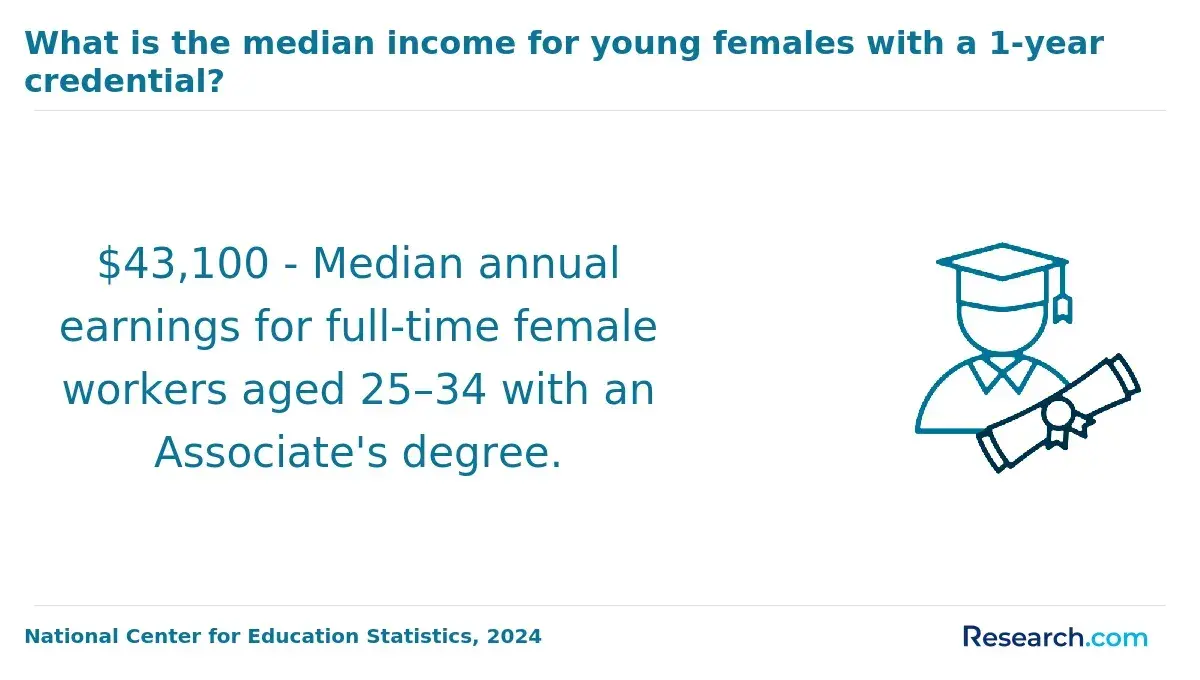
- Degree type impacts length: A Master of Science (MS) usually spans about two years full-time, with a strong emphasis on research and thesis completion. In contrast, Master of Arts (MA) programs often prioritize practical skills and may allow completion in one year.
- Thesis and capstone projects: Programs requiring a thesis or capstone project typically extend the time needed by several months due to research demands and writing.
- Part-time options: Ideal for working professionals, part-time tracks provide flexibility but can lengthen program duration to three or four years or more, requiring disciplined time management.
- Additional practical experiences: Internships or practicum placements, essential for licensure readiness, can add months to the overall timeframe but enhance career prospects.
A graduate of a child psychology master's program shared that balancing coursework and practicum was the biggest challenge. "I initially underestimated how much time the practicum would require alongside my thesis work," she recalled.
"Managing that alongside a part-time job meant stretching the program closer to four years, but the hands-on experience was invaluable." Her experience highlights how program structure deeply influences completion time beyond the classroom.
For students eager to start their careers quickly, the length of a master's degree program can significantly impact their entry into the workforce and overall educational expenses. Accelerated child psychology master's degree programs cater precisely to this need by reducing typical completion times from two years to as little as one.
Below are key factors that make these fast-track child psychology master's degrees effective options for motivated individuals:
- Heavier course loads: Students take more credit hours per semester than in traditional programs, enabling faster completion while covering essential topics efficiently.
- Year-round classes: These programs often eliminate long breaks by including summer and winter sessions, maintaining continuous enrollment to speed up progress.
- Combined bachelor's-master's pathways: Some programs allow undergraduates to start their graduate-level coursework early, shortening the time needed after obtaining a bachelor's degree.
- Targeted curriculum: The coursework focuses on critical skills and knowledge, minimizing electives and less relevant material to streamline education.
- Practical experience integration: Hands-on learning and internships are incorporated concurrently with academic work, preparing students promptly for the workforce.
These accelerated programs are especially suited for working adults, career changers, and nontraditional students who value efficiency and swift career advancement. Completing a fast track child psychology master's degree can open doors sooner to roles such as therapist assistants or school counselors, boosting income potential earlier.
To better understand educational options, consider exploring the best bachelor degrees that align with your career goals and ROI expectations.
Many students weigh the challenges of online versus on-campus Child Psychology master's programs, wondering if remote learning matches the same academic rigor. Studies reveal that about 65% of online learners in psychology-related fields express satisfaction with their programs, while completion rates have become comparable to those of traditional settings.
Several key factors influence the credibility of online degrees:
- Accreditation: Credentials from regionally accredited institutions usually hold the same value as campus-based programs. This ensures that course content and faculty standards meet accepted academic benchmarks.
- Employer acceptance: Licensed professionals increasingly recognize online degrees, particularly when graduates fulfill supervised clinical hours and practicum requirements essential for certification.
- Flexibility benefits: Online programs can be especially suitable for working adults and international students due to self-paced study, elimination of commute times, and extensive access to virtual resources and supervision.
- Challenges: Limited face-to-face interaction and the need for strong personal discipline remain potential drawbacks in fully online formats, which may impact some learners' experiences.
When asked about the credibility question, a graduate who chose an online master's in child psychology shared that balancing work, family, and coursework was much easier without campus commuting. He noted, "The structured but flexible online format let me progress at my own pace without feeling rushed."
He added that gathering clinical hours was initially intimidating, but his program's virtual supervision and clear guidance made the process manageable. Reflecting on the experience, he remarked, "Honestly, it felt just as valid as a traditional degree-and more practical for my busy life."
Weighing tuition costs is crucial for those aiming to pursue a child psychology master's degree while managing financial resources wisely. Tuition varies widely due to factors like institution type, delivery method, and program structure. According to recent data, graduate tuition for psychology-related fields typically ranges from $12,000 to $45,000.
The following points highlight key cost considerations worth noting:
- Public vs. private institutions: Public colleges usually offer lower tuition rates, making them more affordable for many students, whereas private universities tend to charge higher fees reflecting their resources and prestige.
- Online vs. on-campus programs: Fully online master's programs often cost less, generally between $12,000 and $25,000, as they eliminate expenses like commuting and housing. Hybrid formats that blend online learning with some on-site requirements tend to be more expensive, frequently ranging from $20,000 to $45,000 due to added campus-related fees and travel.
- Program length and credit hours: Longer programs requiring more credits generally have higher tuition, with typical ranges from 36 to 60 credit hours. Accelerated options with fewer credits might lower costs but can demand a heavier workload.
- Additional fees and expenses: Beyond base tuition, students should anticipate technology fees, practicum placement costs, lab fees, and other supplementary charges which can increase total expenses.
For prospective students weighing child psychology career opportunities by degree specialization, understanding the job outlook is essential to align their education with market demand and personal goals. The field is expected to grow steadily, with employment for child and school psychologists projected to increase by 8% from 2020 to 2030.
Below is an overview of common job options with different types of child psychology master's degrees and how these roles relate to degree requirements, flexibility, and leadership potential.
- Clinical roles require a master's degree: Positions such as mental health counselor or behavioral therapist typically mandate a master's degree, providing opportunities to assess and treat children's developmental and behavioral needs in clinical settings.
- Educational roles offer flexibility but often need certification: Working as a school psychologist or guidance counselor usually requires additional certification beyond the degree, yet these roles allow for career advancement in student wellness and support programs within schools.
- Leadership and management positions grow with experience: Child psychology specialists often move into supervisory roles or program management within social service agencies, combining clinical expertise with administrative skills to shape child welfare initiatives.
- Advanced degrees increase advancement and salary potential: While a master's degree opens many doors, obtaining a doctoral degree or specialized licensure can lead to higher-level roles, such as directors of youth services, and elevate median salaries to about $80,000 annually.
Industries actively recruiting graduates include healthcare systems, non-profits focused on child advocacy, and public education sectors. Those interested in maximizing the ROI of their education might also explore evolving pathways like the easiest online MSW program for complementary skills in social work, broadening employability and leadership prospects within child-centered services.
Job options with different types of child psychology master's degrees thus vary widely, offering flexibility in roles and clear trajectories for leadership depending on additional certification and degree advancement.
Salary ranges for child psychology master's degree holders are an important consideration for students planning their career paths, as pay can widely vary based on several factors. According to the U.S. Bureau of Labor Statistics, the median annual wage for psychologists, including those specializing in child psychology, was about $82,180 in 2023.
These figures fluctuate depending on the specialization, industry demand, and geographic location, highlighting why understanding how salaries compare by child psychology master's degree type is essential. Several key factors help explain these salary differences:
- Specialization impact: Clinical child psychology graduates often earn higher salaries due to demand in healthcare settings and the need for licensure, while school psychologists' pay tends to align with education sector budgets, which can be limited by regional constraints.
- Experience level: Entry-level professionals usually start with lower wages; however, those who accumulate clinical hours or take on supervisory roles can command significantly higher compensation over time.
- Work environment: Psychologists working in private practice or hospital settings generally have greater income potential compared to those employed in nonprofit organizations or public schools, where budgets may restrict salary growth.
- Geographic location: Salaries often vary by region, with urban centers and states that have a higher cost of living typically offering better pay to offset expenses.
For students aiming to evaluate child psychology master's degree salary differences by specialization and career settings, it is helpful to explore options that align with both their interests and financial goals. Additionally, researching opportunities provided by online schools can offer flexibility and access to programs that balance cost with potential return on investment.
Choosing the right online master's program in child psychology requires careful consideration of several factors to align with your personal and professional goals. These decisions will impact your educational experience, financial investment, and future career prospects.
Below are key aspects to evaluate when selecting a program:
- Career goals: Clarify whether you aim for clinical practice, research, or educational roles. Different programs may emphasize psychology theory, applied skills, or specialized child development topics, so choose one that matches your intended path.
- Cost and financial aid: Tuition rates vary widely between institutions. Investigate available scholarships, grants, and employer tuition assistance to minimize debt while ensuring a quality education.
- Time commitment and flexibility: Balance your studies with personal and work responsibilities by considering part-time, full-time, or accelerated program options. Flexible scheduling and asynchronous coursework can be especially helpful for working adults and career changers.
- Program format: Some programs offer fully online instruction, while others include hybrid models with occasional on-campus sessions. Assess which format fits your learning style and logistical needs.
- Accreditation: Enroll in programs accredited by recognized agencies to ensure academic rigor and eligibility for licensure or certification. Accreditation also often relates to better support services and employer recognition.
- Support services: Look for programs that provide strong academic advising, technical help, and access to digital resources like journals and tutoring. These supports enhance learning and degree completion rates.
- Long-term career flexibility: Consider how the program prepares you for evolving roles within child psychology, opportunities for further study or specialization, and adaptability to various work settings.
Selecting the right master's program in child psychology is crucial for students aiming to secure long-term career success and satisfaction. A thoughtful choice can impact your professional growth, earning potential, and personal fulfillment.
Consider these key factors when evaluating your options:
- Career advancement: Many specialized roles in child psychology require a master's degree or higher, making this credential essential for accessing higher-level positions like clinical psychologist or school counselor.
- Salary growth: Graduates with a master's typically earn more than those with only a bachelor's degree; however, actual income varies based on geographic location, industry, and job role.
- Industry expectations: Employers often seek candidates with a solid blend of academic training and practical clinical experience, highlighting the importance of programs that offer hands-on opportunities.
- Personal fulfillment: Careers supporting children's mental health can be rewarding, providing meaningful work that positively impacts young lives.
- Investment vs. return: Weigh the time and financial commitment against projected salary gains and job stability to ensure the program aligns with your long-term goals rather than short-term trends.
What Graduates of Child Psychology Master's Degree Programs Say About Their Specialization, Career, and Salary
- Joanne: "Entering the child psychology master's program was a natural step for me after volunteering with children in my community. Despite the program's average cost of around $20,000, I found the investment worthwhile as it opened doors to specialized roles and significantly boosted my salary. I'm genuinely thrilled about the career growth that resulted from this decision."
- Carla: "After careful consideration, I chose the child psychology master's degree program to deepen my understanding of child development. The tuition, while close to $18,000, felt manageable given the added value it brought to my professional credentials. Reflecting on my journey, this degree has been instrumental in elevating my career and improving my earning potential over time."
- Juliane: "pursued the child psychology master's degree to transition into a more research-centered role, knowing the program costs about $22,000 on average. The experience not only enhanced my expertise but also led to a noticeable salary increase and more opportunities in clinical settings. Professionally, it was a strategic move that paid off well."
Other Things You Should Know About Child Psychology Degrees
Many programs require either a thesis or a capstone, but not both. Thesis tracks often need 6 to 9 research credits and a faculty committee review. Capstone projects are usually paired with practicum or internship hours and are common in applied degrees.
Career paths often include progression to supervisory roles, clinical director positions, or specialized practice areas such as neuropsychology or trauma-informed care. Many professionals pursue doctoral degrees to expand their scope or enter academia. With experience, some transition into consulting, policy advising, or program administration.
- Master’s in Child Psychology (Degree Guide) https://www.allpsychologyschools.com/degrees/masters-in-child-psychology/
- Child and Adolescent Psychology, MSc https://www.gre.ac.uk/postgraduate-courses/eduhea/childadolpsych
- Best Online Child Psychology Master's Degrees Updated for 2025 https://www.psychologydegrees.org/programs/online/child-psychology-masters
- School and applied child psychology- MEd - Course https://grad.ucalgary.ca/future-students/explore-programs/school-and-applied-psychology-med-course
- Home https://www.husson.edu/online/blog/2025/10/types-of-child-psychology-careers
- Child Development MSc https://www.ucl.ac.uk/prospective-students/graduate/taught-degrees/child-development-msc