2027 Counseling Programs That Let Students Complete Prerequisites After Conditional Admission

Co-Founder and Chief Data Scientist
If you want to become a clinical mental health counselor but lack one or two undergraduate courses, conditional admission may prevent you from delaying graduate school for a full admissions cycle. These pathways can be useful, but they are not automatically licensure-safe. The U.S. Bureau of Labor Statistics projects 17% employment growth for substance abuse, behavioral disorder, and mental health counselors from 2024 to 2034. This guide explains conditional admission, prerequisite sequencing, accreditation, costs, and the questions that help you choose a program that fits your state licensure goal.
Key Things You Should Know
- Conditional admission can allow applicants to enroll while completing missing foundation courses, but the admission letter should state every outstanding requirement, deadline, grade standard, and consequence of noncompletion.
- For clinical mental health counseling, a 60-semester-credit master's curriculum is commonly important because CACREP clinical mental health counseling standards use a 60-credit minimum; state licensing rules may add requirements.
- The U.S. Bureau of Labor Statistics projects 17% job growth for substance abuse, behavioral disorder, and mental health counselors from 2024 to 2034, but licensure eligibility - not conditional admission alone - determines whether a degree supports independent clinical practice.
What are conditional admission counseling programs that allow prerequisites after acceptance?
Conditional admission is an offer of admission that becomes fully regular only after a student satisfies specified requirements. In counseling master's programs, the condition often concerns missing undergraduate preparation rather than the graduate counseling curriculum itself. A school may admit an applicant with a strong overall record but require completion of courses such as introductory psychology, statistics, human development, or abnormal psychology before a stated deadline.
This option is most useful for career changers, applicants whose bachelor's degree is outside psychology or human services, and students who completed equivalent coursework long ago but need a current foundation course. It is less suitable for applicants who need many prerequisites, cannot take added classes alongside graduate work, or need immediate certainty about state licensure eligibility.
Schools use different labels for this arrangement. The distinctions below matter because they affect funding, course registration, and the risk of losing a seat.
| Admission arrangement | What it usually means | What to confirm |
| Conditional admission | You are admitted but must meet stated academic conditions. | Deadline, minimum grade, enrollment restrictions, and dismissal policy. |
| Provisional admission | You may begin graduate study while the program evaluates readiness or required work. | Whether the status affects aid, practicum eligibility, or progression. |
| Prerequisite completion before enrollment | You are accepted for a future term after completing designated courses. | Whether your place is reserved and whether courses must be taken at an approved school. |
| Nondegree or post-baccalaureate coursework | You take prerequisites first without admission to the counseling degree. | Transferability, grade requirement, and whether later admission is guaranteed. |
A conditional offer is not the same as a waiver. A waiver means a program has determined that prior education or experience already meets a requirement. Conditional admission means the requirement still exists. Ask for the decision in writing rather than relying on an informal statement from an admissions representative.
How do these counseling programs meet CACREP and regional accreditation standards?
Accreditation answers two separate questions. Institutional accreditation evaluates the college or university as a whole, while programmatic accreditation evaluates the counseling program. For students pursuing clinical mental health counseling, CACREP accreditation is often the most straightforward signal that a program's curriculum, supervised practice, faculty structure, and assessment processes align with profession-specific standards.
CACREP-accredited clinical mental health counseling programs are built around at least 60 semester credit hours. However, completing a CACREP-accredited degree does not itself issue a state license. Each licensing board determines the required degree, practicum and internship hours, postdegree supervised experience, examination, background review, and other conditions.
Conditional admission can be compatible with CACREP expectations when the missing classes are undergraduate foundations or other admissions requirements. A program should not treat incomplete core counseling education, practicum, or internship requirements as optional merely because a student was conditionally admitted.
Before enrolling, verify these points with both the school and the licensing board in the state where you plan to practice:
- Whether the degree program - not simply the university - holds current CACREP accreditation or meets the board's alternative educational standard.
- Whether the program's clinical mental health counseling track is designed for licensure in your intended state.
- Whether online coursework, campus residencies, practicum placements, and internship supervision satisfy that state's rules.
- Whether your conditional prerequisites must be completed before clinical fieldwork or before graduate core courses begin.
A common mistake is assuming "regionally accredited" automatically means "license qualifying." Institutional accreditation is important for transfer credit and federal aid, but it does not replace a state board's education review or programmatic standards.
What prerequisites can typically be completed after conditional admission in counseling?
Requirements vary by school, but conditional admission most often covers undergraduate-level coursework that helps students enter graduate counseling study with shared academic vocabulary. Programs may also use a conditional offer for a missing transcript, an outstanding bachelor's degree, a required writing sample, or a modest GPA concern addressed through early graduate-course performance.
The following prerequisites are commonly requested from applicants without a psychology, counseling, education, or human services background. They are examples, not universal requirements.
| Common prerequisite | Why a program may request it | Typical sequencing concern |
| Introduction to psychology | Provides core concepts in behavior, cognition, and mental health. | Often required before or during the first term. |
| Human growth and development | Supports lifespan counseling concepts. | May overlap with graduate development coursework but is not always interchangeable. |
| Abnormal psychology or psychopathology | Introduces diagnostic concepts and mental health conditions. | Frequently needed before advanced assessment or diagnosis classes. |
| Statistics or research methods | Prepares students to interpret counseling research and assessment data. | May need completion before research-focused graduate courses. |
| Behavioral or social science foundations | Establishes familiarity with human systems and social influences. | Requirements differ substantially across programs. |
Ask whether a prerequisite must come from an accredited institution, whether an online course is acceptable, how recent it must be, and whether a grade of B or higher is required. A course with a similar title is not necessarily equivalent; obtain approval before paying for it.
If you have several missing courses, a formal post-baccalaureate plan may be safer than trying to compress them into your first graduate semester. Students seeking flexibility can compare best accredited self-paced online colleges for general prerequisite coursework, but should first confirm that the counseling program will accept the specific course and credit format.
How do online and campus-based counseling programs differ when offering conditional admission?
Online and campus-based programs can both offer conditional admission, but the practical experience differs most in scheduling, local placement support, and how prerequisites fit into the first year. "Online" does not usually mean entirely remote in counseling: clinical mental health counseling programs commonly require supervised practicum and internship experiences at approved sites, and some require in-person skills residencies.
This comparison helps applicants decide which format is workable before accepting a conditional offer.
| Factor | Online or hybrid program | Campus-based program |
| Course access | May offer asynchronous academic courses, though live sessions can still be required. | Usually follows fixed meeting times and local academic calendars. |
| Prerequisite scheduling | Can be convenient when approved prerequisites are available online. | May offer easier access to the institution's own prerequisite courses. |
| Clinical placement | Student may need to locate a qualified local site, with school approval. | Program may have stronger local agency relationships, but placement is not guaranteed. |
| Residency and skills training | May require travel for intensive in-person experiences. | Typically integrated into regular on-campus instruction. |
| Best fit | Working adults with reliable time management and approved local placement options. | Students wanting consistent face-to-face faculty access and a local professional network. |
Choose online study only if the program confirms in writing that it accepts students in your state and can support required field experiences there. State authorization, placement availability, and board rules can change, so a program's general online format should never be treated as proof of licensure eligibility.
Students considering accelerated schedules should be cautious: counseling skills development and fieldwork cannot always be shortened without creating scheduling conflicts. Review accelerated career programs as a broader planning resource, then compare the actual counseling program's term structure, residency dates, and clinical sequence.
What are the typical admission criteria and documentation for conditional entry into counseling programs?
Conditional admission is typically intended for applicants who meet most entry standards but have a defined, remediable gap. Programs commonly review academic preparation alongside evidence of interpersonal readiness, professional goals, and capacity to complete graduate-level work. Requirements can be more selective than the published minimums, especially when clinical placements are limited.
Prepare a complete file early. The following materials are frequently requested, although each school sets its own requirements.
- Official transcripts from every college attended, including documentation of prerequisite courses and degree conferral.
- A statement of purpose explaining career goals, relevant experience, and fit with counseling rather than a different helping profession.
- Letters of recommendation addressing academic ability, professional conduct, communication, or helping skills.
- A résumé or curriculum vitae showing employment, volunteer, human services, education, or related experience.
- An interview, group interview, writing exercise, or recorded response when the program assesses interpersonal and professional readiness.
- A written prerequisite plan identifying each missing course, the approved provider, expected completion term, and required minimum grade.
Read the conditional-admission agreement closely. The most important details are whether you may begin core counseling courses, whether you may receive financial aid, whether you can repeat a prerequisite, and what happens if a course is completed late or below the required grade.
Do not conceal prior coursework, disciplinary history, or a failed course in the hope that it will not appear later. Licensing boards and clinical sites may require background disclosures, and inaccurate application information can create problems long after admission.
How do curriculum plans and course sequencing work when prerequisites are taken after admission?
A sound conditional-admission plan protects the sequence of graduate core courses, skills courses, practicum, and internship. Prerequisites may be taken before the first term, during the first term, or before a specific graduate course. The safest plans put all foundation coursework behind the student before clinical training begins.
Clinical mental health counseling curricula usually progress from knowledge and skill-building to supervised field experience. The sequence below is illustrative; actual course titles and timing vary by institution.
| Program stage | Typical coursework | Conditional-admission priority |
| Entry and first term | Orientation, professional counseling identity, ethics, foundations, and helping relationships. | Finish urgent psychology or statistics prerequisites and confirm the academic plan. |
| Core preparation | Human development, multicultural counseling, assessment, research, group work, and theories. | Maintain required grades and resolve any transfer-credit decisions. |
| Clinical specialization | Diagnosis, treatment planning, crisis intervention, addiction, trauma, or couples and family electives. | Ensure all prerequisite and progression conditions are cleared before applying for fieldwork. |
| Practicum and internship | Supervised direct-client work, case consultation, documentation, and evaluation. | Confirm site approval, supervisor credentials, background checks, and state-specific rules. |
Ask the program director for a term-by-term degree map showing the longest possible completion path if a prerequisite is delayed. This is particularly important for part-time students because a course offered once each year can postpone practicum or internship by multiple terms.
Students should also distinguish a degree's advertised length from their personal completion time. A prerequisite, residency, limited elective availability, or delayed field placement can extend the timeline even when all graduate courses are passed on schedule.
What are the program length, tuition costs, and financial aid options for these counseling pathways?
A clinical mental health counseling master's degree commonly requires at least 60 semester credits when designed around CACREP clinical mental health counseling standards. Full-time students may complete the graduate degree in roughly two to three years, while part-time enrollment or added prerequisites can lengthen the plan. No program can responsibly promise an exact completion date before accounting for course availability and supervised placement requirements.
Total cost is more than published tuition. Compare each school using a written estimate that includes graduate tuition, prerequisite tuition, mandatory fees, books, technology, travel for residencies, background checks, liability insurance, and reduced work hours during internship.
For cost-conscious applicants, public institutions may offer lower resident tuition, while private nonprofit and private for-profit institutions may use different tuition structures and scholarship models. Institution type alone does not determine value. A lower tuition rate can lose its advantage if it adds travel, delays graduation, or does not meet the requirements of your state board. Start your comparison with options for an affordable master degree, then verify counseling accreditation, clinical placement support, and total program charges.
Financial aid options can differ when a student is conditionally admitted. Ask the financial aid office whether your status is degree-seeking, whether prerequisite credits count toward enrollment for aid purposes, and whether institutional scholarships apply before conditions are cleared.
- Complete the FAFSA to determine eligibility for federal student aid, subject to current program and enrollment rules.
- Ask about department scholarships, graduate assistantships, tuition remission, and paid campus roles.
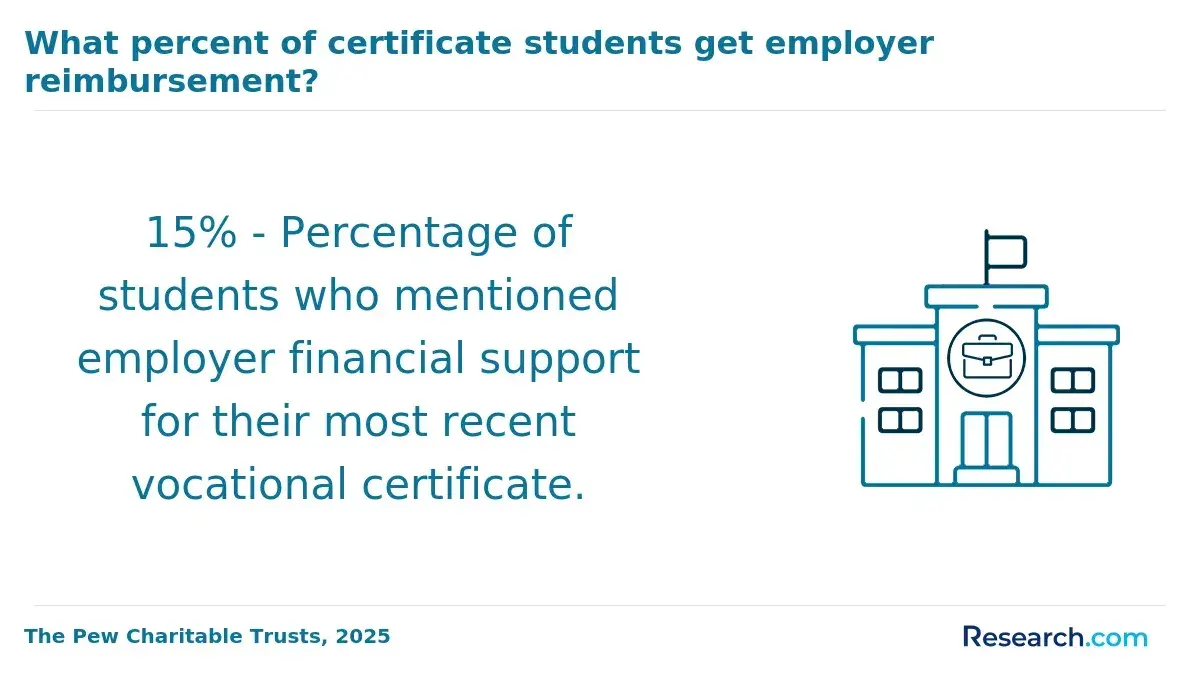
- Check whether your employer offers tuition assistance for behavioral health, education, employee assistance, or human services study.
- Borrow only after comparing the full expected program cost with likely earnings, living expenses, and the possibility of part-time work during field placement.
Be wary of a school that quotes only a per-credit figure without identifying required fees or the cost of the prerequisite plan. Request an itemized estimate and retain it with your admission agreement.
How do conditional admission counseling programs prepare students for state licensure as clinical mental health counselors?
Conditional admission is an entry route, not a separate professional credential. To become licensed as a clinical mental health counselor, graduates generally need a qualifying master's degree, supervised practicum and internship, a passing score on the examination accepted by their state, postmaster's supervised clinical experience, and an approved licensure application. Titles vary by state, including Licensed Professional Counselor, Licensed Mental Health Counselor, and similar designations.
Your graduate program should teach foundational counseling competencies while building documented supervised experience. It should also explain where its curriculum does and does not meet state requirements. The school can advise, but the licensing board makes the final eligibility determination.
Use this process to protect your path to licensure:
- Choose the state where you expect to seek initial licensure and read that board's current education and supervision rules.
- Ask the counseling program for a written licensure disclosure for that state, including whether conditional prerequisites affect eligibility.
- Confirm that practicum and internship requirements, course content, and faculty-supervision arrangements meet the board's standards.
- Save syllabi, fieldwork evaluations, supervisor records, transcripts, and the conditional-admission agreement for future board review.
- Before relocation, compare the new state's endorsement, reciprocity, and educational requirements rather than assuming your initial license transfers automatically.
A major mistake is enrolling in a counseling-related degree that sounds clinical but does not meet the education standard for independent counseling licensure. If your goal is therapy or diagnosis within your state's scope of practice, verify the exact degree and licensure pathway before paying a deposit.
What career outcomes, job roles, and salary ranges can graduates of these programs expect?
Graduates who meet their state's licensing requirements may work in community mental health agencies, hospitals, schools, group practices, substance use treatment settings, employee assistance programs, telehealth organizations, and nonprofit services. Early roles may be supervised and use an associate, intern, resident, or similar title until the postdegree licensing requirements are complete.
The U.S. Bureau of Labor Statistics reports a $59,190 median annual wage for substance abuse, behavioral disorder, and mental health counselors in May 2024. This is a national occupational median, not a starting-salary promise for every counseling graduate. Pay can vary substantially by state, employer, client population, work setting, licensure status, hours worked, and whether a role includes private-practice income.
The following roles illustrate how career progression may look after a clinical mental health counseling degree. Exact titles and permitted duties are governed by state law and employer policy.
| Career stage or role | Typical work | Key consideration |
| Prelicensed counselor or clinician | Provides services under required supervision, often in agency or community settings. | Scope of practice and billing authority may be limited. |
| Licensed clinical mental health counselor | Assesses clients, develops treatment plans, provides counseling, and coordinates care. | Requires state-specific licensure and continuing education. |
| Behavioral health program coordinator | Supports program operations, referrals, quality improvement, and staff coordination. | Some positions value clinical experience but may not require independent licensure. |
| School or college counseling-related role | Supports student well-being, advising, referrals, and counseling services. | School counseling often has separate credential requirements. |
| Private-practice clinician | Provides outpatient counseling and manages documentation, scheduling, and business functions. | Usually requires independent licensure and careful compliance planning. |
Technology is changing documentation, telehealth workflows, scheduling, and administrative tasks, but it does not eliminate the need for supervised clinical judgment, ethical decision-making, relationship skills, and privacy safeguards. Programs should teach students to use technology responsibly rather than treating it as a replacement for counseling competence.
A doctorate is not required for counseling licensure, although it may fit teaching, research, leadership, or specialized career goals. Professionals considering that longer route can explore best 1 year PhD programs online, while recognizing that an accelerated doctorate may not align with counselor education faculty credential expectations or licensure needs.
How should prospective students evaluate and choose reputable conditional admission counseling programs?
The best conditional-admission program is not simply the one that says yes fastest. It is the one that documents a realistic route from your current academic record to a degree that supports your intended license, within a cost and schedule you can manage. Compare written answers rather than relying only on website summaries.
Before accepting an offer, use these questions to evaluate whether the condition is manageable and whether the program is reputable:
- What exact prerequisite courses, grades, documents, or assessments remain, and what is the final deadline for each?
- Can I begin graduate counseling courses immediately, and which courses or field experiences are blocked until conditions are removed?
- Will the program accept my planned prerequisite provider and course format before I enroll?
- Is the specific counseling track CACREP accredited, and what does the school disclose about licensure in my intended state?
- What are the total estimated tuition, fees, travel, residency, and field-placement costs for my personal plan?
- How are practicum and internship placements approved, and what support is available if I cannot secure a site?
- What percentage of students complete the program, obtain placements, and meet relevant licensure milestones, if the school publishes those outcomes?
- What happens if I miss a deadline, earn below the required grade, need a leave, or move to another state?
Red flags include vague answers about state licensure, pressure to pay before receiving the conditions in writing, a refusal to identify all required fees, promises of guaranteed placement or employment, and a curriculum that cannot clearly show its practicum and internship structure. Also avoid treating a high ranking, low tuition, or convenient online schedule as a substitute for credential verification.
Conditional admission makes sense when your missing requirements are limited, approved, affordable, and possible to complete without disrupting clinical training. Consider completing prerequisites before applying if you need several courses, have uncertainty about academic readiness, or want the broadest possible choice of counseling programs.
Other Things You Should Know About Clinical Mental Health Counseling
Often, yes. Many counseling master's programs accept applicants from non-psychology majors, especially when they complete specified foundation courses. Admission policies differ, so obtain a written list of prerequisite requirements before applying or enrolling in coursework.
No. You must satisfy every stated condition by the required deadline and meet ongoing academic and professional standards. Ask whether a missed deadline, low prerequisite grade, or incomplete document leads to probation, delayed progression, or withdrawal of admission.
It can, but only if the degree, curriculum, supervised field experiences, and state-specific requirements align. Confirm that the school accepts students in your state and obtain current licensure guidance from your state counseling board.
The degree may take roughly two to three years for many full-time students, but independent licensure generally also requires postmaster's supervised experience and an examination. The full timeline varies by state, enrollment pace, field placement availability, and licensing-board rules.
References
- Bureau of Labor Statistics, U.S. Department of Labor. (2024). Occupational outlook handbook: School and career counselors and advisors. U.S. BLS
- Data USA. (n.d.). Mental health counseling. Data USA
- Federal Student Aid. (n.d.). Federal Supplemental Educational Opportunity Grant (FSEOG). Student Aid
- Hanson, M. (2024, November 3). Pell Grant statistics. EducationData.org
- Salary.com. (2025). Licensed clinical professional counselor salary. Salary.com
- Salary.com. (2025). Licensed mental health counselor salary in the United States. Salary.com
- Salary.com. (2025). School counselor salary. Salary.com
- Zippia. (2025, January 8). What is a counselor and how to become one. Zippia